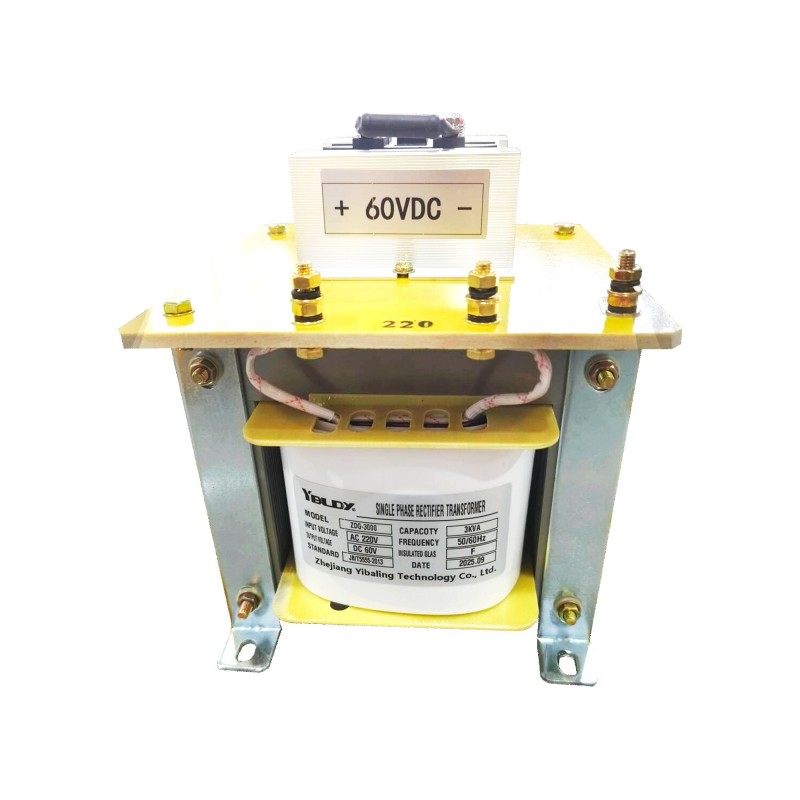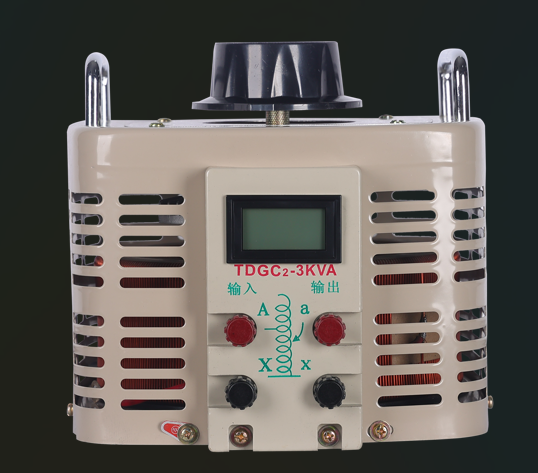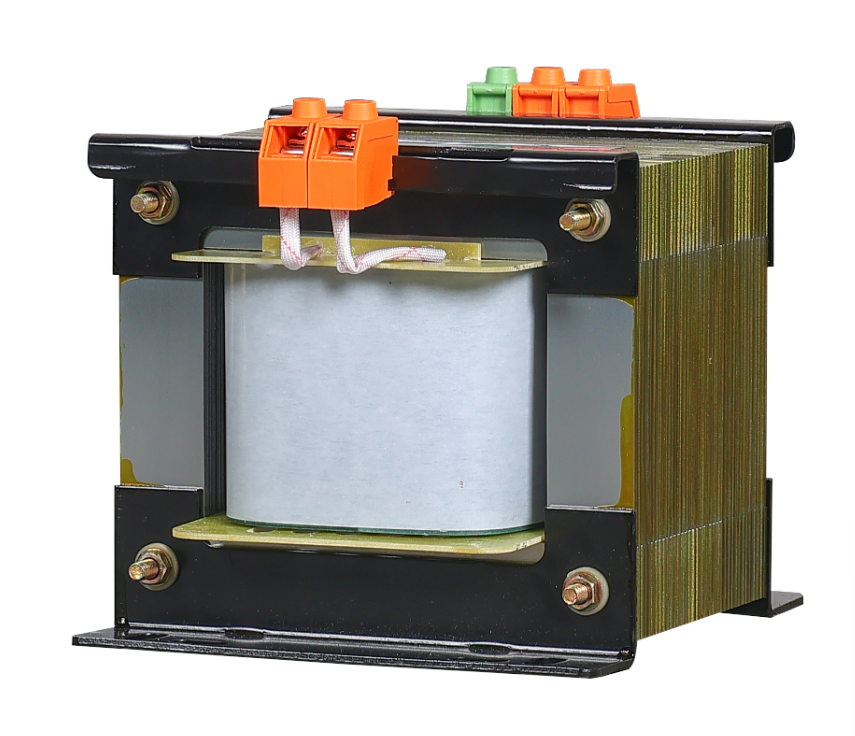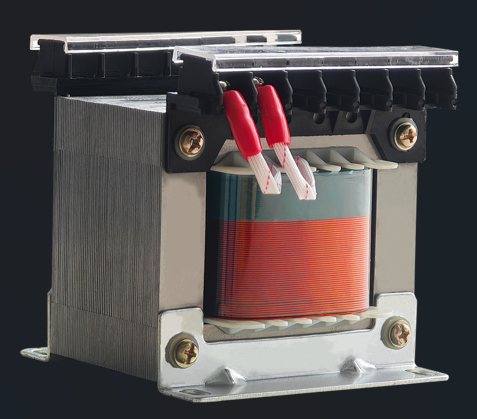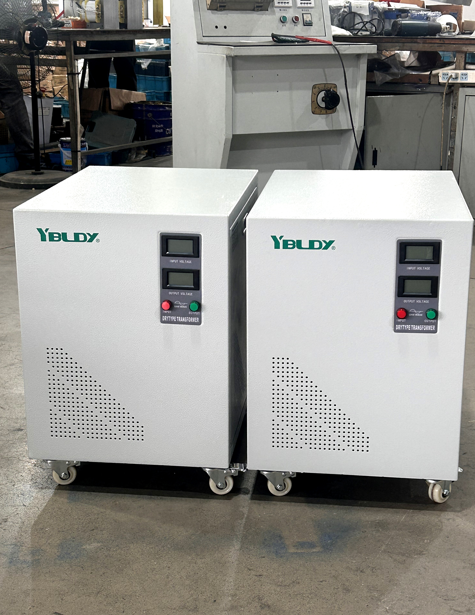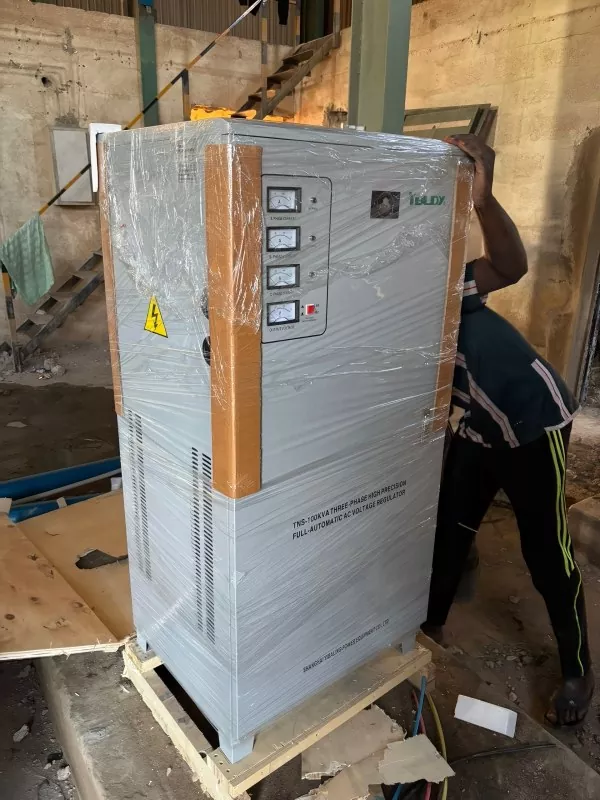

Customized Transformer Manufacturer and Supplier
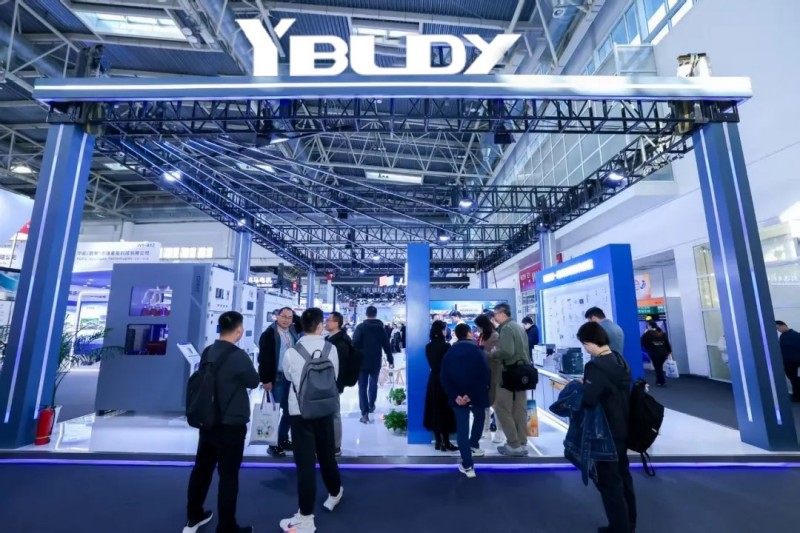
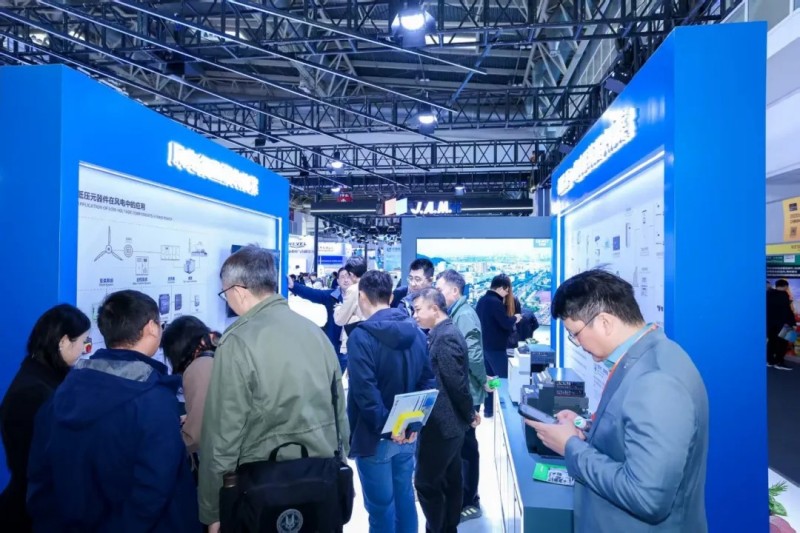
Are you still searching for a manufacturer and supplier capable of providing customized transformers? Yibaling is just such a reliable company; with over a decade of experience, we possess robust manufacturing capabilities and advanced technical expertise, enabling us to provide solutions perfectly tailored to your specific project requirements.
Company Profile
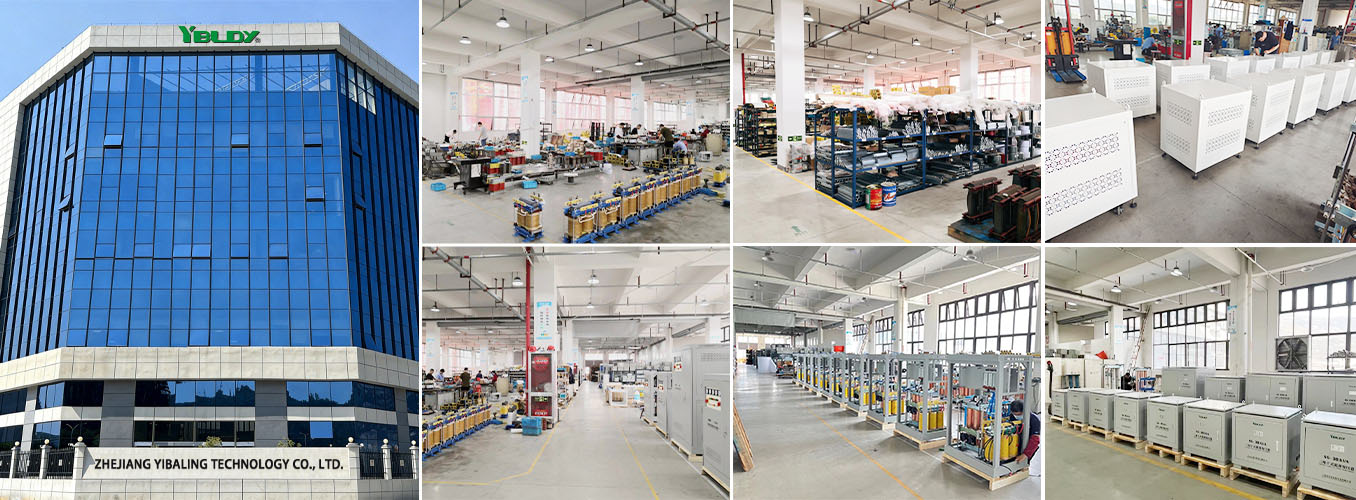
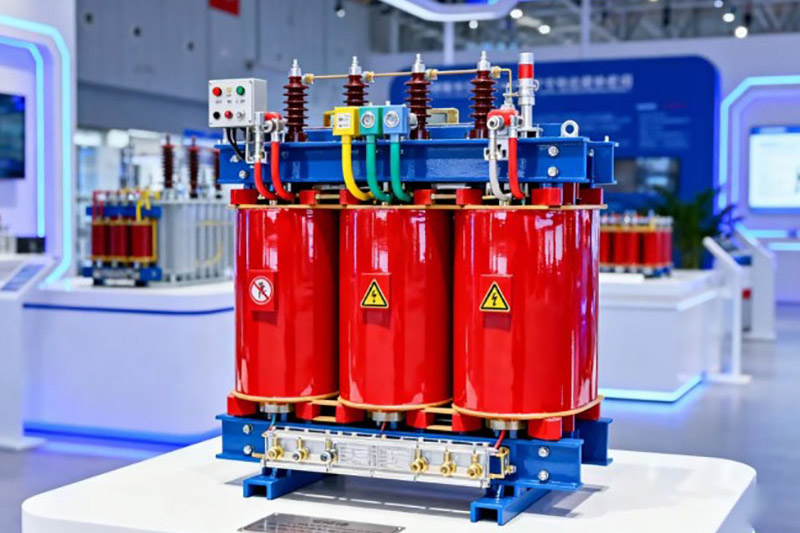
Zhejiang Yibaling Power Equipment Co., Ltd. is a professional manufacturer of transformers and voltage regulators. It can produce isolation transformers, step-up and step-down transformers, power transformers, and automatic voltage regulators.
Its products comply with the national compulsory product certification (CCC), the EU CE safety certification, and the ISO9001 quality management system certification standards.
Yibaling's factory has over 10 engineers and technicians and a staff of over 60 people. The factory covers a complete production line from winding, silicon steel sheet cutting to transformer manufacturing.
Why Choose Us?
1. High Quality
Our Yibaling factory is renowned for its diverse product lines and strict quality control throughout the entire process (from the selection of raw materials to the meticulous production procedures and to the delivery of high-quality products).2. Professional Team
Our company also has a professional team consisting of over 10 engineers and technical personnel, as well as a basic force of over 60 employees, which can cover every aspect from design to production and delivery.3. Support Customization
We fully understand that standard products may sometimes not fully meet the unique requirements of your project. We are more than willing to offer you a precise solution through customized methods.Customized transformer
Customized transformers are not simply a matter of modifying the label parameters.
When the operating conditions specified in the project exceed the boundaries of the IEC/GB standard library - whether it's the demanding environmental tolerance (such as the altitude reduction factor K > 1), the strict loss commitment values (such as requiring the no-load loss to be lower than 10% of the national standard GB lower), or the bizarre installation size restrictions - it marks the beginning of customization.
It starts with a deep demand collision, and ultimately results in a set of exclusive drawings and process documents covering electromagnetic calculations, structural layouts, and material selections.
True customization is reflected in the engineering details: it involves setting a higher CTI value (compared to the leakage current scorching index) and a thicker anti-corrosion coating layer in the insulation system design when facing a salt spray environment; it is about the refined iteration of the magnetic flux density Bm value of the silicon steel sheet and the precise avoidance of local saturation points to achieve low loss under specific harmonic conditions; it is about the simulation optimization of the heat dissipation air duct and the corrugated structure of the box when dealing with the contradiction between the external IP65 protection and the internal temperature rise.
The deliverables are not just a piece of equipment, but also a technical file that includes a type test report, impedance-frequency curve, hotspot temperature rise calculation sheet, and verification of adaptability to special environments. Essentially, it translates the user's operating conditions into transformer language and achieves this through a one-time engineering of materials, processes, and verification systems.
The process of customizing transformers
The complete process of customizing transformers involves a rigorous and comprehensive "technical translation" and "engineering implementation". It begins with a deep technical confrontation with the customer's engineers, converting all the operational requirements (such as specific loss values, distorted load harmonic content, altitude reduction factor K, or special standards like EN 45545-2) into unambiguous "technical agreements" and drawings, which form the legal and technical basis for all subsequent work.
Then, it enters the core design stage, where electromagnetic calculations (determining core magnetic flux density, turns, wire gauge), structural layout and temperature rise simulations are conducted, and the "design proposal" is output for customer confirmation. The production stage takes place on dedicated lines, and "quality gates" are set up for key processes such as winding, vacuum impregnation (VPI), etc., for process inspection.
Finally, the product must complete the full project factory tests stipulated in the agreement (such as temperature rise, sudden short circuit, IP protection verification) and issue an authoritative "test report" before it can be delivered as a complete "technical file". Throughout this process, the essence is to translate the customer's personalized requirements through professional calculations, controlled processes and rigid tests into a verifiable physical entity.
- View as
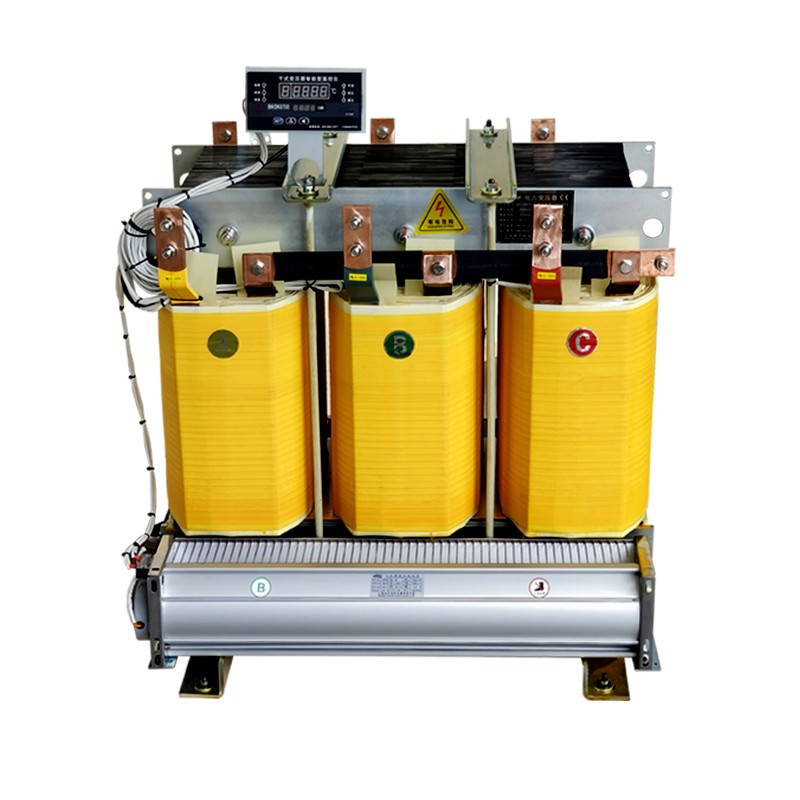
Photovoltaic Energy Storage Transformer
Yibaling is a Chinese photovoltaic energy storage transformer manufacturer and supplier. Our factory is located in Wenzhou, Zhejiang Province, with over two decades of experience in the transformer industry. Our transformers have gained popularity among numerous customers, and we look forward to becoming your long-term partner.
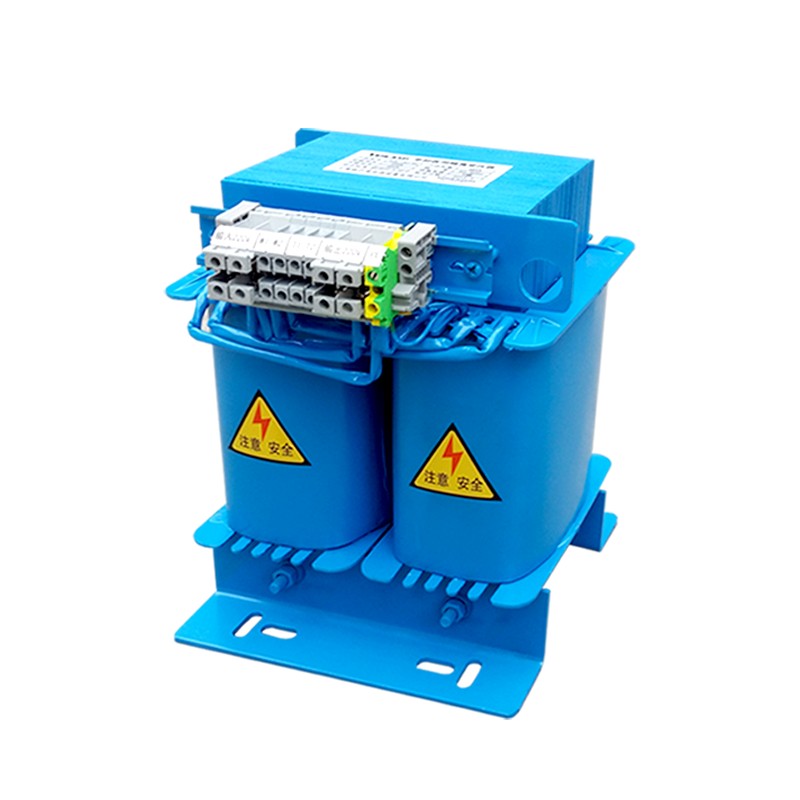
IT Medical Transformer
Zhejiang Yibaling Power Equipment Co., Ltd. is a China manufacturer of IT medical transformers. This transformer is a newly developed product. It has high quality and competitive pricing, and these two points attracted numerous customers. We look forward to partnering with you.
As a reliable Customized Transformer manufacturer and supplier in China, we have our factory. If you want to buy quality and durable products, please contact us.