
Professional Step Up and Down Transformer Supplier
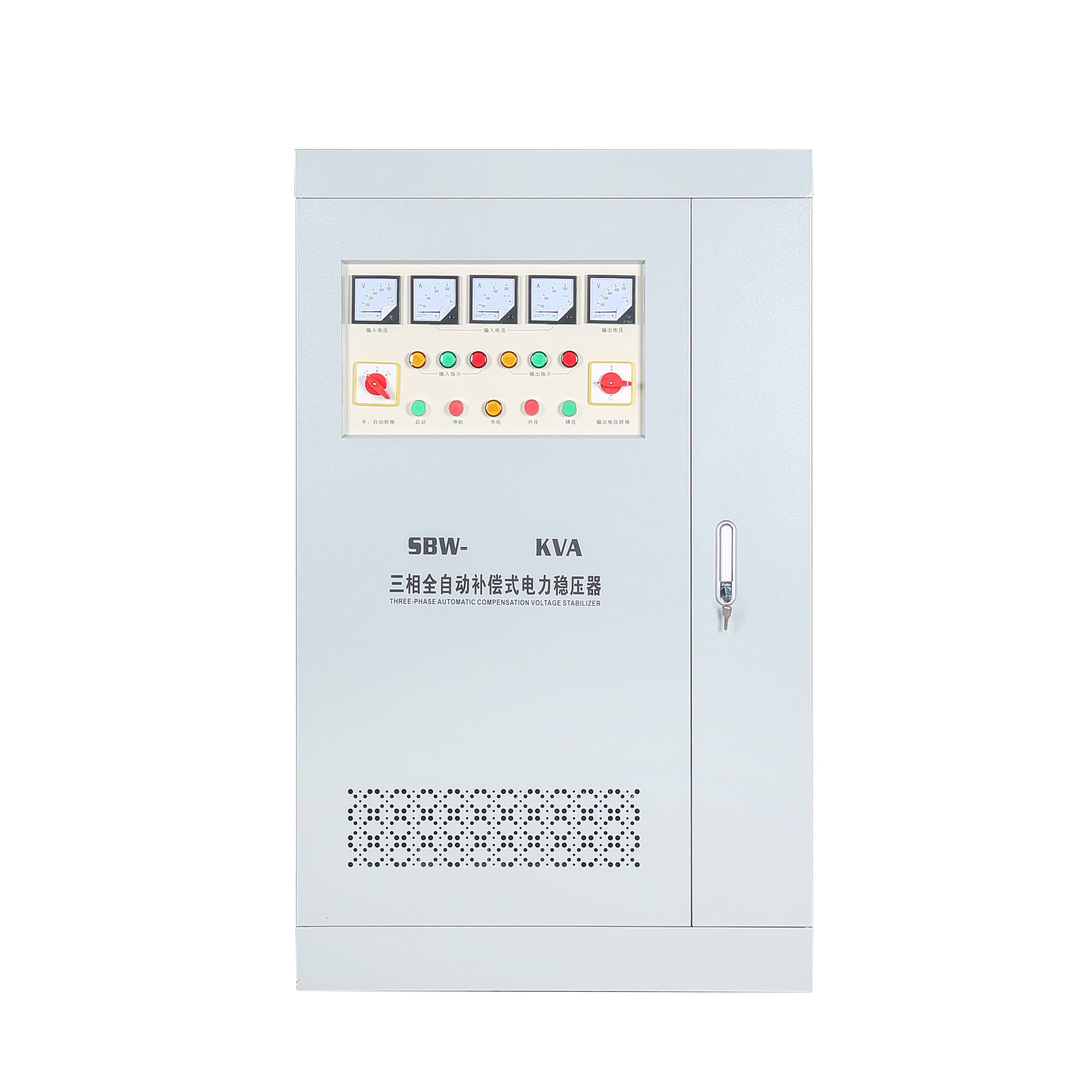
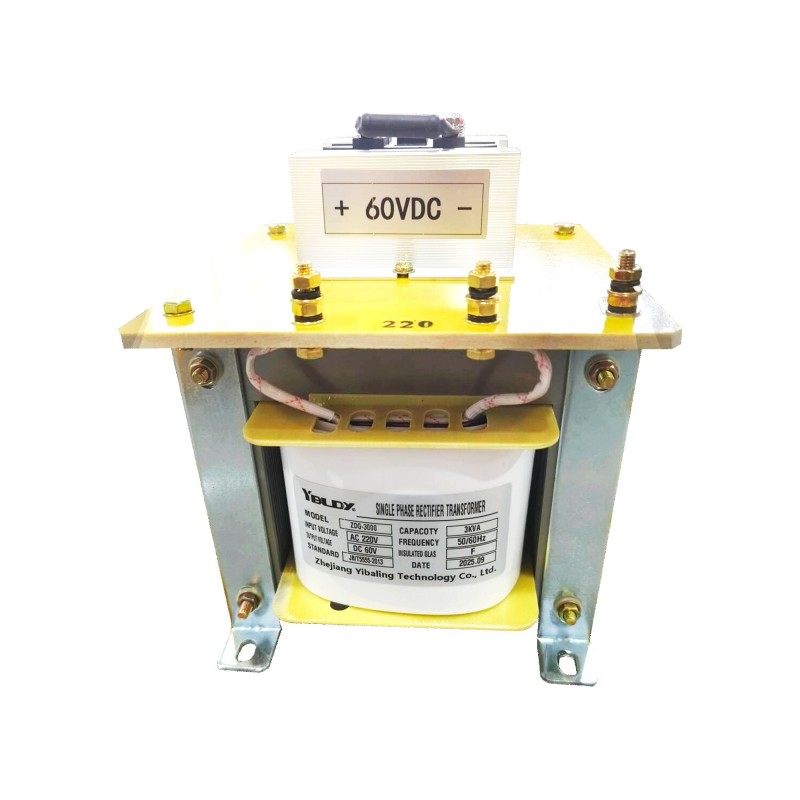
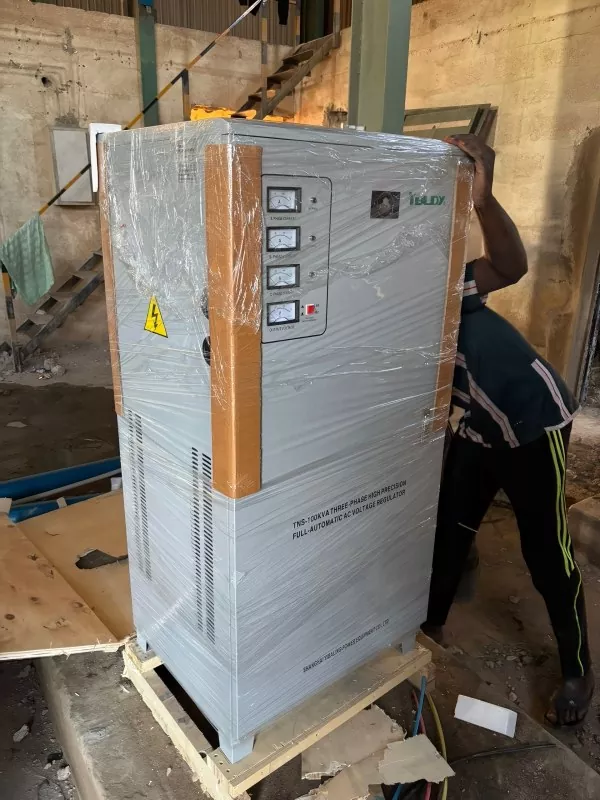
We invite you to contact Yibaling and choose us as your manufacturer and supplier of step-up and step-down transformers. We offer a wide range of transformers and voltage regulators, provide OEM services, and deliver products featuring advanced technology and stable performance.
Company Profile
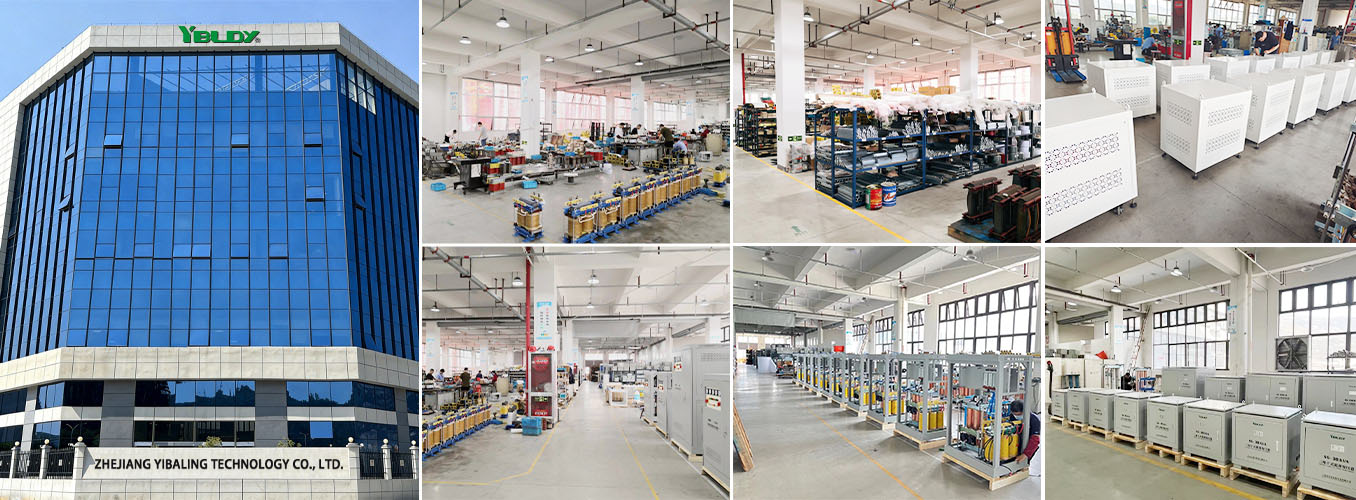
Zhejiang Yibaling Power Equipment Co., Ltd. is a professional manufacturer of transformers and voltage regulators. We can produce isolation transformers, step-up and step-down transformers, and automatic voltage regulators.
Our products comply with the national compulsory product certification (CCC), the EU CE safety certification, and the ISO9001 quality management system certification standards. In addition, we have over 3 years of experience in manufacturing transformers and voltage regulators for export. ODM and OEM services are also available.
Yibaling's factory has over 10 engineers and technicians and a staff of over 60 people. Through strict control of the entire production line, effective quality and cost management have been achieved.
Why Choose Us?
1. High Quality
Our Yibaling factory is renowned for its diverse product lines and strict quality control throughout the entire process (from the selection of raw materials to the meticulous production procedures and to the delivery of high-quality products).2. Professional Team
Our company also has a professional team consisting of over 10 engineers and technical personnel, as well as a basic force of over 60 employees, which can cover every aspect from design to production and delivery. We are committed to providing customized services that fully meet your unique requirements for our clients.3. Support ODM/OEM
We fully support the in-depth cooperation between ODM and OEM. Whether you need to brand standard products that are compatible with existing systems, or conduct new design and development from concept to finished product, our professional team can work closely with you.4. Support Customization
We fully understand that standard products may sometimes not fully meet the unique requirements of your project. We are more than willing to offer you a precise solution through customized methods.What is a step up and down transformer?
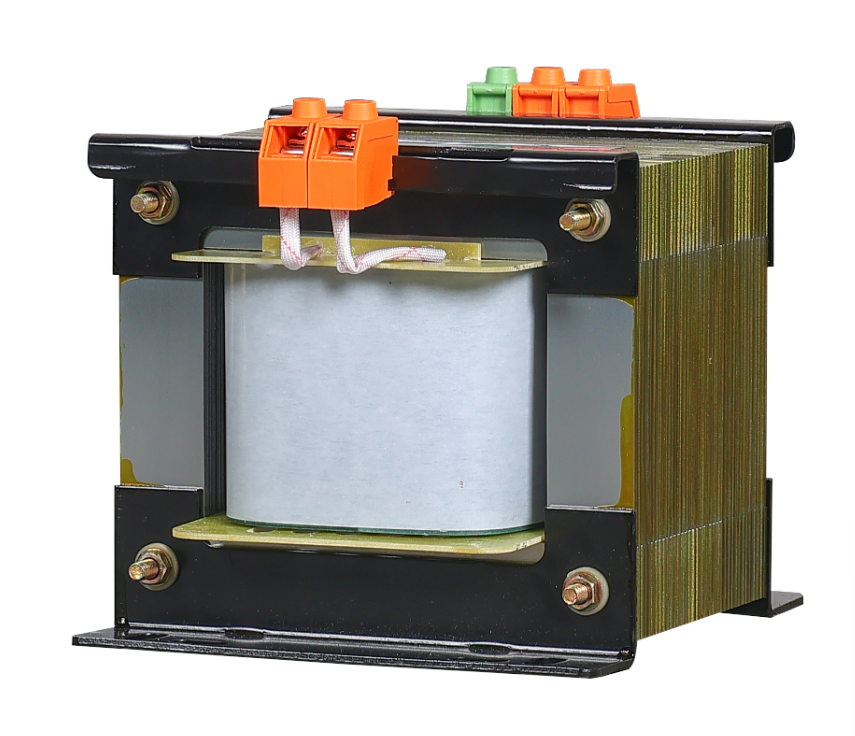
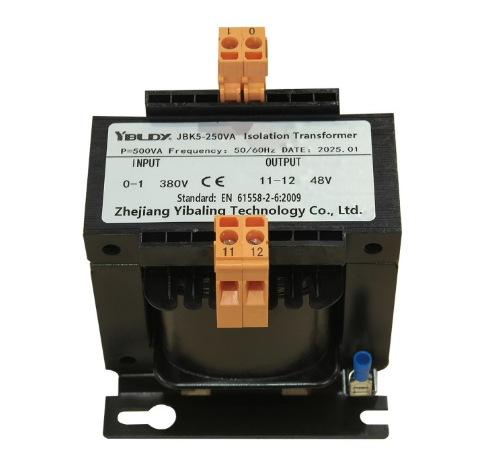
The step up and down transformer is a power equipment that can flexibly increase or decrease voltage according to the demand. Its core lies in the variable ratio of coil turns. It usually adopts a self-coupled coil with taps or a dual-winding structure equipped with a tap switch. By switching the connection points, the effective turns ratio between the primary and secondary coils can be changed, thereby achieving voltage adjustment.
This type of transformer is like the "voltage stabilizer" of the power system. When the transmission distance is too long and the voltage at the end of the line is insufficient, it can actively raise the voltage; while in areas with high electricity demand, when the voltage is too high, it can appropriately lower the voltage, always ensuring that the voltage in users' homes remains within the normal range.
In fact, our Yibaling step-up and step-down transformers use an internally adjustable structure to adapt to different states of the power grid at any time. They are important equipment for ensuring stable voltage, reliable power supply and flexibility.
How does a step-up and step-down transformer work?
How does a step-up and step-down transformer work? We can think of it as a "mechanical caliper with adjustable scales". Just like a regular transformer, it also generates a changing magnetic field in the coils through alternating current, thereby inducing voltage.The unique secret to achieving voltage regulation lies in dynamically changing the effective turns ratio of the coil.
Usually, multiple taps are preset on the coil and connected to a tap switch. When the voltage needs to be adjusted, the tap switch is operated to switch the connection point, which is like moving the cursor of a caliper to change the measurement length-essentially changing the effective turns of the primary and secondary coils.
Based on the basic principle that "voltage follows the number of turns", if more turns are added, the voltage will increase; if fewer turns are added, the voltage will decrease.
This switching process is automatically controlled by mechanical switches or electronic circuits, allowing the transformer to keep up with the fluctuations of the power grid and changes in load at any time. When it's time to increase the voltage, it does so; when it's time to decrease the voltage, it does so. This not only stabilizes the power supply quality but also takes into account the power needs of special equipment.
Can step up and down transformers be used in outdoor environments?
Step-up/step-down transformers cannot be used directly outdoors. Transformers suitable for outdoor use require specialized design by our engineers. If you have such requirements, please contact the customer service team at our Yibaling factory.
The insulation design for outdoor step-up/step-down transformers must consider not only electrical strength but also weather resistance, moisture resistance, and the transformer's sealing effectiveness.
The effectiveness of insulation primarily depends on the transformer's materials. Our engineers select Class C (220°C) or higher solid insulation materials with excellent heat resistance and hydrophobic properties, such as NOMEX® paper, for the windings. Compared to ordinary insulation materials, these solid insulation materials offer significant advantages. Their moisture absorption rate is extremely low, meaning they won't absorb excessive water even in highly humid environments, thereby preventing any adverse effects on the transformer's electrical performance.
However, even the finest materials are wasted without proper processing techniques. For non-cast transformers, our Yibaling factory engineers employ a process called “Multiple Vacuum Pressure Impregnation (VPI).” Simply put, this involves fully immersing the windings in a specially formulated insulating varnish—which must be UV-resistant and moisture-proof polyester or silicone resin—followed by vacuum extraction and pressurization. This forces the varnish into every crevice of the transformer before final curing.
The enclosures for outdoor step-up/step-down transformers also require customization; they are never simple sheet metal boxes. The enclosure must meet an IP54 protection rating. For environments with frequent rainfall, it may even require an IP65 waterproof rating. Additionally, the ventilation port design undergoes meticulous engineering consideration. Ports are designed as “maze-like” or equipped with rain-proof louvers to ensure effective heat dissipation while completely blocking rain and snow.
Heat dissipation is another critical consideration for our engineers. They incorporate significant thermal margins during design, such as enlarging or increasing the number of heat sinks, or directly installing an outdoor-specific forced-air cooling fan. If the transformer is intended for high-altitude operation, engineers will also perform derating on the step-up/step-down transformer. Thinner air compromises both heat dissipation and insulation. To counter this, we increase the creepage distance for external insulation while simultaneously reducing the step-up/step-down transformer's rated capacity and permissible temperature rise according to standards.
How to maintain a step-up and step-down transformer?
1. Clean the porcelain bushings and the casing, ensuring they are clean and tidy; inspect the casing, gaskets and porcelain bushings for any cracks, discharge marks or aging of the rubber pads; check if the cables and busbars are deformed and address any issues found promptly.
2. Check whether the contact surfaces of the busbars are clean.
3. Check whether the grounding wire of the step-up and step-down transformer is damaged and whether the grounding is proper.
4. Clean the dust off the transformer and check whether the fire protection and ventilation systems are in good condition.
Request a Quote for a step-up and step-down transformer for Your Business Today
At Yibaling Factory, we aim to help you save costs by providing the highest quality products and services. Our transformers are made of premium materials and have been enhanced in durability throughout all design processes. In the long run, maintenance costs are reduced.
If you encounter equipment damage, our after-sales team can respond promptly to get you back up and running. If you need a transformer to stabilize your circuit in order to optimize your business performance and efficiency, please call 13576354577 to contact us or send an email (lassie@cnybldy.com) to get in touch with us.
- View as
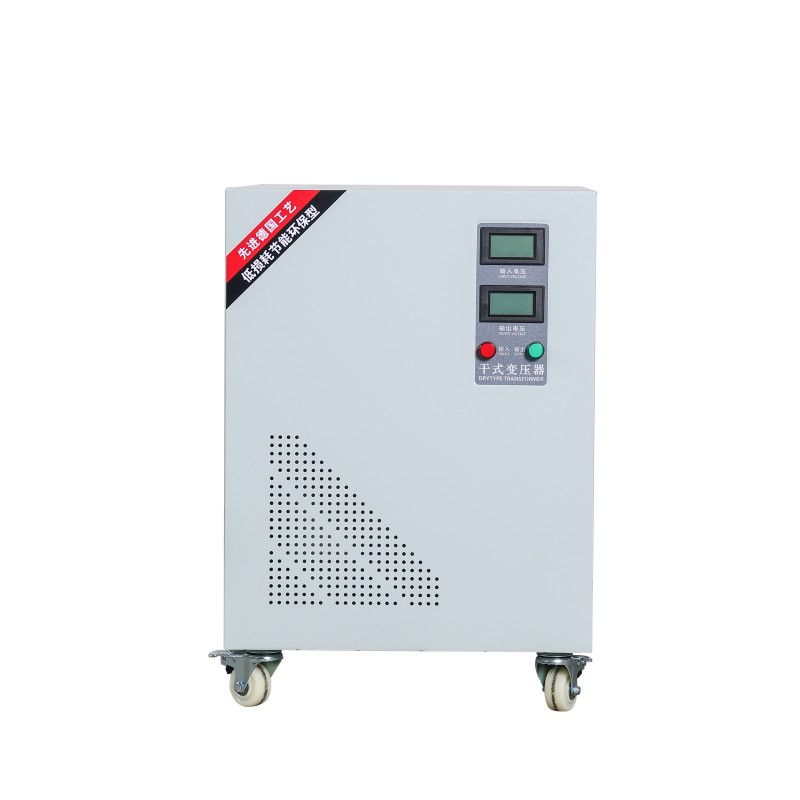
SG Step Up and Down Transformer
Over the past two decades since entering the transformer industry, Yibaling Factory has been constantly developing new types of transformers and striving to improve the no-load loss of transformers. The SG Step Up and Down Transformers are our newly developed products. Not only do they have low no-load loss, but they can also stabilize voltage conversion. Welcome to place your order.
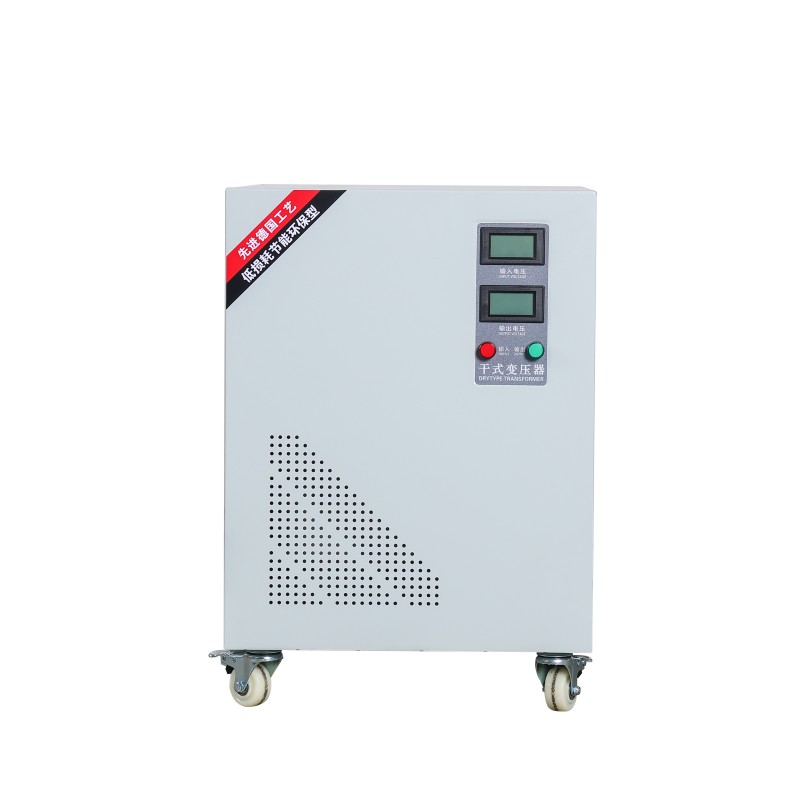
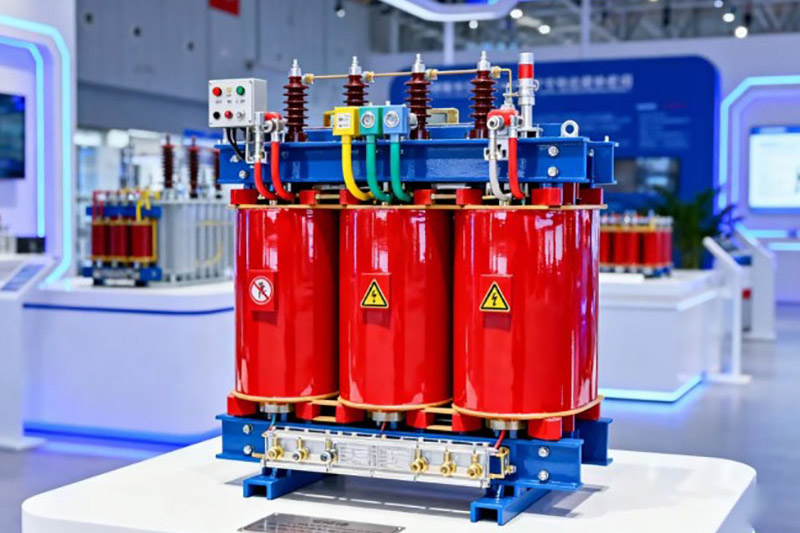
SG 3 Phase Dry-type Transformer
Zhejiang Yibaling Power Equipment Co., Ltd. is a manufacturer in China specializing in the production of SG 3 phase dry-type transformers. We have been dedicated to the field of transformers for over twenty years and possess extensive experience in the production and sale. Our products have excellent price advantages and high quality. The sales coverage is mostly in the Americas. We look forward to a deep cooperation with you.
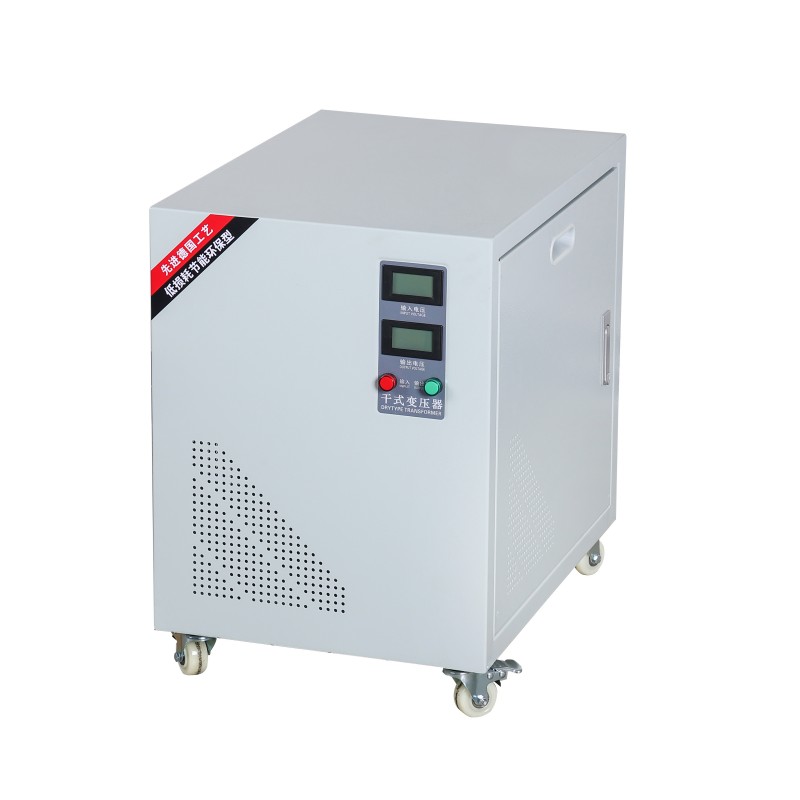
SG Power Transformer
Yibaling Company is a professional manufacturer and supplier, has over twenty years of experience in selling SG power transformers. During this period, we have continuously improved our transformers in response to the new requirements put forward by customers. Now, the products produced by our Yibaling factory are constantly receiving positive feedback from customers. We sincerely invite you to come to our Yibaling factory to order.
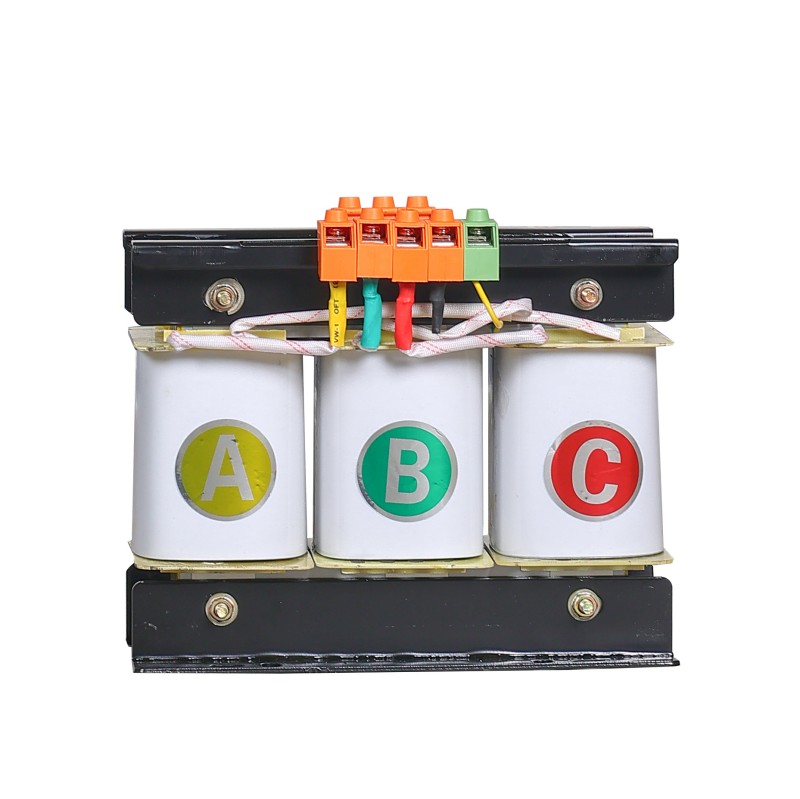
SBK Step Up and Down Transformer
Our Zhejiang Yibaling Power Equipment Co., Ltd. has been engaged in the foreign trade industry for over five years. During this period, we have continuously learned about the demands of foreign customers and launched SBK Step Up and Down Transformers that can adapt to different voltage levels in various countries. Our sincere cooperation attitude has earned high praise from many customers in the Americas and Southeast Asia for our Yibaling factory. We also sincerely invite you to come to our factory to order transformers.
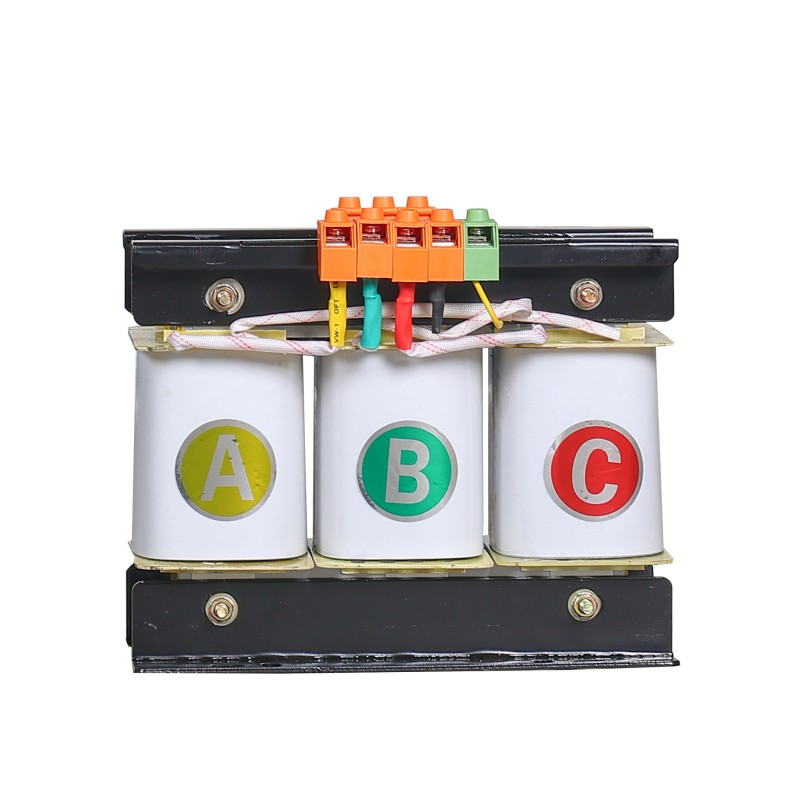
SBK Control Transformer
The SBK control transformer is a high-quality and cost-effective three-phase transformer. Besides its own advantages, Yibaling as a professional supplier, also provides a three-year after-sales warranty service for the transformers produced by our company. Under the influence of these conditions, the product has been selling well in several European countries. Yibaling factory also offers custom-made transformers. If you have this requirement, you can contact our engineers for a customized design.
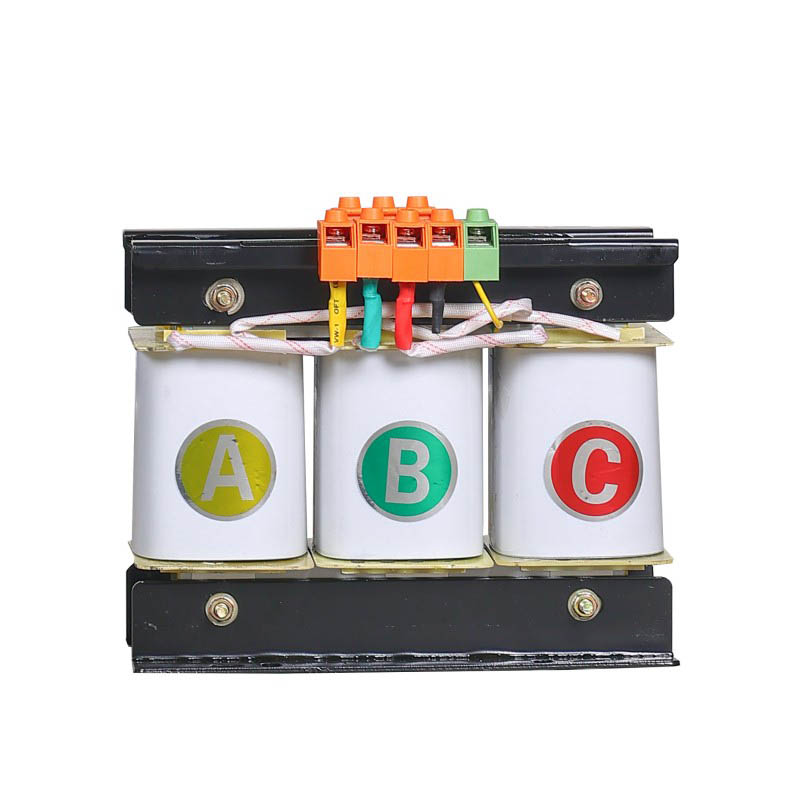
SBK Three Phase Dry-Type Transformer
Zhejiang Yibaling Power Supply Equipment Co., Ltd. is a Chinese manufacturer and supplier specializing in the production of SBK Three Phase Dry-Type Transformers. The products we produce are renowned for their outstanding reliability and have been widely applied in global infrastructure, new energy, and high-end manufacturing markets.
As a reliable Step Up and Down Transformer manufacturer and supplier in China, we have our factory. If you want to buy quality and durable products, please contact us.