
China Customized Dry Transformer Exporter
In addition to oil-immersed transformers, Yibaling also offers dry-type transformers. As a professional direct-sales manufacturer, we provide one-stop solutions and OEM services; please contact us immediately to inquire about discounts on bulk orders.
What is Dry Transformer?
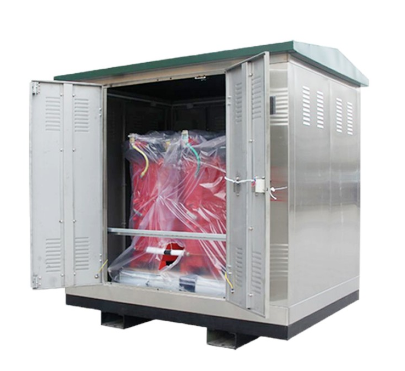
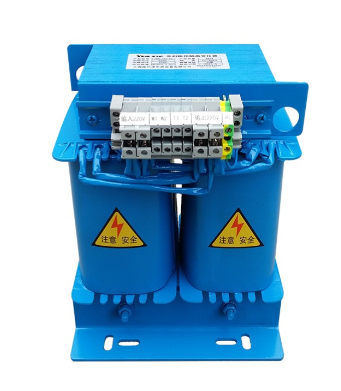
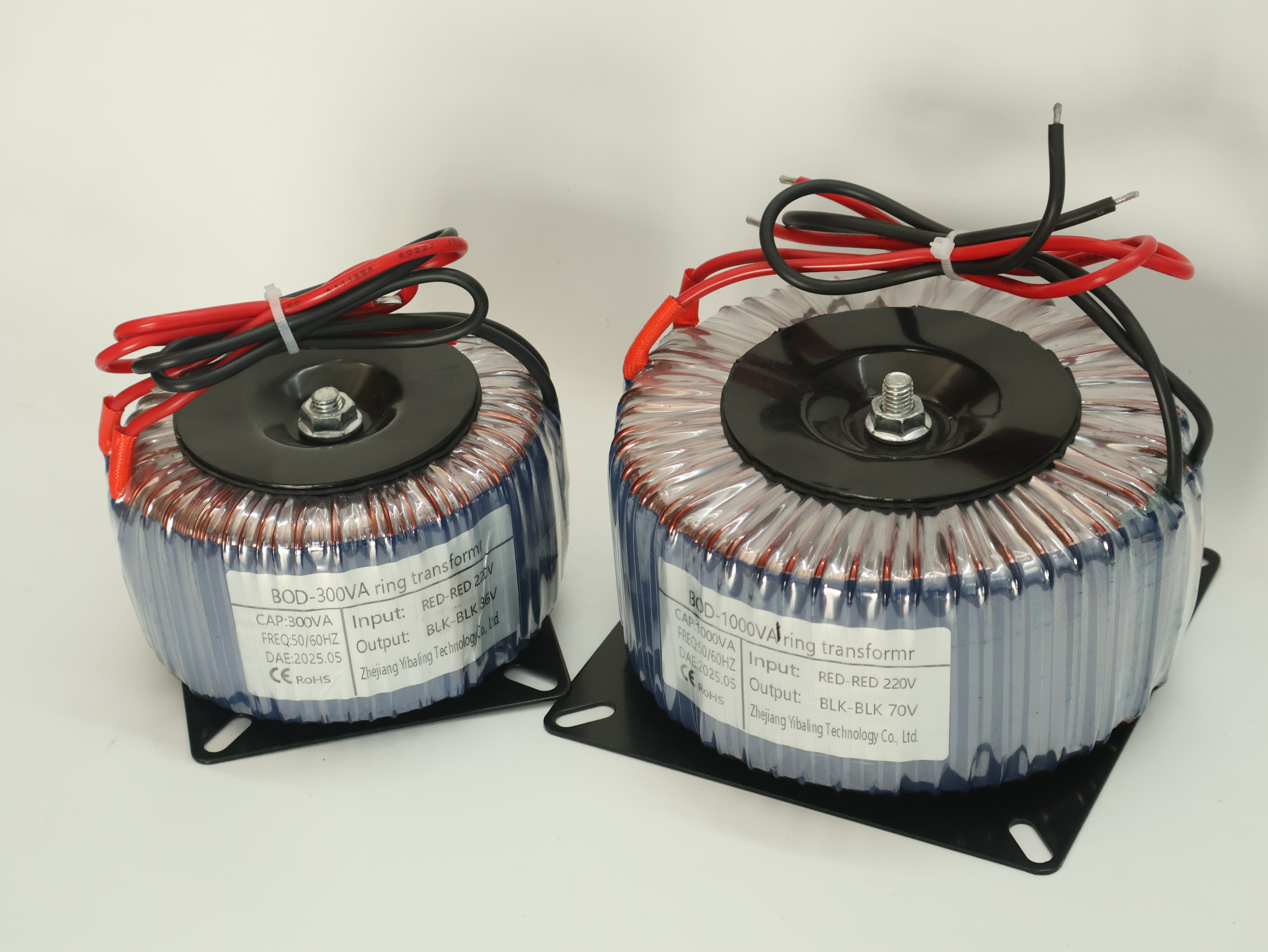
Dry-type transformers are defined as those that use air or gas (rather than liquid) as the insulating and cooling medium for windings and cores, and are entirely enclosed in a pressurized and sealed tank. Due to considerations of safety, reliability, and environmental benefits, dry-type transformers are widely used in various industries and applications.
Dry-type transformers can operate under harsh conditions such as high humidity, fire risk, and earthquakes without affecting performance or posing any danger to personnel or property.
Why Choose Dry-Type Transformers?
1. Low Risk
The insulation layer of the dry-type transformer is made of environmentally friendly materials, which is flame-retardant and easy to maintain. By using a dry-type transformer, customers no longer need to purchase fire extinguishers separately. Moreover, even under the influence of electric arcs, it will not produce toxic gases and will not harm the human body.2. High Environmental Friendliness
The dry-type transformer does not require liquid for cooling. It only needs air to maintain cooling. Therefore, customers do not need to spend extra money on petroleum or other liquids, nor do they need to worry about oil leakage or any form of environmental pollutants.3. Low Installation Cost
Due to the low-risk characteristics, there are almost no restrictions on the installation scenarios of the dry-type transformer. Customers also do not need to handle other environmental protection measures, such as groundwater protection.4. Low Maintenance
The transformer adopts an air self-cooling structural design. Maintenance is extremely low, and it hardly requires maintenance. As long as there is air cooling, there is no need to deal with accumulated dirt. Moreover, customers never need to conduct liquid testing.However, our Yibaling factory still recommends regular inspections. Our design can ensure that our dry-type transformers have a lifespan of up to 20 years and a very low failure rate.
How Dry Transformer Works?
Dry-type transformers utilize the principle of electromagnetic induction to transfer electrical energy from one circuit to another. The transformer consists of two coils, the primary winding and the secondary winding, wound on a common magnetic core. When an alternating current flows through the primary winding, a magnetic field is generated around the core. This magnetic field induces an electric current in the secondary winding that is connected to the load. The output voltage of the transformer is determined by the ratio of the number of turns of the primary and secondary windings.
Meanwhile, our dry-type transformers do not use oil as a cooling medium. Instead, they rely on air to dissipate the heat generated by the transformer. This is achieved through a combination of forced air and natural convection cooling.
The transformer windings are encapsulated in epoxy resin, providing insulation and protection against moisture, dust, and other contaminants. The resin also helps with heat dissipation and reduces the risk of fire.
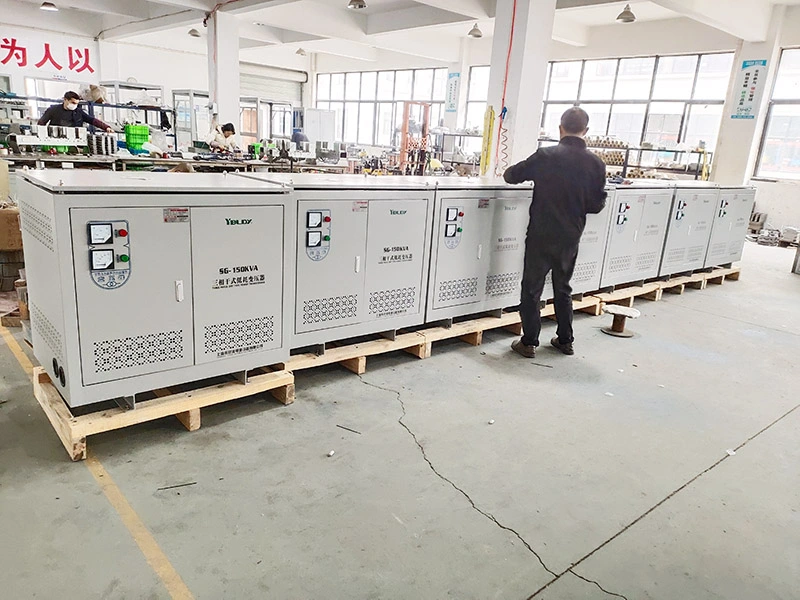
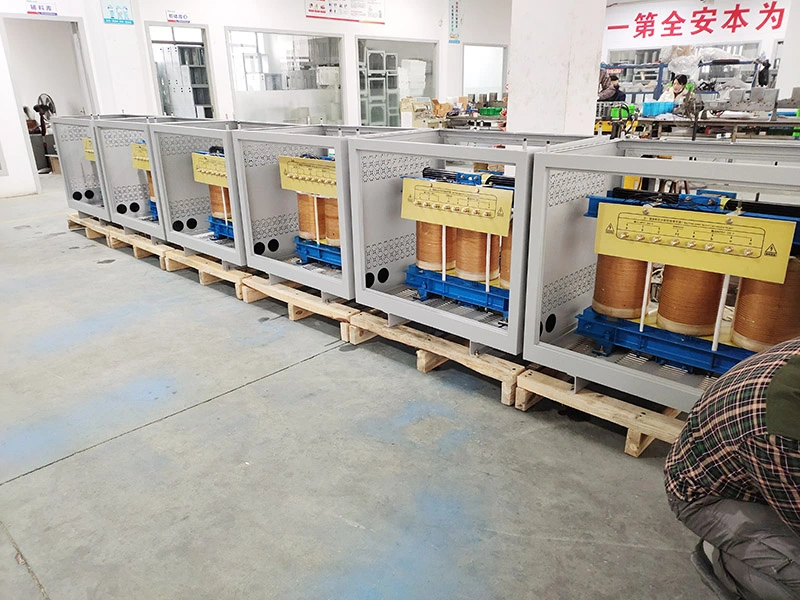
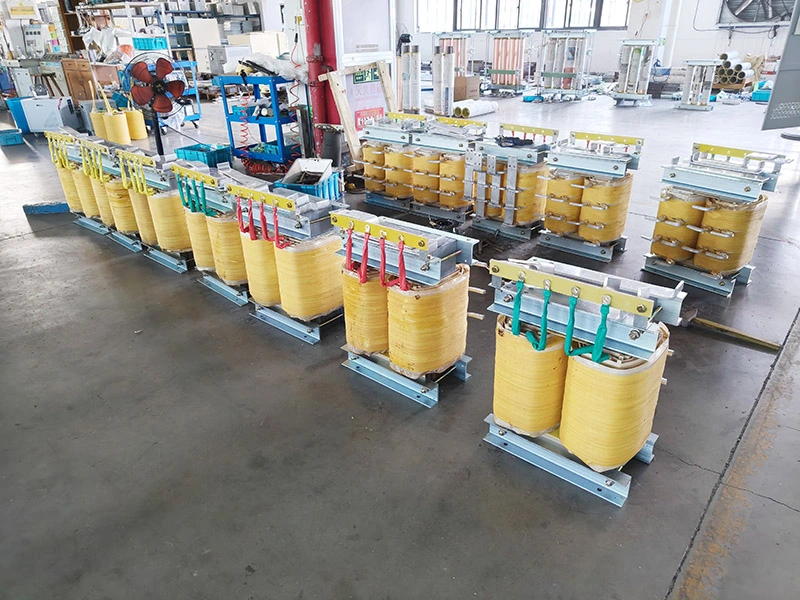
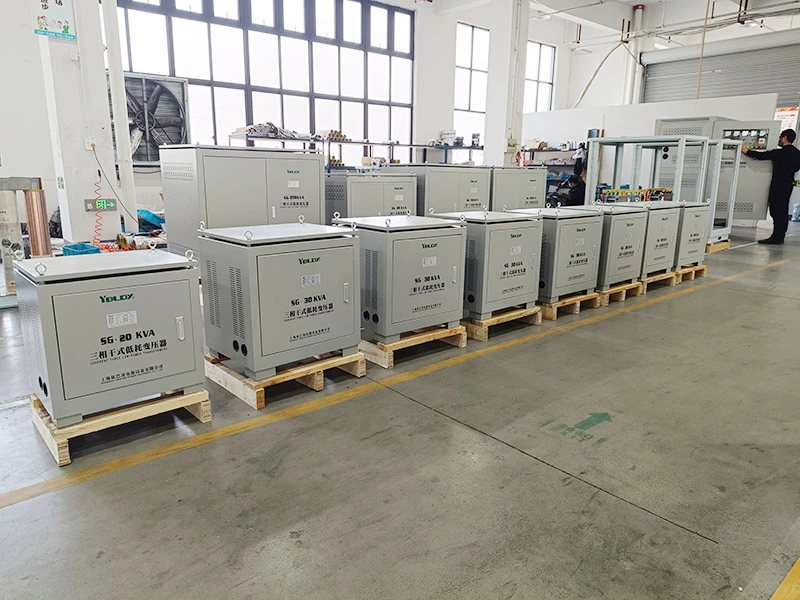
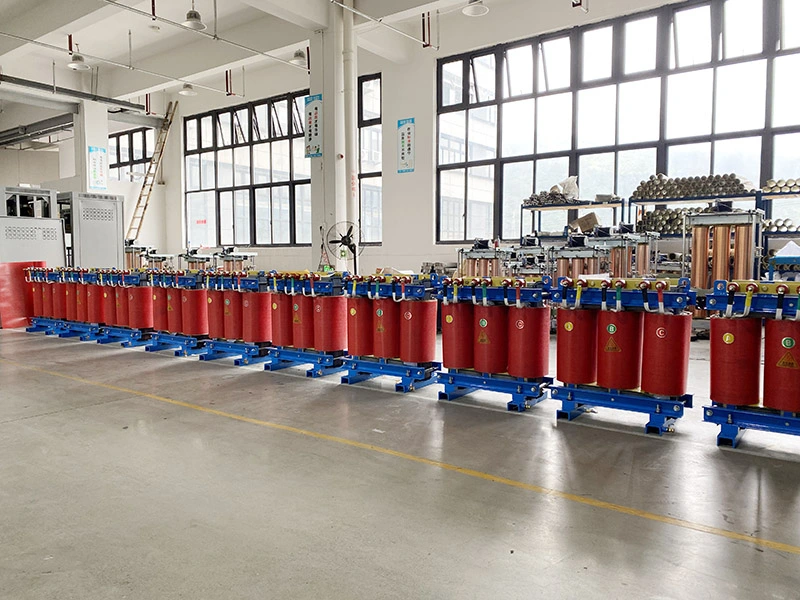
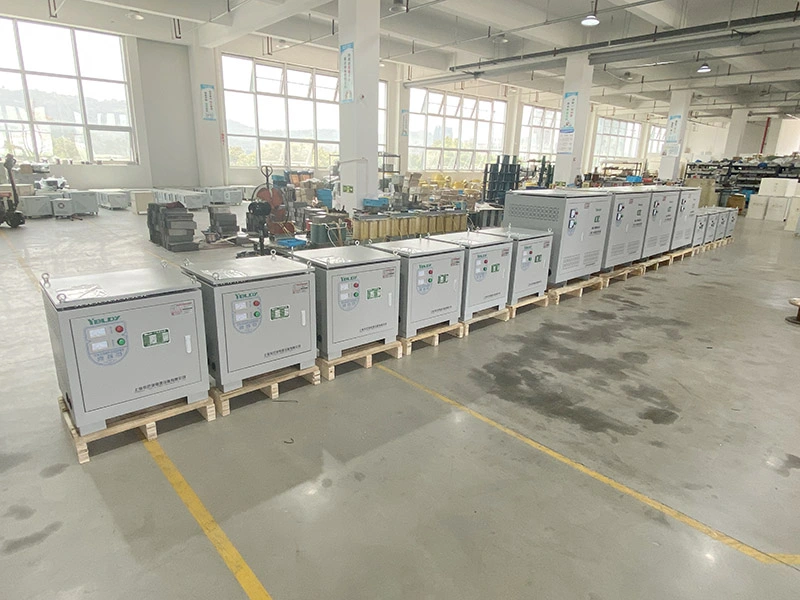
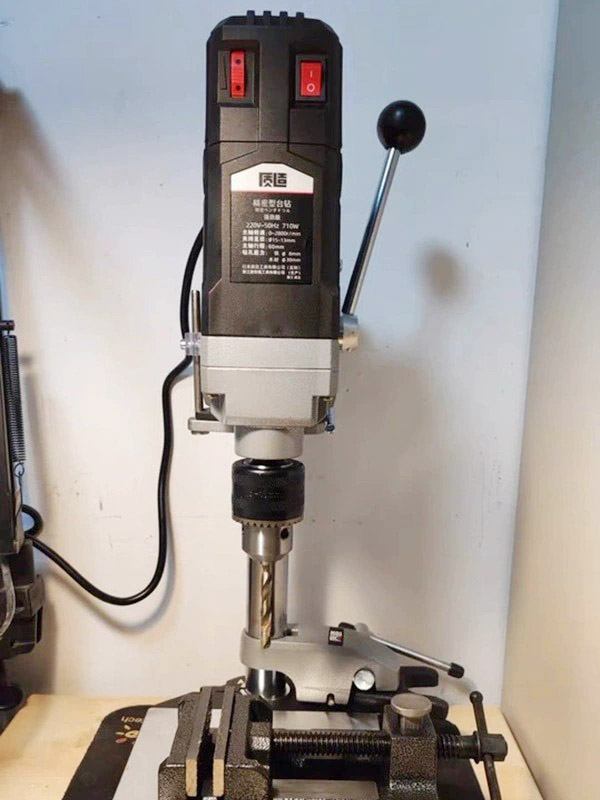
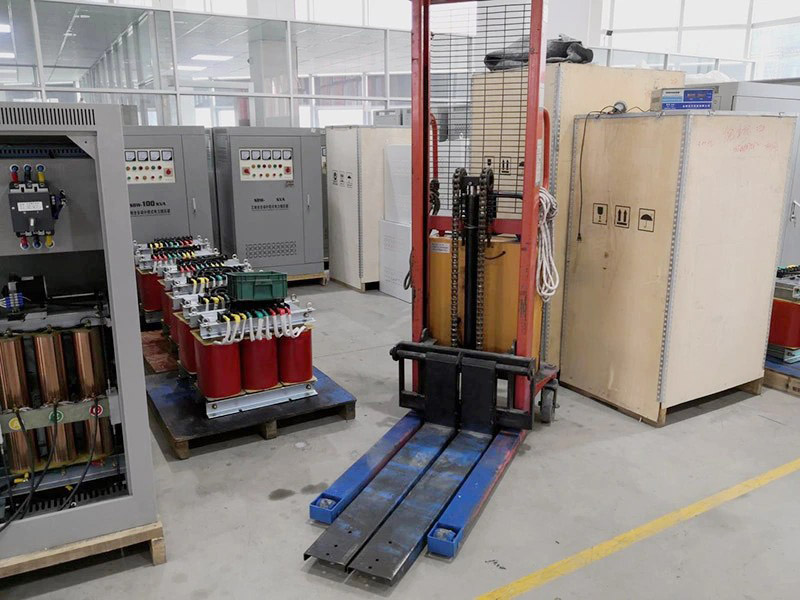
Our Warehouse
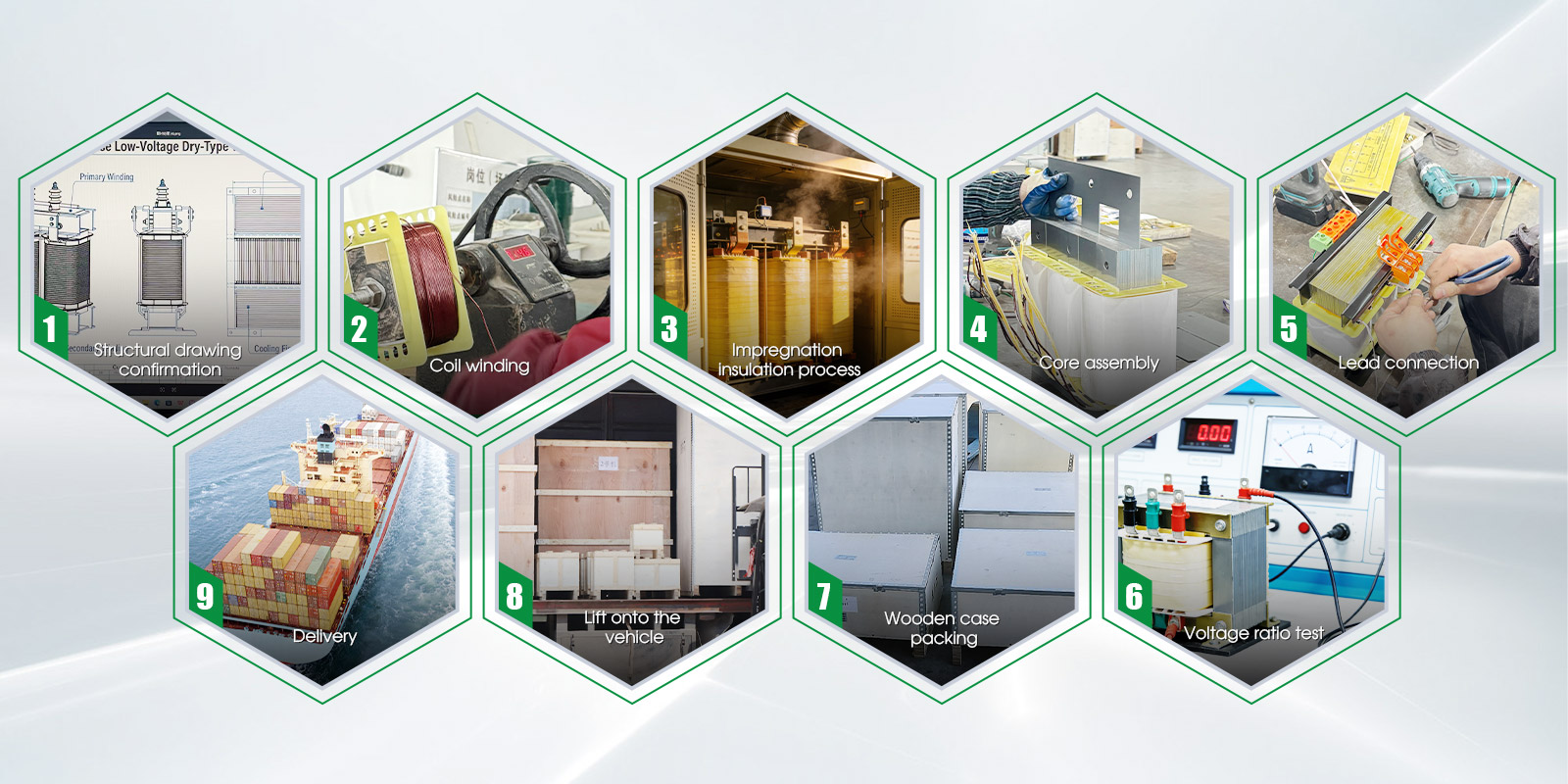
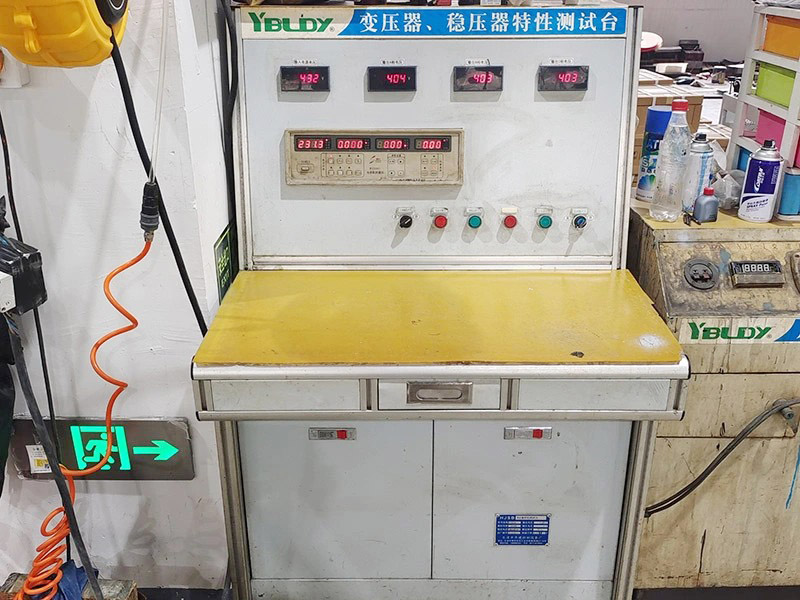
Production Process
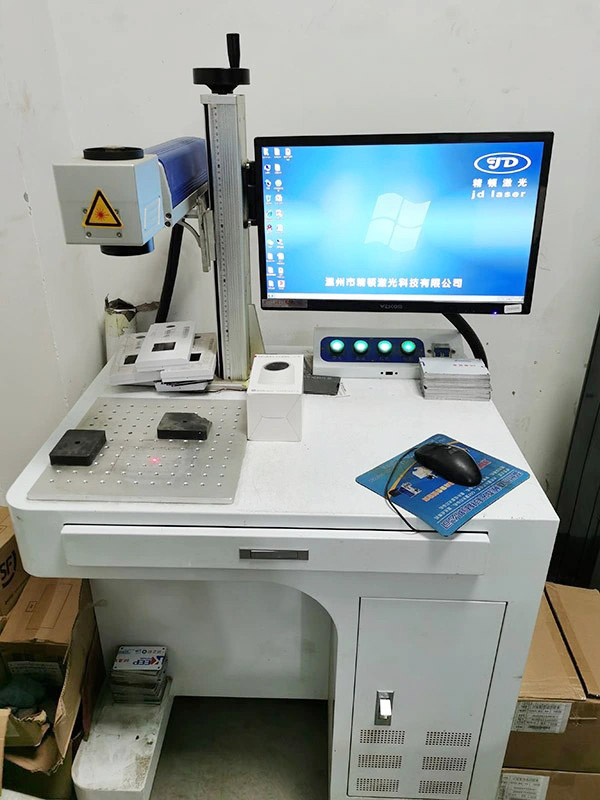
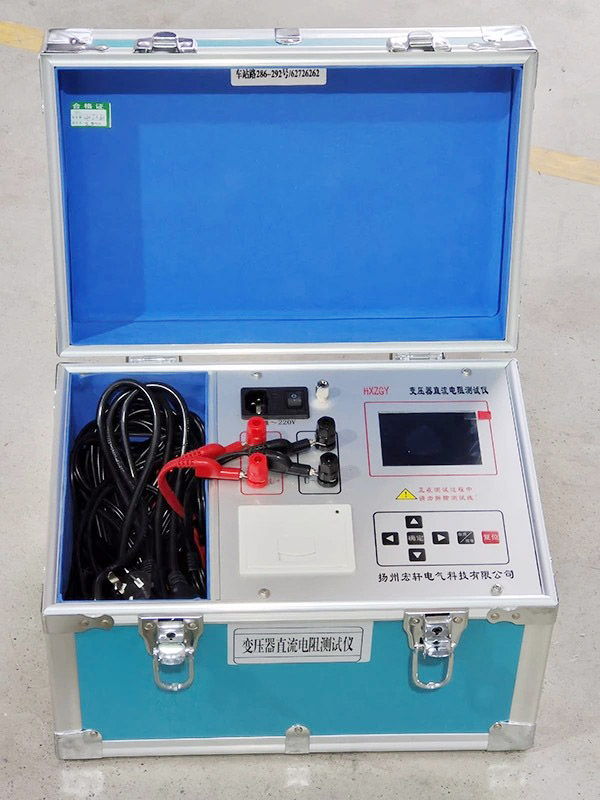
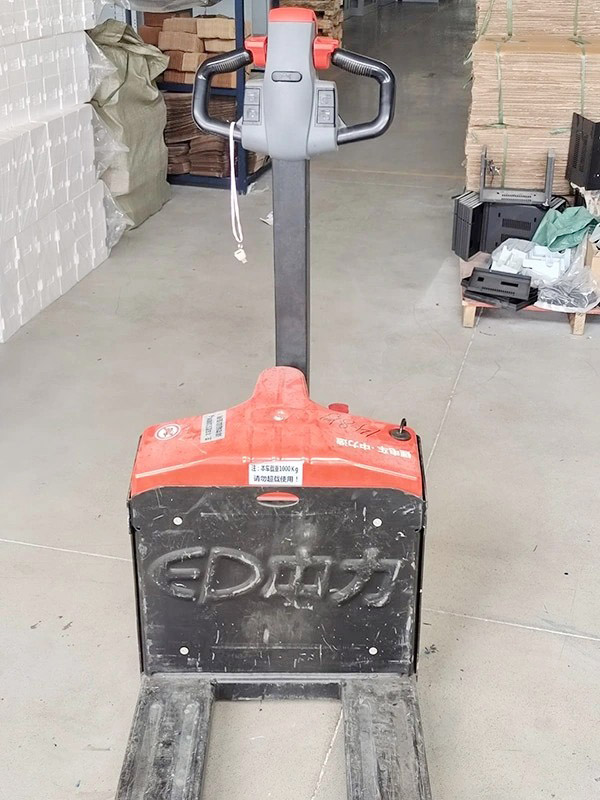
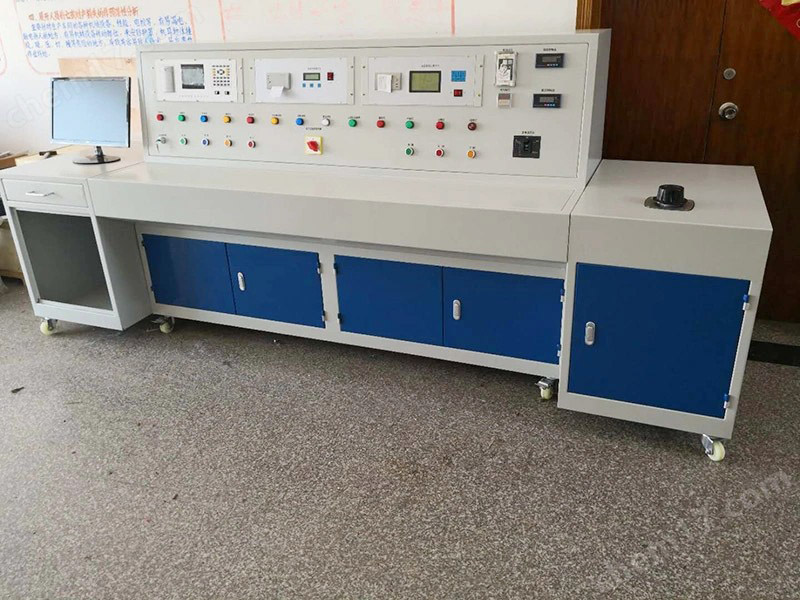
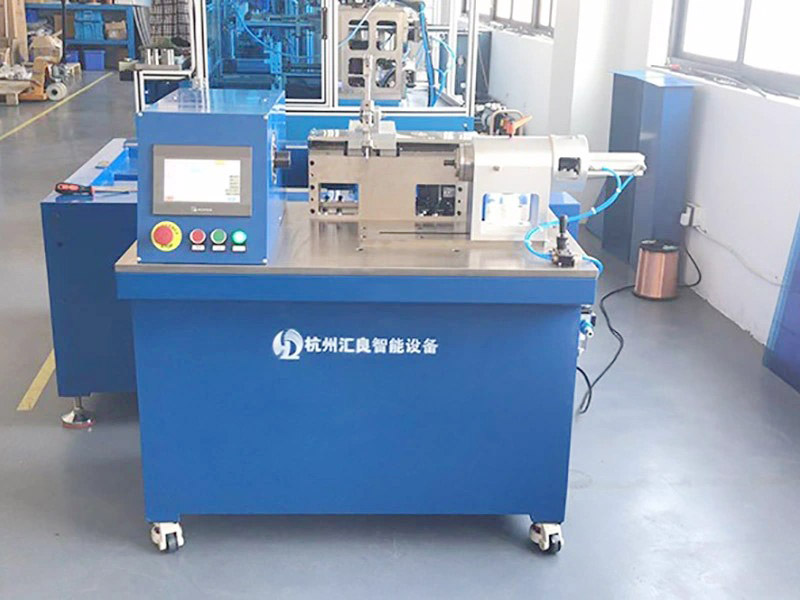
Production Equipment
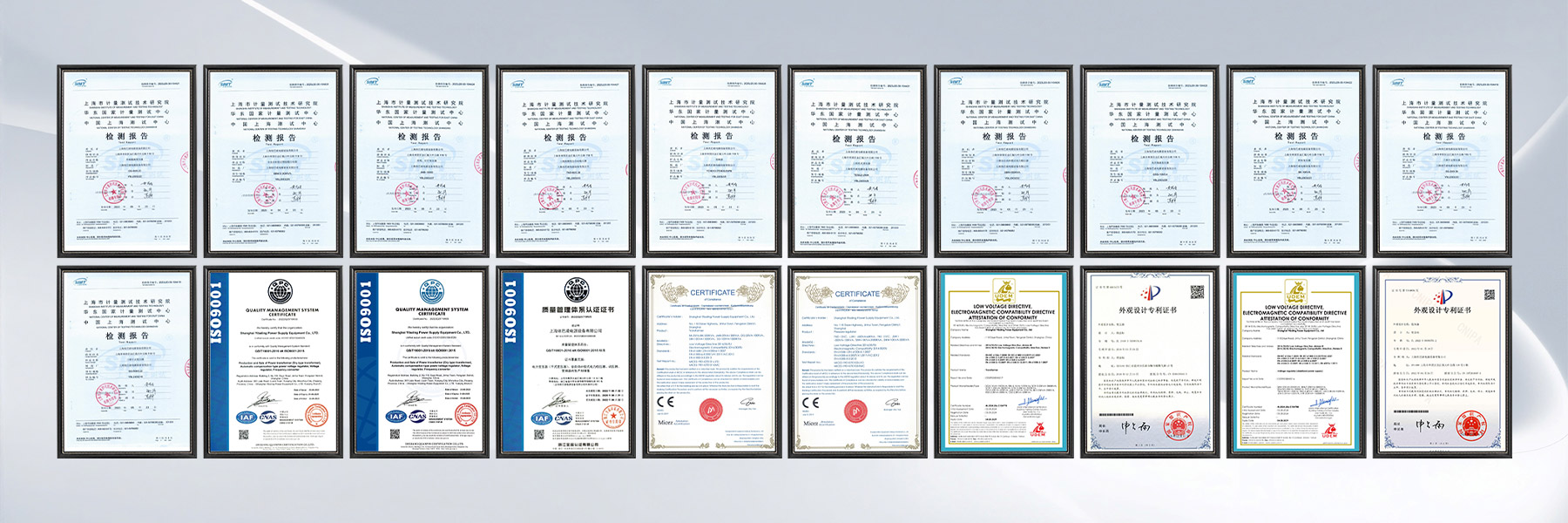
Certificate
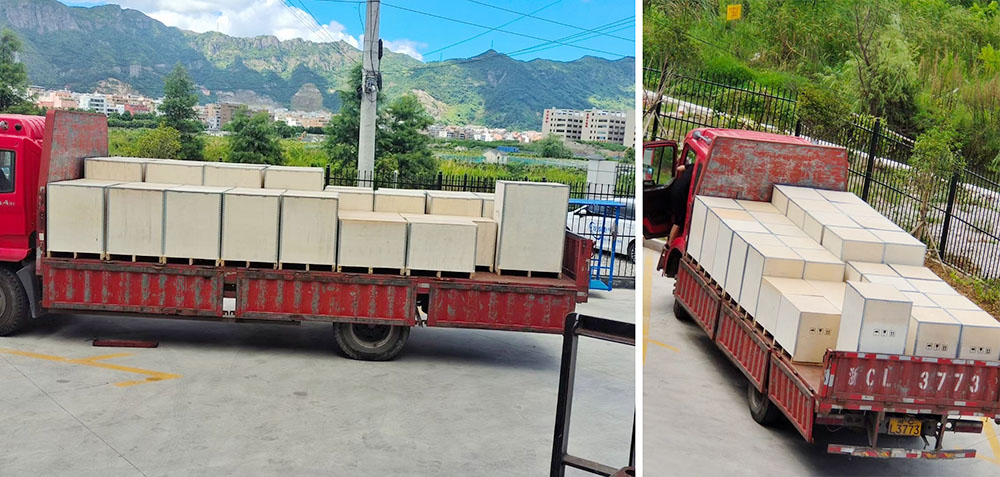
Shipment
Product Applications
The application scenarios of dry-type transformers revolve around their core characteristics of oil-free operation, fire resistance, and maintenance-free design, primarily serving critical infrastructure with stringent requirements for safety, reliability, and environmental adaptability.
1. Public Buildings
In densely populated public buildings—such as high-rise structures, hospitals, subway stations, and airports—they form the electrical foundation for ensuring absolute fire safety and preventing secondary disasters.2. Critical Infrastructure
For critical infrastructure (e.g., data centers, financial hubs, communication hubs), they can be installed directly adjacent to loads without requiring oil management or complex fire protection systems, ensuring ultimate power supply reliability and continuity.3. Special and Harsh Environments
Such as chemical plants, mines, offshore platforms, ships, etc., their moisture resistance, corrosion resistance, and explosion-proof capabilities make them the only reliable operational choice.4. New Energy and Other Fields
Simultaneously, in new energy, rail transit (e.g., photovoltaic power stations, high-speed rail, charging stations), and distributed power distribution sectors, its efficiency, environmental friendliness, and adaptability to load fluctuations make it the standard configuration.- View as
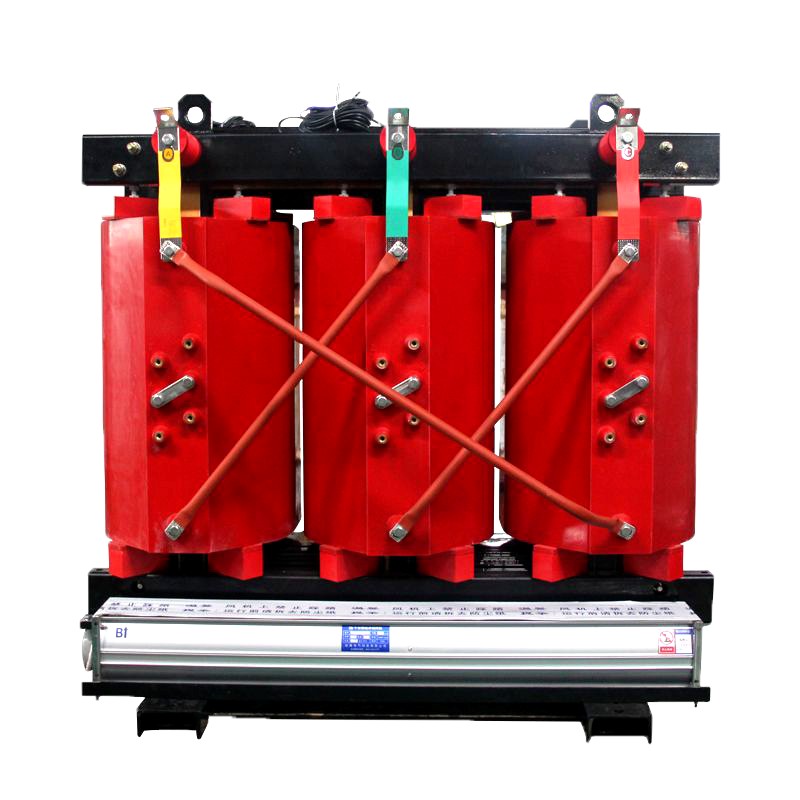
SCB10 Dry-type Transformer
Zhejiang Yibaling Power Equipment Co., Ltd. is one of the large-scale manufacturers and suppliers of SCB10 dry-type transformers in China. The transformers produced by our Yibaling factory have received multiple certifications and are of high quality. We welcome you to purchase high-quality products from our factory. We also support customized orders.
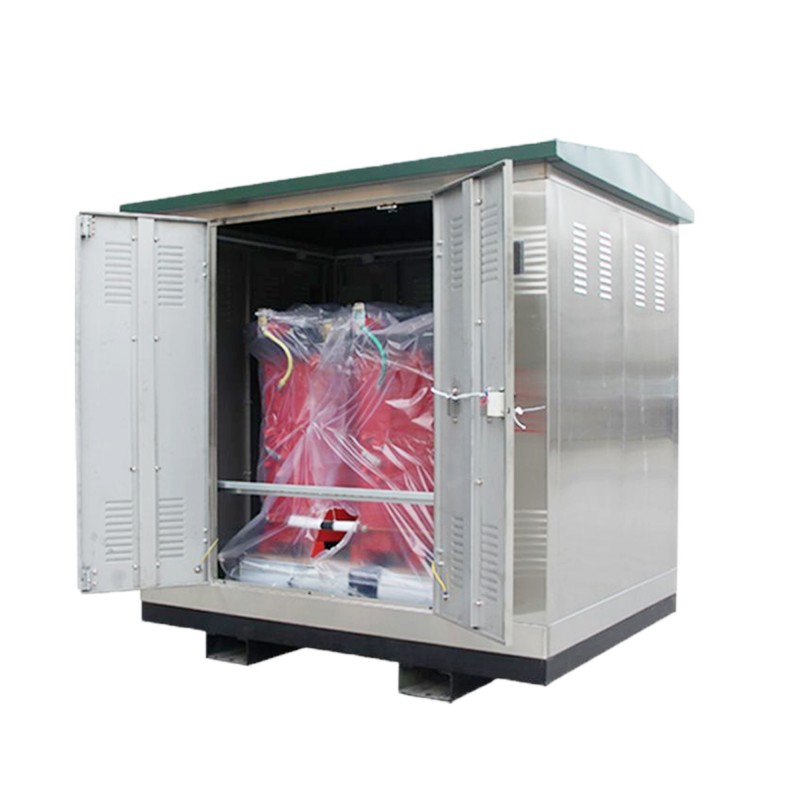
SCB13 Dry-type Transformer
Zhejiang Yibaling Power Equipment Co., Ltd. is one of the major manufacturers and suppliers of SCB13 dry-type transformers in China. Our transformers are highly favored by customers and have expanded their market not only in China but also to countries like Europe and America. We look forward to becoming your supplier in China.
As a reliable Dry Transformer manufacturer and supplier in China, we have our factory. If you want to buy quality and durable products, please contact us.