
What Is a DG Isolation Transformer and Why Is It Important?
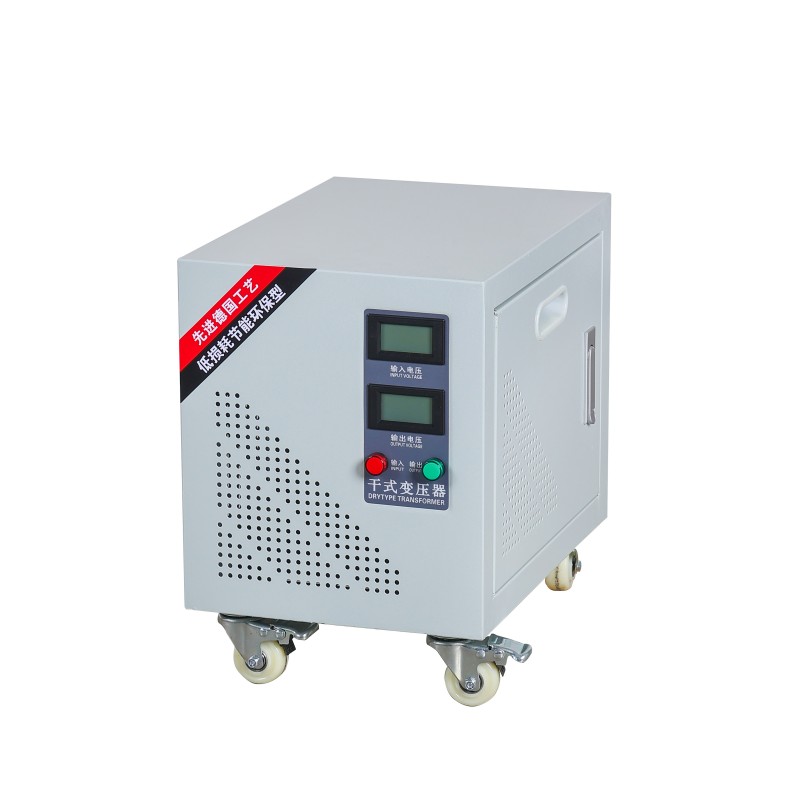
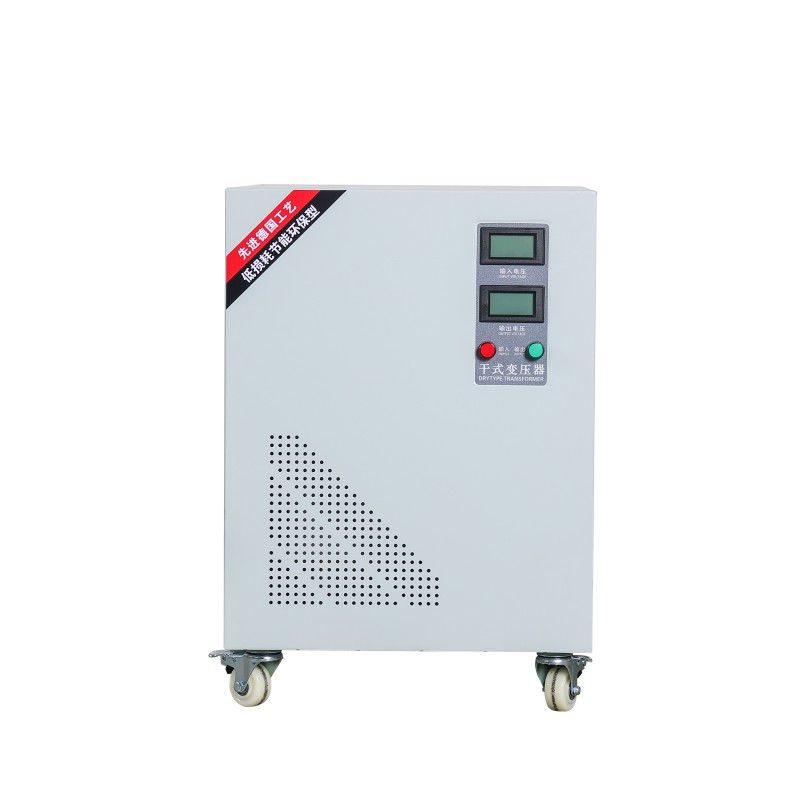
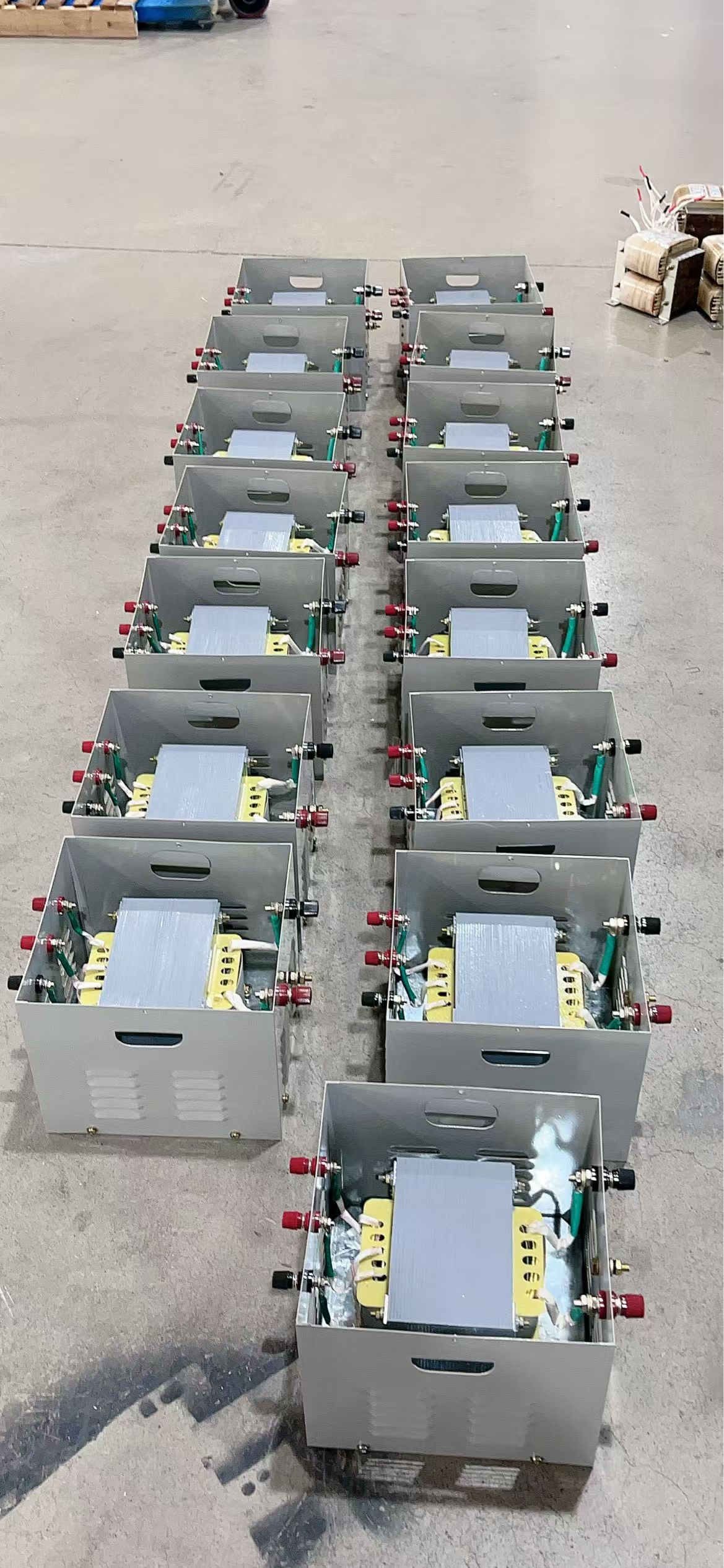
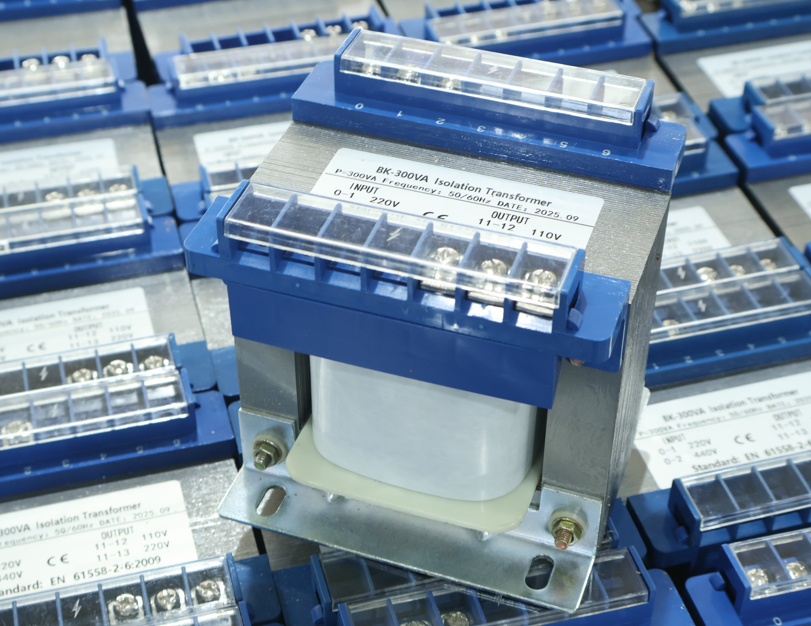
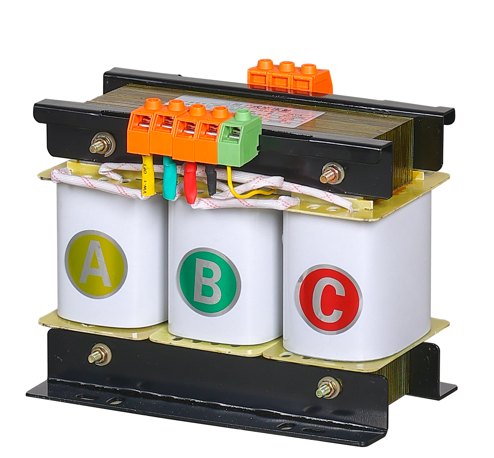
A DG isolation transformer is a single phase dry type isolation transformer designed to provide clean, isolated, and safe power for sensitive equipment, medical devices, laboratory instruments, and industrial control systems.
Its core function is simple but essential: it transfers electrical power from the primary side to the secondary side without any direct electrical connection between them. Power moves through a magnetic field — not through wires.
Why does that matter?
Because direct electrical connections carry more than just power. They carry noise, surges, harmonics, and ground faults. A standard power supply passes these problems straight through to your equipment. An isolation transformer blocks them.
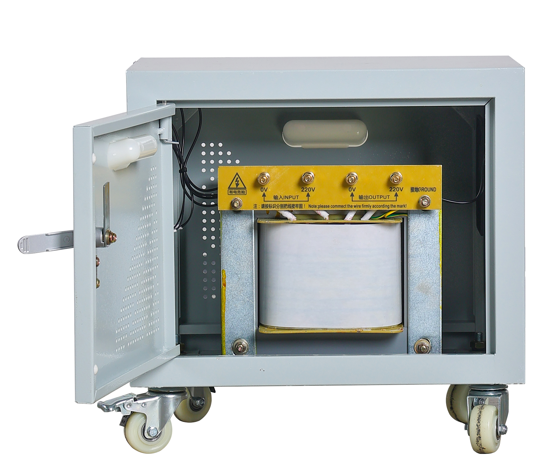
The DG transformer sits between the utility supply and the sensitive load. It isolates the load from the grid, filters out high frequency noise, breaks ground loops, and provides a clean, safe, and stable power source.
In short: it lets your equipment see only the power it needs — not the garbage on the grid.
How a DG Isolation Transformer Works
The principle is electromagnetic induction, but the design is built for isolation.
Step 1 — Input
The primary winding connects to the AC supply — typically 220V or 110V single phase.
Step 2 — Magnetic coupling
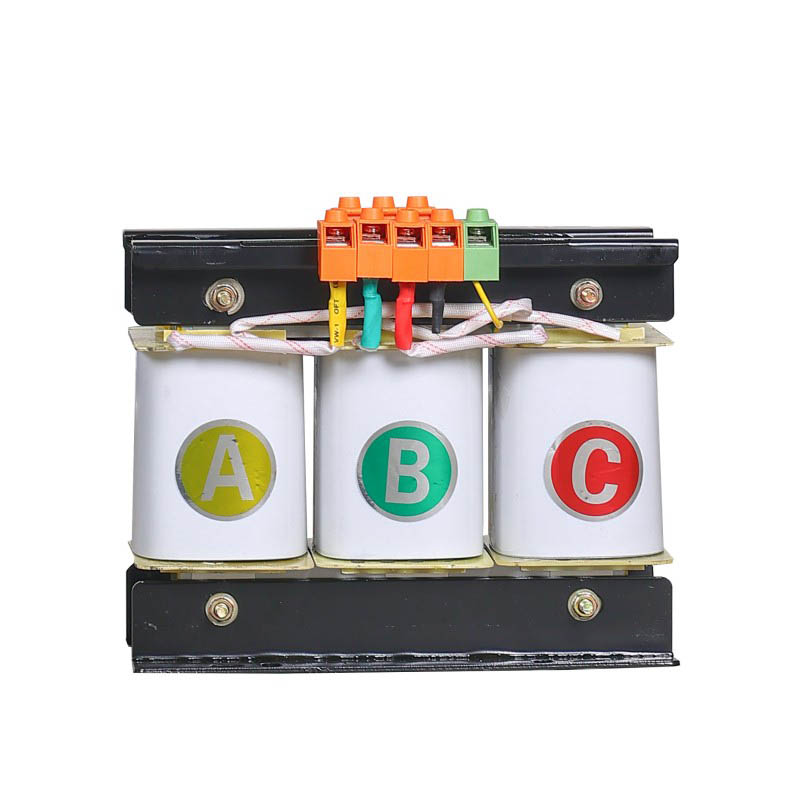
There is no direct electrical connection between primary and secondary. Power transfers through a magnetic field in the core.
Step 3 — Output
The secondary winding produces the output voltage — the same as the input voltage (1:1), or stepped up/down if required by the application.
Step 4 — Isolation
Because there is no direct electrical path, the load is completely isolated from the grid. This blocks:
Common mode noise
Ground loops
Leakage currents
Surges and transients
Step 5 — Electrostatic shielding (optional)
For applications requiring even cleaner power, the DG can be built with an electrostatic copper shield between primary and secondary windings, grounded to divert high frequency noise away from the load.
The result: clean, isolated, safe power for sensitive equipment.
Common Types of DG Isolation Transformers
DG transformers come in several configurations to match different applications.
| Type | Typical Rating | Key Features | Best For |
| Standard DG | 0.1kVA – 30kVA | 1:1 isolation, metal enclosure, terminal block connection | General industrial, laboratory, and commercial applications |
| Medical grade DG | 0.5kVA – 10kVA | Ultra low leakage (<0.1mA), reinforced insulation, medical safety certification | Patient connected medical equipment, operating rooms, ICUs |
| Audio grade DG | 0.1kVA – 5kVA | Extra shielding, low mechanical hum, balanced output | Professional audio, recording studios, broadcast systems |
| Instrument grade DG | 0.5kVA – 5kVA | Low leakage, tight regulation, <10pF coupling capacitance | Laboratory instruments, measurement equipment, calibration systems |
| Custom DG | User defined | Specific voltage ratios, multiple secondary windings, special enclosures | OEM equipment, specialised applications, retrofits |
The standard 1:1 isolation DG is the most common configuration for general purpose isolation.
Why DG Isolation Transformers Matter
Because "clean power" is not a luxury — it is a requirement for sensitive equipment.
Here is what a DG isolation transformer delivers that ordinary transformers cannot:
1. Electrical safety
The isolation barrier between primary and secondary means that a fault on the primary side — a surge, a ground fault, a lightning strike — cannot reach the load. Users touching secondary circuits are not exposed to primary voltages.
2. Noise rejection
High frequency noise from VFDs, switching power supplies, and other sources is blocked by the isolation barrier. Optional electrostatic shielding cuts that noise by 60–100dB, giving clean power for sensitive electronics.
3. Ground loop elimination
When multiple devices share a common ground, circulating currents can cause hum, drift, and errors. The DG transformer provides an isolated ground reference, breaking ground loops and stopping the noise at its source.
4. Leakage current reduction
In medical environments, even small leakage currents can be dangerous. DG medical grade transformers are built with ultra low coupling capacitance, keeping leakage current below 0.1mA — safe for patient connected equipment.
5. Equipment protection
Isolation blocks the surges, spikes, and transients that otherwise cause premature failure in sensitive electronics. A DG transformer is often the first line of defence for expensive instruments and controls.
6. Regulatory compliance
Many medical, laboratory, and industrial safety standards require isolation for certain equipment classes. A properly specified DG transformer meets those requirements.
Choosing the Right DG Isolation Transformer
Selecting a DG transformer requires attention to more than just voltage and kVA.
Step 1 — Determine the load
List all equipment that will be connected to the transformer. Add their power ratings in VA or watts.
Formula: Total VA = Sum of individual loads × 1.2 (safety margin)
Step 2 — Specify input/output voltage
| Application | Typical Voltage Ratio |
| Standard isolation | 220V/220V (1:1) |
| Step down for 110V equipment | 220V/110V |
| Step up for 220V equipment | 110V/220V |
| Medical equipment | 220V/220V (low leakage) |
Step 3 — Decide on electrostatic shielding
| Situation | Recommendation |
| General industrial or lab use | Standard (no shield needed) |
| Equipment with digital/analog signals | Electrostatic shield recommended |
| Medical equipment or audio systems | Shield required |
| Application | Maximum Leakage Current |
| General industrial | <2mA |
| Laboratory instruments | <0.5mA |
| Medical equipment (patient connected) | <0.1mA |
Step 5 — Choose enclosure type
Open frame — Mount inside an existing panel
Enclosed (IP20) — Standard metal enclosure
IP54 — Dust tight and splash proof (for industrial environments)
Step 6 — Check insulation class
For continuous duty applications, specify Class F (155°C) or Class H (180°C) insulation.
Step 7 — Ask for test reports
A reputable supplier should provide:
Insulation resistance test (≥100MΩ at 500V DC)
Dielectric withstand test (≥2000V AC for 1 minute)
No load loss measurement
Leakage current measurement (for medical units)
Voltage regulation test
Final Thoughts
The DG isolation transformer is not the most expensive component in a power system. But it may be the most important one for protecting sensitive equipment.
It works quietly in the background, doing one job well: keeping the bad power out and the good power in. No lights, no displays, no software updates. Just clean, reliable isolation, year after year.
If you are running sensitive electronics, protecting patient connected devices, or troubleshooting mysterious equipment problems — ground loops, noise, drift — the DG transformer is one of the most effective solutions you can install.
Clean power is not optional for sensitive equipment. It is the foundation of reliable operation.
Related News
- What ZSG Three-Phase Dry-Type Rectifier Transformer work?
- Which one is good S13 Oil-Immersed Distribution Transformer?
- How to choose JBK5 Machine Tool Control Transformer?
- How BK Machine Tool Transformer 220V works?
- Which one is good SBK Three-Phase Dry-Type Transformer?
- How to choose SBW Intelligent Servo Voltage Stabilizer?
Leave me a message