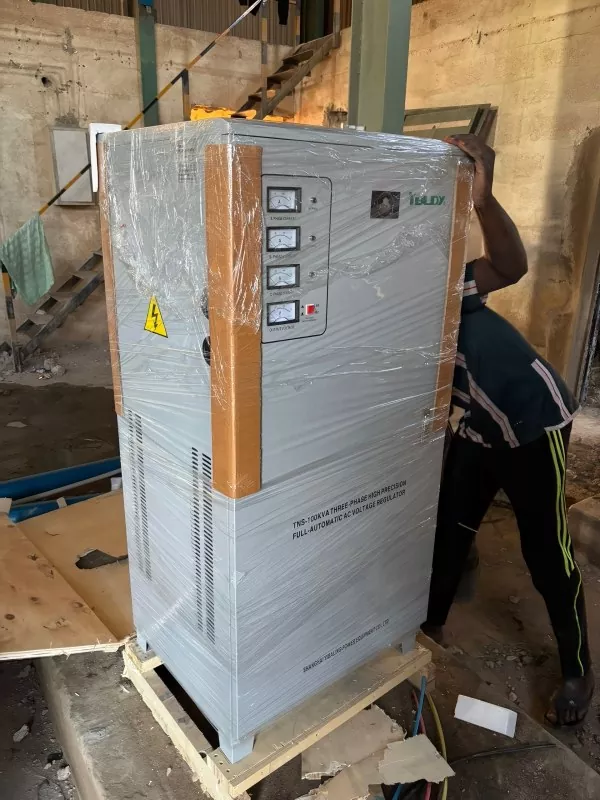

CE-Certified Servo-Compensated Voltage Regulator Factory
Yibaling is a professional manufacturer of servo-compensated voltage regulators. With our mature production lines and expert R&D team, we are able to provide reliable OEM services. In addition to this series of voltage regulators, we also offer high-precision voltage regulators.
What is a servo-compensated voltage regulator?
The servo-compensated voltage regulator is a highly precise electromechanical integrated voltage stabilizing device. Its core principle is similar to an "autonomous driving" voltage regulation system:
Firstly, the control circuit acts as the "brain" to continuously monitor the output voltage and calculate the deviation by comparing it with the set value; then, the control circuit drives the "actuator" - the servo motor, causing the carbon brush to precisely slide on the winding of the voltage regulator.
Finally, through the compensation transformer, the corrected voltage generated by the voltage regulation is injected into the output circuit in real time, thereby stabilizing the voltage around the target value (the accuracy is usually within ±1%). This closed-loop regulation process is continuously dynamic and can effectively cope with the regular fluctuations of the power grid.
Its advantages lie in high voltage stability accuracy, low waveform distortion, strong load adaptability and mature reliability.
Therefore, it is widely used in laboratories, medical equipment, CNC machines and other occasions where high voltage quality is required. However, its carbon brush mechanical structure has the problem of wear that requires regular maintenance, and its response speed to instantaneous voltage fluctuations is limited.
During operation, it generates slight noise and has a relatively large volume. In summary, this is a classic voltage stabilization solution that achieves precise voltage compensation through servo system-driven mechanical adjustment.
How does a servo-compensated voltage regulator work?
The working principle of the servo-compensated voltage regulator is a "perception-decision-execution" dynamic adjustment process based on closed-loop feedback.
The core of its operation is "servo motor-driven mechanical compensation".
The control circuit, as the "brain" of the system, continuously monitors the output voltage and compares it with the set value in real time to calculate the voltage deviation.
Once it detects that the voltage deviates from the standard (such as being too high or too low), the control circuit immediately issues an instruction to the servo motor. The servo motor then precisely rotates, driving the carbon brush to slide on the winding of the ring-shaped voltage regulator through the transmission mechanism, thereby changing the contact position of the carbon brush.
The direct result of this mechanical displacement is the generation of a compensating voltage of adjustable magnitude and direction on the regulator.
This compensating voltage is superimposed onto the output voltage in real time through a compensating transformer connected in series in the main circuit - a positive compensating voltage is injected when the voltage is low, and a negative compensating voltage is injected when the voltage is high.
After compensation, the output voltage is brought back to a value close to the set value. Subsequently, the control circuit conducts another monitoring and initiates a new round of adjustment.
The entire process repeats at a frequency of several tens of times per second, forming a precise control system that is continuously tracking and dynamically fine-tuning. Therefore, it can smoothly handle regular voltage fluctuations in the power grid and output stable voltage with high precision and low distortion.
Its essence is to achieve continuous and linear voltage compensation through mechanical actions of the servo system, which is why it is called "servo compensation type".
Servo-type voltage stabilizer VS Non-contact voltage stabilizer
| Comparison Dimension | Servo-type voltage stabilizer | Contactless Voltage Stabilizer |
| Voltage regulation method | Physical contact and mechanical movement. The carbon brush is driven by a servo motor to slide on the ring-shaped transformer winding, continuously changing the turns ratio. | Electronic switch and solid-state switching. The switching is achieved by thyristors (controllable silicon) or IGBTs for rapid on-off, switching to compensate for the transformer winding tap. |
| Response speed | Slow, usually 1-2 seconds. Limited by the inertia of the mechanical system. | Very fast, usually completed within 20-40 milliseconds (1-2 power cycles) for correction. |
| Core wear parts | Carbon brush is a consumable part that needs regular inspection and replacement (life approximately 1-30,000 hours, depending on the operating environment). | There are no mechanical moving parts, and the theoretical lifespan of power semiconductor devices is extremely long, with no regular replacement requirements. |
| Overload and shock resistance | Strong. The contact surface of the carbon brush is large, and the transformer winding can directly withstand several times the instantaneous current impact (such as motor startup). | General. The electronic switch has limited ability to withstand overload and shock currents, and protection circuits are usually relied on, typically using the rated capacity. |
| Output waveform and noise | The output waveform is a complete sine wave, with no additional distortion. There is a slight servo motor and carbon brush sliding sound during operation. | There may be micro-step changes in the output voltage during switching, but it does not affect the operation of the equipment. Completely silent. |
| Efficiency and temperature rise | High efficiency is usually achieved (>95%), but the contact resistance of the carbon brush generates a small amount of heat loss. | High efficiency is also achieved (>96%), but there is a voltage drop in semiconductor conduction, which also generates heat loss, requiring good heat dissipation. |
| Maintenance requirements | Regular maintenance is required: clean the internal dust, inspect and replace worn carbon brushes. | Generally, maintenance-free: only need to maintain ventilation and clean regularly. |
| Cost | Lower procurement cost, but there are subsequent maintenance costs and spare parts costs. | Significantly higher procurement cost, but the total life cycle maintenance cost is extremely low. |
Shipping Transportation Service
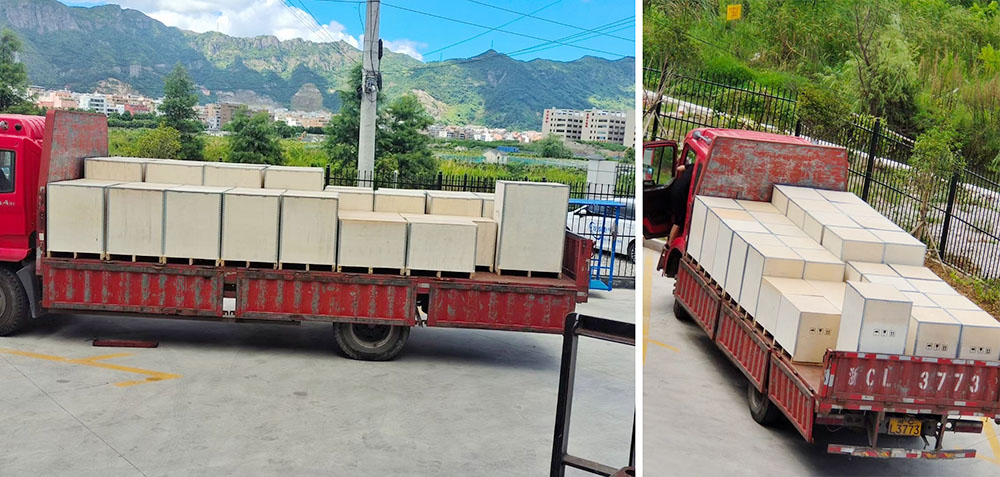
Yibaling has over 3 years of experience in voltage stabilizer exports and are proficient in the complex details of voltage stabilizer packaging and transportation.
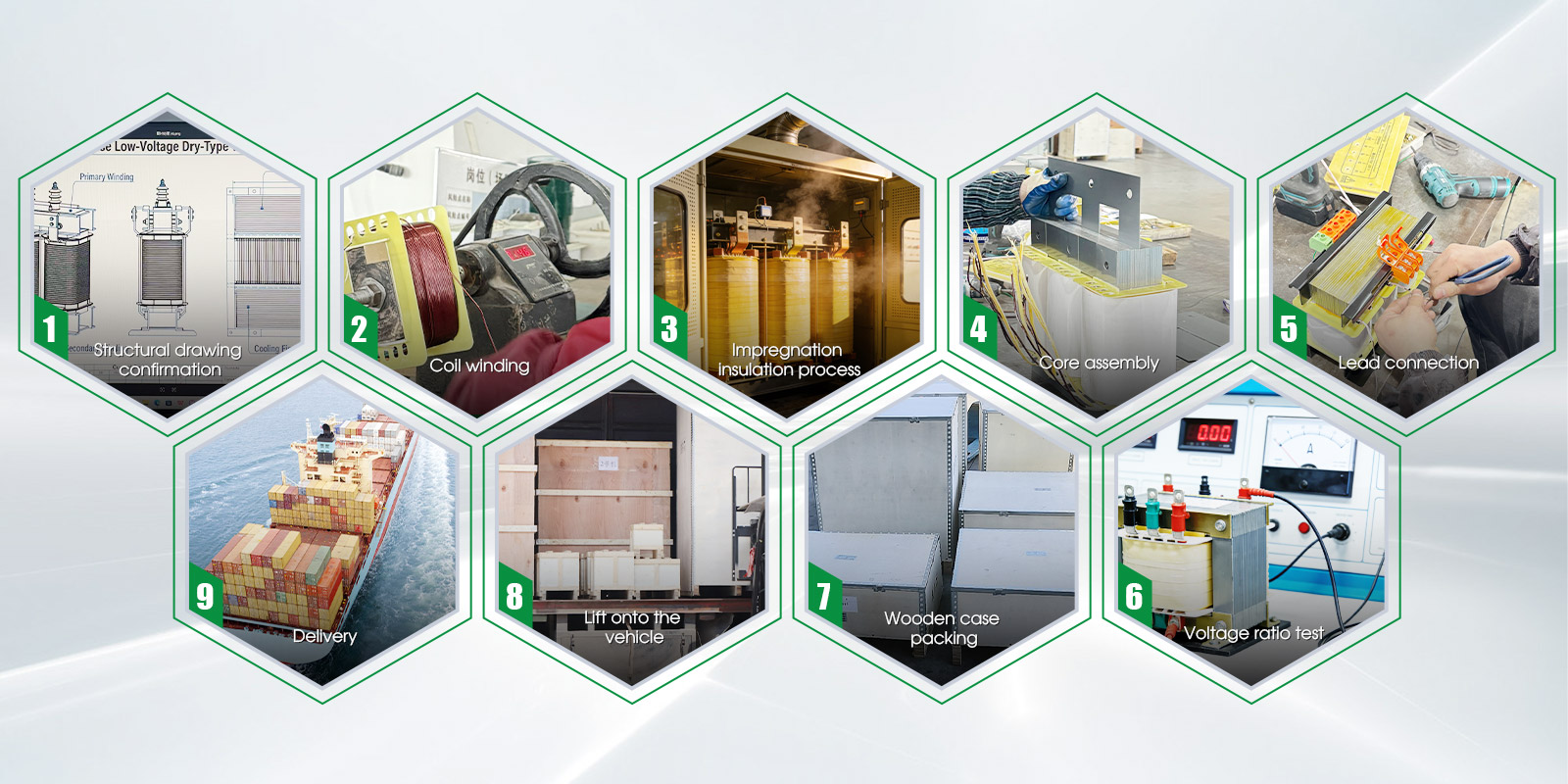
We use wooden frame boxes for the export packaging, with a fully enclosed structure, it can provide a comprehensive physical protection for the voltage stabilizer, resisting collisions and compressions during long-distance shipping and multiple lifting and transportation.
Moreover, we have also adopted shock-proof packaging. Between the voltage stabilizer and the inner wall of the wooden box, customized EPS foam will be filled to completely eliminate shaking and friction during transportation.
A high-density anti-slip rubber pad and special fastening bolts are used for hard locking and fixation between the bottom of the voltage stabilizer and the base of the wooden box.
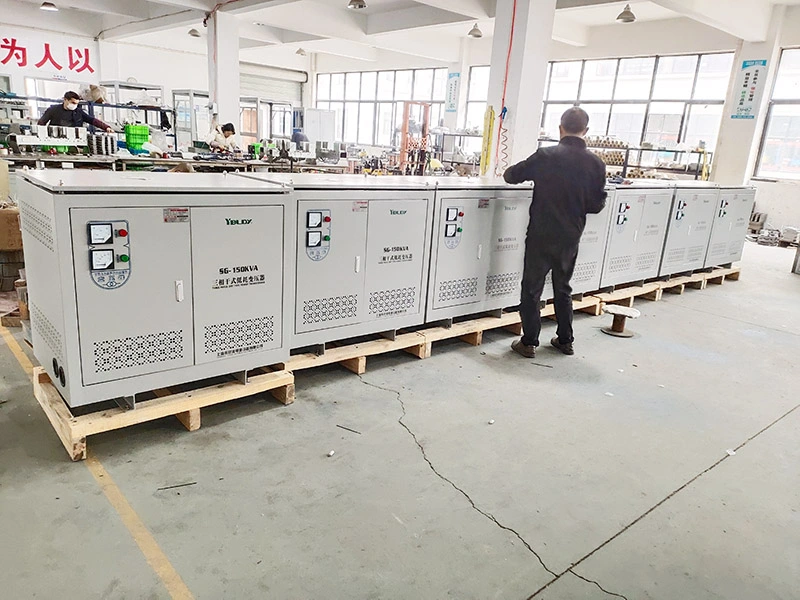
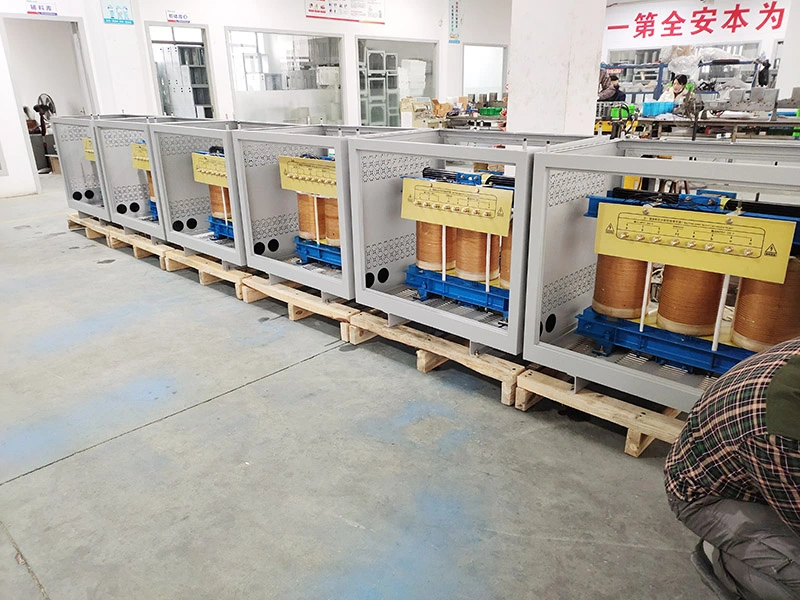
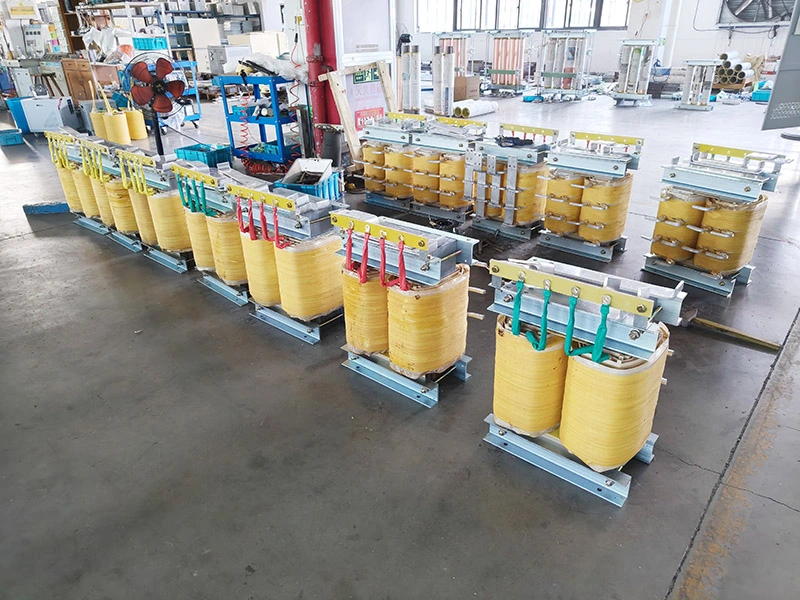
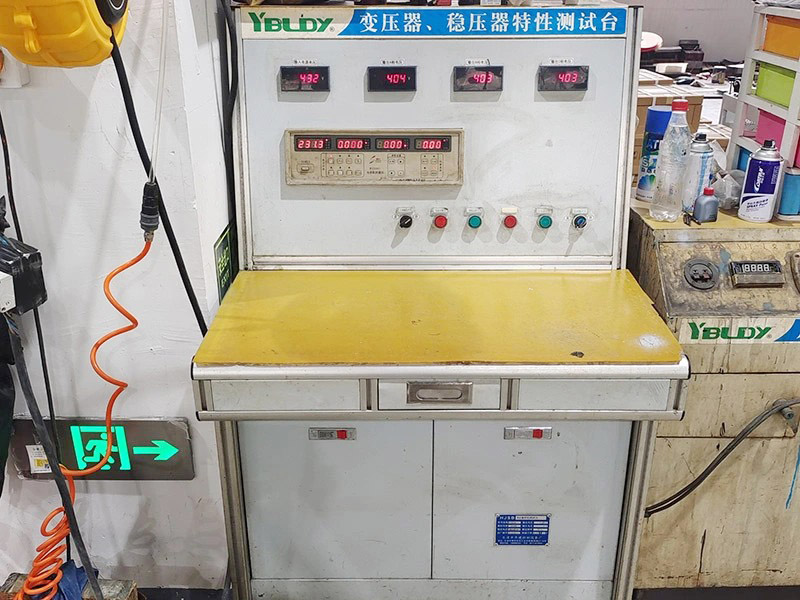
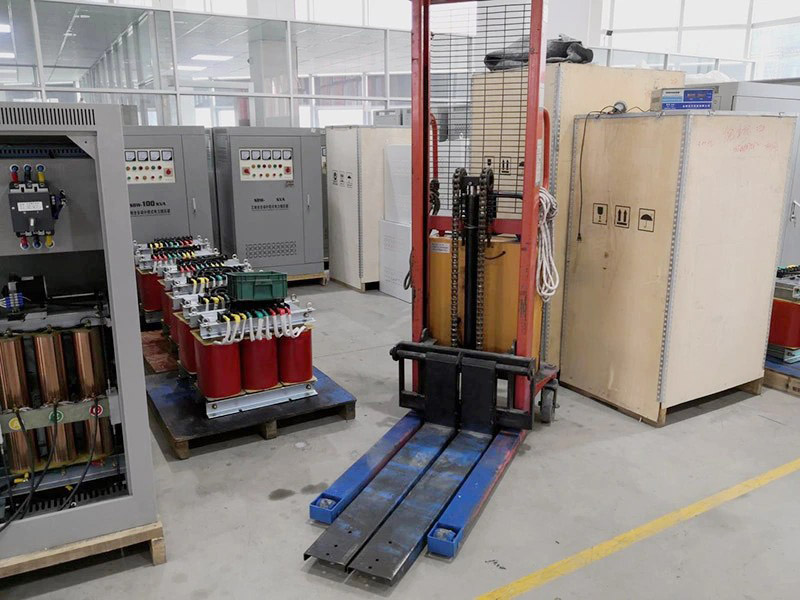
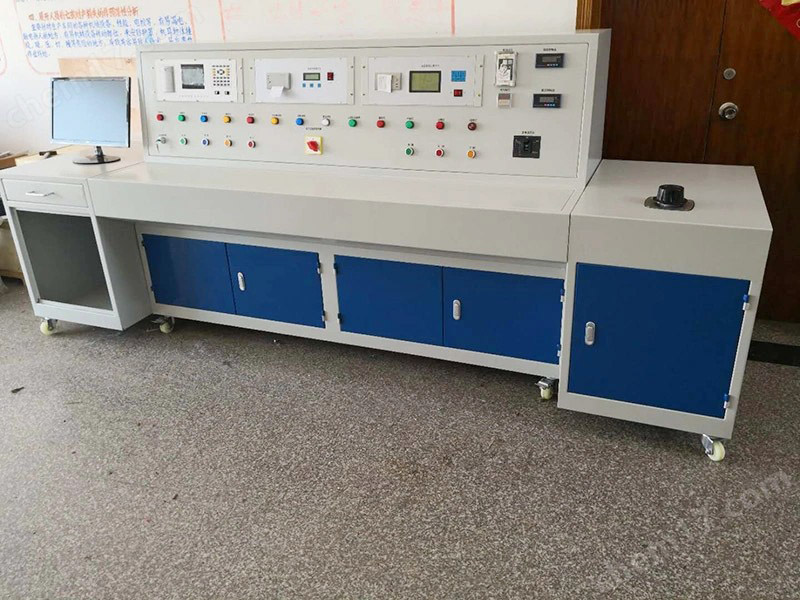
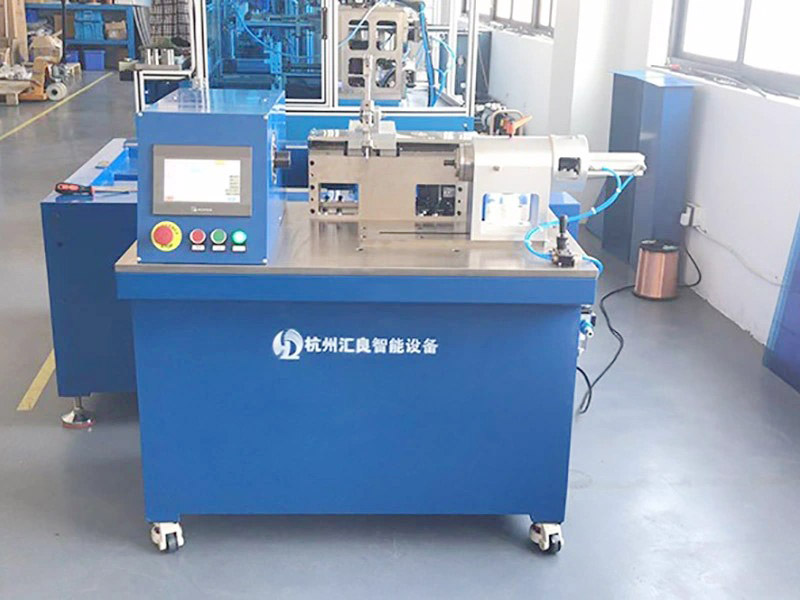
Our Warehouse
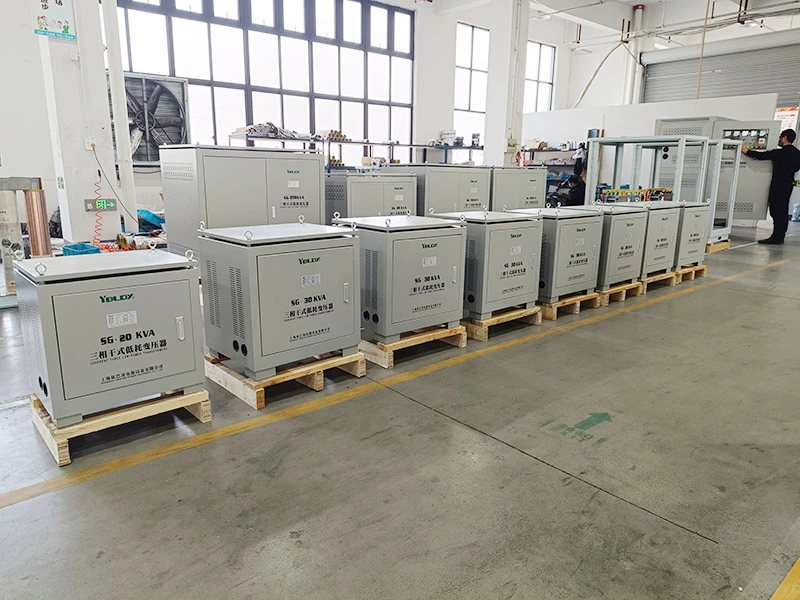
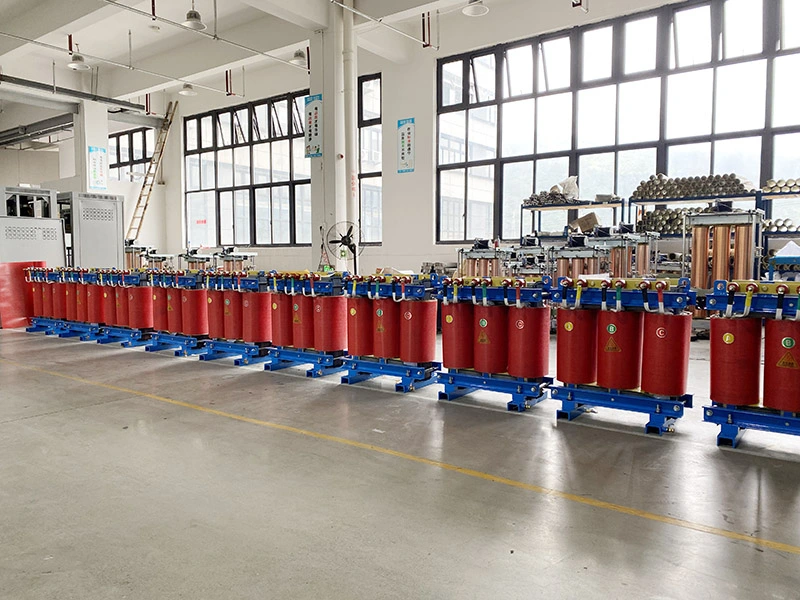
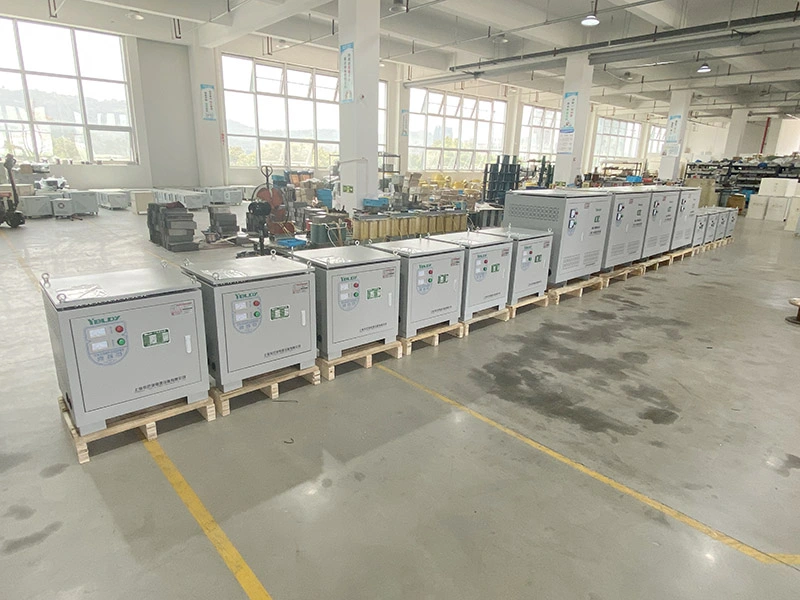
Production Process
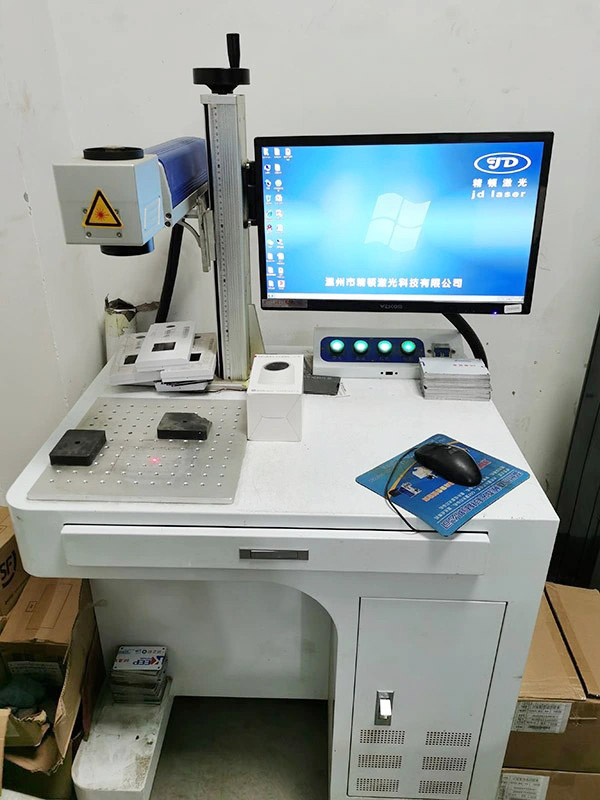
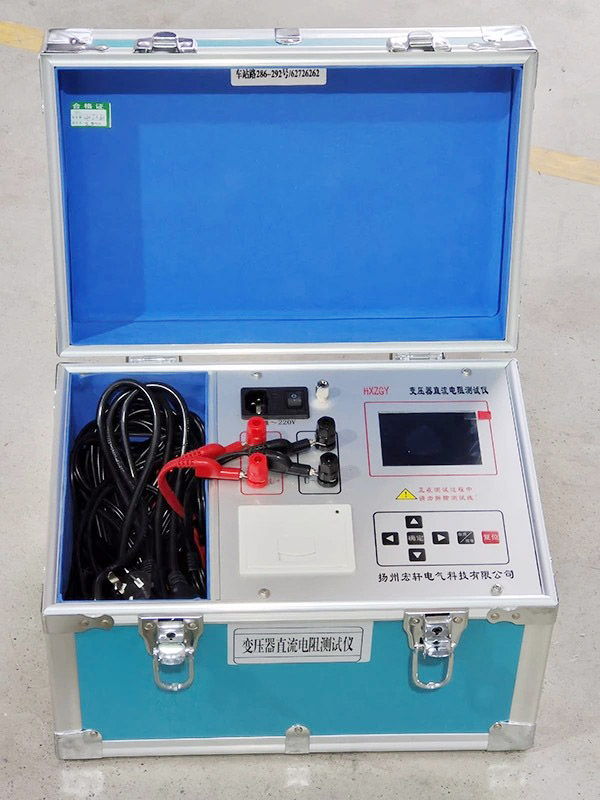
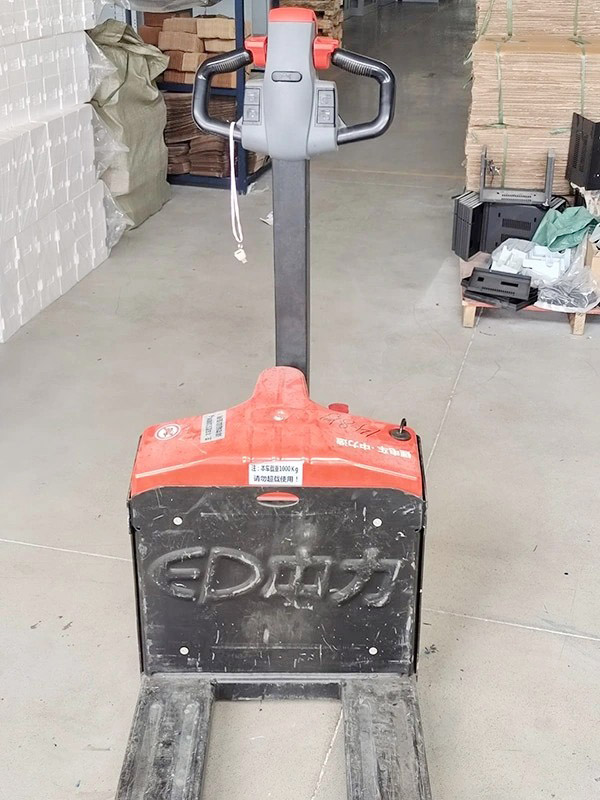
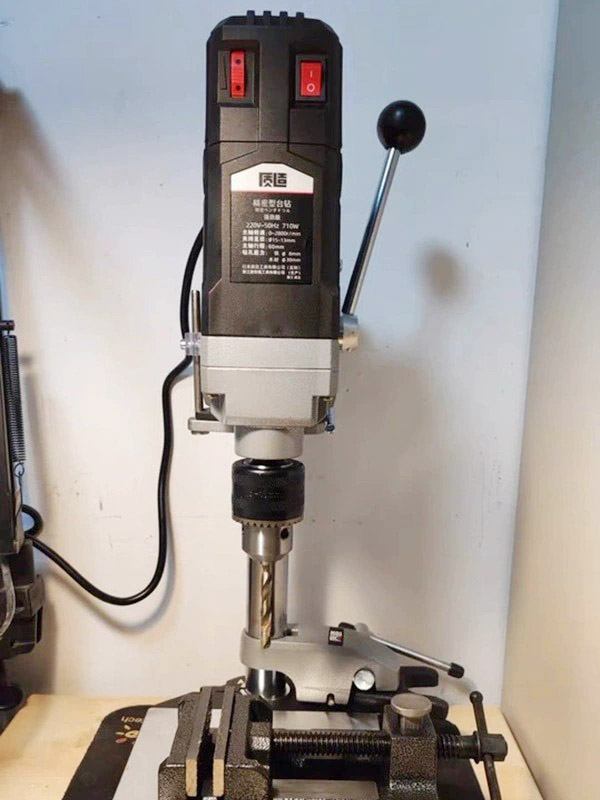
Production Equipment
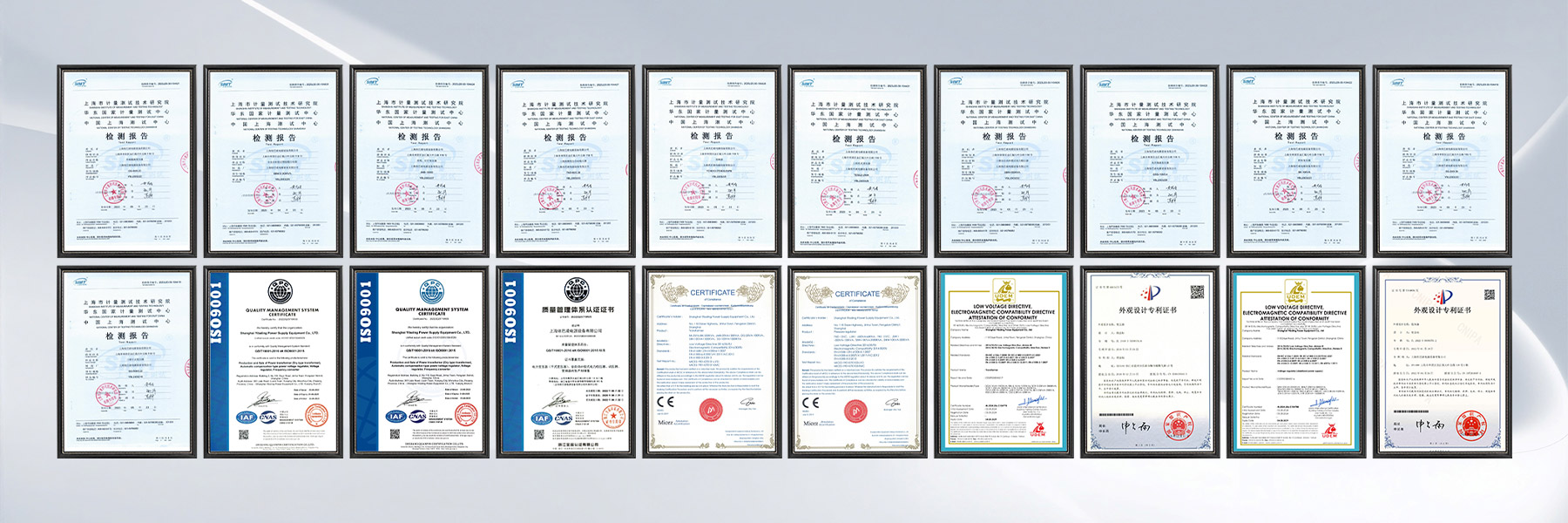
Certificate
Shipment
- View as
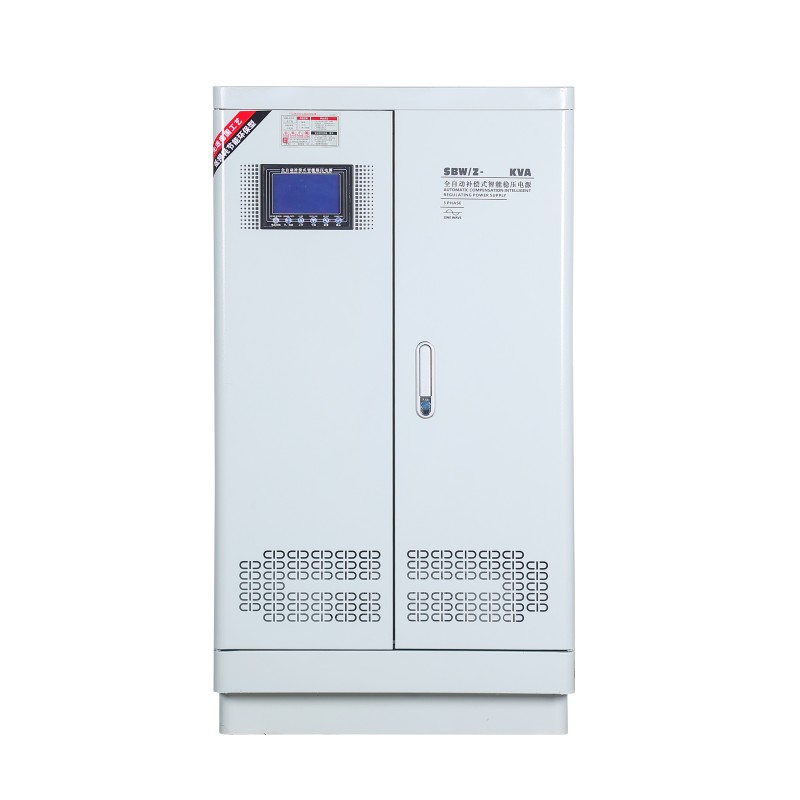
SBW Intelligent Servo Voltage Stabilizer
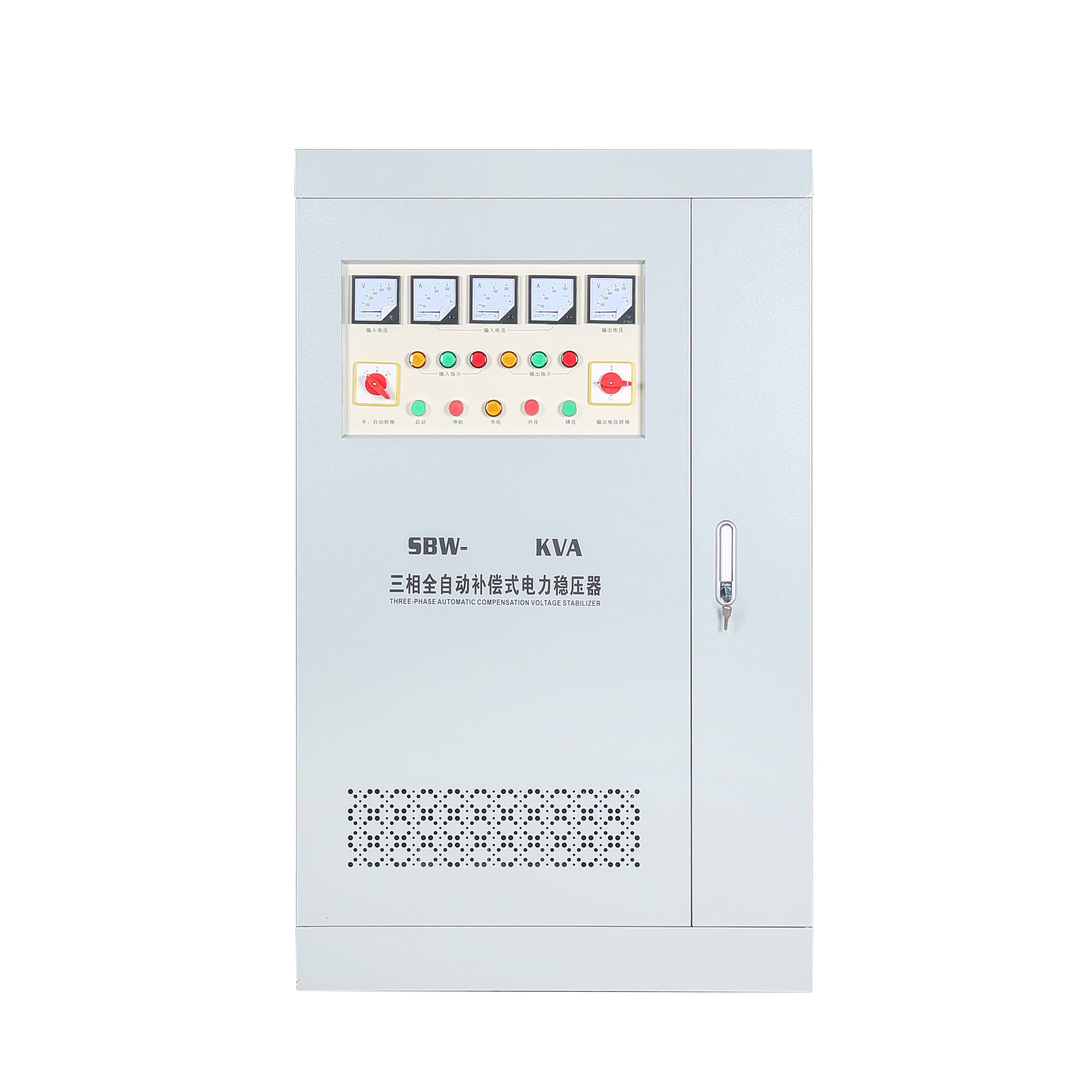
The SBW intelligent servo voltage stabilizer is a new type of servo voltage stabilizer launched by our Zhejiang Yibaling Power Equipment Co., Ltd. Compared with traditional servo voltage stabilizers, it has a more intuitive interface and is equipped with a display screen, allowing customers to directly observe the fluctuations of input and output voltages. Yibaling, as a reliable manufacturer and supplier, uses high-quality core raw materials to produce our product, ensuring its quality. We welcome orders from all customers.
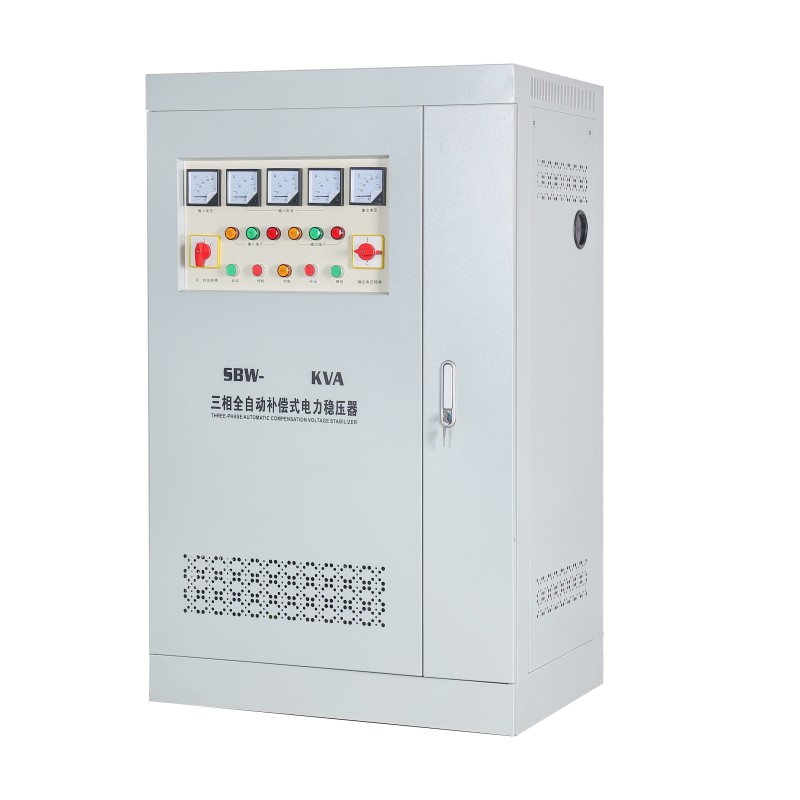
SBW Intelligent Compensation Voltage Stabilizer
The SBW intelligent compensation voltage stabilizer is a three-phase intelligent compensation type voltage stabilizer. It was developed and designed by Yibaling Factory based on the single-phase intelligent compensation type voltage stabilizer. Compared with the single-phase voltage stabilizer, it can withstand a higher input voltage. The excellent quality has enabled our product to be exported to multiple countries in Europe and beyond. Similarly, we also look forward to becoming your long-term partner in China.
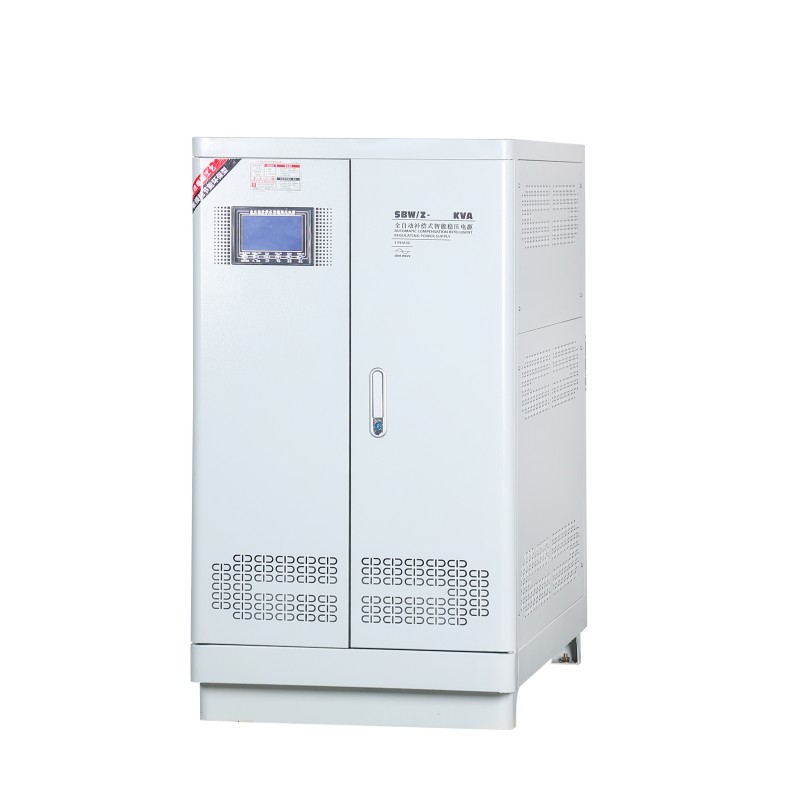
SBW Servo Voltage Stabilizer
The SBW Servo Voltage Stabilizer is a classic servo regulator produced by Yibaling Factory. It has consistently received high praise from customers for its high quality. The extremely high cost-effectiveness of the source factory has also enabled the product to gain many customers from different countries. If you need it, please feel free to contact Yibaling Factory for purchase.
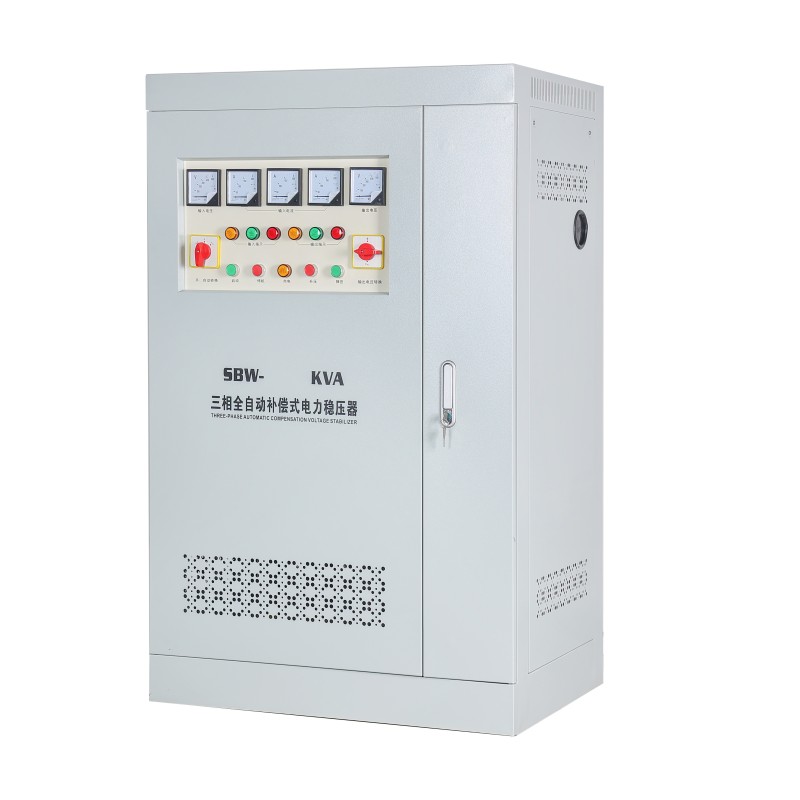
SBW Compensation Voltage Stabilizer Regulator
The SBW compensation voltage stabilizer regulator is made based on the classic servo compensatory voltage regulator. Moreover, the engineers from Yibaling Factory have further improved the functions of the servo compensatory voltage regulator, making the product not only possess the advantages of the classic servo compensatory voltage regulator - capable of converting unstable input voltage into stable and constant voltage, but also improving the shortcomings of the servo compensatory voltage regulator. They are selling well in China and have received numerous favorable comments worldwide.
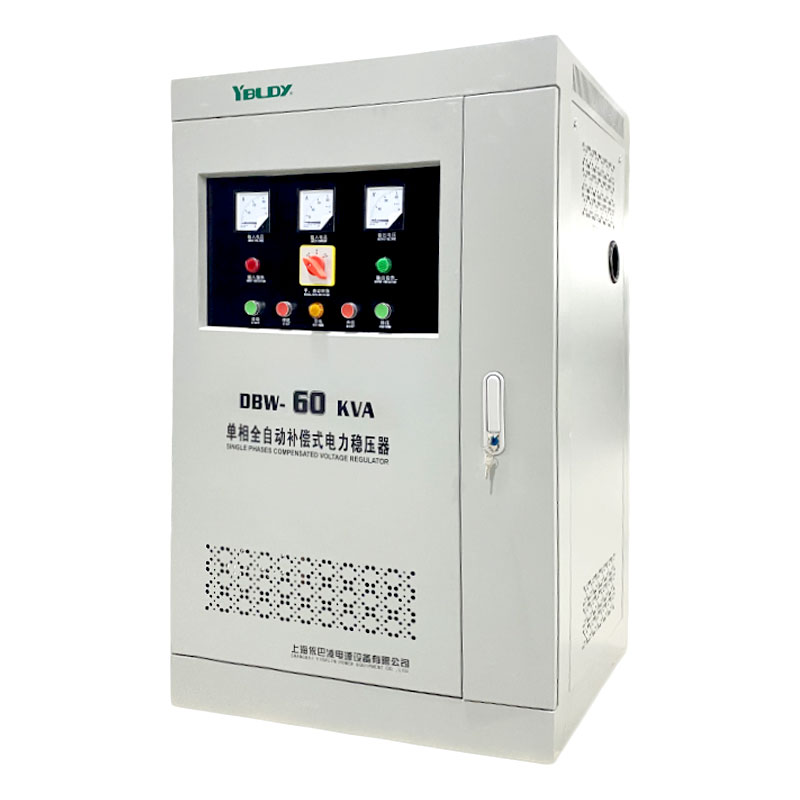
DBW Intelligent Servo Voltage Stabilizer
The DBW Intelligent Servo Voltage Stabilizer is a new type of intelligent voltage stabilizer newly developed by our Zhejiang Yibaling Power Equipment Co., Ltd. Based on the proven DBW series, it has been iteratively upgraded. While maintaining its reliable servo voltage regulation structure and compensatory core design, it has completely revolutionized the control core.
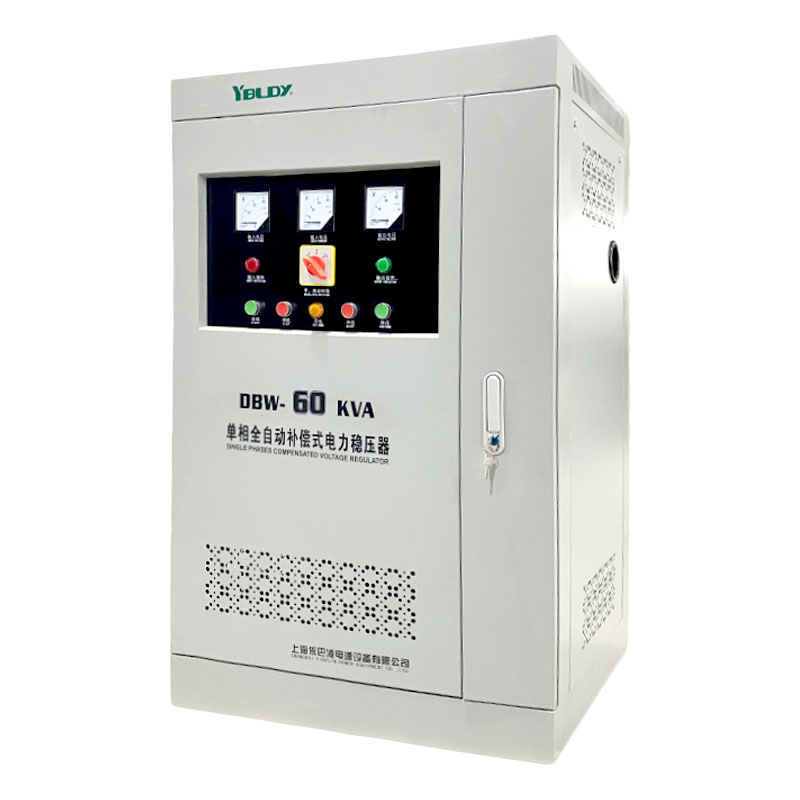
DBW Intelligent Compensation Voltage Stabilizer Regulator
The DBW intelligent compensation voltage stabilizer regulator is one of the best-selling products of Yibaling Factory. It is not only popular in most parts of Southeast Asia, but also exported to countries like Europe and America. The product is highly favored by customers because of its superior quality. Moreover, the after-sales service provided by our Yibaling factory ensures customer satisfaction. We warmly welcome both new and existing customers to our factory to place orders for our high-quality voltage stabilizers. If you have any special requirements, please contact customer service for customization.
As a reliable Servo-Compensated Voltage Regulator manufacturer and supplier in China, we have our factory. If you want to buy quality and durable products, please contact us.