

Industry News
 15 2026-10
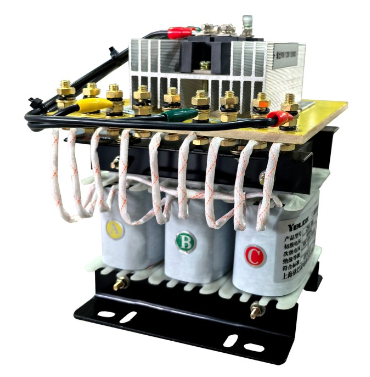
 What ZSG Three-Phase Dry-Type Rectifier Transformer work?
When Rectifier Equipment Acts Up, Check the Transformer in Front First
Anyone who's worked in electroplating, electrolysis, or charging knows that DC power stability directly determines product quality. Uneven plating thickness, declining electrolysis efficiency, frequent charging equipment failures — the first instinct is to check the rectifier cabinet or the control board. But sometimes the problem is that unassuming ZSG transformer sitting upstream: insufficient impedance lets surge current damage the rectifier components, or undersized capacity causes excessive temperature rise at full load. The ZSG three-phase dry-type rectifier transformer is purpose-built for front-end matching with rectifier devices.
 13 2026-10
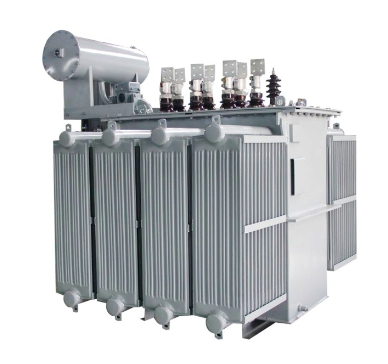
 Which one is good S13 Oil-Immersed Distribution Transformer?
One Transformer Determines How Much Trouble the Local Power Station Deals With
Anyone who's spent time at a grassroots power supply station knows that distribution transformer selection isn't about picking whichever number looks best on the spec sheet. A transformer sits on a pole and runs for fifteen or twenty years. When something goes wrong, it means outage, climbing the pole, calling a crane — and how much trouble that involves is directly tied to the transformer's reliability. The S13 series oil-immersed distribution transformer is a product widely chosen under exactly this logic. It's not the newest model, but for this capacity range and this application, it's a proven, practical option.
 12 2026-10
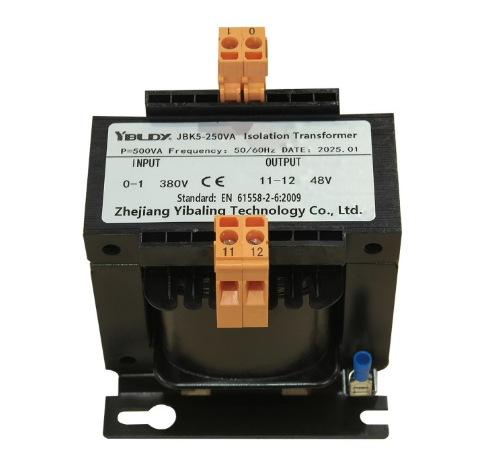
 How to choose JBK5 Machine Tool Control Transformer?
Control Power Is a Finer Job Than It Looks
Spend enough years in machine tool electrical maintenance and you develop an instinct: control circuit problems are often trickier than main circuit ones. A main circuit trip or alarm gives you a clear direction. Control circuit issues show up as fragments — a contactor that won't pull in, indicator lights flickering randomly, a PLC resetting for no apparent reason. When you finally trace it down, three times out of ten the control transformer is the culprit: undersized capacity, aged insulation, or oxidized terminals running hot. The JBK5 series machine tool control transformer exists for exactly this job.
 09 2026-10
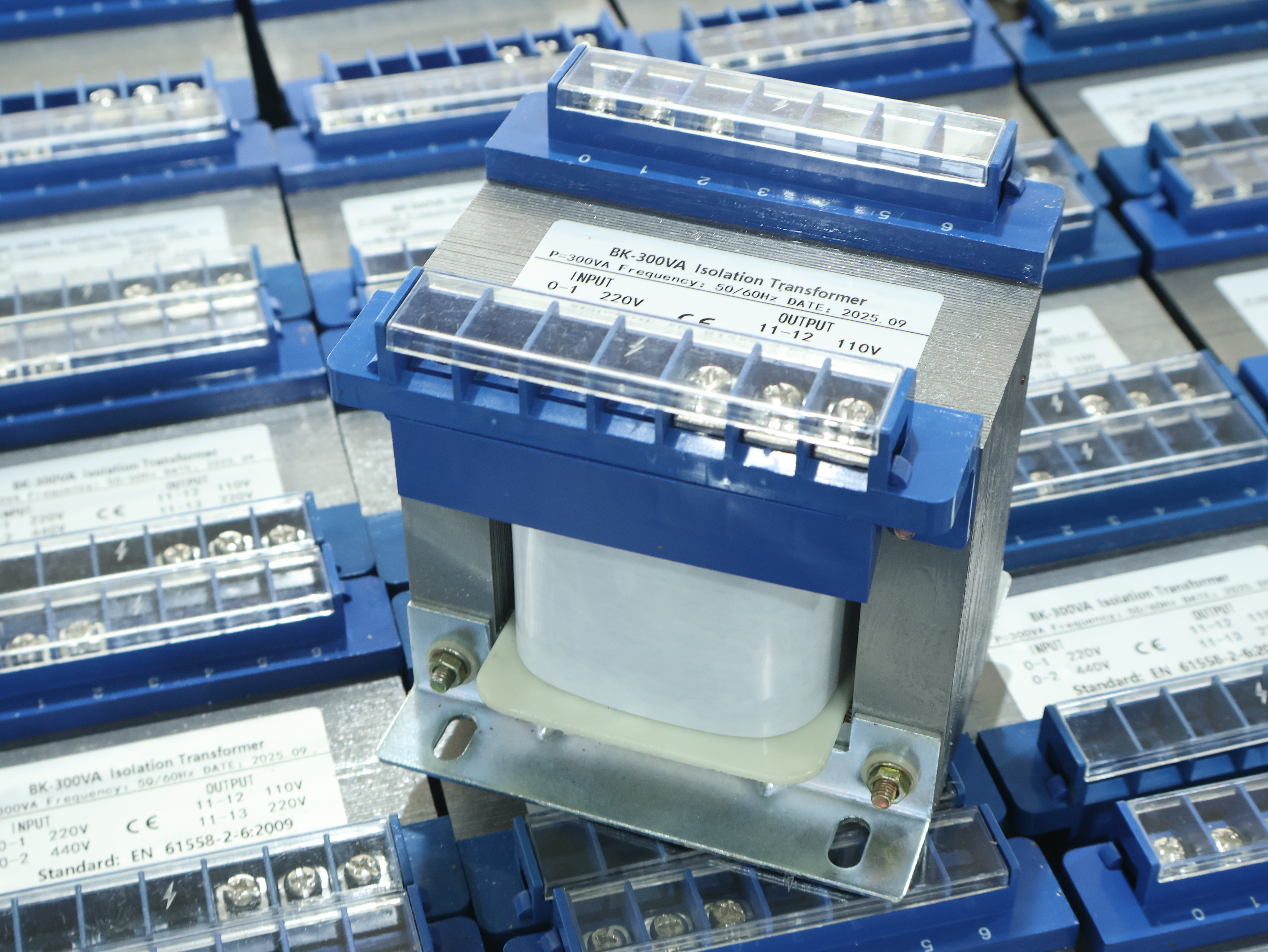
 How BK Machine Tool Transformer 220V works?
When Control Power Fails, the Whole Machine Stops
Spend enough years in machine tool electrical maintenance and you notice a pattern. Main circuit faults usually mean a trip or an alarm — clear direction for troubleshooting. Control circuit problems are different. They show up as scattered, puzzling symptoms: a contactor that won't pull in, indicator lights flickering randomly, a PLC that occasionally resets. You chase it for hours and find nothing obvious. Then you look at the control transformer and realize the capacity was undersized, or the winding insulation has aged. The BK series machine tool control transformer exists specifically for this kind of "last meter" power problem.
 08 2026-10
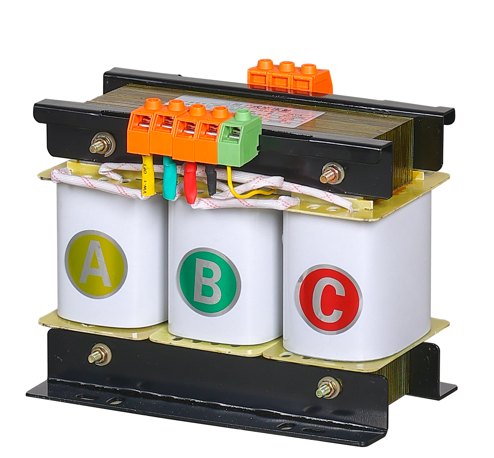
 Which one is good SBK Three-Phase Dry-Type Transformer?
When Equipment Doesn't Fit, the Problem Is Often the Power Supply
Anyone who's worked on an industrial floor knows the feeling. A precision machine tool shipped in from overseas, or a production line built to European standards, gets wired up to a 380V grid and either trips its protection or runs hot. That's when a three-phase dry-type transformer becomes unavoidable. The SBK series is a well-established option for exactly this kind of situation.
 24 2026-09
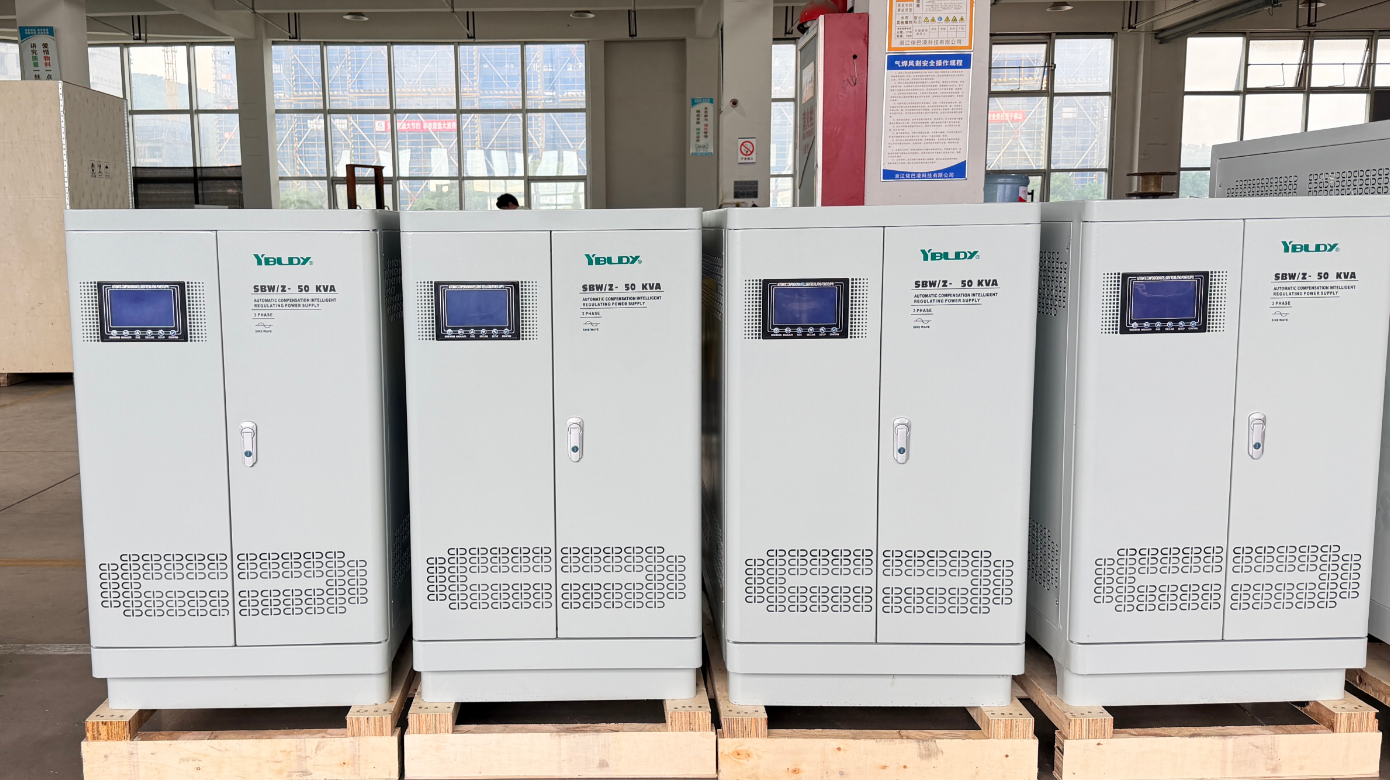
 How to choose SBW Intelligent Servo Voltage Stabilizer?
Traditional compensation-type voltage stabilizers have served industrial sites for decades with a mature principle and reliable structure. But anyone who has used them long-term knows the unavoidable shortcomings: carbon brushes need periodic inspection, mechanical drive occasionally jams, response lags when voltage swings are large, and when something goes wrong you can only stand at the panel guessing at faults. The SBW intelligent servo voltage stabilizer essentially keeps the core advantages of compensation-type regulation while using intelligent control to turn a "dumb device" into one that can talk and think.