

Industry News
 21 2026-07
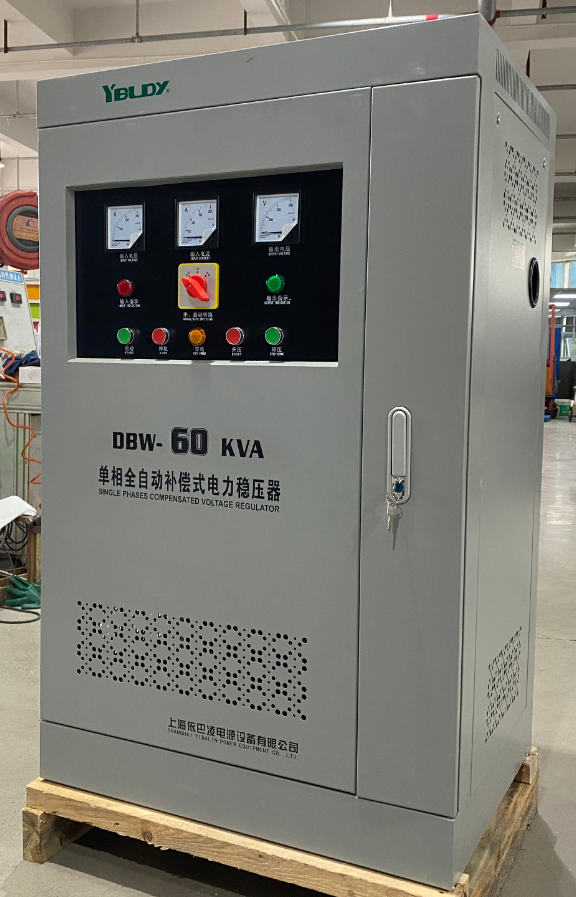
 What is DBW Servo Voltage Stabilizer?
One Phase, Serious Power
Most people think of voltage regulators as small boxes that plug in next to a computer or a TV. And yes, those exist. But there's another kind of regulator entirely — the kind that doesn't sit on a desk. It sits in a factory, next to a production line, feeding power to equipment that draws tens or even hundreds of kilowatts.
DBW Servo Voltage Stabilizers are built for big loads.
They handle the heavy stuff: CNC machines, medical imaging systems, large
format printers, industrial ovens, production lines, central air conditioning systems, and elevator banks. If it draws serious current and runs on single
phase power, it probably needs one of these behind it.
 18 2026-07
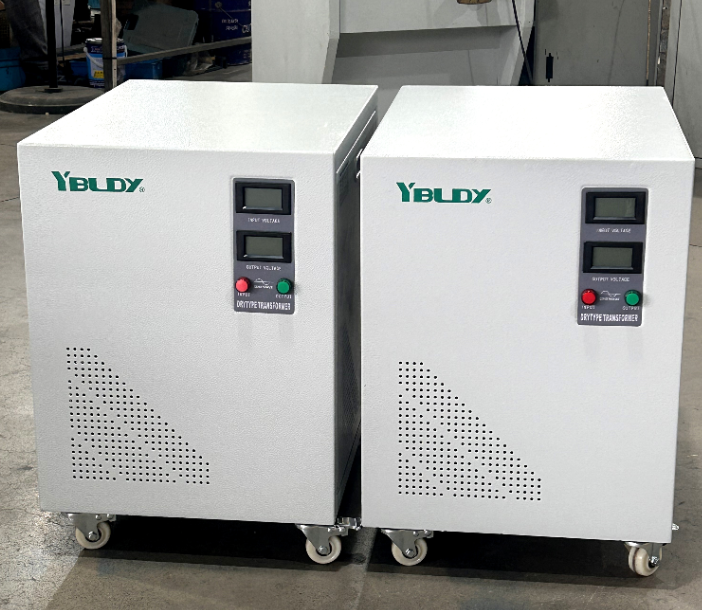
 What is SG Low Voltage Dry Type Transformer?
Anyone who's bought imported equipment knows the problem: the nameplate says "220V," but your workshop only has "380V." Voltage mismatch means the equipment can't run.
The SG three
phase low
voltage dry
type transformer is built to solve exactly that problem.
It's a three
phase dry
type isolation transformer. Feed it 380V input, and it can give you 220V, 200V, 110V, 36V — whatever voltage you need, it can deliver. At the same time, it completely isolates the input from the output — so grid noise, harmonics, and surges stop right there.
In plain language: it converts the voltage to what you need and keeps the interference out.
 16 2026-07
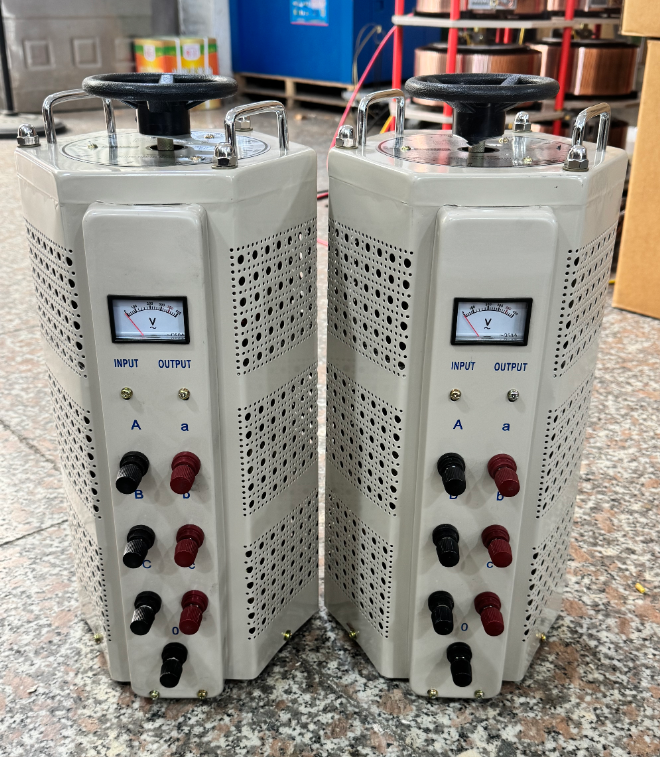
 What is TSGC2 Three Phase Contact Voltage Regulator?
Some Jobs Can't Be Done by an Automatic Stabilizer
A voltage stabilizer does one thing: it holds the output steady. No matter what the grid does, the output stays put.
But sometimes, you don't want "steady." You want "adjustable."
Equipment commissioning needs a slow ramp from zero volts. Motor soft
starting requires stepped voltage increases. Laboratory dielectric testing needs different voltage conditions. Aging tests require cycling products between 180V and 240V, over and over.
Automatic stabilizers can't do any of that. They lock onto one voltage and refuse to budge.
The TSGC2 three
phase contact voltage regulator is built for exactly these jobs.
The TSGC2 is a three
phase manual contact
type voltage regulator — essentially an adjustable autotransformer.
 15 2026-07
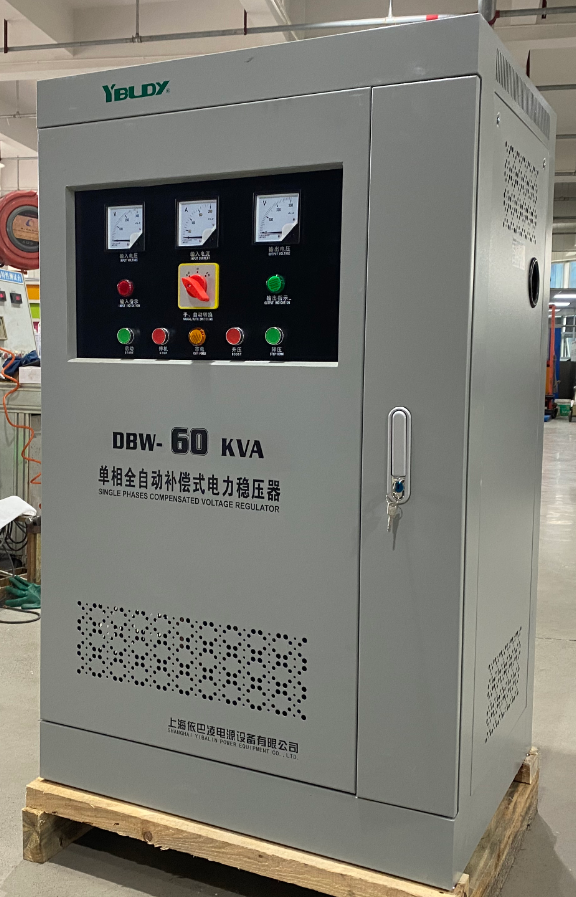
 What is DBW Intelligent Compensation Voltage Stabilizer?
Unstable Voltage? DBW Has You Covered
As single
phase equipment gets bigger and more sophisticated, its appetite for clean power grows right along with it.
Precision grinders produce inconsistent finishes. CT scanners show ghost images in the data. Lab instruments drift mid
experiment. Air conditioners trip off during peak hours, leaving the whole building hot and uncomfortable.
More often than not, the problem isn't the equipment — it's the voltage.
Grid voltage fluctuates throughout the day. Low during peak load, high at night. Add in the startup surges from heavy equipment on the same line, and the quality of single
phase 220V power becomes anything but stable. For household appliances, voltage swings might mean the difference between “works” and “works a bit poorly.” For precision and high
power equipment? It’s the difference between running and shutting down.
 14 2026-07
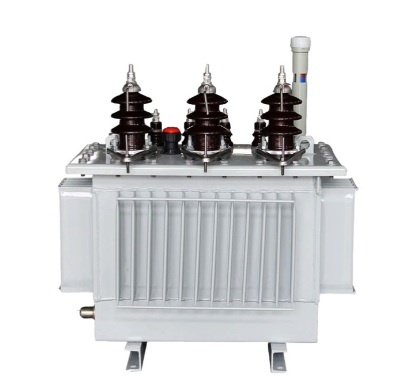
 What Is an S11 Distribution Transformer and Why Is It Important?
An S11 distribution transformer is a three-phase oil-immersed distribution transformer designed for stepping down medium-voltage power—typically 10kV or 6kV—to the low-voltage levels used by factories, buildings, and communities. Available in both fully sealed and conservator-tank types, it's a direct upgrade from the older S9 series, delivering lower losses and better operating economy.
What makes the S11 different from earlier models?
Compared to the S9 series, the S11 reduces no-load loss by about 30% and no-load current by 50%–70%. That's not a small improvement—it's a meaningful difference in operating cost, day after day, year after year.
 13 2026-07
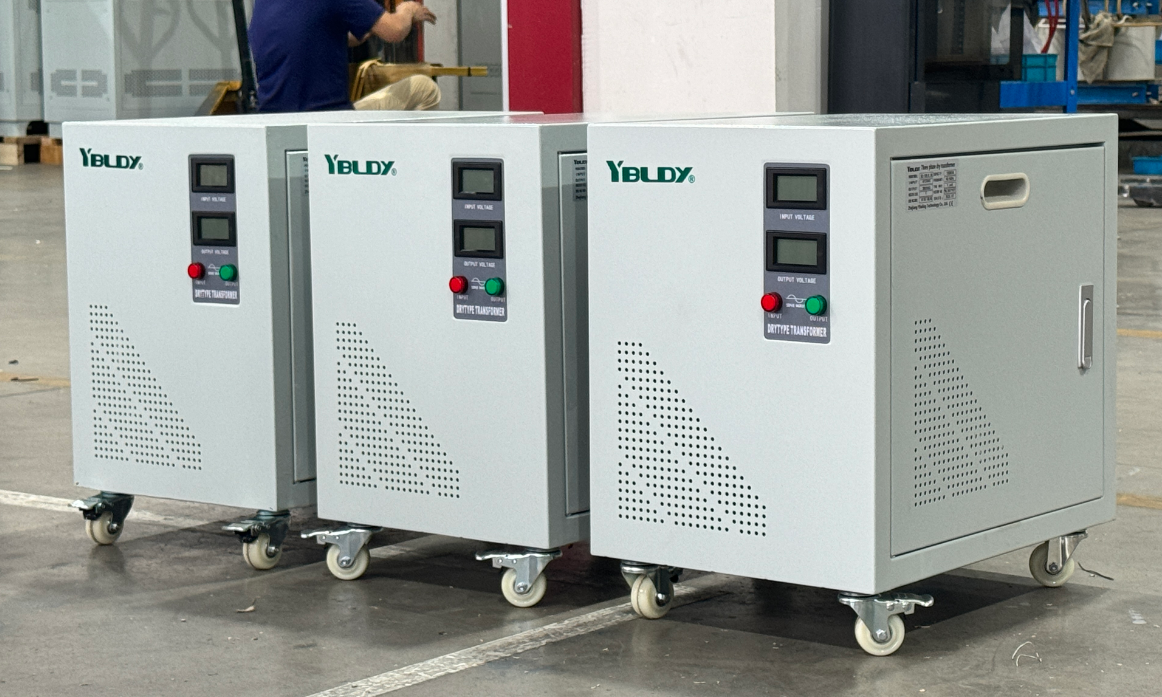
 What’s an SG Power Transformer and Why Do You Need One?
An SG power transformer is a three
phase dry
type isolation transformer — a device that steps voltage up or down, isolates your equipment from the grid, and cleans up the power along the way.
Sounds technical. But here’s what it actually means: if you’ve ever bought a piece of equipment from overseas, only to find it runs on 220V while your shop has 380V, you already know the problem. The SG transformer is the fix.
It sits between your mains supply and your equipment. It converts the voltage to whatever your machine actually needs, and it blocks surges, harmonics, and ground noise from reaching your expensive gear.