
What Is an SBK Control Transformer and Why Is It Important?
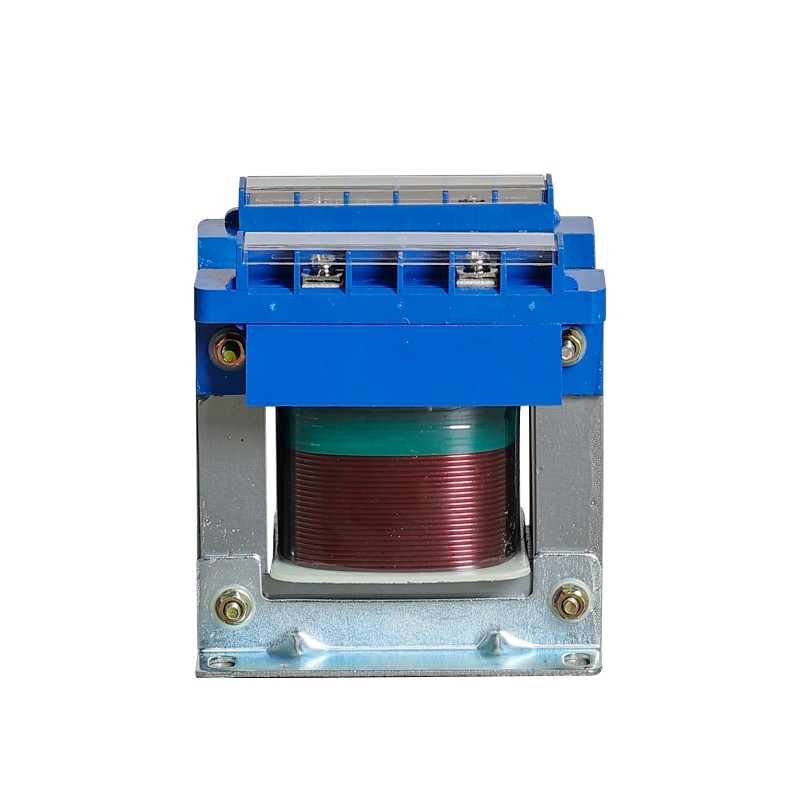
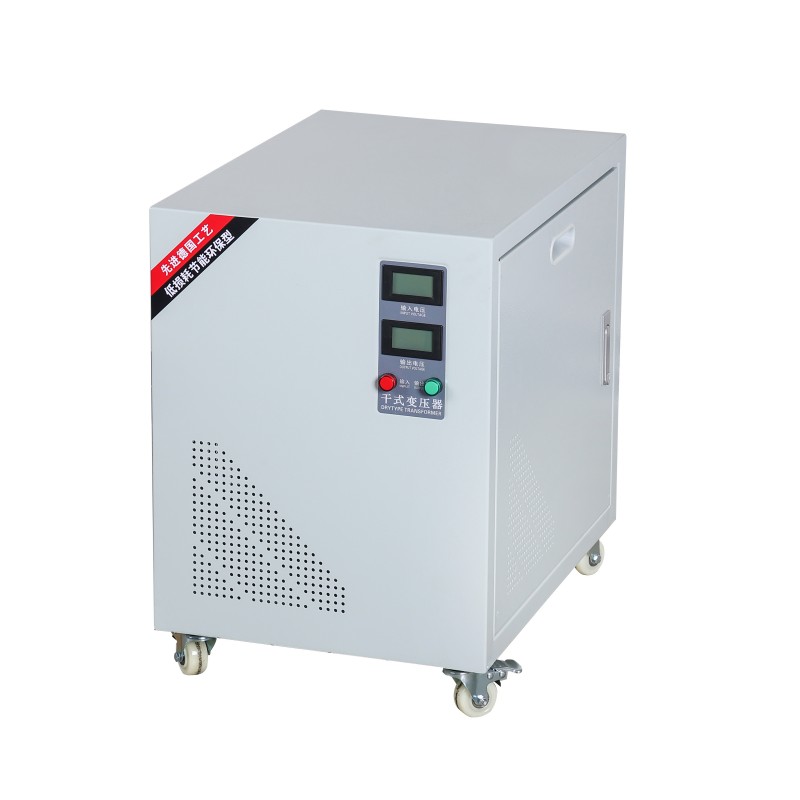
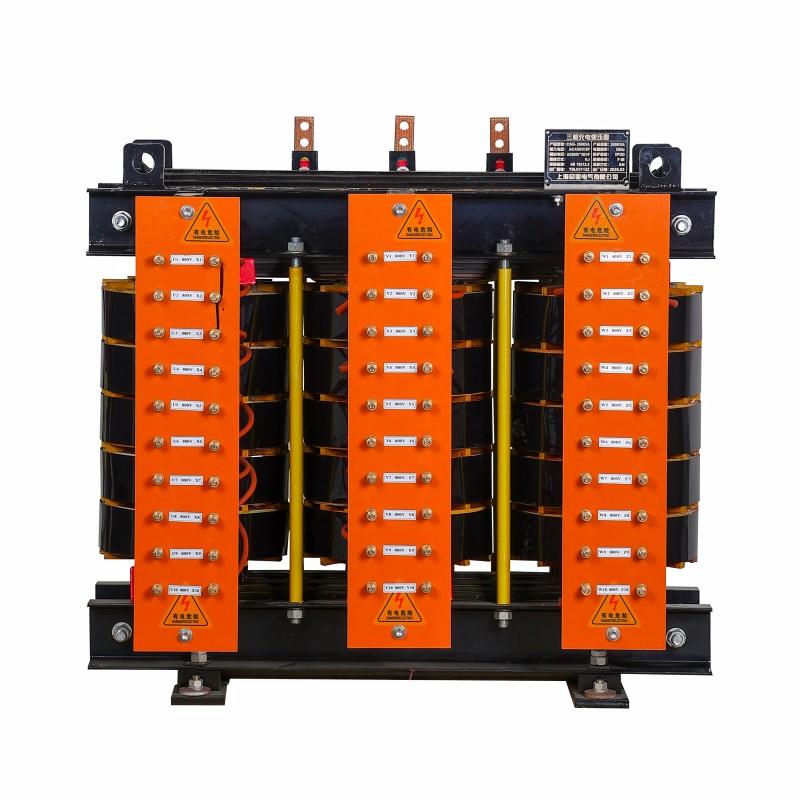
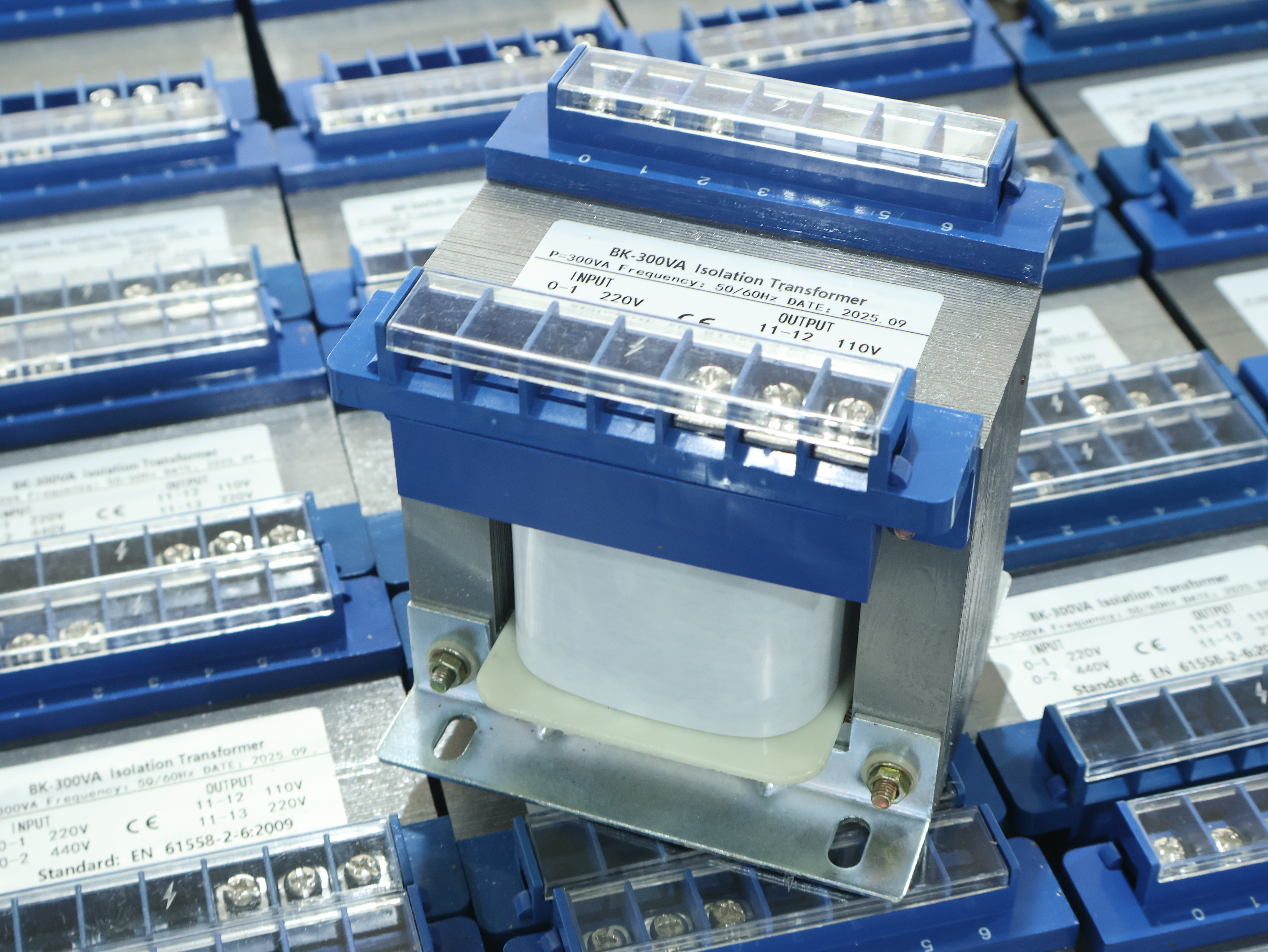
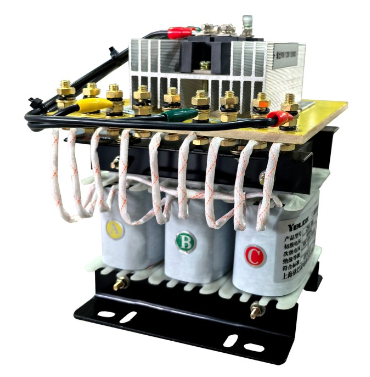
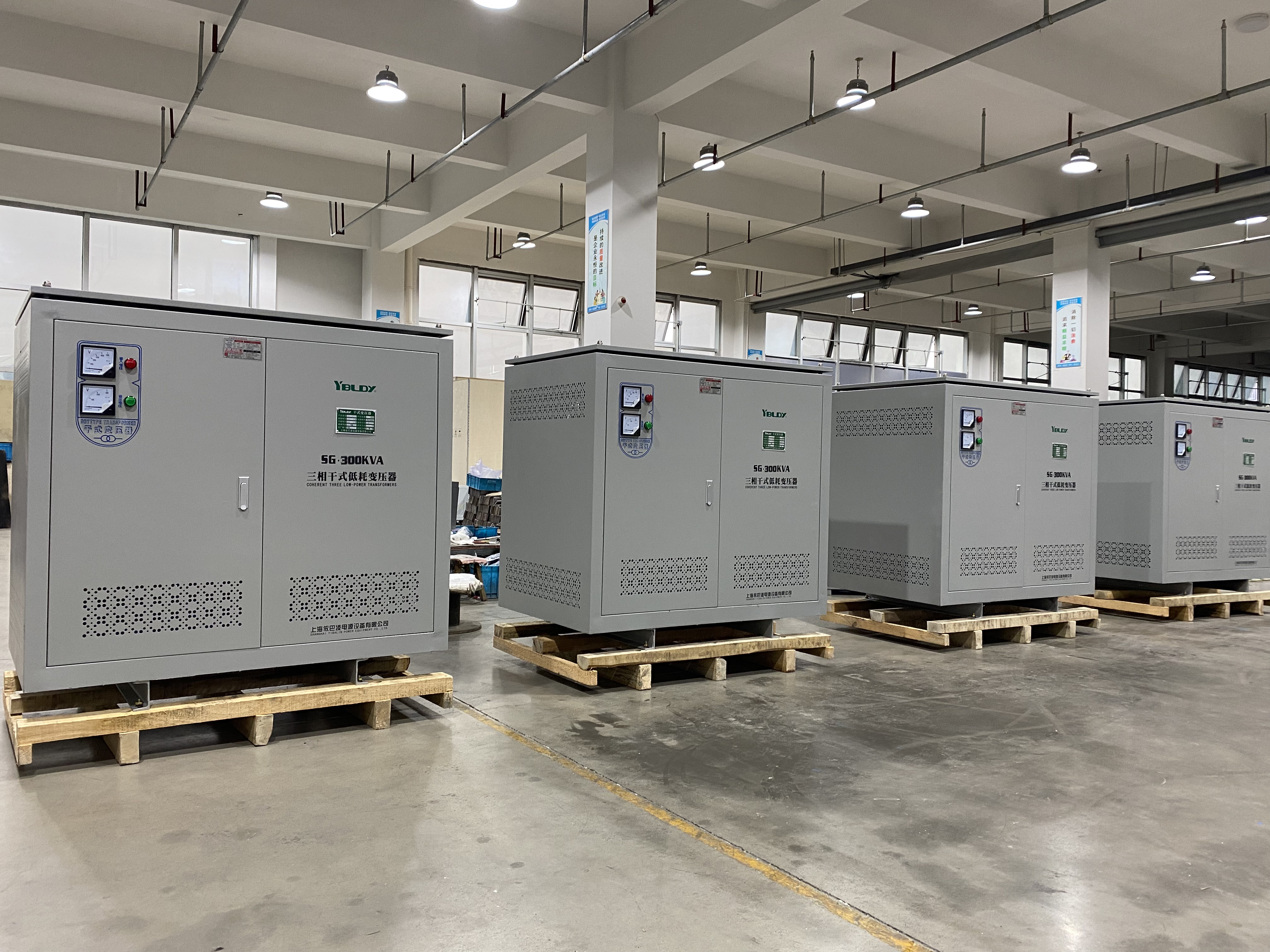
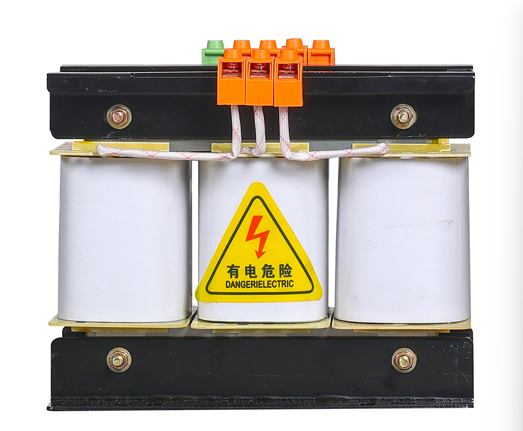
An SBK control transformer is a three-phase dry-type transformer designed specifically to supply control circuits, relay panels, PLC systems, and auxiliary equipment in industrial environments.
Its job is not to power motors or heating elements. Its job is to feed the "brains" of the machine — the PLC, the contactors, the relays, the indicators, the sensors — with clean, stable, isolated power.
Why does that matter?
Because control circuits are sensitive. A momentary voltage dip that a motor would ignore can cause a PLC to glitch, a contactor to chatter, or a sensor to give a false reading. In a production line, that means scrap parts, downtime, and troubleshooting headaches.
The SBK control transformer isolates the control circuit from the main power bus, filters out noise, and provides a dedicated, stable voltage supply that the control system can rely on.
In short: it keeps the machine's brain working while its muscles do the heavy lifting.
How an SBK Control Transformer Works
The principle is straightforward, but the application is specific.
Step 1 – Input
The primary winding connects to the main power supply — typically 380V, 400V, or 415V three-phase. It may have multiple taps to accommodate line voltage variations.
Step 2 – Isolation
The secondary winding is electrically separate from the primary. There is no direct connection. Power transfers through a magnetic field. This blocks noise, surges, and ground faults from reaching the control circuit.
Step 3 – Output
The secondary winding produces the voltage the control system needs — often 220V, 110V, or 24V AC. Some SBK transformers have multiple secondary windings for different control voltages from a single unit.
Step 4 – Dedicated supply
The output feeds the control panel — PLC power supply, relay coils, contactor coils, indicator lights, and any other control or auxiliary equipment.
Step 5 – Built to run continuously
Control circuits are always on. The SBK is designed for continuous duty — low temperature rise, low noise, and long life at full load.
The result: a clean, stable, dedicated power supply for the machine's control system.
Common Types of SBK Control Transformers
SBK control transformers are available in several configurations.
| Type | Typical Rating | Key Features | Best For |
| Single-voltage output | 0.5kVA – 25kVA | One secondary voltage | Simple control panels, single-voltage systems |
| Multi-voltage output | 0.5kVA – 25kVA | Two or more secondary windings | Systems requiring different control voltages |
| With electrostatic shield | 1kVA – 25kVA | Shield between primary and secondary | High-noise environments, sensitive electronics |
| Encapsulated | 0.5kVA – 10kVA | Resin-sealed windings | Wet, dusty, or corrosive environments |
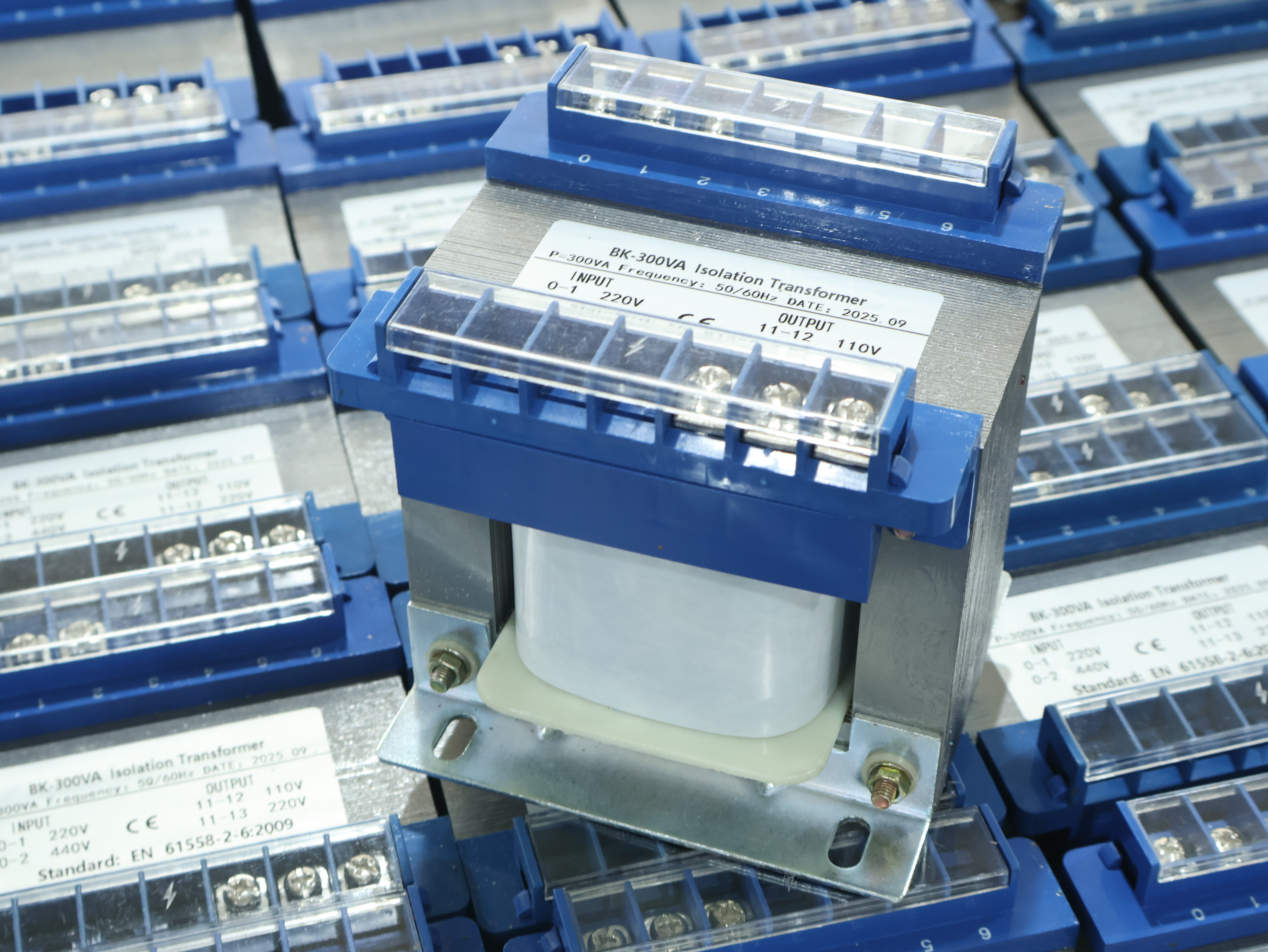
| Panel-mount | 0.5kVA – 5kVA | Compact, DIN-rail or foot-mount | Small control panels, OEM equipment |
The multi-voltage, shielded version is the most common specification for medium-to-large industrial control systems.
Why SBK Control Transformers Matter
Because the most expensive machine failure is the one that could have been prevented by better power.
Here is what an SBK control transformer provides that ordinary power supplies cannot:
1. Electrical isolation
The control circuit is physically separated from the main power bus. If a motor winding shorts, the surge stops at the transformer. The control system keeps working.
2. Voltage stability
Even when the main supply dips or surges, the control transformer maintains output voltage within a narrow range. PLCs and relays do not chatter or drop out.
3. Noise suppression
VFDs, contactors, and switching power supplies generate high-frequency noise. The SBK's winding construction and optional shielding block that noise from reaching the control circuit.
4. Ground loop elimination
By providing an isolated secondary, the SBK breaks ground loops that cause erratic sensor readings, communication errors, and unexplained equipment behavior.
5. Single point of supply
One transformer supplies all control voltages. No multiple power supplies with different ground references. Simpler wiring, fewer failure points, easier troubleshooting.
6. Long service life
SBK transformers are built for continuous duty. Core and windings are generously sized. Insulation is typically Class F (155°C) or Class H (180°C). They run cool and last decades.
Without a proper control transformer, your machine control system is at the mercy of the main power bus. With one, it operates predictably and reliably.
Choosing the Right SBK Control Transformer
Selecting the right control transformer is not complicated, but a few mistakes can cause nuisance trips and erratic behavior.
Step 1 – Determine the load
List every device that will be powered by the control transformer:
PLC power supply (VA rating)
Relay coils (hold-in VA)
Contactor coils (seal-in VA)
Indicator lights
Solenoid valves
Sensors and transmitters
Add the VA (not watts) of all devices that will operate simultaneously.
Step 2 – Apply the duty factor
Control transformers are sized differently than power transformers.
| Duty Type | Sizing Rule |
| Continuous duty (PLCs, indicators, sensors) | Sum of all loads × 1.2 |
| Intermittent duty (contactors, solenoids) | Sum of all loads × 1.5 |
| Heavy inrush (large contactors, solenoid banks) | Sum of all loads × 2.0 |
Step 3 – Check inrush current
Contactors and relays draw significantly more current when they close than when they hold. A transformer that is large enough for holding current may trip or drop voltage during closing.
Rule of thumb: the transformer's inrush capability should be at least 10 times the steady-state load for the first few cycles. Most SBK transformers are built with sufficient inrush margin, but if you have many large contactors, size up.
Step 4 – Specify voltages
Primary voltage – what is your supply? 380V? 400V? 415V?
Secondary voltage(s) – what does your control system need? 220V? 110V? 24V?
Step 5 – Decide on shielding
| Situation | Recommendation |
| Clean environment, minimal VFDs | No shield required |
| VFDs or switching power supplies nearby | Electrostatic shield recommended |
| Sensitive electronics (analog signals, communication) | Shield required |
Step 6 – Choose enclosure type
Open frame – Mount inside a control panel. Lowest cost.
Enclosed – Standalone mounting. Protects against accidental contact.
IP54 or higher – For dusty or wet environments.
Step 7 – Check manufacturer test reports
Ask the supplier for:
Insulation resistance test
Dielectric withstand test
No-load loss measurement
Voltage regulation test
Final Thoughts
The SBK control transformer is not a "hero" component. It does not have a flashing display or a software update. But try running a machine without it, and you will notice immediately.
It sits in the corner of the control panel, quietly doing its job, year after year. It protects the expensive electronics. It keeps the PLC running when the main bus dips. It blocks noise that would otherwise cause random shutdowns.
If you are designing a control panel, building a machine, or upgrading an existing system, the SBK control transformer is one of the most important components you will specify — even if no one ever talks about it.
Because reliable control power is not optional. It is the foundation of reliable automation.
Related News
- What ZSG Three-Phase Dry-Type Rectifier Transformer work?
- Which one is good S13 Oil-Immersed Distribution Transformer?
- How to choose JBK5 Machine Tool Control Transformer?
- How BK Machine Tool Transformer 220V works?
- Which one is good SBK Three-Phase Dry-Type Transformer?
- How to choose SBW Intelligent Servo Voltage Stabilizer?
Leave me a message