
What Is an IT Medical Isolation Transformer and Why Is It So Important?
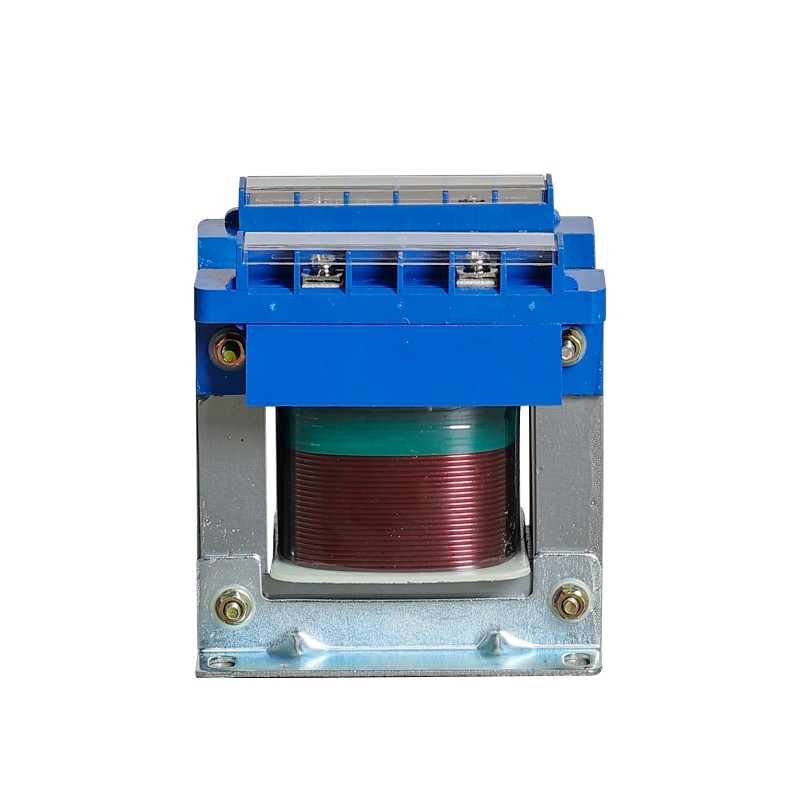
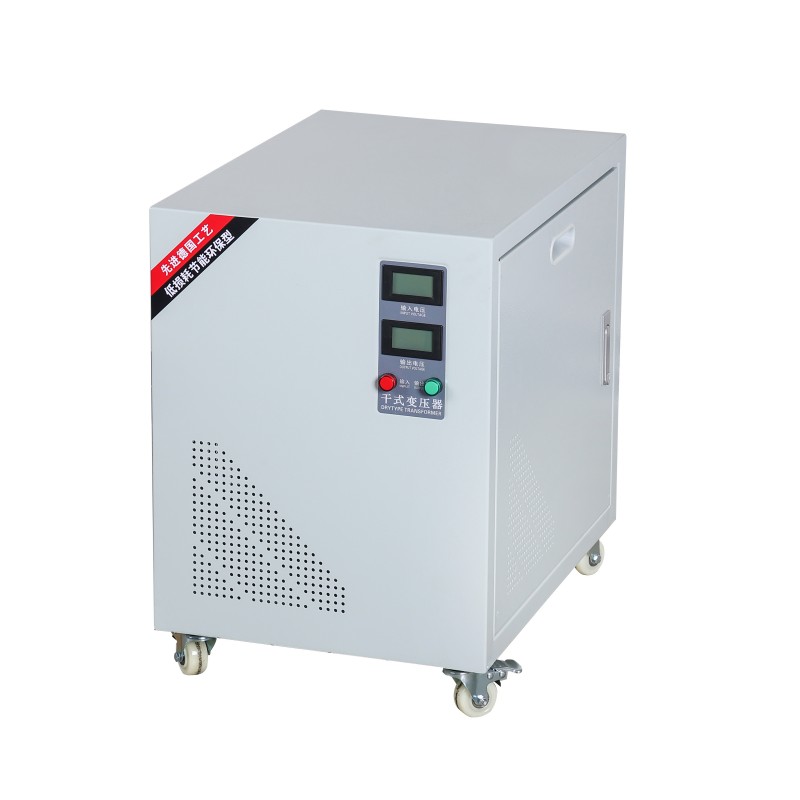
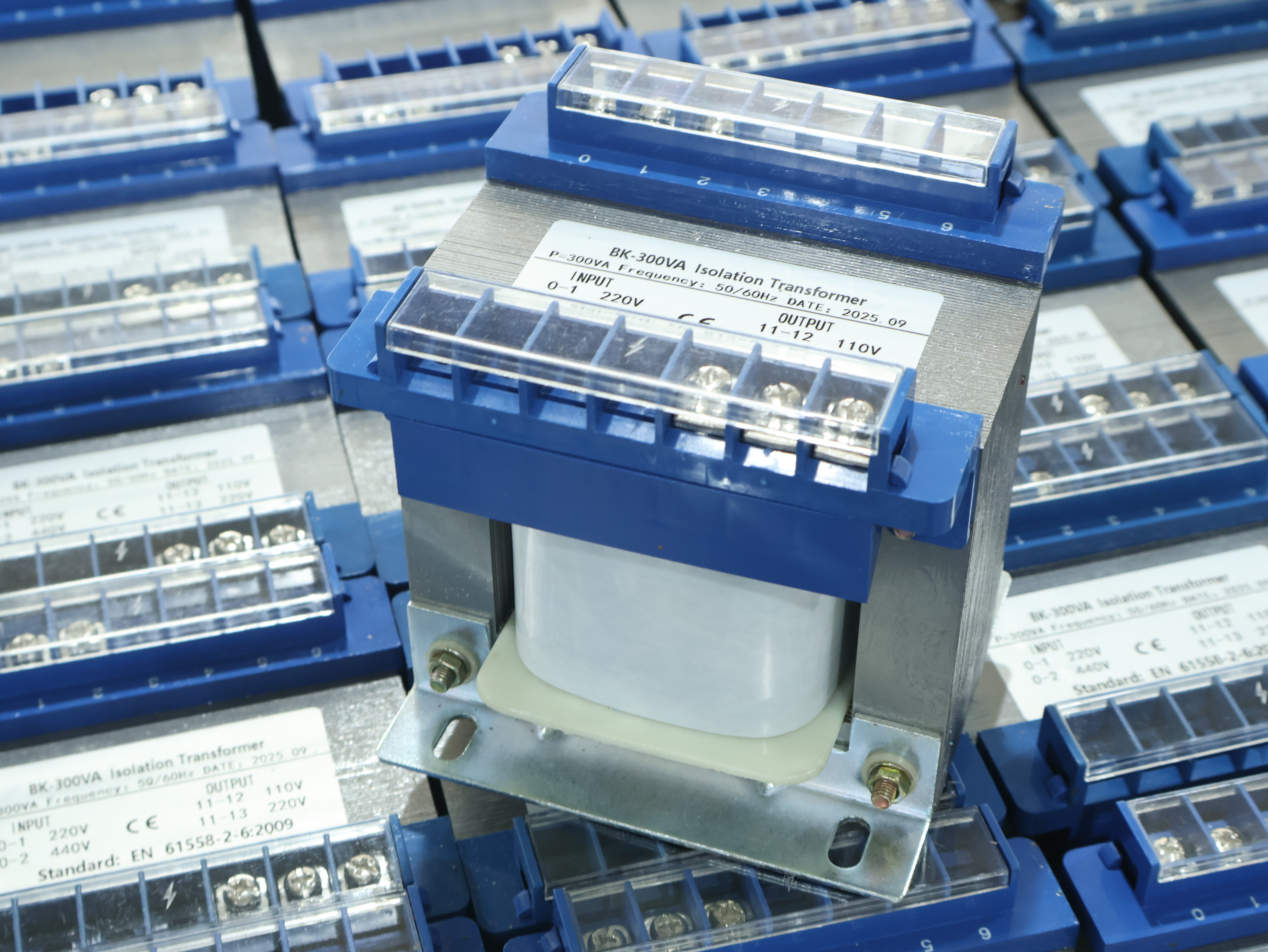
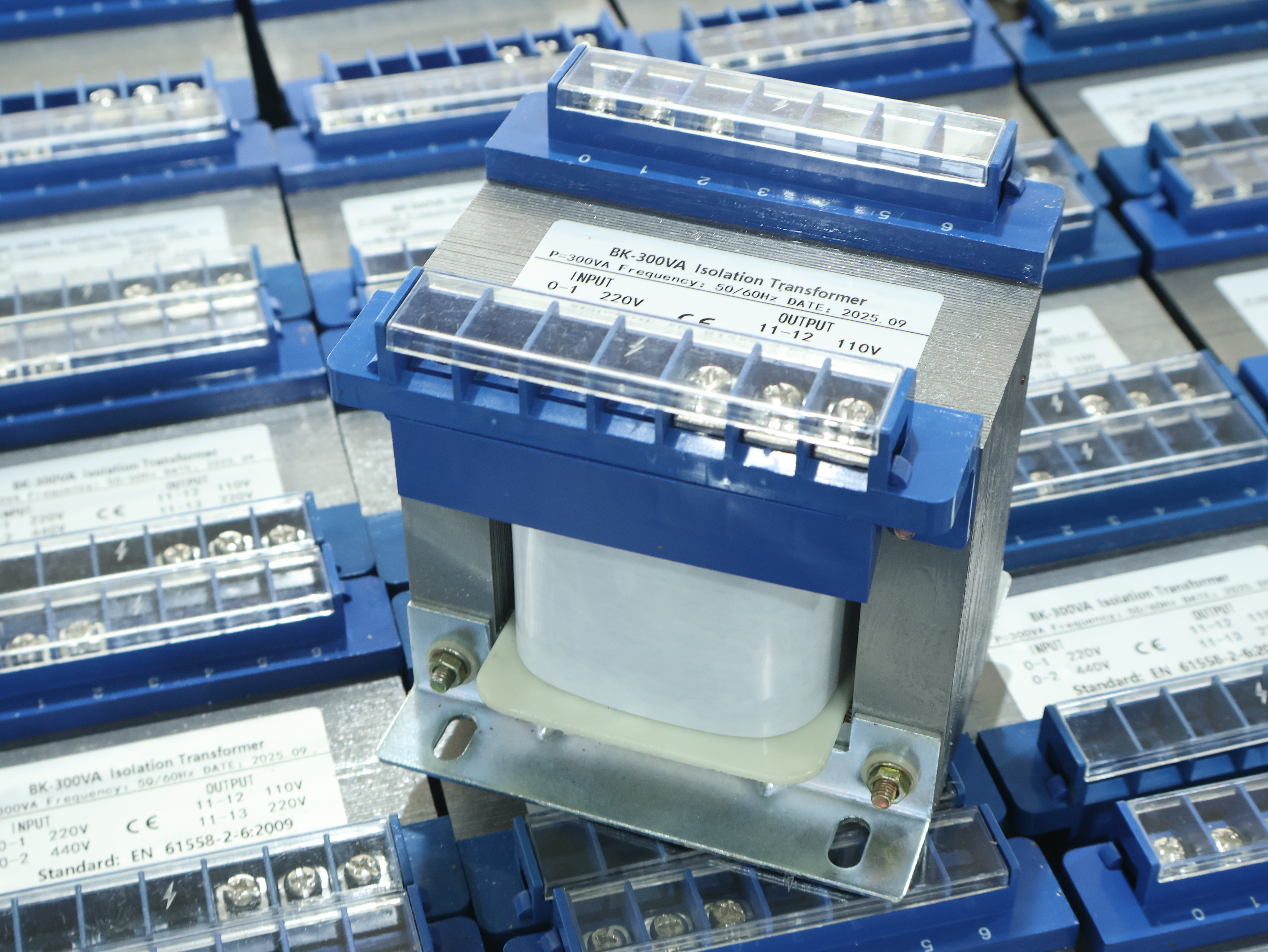
An IT medical isolation transformer is a specialised single phase isolation transformer designed specifically for medical IT systems (Isolated Terra — ungrounded systems) in healthcare facilities.
Unlike ordinary transformers that simply step voltage up or down, the IT medical transformer does something fundamentally different: it creates an electrically isolated, ungrounded power supply for critical medical equipment in operating rooms, ICUs, and cardiac care units.
Why does that matter?
Because in a standard grounded power system, a single insulation fault can cause a breaker to trip — cutting power to life support equipment. In an operating room, that is not an option.
The IT medical transformer, together with an insulation monitoring device (IMD) , ensures that the first fault does not interrupt power. It alarms, but it does not trip. Surgeons can finish the procedure. Lives are not put at risk.
In short: it is the difference between an alarm and an outage. Between a warning and a tragedy.
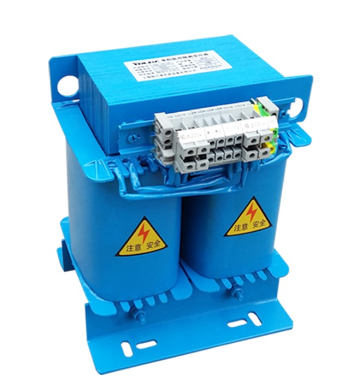
How an IT Medical Isolation Transformer Works
The principle is straightforward, but the execution is unforgiving.
Step 1 – Isolation
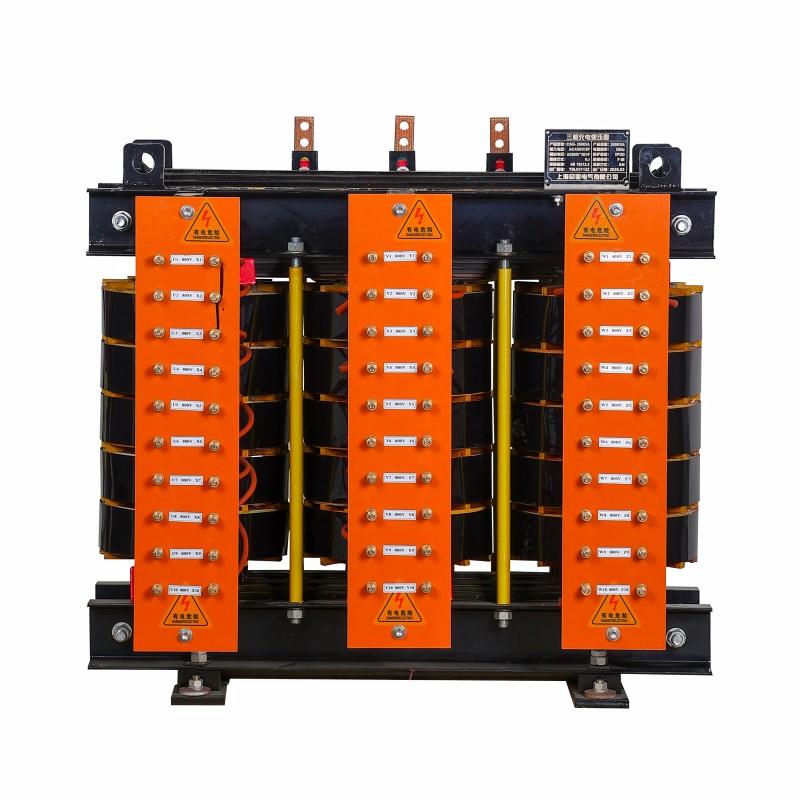
The transformer has two completely separate windings — primary (mains side) and secondary (patient side). There is no direct electrical connection between them. Power transfers through a magnetic field.
Step 2 – Ungrounded secondary
The secondary side is not connected to earth — unlike standard power systems where the neutral is grounded. This is the core of the IT (Isolated Terra) system.
Step 3 – First fault behaviour
If a single fault occurs — say, a surgical power cord gets pinched and touches the metal chassis — the insulation monitoring device (IMD) detects a drop in insulation resistance and sounds an alarm. But the transformer does not trip. Power continues to flow. The surgical team is alerted, but not interrupted.
Step 4 – Second fault
Only if a second fault occurs on a different line does the protective device finally trip. By then, the procedure is typically complete, and the patient is safe.
Step 5 – Continuous monitoring
The IMD continuously measures the insulation resistance between the isolated circuit and ground. If the value falls below a set threshold (typically 50kΩ to 100kΩ), it triggers a visual and audible alarm — but again, no power interruption.
This combination — isolation transformer + IMD — creates the safest possible power supply for direct patient contact equipment.
Common Types of IT Medical Transformers
Medical isolation transformers are not off the shelf units. They are purpose built for healthcare applications.
| Type | Typical Rating | Application |
| Single patient room transformer | 3kVA – 8kVA | Single operating room, ICU bed, or cath lab |
| Multi room transformer | 10kVA – 25kVA | Multiple ORs fed from one IT system (less common) |
| Portable medical IT transformer | 1kVA – 3kVA | Mobile units, temporary installations, field hospitals |
| MRI / CT auxiliary transformer | 5kVA – 15kVA | Dedicated to imaging equipment auxiliary circuits, not the main magnet power |
In practice, the 5kVA to 8kVA single phase unit is the most common for a standard operating room. It supplies power to:
Surgical lights
Electrosurgical units
Patient monitors
Anaesthesia machines
Power outlets in the operating field
Why IT Medical Transformers Matter
Because in a hospital, a power outage is not an inconvenience. It is a life threatening event.
Here is what a properly designed IT medical transformer system provides:
1. Uninterrupted power during first fault
Standard grounded systems trip on the first fault. IT systems do not. That single difference allows a surgery to finish safely.
2. Extremely low leakage current
Medical isolation transformers are built with double or reinforced insulation and ultra low coupling capacitance. Leakage current is typically below 0.1mA — far lower than standard transformers. This is critical when equipment is directly connected to a patient's body (e.g., ECG leads, endoscopic probes).
3. Continuous insulation monitoring
The IMD watches the system 24/7. It detects deterioration before it becomes a critical failure. Maintenance teams get early warning, not an emergency call.
4. Protection against grid borne interference
The isolation blocks high frequency noise, harmonics, and surges from the mains supply. Sensitive medical electronics — monitors, infusion pumps, diagnostic equipment — operate cleanly and reliably.
5. Compliance with medical safety standards
IEC 60601-1, GB 9706.1, and other national standards require IT power systems in patient care areas where equipment is applied directly to the body. No IT transformer, no regulatory approval.
Without IT medical transformers, modern surgery would be running on general purpose power strips — a risk no hospital can afford to take.
Choosing the Right IT Medical Transformer
Selecting an IT medical transformer is not about finding the cheapest unit. It is about meeting strict safety and regulatory requirements.
Step 1 – Determine the required kVA rating
Add up the power consumption of all equipment that will be connected to the IT system. Do not just add nameplate ratings — use actual measured or expected running power.
| Operating Room Equipment | Typical Power (VA) |
| Surgical light | 150-300 |
| Electrosurgical unit | 200-400 (peak much higher, but short duration) |
| Patient monitor | 100-200 |
| Anaesthesia machine | 300-500 |
| Surgical microscope | 200-300 |
| Power outlets (various small devices) | 500-1000 |
| Total typical OR | 3kVA – 6kVA |
Rule of thumb: 5kVA to 8kVA is adequate for a single modern operating room. Do not oversize dramatically — a 15kVA transformer has higher leakage current and larger inrush.
Step 2 – Verify leakage current limits
IEC 60601-1 limits patient leakage current to 0.1mA for applied parts. The transformer's design — including winding separation, shielding, and core construction — directly affects this value. Ask for test reports showing leakage current measurements.
Step 3 – Check insulation monitoring compatibility
The IT medical transformer must be compatible with the insulation monitoring device (IMD). Most modern systems use a standard measuring voltage (e.g., 20V DC or low frequency AC). Ensure the transformer does not have built in grounding or filtering that would confuse the IMD.
Step 4 – Choose enclosure and mounting
Open frame – For installation inside a medical-grade electrical panel (most common).
Enclosed – For floor standing or wall mounting where the transformer is accessible to non electrical staff.
IP rating – IP20 is typical for indoor panel mounting. IP54 may be required for certain installations.
Step 5 – Check certifications
Look for:
IEC 60601-1 (medical electrical equipment safety)
IEC 61558-2-15 (safety of isolating transformers for medical use)
GB 9706.1 (Chinese medical standard)
CE / UL / CCC as required by your local market
Do not accept "we follow these standards." Ask for type test reports from an accredited lab.
Step 6 – Plan for redundancy
For critical applications (multiple ORs, cardiac ICUs), consider dual IT systems with automatic transfer switches (ATS) or UPS backup feeding the IT transformer. One transformer — one point of failure. Two transformers — true redundancy.
Final Thoughts
The IT medical isolation transformer is not a component anyone in an operating room ever thinks about. Surgeons do not thank it. Nurses do not clean it. Maintenance staff rarely touch it.
But it is always there — silently, tirelessly, and absolutely reliably.
In a world where a single electrical fault can mean the difference between a completed surgery and a crisis, the IT medical transformer is the unsung hero. It does one job, and it does it perfectly: keep the power on when it matters most.
If you are designing, upgrading, or maintaining a hospital's electrical system, do not treat the IT medical transformer as a commodity. It is a life safety device, not a spare part.
Choose carefully. Specify rigorously. Test thoroughly.
Because when the lights in an operating room stay on — even when something goes wrong — that is the IT medical transformer doing its job.
Related News
- What ZSG Three-Phase Dry-Type Rectifier Transformer work?
- Which one is good S13 Oil-Immersed Distribution Transformer?
- How to choose JBK5 Machine Tool Control Transformer?
- How BK Machine Tool Transformer 220V works?
- Which one is good SBK Three-Phase Dry-Type Transformer?
- How to choose SBW Intelligent Servo Voltage Stabilizer?
Leave me a message