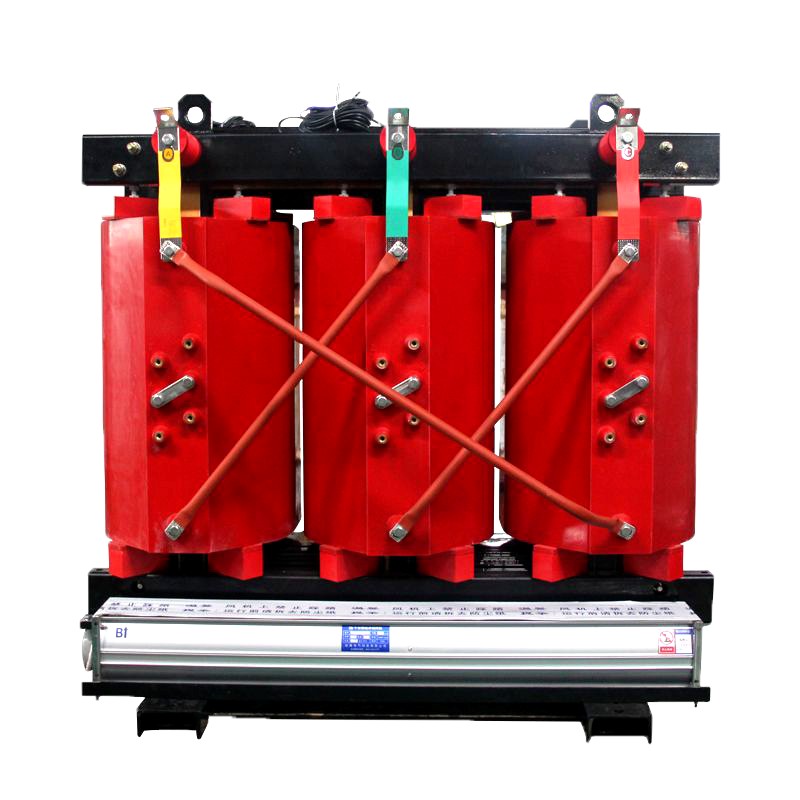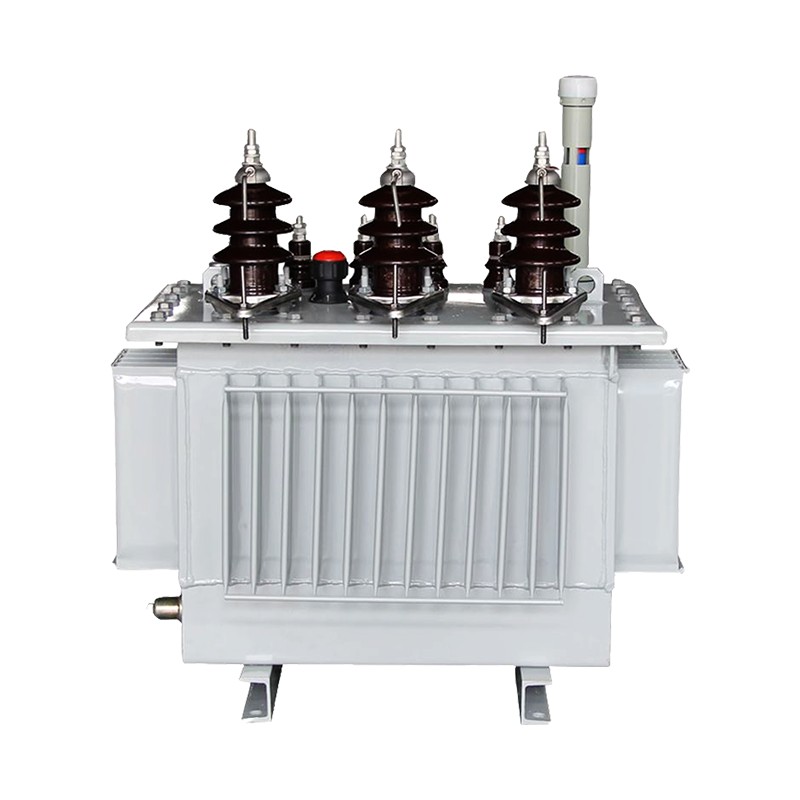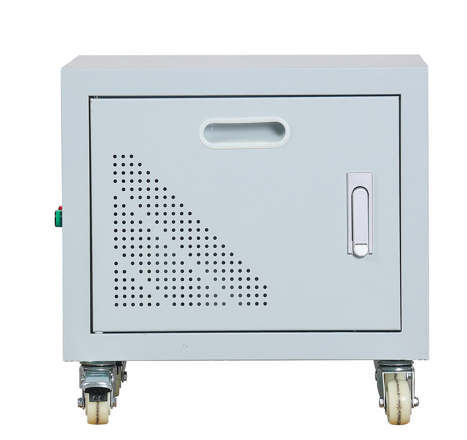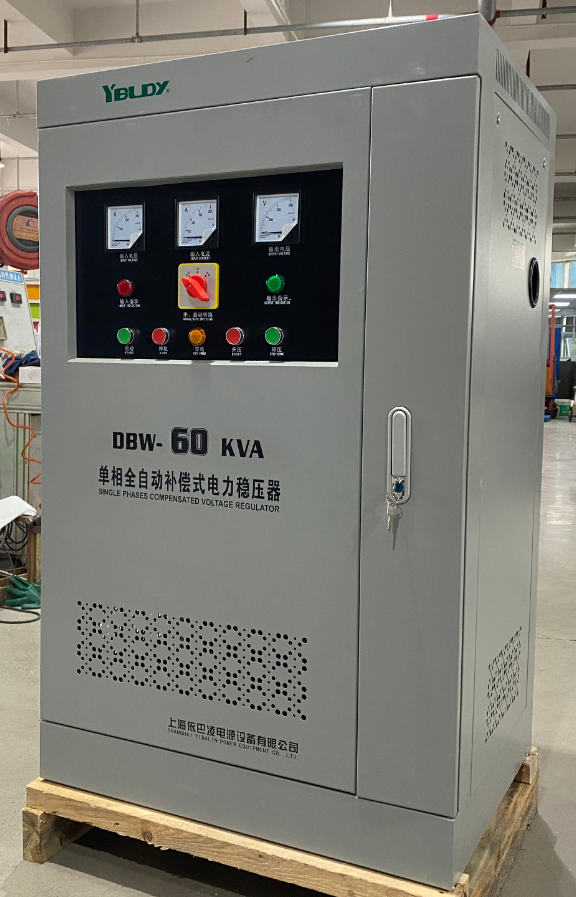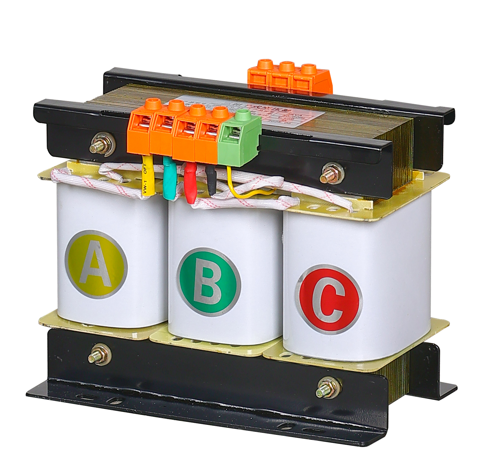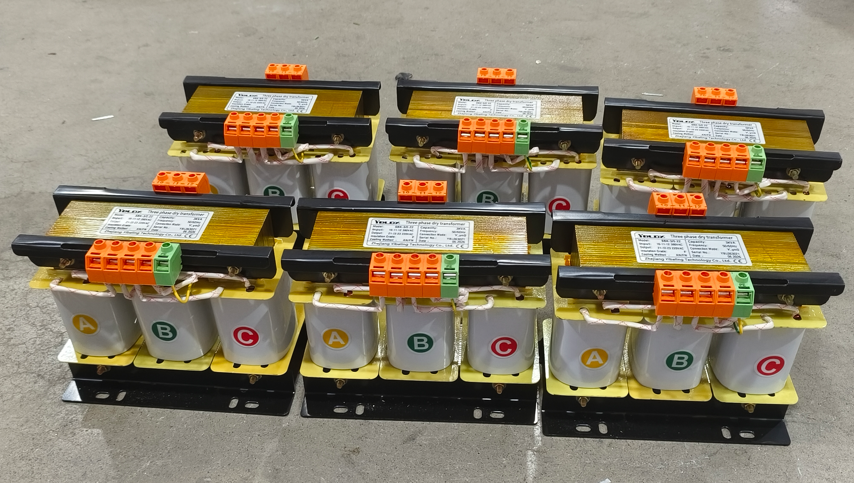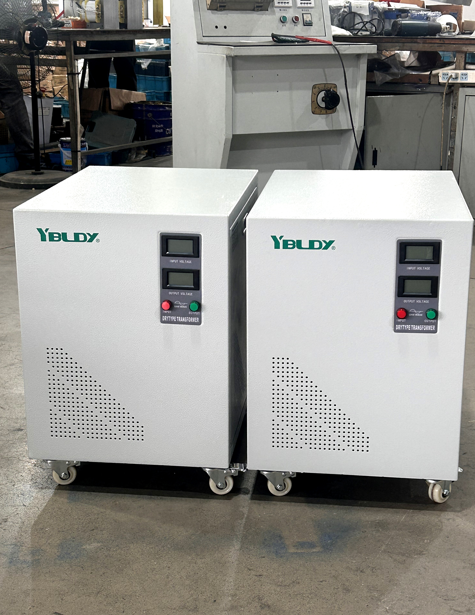

What does an SG isolation transformer actually do?
One word: isolate.
There's no direct electrical connection between the input side (primary) and the output side (secondary). Power jumps across through a magnetic field — no wires involved.
That gives you two real world benefits:
1. Safety
If something goes wrong on the primary side — a leakage, a surge, a bad ground — it stops there. It doesn't reach the secondary side. And when you touch a secondary circuit, you're not connected to the grid ground. That means a lot lower risk of getting shocked.
2. Cleaner power
Most of the garbage on the grid — high frequency noise, harmonics, voltage spikes — gets blocked by the isolation transformer. What comes out the secondary side is simply cleaner. And cleaner power means your equipment acts more stable, less flaky.
It is not designed for voltage regulation, nor is its primary purpose voltage transformation (though it can perform this function). Its fundamental job is isolation.
Key Applications for SG Isolation Transformers
| Application Scenario | Reason for Requiring Isolation |
| Precision Instruments & Laboratory Equipment | Grid interference causes fluctuating measurement data and distorted experimental results |
| Medical Devices | Extremely low leakage current is a fundamental requirement, and isolation is essential |
| PLC & Industrial Control Systems | Anti-interference and prevention of misoperation |
| Maintenance Power Supplies & Service Outlets | Provides intrinsic safety when personnel touch circuits |
| Imported Equipment Matching | Foreign equipment has strict grounding system requirements; isolation improves compatibility |
| Audio & Video Systems | Eliminates AC hum caused by ground loops |
Differences Between SG Isolation Transformers and Ordinary Transformers
| Comparison Item | Ordinary Transformer | SG Isolation Transformer |
| Primary-Secondary Electrical Connection | Exists (autotransformer) or partial connection | Fully isolated, no direct connection |
| Safety Level | Standard | High (low leakage current, electric shock protection) |
| Anti-Interference Capability | Standard | Strong (suppresses common-mode interference) |
| Application Scenarios | General power distribution & voltage transformation | Precision equipment & safe power supply |
| Price | Lower | Slightly higher (more materials, stricter craftsmanship) |
An SG isolation transformer is not "all-powerful", but it is irreplaceable in scenarios requiring both safety and anti-interference performance.
Technical Characteristics: Simple Yet Robust
Key features of SG isolation transformers:
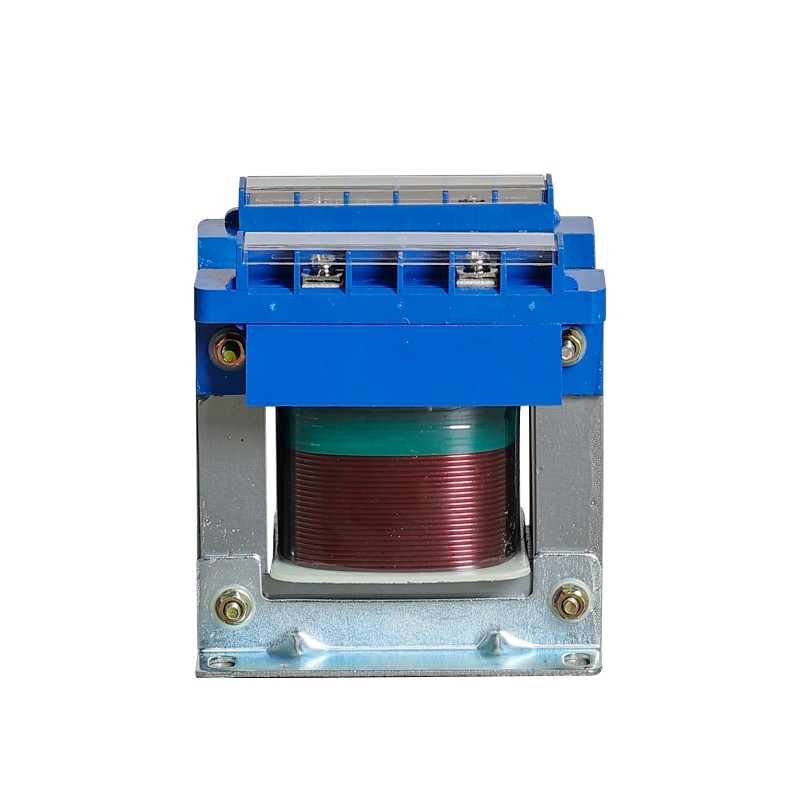
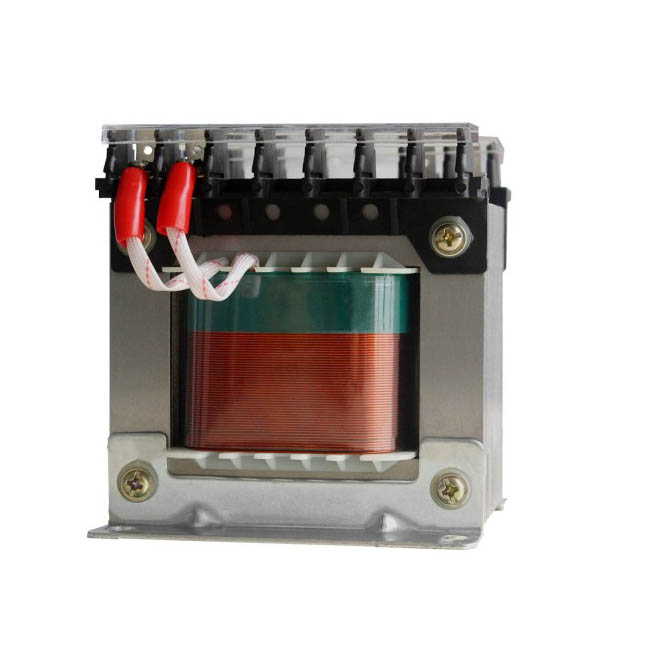
Pure Copper Windings: Excellent conductivity, low heat generation, and long service life. Aluminum windings cost less. But for an isolation transformer? Copper is the safer bet. More reliable over the long haul.
High permeability silicon steel – Low loss, low noise, low temperature rise. It just runs cooler and quieter.
Full primary secondary isolation – This is true isolation, not an autotransformer. Typical insulation class: Class F (155°C) or Class H (180°C). Plenty of margin.
Electrostatic shield (optional) – A copper foil layer between primary and secondary, grounded. It knocks down high frequency noise even further. Worth adding if you have inverters or big motors nearby.
Vacuum impregnation – Coils are soaked in varnish under vacuum and pressure. That seals them against moisture, dust, and vibration. No short cuts.
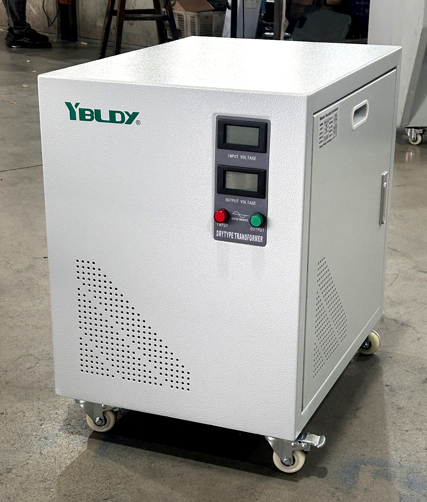
Metal enclosure – IP20 to IP54, your choice. Indoor or outdoor, it'll hold up.
A few things to think about when picking one
Capacity (kVA) – Add up all your loads, then tack on another 20 30%. Don't cut it close.
Input / output voltage – Does your incoming voltage match what your equipment needs? If not, an isolation transformer can do both jobs: transform and isolate.
Shield or not – If you're in a noisy environment (VFDs, big motors, RF gear), get the electrostatic shield. It's worth it.
Where it goes – Indoor? IP20/IP22 is fine. Outdoor, wet, or dusty? Go IP54 or higher.
Single phase or three phase – Depends entirely on what you're powering. Don't guess. Check your loads.
Related News
- What ZSG Three-Phase Dry-Type Rectifier Transformer work?
- Which one is good S13 Oil-Immersed Distribution Transformer?
- How to choose JBK5 Machine Tool Control Transformer?
- How BK Machine Tool Transformer 220V works?
- Which one is good SBK Three-Phase Dry-Type Transformer?
- How to choose SBW Intelligent Servo Voltage Stabilizer?
Leave me a message