
How Does Customized Transformer Solve Modern Power and Industry Challenges?
In today’s rapidly evolving industrial and energy landscape, electrical systems must be more efficient, safer, and tailored to highly specific applications. Standard transformers often fail to meet unique operational demands, leading to energy loss, overheating, maintenance issues, and system inefficiencies. This is where the concept of a customized transformer becomes essential. By designing transformers according to precise voltage, load, environment, and application requirements, industries can achieve optimized performance, reduced operational costs, and improved system reliability. This article explores the structure, benefits, design considerations, applications, and selection strategies of customized transformers, offering a comprehensive guide for engineers, procurement managers, and industrial decision-makers seeking high-performance power solutions.
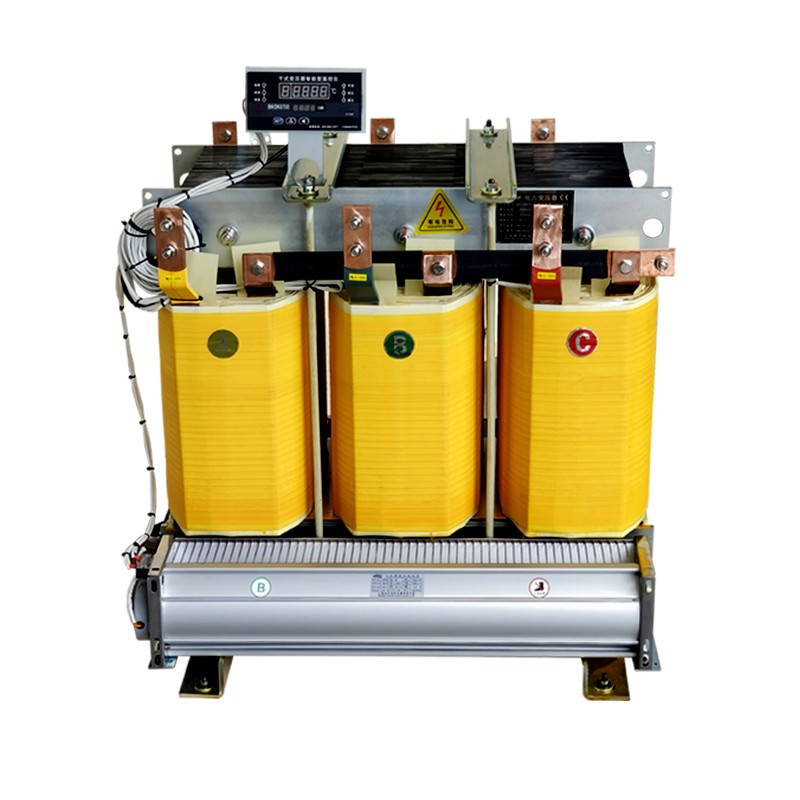
Table of Contents
- 1. Introduction: Why Customized Transformers Matter
- 2. What Is a Customized Transformer?
- 3. Key Problems Solved by Customized Transformers
- 4. Design Principles and Engineering Considerations
- 5. Types of Customized Transformers
- 6. Industrial Applications Across Sectors
- 7. Standard vs Customized Transformers
- 8. How to Choose the Right Customized Transformer
- 9. Technical Comparison Table
- 10. Maintenance and Lifecycle Advantages
- 11. Future Trends in Transformer Customization
- 12. Frequently Asked Questions
- 13. Conclusion and Final Insights
1. Introduction: Why Customized Transformers Matter
Electricity is the backbone of modern civilization, powering industries, transportation systems, data centers, and residential infrastructure. However, not all electrical systems operate under the same conditions. Voltage fluctuations, environmental constraints, load variability, and safety requirements vary significantly across applications. Standard transformers are designed for general use, which often leads to inefficiencies when deployed in specialized environments.
Customized transformers address this gap by offering tailored electrical solutions designed to meet exact operational requirements. Whether used in renewable energy systems, industrial automation, or high-precision manufacturing, these transformers ensure optimal energy distribution, improved safety, and long-term cost efficiency.
2. What Is a Customized Transformer?
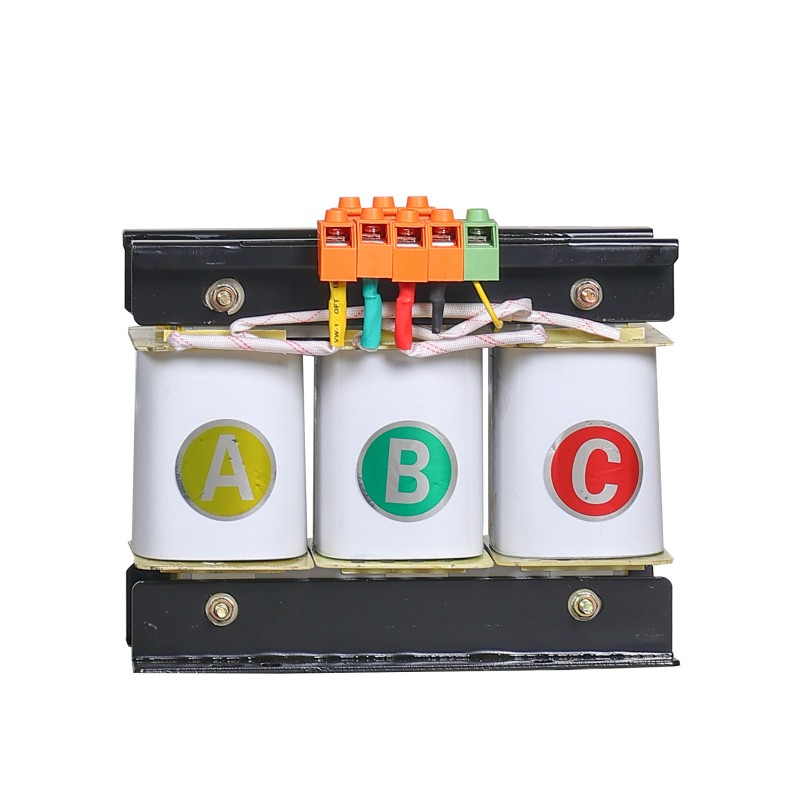
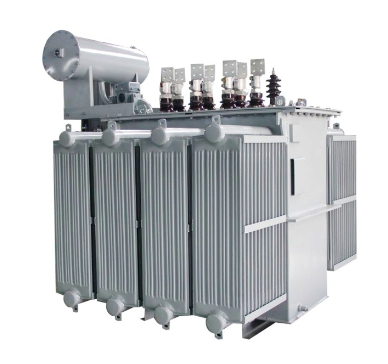
A customized transformer is an electrical device engineered specifically according to client-defined parameters rather than standard mass-production specifications. These parameters may include input/output voltage, frequency, insulation level, cooling method, size constraints, and environmental conditions.
Unlike off-the-shelf models, customized transformers are built to integrate seamlessly into unique systems, ensuring higher performance and reduced energy loss.
- Voltage customization for specific equipment
- Special insulation for extreme environments
- Compact designs for limited installation spaces
- High-efficiency cores for reduced energy loss
3. Key Problems Solved by Customized Transformers
Industries often face recurring electrical challenges that standard transformers fail to address effectively. Customized transformers are engineered to solve these issues at their root.
- Energy inefficiency: Reduces power loss during transmission and conversion.
- Overheating issues: Designed with optimized cooling systems.
- Voltage mismatch: Tailored voltage outputs for specific machines.
- Space limitations: Compact or modular designs for tight installations.
- Harsh environments: Resistance to humidity, dust, and temperature extremes.
By addressing these pain points, customized transformers significantly improve system reliability and operational stability.
4. Design Principles and Engineering Considerations
Designing a customized transformer requires a deep understanding of electrical engineering principles, application requirements, and environmental conditions. Engineers must balance performance, safety, and cost-efficiency.
- Core material selection: Silicon steel or amorphous cores for efficiency
- Winding configuration: Copper or aluminum windings based on load needs
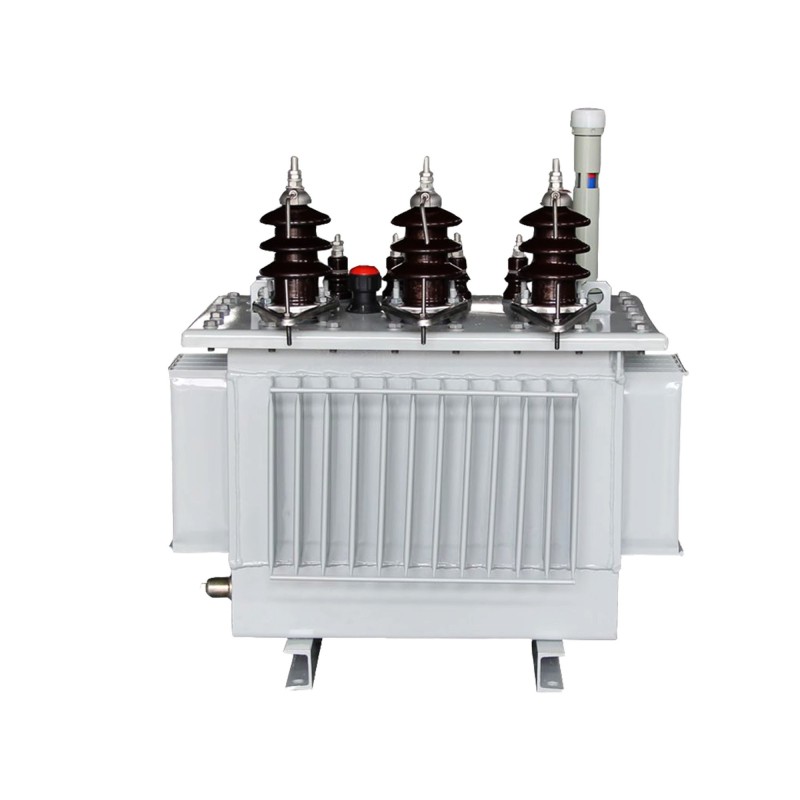
- Cooling systems: Air-cooled, oil-immersed, or hybrid cooling
- Insulation class: Determined by temperature and safety requirements
- Load characteristics: Continuous, variable, or peak load handling
Each design decision directly impacts performance, durability, and energy efficiency.
5. Types of Customized Transformers
Customized transformers come in various forms depending on application requirements. Below are the most common types used across industries.
- Step-up transformers: Increase voltage for transmission systems
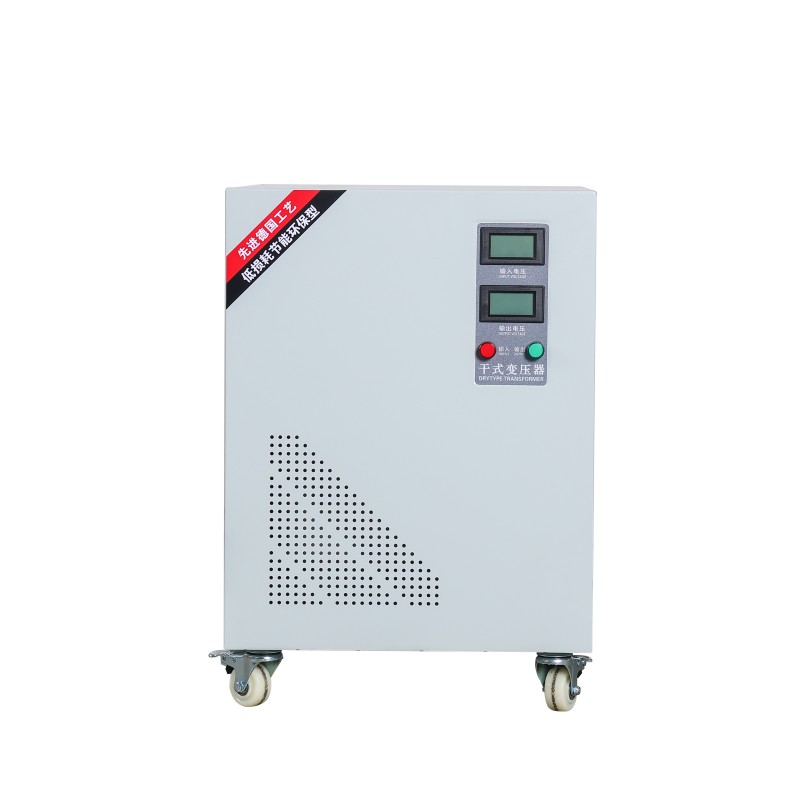
- Step-down transformers: Reduce voltage for industrial or residential use
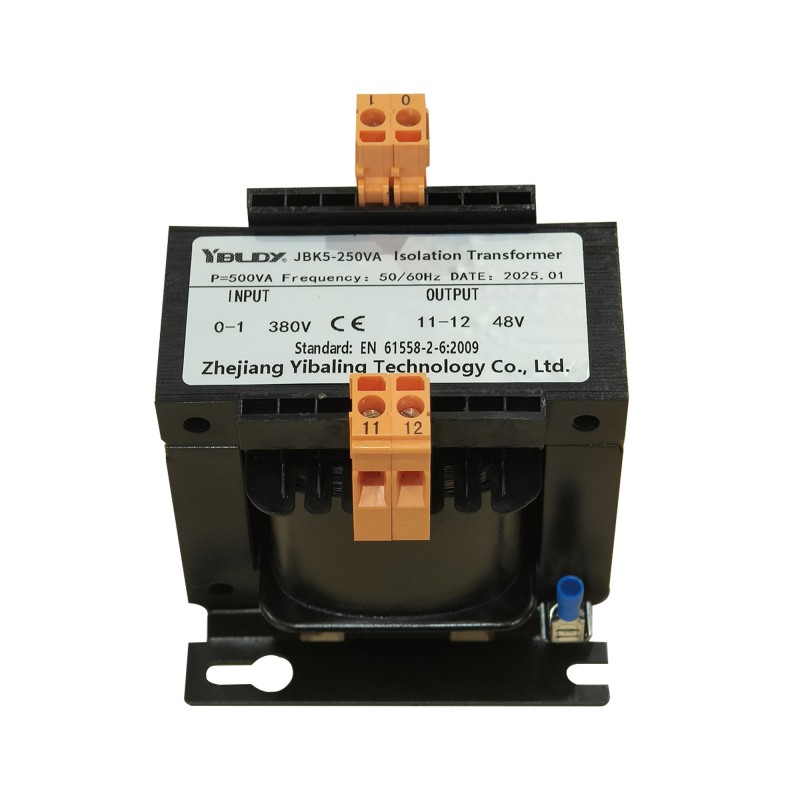
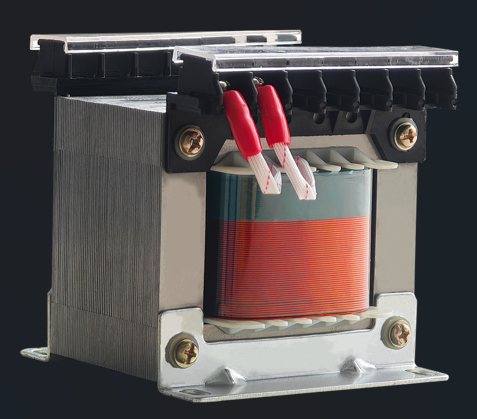
- Isolation transformers: Provide electrical safety and noise reduction
- Auto transformers: Compact design for voltage adjustment
- Special-purpose transformers: Designed for medical, marine, or aerospace applications
6. Industrial Applications Across Sectors
Customized transformers are widely used across multiple industries due to their flexibility and reliability.
- Manufacturing: CNC machines, robotics, assembly lines
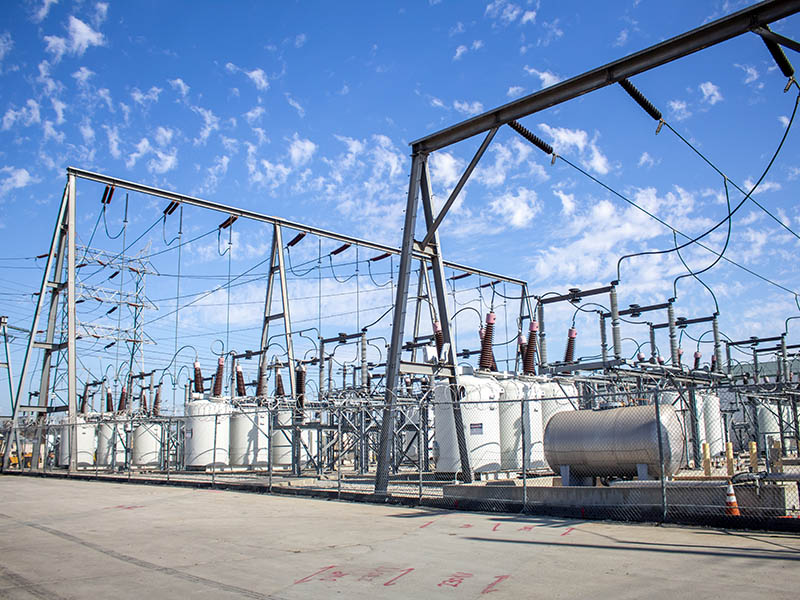
- Energy sector: Solar farms, wind turbines, substations
- Transportation: Rail systems, EV charging infrastructure
- Medical equipment: MRI, CT scanners, diagnostic devices
- Data centers: Stable power supply for servers
Each application requires precise electrical characteristics, making customization essential.
7. Standard vs Customized Transformers
Understanding the difference between standard and customized transformers helps in making informed procurement decisions.
- Standard transformers are mass-produced with fixed specifications.
- Customized transformers are engineered for specific applications.
While standard transformers may be cost-effective initially, customized solutions often deliver better long-term value.
8. Technical Comparison Table
| Feature | Standard Transformer | Customized Transformer |
|---|---|---|
| Design Flexibility | Low | High |
| Efficiency | Moderate | Optimized for application |
| Cost | Lower upfront | Higher initial, lower long-term |
| Application Fit | General use | Industry-specific |
| Maintenance | Standard | Reduced due to optimized design |
9. How to Choose the Right Customized Transformer
Selecting the right transformer requires careful evaluation of technical and operational needs.
- Define voltage and power requirements
- Analyze environmental conditions
- Consider load variability
- Evaluate space constraints
- Assess long-term energy efficiency goals
Working with an experienced manufacturer ensures accurate design and reliable performance.
10. Maintenance and Lifecycle Advantages
Customized transformers are designed for durability and reduced maintenance requirements. Their optimized structure minimizes wear and tear, leading to longer operational lifespans.
- Lower failure rates
- Reduced downtime
- Predictable maintenance schedules
- Improved thermal stability
11. Future Trends in Transformer Customization
The future of transformer technology is moving toward smarter, more adaptive systems. Digital monitoring, IoT integration, and AI-based predictive maintenance are becoming increasingly common.
Future customized transformers may include:
- Real-time performance monitoring
- Self-adjusting load balancing systems
- Eco-friendly core materials
- Advanced thermal management systems
12. Frequently Asked Questions
Q1: What makes a customized transformer different?
A customized transformer is designed specifically for a particular application, unlike standard models that follow fixed specifications.
Q2: Are customized transformers more expensive?
Yes, the initial cost may be higher, but long-term savings in efficiency and maintenance often outweigh the investment.
Q3: Where are customized transformers commonly used?
They are widely used in manufacturing, energy systems, transportation, and medical equipment.
Q4: How long does it take to manufacture one?
Depending on complexity, production can take from a few weeks to several months.
Q5: Can customized transformers improve energy efficiency?
Yes, they are specifically designed to minimize energy loss and optimize performance.
13. Conclusion and Final Insights
Customized transformers represent a critical advancement in modern electrical engineering. By aligning transformer design with real-world operational demands, industries can achieve superior efficiency, enhanced safety, and long-term reliability. As systems become more complex and energy demands continue to grow, customization is no longer a luxury—it is a necessity for sustainable and high-performance power infrastructure.
For businesses seeking reliable and high-quality transformer solutions, professional engineering support is essential to ensure precision and performance.
Zhejiang Yibaling Technology Co., Ltd. specializes in delivering advanced electrical solutions tailored to industrial needs, including high-performance customized transformers designed for efficiency and durability.
If you are looking for a trusted partner to develop tailored transformer solutions for your project, contact us today to explore how we can support your engineering and power system requirements with precision and expertise.
Related News
- What ZSG Three-Phase Dry-Type Rectifier Transformer work?
- Which one is good S13 Oil-Immersed Distribution Transformer?
- How to choose JBK5 Machine Tool Control Transformer?
- How BK Machine Tool Transformer 220V works?
- Which one is good SBK Three-Phase Dry-Type Transformer?
- How to choose SBW Intelligent Servo Voltage Stabilizer?
Leave me a message