
Can a Dry Transformer Really Lower Your Building's Insurance Premium?
For building owners, facility managers, and property developers, insurance premiums are a recurring, significant expense—one that directly impacts operational costs and long-term profitability. When it comes to electrical systems, the type of transformer used can play a surprising role in determining these premiums, yet many overlook this connection. The Dry Transformer, a staple in modern building electrical systems, has emerged as more than just a reliable power solution; it’s a strategic choice that can reduce insurance costs by mitigating key risks insurers care about most. Insights from industry leaders like Zhejiang Yibaling Power Equipment Co., Ltd.—a comprehensive power solutions provider with over a decade of experience in innovating low-voltage power equipment—shed light on how the right Dry Transformer can lower insurance premiums while enhancing safety, efficiency, and reliability. From fire risk reduction to long-term operational stability, the Dry Transformer addresses the core concerns that drive insurance rates, making it a smart investment for any building looking to cut costs without sacrificing performance.
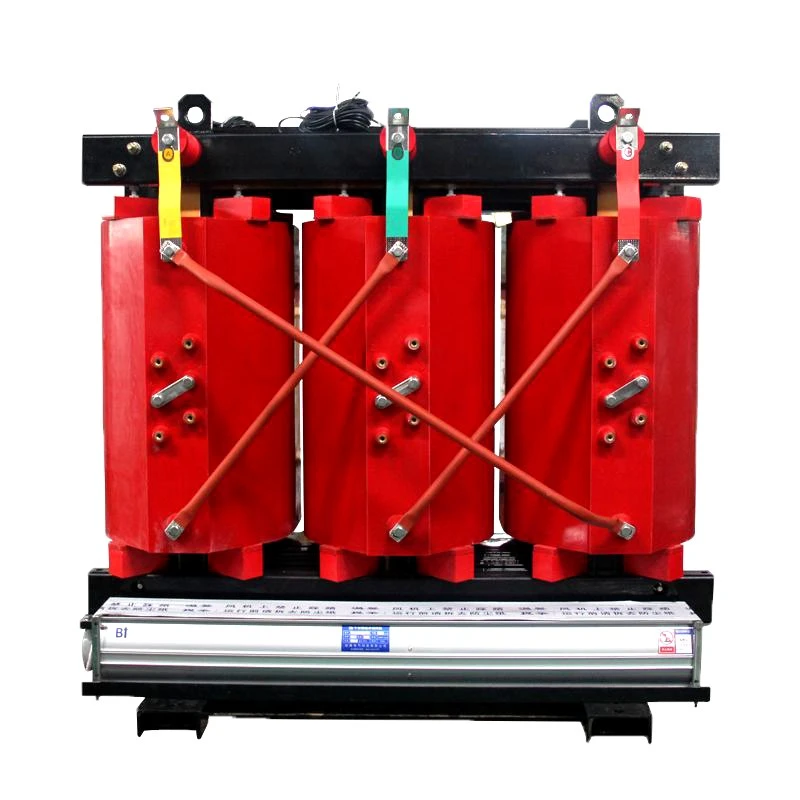
Why Insurance Companies Care About Your Transformer Choice
Insurance Premiums 101: Risk = Cost
To understand how a Dry Transformer affects insurance premiums, it’s first important to grasp how insurers calculate costs: the higher the risk of damage, injury, or loss associated with a building, the higher the premium. Electrical systems are one of the top sources of building risks—especially fires, which can cause catastrophic damage to property, equipment, and even human life. Traditional transformers, which rely on flammable oil for insulation and cooling, pose a significant fire hazard that insurers factor heavily into their rates. In contrast, the Dry Transformer eliminates this risk entirely, making it a more attractive option in the eyes of insurers and a key driver of lower premiums.
Insurers also consider long-term reliability and maintenance when setting rates. Equipment that is prone to breakdowns, leaks, or failures increases the chance of claims—whether for property damage, business interruption, or repair costs. A well-designed Dry Transformer, built to high quality standards, minimizes these risks, further reducing the likelihood of costly claims and leading to more favorable premium rates.
Oil-filled transformers also carry the risk of oil leaks, which can cause environmental damage, property contamination, and costly cleanup. These leaks can lead to insurance claims for environmental remediation, adding another layer of risk that insurers account for. Additionally, oil-filled transformers require regular maintenance—including oil testing, filtering, and replacement—to prevent breakdowns, and any lapses in maintenance can increase the risk of failure and claims.
How a Dry Transformer Lowers Insurance Premiums: Key Benefits
Fire Risk Reduction: The Biggest Premium-Saver
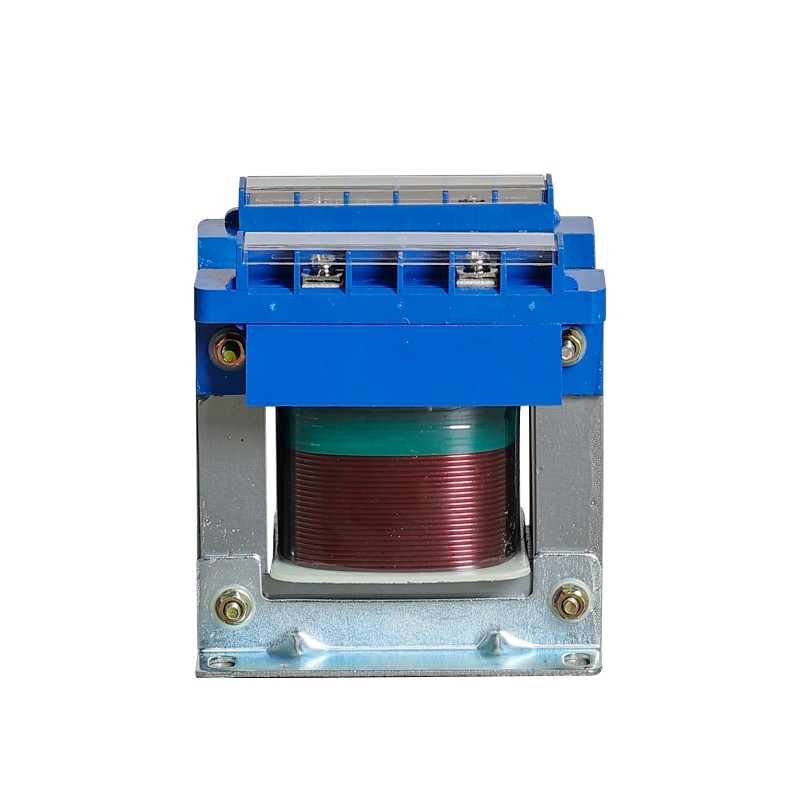
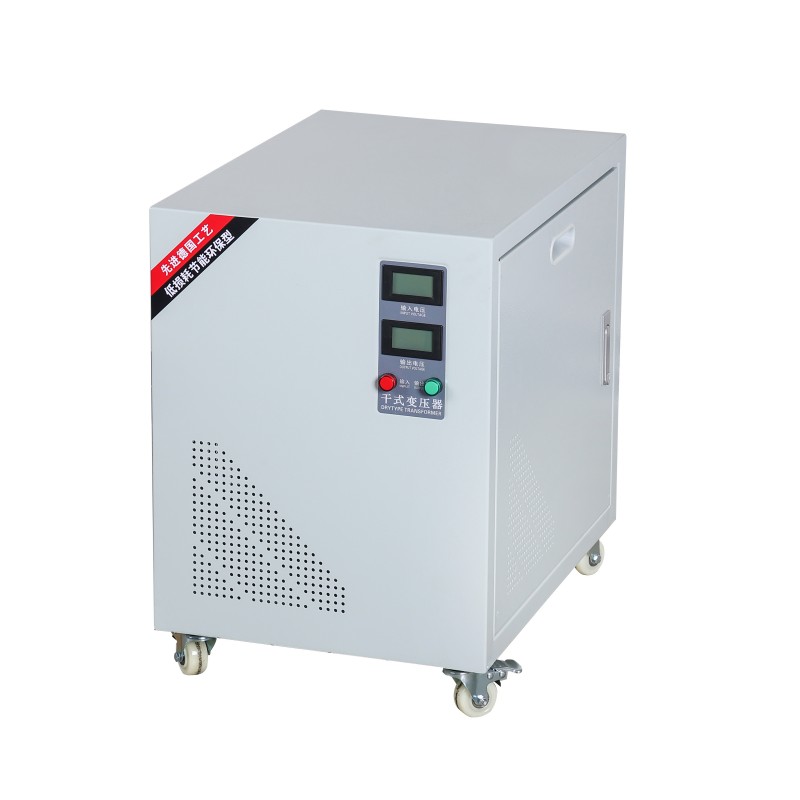
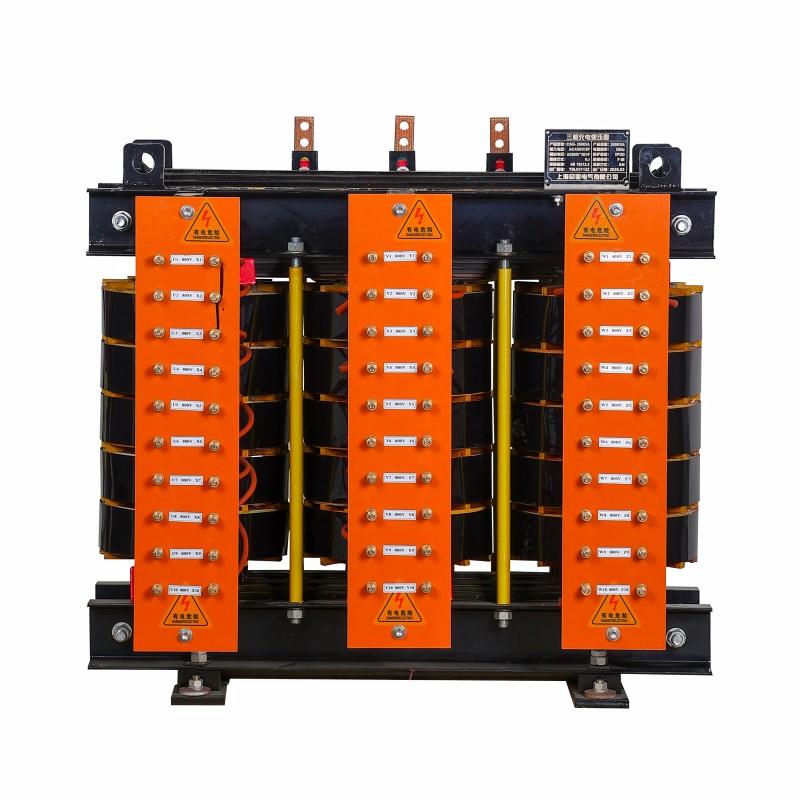
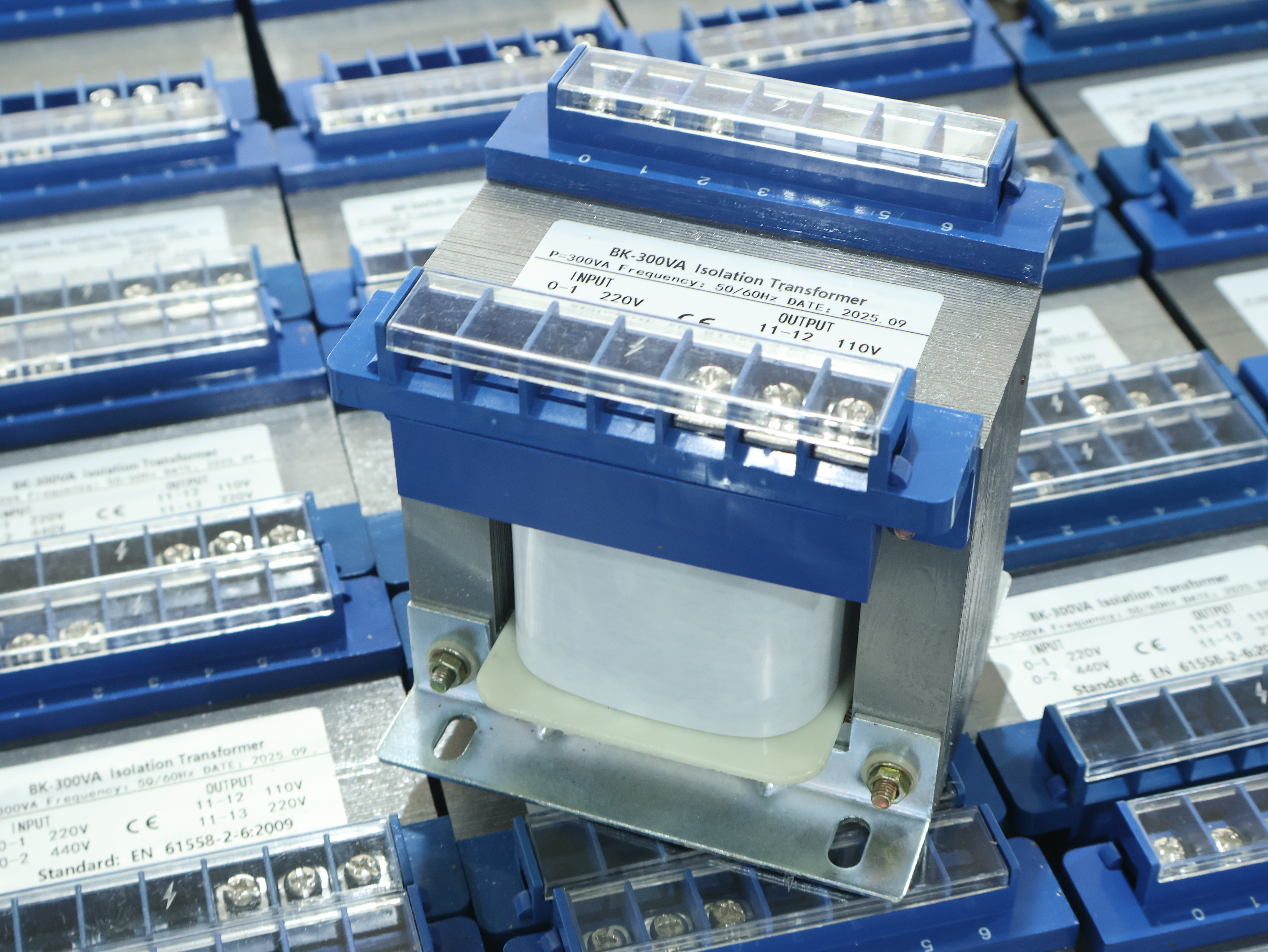
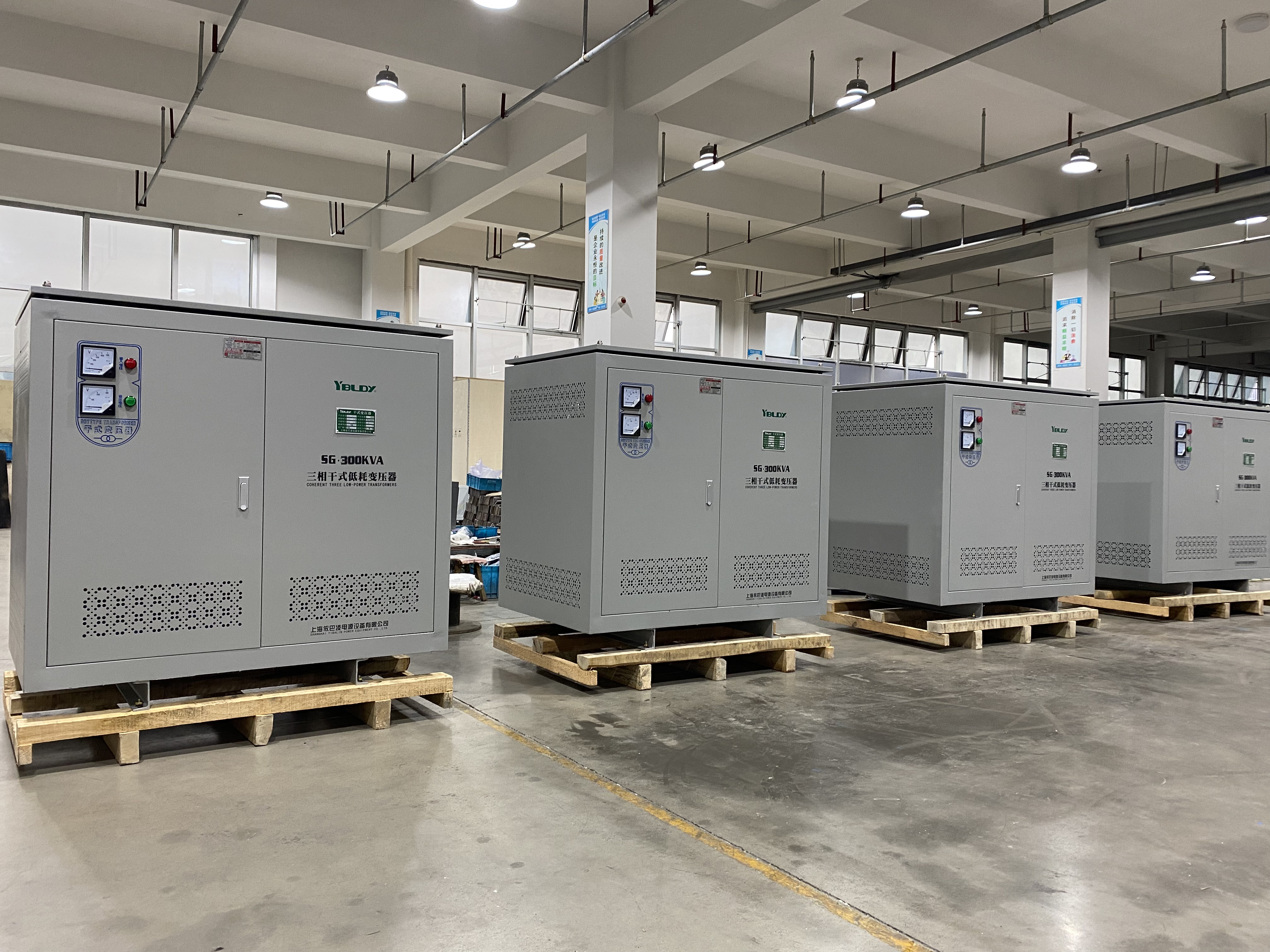
Dry transformers eliminate the fire risk of oil-filled models by using non-flammable epoxy resin insulation. They cannot ignite or spread fire—even during electrical faults. Insurers reward this lower fire risk with reduced premiums.Unlike oil-filled transformers that require expensive fire safety measures (containment pits, fire suppression systems), dry transformers install directly in standard electrical rooms, saving both installation costs and ongoing insurance costs.
Lower Maintenance and Failure Risks
Dry transformers are nearly maintenance-free. Their sealed epoxy resin design protects against dust, moisture, and contamination—eliminating the need for regular oil testing and replacement.
Less failure risk means fewer business interruptions and property damage claims. Insurers factor this reliability into lower premium calculations.
Compliance with Safety Certifications
Insurance companies favor equipment that meets international safety standards. Certifications such as CCC, CE, and ISO9001 prove that dry transformers meet strict safety requirements.
Some insurers require these certifications for coverage. A certified dry transformer ensures compliance, avoiding premium surcharges or coverage denials.
Comparative Analysis: Dry Transformer vs. Oil-Filled Transformer (Insurance Impact)
To clearly see how a Dry Transformer affects insurance premiums compared to traditional oil-filled models, the following table breaks down key risk factors, insurance impacts, and cost differences. This analysis draws on industry data and insights from power equipment specialists, highlighting why the Dry Transformer is a more cost-effective choice for building owners:
| Risk Factor | Oil-Filled Transformer | Dry Transformer | Insurance Premium Impact |
|---|---|---|---|
| Fire Risk | High; flammable oil can ignite and spread fire | Low; non-flammable epoxy insulation, no fire risk | Oil-filled: 20-30% higher premium; Dry Transformer: 15-25% lower premium |
| Environmental Risk | High; oil leaks cause contamination and cleanup costs | Low; no oil, no leakage or environmental damage | Oil-filled: Additional environmental liability premium; Dry Transformer: No extra charges |
| Maintenance Requirements | High; regular oil testing, filtering, and replacement | Low; nearly maintenance-free, minimal inspections | Oil-filled: Higher premium due to increased failure risk; Dry Transformer: Lower premium for reliability |
| Safety Certification Compliance | Variable; some models lack international certifications | High; most meet CCC, CE, and ISO9001 standards | Oil-filled: Possible premium surcharges for non-compliance; Dry Transformer: Premium discounts for compliance |
| Business Interruption Risk | High; frequent maintenance and breakdowns cause downtime | Low; reliable performance, minimal downtime | Oil-filled: Higher business interruption premium; Dry Transformer: Lower premium for reduced downtime |
| Installation Safety Costs | High; requires walls, oil containment, and fire suppression | Low; installs in standard electrical rooms, no extra safety measures | Oil-filled: Higher initial costs + ongoing premium surcharges; Dry Transformer: Lower initial costs + premium savings |
Real-World Savings: How a Dry Transformer Impacts Bottom Lines
Case Example: Commercial Office Building
Consider a 15-story commercial office building with a 500 kVA transformer. Using an oil-filled transformer, the building’s annual insurance premium for electrical systems is $12,000. After switching to a high-quality Dry Transformer, the premium drops by 20% to $9,600—a savings of $2,400 per year. Additionally, the building avoids $15,000 in initial installation costs for oil containment and fire safety measures, and saves $3,000 per year on maintenance costs for oil testing and replacement. Over 10 years, this adds up to $69,000 in total savings—far exceeding the initial investment in the Dry Transformer.
Case Example: Residential Complex
A 200-unit residential complex with multiple transformers faces even greater savings. Using oil-filled transformers, the complex’s annual insurance premium is $18,000, with $5,000 per year in maintenance costs. Switching to Dry Transformers reduces the insurance premium by 25% to $13,500 and cuts maintenance costs to $1,000 per year. Over 10 years, the complex saves $80,000—funds that can be reinvested in building improvements or passed on to residents in lower fees.
Key Considerations When Choosing a Dry Transformer for Insurance Savings
1. Prioritize Quality and Certifications
Not all Dry Transformers are created equal—quality and Certifications quality and certifications play a critical role in insurance savings. Choose a Dry Transformer that meets international safety standards, such as CCC, CE, and ISO9001, as these certifications demonstrate to insurers that the equipment is safe and reliable. Companies like Zhejiang Yibaling Power Equipment Co., Ltd. ensure their Dry Transformers undergo rigorous testing, including extreme environment simulations and long-term aging verification, to guarantee performance and durability—factors that insurers value when setting premiums.
2. Focus on Reliability and Low Maintenance
Insurers reward equipment that minimizes failure risks, so look for a Dry Transformer designed for long-term reliability and minimal maintenance. A sealed, epoxy resin design protects against dust, moisture, and contamination, reducing the chance of breakdowns. Additionally, choose a model with a proven track record of performance, as this gives insurers confidence in its ability to operate safely and consistently over time.
3. Consider Customization for Your Building’s Needs
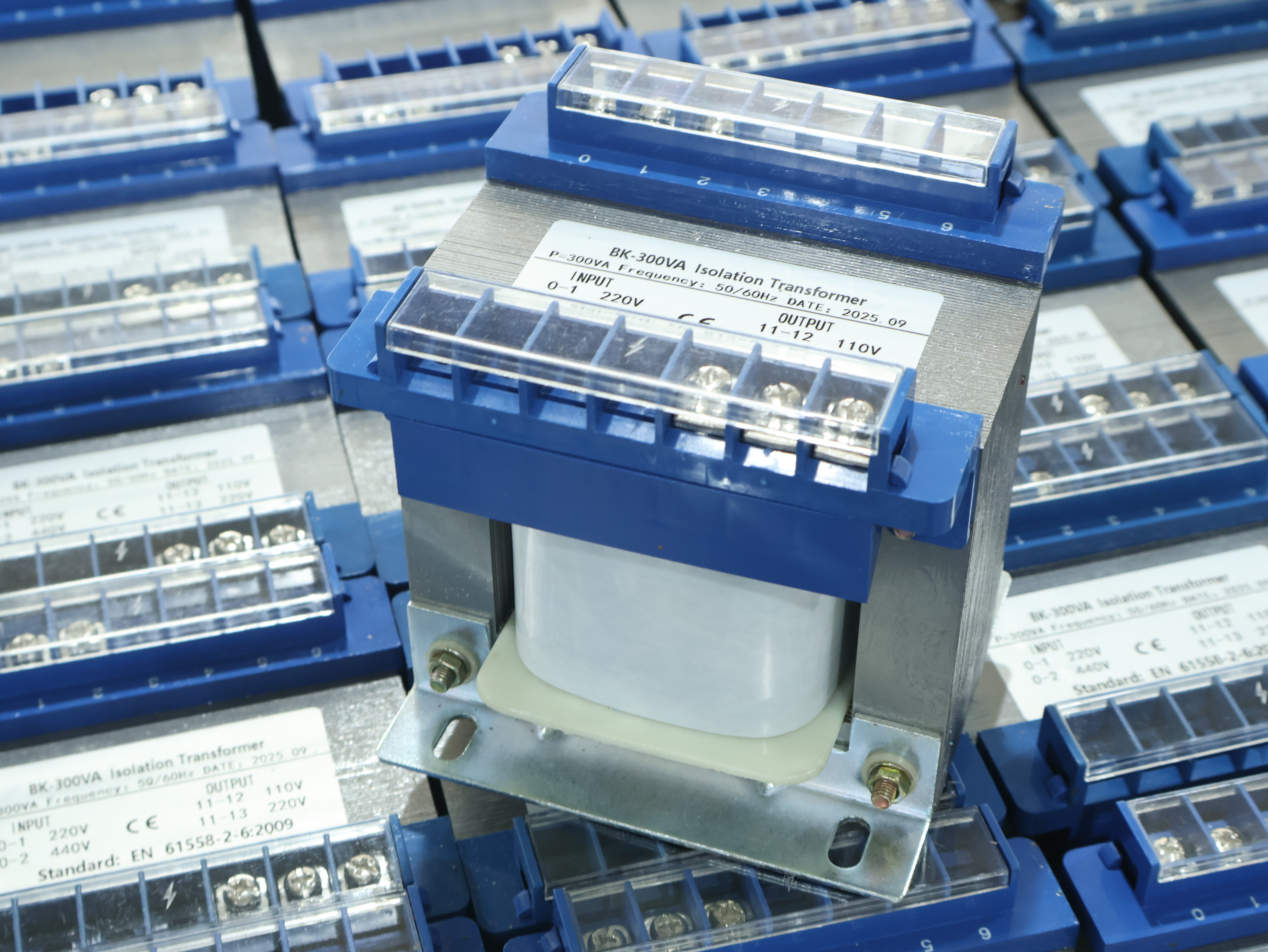
Every building has unique electrical needs, and a customized Dry Transformer can further reduce risks and insurance costs. Whether you need an isolation transformer for sensitive equipment or a power transformer for high-demand areas, a tailored solution ensures the Dry Transformer operates efficiently and safely. Companies with a professional R&D team, like Zhejiang Yibaling Power Equipment Co., Ltd., can design custom Dry Transformer solutions that meet your building’s specific requirements, further enhancing safety and reducing insurance risks.
4. Look for Comprehensive Support
A Dry Transformer’s impact on insurance premiums also depends on proper installation and maintenance. Choose a provider that offers comprehensive support, including pre-sales consultation, installation guidance, and lifetime maintenance. This ensures the Dry Transformer is installed correctly, operates at peak efficiency, and remains in good condition—all of which reduce the risk of claims and help maintain lower insurance premiums. Zhejiang Yibaling Power Equipment Co., Ltd. offers such support, with a team of over fifty professionals dedicated to ensuring customers get the most out of their power equipment.
Common Myths About Dry Transformers and Insurance Premiums
Myth 1: “Dry Transformers Are Too Expensive to Justify the Insurance Savings”
While the initial cost of a Dry Transformer may be higher than an oil-filled model, the long-term savings more than make up for it. As shown in the case examples above, the annual insurance savings, combined with lower maintenance and installation costs, quickly offset the initial investment. Over the 15+ year service life of a high-quality Dry Transformer, the total savings can be tens of thousands of dollars—making it a cost-effective choice for any building.
Myth 2: “All Dry Transformers Offer the Same Insurance Benefits”
This is a common misconception. The insurance benefits of a Dry Transformer depend on its quality, certifications, and reliability. A low-quality Dry Transformer that lacks proper testing or certifications may not qualify for premium discounts, as it still poses risks. Choosing a high-quality Dry Transformer from a trusted provider ensures you get the full insurance savings and performance benefits.
Myth 3: “Insurance Savings Are Minimal and Not Worth the Switch”
The insurance savings from a Dry Transformer are far from minimal. As the comparison table shows, premiums can be reduced by 15-25%—a significant amount for buildings with high insurance costs. When combined with savings on maintenance, installation, and potential claims, the total benefits are substantial. For many building owners, the switch to a Dry Transformer pays for itself within 2-3 years.
Conclusion
The answer to the question “Can a Dry Transformer Really Lower Your Building's Insurance Premium?” is a resounding yes. By eliminating fire risks, reducing maintenance and failure chances, and complying with strict safety standards, the Dry Transformer addresses the key factors that drive insurance premiums—resulting in significant, long-term savings for building owners and facility managers.
Choosing the right Dry Transformer is critical to maximizing these savings. High-quality models, backed by rigorous testing, international certifications, and comprehensive support, ensure you get the full insurance benefits while enjoying reliable, efficient power. Companies like Zhejiang Yibaling Power Equipment Co., Ltd., with their decade of experience in power equipment innovation, offer Dry Transformers that combine safety, durability, and performance—helping buildings reduce insurance costs, enhance operational efficiency, and protect their investments.
In an era where every operational cost matters, the Dry Transformer stands out as a smart, strategic choice. It’s not just a piece of electrical equipment—it’s an investment that lowers insurance premiums, reduces risks, and delivers long-term value for any building, from commercial offices to residential complexes and beyond. By making the switch to a Dry Transformer, you’re not just improving your building’s electrical system; you’re taking a proactive step to cut costs and protect your bottom line.
Related News
- What ZSG Three-Phase Dry-Type Rectifier Transformer work?
- Which one is good S13 Oil-Immersed Distribution Transformer?
- How to choose JBK5 Machine Tool Control Transformer?
- How BK Machine Tool Transformer 220V works?
- Which one is good SBK Three-Phase Dry-Type Transformer?
- How to choose SBW Intelligent Servo Voltage Stabilizer?
Leave me a message