
How Does a Step Up and Down Transformer Improve Power Efficiency and Safety?
Electricity powers nearly every aspect of modern life, yet voltage mismatches remain one of the most common and costly challenges for businesses and individuals. Whether you're operating industrial equipment, managing international power standards, or simply protecting sensitive electronics, the ability to control voltage precisely is critical. This is where step up and down transformers come into play. These devices not only adjust voltage levels but also enhance energy efficiency, extend equipment lifespan, and ensure operational safety across various applications.
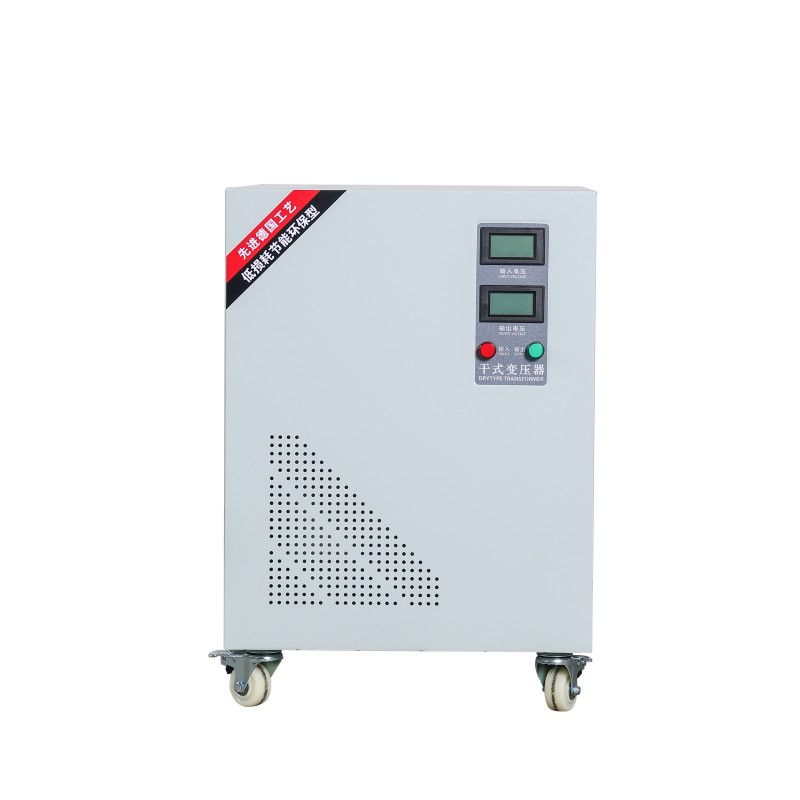
Article Summary
This comprehensive guide explores how step up and down transformers function, their importance in modern electrical systems, and how they solve real-world challenges such as voltage instability, equipment damage, and energy loss. You'll learn about their working principles, applications, selection criteria, and practical benefits. The article also includes structured tables, expert insights, and frequently asked questions to help you make informed decisions.
Table of Contents
- 1. What Is a Step Up and Down Transformer?
- 2. Why Are Voltage Conversions Necessary?
- 3. How Does a Transformer Work?
- 4. What Are the Key Differences Between Step Up and Step Down Transformers?
- 5. Where Are These Transformers Commonly Used?
- 6. How Do They Improve Energy Efficiency?
- 7. What Problems Do They Solve for Users?
- 8. How to Choose the Right Transformer?
- 9. Comparison Table of Transformer Types
- 10. Maintenance and Safety Tips
- 11. Frequently Asked Questions
- 12. Conclusion
1. What Is a Step Up and Down Transformer?
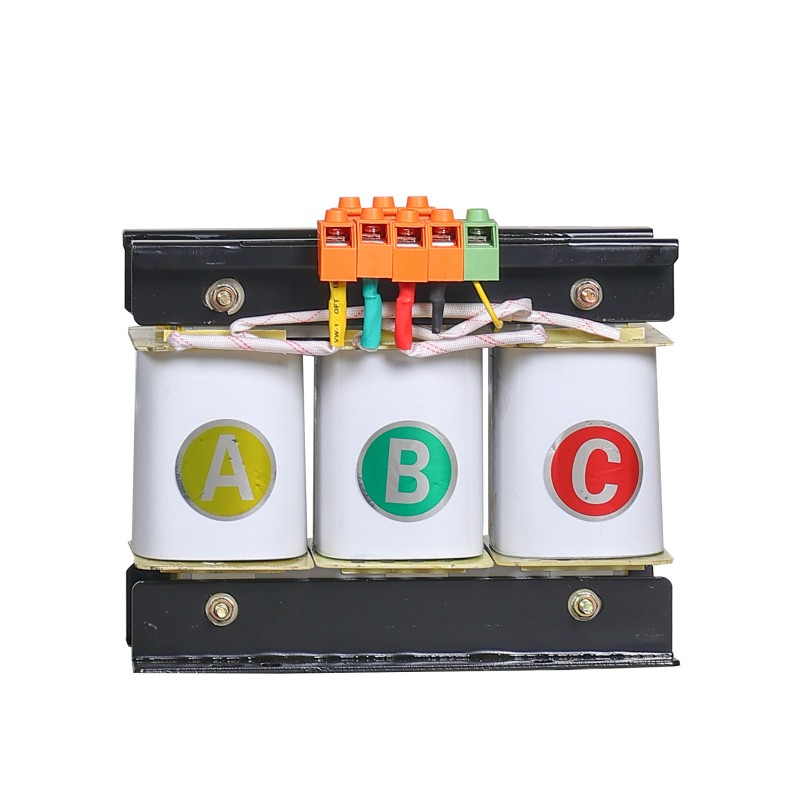
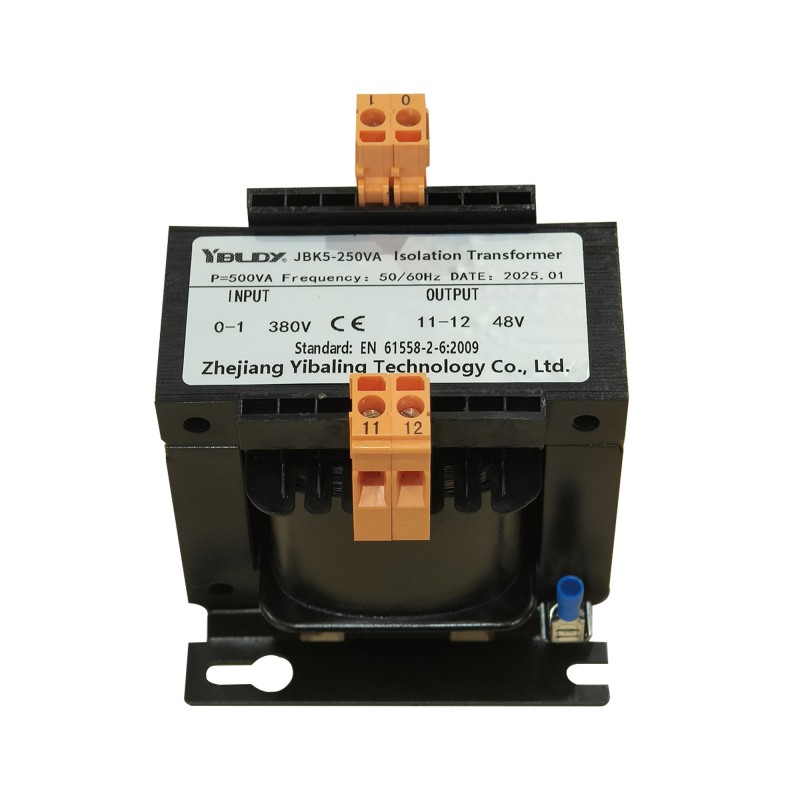
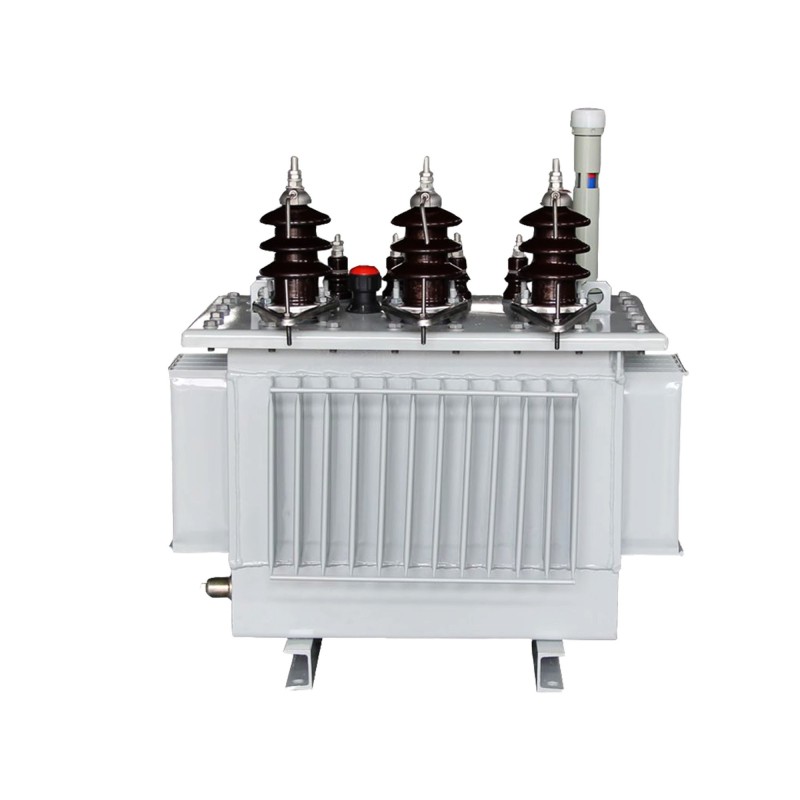
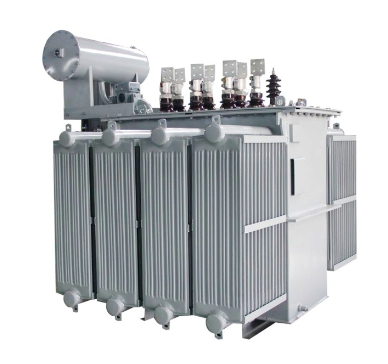
A step up and down transformer is an electrical device designed to either increase (step up) or decrease (step down) voltage levels between circuits. It operates on the principle of electromagnetic induction, transferring electrical energy between two or more coils without direct electrical connection.
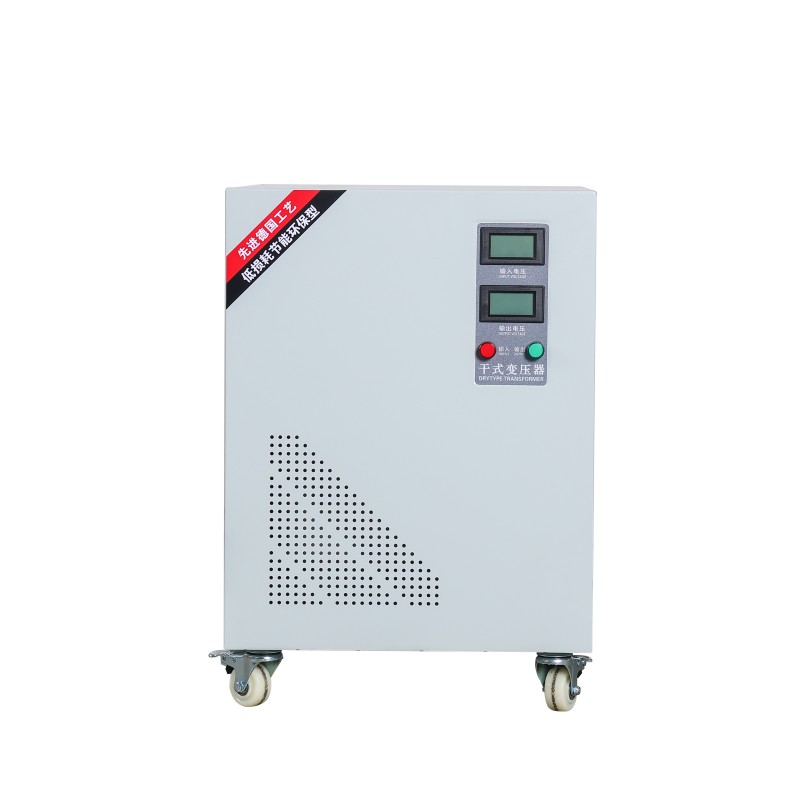
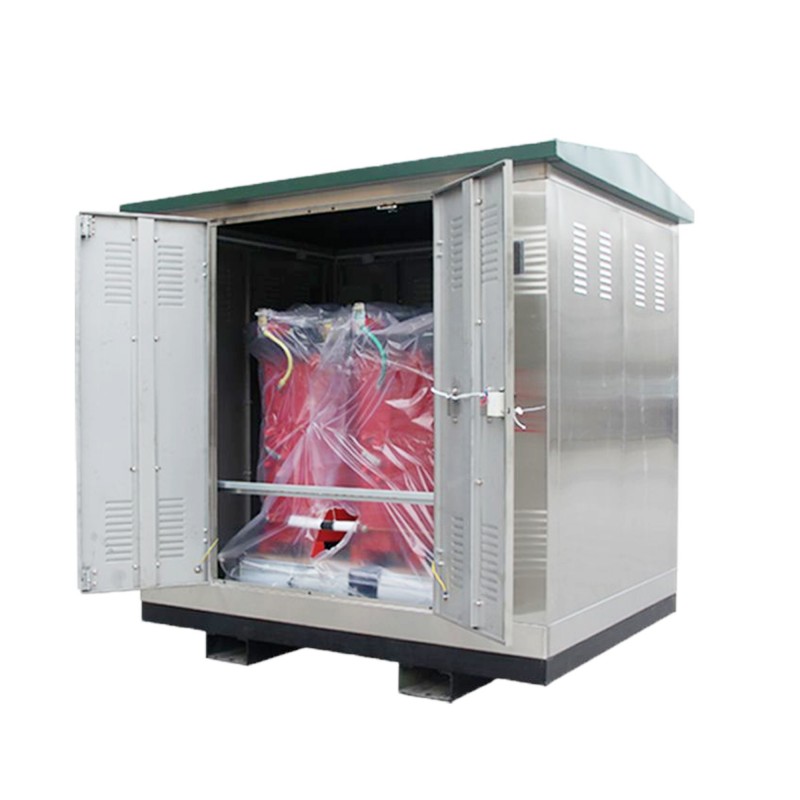
Step up transformers increase voltage from a lower level to a higher level, commonly used in power transmission. Step down transformers, on the other hand, reduce high voltage to safer, usable levels for homes, offices, and industrial equipment.
2. Why Are Voltage Conversions Necessary?
Voltage conversion is essential because different devices and systems require different voltage levels to operate efficiently and safely.
- Power plants generate electricity at moderate voltages
- Transmission requires high voltage to minimize losses
- End users need lower, safer voltages
Without transformers, electrical systems would suffer from inefficiency, equipment damage, and safety hazards.
3. How Does a Transformer Work?
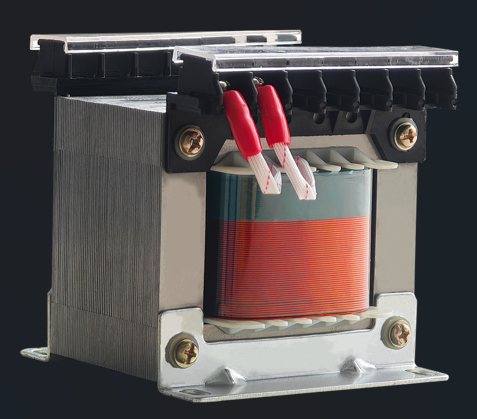
Transformers function based on electromagnetic induction. When alternating current flows through the primary coil, it creates a magnetic field. This magnetic field induces voltage in the secondary coil.
- Primary coil receives input voltage
- Magnetic core transfers energy
- Secondary coil outputs transformed voltage
The ratio of turns between coils determines whether voltage is increased or decreased.
4. What Are the Key Differences Between Step Up and Step Down Transformers?
| Feature | Step Up Transformer | Step Down Transformer |
|---|---|---|
| Voltage Level | Increases voltage | Decreases voltage |
| Coil Turns | Secondary has more turns | Primary has more turns |
| Application | Power transmission | Home appliances |
| Current Output | Lower current | Higher current |
5. Where Are These Transformers Commonly Used?
Step up and down transformers are used across a wide range of industries and daily applications:
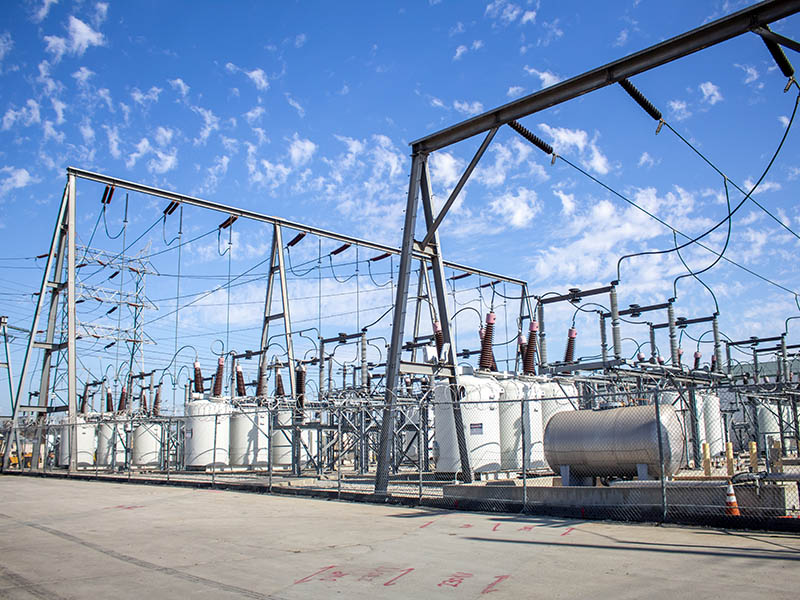
- Power generation and transmission systems
- Industrial machinery
- Medical equipment
- Consumer electronics
- International travel voltage converters
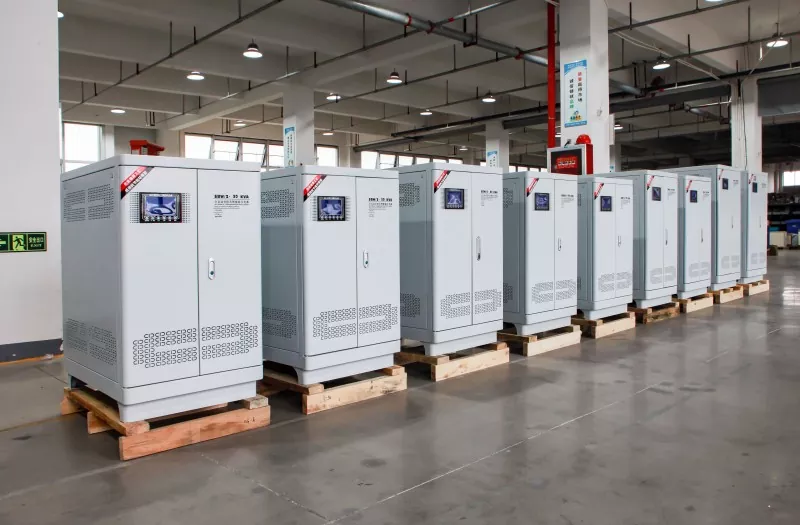
Companies like Zhejiang Yibaling Technology Co., Ltd. specialize in manufacturing reliable transformer solutions for both industrial and commercial use.
6. How Do They Improve Energy Efficiency?
Efficiency is one of the most significant advantages of transformers. By stepping up voltage for transmission, electrical current is reduced, minimizing energy loss caused by resistance in transmission lines.
- Reduced power loss over long distances
- Improved system performance
- Lower operational costs
This efficiency translates into significant savings for both power providers and consumers.
7. What Problems Do They Solve for Users?
Customers often face several challenges that transformers effectively address:
- Voltage mismatch: Prevents equipment damage
- Overheating: Ensures stable operation
- Energy waste: Optimizes power usage
- Safety risks: Reduces electrical hazards
These benefits make transformers essential for both residential and industrial applications.
8. How to Choose the Right Transformer?
Selecting the right transformer requires careful consideration of several factors:
- Input and output voltage requirements
- Power capacity (VA or kVA rating)
- Application type
- Environmental conditions
- Safety certifications
Choosing the wrong transformer can lead to inefficiency, equipment failure, and safety risks.
9. Comparison Table of Transformer Types
| Type | Function | Best Use Case |
|---|---|---|
| Step Up Transformer | Increase voltage | Power transmission |
| Step Down Transformer | Decrease voltage | Household devices |
| Isolation Transformer | Electrical isolation | Safety applications |
| Autotransformer | Variable voltage | Industrial control |
10. Maintenance and Safety Tips
Proper maintenance ensures long-term reliability and safety:
- Regular inspection of insulation
- Monitor temperature levels
- Ensure proper ventilation
- Avoid overloading
- Use certified components
Routine checks can significantly extend the lifespan of your transformer.
11. Frequently Asked Questions
Q1: Can one transformer both step up and step down voltage?
Yes, some transformers are designed to handle both functions depending on configuration.
Q2: What happens if I use the wrong voltage?
Using incorrect voltage can damage equipment, reduce efficiency, or pose safety risks.
Q3: Are transformers energy efficient?
Modern transformers are highly efficient, often exceeding 95% efficiency rates.
Q4: How long do transformers last?
With proper maintenance, transformers can last 20–30 years or more.
Q5: Do transformers require regular servicing?
Yes, periodic inspection and maintenance are recommended for optimal performance.
12. Conclusion
Step up and down transformers are indispensable in modern electrical systems. They ensure safe voltage levels, improve efficiency, and protect valuable equipment from damage. Whether you're managing industrial operations or simply using household electronics, understanding how transformers work can help you make better decisions and avoid costly mistakes.
If you're looking for high-quality transformer solutions tailored to your needs, Zhejiang Yibaling Technology Co., Ltd. offers reliable products backed by expertise and innovation. Contact us today to find the perfect solution for your power requirements and take your electrical systems to the next level.
Related News
- What ZSG Three-Phase Dry-Type Rectifier Transformer work?
- Which one is good S13 Oil-Immersed Distribution Transformer?
- How to choose JBK5 Machine Tool Control Transformer?
- How BK Machine Tool Transformer 220V works?
- Which one is good SBK Three-Phase Dry-Type Transformer?
- How to choose SBW Intelligent Servo Voltage Stabilizer?
Leave me a message