
Why Does a Transformer "Sing"? - What Does the Engineer Yibaling Say?
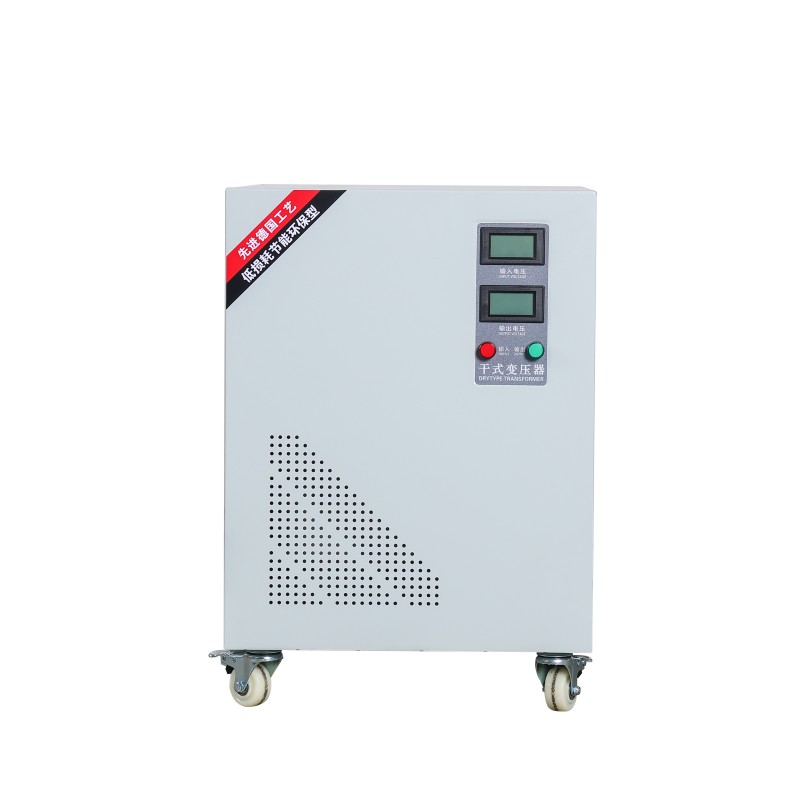
Have you ever noticed that when you turn on the vacuum cleaner in your home, the big iron object in the distribution box downstairs starts to "buzz"? The sound is not loud, but low and continuous. The louder the machine runs, the more vigorously it buzzes. Some people might think it's having a conversation with the appliances - but in a sense, it is indeed "conversing".
Most people's understanding of electricity is "silent and unobtrusive", but electricity actually has "strength". Inside a transformer, the magnetic field is constantly pushing and pulling the iron core at a frequency of 50 times per second, causing it to repeatedly expand and contract at the micron scale. This is called "magnetic resonance", in simple terms, the iron core is "breathing" - the more it breathes, the louder the sound.
This is somewhat like driving a car. On a flat road, the engine runs smoothly; when you go up a hill, you step on the accelerator, and the noise comes on. Transformers are the same. When you turn on appliances like air conditioners, microwave ovens, and dryers, they have to "go uphill", and the sound naturally gets louder.
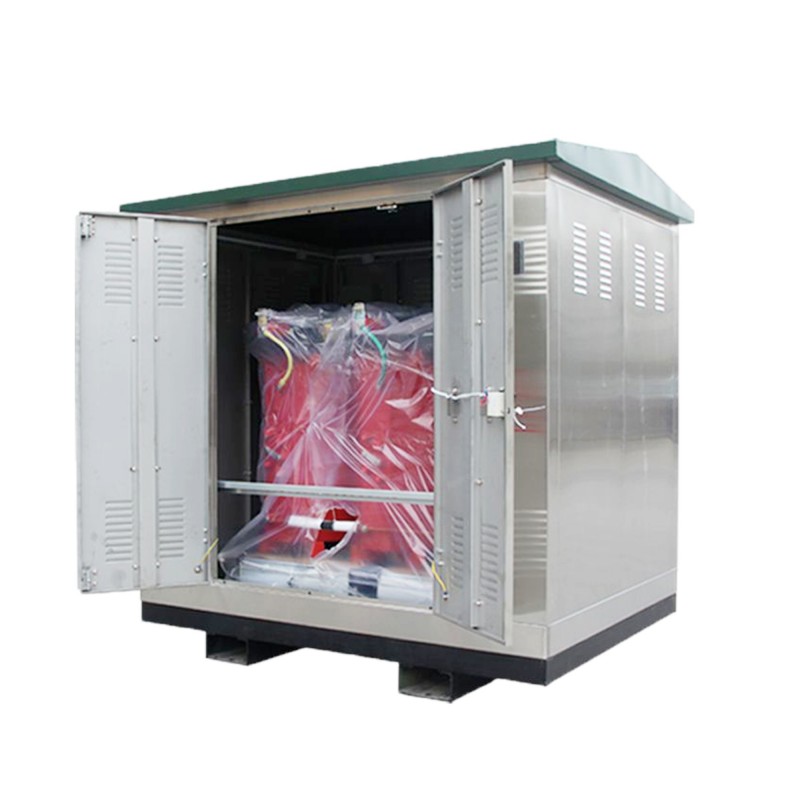
"The iron core is breathing" - why does a transformer naturally make noise
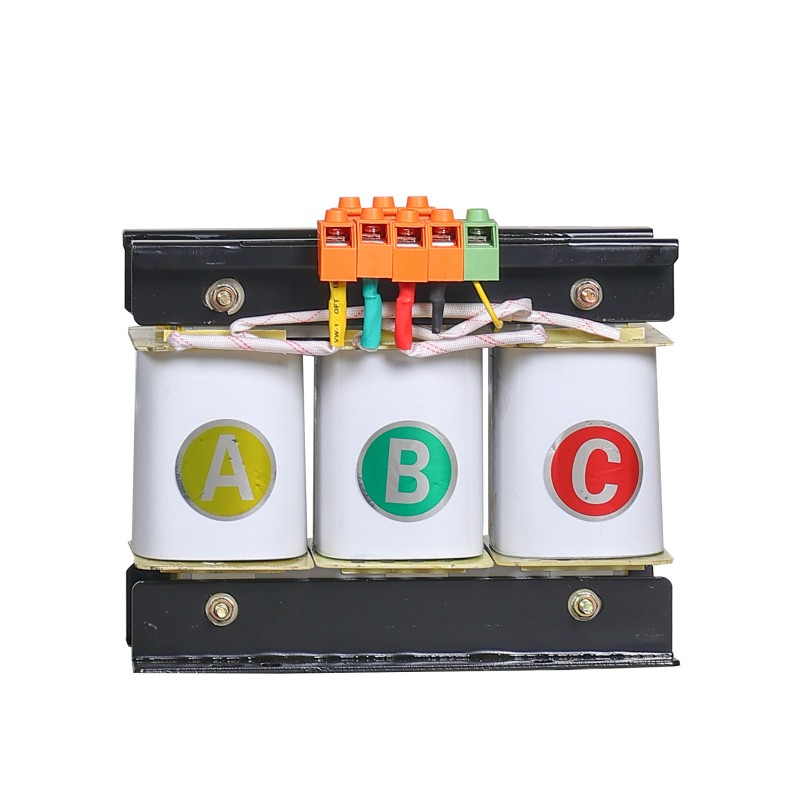
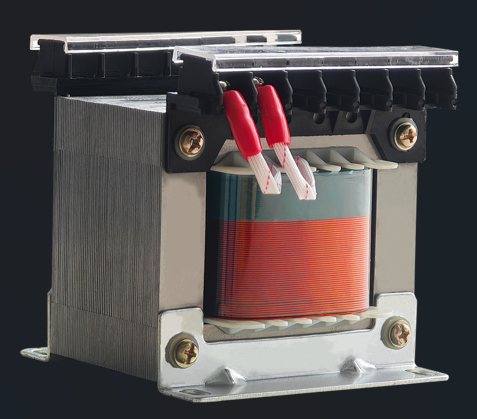
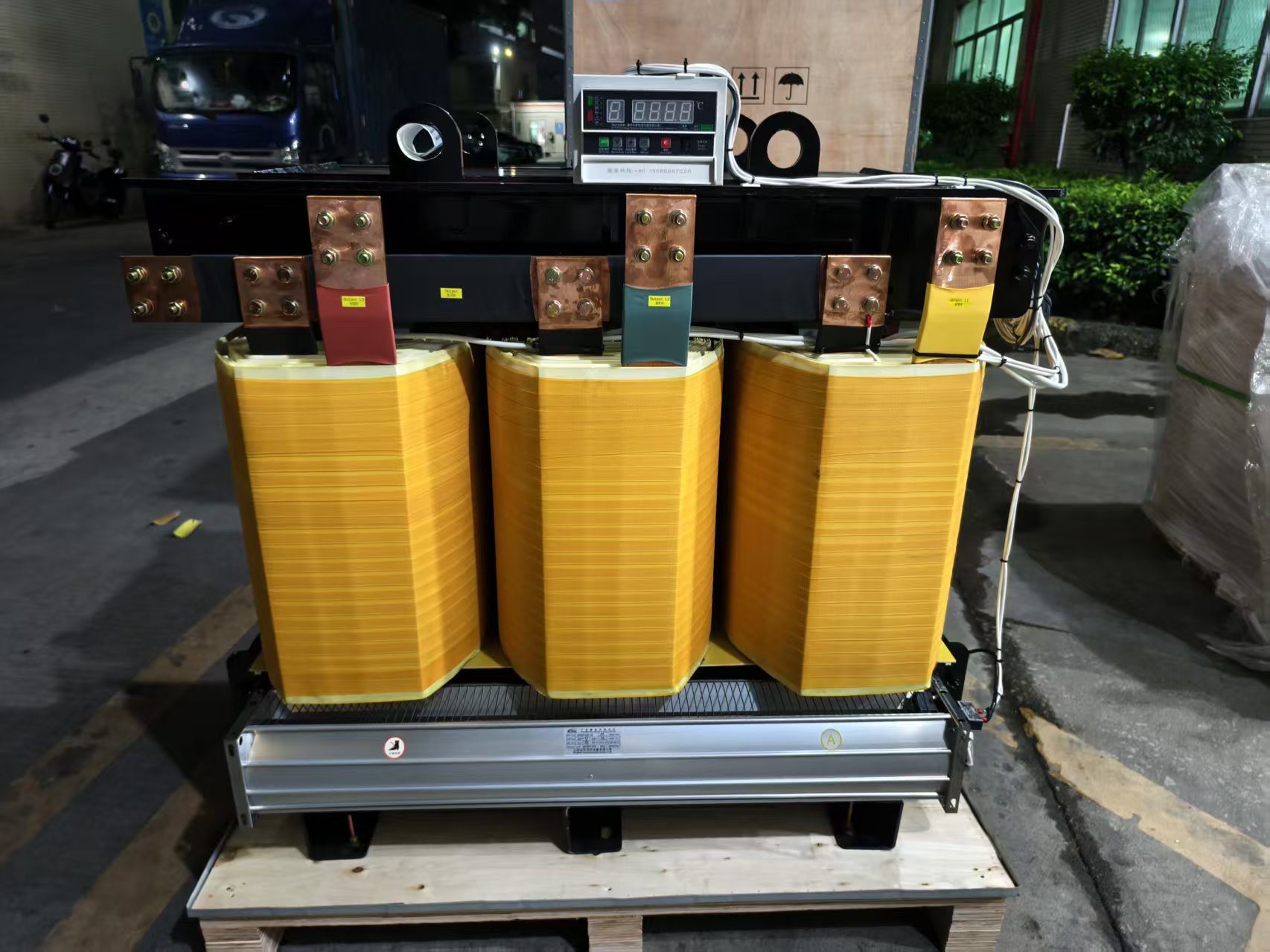
Don't think of a transformer as a lifeless iron block. A transformer is more like a pair of "iron lungs". Even if no load is connected, as long as it is powered on, there is constant movement inside the transformer. Current flows through the coil, and the magnetic field causes the silicon steel sheets to expand and contract at a frequency of 100 times per second (50Hz alternating current). This tiny physical movement pushes the air, and it becomes the "buzzing" sound we hear.
The normal "song" has several characteristics:
1. Low and steady pitch, without sudden fluctuations
2. Continuous sound, without "clicking" noises
3. No sudden power outages or repeated restarts
4. Louder during peak hours of electricity consumption during the day, quieter at night, which is normal
Why does the sound suddenly increase when a large appliance is turned on?
When you turn on a high-power device, the transformer has to "put in more effort". The current is higher, the magnetic field is stronger, and the compression on the iron core is more intense. The originally weak vibration is suddenly amplified, and the sound naturally rises.
Mobile phone chargers, LED lights, and other small devices have basically no effect on the transformer. They consume less and the transformer doesn't care. But air conditioners, welding machines, and high-power motors, when they come on, push the magnetic field to a very high level, and you can hear the change even through the wall.
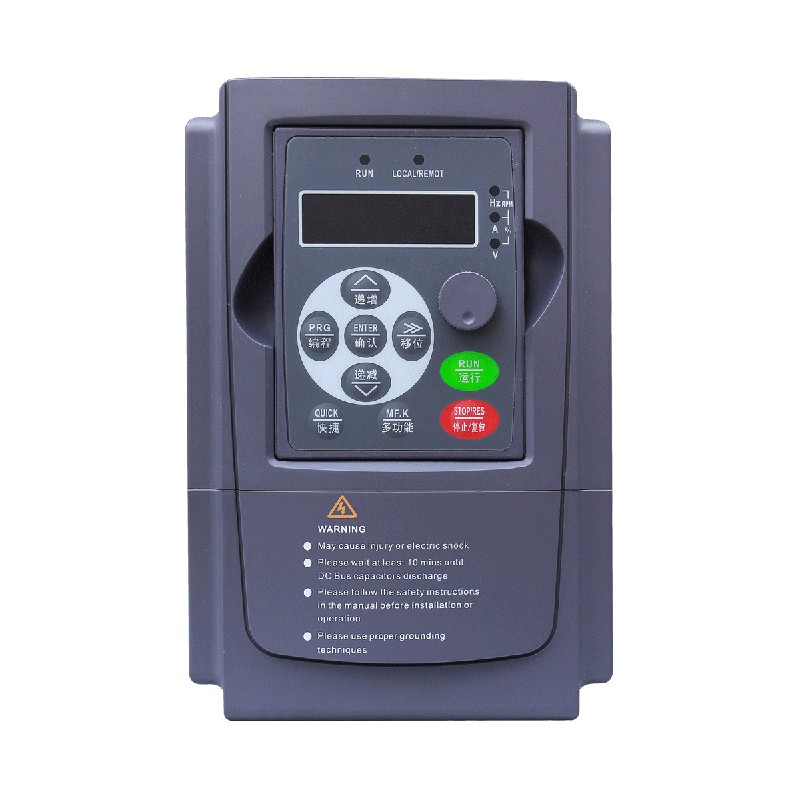
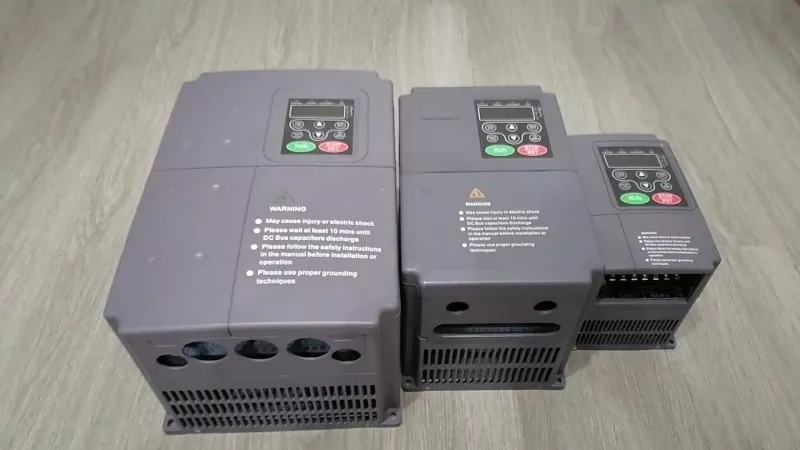
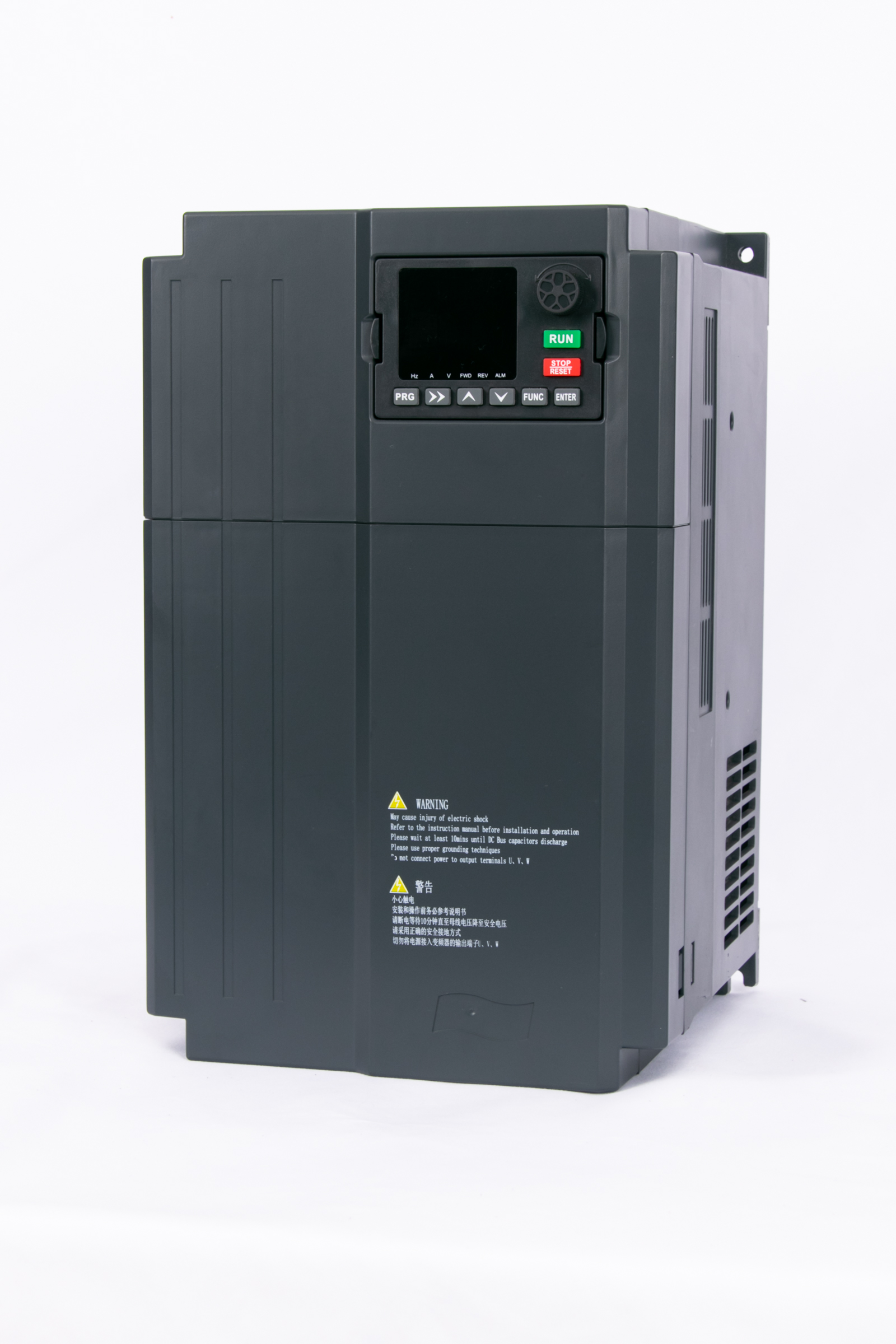
However, sometimes the loudness is not just a matter of "quantity", but also "quality". Many devices nowadays - computers, variable-frequency air conditioners, microwave ovens, variable-speed motors - do not "drink" electricity smoothly but "take big gulps" forcefully. This is called "harmonic" or "non-linear load". It tears apart the originally regular current waveform, forcing the transformer to "shake" along with it, and the sound is no longer just a simple "buzzing", but with a harsh "sizzling" sound, even a sharp howling.
The sound has changed? It might be a mechanical problem
If the sound of the transformer changes from a steady "buzzing" to a "clicking" metal collision sound, the problem might not be in the electricity, but in the mechanical structure.
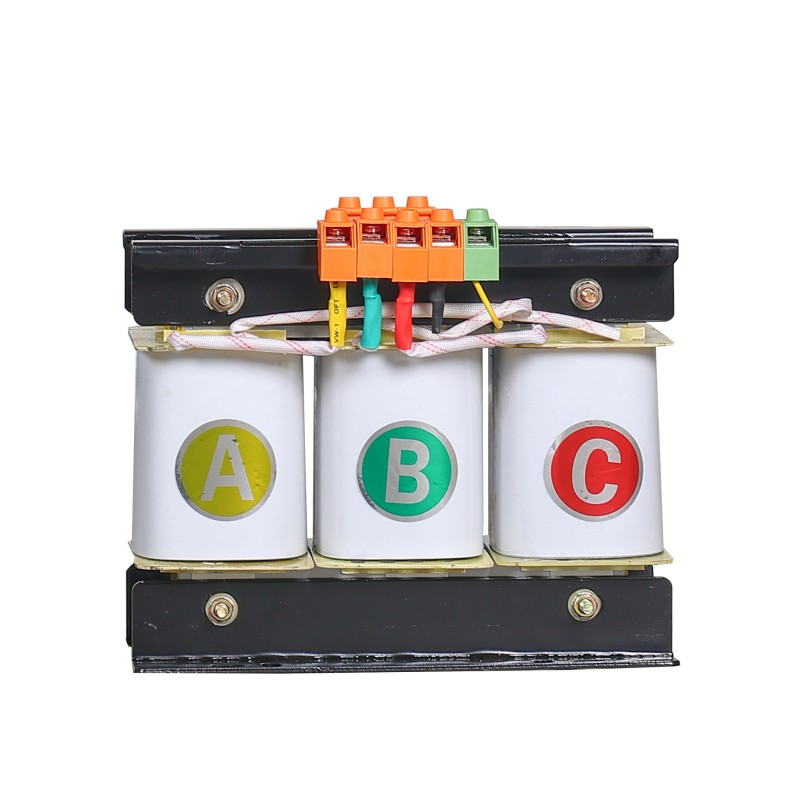
The iron core of the transformer is made up of hundreds of thin silicon steel sheets stacked together, and it is tightly pressed when it leaves the factory. But over time, due to thermal expansion and contraction, vibration aging, the tightened screws may loosen, or the insulating paint may have cracks. At this time, the silicon steel sheets start to "fight" - hitting each other, and emitting that annoying metallic sound.
Sometimes the transformer itself is fine, and it's the base on which it is installed or the wall it hangs on that is "helping" to amplify the sound. If you touch the installation surface, if the wall or base plate also shakes along with it, then a large part of the noise you hear is from the building, not the transformer itself. Loose screws, aging shock pads, or an uneven installation are common causes.
When should you worry?
Normal situation: When the load increases, the sound gets louder; when the load decreases, it becomes quieter - this is basically something you don't need to worry about.
However, if the following situations occur, you need to pay attention:
1. The sound suddenly gets louder, but the load hasn't changed much.
2. The casing is so hot that your hand can't even be placed on it.
3. You smell a burnt smell, or a plastic burning smell.
4. The lights flicker along with the buzzing sound.
5. The pitch suddenly changes, and it doesn't return to its original state.
These may indicate that the transformer is overloaded, the core is saturated, or there is a three-phase imbalance, and it is suffering from "internal injuries".
How to make the transformer quieter?
Often, what annoys you is not the transformer itself, but the entire installation structure that resonates together, like a large speaker. Tighten the fixing screws, and place thick rubber shock-absorbing pads under the base. The effect is immediate - the vibration is "blocked", and it doesn't reach the walls and floors.
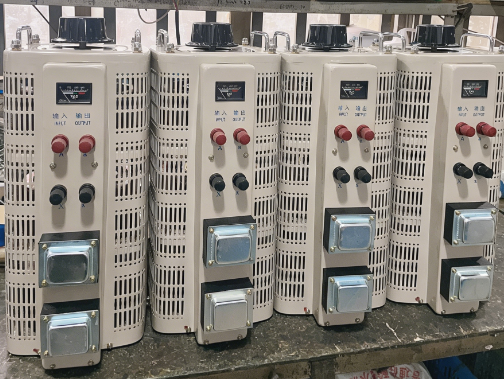
You can also do a simple "diagnostic" test: have someone stand next to the transformer. One by one, turn off the suspected equipment - especially frequency converters, old motors, dimmers, etc. If turning off a certain one reduces the sound immediately, then the "culprit" has been found.
If there are a lot of electronic devices on site and harmonic pollution is severe, installing an active harmonic filter can often reduce the sound significantly, and also reduce the burden on the transformer.
Words from Yibaling Engineering
We have been making transformers for many years at Yibaling. We have seen many customers call us because of sound problems, asking "Is it broken?". In fact, in most cases, the transformer is just breathing normally, with the sound being louder or quieter is normal.
But if the sound "changes in quality" - from "buzzing" to "clicking" or "sizzling", then don't delay, check it out as soon as possible. This transformer is something you should listen to more often. The more you listen to it, the more it can do for you for many years.
Related News
Leave me a message