
Dry-type Transformer: Why Is It Indispensable in Modern Power Distribution?
Electricity is the lifeblood of modern society. Factories need to operate, hospitals need to perform surgeries, and data centers need to update data. All of these rely on a stable power supply.
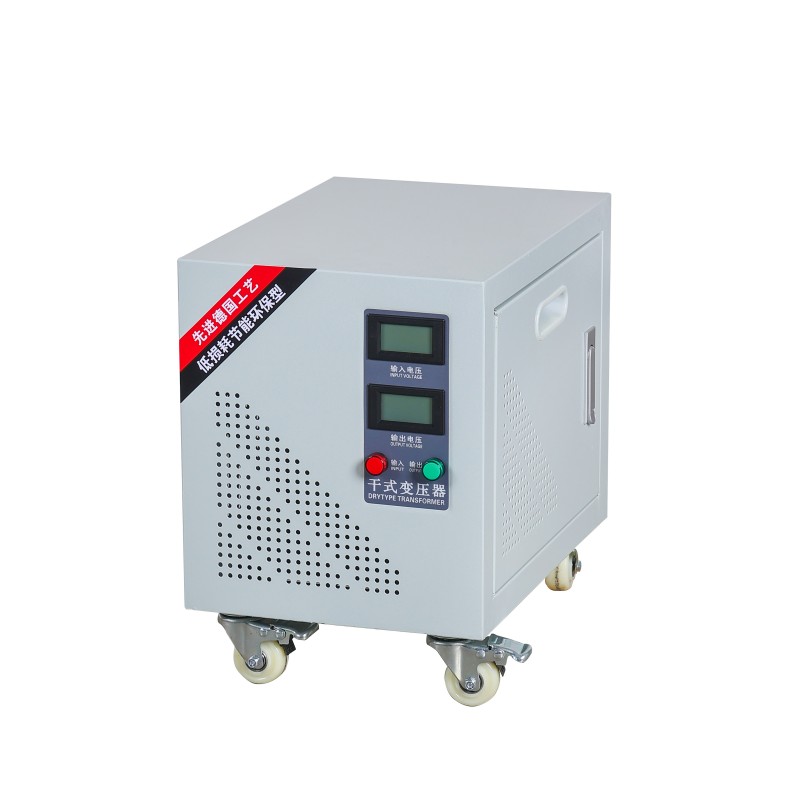
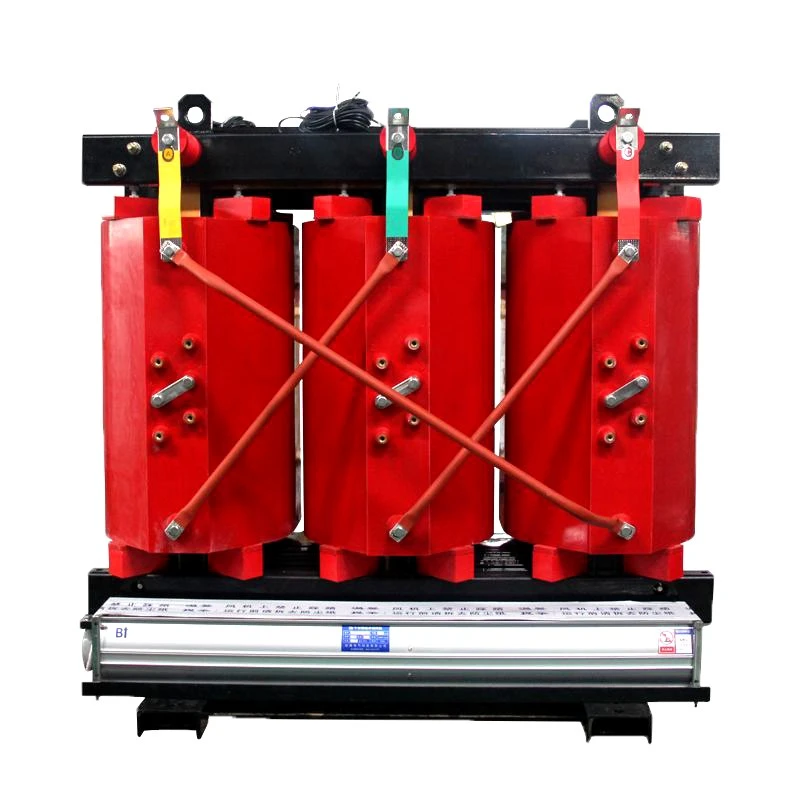
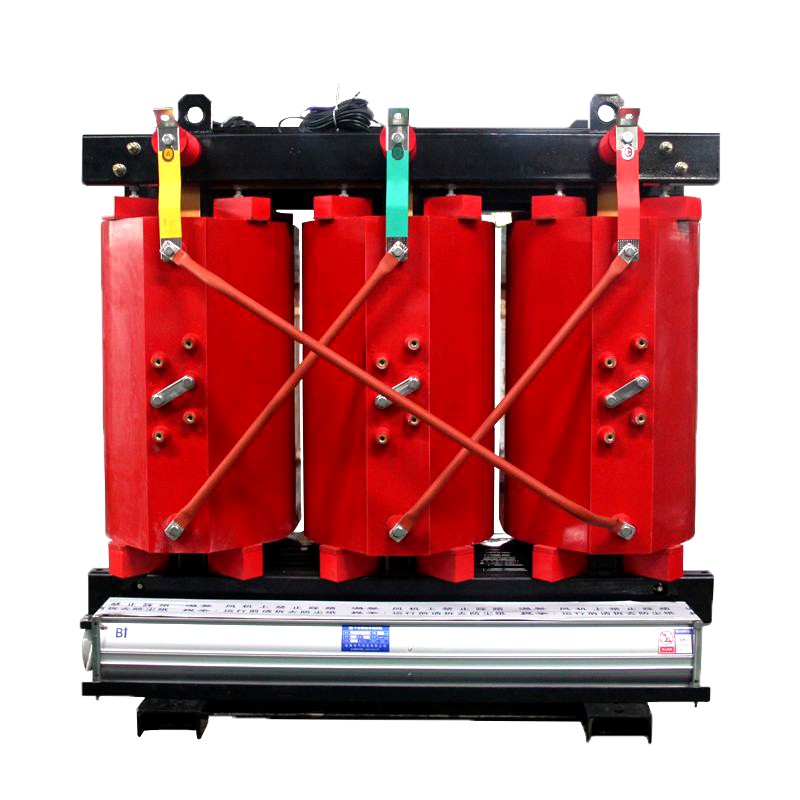
Dry-type transformers are different from the common oil-immersed transformers we are familiar with. In oil-immersed transformers, oil is filled inside to provide insulation and cooling. In dry-type transformers, no oil is used. Instead, the coils are completely poured with epoxy resin, or processed through vacuum pressure impregnation, which is equivalent to giving the coils a tight "armor" protection.
What is a dry-type transformer?
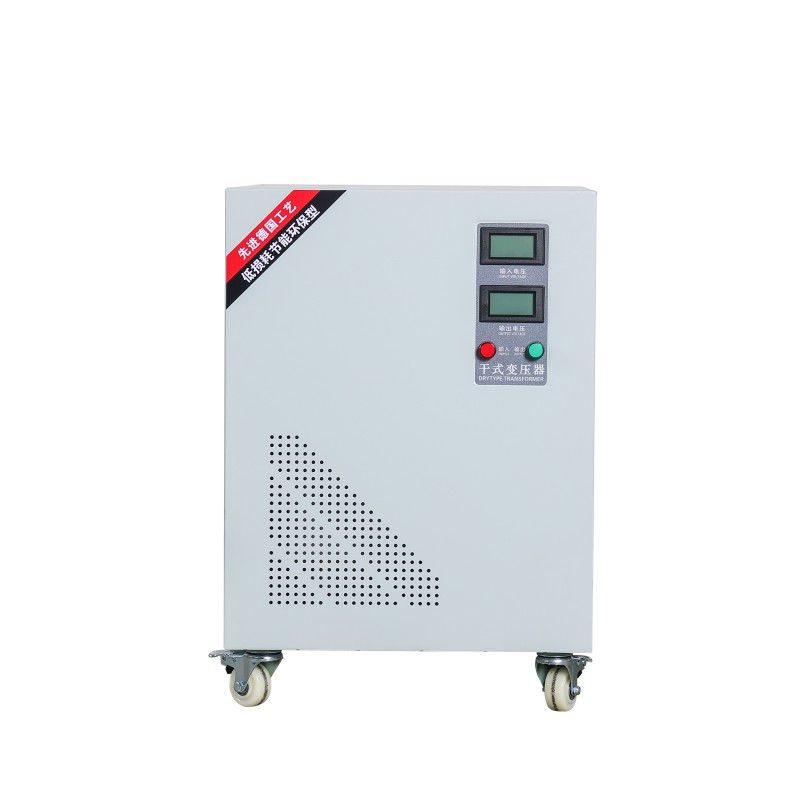
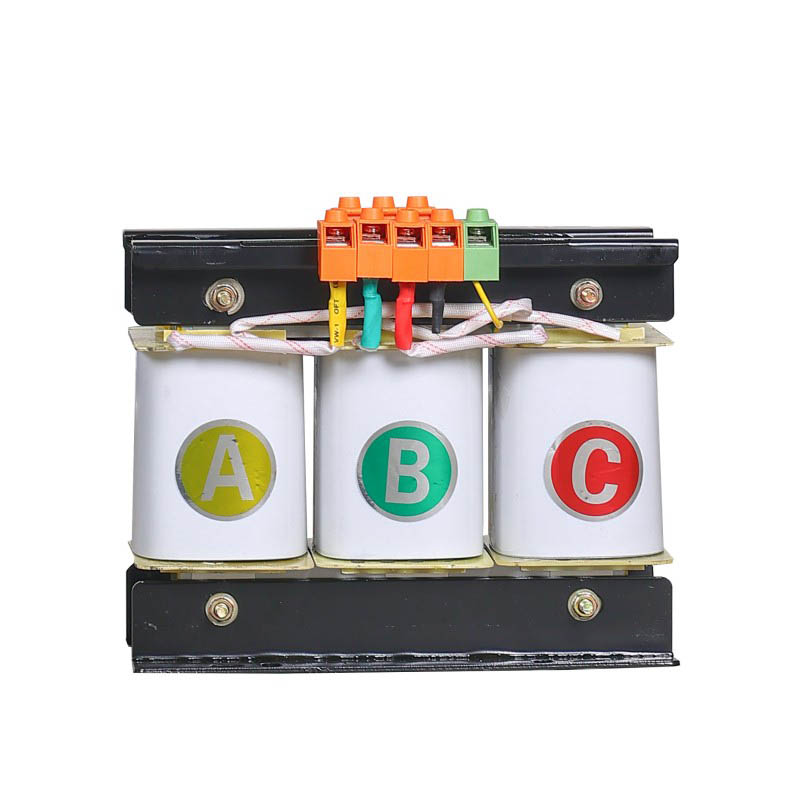
In simple terms, a dry-type transformer is a type of transformer that does not use oil for insulation or cooling. Its coils are made of pure copper wires or copper foils. After winding, they are either cast in a vacuum tank with epoxy resin or treated with vacuum pressure impregnation to ensure that the insulating varnish thoroughly penetrates every gap, eventually solidifying into a completely sealed unit. This results in windings that are moisture-resistant, flame-retardant, and extremely robust.
Where are dry-type transformers mainly applied?
High-rise buildings, subway stations, hospitals, data centers, and large shopping malls - any place with a large flow of people, strict fire protection requirements, or valuable equipment - generally cannot do without dry-type transformers.
The functions of dry-type transformers are numerous, such as:
1.High safety performance
Unlike oil-immersed transformers, dry-type transformers do not contain any flammable mineral oil inside. This fundamentally eliminates the risks of fire, explosion and oil leakage pollution. Their windings are cast with flame-retardant epoxy resin and have self-extinguishing properties. Even in the event of extreme faults, they will not cause fires. This allows dry-type transformers to be safely installed in the load center, directly in the distribution room, floor shafts, or densely populated areas, without the need for complex fire isolation facilities.
2. Cost-saving
Whether a dry-type transformer saves electricity or not actually depends on two aspects: the core and the coil.
For the core, we use high-grade cold-rolled oriented silicon steel sheets, such as the 30ZH120 grade. When stacking them, we adopt the full butt-joint process, with the sole aim of minimizing the electricity consumed by the core itself.
Regarding the coil, we have always adhered to using high-purity oxygen-free copper. The conductivity can reach over 99.95%, and the copper has low resistance, resulting in less heat generation and, consequently, less electricity wasted when carrying a load. Copper has low resistance and generates less heat, resulting in less wasted electricity when carrying a load.
Take the SCB11 with Class I energy efficiency as an example. Its no-load loss is about 30% lower than that of older models. This may seem like a small number, but transformers are devices that operate continuously. Over a year, the saved electricity can range from tens of thousands to hundreds of thousands of yuan, enough to purchase another small machine.
3. Excellent Electrical Insulation and Short-Circuit Resistance
What do transformers fear the most? Short circuits. Once a fault occurs in the system and a huge current surges in, if the windings cannot withstand it, the entire machine is ruined.
How does a dry-type transformer solve this problem? The key lies in the "vacuum pressure impregnation" process. After the windings are wound, they are placed in a vacuum tank, the air is removed, and the insulating varnish is forced into every gap of the windings, then solidified. The resulting windings form a completely sealed and bubble-free unit, like a solid block. In this way, no matter how strong the electrical force is during a short circuit, the windings remain motionless, without deformation or displacement. This is what is truly "resistant".
4. Strong Environmental Adaptability and Maintenance-free Operation
Since there is no insulating oil, dry-type transformers do not have to worry about oil level drop, oil quality deterioration, or oil leakage. Their fully enclosed epoxy resin insulation layer can effectively resist moisture, salt spray, dust, and chemical pollution, maintaining excellent insulation performance even in harsh environments. Under normal operating conditions, dry-type transformers only need regular surface dust cleaning and do not require complex oil maintenance, significantly reducing maintenance costs and workload.
Why is the dry-type transformer an inevitable choice for modern power distribution?
1. Meeting Strict Fire Safety Regulations
With the acceleration of urbanization, the fire safety requirements for electrical equipment in densely populated places such as high-rise buildings, subways, and hospitals are becoming increasingly strict. National fire safety regulations mandate that transformers installed within the main structure of buildings must be of dry-type or gas-insulated types. The oil-free, flame-retardant, and self-extinguishing characteristics of dry-type transformers make them the only compliant choice.
2. Aligning with Green Environmental Protection Concepts
Dry-type transformers have no risk of oil leakage and do not pollute soil or groundwater. Their high efficiency and energy-saving features also directly contribute to carbon reduction goals. According to statistics, replacing old products with high-efficiency dry-type transformers can reduce carbon dioxide emissions by tens of tons per unit annually.
3. Ensuring the Continuity of Power Supply for Critical Loads
In places like data centers, hospital operating rooms, and semiconductor production lines, power cannot be interrupted. Even a brief flicker can cause server crashes, surgical equipment malfunctions, or the total loss of an entire batch of wafers. Any of these scenarios can result in significant losses. Dry-type transformers, with their high reliability, low failure rate, and maintenance-free advantages, are the preferred power supply equipment for these critical loads.
Daily Maintenance and Condition Monitoring of Dry-Type Transformers
Although dry-type transformers are known as "maintenance-free," regular condition checks remain an important means to extend their service life and prevent sudden failures.
1. Insulation Resistance Testing
Use a 2500V or 5000V megohmmeter to regularly measure the insulation resistance values of the windings to ground and high voltage to low voltage. Normal values should not be less than 100MΩ (depending on the voltage level). If the insulation resistance is found to be continuously decreasing, it may indicate that the windings are damp or the insulation is aging, and drying treatment or further diagnosis should be carried out.
2. Appearance and cleanliness inspection
Every six months or once a year, during a power outage, open the protective casing of the dry-type transformer and use dry compressed air to blow away the accumulated dust in the iron core, coils, insulators, and air ducts. Also, check if the screws are loose, if there are any cracks or discharge marks on the insulation surface, and if the cooling fan operates smoothly. These tasks are not complicated, but whether to do them or not makes a big difference.
3. Partial discharge testing (optional)
If the dry-type transformer has been in use for some time, or if it is a critical power supply point, it is advisable to hire a professional institution to conduct a partial discharge test. Partial discharge is an early sign of insulation aging. Early detection and timely handling can prevent sudden breakdown and damage to the equipment, avoiding major troubles.
To ensure the long-term use of dry-type transformers, the key lies in regular maintenance?
1. Choosing the Wrong Protection Class
Select the appropriate protection class (IP code) based on the installation environment. For ordinary indoor distribution rooms, IP20 is sufficient; but if the site is dusty or in a harsh environment, IP23 or higher protection class enclosures should be selected. Additionally, it is necessary to install dust filters and dehumidifiers for dry-type transformers to prevent dust and moisture from entering, which can significantly reduce the transformer's lifespan.
2. Ventilation and Heat Dissipation Must Be Kept in Check
The cooling of dry-type transformers relies entirely on air circulation. During installation, sufficient gaps should be left around the transformer, generally no less than half a meter. The ventilation openings must not be blocked by any objects. If the capacity of the dry-type transformer is large or it is installed in a confined space, a temperature-controlled forced air cooling system must be equipped. The start and stop temperatures of the fan should be set according to the actual load of the dry-type transformer. Do not allow the dry-type transformer to run when it shouldn't, or to run at an incorrect speed.
3. Establishing Equipment Health Records
Establish an independent operation and maintenance record for each dry-type transformer, recording the commissioning date, inspection data from previous inspections, insulation resistance values, temperature records, and abnormal events. These data are important bases for condition assessment and predictive maintenance.
Conclusion
Dry-type transformers, with their outstanding advantages of being safe and fire-resistant, highly energy-efficient, environmentally friendly, and easy to maintain, have become indispensable core equipment in modern power distribution systems. They are not only "converters" for power transmission but also "protectors" ensuring electrical safety and enhancing energy efficiency.
Related News
- What ZSG Three-Phase Dry-Type Rectifier Transformer work?
- Which one is good S13 Oil-Immersed Distribution Transformer?
- How to choose JBK5 Machine Tool Control Transformer?
- How BK Machine Tool Transformer 220V works?
- Which one is good SBK Three-Phase Dry-Type Transformer?
- How to choose SBW Intelligent Servo Voltage Stabilizer?
Leave me a message