When a set of automated equipment is to be installed in an American factory, or an American laboratory instrument is to operate normally in China, the first "obstacle" is often not the technical parameters, but the mismatch of voltage.
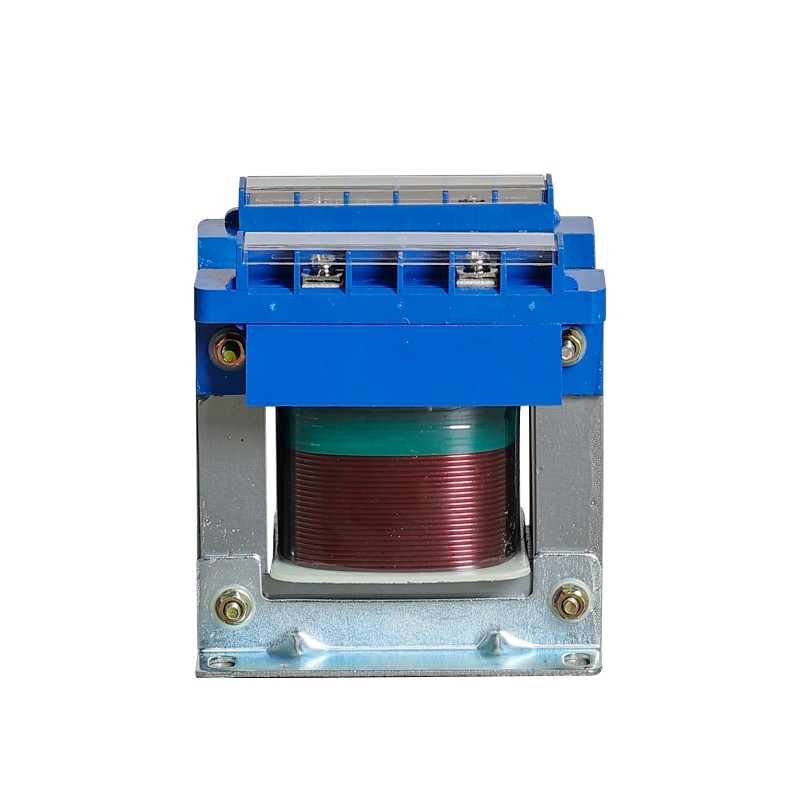
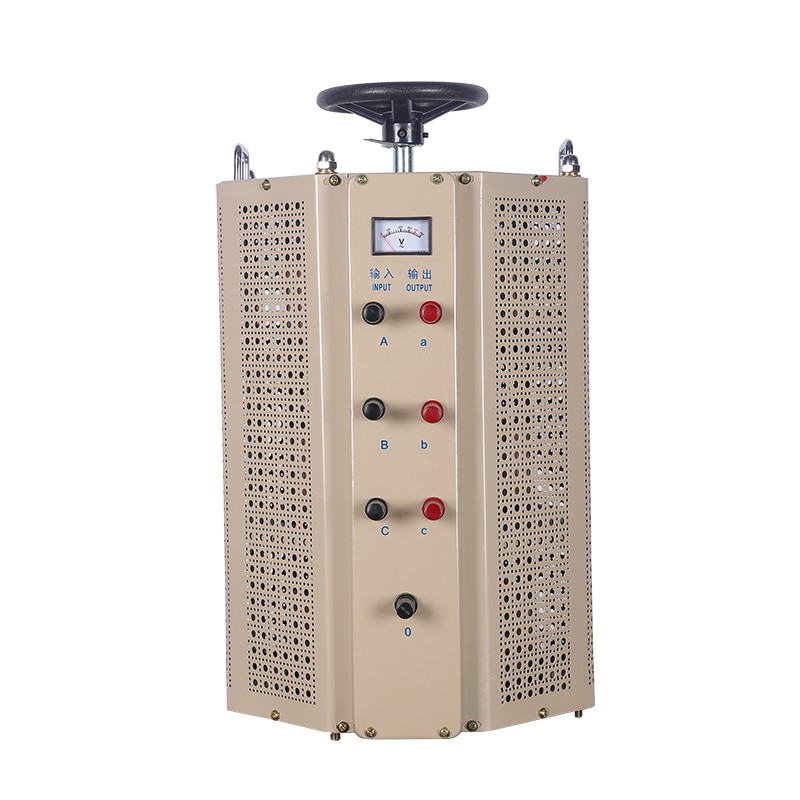
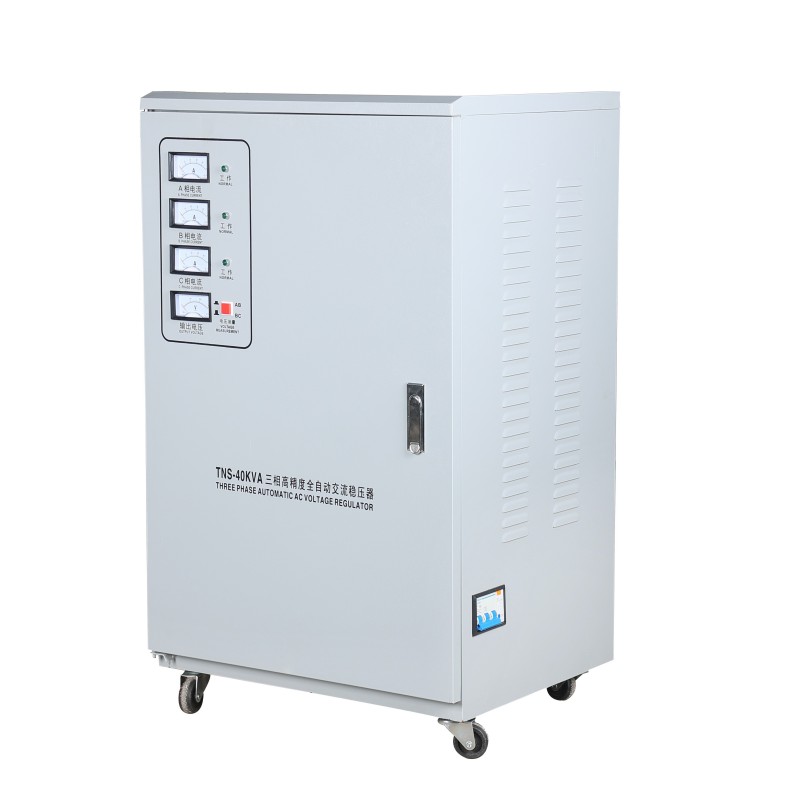
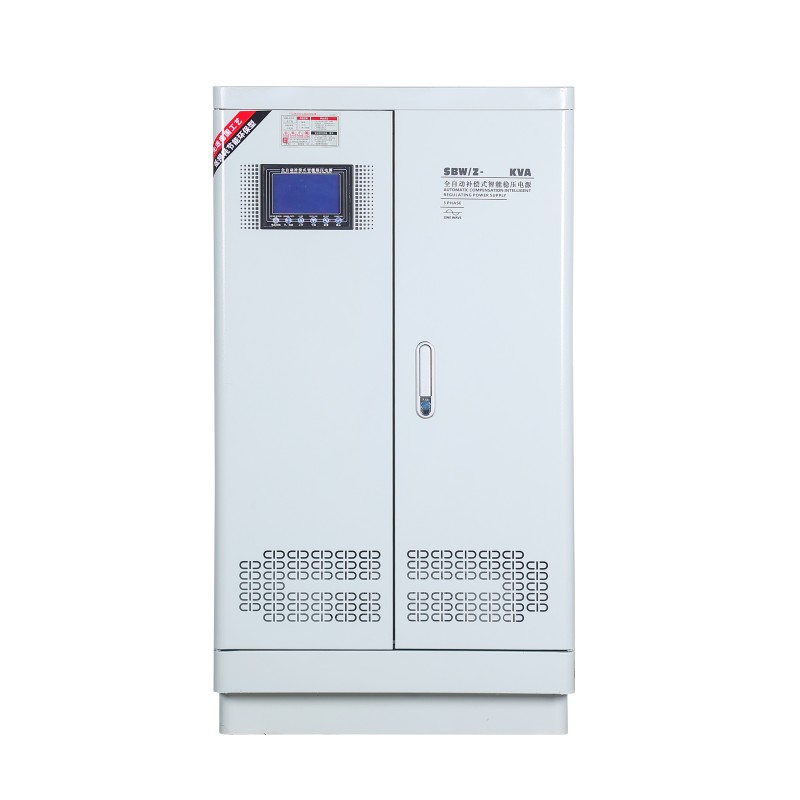
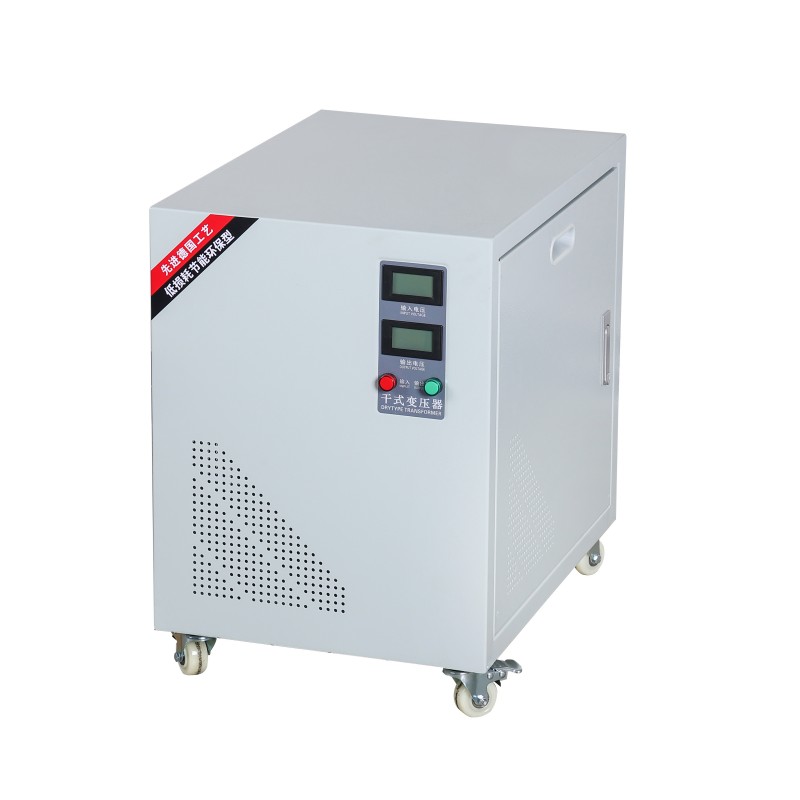
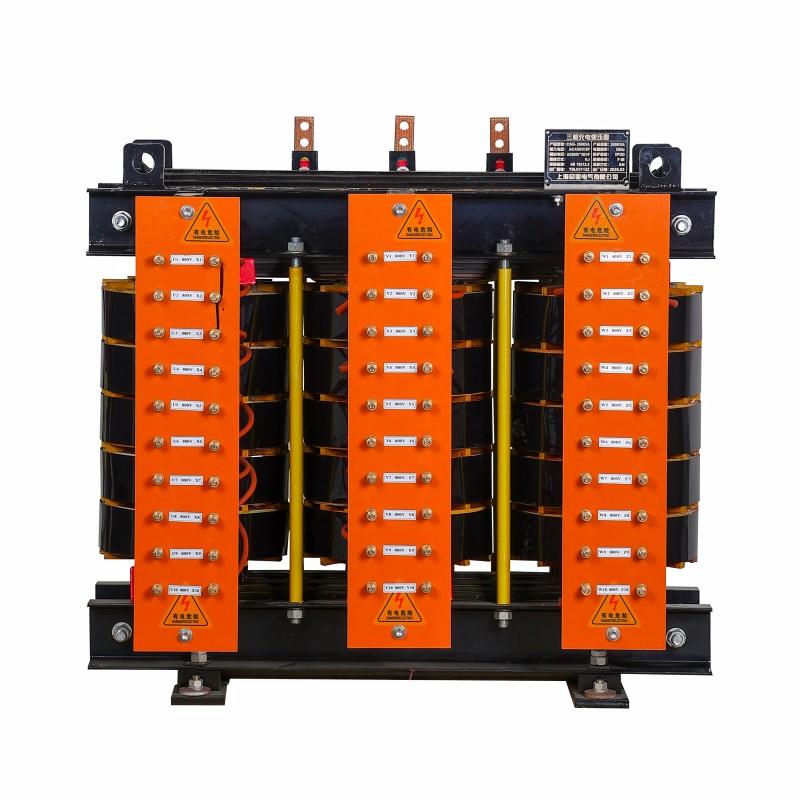
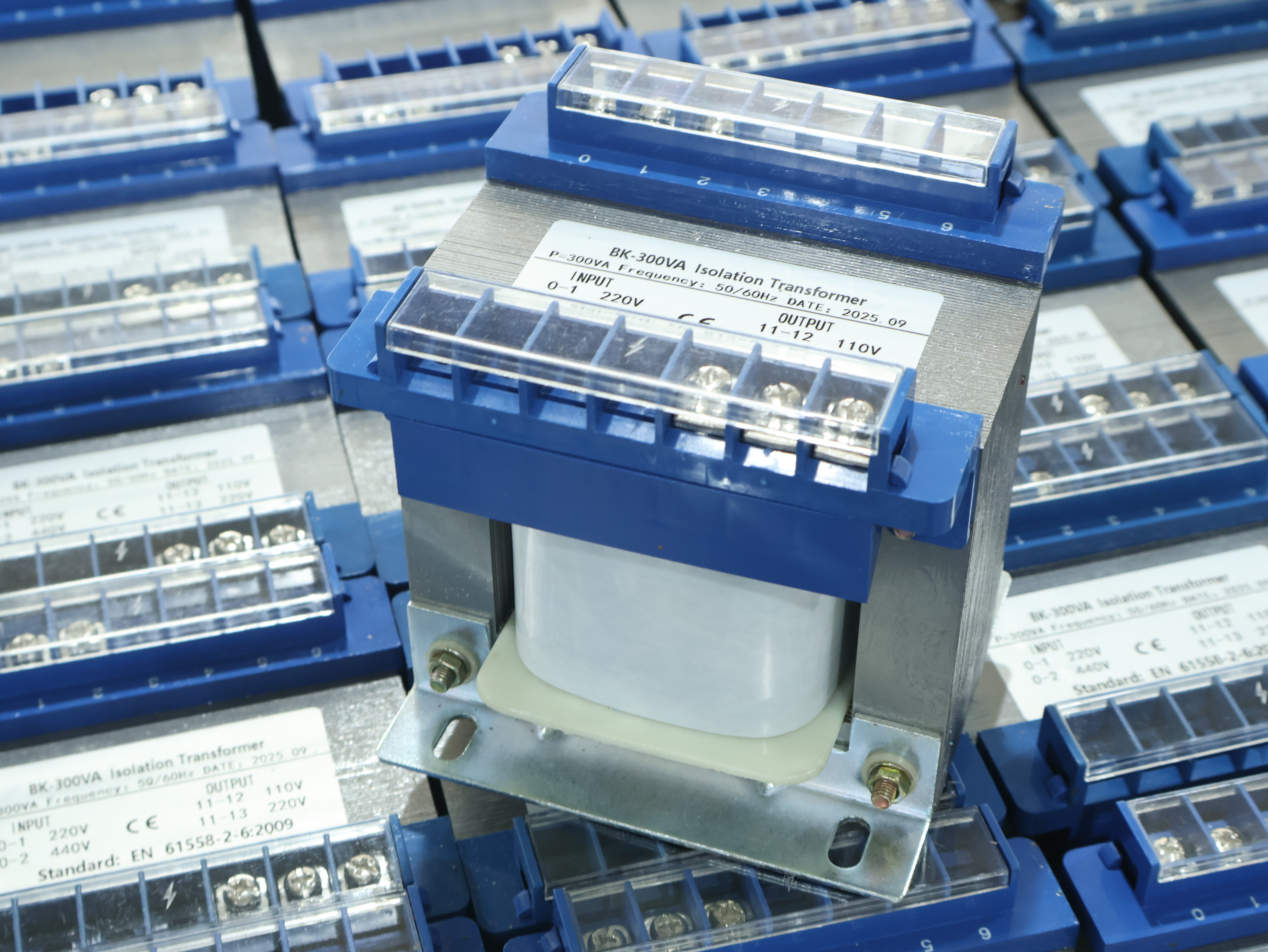
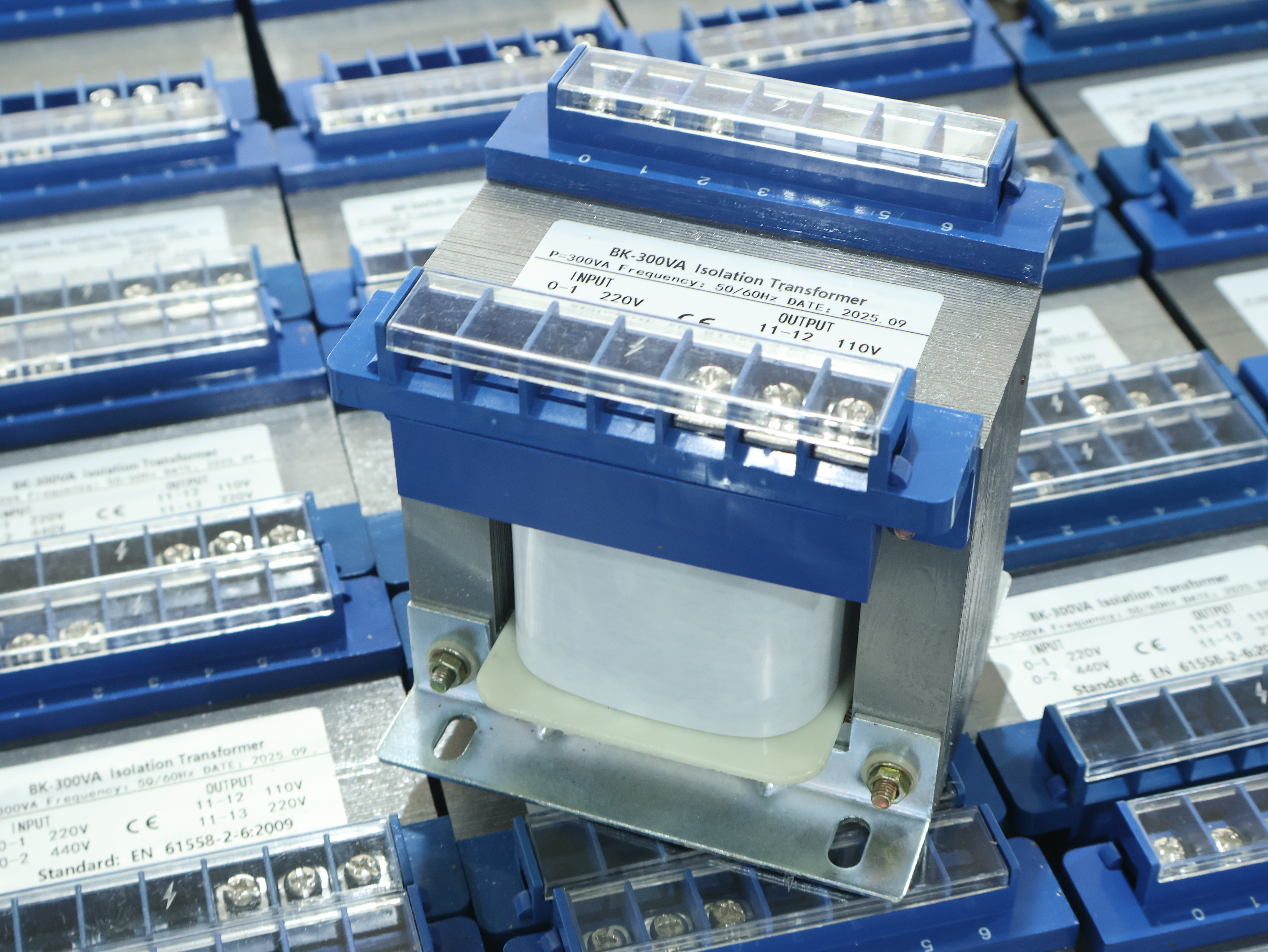
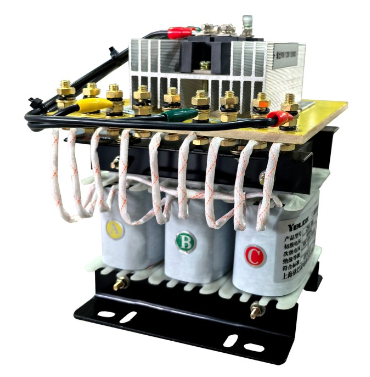
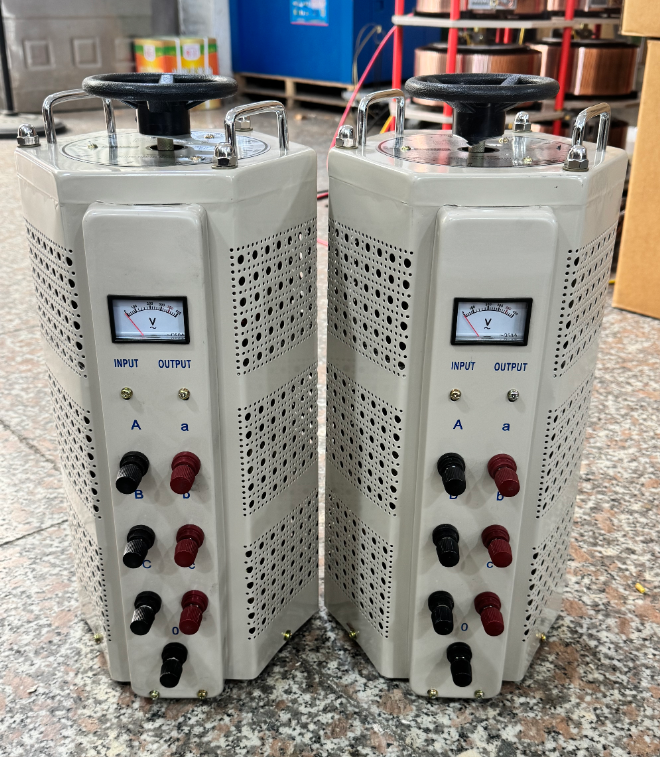
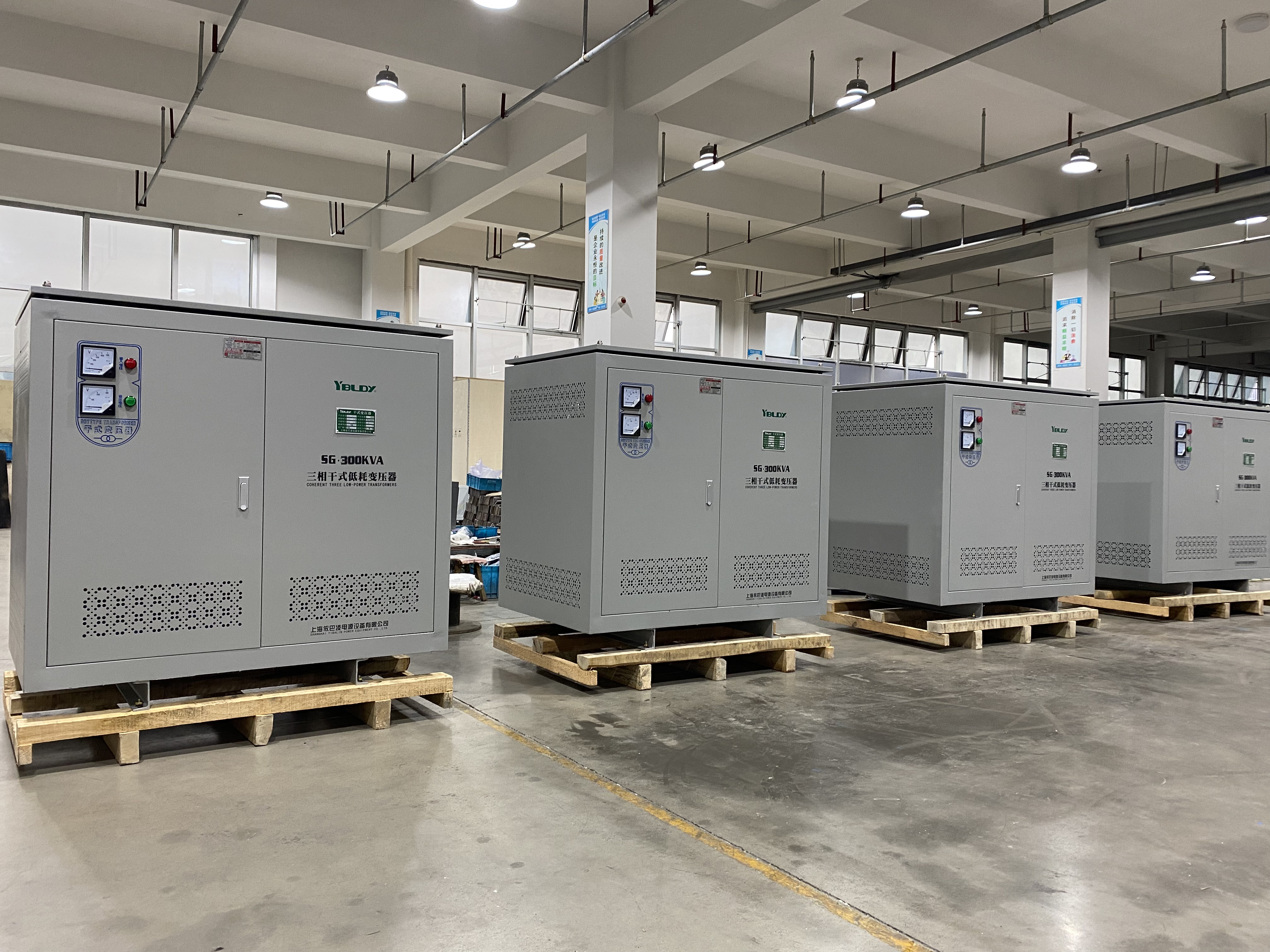
Recently, Zhejiang Yibaling Power Supply Equipment Co., Ltd.completed the design and delivery of a customized dual-phase (phase-separated) transformer based on the actual grid conditions of an export equipment enterprise in the United States. This is not a "standard product", but a specialized solution specifically developed for the typical 120V/240V phase-separated power supply system in the United States.
Background: The American power grid is different from that in China
The power supply commonly used in domestic factories is three-phase 380V or single-phase 220V. While residential and commercial electricity in the United States generally adopts single-phase three-wire system (Split-phase):
Between L1 (hot wire) and L2 (hot wire): 240V - usually connected to high-power equipment (air conditioners, dryers, compressors)
Between L1 and N (neutral wire): 120V - connected to ordinary lighting, sockets, control circuits
When the customer's equipment is to be installed at the American site, two problems were discovered:
There is no ready-made 240V/120V dual-voltage output transformer in China
Ordinary transformers can change voltage, but they cannot provide both voltages simultaneously. Extra conversion lines need to be configured at the site
We did not "compromise" with ready-made products, but based on the American site grid parameters provided by the customer, we customized from scratch:
1. The output end replicates the American standard phase-separated architecture
The secondary winding of the transformer adopts a center tap structure, providing one output of 240V (for power equipment) and one output of 120V (for control circuits and lighting). This one machine handles both voltages, eliminating the need for additional conversion devices at the site.
2. Adapt to the fluctuations of the American power grid
Some old industrial areas in the United States have large voltage fluctuations. We expanded the voltage adjustment range in the design and left sufficient margin for temperature rise to ensure that the equipment does not overheat or trip during long-term continuous operation.
3. Safety and anti-interference
In response to the electrical safety requirements of the American site, an electrostatic shielding layer was added between the primary and secondary windings of the transformer, effectively filtering out high-frequency interference from the power grid and reducing the risk of leakage. The insulation grade was designed as F class (155°C), suitable for the high-temperature environment in the southern United States.
Where are these transformers used?
This batch of customized dual-phase transformers is mainly used to the following equipment for the customer's export to the United States:
Automation production line control cabinet
NC machining center auxiliary power supply
Medical testing instrument power supply system
Laboratory testing equipment
Customer feedback: After installation, the voltage output is stable, the equipment operates normally, and the "difficulty problem of voltage mismatch and troublesome on-site wiring" has been solved.
Yibaling: Not only making standard products, but helping customers solve "specific problems"
The technical director of Yibaling said:
"Many customers come to us with American equipment or export orders from the United States. The most troublesome thing is not the power size, but the mismatch of the voltage system. This time, we are not making a 'general product', but customizing one by one based on the American site grid parameters provided by the customer. We do whatever voltage the customer requires."
Currently, Yibaling can customize the following types of transformers based on the target country's power grid standards, on-site measured voltage, and equipment load type:
American standard phase-separated transformers (120V / 240V)
Japanese standard single-phase transformers (100V / 200V)
Other non-standard voltages, frequencies, and isolation requirements
We use cookies to offer you a better browsing experience, analyze site traffic and personalize content. By using this site, you agree to our use of cookies. Privacy Policy