
Durable Automatic Voltage Regulator (AVR) Factory
Contact Yibaling immediately to request a quote for an Automatic Voltage Regulator! We offer a wide range of transformer products and comprehensive AVR system solutions. As a direct manufacturer, we provide OEM/ODM services, maintain ready stock for immediate delivery, and back our products with a 10-year warranty.
Company Profile
Zhejiang Yibaling Power Equipment Co., Ltd. is a professional manufacturer of voltage regulators. It can produce automatic voltage regulators.
Our products comply with the national compulsory product certification (CCC), the EU CE safety certification, and the ISO9001 quality management system certification standards.
In addition, we have over 3 years of experience in manufacturing transformers and voltage regulators for export. Yibaling transformers enjoy a warranty period of at least 2 years. ODM and OEM services are also available.
Why Choose Us?
1. High Quality
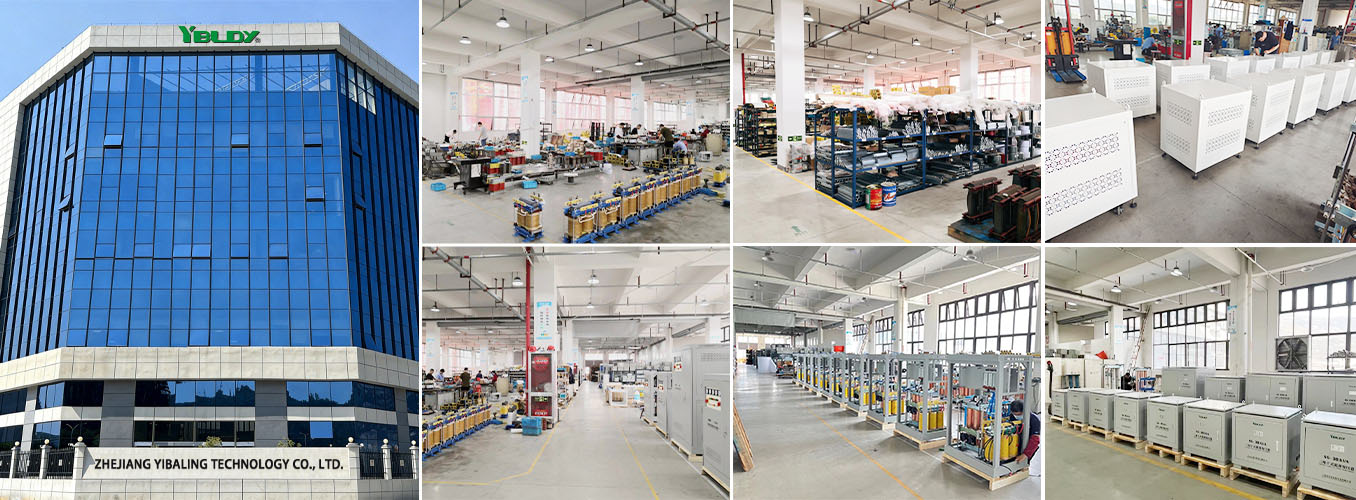
Our Yibaling factory is renowned for its diverse product lines and strict quality control throughout the entire process (from the selection of raw materials to the meticulous production procedures and to the delivery of high-quality products).2. Professional Team
Our company also has a professional team consisting of over 10 engineers and technical personnel, as well as a basic force of over 60 employees, which can cover every aspect from design to production and delivery. We are committed to providing customized services that fully meet your unique requirements for our clients.3. Support Customization
We fully understand that standard products may sometimes not fully meet the unique requirements of your project. We are more than willing to offer you a precise solution through customized methods.What is a voltage stabilizer?
A voltage stabilizer is an electrical device that enables various circuits or electrical equipment to operate normally within the rated working voltage, while also ensuring that the output voltage remains constant.
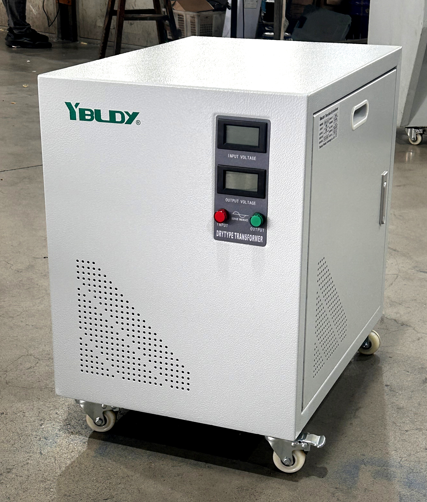
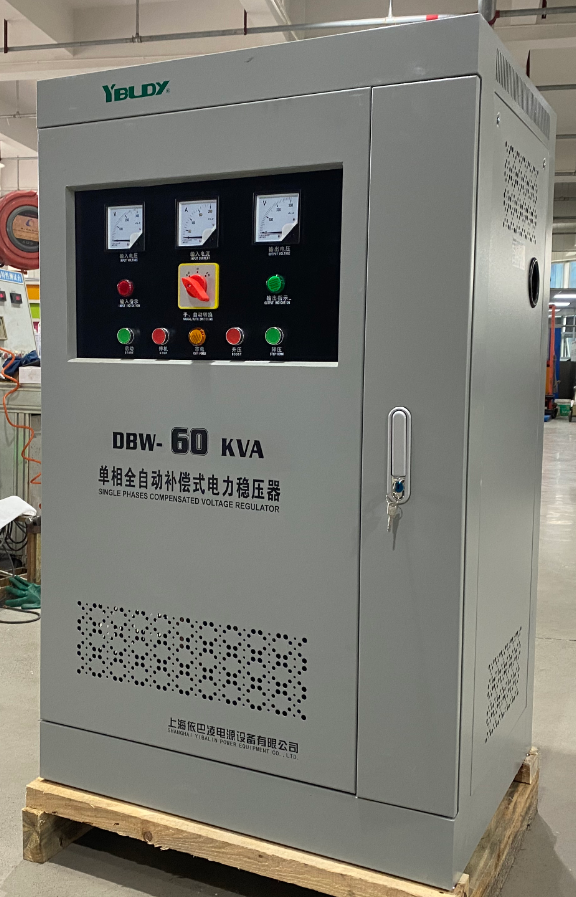
The Automatic Voltage Regulators produced by Zhejiang Yibaling Power Supply Equipment Co., Ltd. are beautifully designed and easy to install. They also provide comprehensive industrial-level protection.
They ensure the continuous stability of electrical equipment in various usage environments and protect the safety of the circuit environment. Voltage stabilizers are currently widely used in various electronic devices, household appliances and other fields, and have a wide range of applications.
How does a voltage stabilizer work?
In simple terms, a voltage stabilizer is an "intelligent regulating system" that automatically maintains stable voltage. Its core principle can be summarized as "monitoring feedback and real-time correction".
Its working process is a continuous closed loop: First, it continuously monitors the output voltage and compares it with the preset stable value (such as 220V); once it detects that the voltage deviates (either too high or too low) due to fluctuations in the power grid, it immediately activates the internal regulating mechanism - either by switching through relays, or by driving the carbon brush by a servo motor for smooth movement, or by using semiconductor high-speed "chopping" - to automatically adjust the circuit parameters and precisely bring the output voltage back and stabilize it at the set value. The entire process does not require manual intervention and responds quickly.
Essentially, it is different from a transformer that merely changes the voltage level: The voltage stabilizer specifically addresses unstable input voltages and corrects them to a constant output, just like an intelligent constant-pressure faucet. No matter how the water pressure fluctuates, it can always maintain a stable water flow, thereby providing safe and reliable electrical power protection for precision electrical appliances.
Classification of Voltage Regulators
| Category | Core Principle | Typical Model Prefix | Primary Features | Applicable Scenarios |
| Mechanical/Carbon Brush Voltage Regulating Type | By using a servo motor to drive the carbon brush to slide on the autotransformer winding, continuous voltage adjustment is achieved. | TND (Single Phase), SBW (Three Phase) |
Advantages: Mature technology, high cost-effectiveness, strong overload capacity, repairable. Points to Note: Mechanical wear (carbon brushes need to be replaced regularly), slow response speed (seconds). |
Most general industrial and commercial scenarios (such as machine tools, elevators, air conditioners). |
| Contactless/Electronic Compensation Type | By using power electronic switches such as thyristors (SCR) to quickly switch the transformer taps to achieve compensation. | SJW, DBW (Compensatory) |
Advantages: Extremely fast response (milliseconds), no wear and maintenance, long lifespan, precise numerical control. Points to Note: High cost, relatively weak ability to withstand instantaneous overload. |
For voltage-sensitive equipment requiring rapid response (such as data centers, medical imaging, semiconductor production lines). |
| Parameter/Ferromagnetic Resonance Type | Utilizing the principle of magnetic saturation for voltage stabilization, with a simple structure and no moving parts. | CWY (Ferromagnetic Saturation Type) |
Advantages: High reliability, strong anti-interference ability, good overload performance. Points to Note: Large weight and volume, low efficiency, waveform distortion. |
Early precision instruments, specific military or laboratory scenarios. Now gradually replaced by the first two types. |
- View as
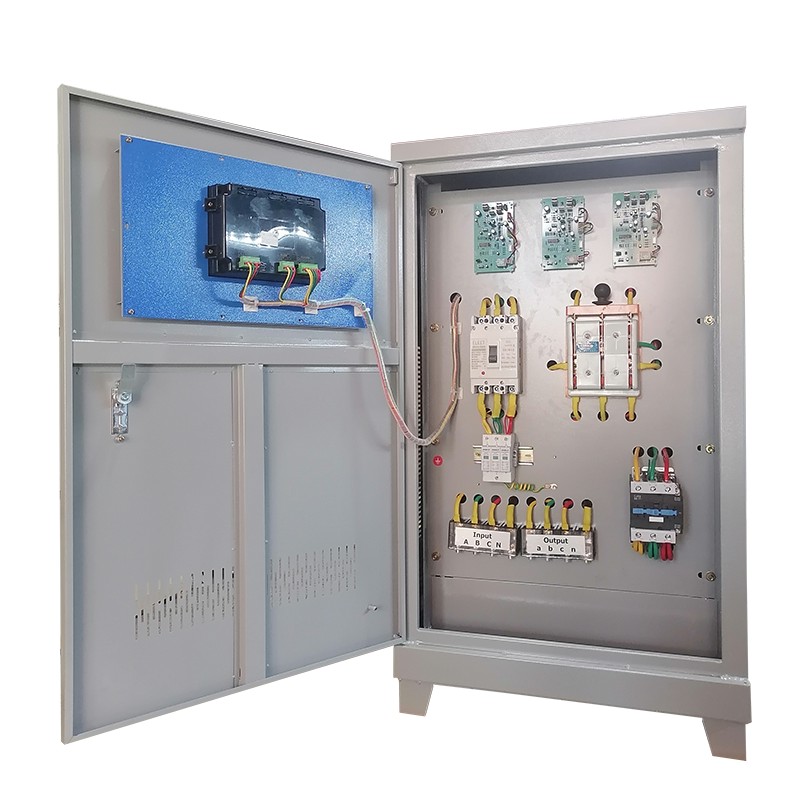
SJW Three phase Compensated AC Voltage Stabilizer
Zhejiang Yibaling Power Supply Equipment Co., Ltd. has developed the SJW Three phase Compensated AC Voltage Stabilizer for complex industrial environments. Featuring independent phase-by-phase compensation technology, it delivers millisecond-level response and true maintenance-free operation — ideal for applications where power quality cannot be compromised.
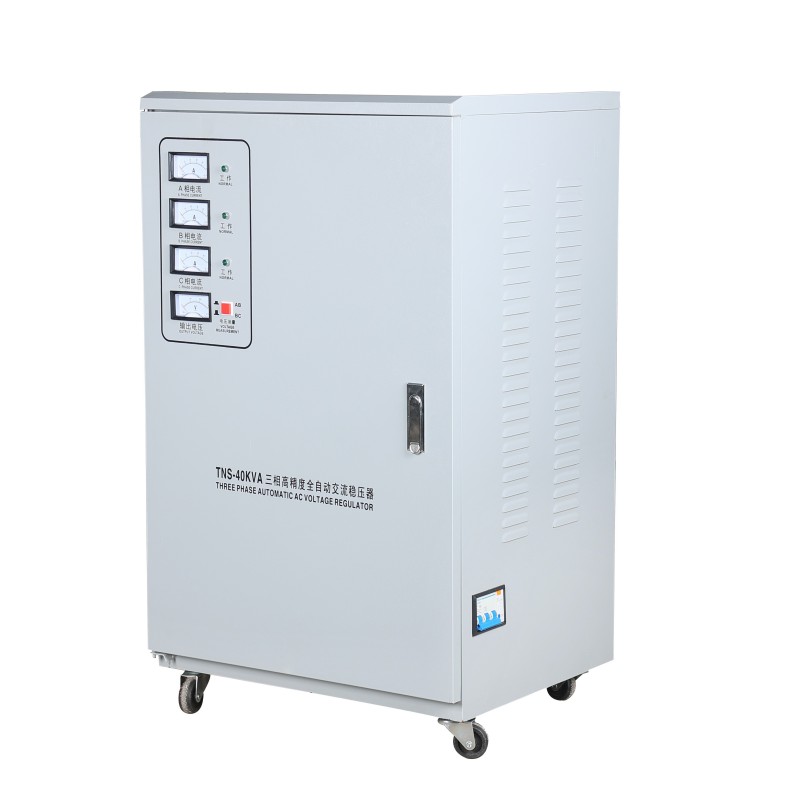
TNS Three Phase Voltage Stabilizer
Liu Shi Town, as the electrical capital of China, has provided us, Zhejiang Yibaling Power Supply Equipment Co., Ltd., with numerous conveniences for our development. The complete supply chain enables us to produce high-quality TNS three phase voltage Stabilizers. As a manufacturer, we can also offer the best prices of to our customers. We look forward to becoming your partner.
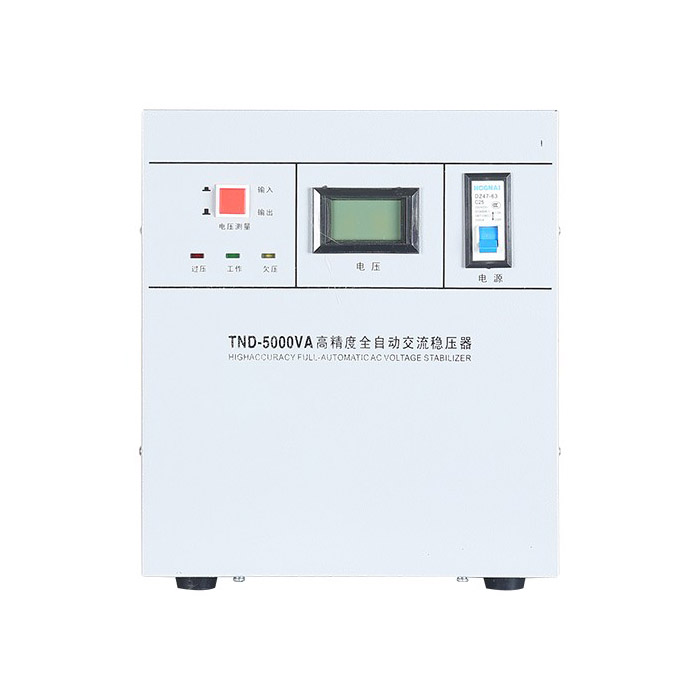
TND Fully Automatic AC Voltage Stabilizer
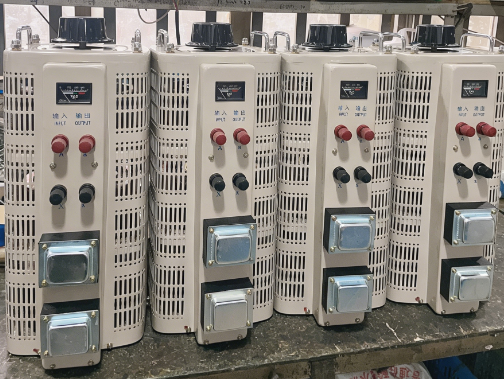
The TND fully automatic AC voltage stabilizer is the flagship product of our Yibaling factory in Zhejiang. Due to its high quality and excellent after-sales service, this product has gained the favor of many customers and they keep purchasing it. We also welcome your order. Meanwhile, the voltage stabilizer also offers customization services.
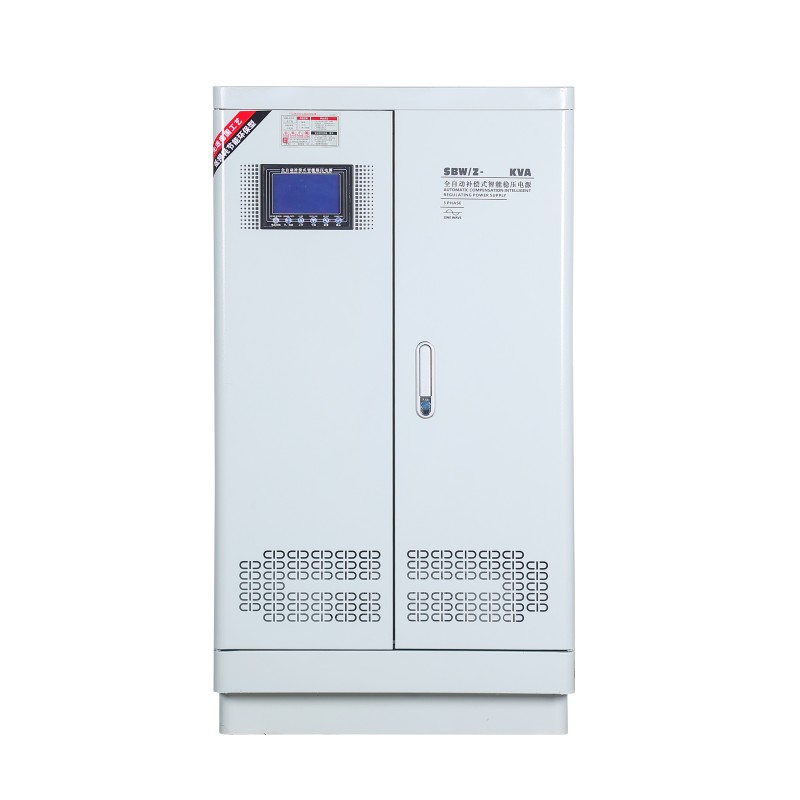
SBW Intelligent Servo Voltage Stabilizer
The SBW intelligent servo voltage stabilizer is a new type of servo voltage stabilizer launched by our Zhejiang Yibaling Power Equipment Co., Ltd. Compared with traditional servo voltage stabilizers, it has a more intuitive interface and is equipped with a display screen, allowing customers to directly observe the fluctuations of input and output voltages. Yibaling, as a reliable manufacturer and supplier, uses high-quality core raw materials to produce our product, ensuring its quality. We welcome orders from all customers.
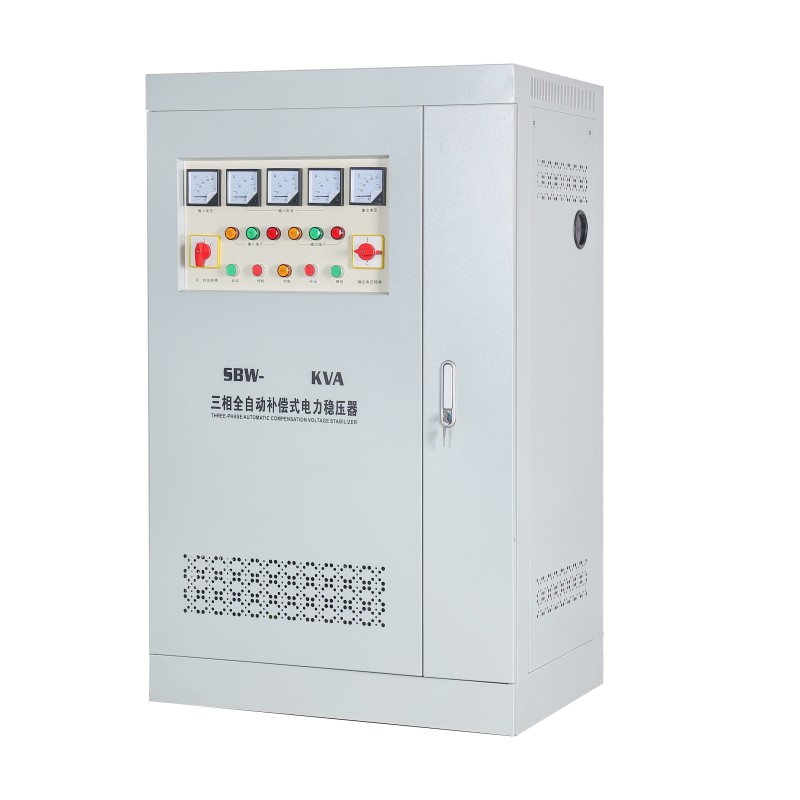
SBW Intelligent Compensation Voltage Stabilizer
The SBW intelligent compensation voltage stabilizer is a three-phase intelligent compensation type voltage stabilizer. It was developed and designed by Yibaling Factory based on the single-phase intelligent compensation type voltage stabilizer. Compared with the single-phase voltage stabilizer, it can withstand a higher input voltage. The excellent quality has enabled our product to be exported to multiple countries in Europe and beyond. Similarly, we also look forward to becoming your long-term partner in China.
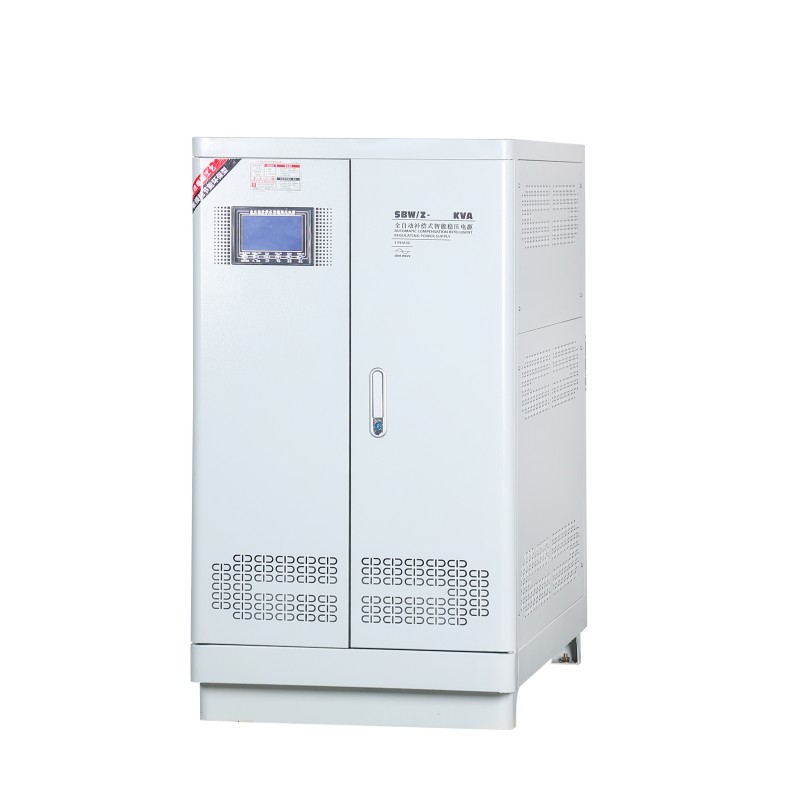
SBW Servo Voltage Stabilizer
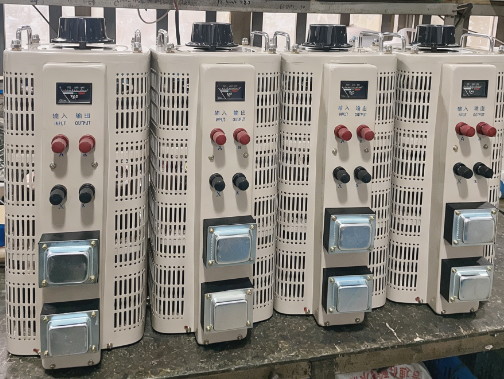
The SBW Servo Voltage Stabilizer is a classic servo regulator produced by Yibaling Factory. It has consistently received high praise from customers for its high quality. The extremely high cost-effectiveness of the source factory has also enabled the product to gain many customers from different countries. If you need it, please feel free to contact Yibaling Factory for purchase.
As a reliable Automatic Voltage Regulator manufacturer and supplier in China, we have our factory. If you want to buy quality and durable products, please contact us.