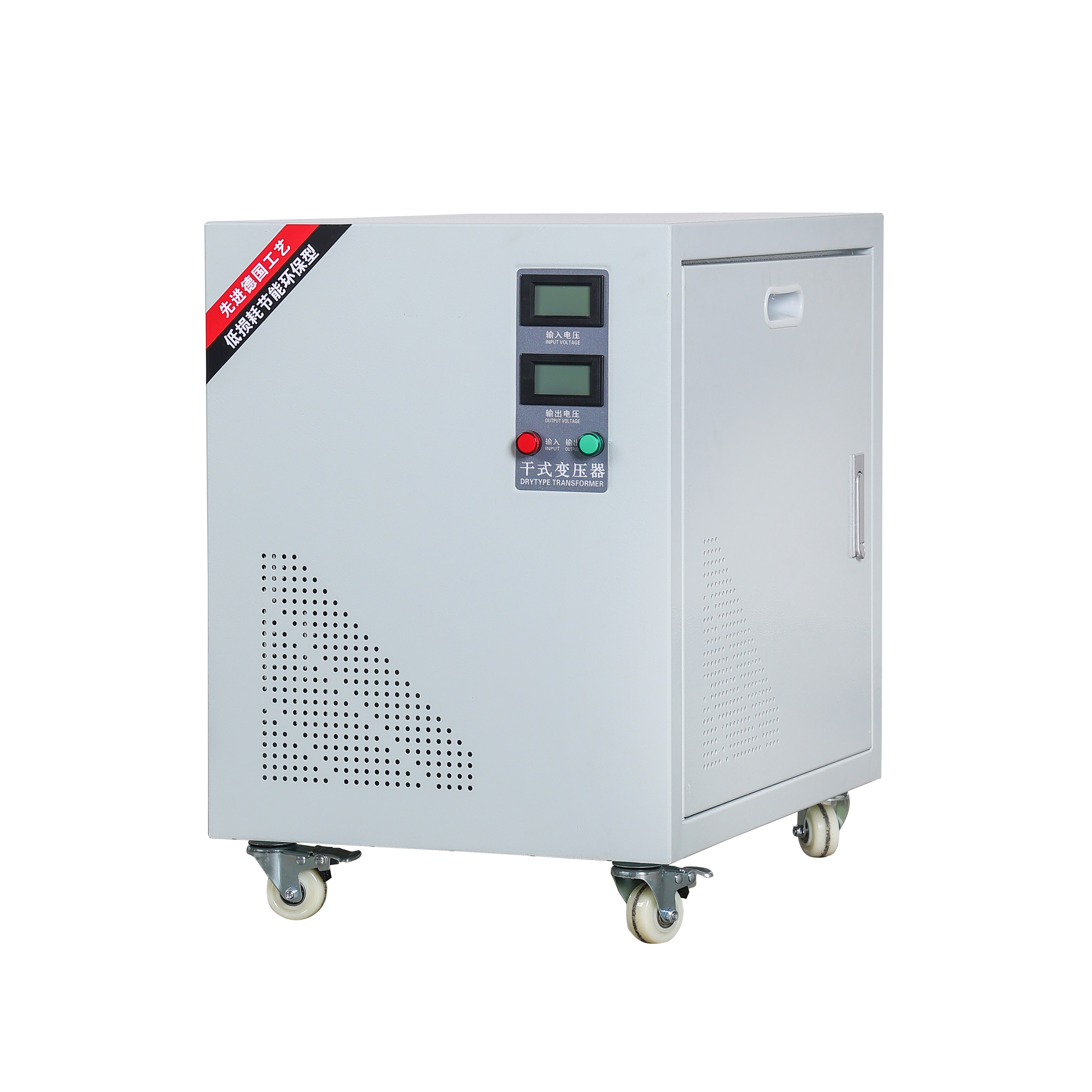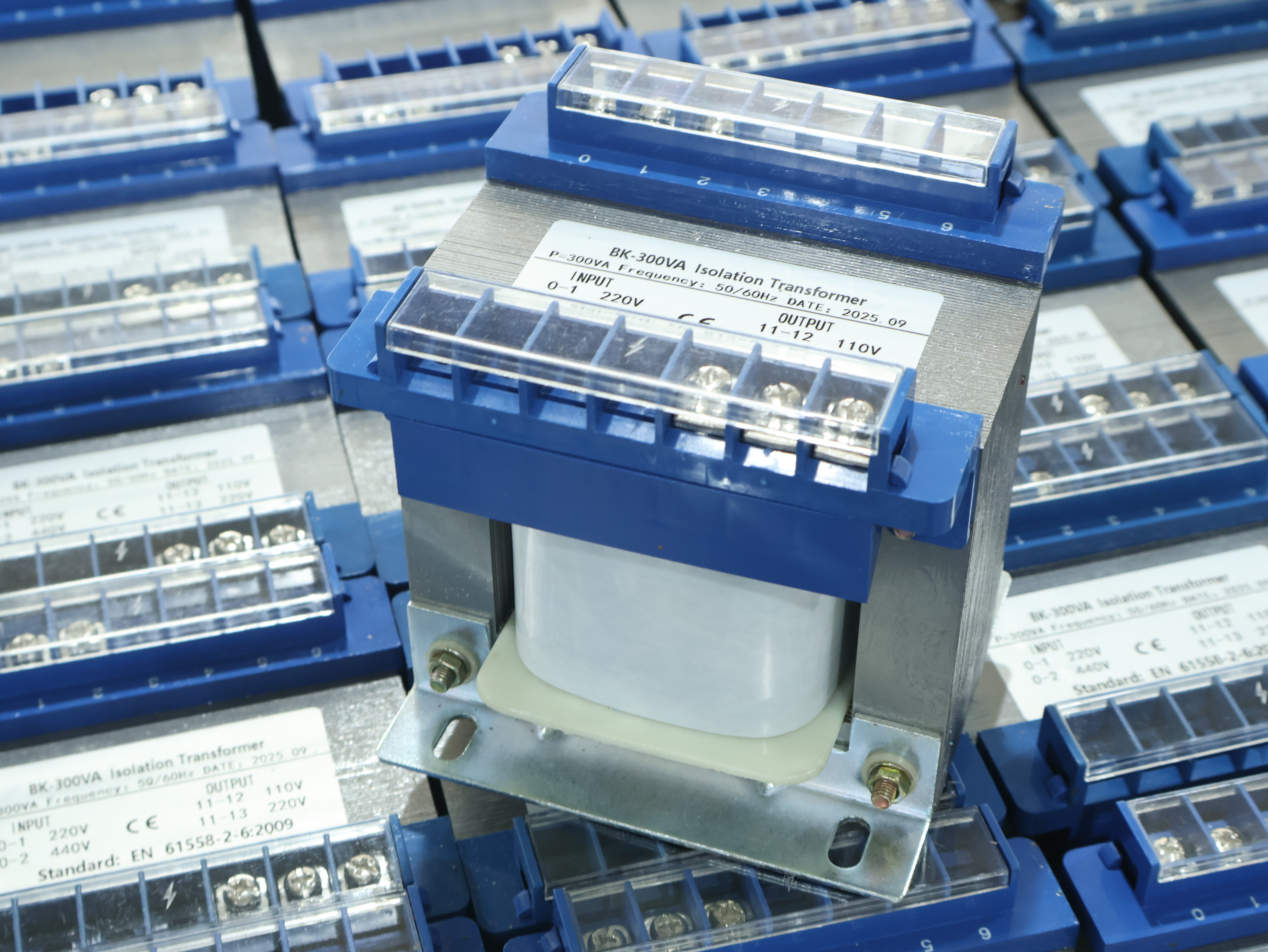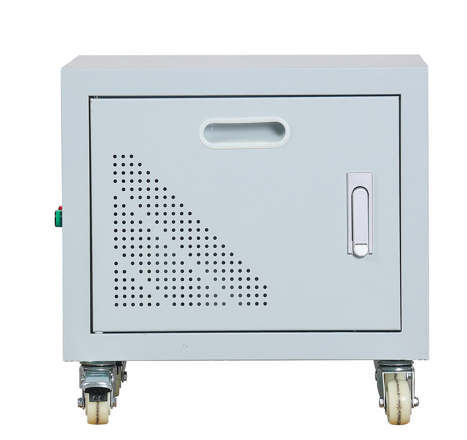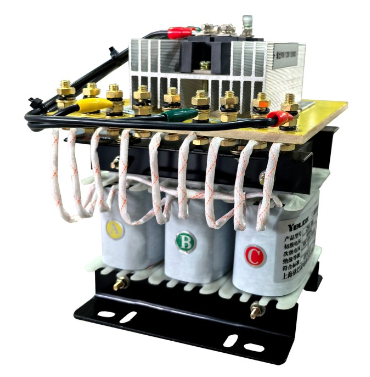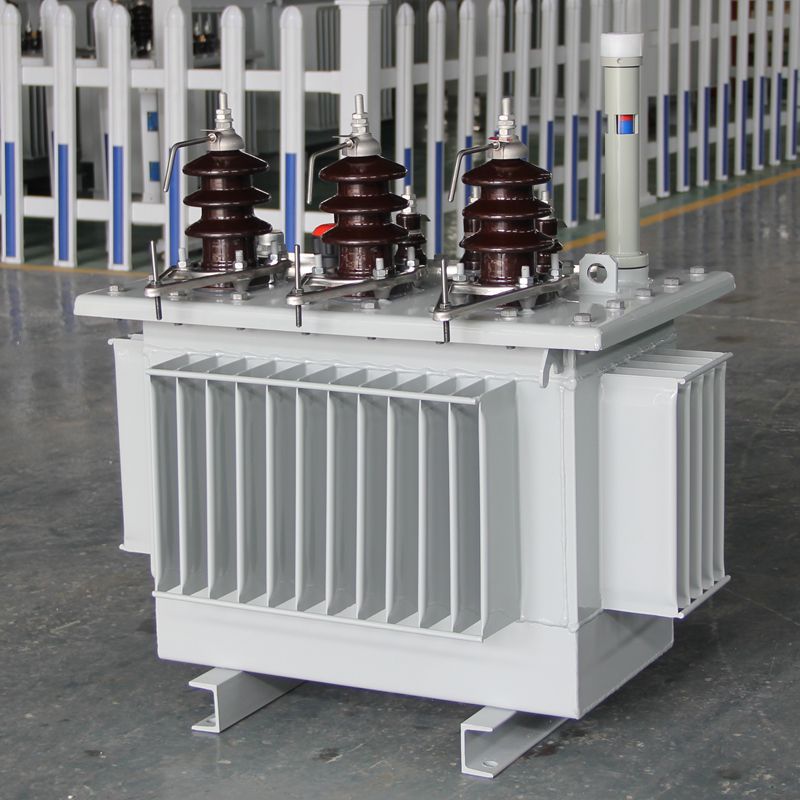

China High-Precision Voltage Regulator Factory
We invite you to contact Yibaling to order our High-Precision Voltage Regulators. Our products are advanced and durable; we offer OEM customization services and provide a 10-year after-sales warranty. Should you encounter any issues, please feel free to contact us at any time for technical support.
What is a high-precision voltage regulator?
High-precision voltage regulators are essentially the personal bodyguards for those sophisticated devices.
For instance, in laboratories, precision instruments; in hospitals, CT machines; and on chip production lines, the photolithography machines, they have extremely high requirements for the purity and stability of the electricity. Even the slightest fluctuation in the daily power grid could lead to data errors or even equipment damage.
This type of voltage regulator employs technologies such as servo compensation or fully electronic systems, which can firmly stabilize the voltage, with fluctuations not exceeding±1%. The response is also extremely fast.
As soon as there is any disturbance in the power grid, it can adjust itself within milliseconds. What's more, the output electrical waveform is extremely clean, with almost no interference from noise.
Its fundamental function is to filter the coarse electricity from the power grid into precise electricity, creating an absolutely stable "micro-environment" for critical devices. It can be said that any field requiring extreme precision in industry and research cannot do without this equipment.
In a word, the high-precision voltage regulator is a combination of a power signal conditioner and an active power filter. It not only resists interference from the external power grid, but also strives to eliminate all adverse effects that it may have on the load.
How does a high-precision voltage regulator work?
How does a high-precision voltage regulator stabilize the voltage? In essence, its core is like an automatic tuning system with absolute pitch-constantly monitoring and making fine adjustments to ensure that the voltage remains steadily at the standard value.
The specific process is a repetitive "perception-response" mechanism: The circuits inside the device continuously capture the actual value of the output voltage at thousands or tens of thousands of times per second. Immediately after, the control unit compares this with the preset precise target value (such as 220V), instantly determining whether the current voltage is too high or too low, and how much the deviation is.
Subsequently, the system will issue precise compensation instructions based on this deviation - if using the servo compensation technology, it will drive a micro motor to make the carbon brush slide on the transformer, thereby changing the compensation amount; if using the all-electronic technology, it will generate the required compensation voltage through the pulse width modulation of high-speed semiconductor switches (such as IGBT) without delay. This compensation signal will be injected back into the main circuit in reverse, reducing the voltage when it is too high and increasing it when it is too low. The entire "monitoring - calculation - correction" process is completed within milliseconds or microseconds, and this cycle repeats continuously.
The function of a voltage stabilizer
The function of the high-precision voltage regulator goes beyond the basic voltage stabilization. Its core is to provide the downstream load with a nearly ideal, pure and stable power laboratory environment. Through a series of precise designs, it elevates the function of the conventional voltage regulator to a new level.
| Function Level | Core Function | Specific Description and Technical Implications |
| Basic Core Function | Ultra-High Precision Voltage Regulation | The steady-state voltage regulation accuracy is usually better than ±0.5%, and some models can reach ±0.1%. This means that the output voltage deviation is controlled within an extremely small range when the input voltage fluctuates over a wide range and the load changes. |
| Extremely Fast Dynamic Response | The response time to sudden changes in the power grid or load jumps (such as the pulsed operation of laser equipment) is extremely short. Contactless high-precision voltage regulators can restore stability within 1-2 power cycles (20-40 milliseconds), ensuring that transient disturbances do not affect sensitive equipment. | |
| Core Enhanced Function | Ultra-Low Output Distortion | Not only does it stabilize the voltage, but also "preserves the fidelity". It requires an extremely low total harmonic distortion (THD) of the output voltage waveform (typically <1%), ensuring that no harmonics are introduced by the voltage regulator itself to contaminate the power supply and interfere with the precision measurement circuits at the back end. |
| Outstanding Load Adaptability | It can maintain extremely high voltage regulation accuracy and low waveform distortion from no-load to full-load, as well as when the load power factor changes. | |
| Advanced Protection and Purification | Function Noise and Interference | Suppression Integrated with multiple shielding and filtering networks (such as common-mode and differential-mode filters), it can efficiently suppress high-frequency noise, surges, and electromagnetic interference (EMI) transmitted from the power grid, providing a "purified" power supply. |
| Intelligent Monitoring and Management | Equipped with high-precision digital display meters, it can monitor input/output voltage, current, frequency, power, and other parameters in real time. It has communication interfaces such as RS485/Ethernet, supporting remote monitoring, alarms, and parameter settings, and can be seamlessly integrated into intelligent management systems. | |
| Enhanced Protection | Mechanism In addition to conventional overvoltage, undervoltage, and overcurrent protection, it may also include multiple protections such as over-temperature, abnormal frequency, and lightning surge, and provide fault recording and event log functions. |
How to carry out OEM customization?
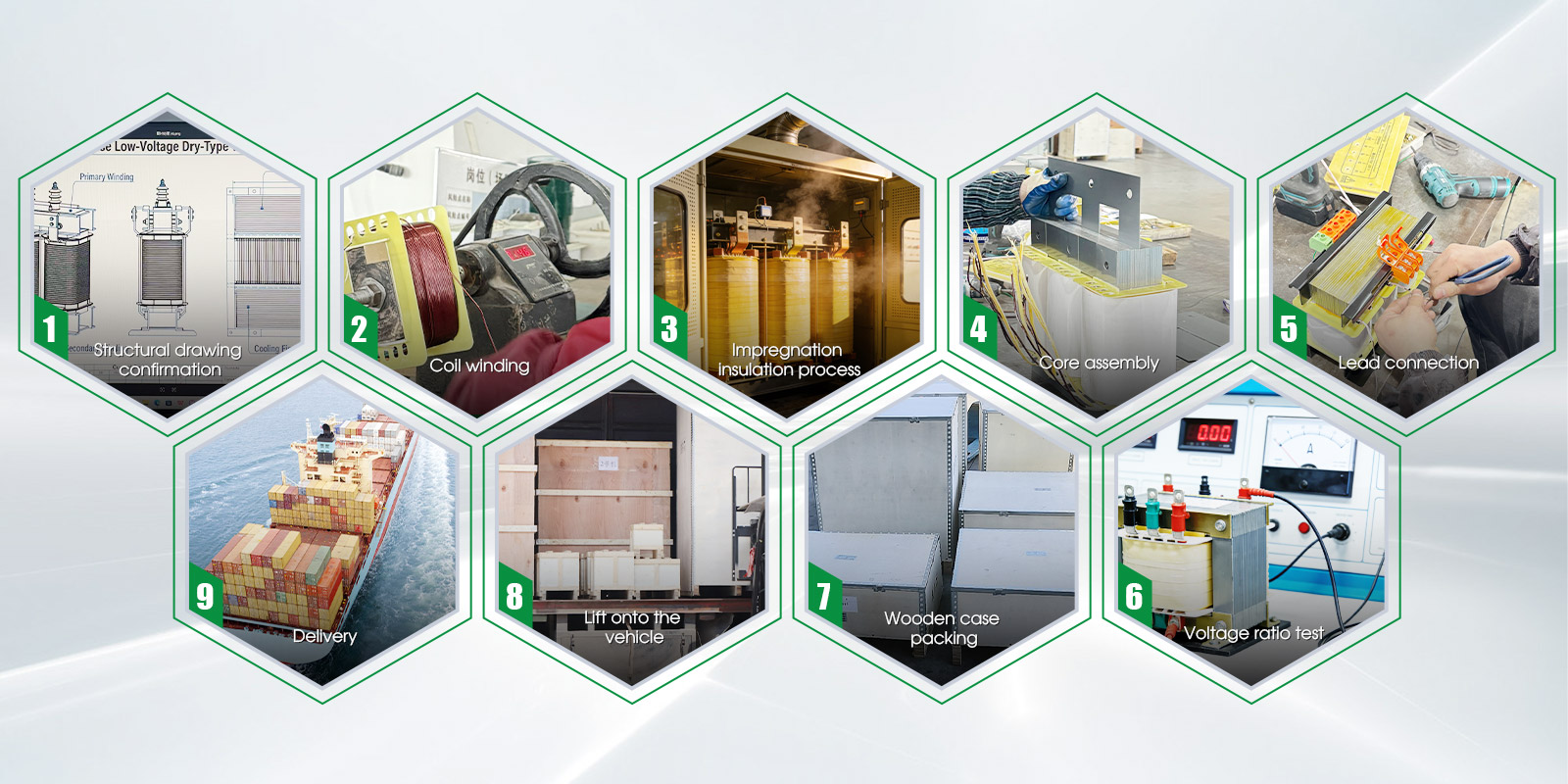
The customization of voltage stabilizer is complex and covers all stages from requirement analysis to product delivery. Here is a general customization process:
1. Requirement Analysis
Collect customer requirements: Analyze the power system requirements proposed by the customer and determine the general model, specifications, technical parameters, and usage environment of the required voltage stabilizerConfirm requirements: Confirm the collected requirements to ensure technical feasibility and economic rationality
2. Technical Communication
Technical communication: The customer communicates with our engineers to provide detailed requirementsScheme confirmation: Both parties reach an agreement on technical details, delivery time, price, etc., and form a preliminary technical proposal and quotation
3. Contract Signing
Contract negotiation: After both parties reach an agreement on the technical proposal and quotation, the contract negotiation stage begins, clarifying delivery time, quality standards, payment methods, and after-sales services and other termsFinal signing: Sign the formal purchase contract to ensure the above rights and interests are guaranteed
4. Final Design and Production Preparation
Detailed design: According to the contract requirements, implement the detailed design of the voltage stabilizer, including drawings and size designs of coils, cores, windings, etc.Material procurement: Purchase high-quality raw materials, such as silicon steel sheets, copper wires, aluminum wires, insulating materials, etc., to ensure product quality
5. Manufacturing Process
Product production: According to the requirements of the drawings, select the appropriate coil specifications and turns, manufacture the windings, and cut the silicon steel sheets into appropriate shapes6. Factory Testing
Quality testing: Assemble the iron core, coils, and other insulating parts together for semi-finished product testingFinally, according to the requirements listed in the contract, conduct factory testing, routine testing, and special tests to ensure that the product performance meets the requirements
7. Delivery
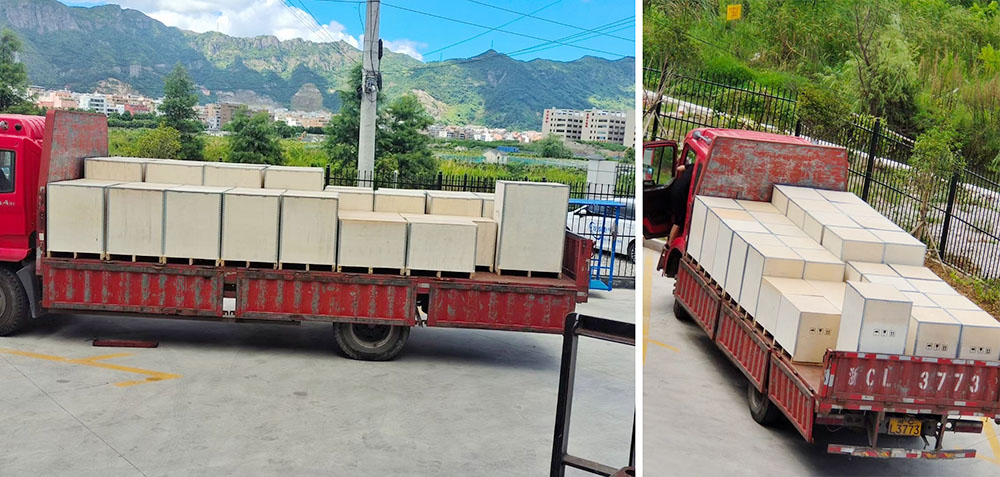
Packaging and transportation: To prevent damage during transportation, we usually install the main body of the voltage stabilizer in a wooden box for transportation to ensure safe arrival at the destination.After-sales service
Our product warranty period is up to 48 months. After the product is delivered to the customer, we will provide necessary technical support and installation guidance. Email, phone, and video tours are all optional.
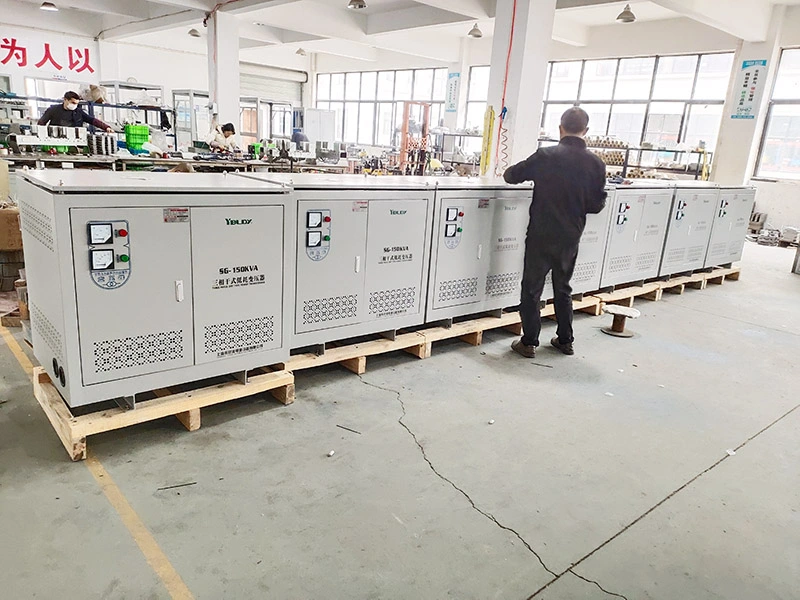
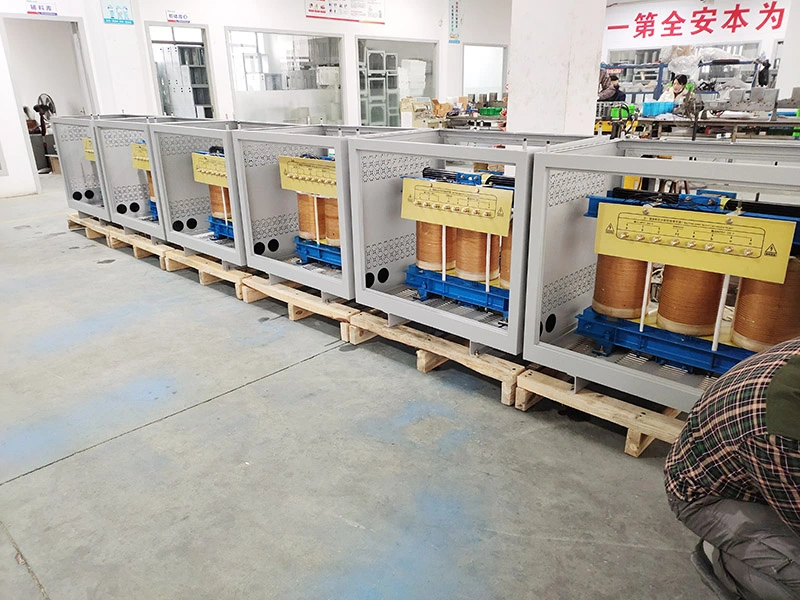
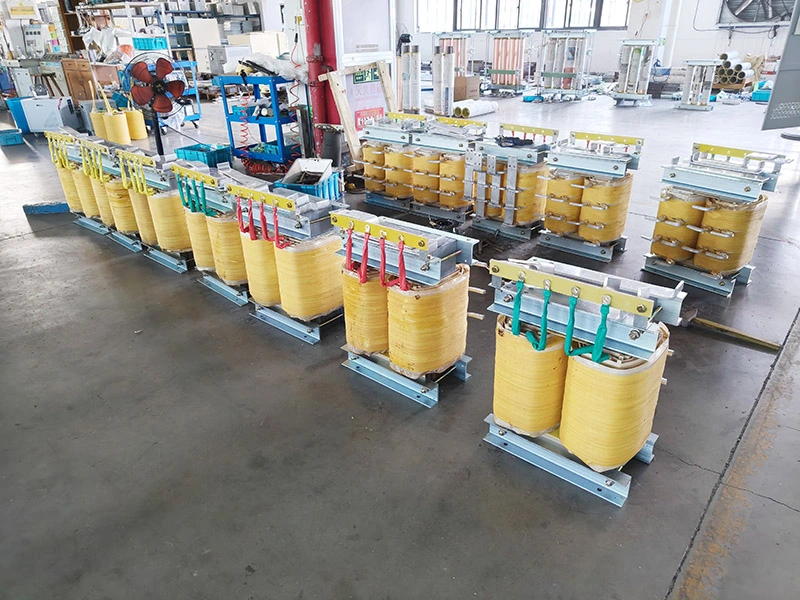
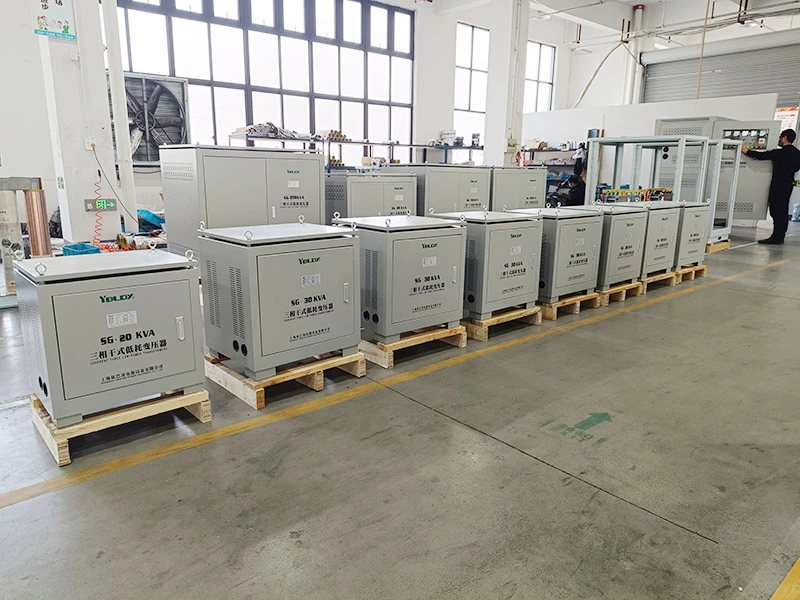
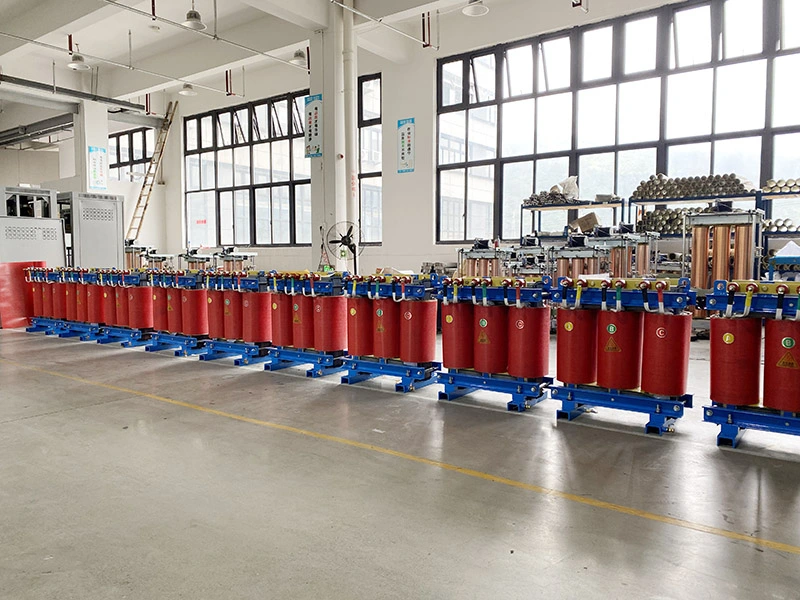
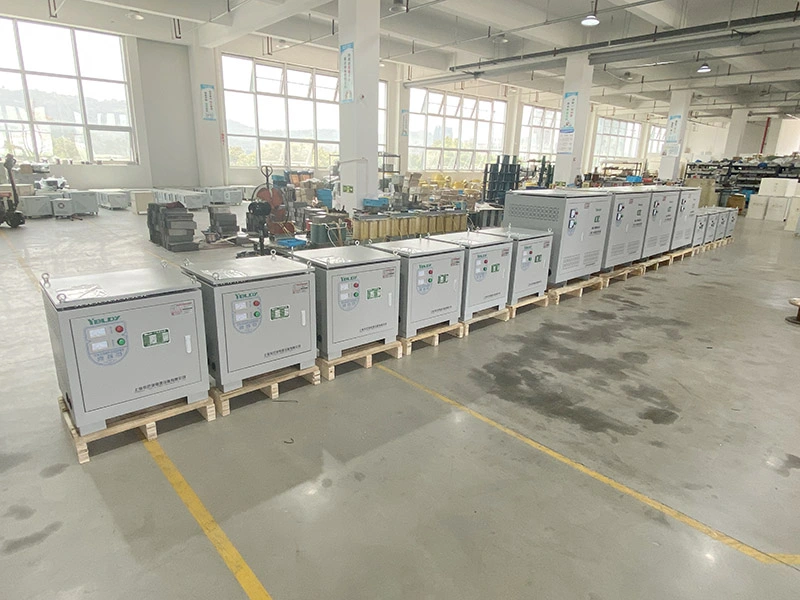
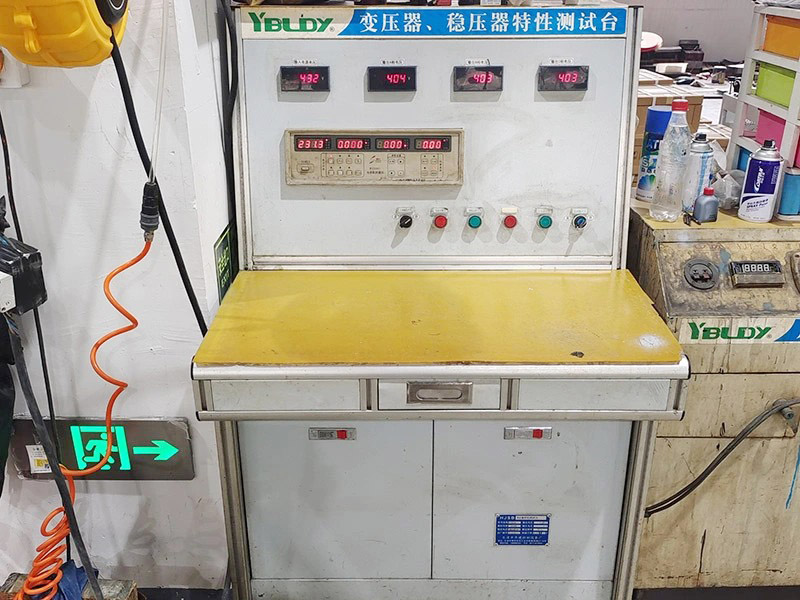
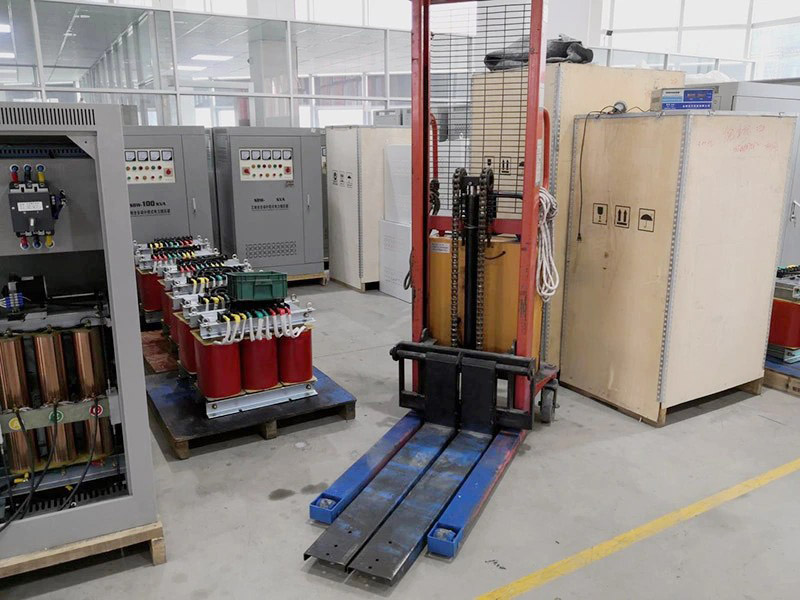
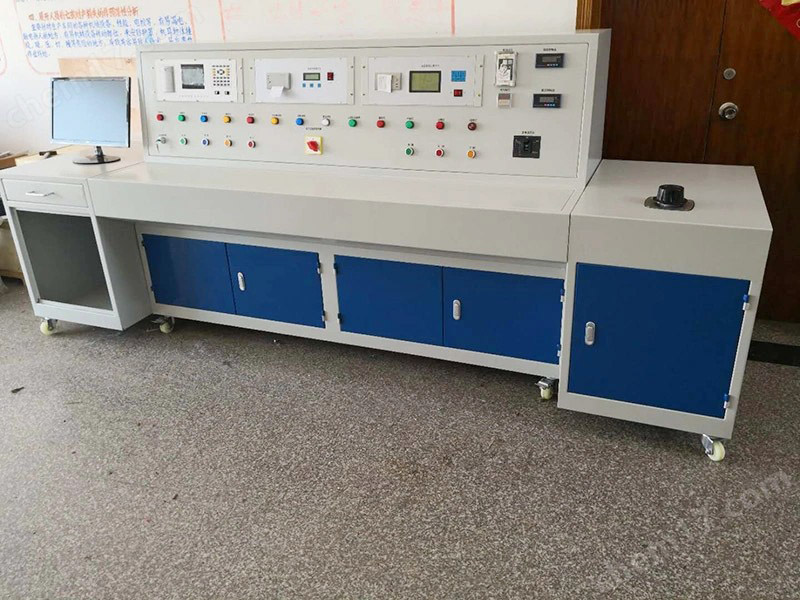
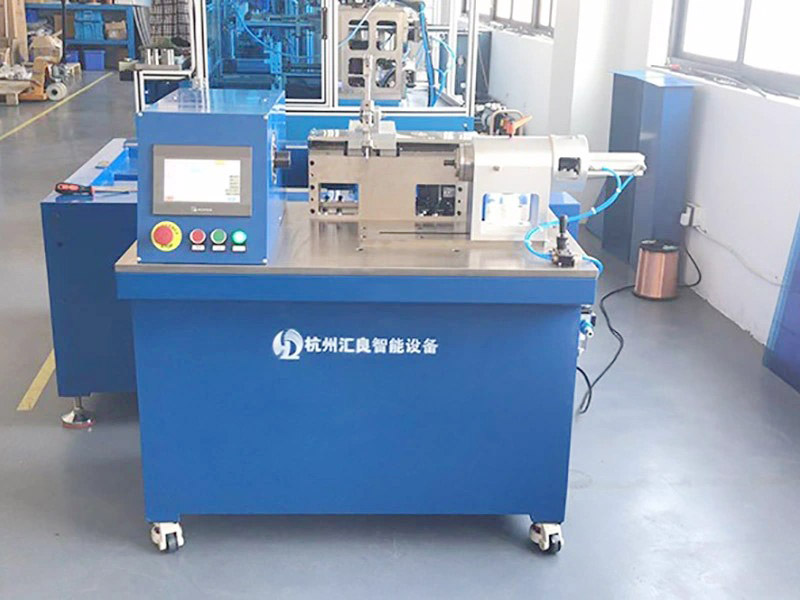
Our Warehouse
Production Process
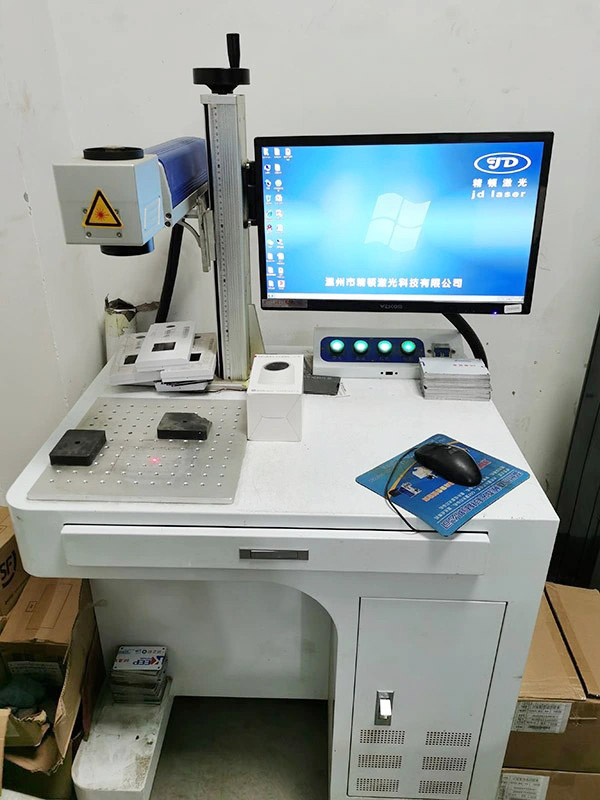
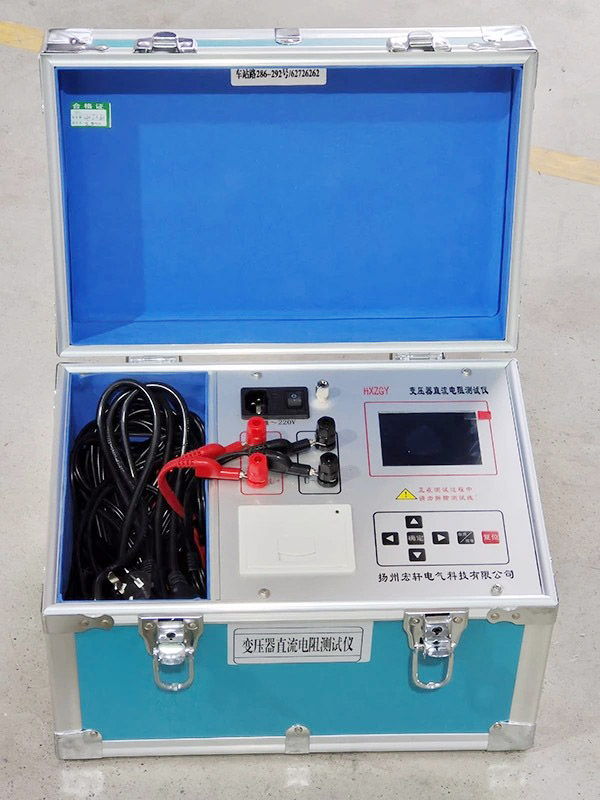
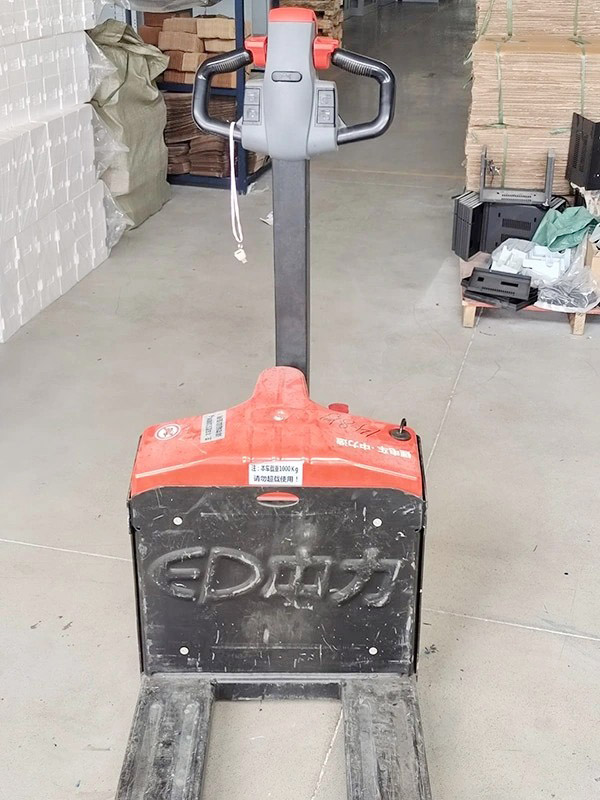
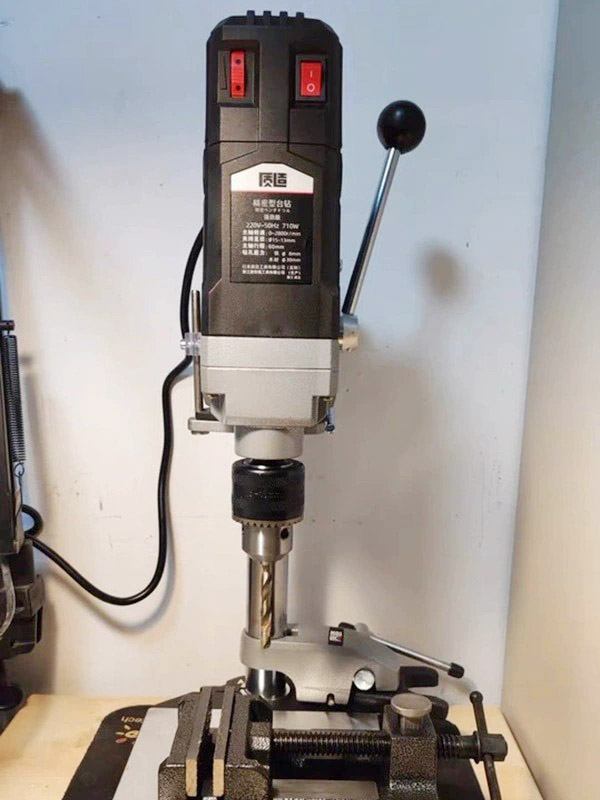
Production Equipment
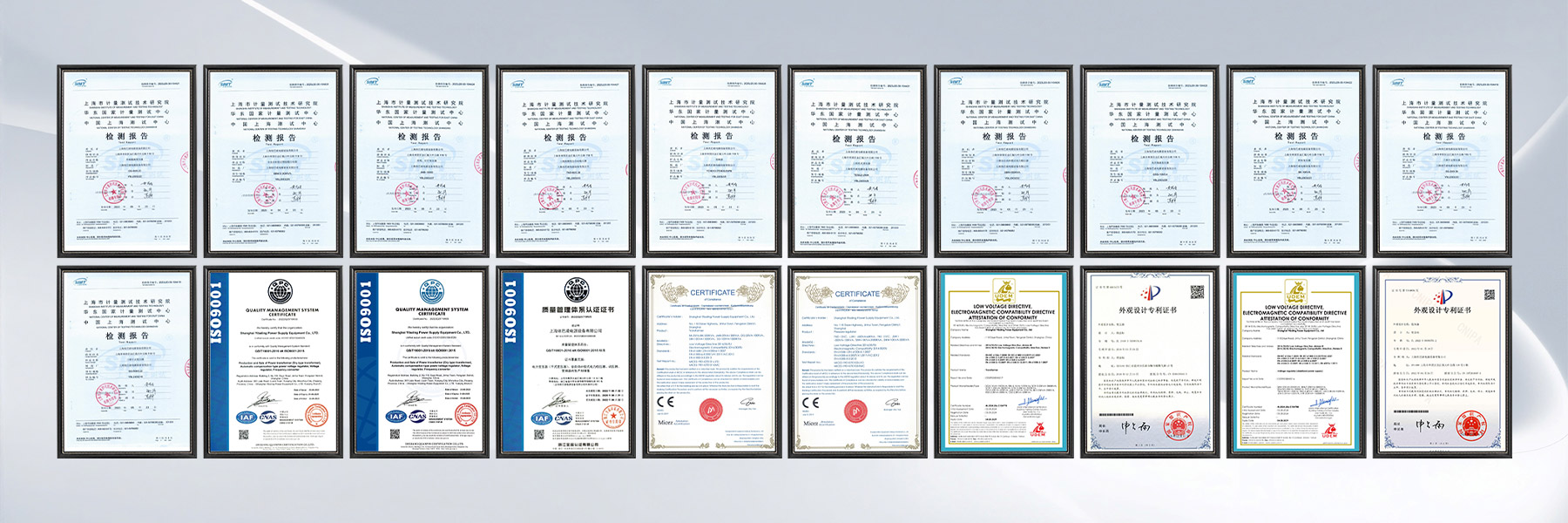
Certificate
Shipment
- View as
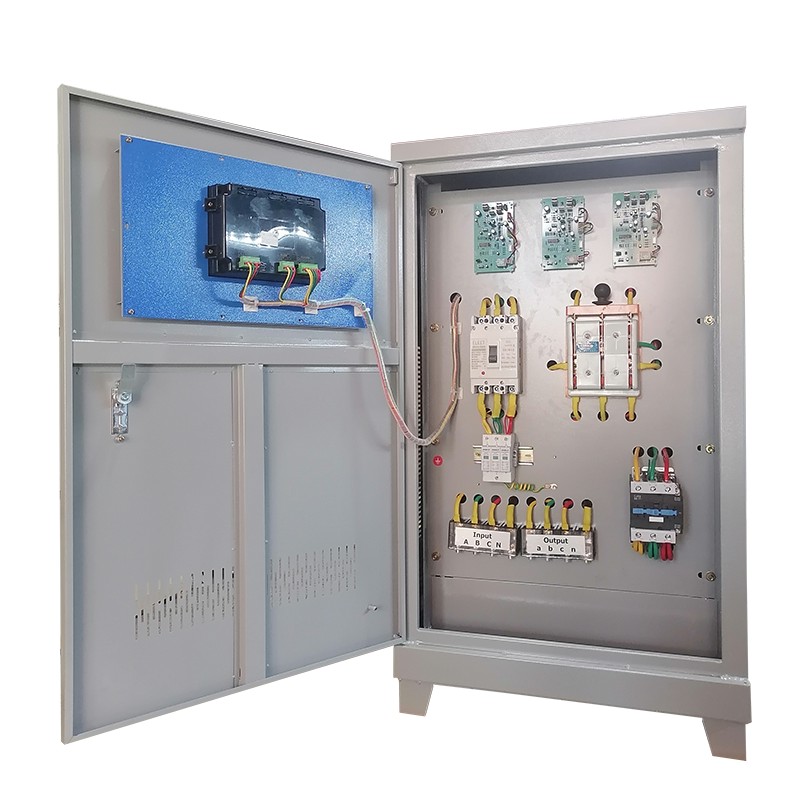
SJW Three phase Compensated AC Voltage Stabilizer
Zhejiang Yibaling Power Supply Equipment Co., Ltd. has developed the SJW Three phase Compensated AC Voltage Stabilizer for complex industrial environments. Featuring independent phase-by-phase compensation technology, it delivers millisecond-level response and true maintenance-free operation — ideal for applications where power quality cannot be compromised.
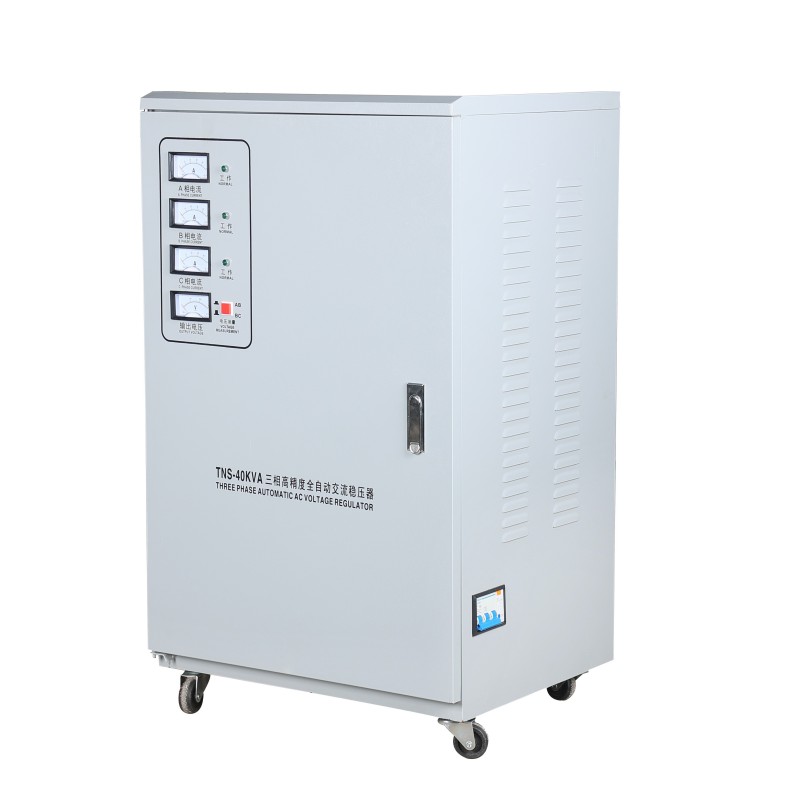
TNS Three Phase Voltage Stabilizer
Liu Shi Town, as the electrical capital of China, has provided us, Zhejiang Yibaling Power Supply Equipment Co., Ltd., with numerous conveniences for our development. The complete supply chain enables us to produce high-quality TNS three phase voltage Stabilizers. As a manufacturer, we can also offer the best prices of to our customers. We look forward to becoming your partner.
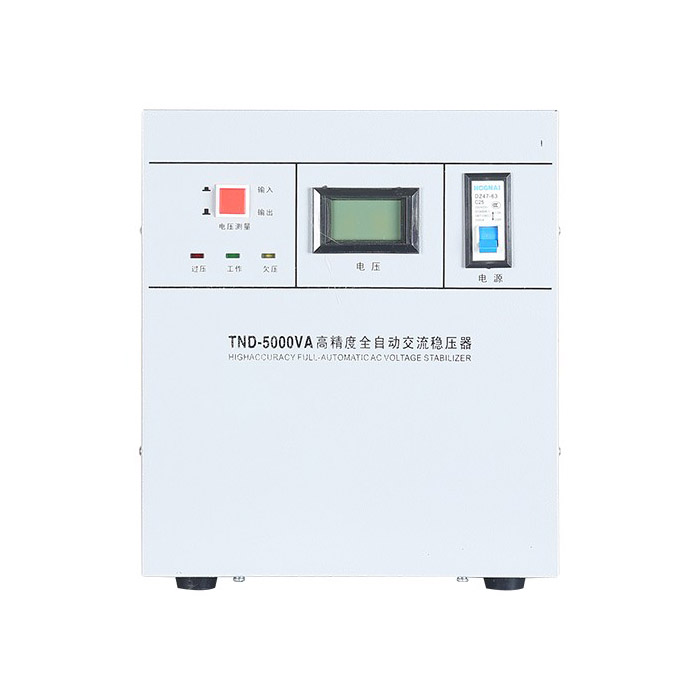
TND Fully Automatic AC Voltage Stabilizer
The TND fully automatic AC voltage stabilizer is the flagship product of our Yibaling factory in Zhejiang. Due to its high quality and excellent after-sales service, this product has gained the favor of many customers and they keep purchasing it. We also welcome your order. Meanwhile, the voltage stabilizer also offers customization services.
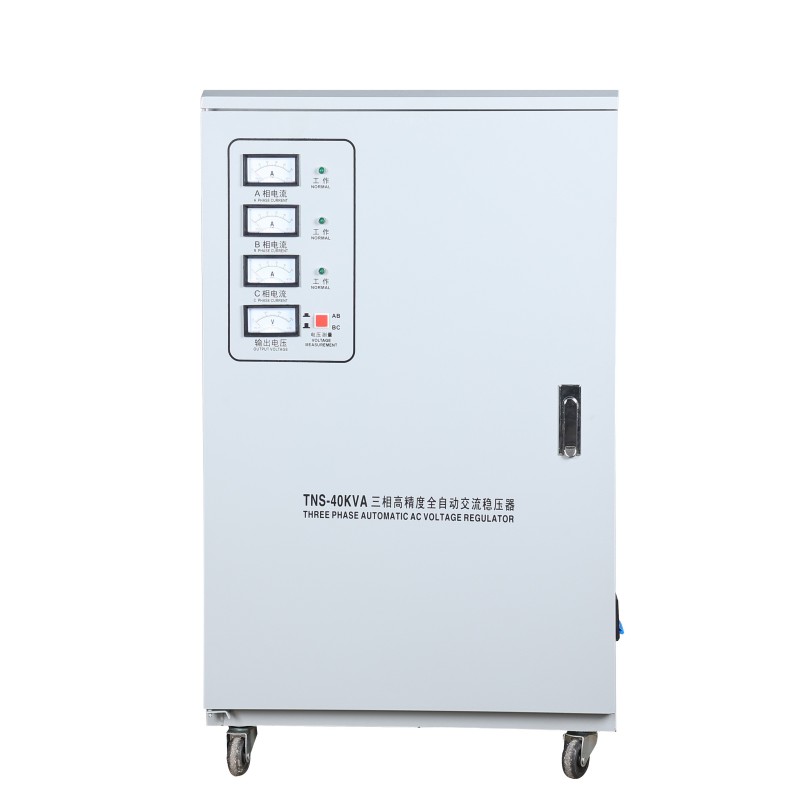
TNS Fully Automatic AC Voltage Stabilizer
Since its establishment, Zhejiang Yibaling Power Supply Equipment Co., Ltd. has been dedicated to the production of TNS fully automatic AC voltage stabilizers and has been striving for continuous innovation. In the past two years, we have developed this new product. It exceeds the high-quality standards of national standards and has won continuous customer satisfaction. If you need it, please feel free to place an order.
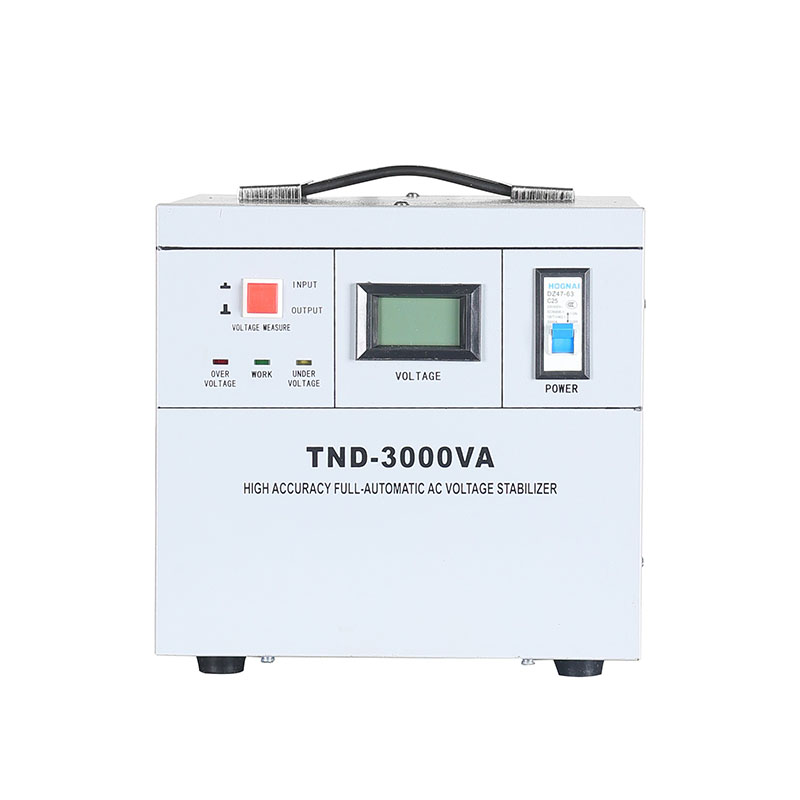
TND Single Phase AC Voltage Stabilizer
The Yibaling Factory in Zhejiang, as a Chinese manufacturing plant with many years of experience in producing TND single phase AC voltage stabilizers, has a complete production chain and extensive practical application experience. This enables us to produce voltage stabilizers that better meet the needs of our customers. We look forward to becoming your long-term partner in China.
As a reliable High-Precision Voltage Regulator manufacturer and supplier in China, we have our factory. If you want to buy quality and durable products, please contact us.