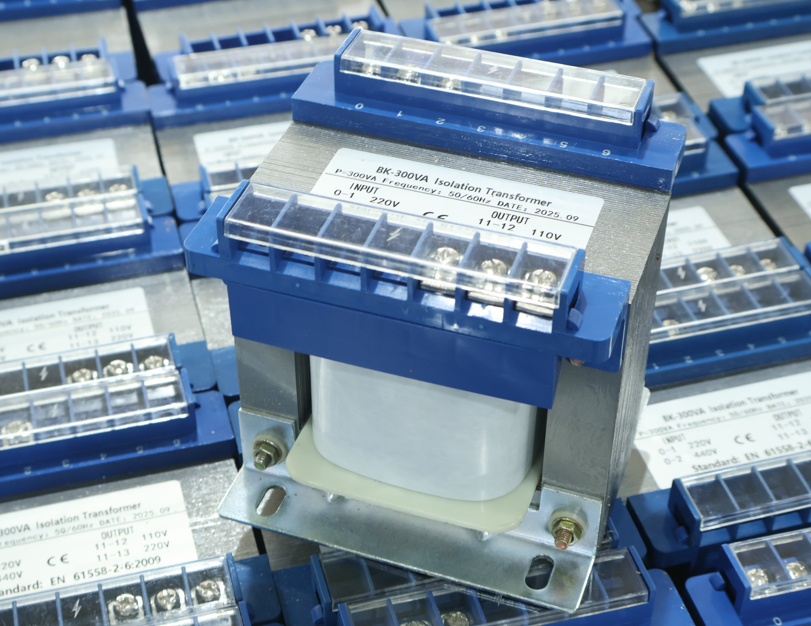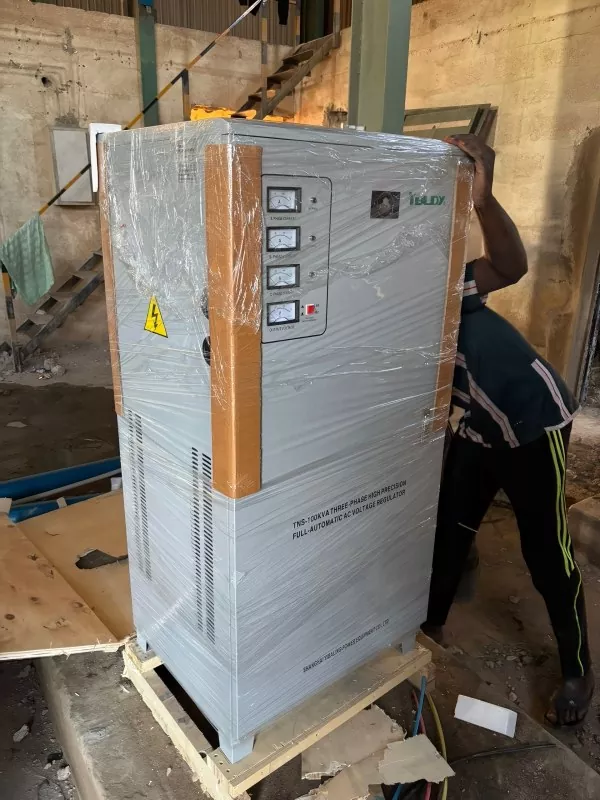

What ZSG Three-Phase Dry-Type Rectifier Transformer work?
When Rectifier Equipment Acts Up, Check the Transformer in Front First
Anyone who's worked in electroplating, electrolysis, or charging knows that DC power stability directly determines product quality. Uneven plating thickness, declining electrolysis efficiency, frequent charging equipment failures — the first instinct is to check the rectifier cabinet or the control board. But sometimes the problem is that unassuming ZSG transformer sitting upstream: insufficient impedance lets surge current damage the rectifier components, or undersized capacity causes excessive temperature rise at full load. The ZSG three-phase dry-type rectifier transformer is purpose-built for front-end matching with rectifier devices.
Dry-Type Structure: For Convenience and Safety
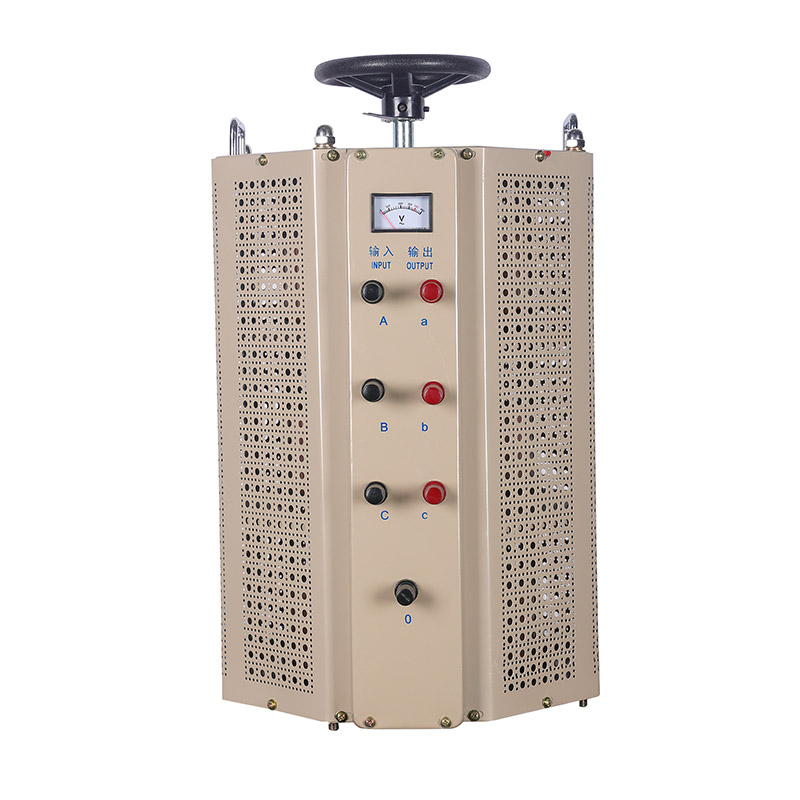
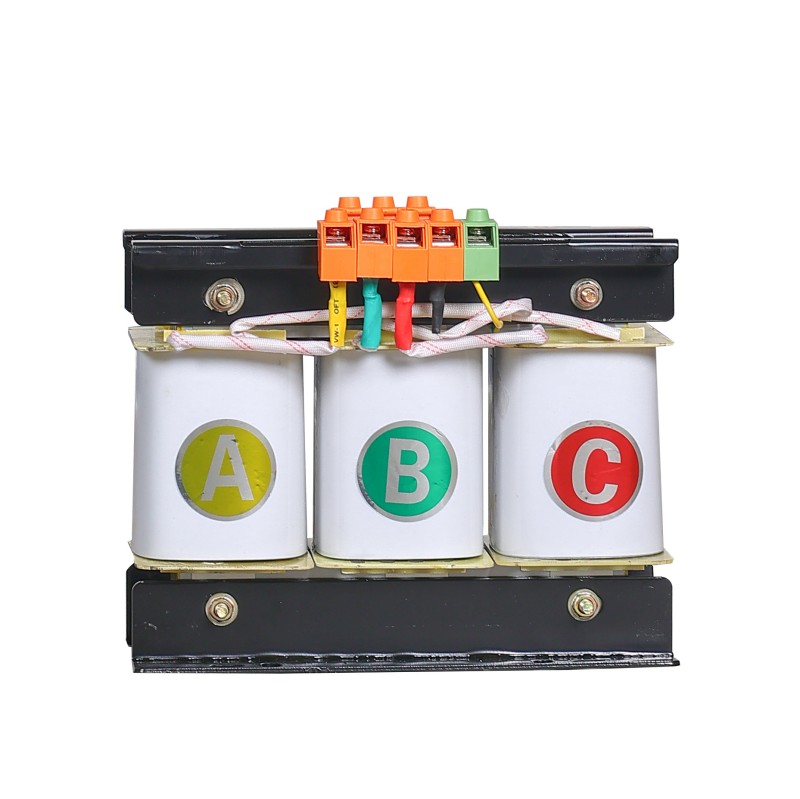
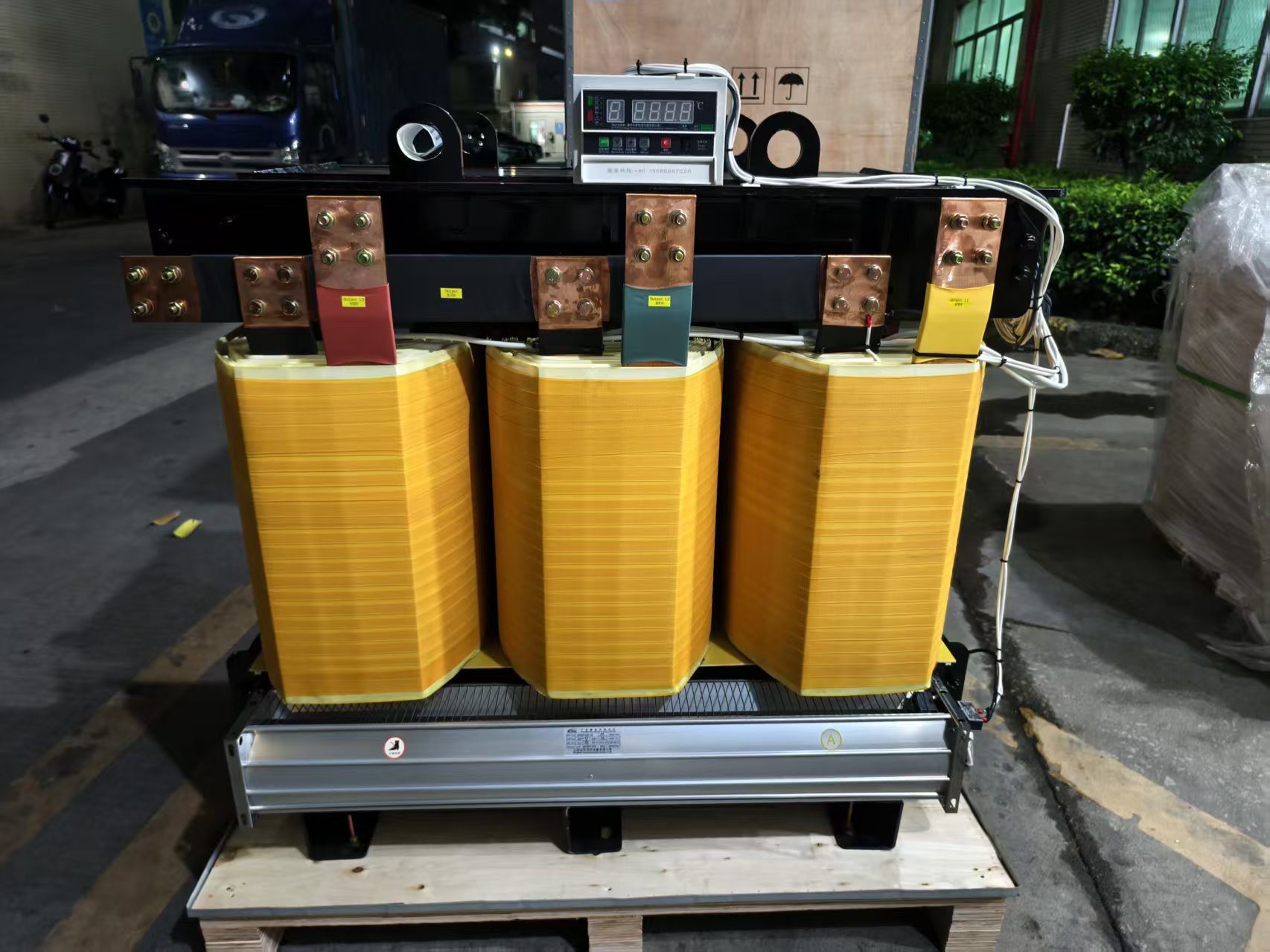
The ZSG Three-Phase Dry-Type Rectifier Transformer is a dry-type specialty transformer with non-encapsulated windings and an open, ventilated structure. Put simply, there's no oil. It relies on air convection for cooling — no oil conservator, no regular oil level checks, no worry about oil leaks contaminating the site.
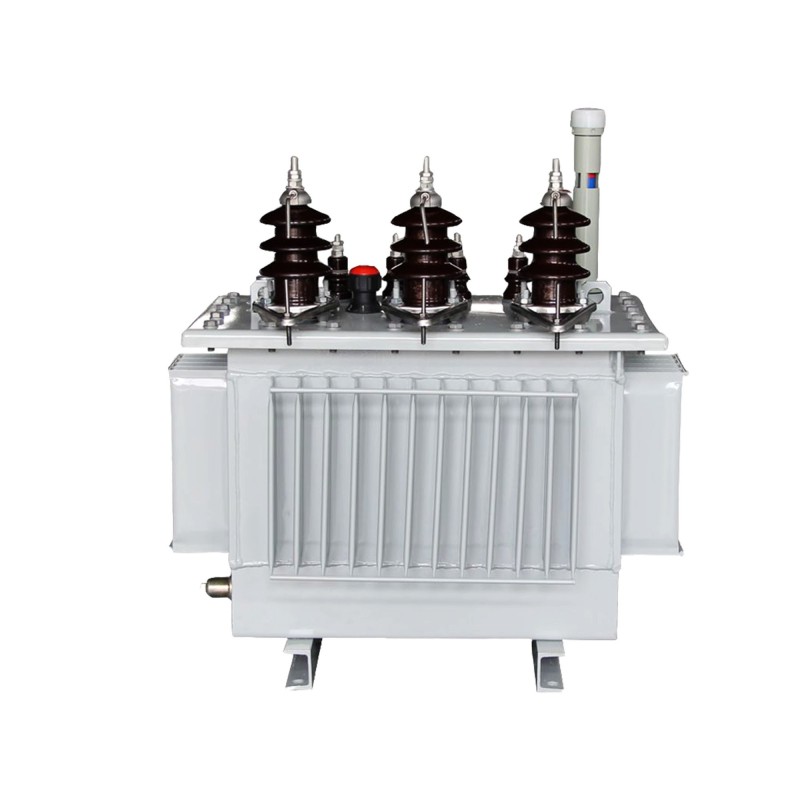
The practical benefit shows up on the maintenance side. Oil-immersed rectifier transformers need periodic oil testing, oil changes, and leak repairs. Dry-type units basically eliminate those tasks. On heat dissipation, non-encapsulated windings have a short thermal conduction path and strong resistance to thermal shock, giving them broader overload capability than oil-immersed units of the same capacity. For scenarios with large load swings like electroplating and electrolysis, this characteristic is genuinely useful.
Insulation thermal class is typically F or H. Class H handles 180°C — when workshop temperatures run high or short-term overload occurs, the insulation won't fail easily.
Impedance Design: Protecting the Rectifier Components Downstream
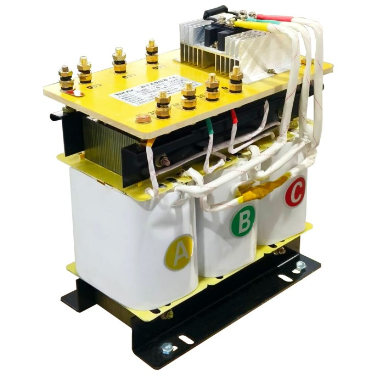
The biggest difference between the ZSG Three-Phase Dry-Type Rectifier Transformer and an ordinary SG transformer is impedance. Rectifier transformers need to suppress current di/dt, preventing rectifier components from being damaged by excessive current surges during commutation. The ZSG's impedance runs about 30% higher than a power transformer of the same capacity — this is intentional design.
Low-voltage, high-current output characteristics also dictate a different winding structure. When secondary current is high, windings use copper foil or spiral construction, with copper busbars for outgoing lines rather than thin conductors. These details aren't visible during selection, but when equipment runs at full load, the temperature rise and stability at the terminals differ noticeably.
Capacity and Voltage: Matched to Rectifier Requirements
ZSG Three-Phase Dry-Type Rectifier Transformer capacities range from 0.15kVA to 2500kVA, with some manufacturers reaching 5400kVA. Standard capacity ranges include 5, 10, 15, 20, 30, 50, 80, and 100kVA, with larger ranges at 160, 200, 250, 315kVA and beyond.
Input voltage is commonly 380V or 400V, with 660V and 200V specifications also available. Output voltage is determined by the DC voltage needed after rectification — from tens of volts to over a thousand volts, with common options including 110V, 220V, and 380V. Vector groups support common configurations like Y/yn0, D/yn11, and Y/d — whatever combination the rectifier circuit requires.
Open Type or Protected Type: Depends on the Site Environment
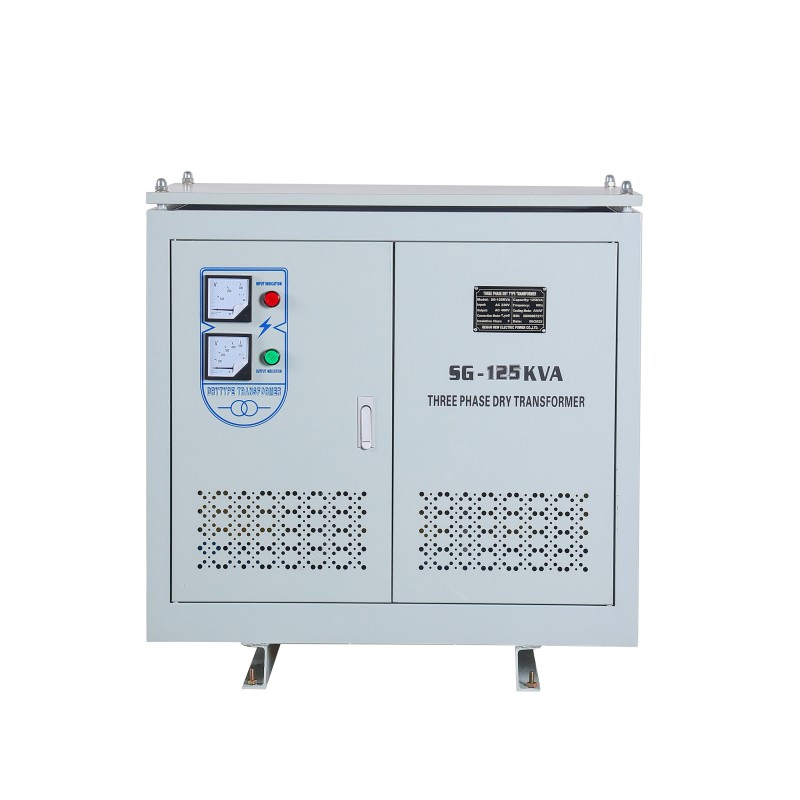
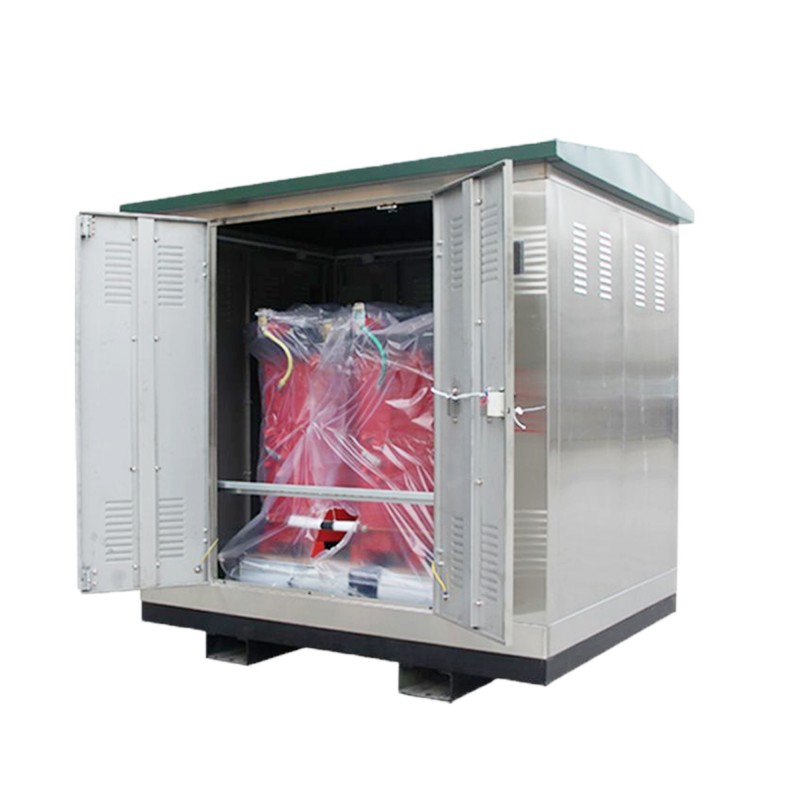
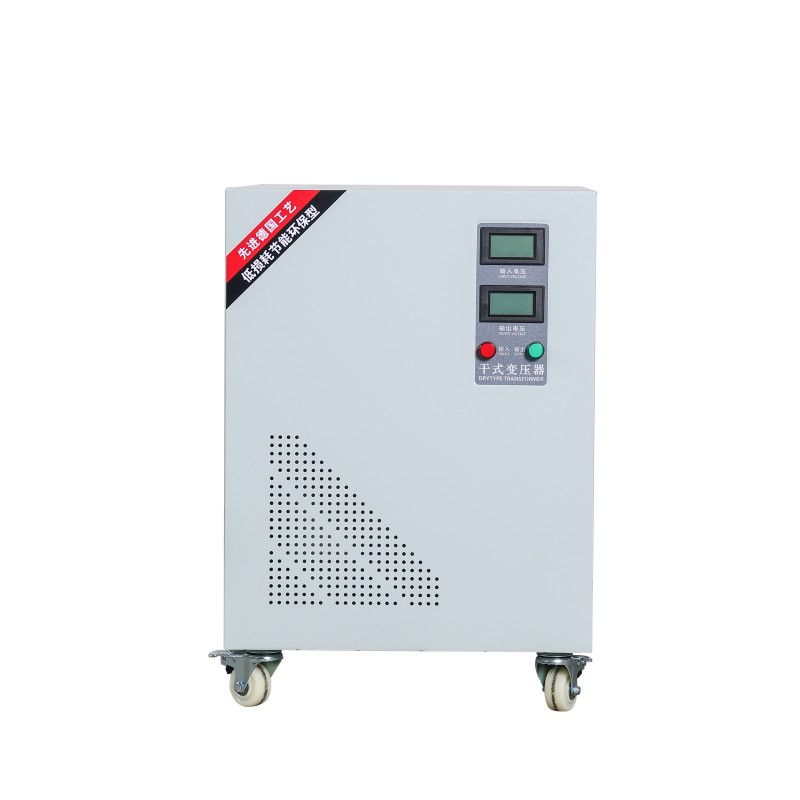
Like the SG and SBK series, the ZSG comes in open and protected configurations. Open type has no enclosure — the transformer body sits exposed, offering good heat dissipation and compact size, suitable for mounting inside electrical cabinets or in separately protected spaces. Protected type adds a steel box enclosure with cable entry holes, making wiring convenient and offering better resistance to dust and foreign objects.
Protected type can be fitted with voltmeters, ammeters, temperature controllers, and cooling fans as needed, plus casters for mobile use. For electroplating workshops with high humidity and corrosive gases, the protected type with fans is the better fit.
Applications Are Fairly Concentrated
ZSG Three-Phase Dry-Type Rectifier Transformer applications revolve around one word: rectification. Front-end matching for rectifier equipment, power transformers for charging devices, DC power for electrolysis and electroplating, and AC-to-DC conversion for DC lighting, DC excitation, and electric drives.
Electroplating and electrolysis are the largest application areas. Plating baths need low-voltage, high-current DC power, and the rectifier transformer must withstand continuous full-load operation plus some overload surges. The ZSG's high impedance and overload capability are designed for exactly these conditions. Charging equipment, test equipment, and DC traction also see significant application.
Don't Just Look at Capacity When Specifying
Capacity is calculated from the DC power needed after rectification and the rectifier circuit type — it's not simply load power multiplied by a coefficient. The rectifier circuit form (full-wave, half-wave, bridge) affects transformer utilization and winding structure, so the rectification method needs to be confirmed during selection.
Impedance and overload capability deserve close attention. Rectifier components fear surge current, and the ZSG's high impedance design serves exactly that purpose. On overload capability, some products allow 1.5 times rated load for one hour — for the inrush load during electroplating startup, that margin is reassuring.
Choose copper windings — don't cut corners with aluminum. Rectifier transformers run at full load for extended periods, and copper windings offer far more solid temperature rise control and service life than aluminum. Before installation, confirm grid voltage matches the nameplate, leave adequate ventilation space, and ensure reliable grounding. Let the transformer carry the rest.
Next :
-
Related News
- Which one is good S13 Oil-Immersed Distribution Transformer?
- How to choose JBK5 Machine Tool Control Transformer?
- How BK Machine Tool Transformer 220V works?
- Which one is good SBK Three-Phase Dry-Type Transformer?
- How to choose SBW Intelligent Servo Voltage Stabilizer?
- Where SCB13 Dry-Type Transformer Fit in Urban Grids?
Leave me a message