
What Is a BK Control Transformer and Why Is It Important?
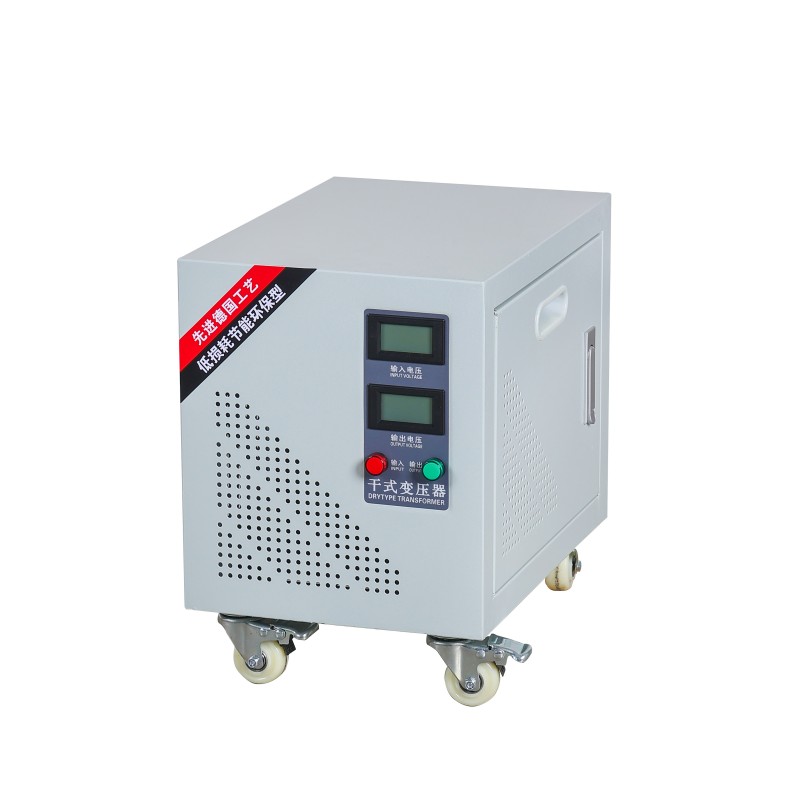
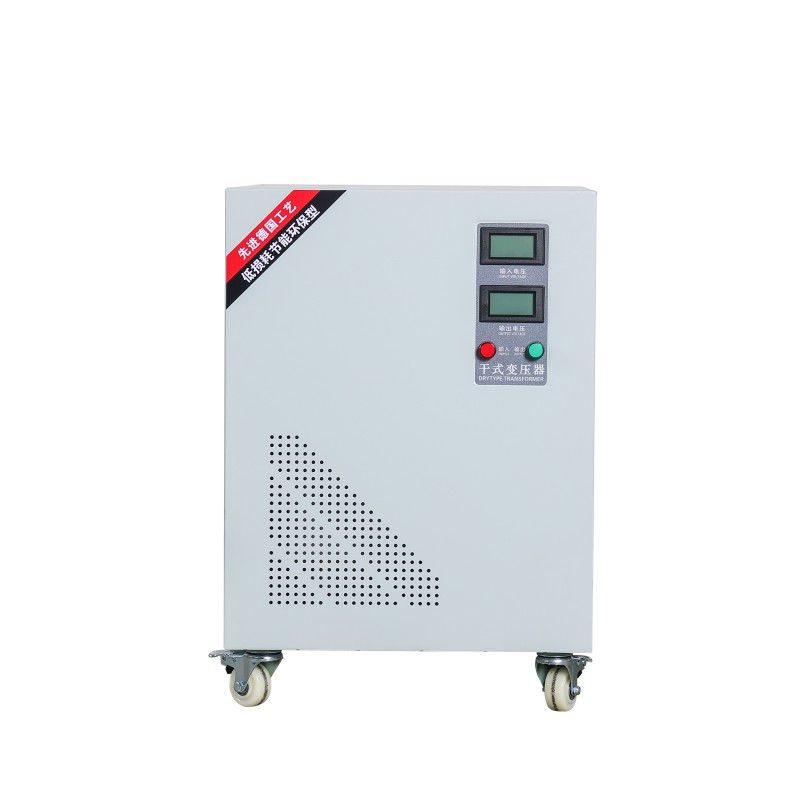
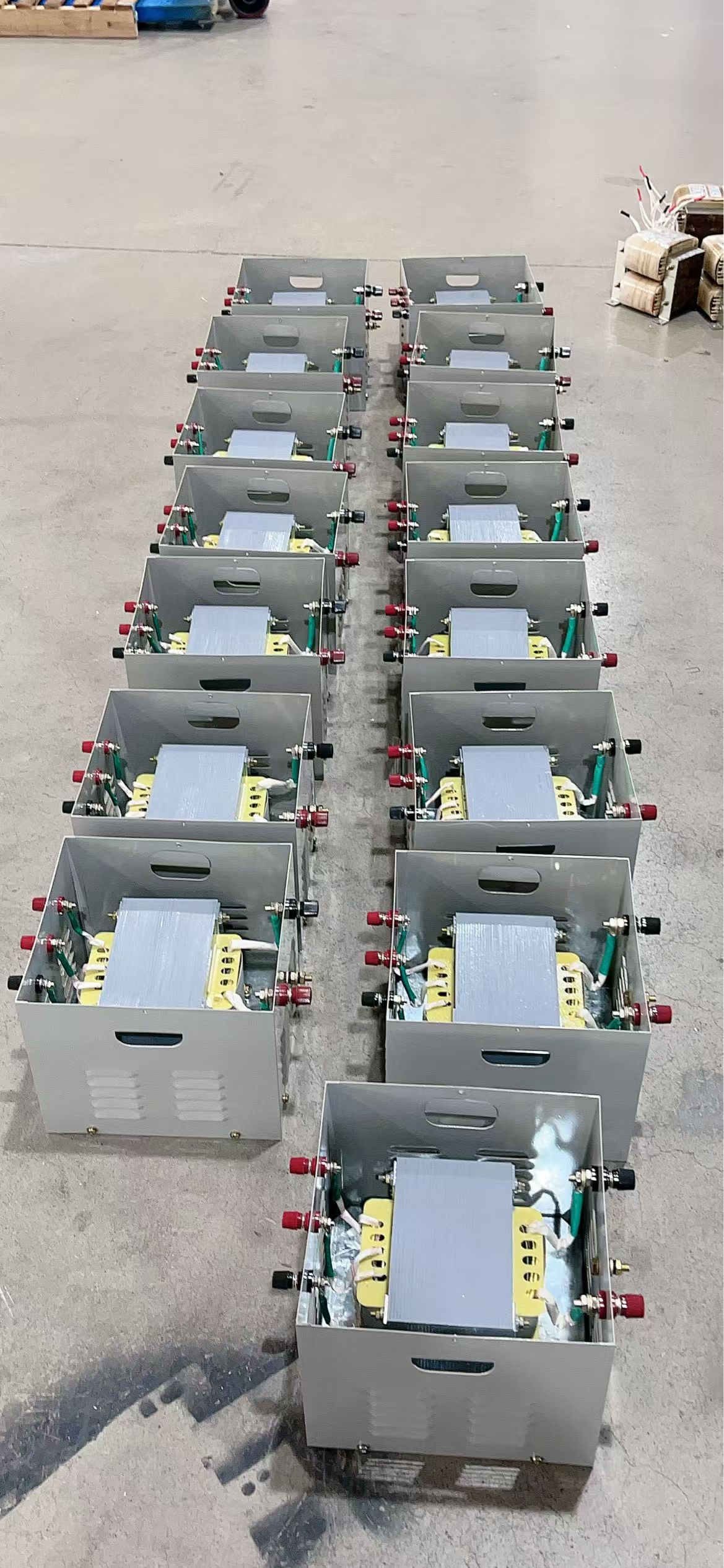
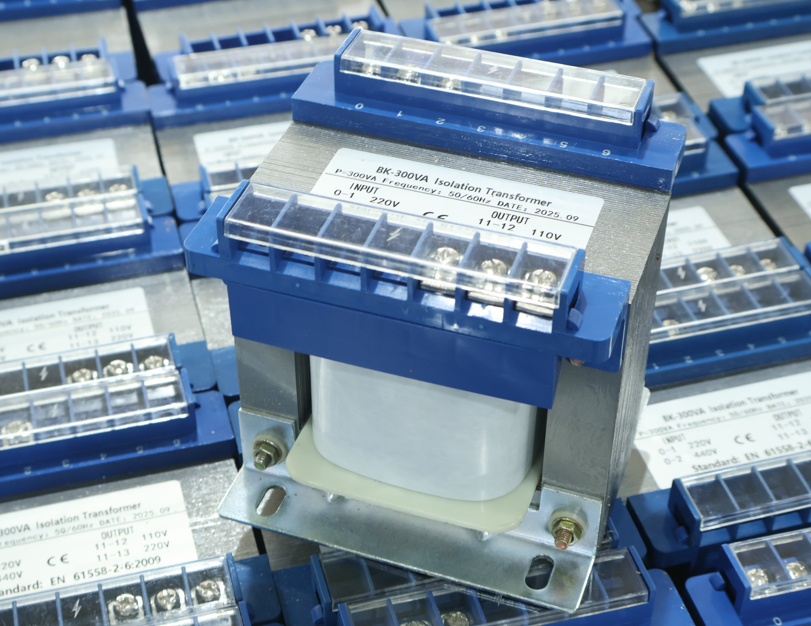
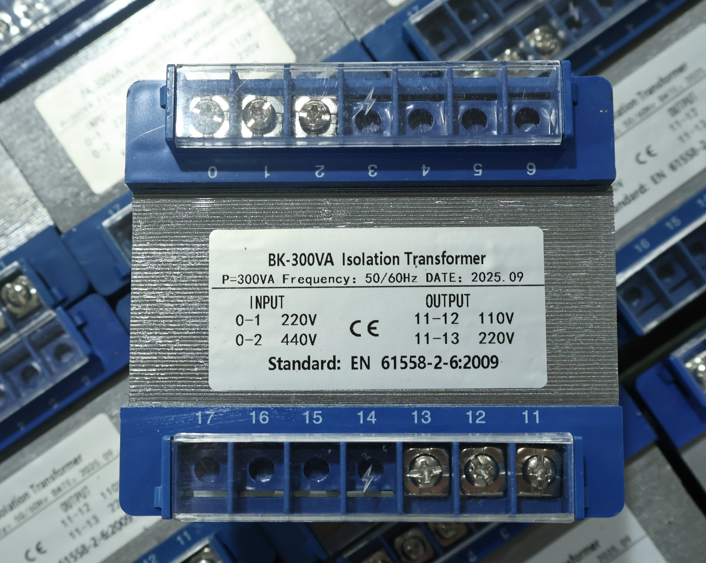
A BK control transformer is a single phase dry type transformer designed to provide stable, isolated control power for machine tools, automation systems, and industrial control panels . Its core job is to step down the main supply voltage — 380V, 220V, or other inputs — to the control voltages that PLCs, relays, contactors, solenoids, and indicator lights actually need.
The 50 60Hz frequency rating is what makes the BK series particularly valuable . It can be used in countries with 50Hz grids (Europe, Asia, Africa) and 60Hz grids (North America, parts of South America) without modification. For equipment manufacturers exporting worldwide, this eliminates the need for different transformer versions for different markets .
Why does that matter?
Because control circuits are sensitive. A voltage dip that a motor would shrug off can cause a PLC to glitch, a contactor to chatter, or a sensor to give a false reading . The BK transformer isolates the control circuit from the main power bus, filters out noise, and provides a dedicated, stable voltage supply that the control system can rely on.
In short: one transformer, any frequency — reliable control power wherever you are.
How a BK Control Transformer Works
The principle is straightforward and proven over decades.
Step 1 — Input
The primary winding connects to the main supply — typically 220V or 380V single phase AC (up to 500V or 1000V depending on the model) . Multi tap primary options accommodate line voltage variations.
Step 2 — Electromagnetic induction
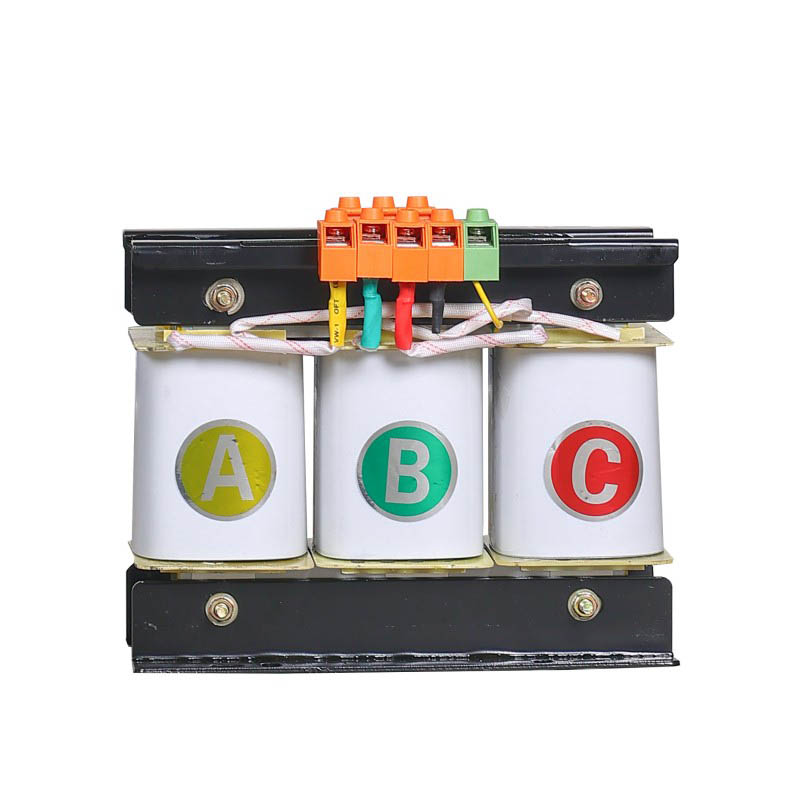
An AC voltage applied to the primary coil generates an alternating magnetic field in the iron core. This induces a voltage in the secondary winding . The turns ratio determines the output voltage — N1/N2 = V1/V2.
Step 3 — Output
The secondary winding produces the control voltage needed — commonly 110V, 127V, 220V, 36V, 24V, or 12V . Some models have multiple secondary windings: one for control circuits and one for local lighting, all in a single unit .
Step 4 — Isolation
The primary and secondary windings are electrically separate — no direct connection. This blocks surges, noise, and ground faults from reaching the control circuit .
The result: clean, stable, isolated power for your control system.
Common Types and Ratings of BK Transformers
BK transformers cover a wide capacity range.
| Capacity Range | Typical Application |
| 25 – 100 VA | Small relays, indicator lights, basic control panels |
| 150 – 500 VA | Medium machine controls, PLCs, contactor banks |
| 800 – 1500 VA | Large machine tools, complex automation panels |
| 2000 – 5000 VA | Heavy duty controls, multiple control circuits |
| Feature | Options |
| Frequency | 50Hz/60Hz dual rated (standard) |
| Primary voltage | 220V, 380V, 400V, 415V, 440V, 480V, 110V (customizable) |
| Secondary voltage | 220V, 127V, 110V, 36V, 24V, 12V, 6.3V (customizable) |
| Efficiency | Typically ≥90% to ≥95% |
| Insulation class | Class F (155°C) standard; Class H available |
| Structure | Shell type (EI core) or core type |
| Mounting | Vertical mounting with foot brackets |
Why BK Control Transformers Matter
Because every machine control circuit deserves its own stable power supply.
Here is what a BK control transformer provides:
1. 50/60Hz global compatibility
The BK series is designed for both 50Hz and 60Hz grids. Export equipment can use the same transformer worldwide — no need to stock different models for different countries .
2. Wide voltage range
With primary voltage options from 110V to 480V and secondary voltages from 6.3V to 220V, the BK can match almost any control circuit requirement .
3. Electrical isolation
The isolated secondary keeps main circuit noise, surges, and faults away from sensitive control electronics .
4. Multiple output windings
One transformer can supply control voltage, lighting, and indicator signals simultaneously — simplifying panel wiring and reducing component count .
5. Durable construction
BK transformers are built with high purity copper windings and high permeability cold rolled silicon steel cores for long service life and low losses .
6. Compact and panel friendly
Vertical mounting with foot brackets fits neatly into control panels. Space efficient design for crowded cabinets .
7. Continuous duty capability
BK transformers are rated for long term continuous operation under full load — not intermittent duty .
Choosing the Right BK Transformer
Selecting a BK transformer is straightforward but requires attention to a few key details.
Step 1 — Determine your load
List every device that will be powered by the transformer:
PLC power supply (VA rating)
Relay and contactor coils (holding VA)
Solenoid valves
Indicator lights
Local lighting
Sensors and transmitters
Add the VA of all devices that will operate simultaneously — not just the nameplate watts. Contactors draw reactive power, so use VA if possible.Step 2 — Size the capacity
| Load Type | Sizing Rule |
| Continuous load | Sum of VA × 1.2 |
| Intermittent load | Sum of VA × 1.5 |
| Heavy inrush (large contactors) | Sum of VA × 2.0 |
Tip: Oversizing is safer than undersizing. A transformer that is too small will overheat and fail prematurely. A transformer that is slightly oversized will run cooler and last longer.
Step 3 — Specify primary and secondary voltages
| Input | Common Outputs |
| 220V | 220V, 110V, 24V, 12V |
| 380V | 220V, 110V, 36V, 24V, 12V |
| 415V / 440V / 480V | 220V, 110V, 24V |
If you need multiple output voltages (e.g., 110V control + 36V lighting + 6.3V indicator), confirm the transformer has the required secondary windings.
Step 4 — Check frequency compatibility
Standard BK transformers are 50/60Hz dual rated — no special configuration needed . Confirm if you have an unusual requirement.
Step 5 — Check the environment
| Condition | Requirement |
| Altitude | ≤1000m (standard); ≤2000m on request |
| Ambient temperature | -5°C to +40°C; 24 hour average ≤35°C |
| Humidity | ≤90% at 25°C; ≤50% at 40°C |
| Installation | Indoor, no corrosive gas or conductive dust, no rain or water |
Final Thoughts
The BK control transformer is not the most exciting component in a control panel. It sits in the corner, quietly doing its job, rarely noticed by anyone — until it stops working.
When it stops working, the PLC loses power. The contactors drop out. The machine stops. Production stops.
That is why choosing the right BK transformer matters.
The 50/60Hz dual frequency capability means one transformer design serves global equipment. Whether your machine is going to Europe (50Hz), the United States (60Hz), or anywhere in between, the BK series can handle it without modification .
It is a simple device: copper windings, silicon steel core, natural air cooling. But it is built to last — often outliving the machines it controls .A good control transformer is not expensive. A bad one is.
Related News
- What ZSG Three-Phase Dry-Type Rectifier Transformer work?
- Which one is good S13 Oil-Immersed Distribution Transformer?
- How to choose JBK5 Machine Tool Control Transformer?
- How BK Machine Tool Transformer 220V works?
- Which one is good SBK Three-Phase Dry-Type Transformer?
- How to choose SBW Intelligent Servo Voltage Stabilizer?
Leave me a message