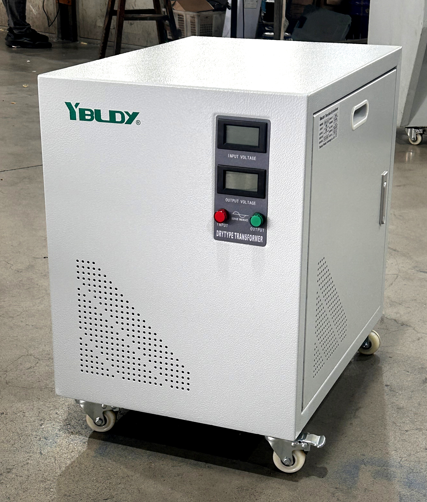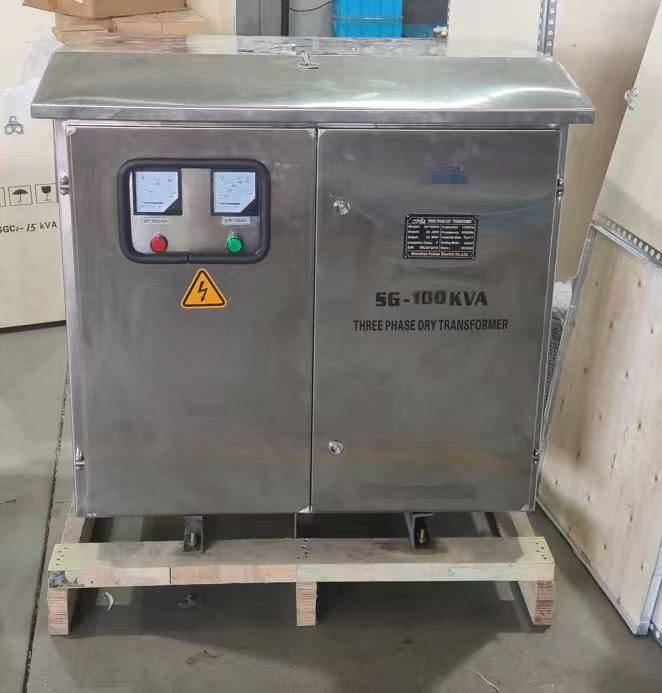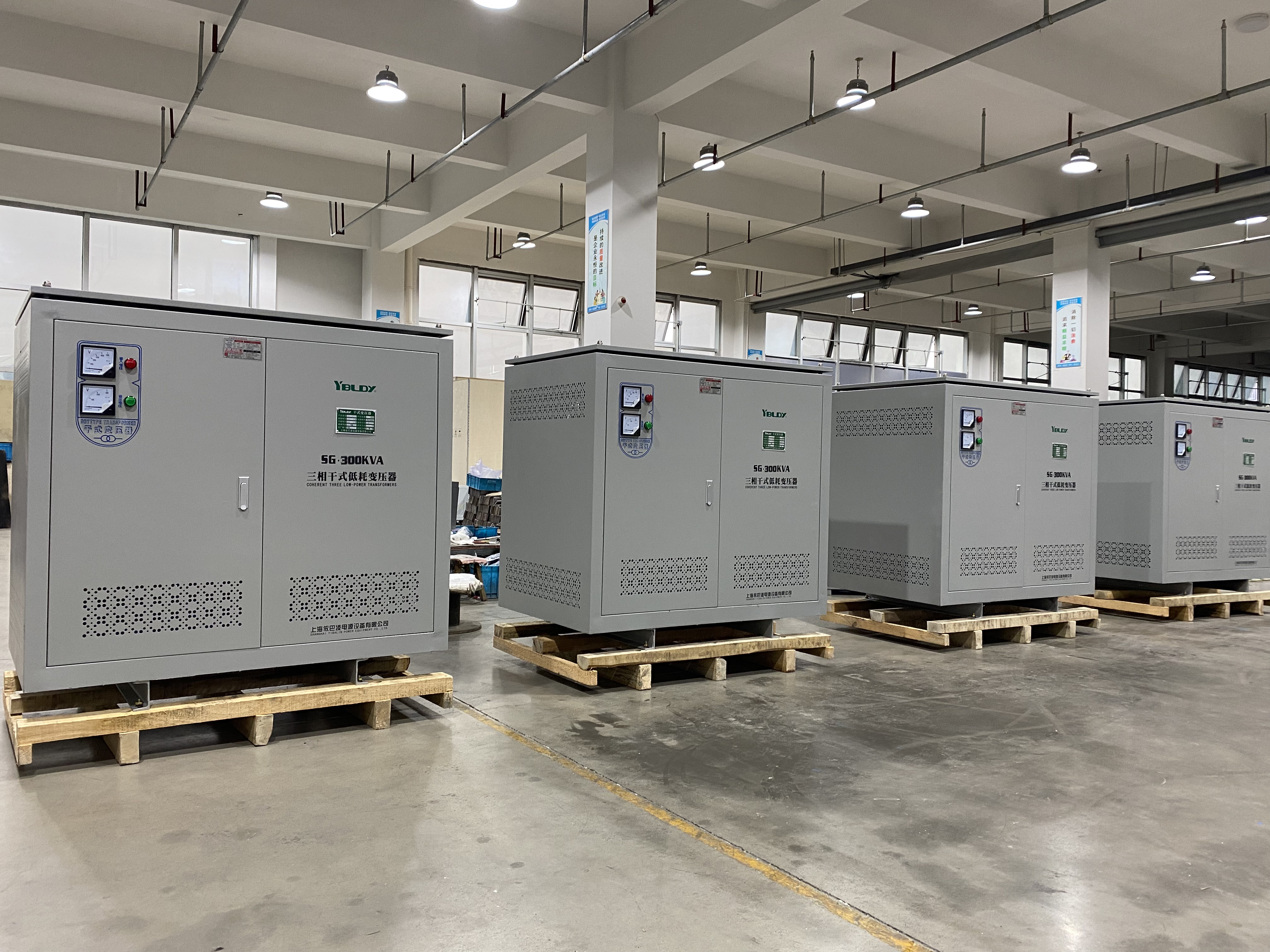

How to choose SBW Series Compensation Voltage Stabilizers?
If you've ever watched a production line shut down or a data center flicker because of a voltage dip, you know the cost isn't just about the equipment—it's about the downtime. In the world of heavy industry, power quality isn't a luxury; it's a prerequisite.
For decades, the SBW series automatic compensation voltage stabilizer has been the quiet backbone of that reliability. While it's not the flashiest piece of kit in the electrical room, talk to anyone who keeps a hospital, a manufacturing plant, or a telecom hub running, and they'll tell you: this is the gear that earns its keep when the grid gets shaky.
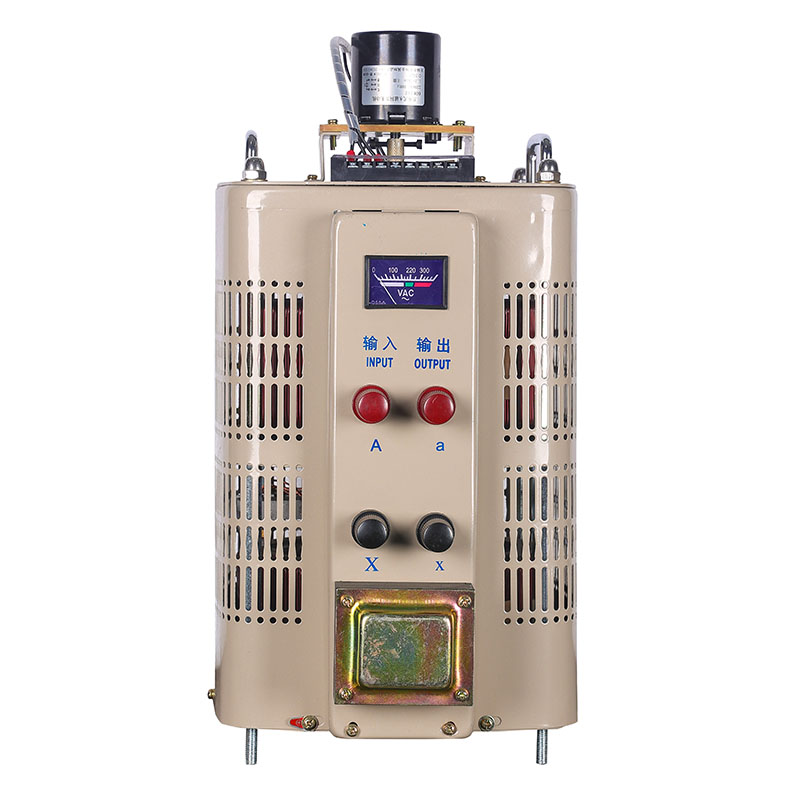
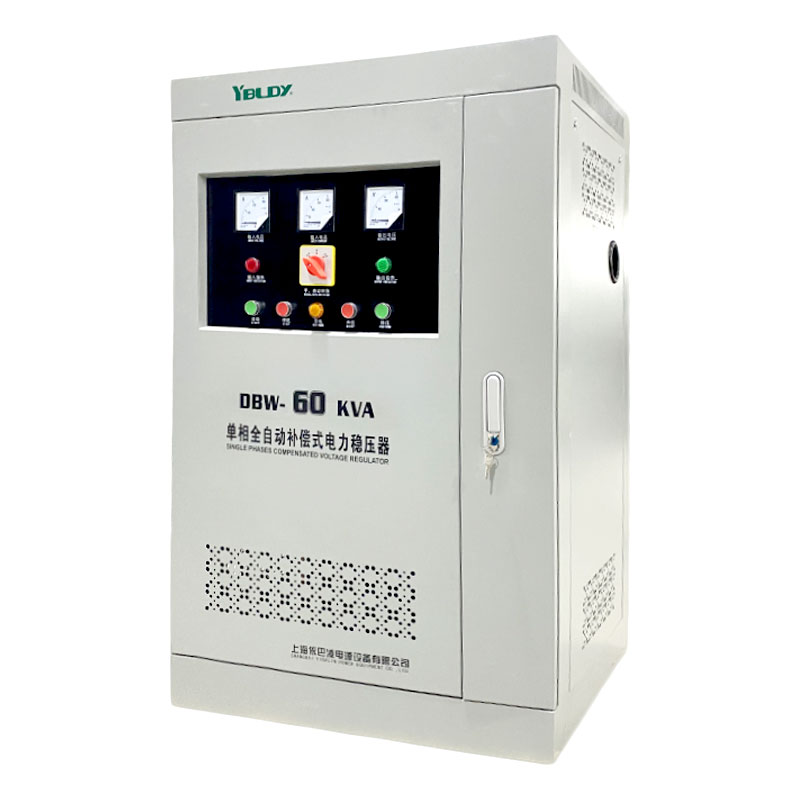
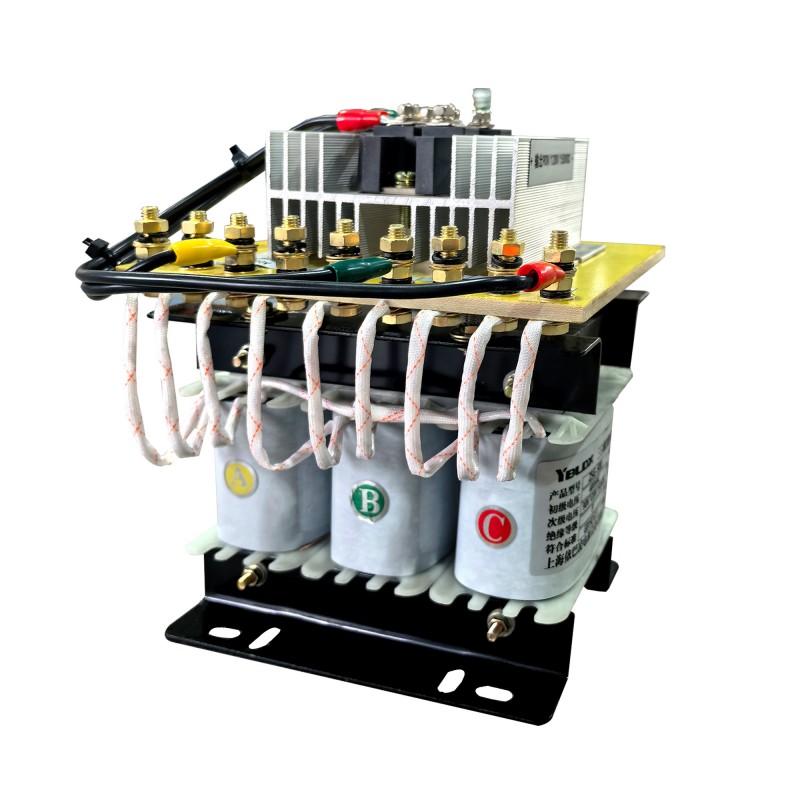
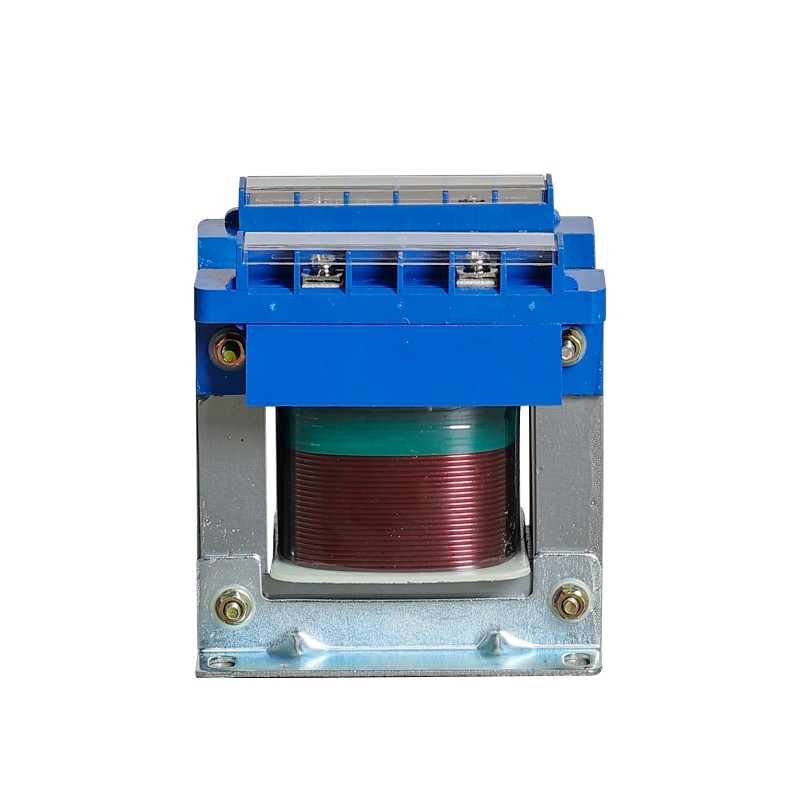
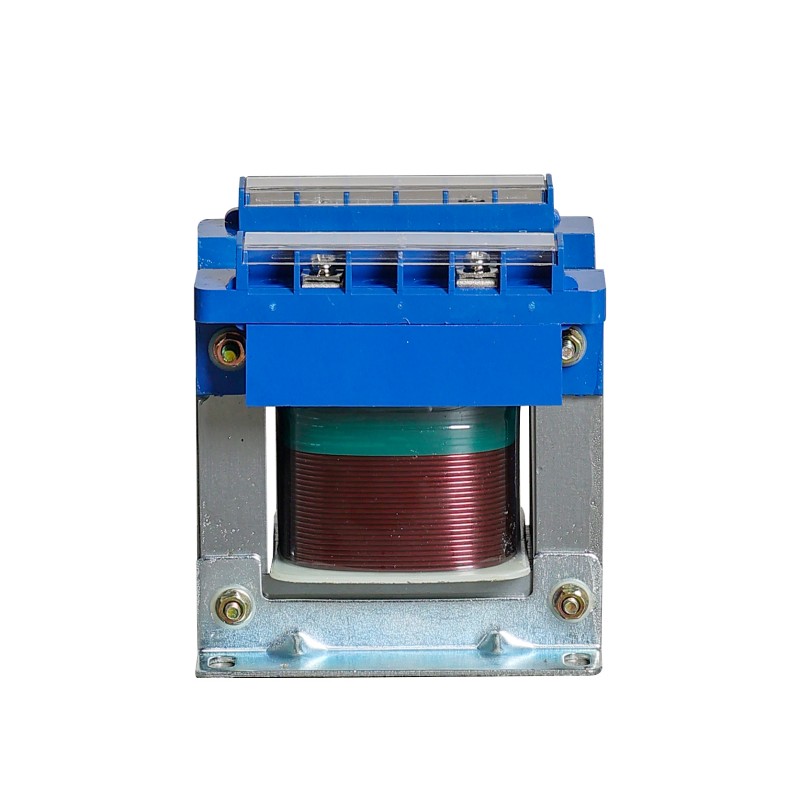
The SBW Series Compensation Voltage Stabilizers operates on a straightforward but robust principle. When the incoming grid voltage fluctuates or the load changes, the unit automatically compensates to hold the output steady. The core architecture is built around a three-phase compensation transformer and a contact voltage regulator . It's not reinventing the wheel—it's making sure the wheel keeps turning, no matter what.
What the Spec Sheet Actually Means
The numbers tell a story, too. Depending on the model and configuration, the SBW Series Compensation Voltage Stabilizers can handle input voltage swings of ±20% to ±30%, locking the output to a precision of ±1% to ±5% . That's a level of correction that keeps sensitive CNC machinery, medical imaging equipment, and server racks from throwing errors or shutting down.
Efficiency is another headline feature. Most units in this series come in at ≥98% efficiency, which means less wasted energy and lower cooling costs . In an era where every kilowatt-hour is scrutinized, that efficiency adds up fast. The waveform distortion is minimal—typically ≤0.1%—so it doesn't introduce the kind of harmonic pollution that can cause problems for other equipment on the same bus .
The SBW's response time is also worth noting. It can correct for a 10% input voltage jump in less than 1.5 seconds, with some configurations delivering response times under 100ms . For context, that's fast enough to catch most sags and swells before they can cause a breaker to trip or a controller to fault.
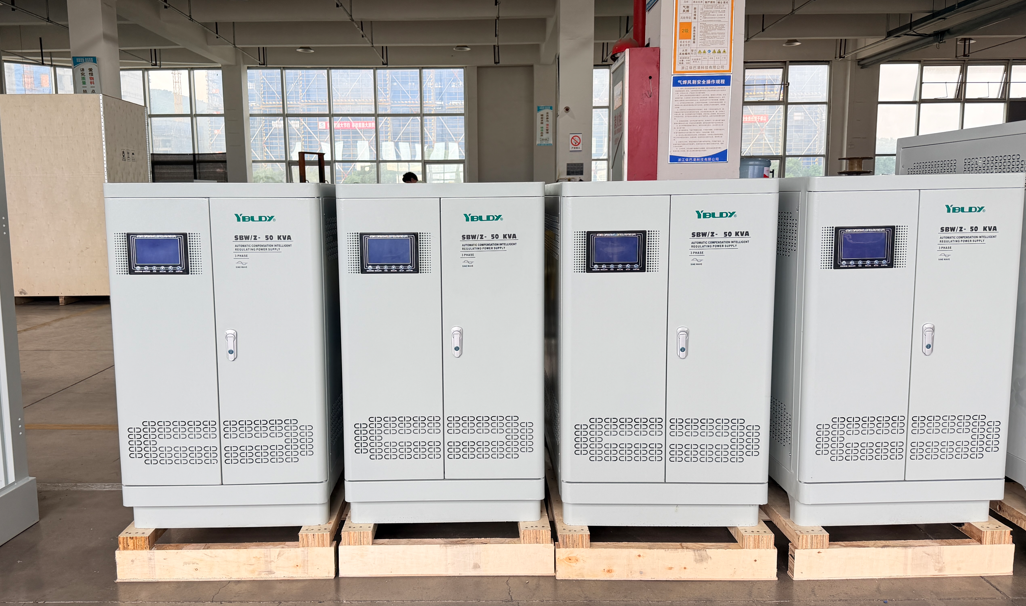
Built for the Real World
The SBW Series Compensation Voltage Stabilizers is a utility player. Its applications run the gamut from large-scale electromechanical equipment and metal processing to elevator systems, textile machinery, and data center power distribution . It's the kind of gear you find in department stores, hospitals, schools, and even oil fields .
One of its key strengths is its durability. With an operating life rated at over 100,000 hours and a rugged build that withstands ambient temperatures ranging from -15°C to +45°C, it's not a device that needs constant babysitting . Forced air cooling keeps the transformer running cool, while built-in protections—overvoltage, undervoltage, overcurrent, and even surge suppression—act as a last line of defense against grid nastiness .
The engineering behind the SBW is also pragmatic. The column winding on the contact regulator is polished to a smooth finish to ensure consistent brush contact, and the transmission mechanism is driven by a motor and worm gear system—simple, mechanical, and reliable . It is, in many ways, a testament to the idea that in critical power applications, proven design often beats trendy innovation.
In the end, the SBW Series Compensation Voltage Stabilizers series does exactly what it says on the box. It stabilizes voltage. But the value proposition is deeper: it's about protecting your equipment, reducing unplanned downtime, and getting on with the work of running your business, without having to worry about what's happening on the utility side of the meter.
About the Manufacturer
The SBW Series Compensation Voltage Stabilizers is manufactured to rigorous standards, with many suppliers offering units that meet ISO and CE certification requirements . Customization options—including input voltage ranges, output configurations, and capacity up to 2000kVA and beyond—are available for specific project needs
Related News
- What ZSG Three-Phase Dry-Type Rectifier Transformer work?
- Which one is good S13 Oil-Immersed Distribution Transformer?
- How to choose JBK5 Machine Tool Control Transformer?
- How BK Machine Tool Transformer 220V works?
- Which one is good SBK Three-Phase Dry-Type Transformer?
- How to choose SBW Intelligent Servo Voltage Stabilizer?
Leave me a message