
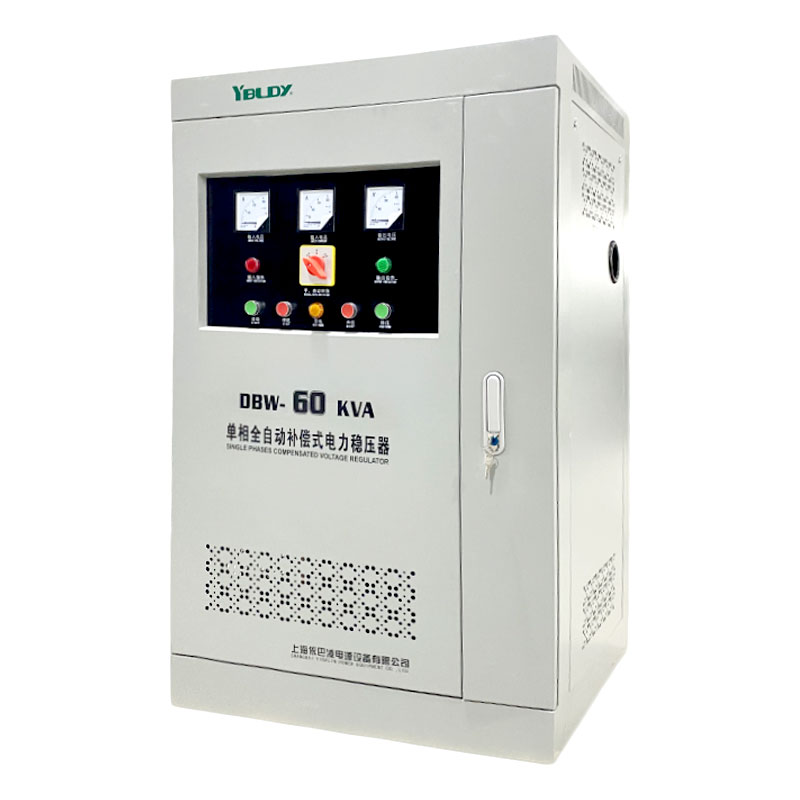
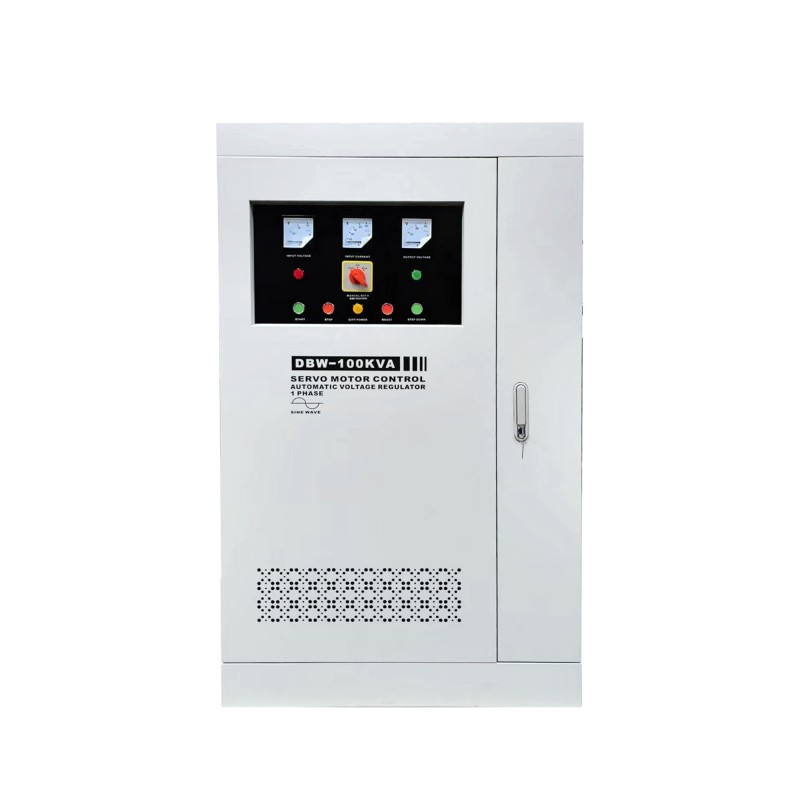
DBW Servo Voltage Stabilizer
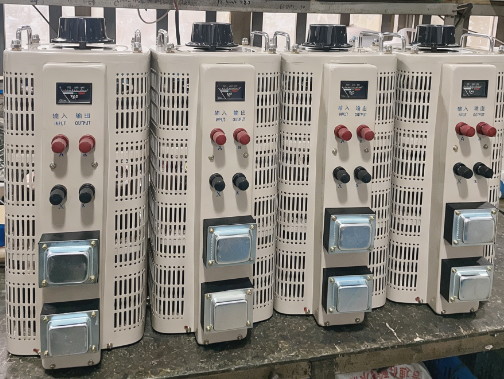
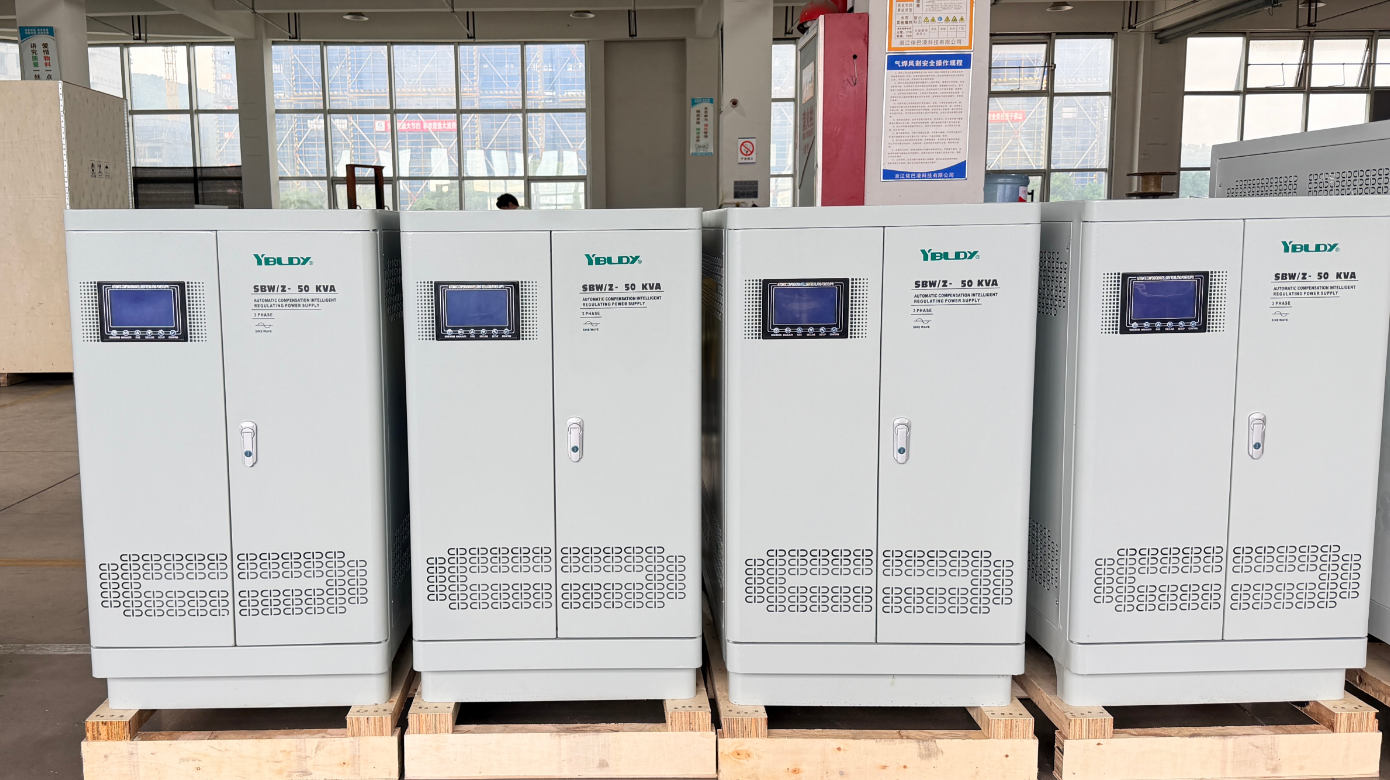
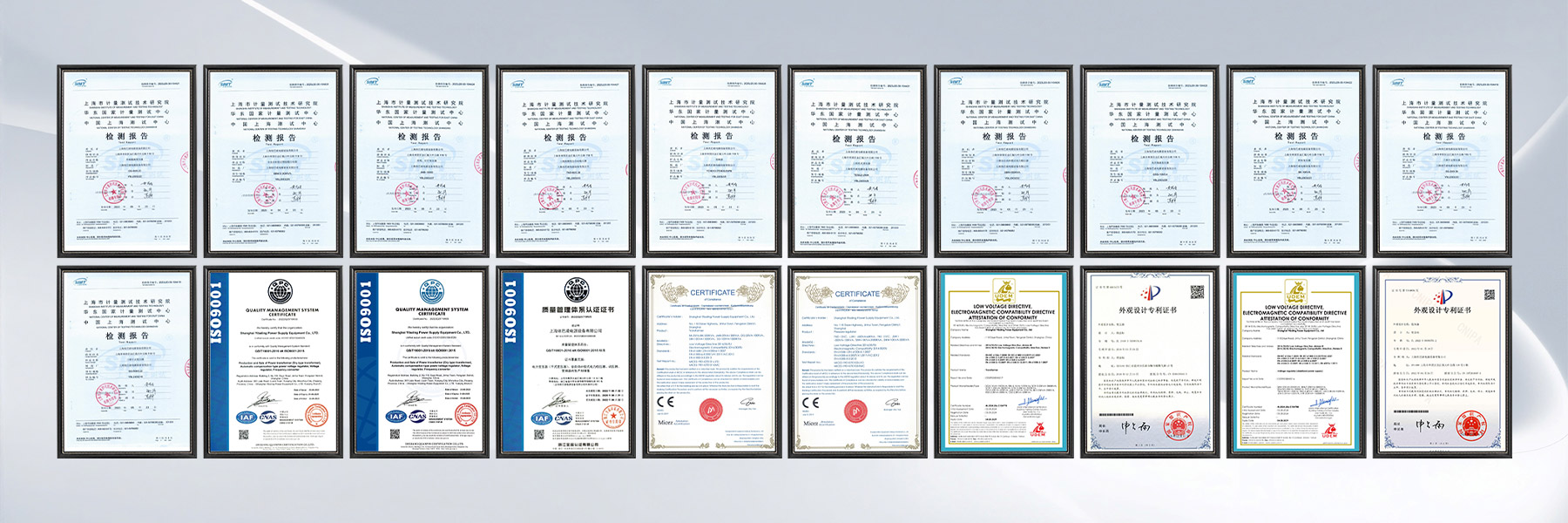
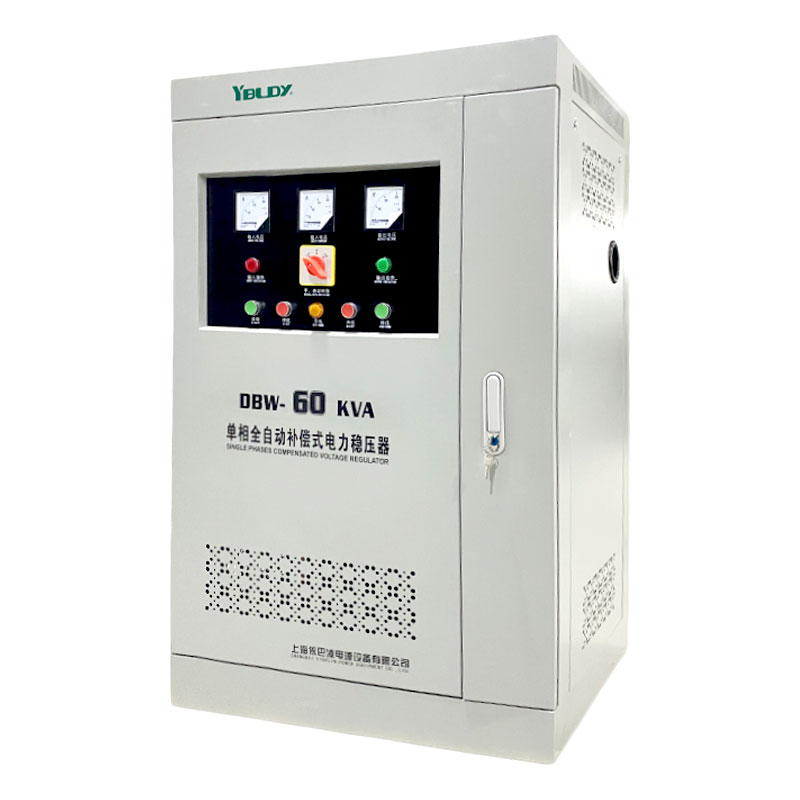
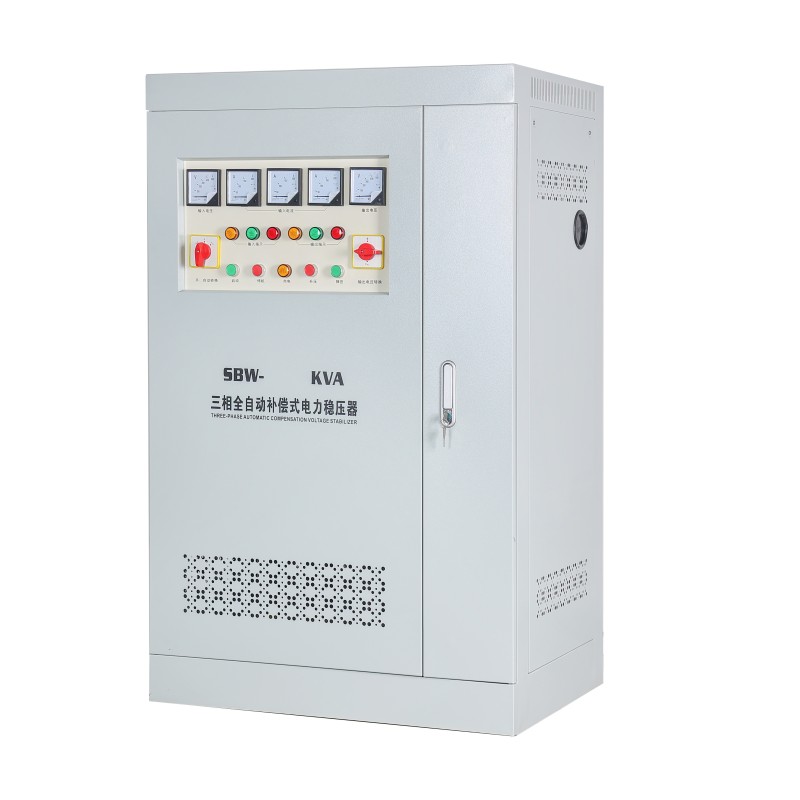
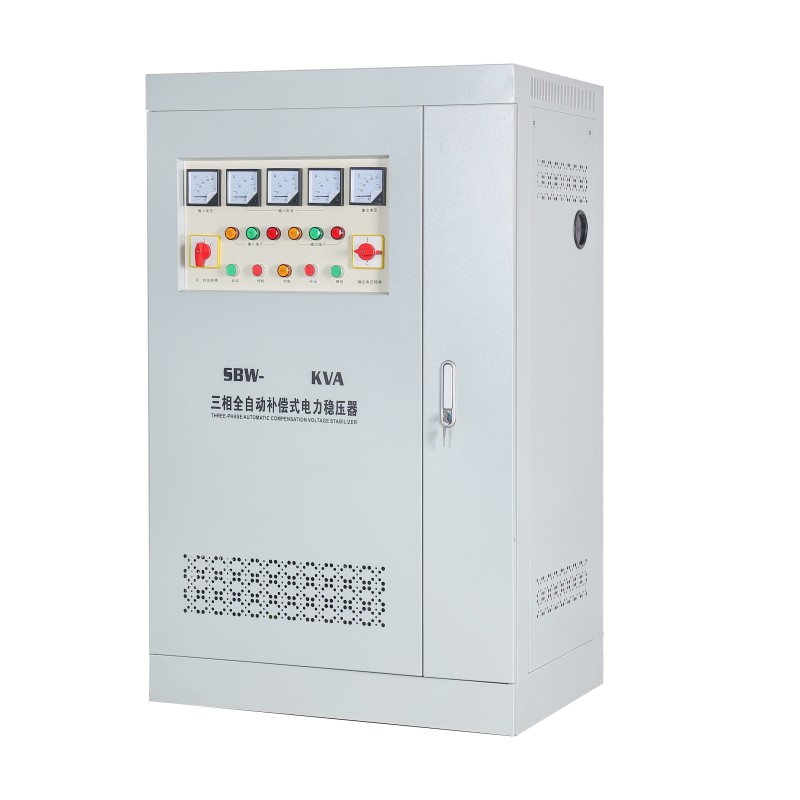
Servo-type voltage regulators are the most common type of voltage regulators available on the market. As a manufacturer deeply rooted in the voltage regulator industry for decades, our Zhejiang Yibaling factory also produces DBW Servo Voltage Stabilizer. The product we produce strictly follows national standards and meets the CCC standard and CE standard. It has excellent quality and meets performance requirements. If you need it, please feel free to place an order.
The DBW servo voltage stabilizer produced by our Yibaling factory was designed with the aim of being easy to operate and maintain.
When we produced the product, it aimed to reduce both the size and weight compared to the older models with the same power output by nearly one-third.
This means that the DBW servo voltage stabilizer can be moved and fixed by one person, and the wiring space is also more spacious.
Safety Protection Function
Yibaling engineers have added multiple safeguards to the DBW servo voltage stabilizer to specifically address unexpected situations on site.
Overvoltage protection: it is not just an alarm, but when the output voltage exceeds the safety value (such as 10% above the rated value), it can directly cut off the output within milliseconds to prevent the expensive equipment from being damaged.
Phase loss and phase sequence protection: if it detects that one phase of the input power is missing, or the three-phase live wires are connected in reverse, the voltage stabilizer will immediately lock and not start, while the panel gives a clear alarm to avoid motor reversal or control system disorder.
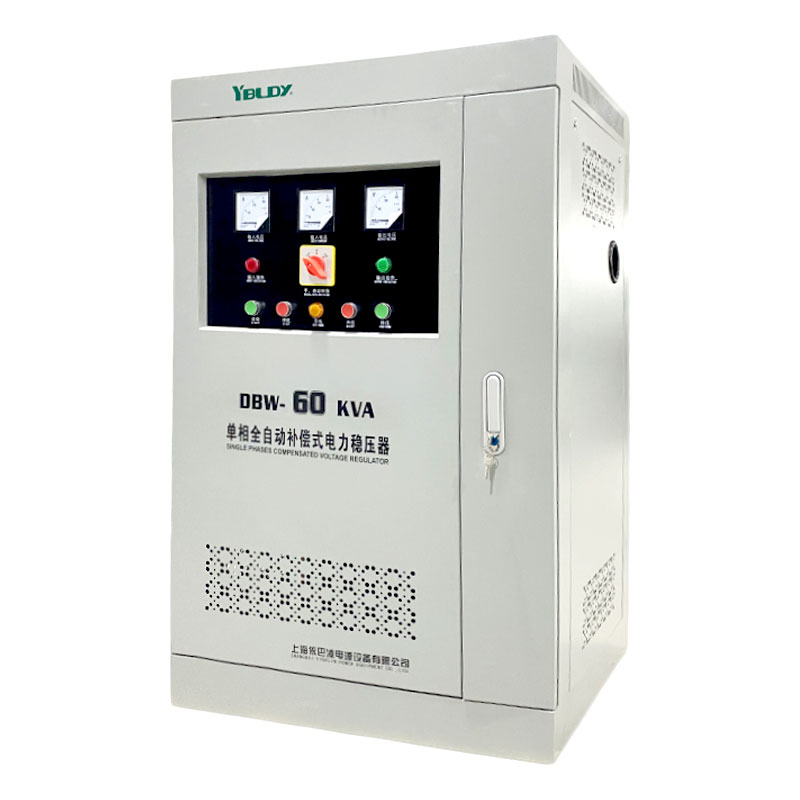
Comparison of Advantages
| Comparison Dimension | Ordinary DBW Product | Yibaling DBW Servo Voltage Stabilizer | Added Value for Customers |
| Core Materials and Processes |
Regular Silicon Steel Sheets and Copper Materials Ordinary Insulation Treatment General Carbon Brushes |
High Magnetic Conductivity Silicon Steel Sheets, Efficiency > 98% F-Class Insulation System + Secondary Vacuum Immersion Painting |
Lower Loss, Quieter Operation, Longer Insulation Life, Core Movement Without Wear Resistance and Spark Resistance, Overall Reliability Doubled |
| Control System |
Analog Circuit or Basic Digital Control Buttons + Pointer Display |
Industrial Grade Touchscreen and Intelligent Chip | Strong Anti-Interference, Accurate Reading |
| Performance and Response |
Typical Response Time ≤ 1.5s Conventional Protection Functions |
Ultra-fast Dynamic Response (Response Time ≤ 0.05s) Strong Overload Capacity (2 Times Current for 1 Minute) |
Stronger Ability to Handle Grid Surges and Impactive Loads (such as Motor Start), More Timely and Comprehensive Protection of Equipment Factory Inspection and Reliability |
| Factory Inspection and Reliability | Regular Factory Tests |
72-hour Load Simulation Aging Test Core Components High and Low Temperature Screening |
Maximize Elimination of Early Fault Hazards |
Instructions for Using
The standard usage process of the DBW servo voltage stabilizer is a complete safety specification that begins with proper installation, follows a strict operation sequence, and culminates in regular maintenance.
Its core objective is to ensure that the equipment operates safely and efficiently for an extended period and provides pure and stable power to the downstream load.
Here is a detailed explanation of each step in the standard usage process:
1. Installation Location
It should be vertically fixed in an indoor ventilated area, with a 30-centimeter space reserved around it, and connected to the input, output, and reliable protective ground wire strictly according to the markings of the DBW servo-type voltage stabilizer.
2. Follow the Correct Electrical Operating Sequence
During operation, the core electrical sequence must be followed when starting:
First turn on the DBW servo-type voltage stabilizer, wait for the output voltage to stabilize. Then turn on the loads one by one.
When shutting down, it must be:
First turn off all loads, then turn off the DBW servo-type voltage stabilizer, to avoid load shock.
3. Daily Maintenance
During daily maintenance, it is necessary to regularly clean the internal dust of the voltage stabilizer, check the wiring and the wear of the carbon brushes.
4. Usage Prohibited
Strictly prohibited to overload.
Do not use the DBW servo-type voltage stabilizer as an uninterruptible power supply (UPS).
Do not open the box while powered on.
If abnormal noise, odor, or abnormal output voltage is detected during the operation, it should be immediately shut down and powered off, and you should have it inspected by a professional for repair.
Do not disassemble it yourself.
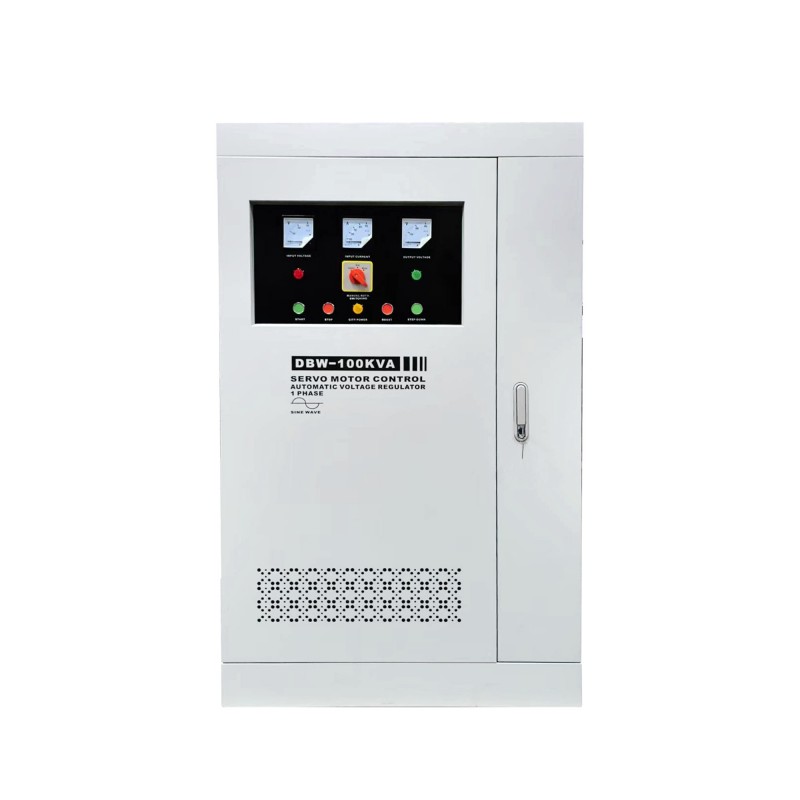
Product Information
| Model | Rated capacity(kVA) | Dimensions(cm) | Weight(kg) |
| DBW-20K | 20 | 70*50*135 | 283 |
| DBW-30K | 30 | 70*50*135 | 330 |
| DBW-40K | 40 | 70*50*135 | 360 |
| DBW-50K | 50 | 70*50*135 | 380 |
| DBW-60K | 60 | 70*50*135 | 400 |
| DBW-70K | 70 | 70*50*135 | 430 |
| DBW-80K | 80 | 70*50*135 | 480 |
| DBW-100K | 100 | 70*50*135 | 510 |
| DBW-150K | 150 | 70*50*135 | 530 |
| DBW-180K | 180 | 70*50*135 | 570 |
| DBW-200K | 200 | 70*50*135 | 600 |
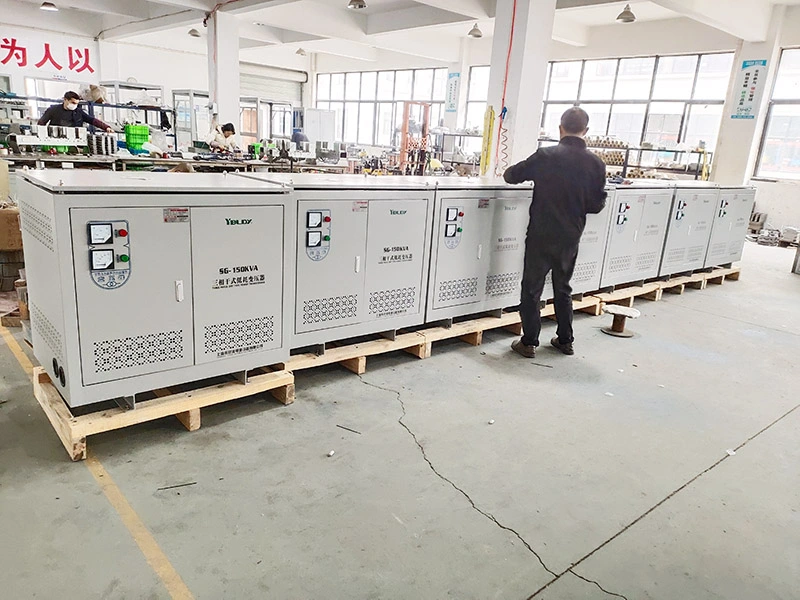
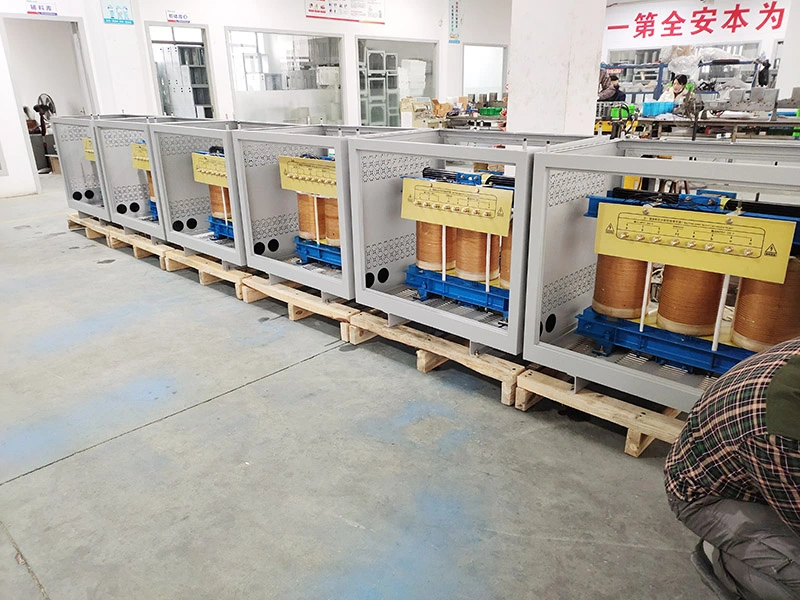
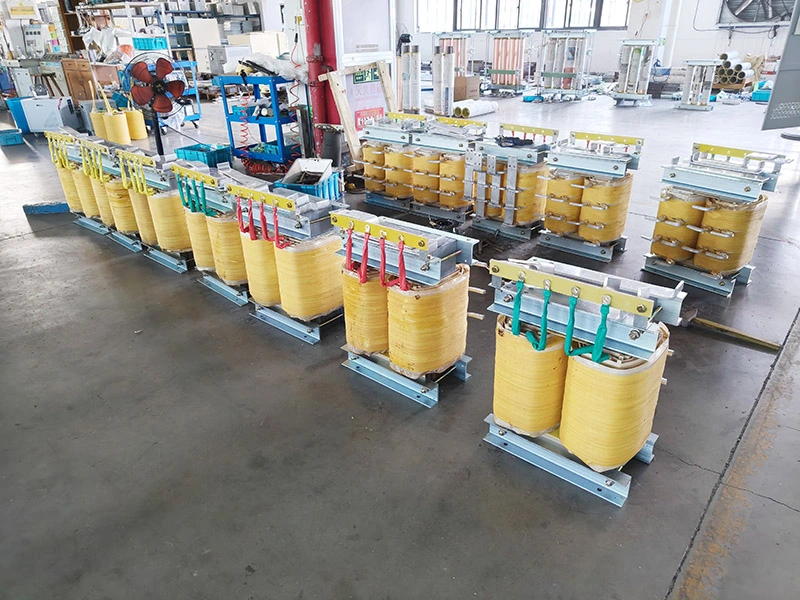
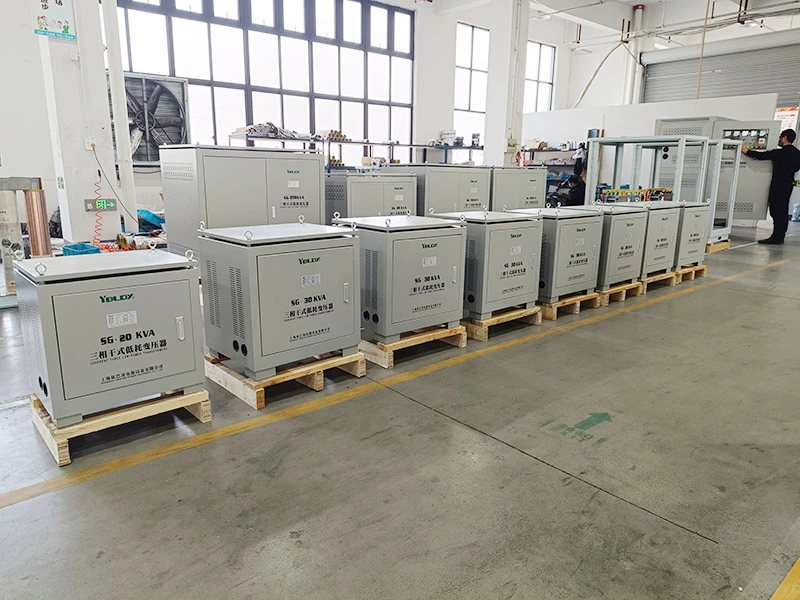
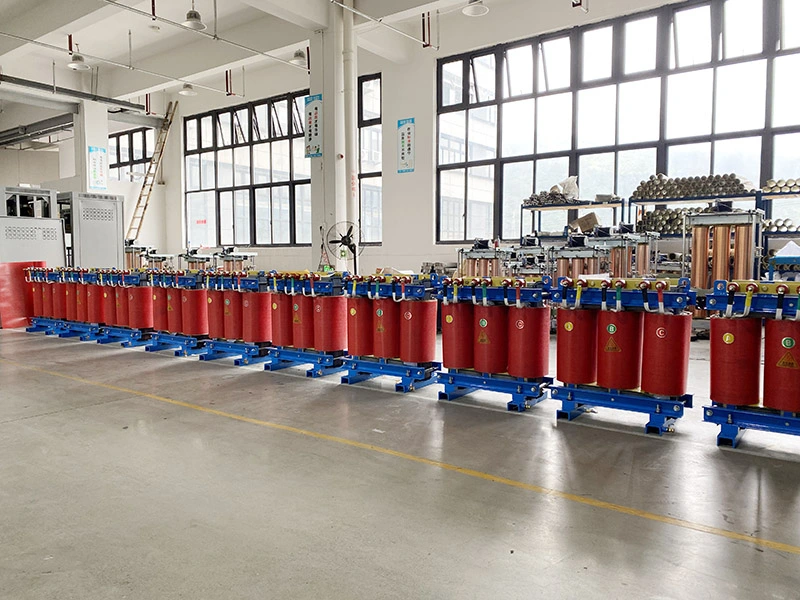
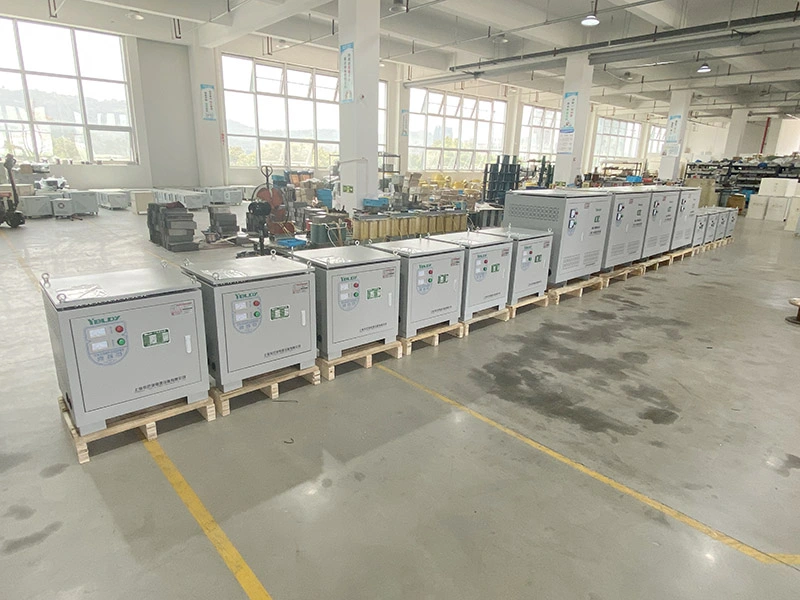
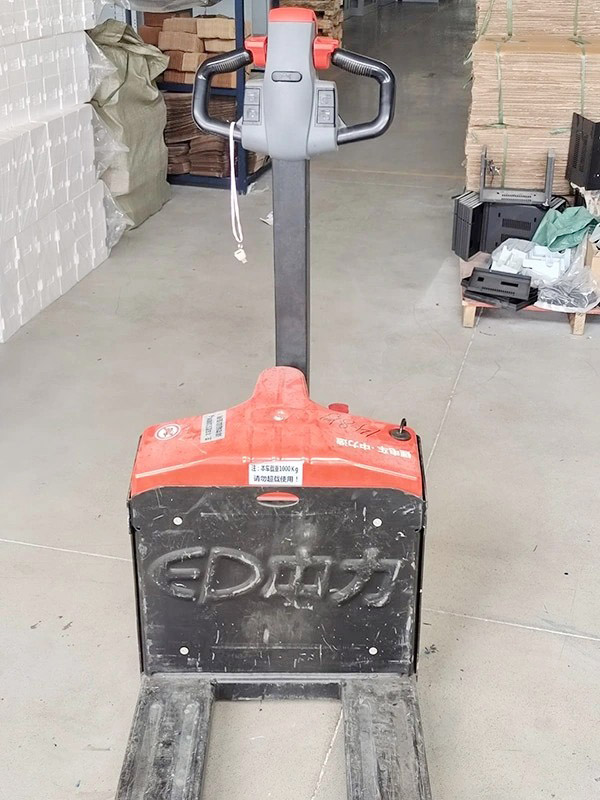
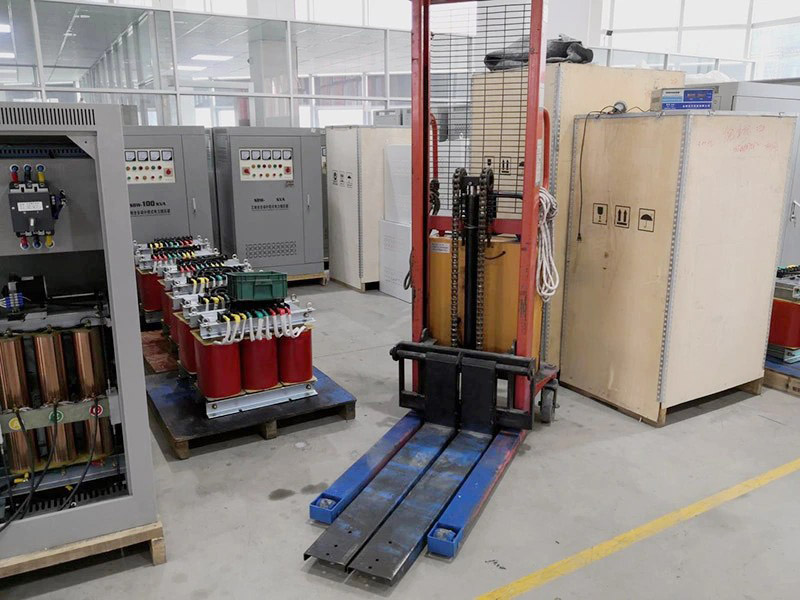
Our Warehouse
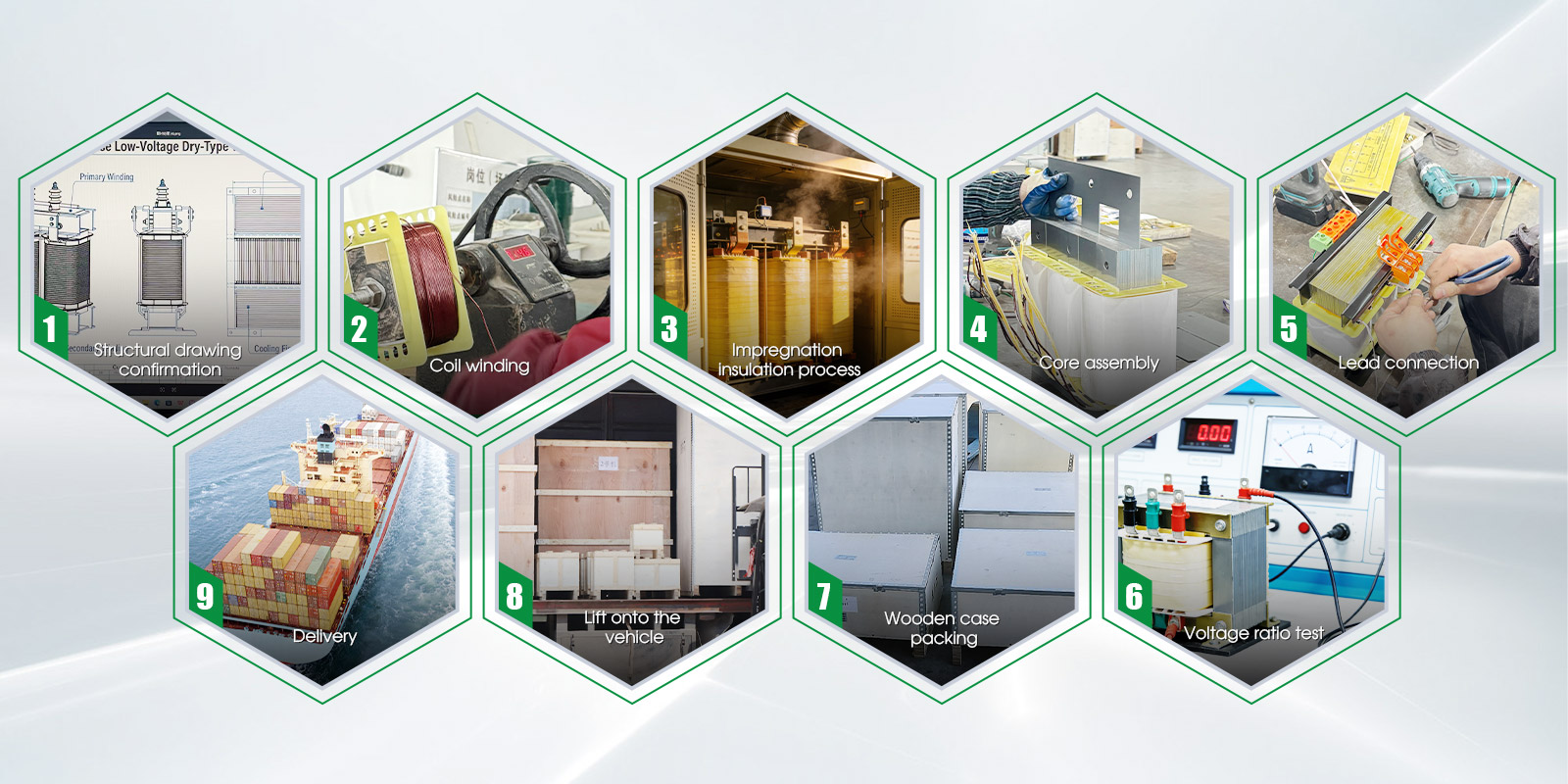
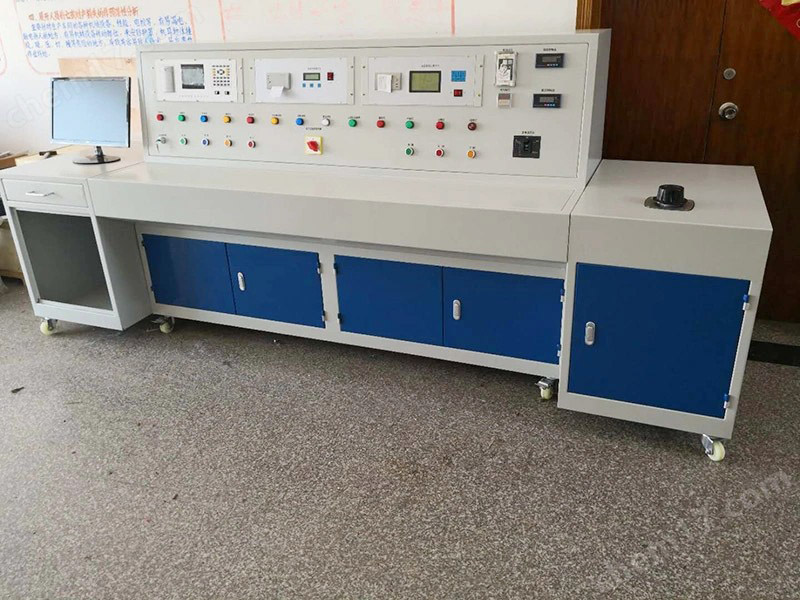
Production Process
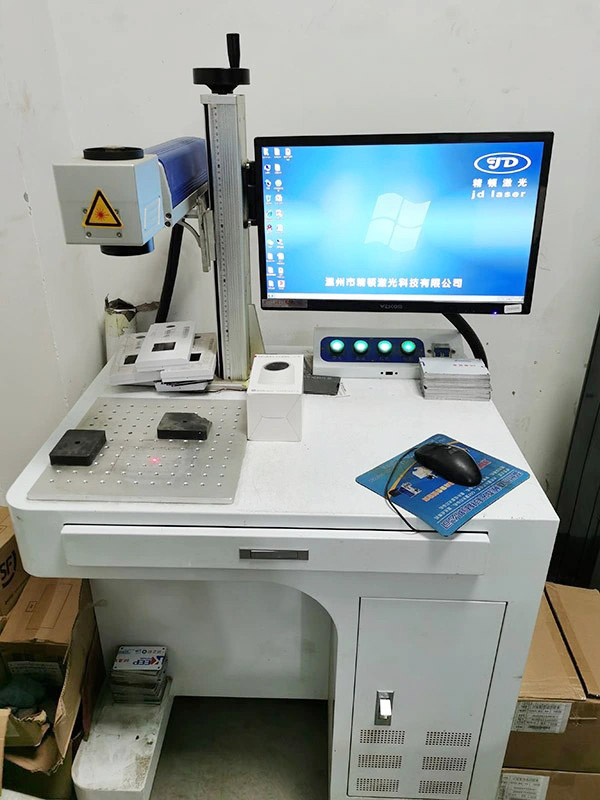
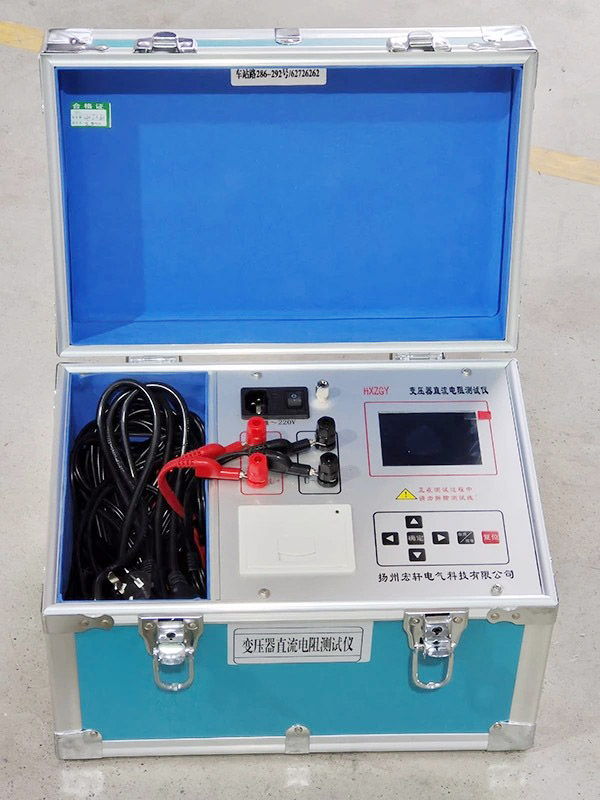
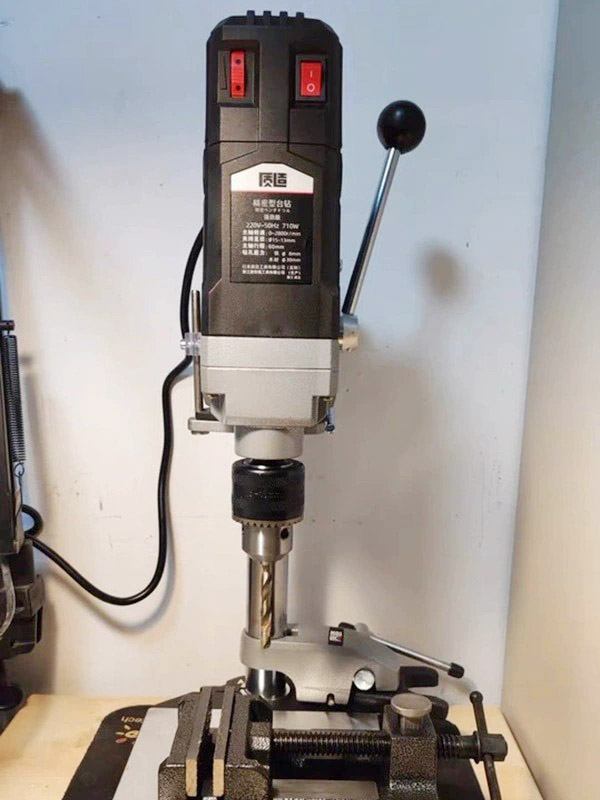
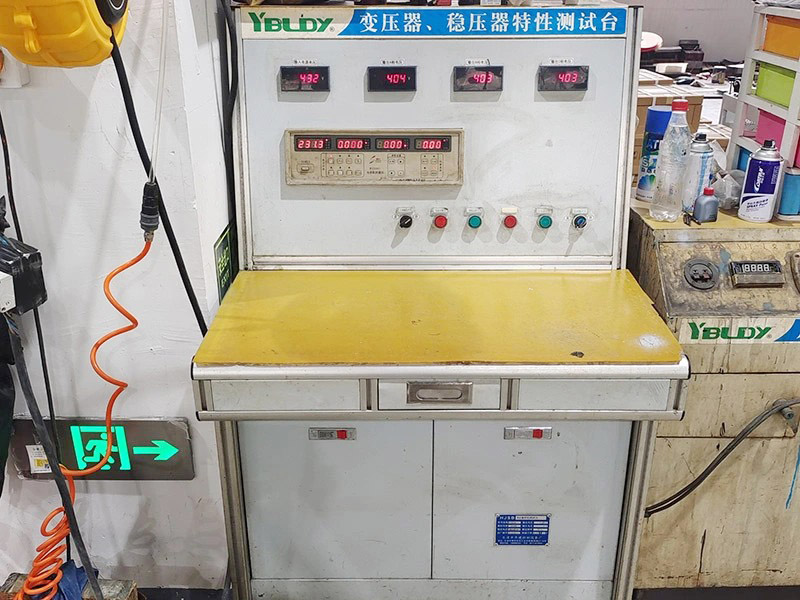
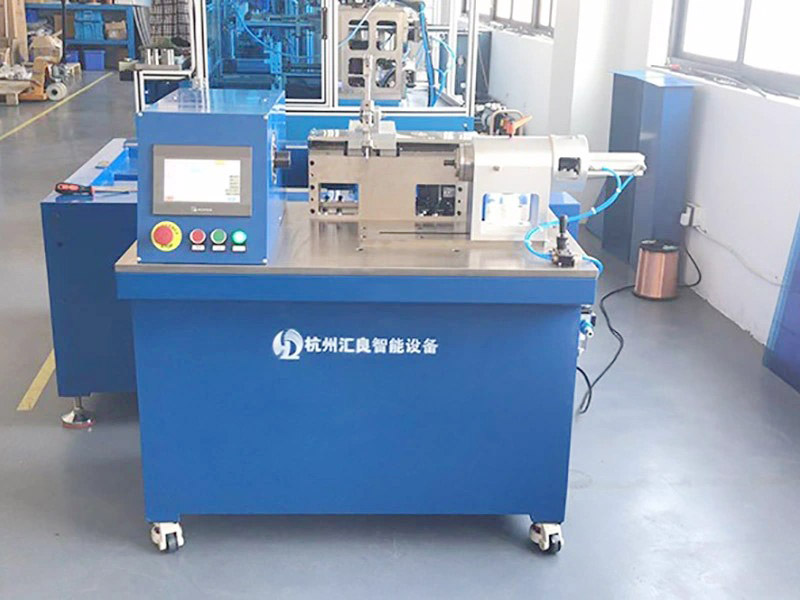
Production Equipment
Certificate
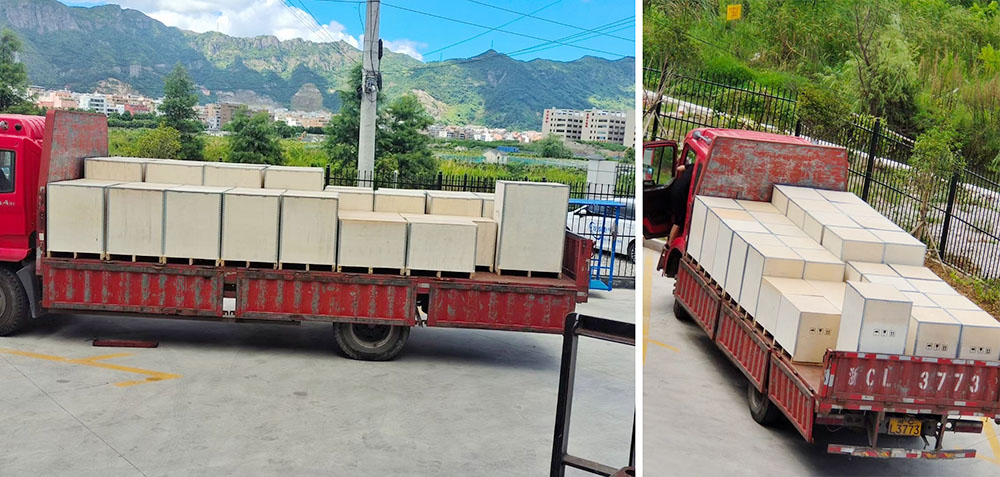
Shipment
Related Category
Send Inquiry
Contact Info
-
Address
Plot 9, Zhangqu Village, Liushi Town, Wenzhou City, Zhejiang Province, China
-
Tel
-
Email
Get Customized Power Solutions from a Leading Chinese Manufacturer
Request Your Free Quote in <24 Hours
Related Products
News Recommendations