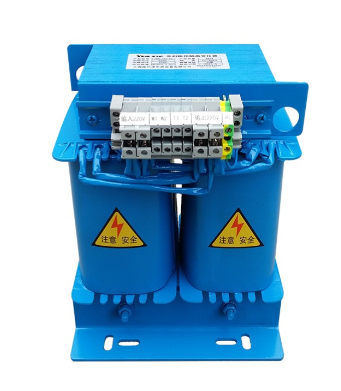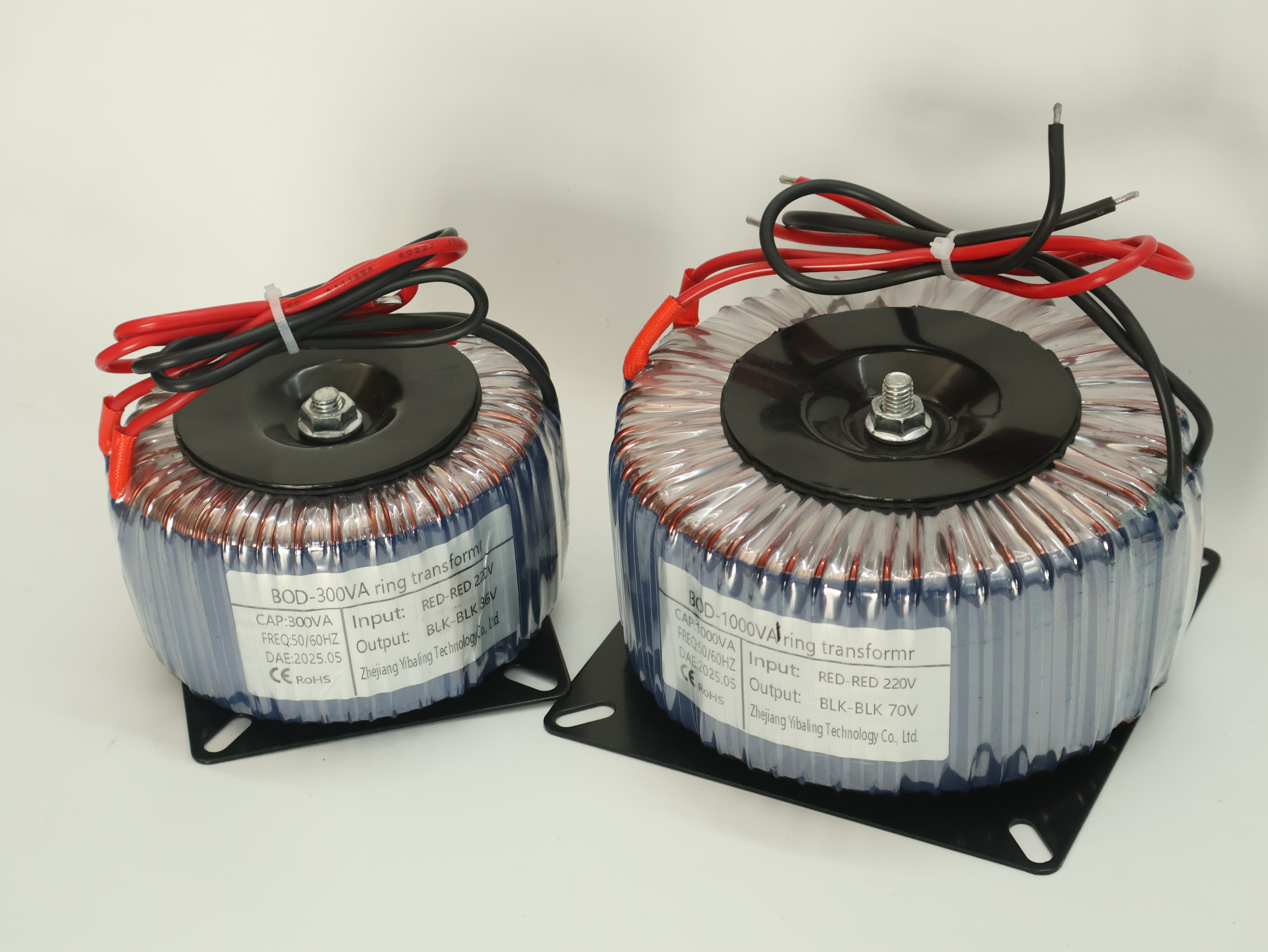

High Quality Voltage Regulator Manufacturer
As a reliable and professional manufacturer, Yibaling is capable of fulfilling custom requirements for Voltage Regulators and provides you with comprehensive technical support services. This product line encompasses both three-phase and single-phase series; based on your specific operational needs, we will provide expert selection recommendations and complete user guidelines.
About Yibaling
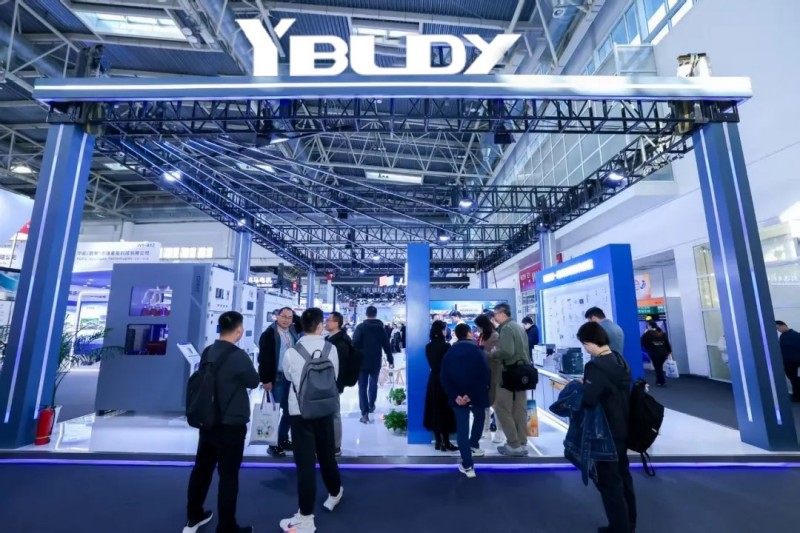
Zhejiang Yibaling Power Equipment Co., Ltd. is a professional manufacturer of voltage regulators in China.
Our products comply with the national compulsory product certification (CCC), the EU CE safety certification, and the ISO9001 quality management system certification standards.
In addition, we have over 3 years of experience in manufacturing voltage regulators for export. Yibaling transformers enjoy a warranty period of at least 2 years.
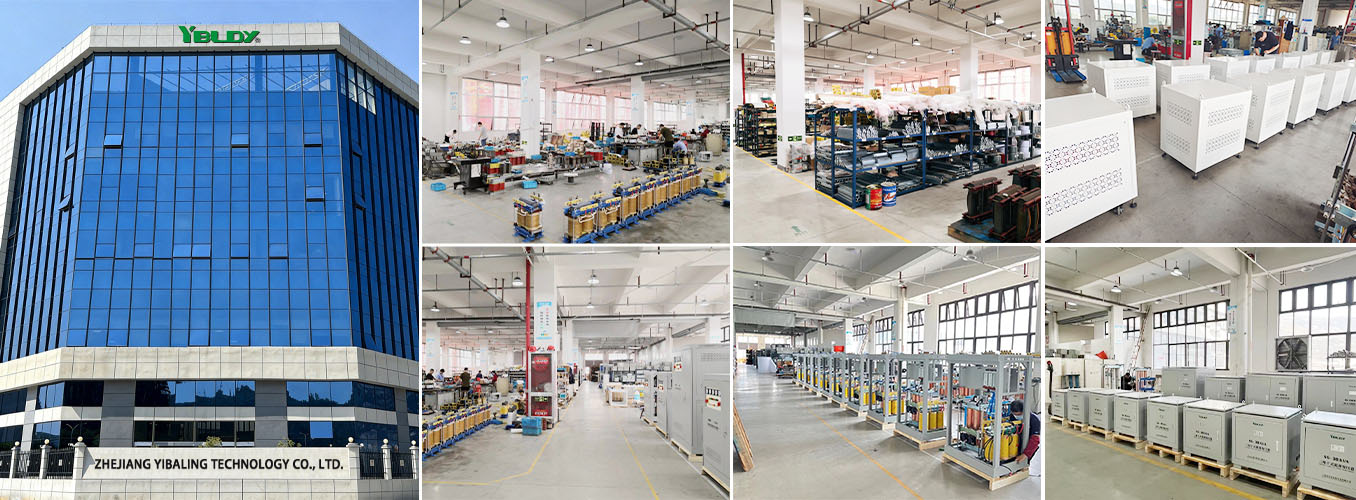
The factory covers a complete production line from winding, silicon steel sheet cutting to transformer manufacturing. Through strict control of the entire production line, effective quality and cost management have been achieved.
Why Choose Us?
1. High Quality
Yibaling factory is renowned for its diverse product lines and strict quality control throughout the entire process (from the selection of raw materials to the meticulous production procedures and to the delivery of high-quality products).2. Professional Team
Our company also has a professional team consisting of over 10 engineers and technical personnel, as well as a basic force of over 60 employees, which can cover every aspect from design to production and delivery. We are committed to providing customized services that fully meet your unique requirements for our clients.3. Support ODM/OEM
We fully support the in-depth cooperation between ODM and OEM. Whether you need to brand standard products that are compatible with existing systems, or conduct new design and development from concept to finished product, our professional team can work closely with you.4. Support Customization
We fully understand that standard products may sometimes not fully meet the unique requirements of your project. We are more than willing to offer you a precise solution through customized methods.What is a Voltage Regulator?
A voltage regulator is a device that can continuously adjust the output voltage within a specified range. Its core function is to precisely adjust the voltage to the desired value either manually or automatically.
Its typical example is the auto-coupling voltage regulator, whose working principle is similar to a "slideable contact": by rotating the knob, the carbon brush moves along the coil, changing the effective number of turns of the coil between the input and output terminals, thereby achieving smooth and stepless regulation of the output voltage from zero to the rated value based on the principle that "voltage is proportional to the number of turns".
The automatic type adds a control circuit and a servo motor on this basis, which can automatically stabilize the output voltage at the preset value.
How does a Voltage Regulator work?
The working principle essentially involves continuously adjusting the ratio of coil turns through mechanical or electronic means, thereby achieving stepless adjustment of the output voltage.
Take the most common autotransformer voltage regulator as an example: its core consists of a ring-shaped coil and a sliding carbon brush. The input voltage is connected to one end of the coil, and the carbon brush, serving as the output contact, is tightly attached to the surface of the coil. When the knob is rotated and the carbon brush slides, the effective number of coil turns between the input end and the carbon brush is changed.
According to the electromagnetic induction law that "voltage is proportional to turns", the output voltage changes continuously - as the carbon brush slides towards the input end, the voltage decreases (close to zero), and as it slides towards the far end, the voltage increases (exceeding the input voltage). The entire process is like moving a voltage divider contact on a coil, achieving smooth voltage regulation from zero to the rated value.
A more intelligent automatic voltage regulator adds a control circuit and a servo motor to this structure: it continuously monitors the output voltage and, after comparing it with the set value, automatically drives the carbon brush to move precisely to maintain the output at the target voltage. In short, the product is a "transformer with continuously variable turns ratio", and its core value lies in providing a freely adjustable and precisely controllable voltage output, rather than resisting fluctuations in the power grid.
How to Select the Right Voltage Regulator?
For most cost-sensitive general industrial and commercial applications—such as standard machine tools, production lines, and central air conditioning systems—where high cost-effectiveness and robust overload capacity are prioritized, servo-type (brush-type) voltage regulators offer a proven and reliable solution.
If you are protecting data center servers, high-end medical imaging equipment (CT/MRI), or semiconductor production lines—where “zero tolerance” for voltage disturbances demands millisecond-level intervention—then contactless voltage regulators, with their unmatched response speed and maintenance-free operation, are the unparalleled choice.
For stabilizing the main power supply to entire factories or workshops—where grid fluctuations are severe and large equipment starts/stops cause frequent impacts—high-capacity, high-efficiency, and shock-resistant compensation-type (power stabilizers) form the foundational “backstop” for the system.
Application Scenarios
A voltage regulator (voltage stabilizer) functions like an “electric iron,” specifically designed to smooth out unstable, fluctuating utility power, ensuring downstream equipment receives stable, clean electricity.
Its applications are extremely widespread—virtually any location with electricity where equipment is vulnerable to voltage instability may require one.
Commercial and Public Environments: Solving “Basic Troubles” and “Enhancing Experience”
In commercial buildings, the stable operation of central air conditioning units, elevator banks, and smart building systems depends on stable voltage.
Otherwise, issues like control failures and increased energy consumption may arise. In remote areas or older neighborhoods at the grid's edge, voltage regulators effectively resolve chronic low voltage issues that prevent air conditioners from starting and cause dim lighting.
Industrial Manufacturing: Ensuring “uninterrupted production” and “high-precision processes”
This is the main battlefield. In scenarios like automated assembly lines, CNC machines, and laser cutters, voltage instability can cause equipment program errors, reduced processing accuracy, or even shutdowns, resulting in significant losses.
Voltage regulators ensure stable power supply to control cores (such as PLCs and servo drives). Additionally, large motors in factories generate massive inrush currents during startup, which can instantly depress grid voltage and affect other equipment. The products act like “jacks,” propping up voltage to prevent entire workshops from “blacking out.”
- View as
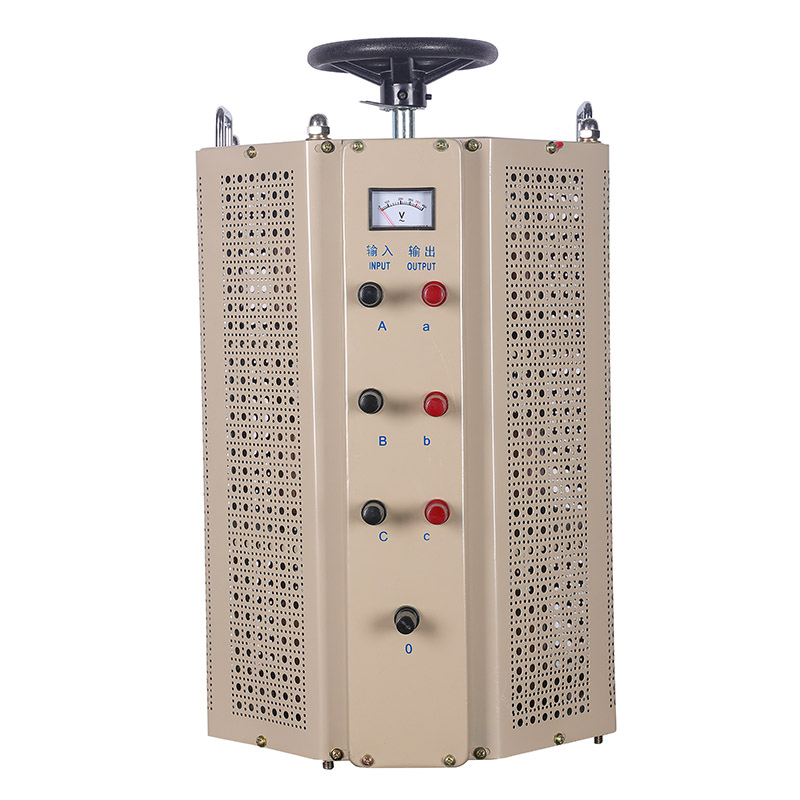
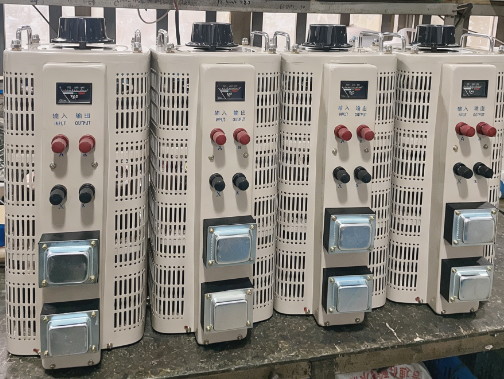
Three Phase High-power Voltage Regulator
Zhejiang Yibaling Power Supply Equipment Co., Ltd. is one of the large-scale manufacturers and suppliers of three phase high-power voltage regulators in China. Our voltage regulators are sold in most markets in Southeast Asia. They are guaranteed for two years and have competitive prices, which have continuously enhanced the trust of our customers. We also hope to become your exclusive supplier in China.
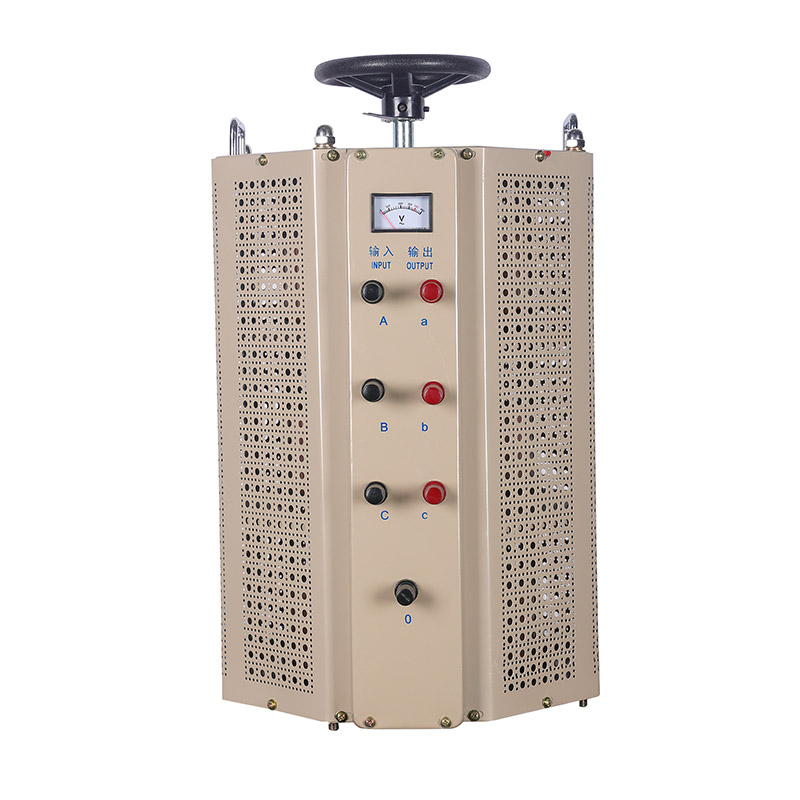
TSGC2J Three Phase Contact Voltage Regulator
The TSGC2J three phase contact voltage regulator is a product designed by Yibaling Company, a professional manufacturer, based on various test results and actual scenarios. The practical design has made this voltage regulator highly popular in European and American countries. We also look forward to having you as our international partner.
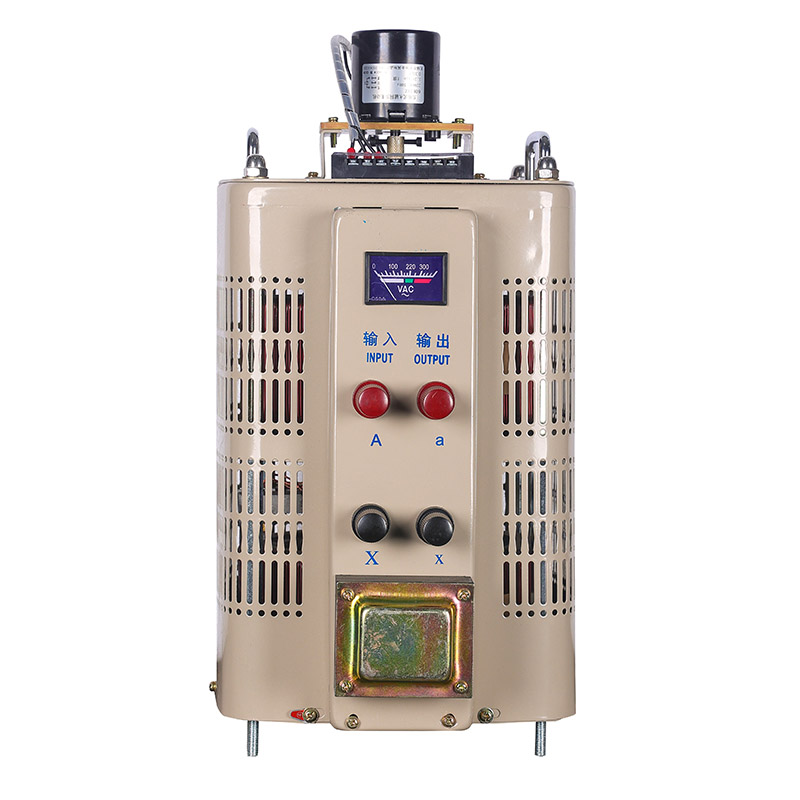
TDGC2 Contact-type Voltage Regulator
Zhejiang Yibaling Power Equipment Co., Ltd. is one of the major manufacturers and suppliers of TDGC2 contact-type voltage regulators in China. As a mature manufacturing plant, we offer customized orders. We welcome you to purchase high-quality equipment or get OEM services from our factory.
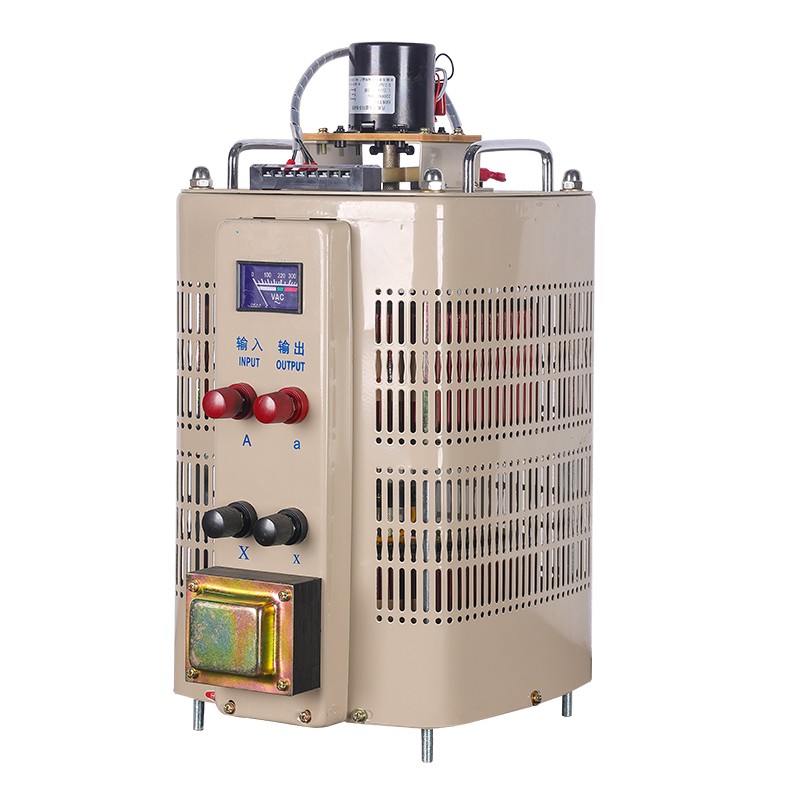
TDGC2J Single Phase Contact Voltage Regulator
As a factory located in the electrical equipment capital, our company, Zhejiang Yibaling Power Supply Equipment Co., Ltd., fully exploits its geographical advantages to develop itself. The TDGC2J single phase contact voltage regulator produced by us not only complies with the national CCC standard but also meets the CE standard. The high quality of our product convinces customers. Welcome to place your order.
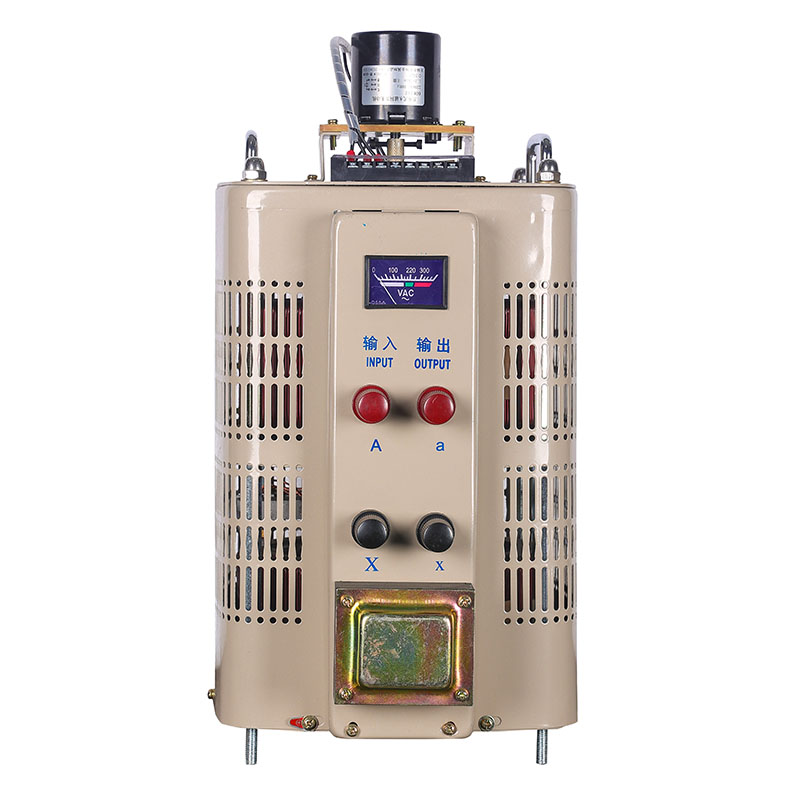
Single Phase High-power Voltage Regulator
Zhejiang Yibaling Power Supply Equipment Co., Ltd. is located in Wenzhou, Zhejiang Province, China. We are a professional manufacturer and have over three years of experience in exporting and selling single phase high-power voltage regulators. The high quality of our products, the competitive price, and our excellent after-sales service have led more and more customers to choose us. We also look forward to becoming your Chinese supplier.
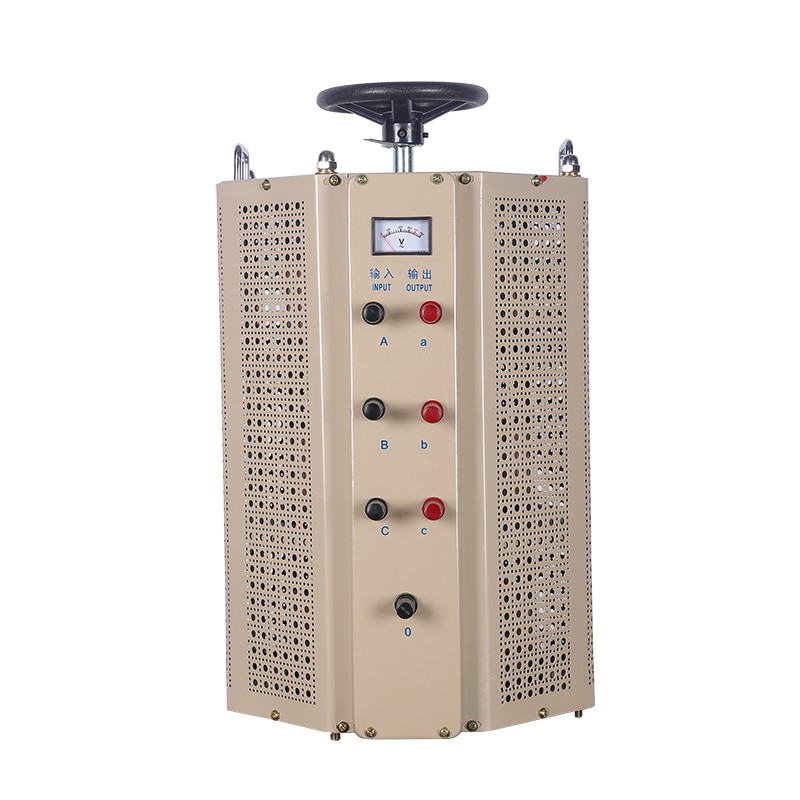
TSGC2 Contact-type Voltage Regulator
Zhejiang Yibaling Power Equipment Co., Ltd. is one of the large-scale manufacturers and suppliers of TSGC2 Contact-type Voltage Regulator in China. We welcome you to purchase high-quality Voltage Regulator and other products from our factory. We also support custom orders.
As a reliable Voltage Regulator manufacturer and supplier in China, we have our factory. If you want to buy quality and durable products, please contact us.