
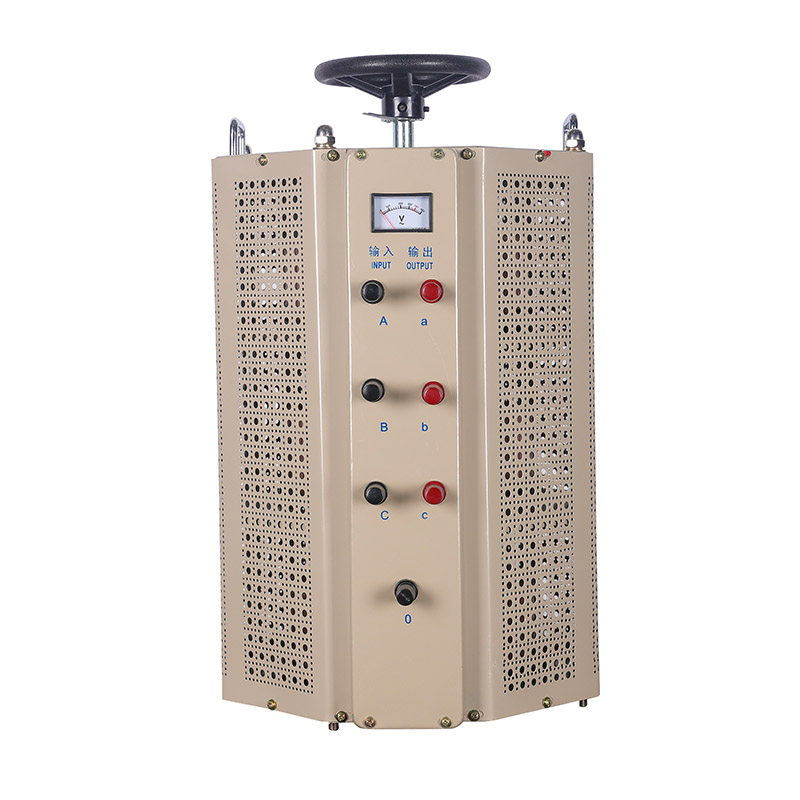
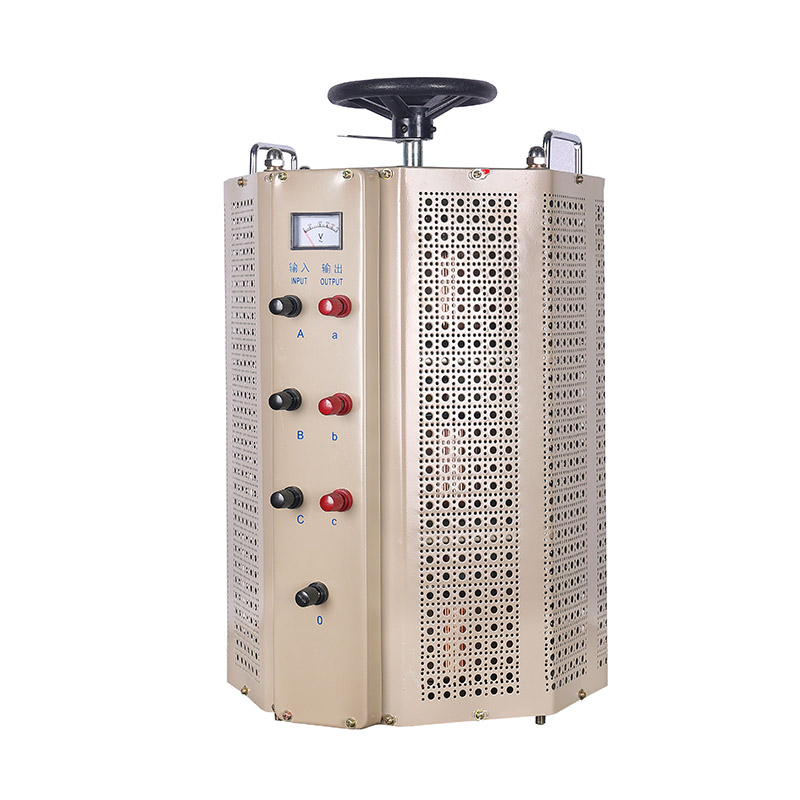
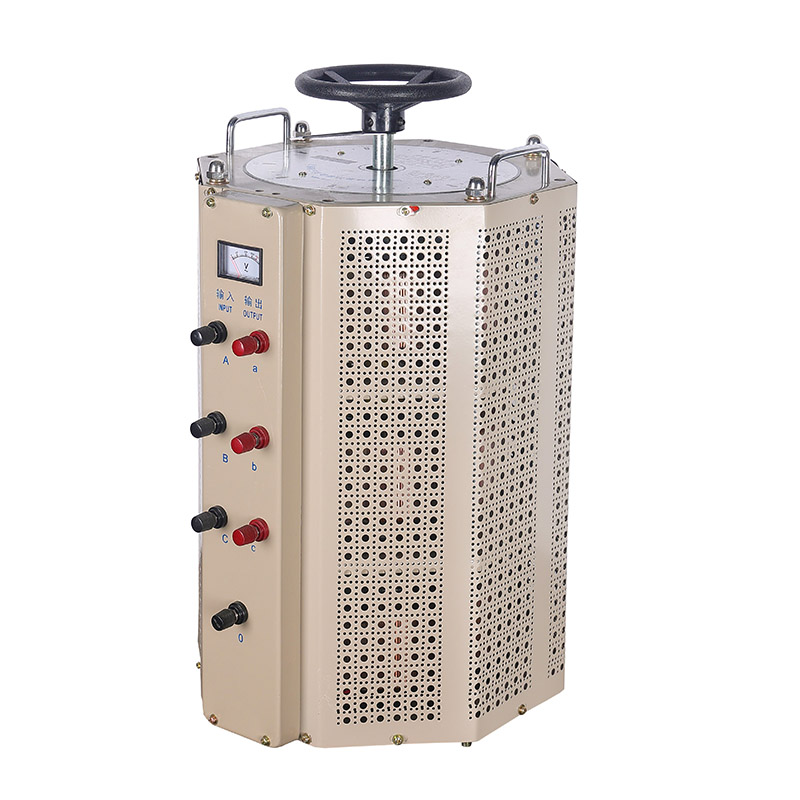
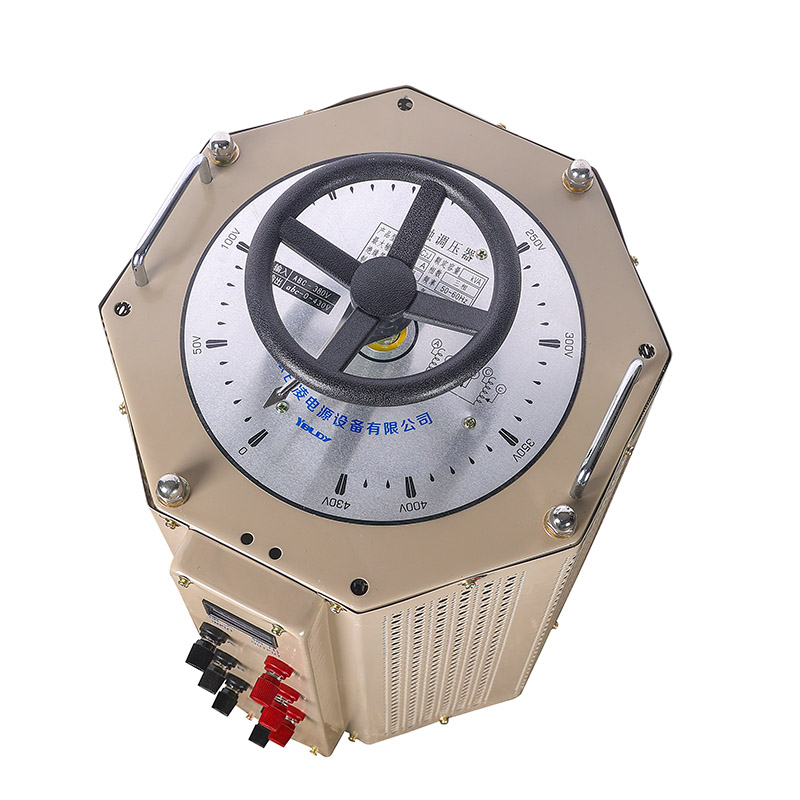
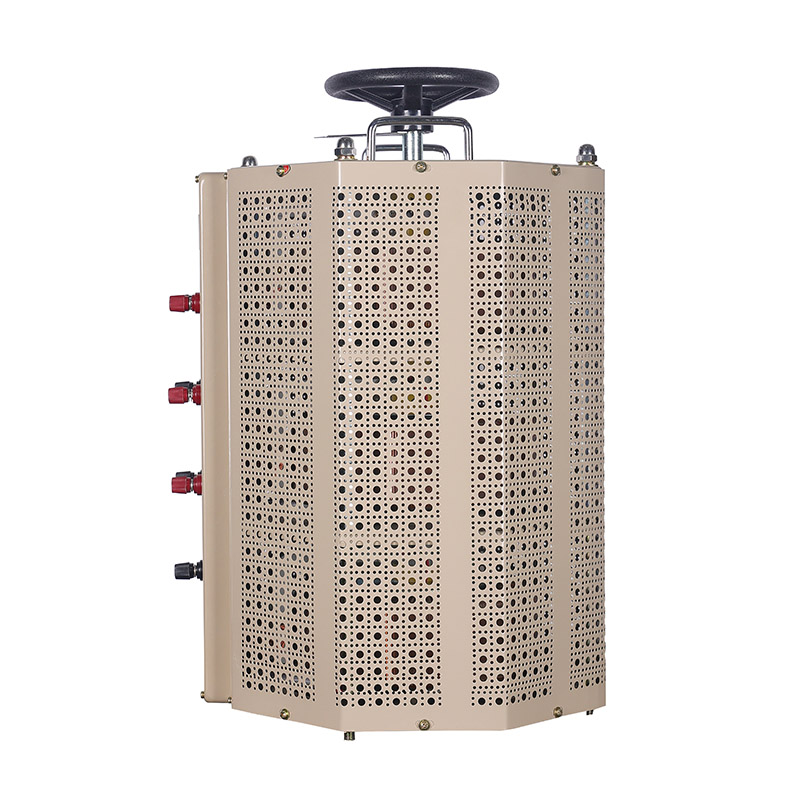
TSGC2J Three Phase Contact Voltage Regulator
The TSGC2J three phase contact voltage regulator is a product designed by Yibaling Company, a professional manufacturer, based on various test results and actual scenarios. The practical design has made this voltage regulator highly popular in European and American countries. We also look forward to having you as our international partner.
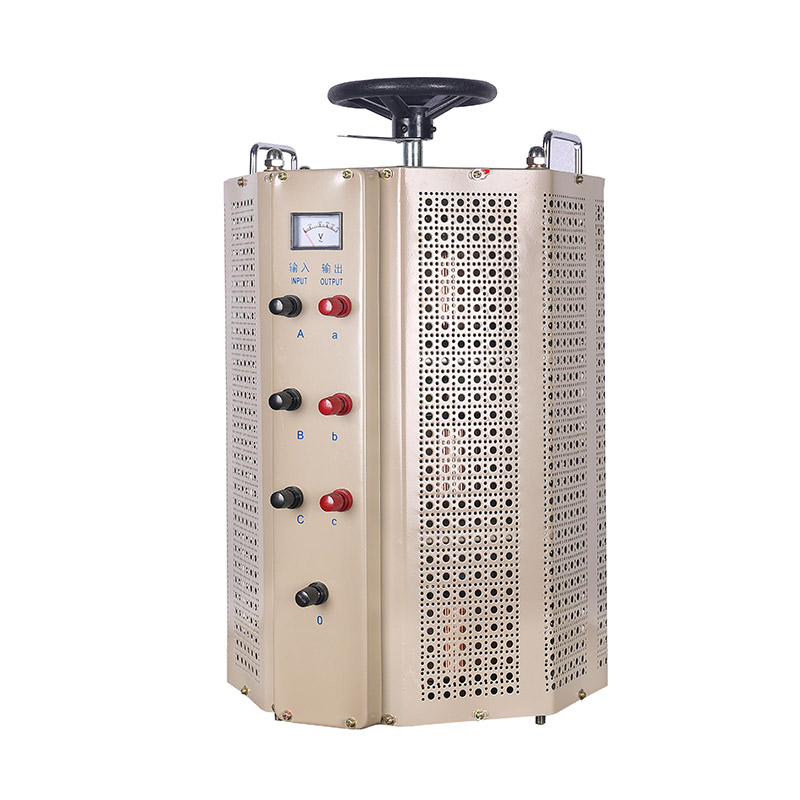
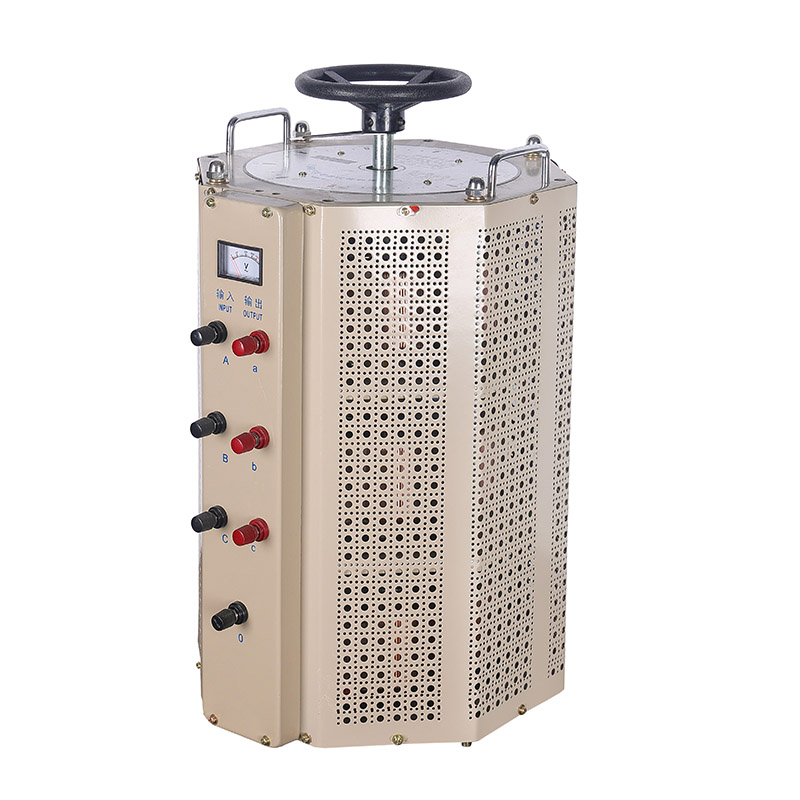
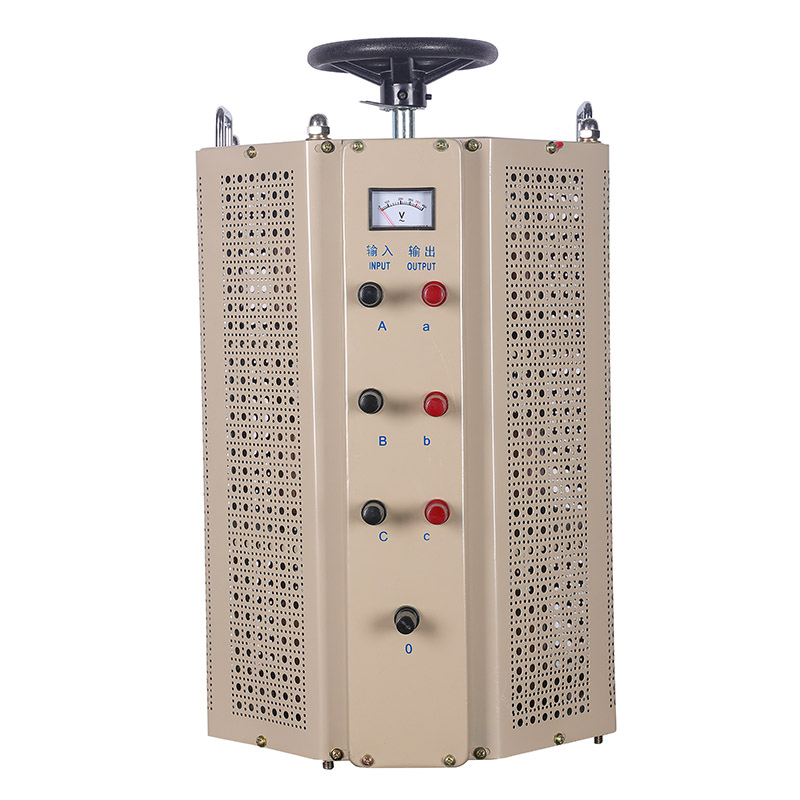
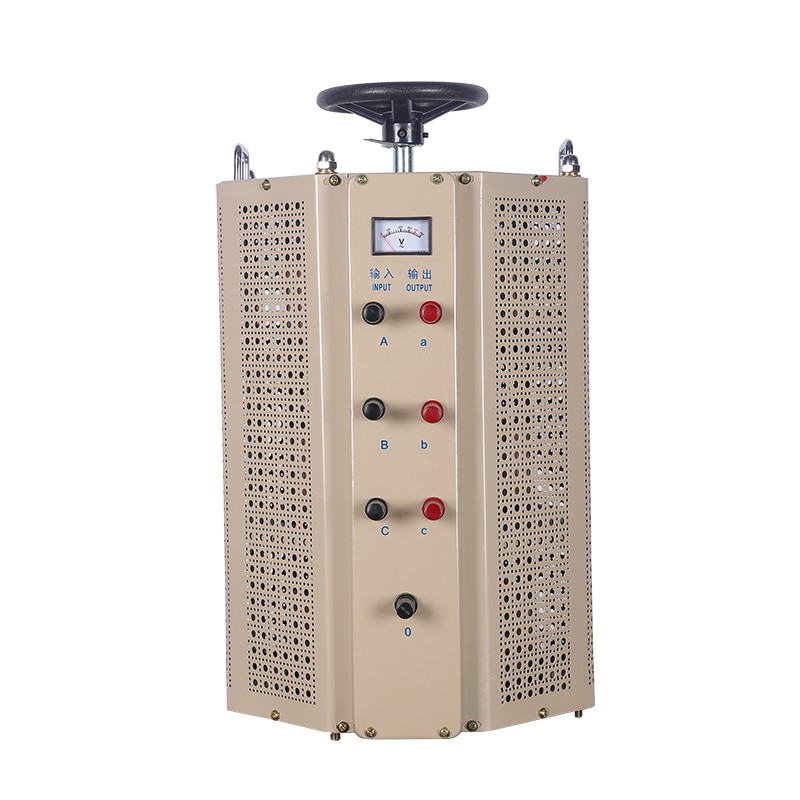
The Yibaling TSGC2J three phase contact voltage regulator is an industrial-grade manual voltage regulation device with a classic electromagnetic mechanical structure.
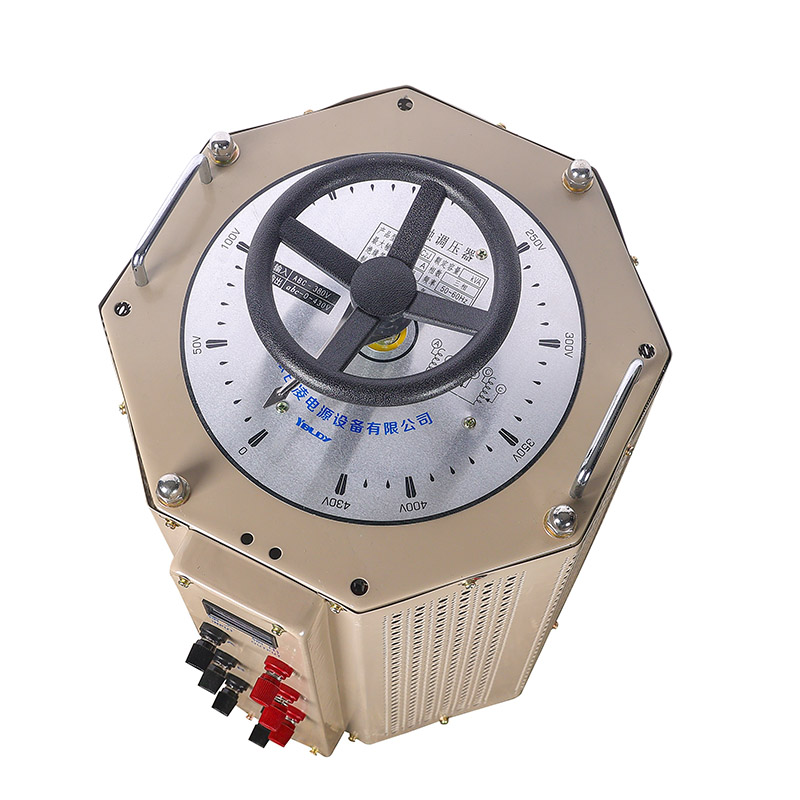
Its core achieves independent and continuous adjustment of three phase voltages through three sets of ring-shaped iron cores and carbon brush sliding systems, and can smoothly control the output voltage within the range of 0 - 430V.
The most outstanding feature is its strong shock resistance and adaptability to harsh environments.
The purely mechanical design enables the voltage regulator to withstand instantaneous impacts several times the rated current, and it is insensitive to grid harmonics and voltage fluctuations.
Since the TSGC2J three phase contact voltage regulator does not contain precision electronic components, it performs stably and reliably in complex industrial environments such as high temperatures and dusty conditions. Daily maintenance only requires the regular replacement of carbon brushes, resulting in a relatively low overall cost of use.
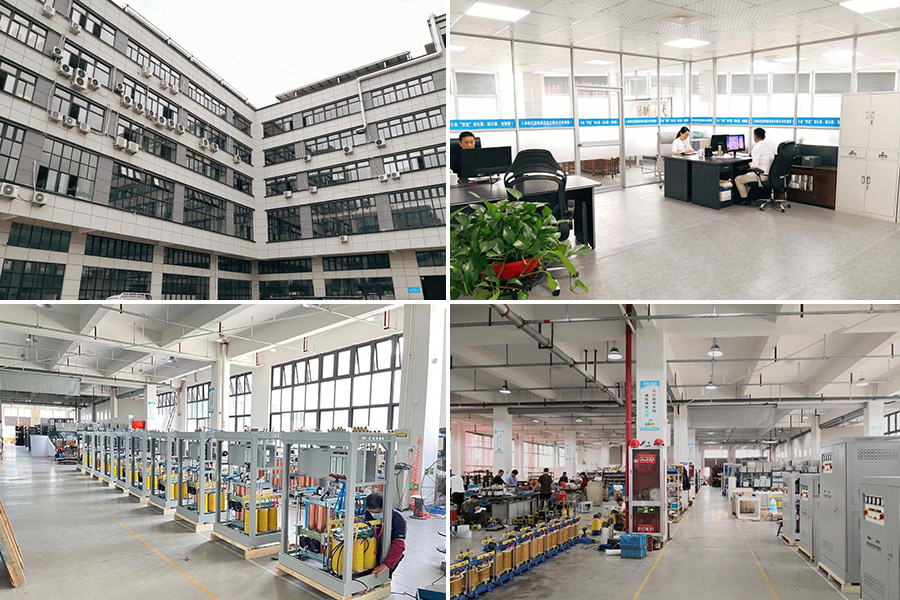
Company profile
Product Information
| Model | Weight(kg) | Length * Width * Height(cm) |
| TSGC2-1.5KVA | 10 | 13*15*33 |
| TSGC2-3KVA | 17 | 18*22*44 |
| TSGC2-6KVA | 25 | 18*22*48 |
| TSGC2-9KVA | 33 | 21*24*49 |
| TSGC2-15KVA | 50 | 24*32*58 |
| TSGC2-20KVA | 60 | 24*32*58 |
| TSGC2J-3KVA | 15 | 19*20*27 |
| TSGC2J-6KVA | 26 | 22*23*48 |
| TSGC2J-9KVA | 35 | 27*26*48 |
| TSGC2J-15KVA | 65 | 34*40*58 |
| TSGC2J-20KVA | 75 | 34*40*58 |
| TSGC2J-30KVA | 100 | 34*44*63 |
| TSGC2J-30KVA | 125 | 34*44*108 |
| TSGC2J-40KVA | 150 | 34*44*108 |
| TSGC2J-50KVA | 160 | 34*44*114 |
| TSGC2J-6OKVA | 180 | 34*44*114 |
| TSGC2J-8OKVA | 220 | 48*37*135 |
Core selling points
The core advantages of our TSGC2J three phase contact voltage regulator stem from its purely electromagnetic and mechanical structure. This enables the product to exhibit industrial durability and environmental adaptability that are unparalleled by electrical equipment in specific demanding industrial scenarios.
The core voltage regulating components are high-strength ring-shaped windings and special alloy carbon brushes, forming a physical conductive path. This structure allows it to withstand instantaneous current surges of up to 7-10 times the rated current (such as direct start of large asynchronous motors, arc initiation of welding machines), without being damaged or protectedly shut down due to overcurrent or overheating, as semiconductor-based electronic devices would.
At the same time, since the working principle does not rely on precise digital control and high-speed sampling, the TSGC2J voltage regulator is extremely insensitive to power pollution such as voltage flicker, high-frequency harmonics, and surge interference in the power grid. The product itself does not generate harmonic pollution to the power grid.
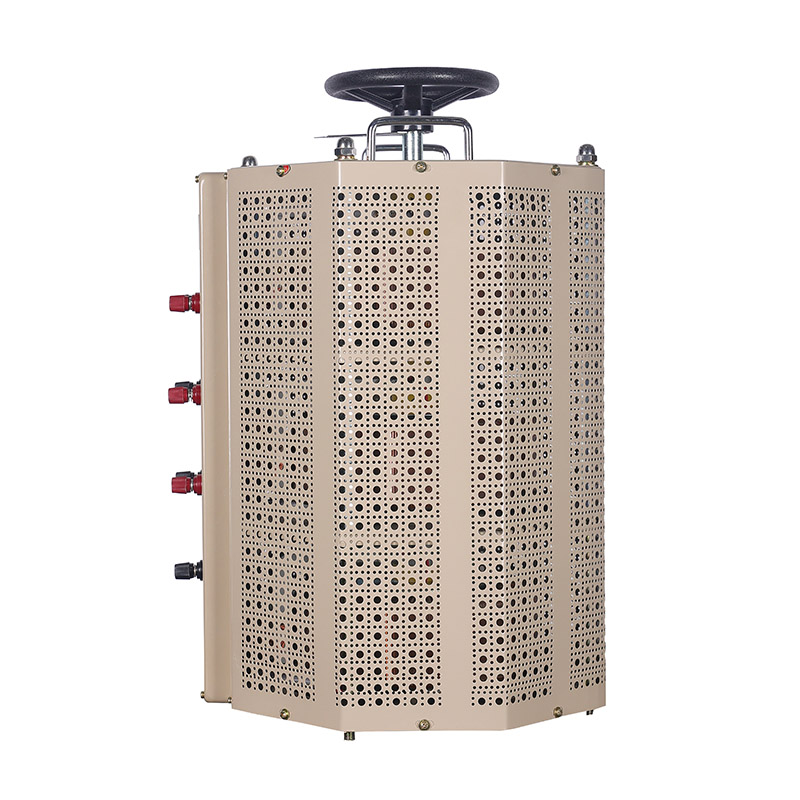
Moreover, the fully enclosed metal structure enables this voltage regulator to withstand dusty, humid, and temperature-differential environments, and remains reliable even in situations where maintenance is not timely or the conditions are poor.
FAQ
Q: What are the differences between this TSGC2J three phase contact voltage regulator and frequency converters or soft starters? Can TSGC2J voltage regulator be used to start a motor?
A: There are fundamental differences. However, the TSGC2J three phase contact voltage regulator can and is often used for motor starting.
Principle differences: The TSGC2J three phase contact voltage regulator is purely manual pressure regulation, like a "manual faucet", which indirectly controls the motor speed/torque by changing the voltage, but it cannot precisely control speed and start/stop time. The frequency converter can precisely control frequency and voltage, achieving precise speed regulation.
Motor starting application: It is very suitable for "step-down starting" of three-phase asynchronous motors. By manually (or electrically) smoothly adjusting the voltage from low to high, it can effectively reduce the starting current (which can be limited to 2-3 times the rated current), reduce the impact on the power grid, and is a cost-effective and reliable motor starting solution, especially for fans, pumps, etc.
Q: What is TSGC2J three phase contact voltage regulator’s greatest advantage? Under what circumstances should it be chosen over more "advanced" electronic devices?
A: The TSGC2J three phase contact voltage regulator’s greatest advantage is "robust, durable, and not picky about the power grid".
Circumstances for choosing the TSGC2J three phase contact voltage regulator over more "advanced" electronic devices:
High load impact: such as frequent starting of heavy motors, connecting spot welders, arc furnaces, etc.
Poor power grid environment: large voltage fluctuations and severe harmonics at the site, making electronic devices prone to false alarms or damage.
Limited maintenance conditions: in remote, dusty, high-temperature, and humid workshops, equipment requires almost no maintenance.
Budget is strict and requirements are simple: only manual pressure regulation is needed, no precise closed-loop control is required.
In these scenarios, its mechanical reliability far exceeds complex electronic devices.
Q: The handle rotation is very heavy/effortful. Is this normal? How can the TSGC2J three phase contact voltage regulator be achieved for electric or remote control?
A: For high-power models (above 30KVA), the heavy manual rotation is normal because the TSGC2J three phase contact voltage regulator needs to overcome the friction between the carbon brush and the winding surface and the electromagnetic force.
Realization of electric/remote control: Standard manual models do not have this function. But an optional or later-added "electric actuator" (usually a servo motor with a reduction gearbox) can be installed on the manual rotation shaft, and it can be controlled locally or remotely through buttons, PLC, or potentiometers. This is a very common industrial application method.
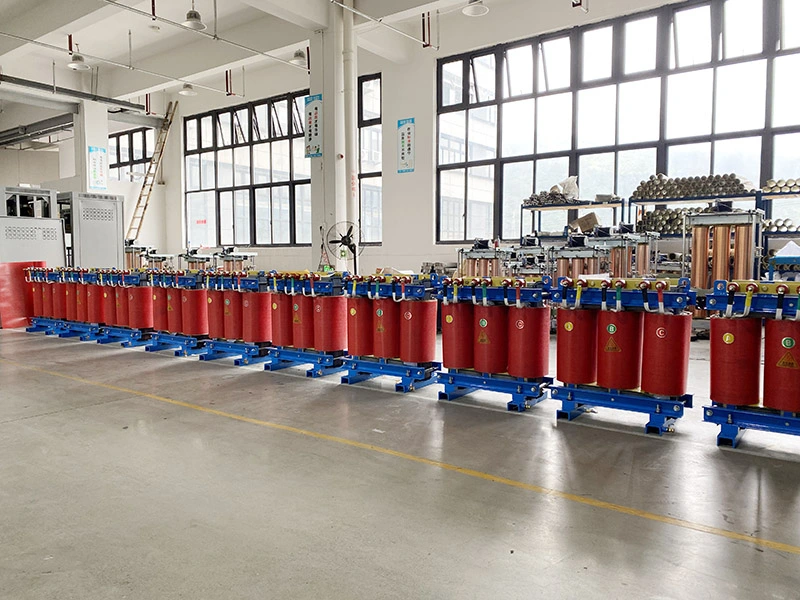
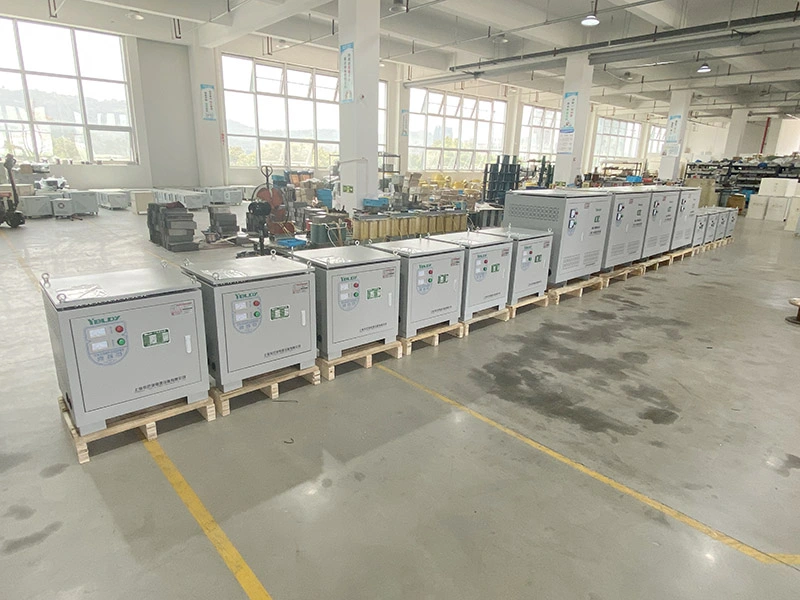
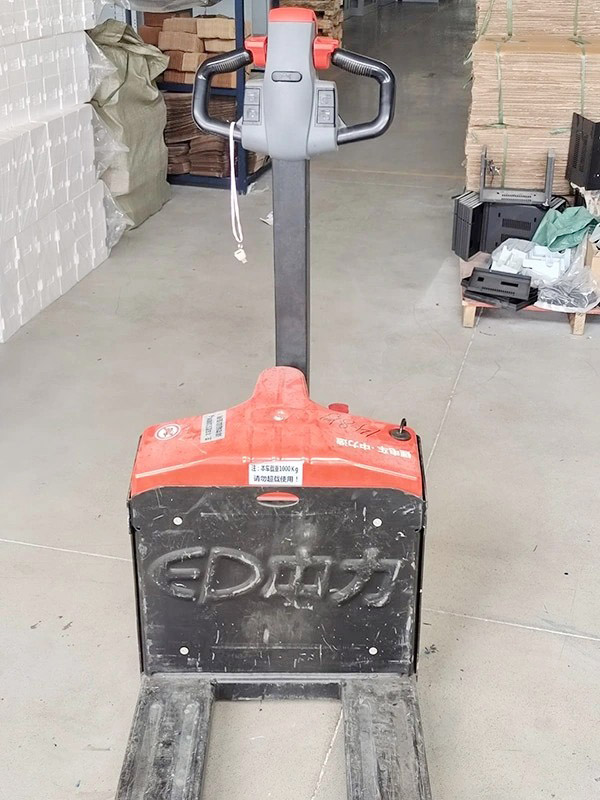
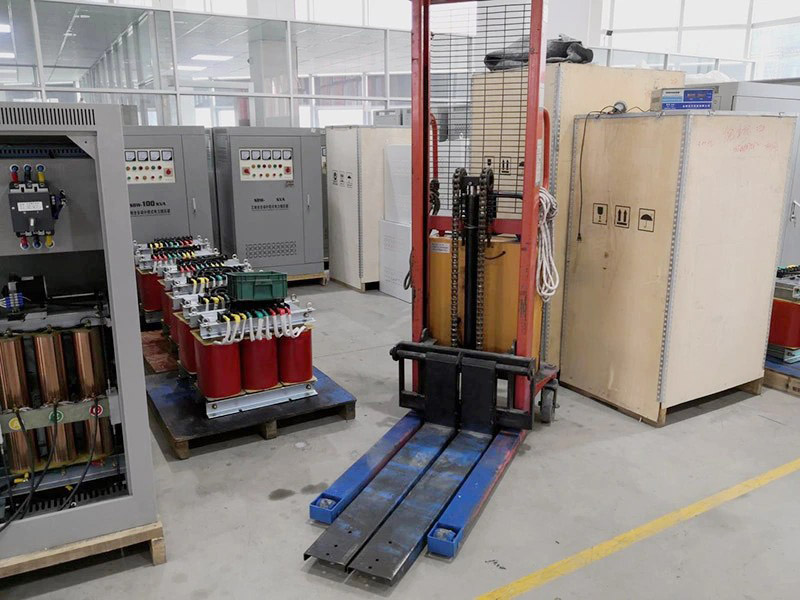
Our Warehouse
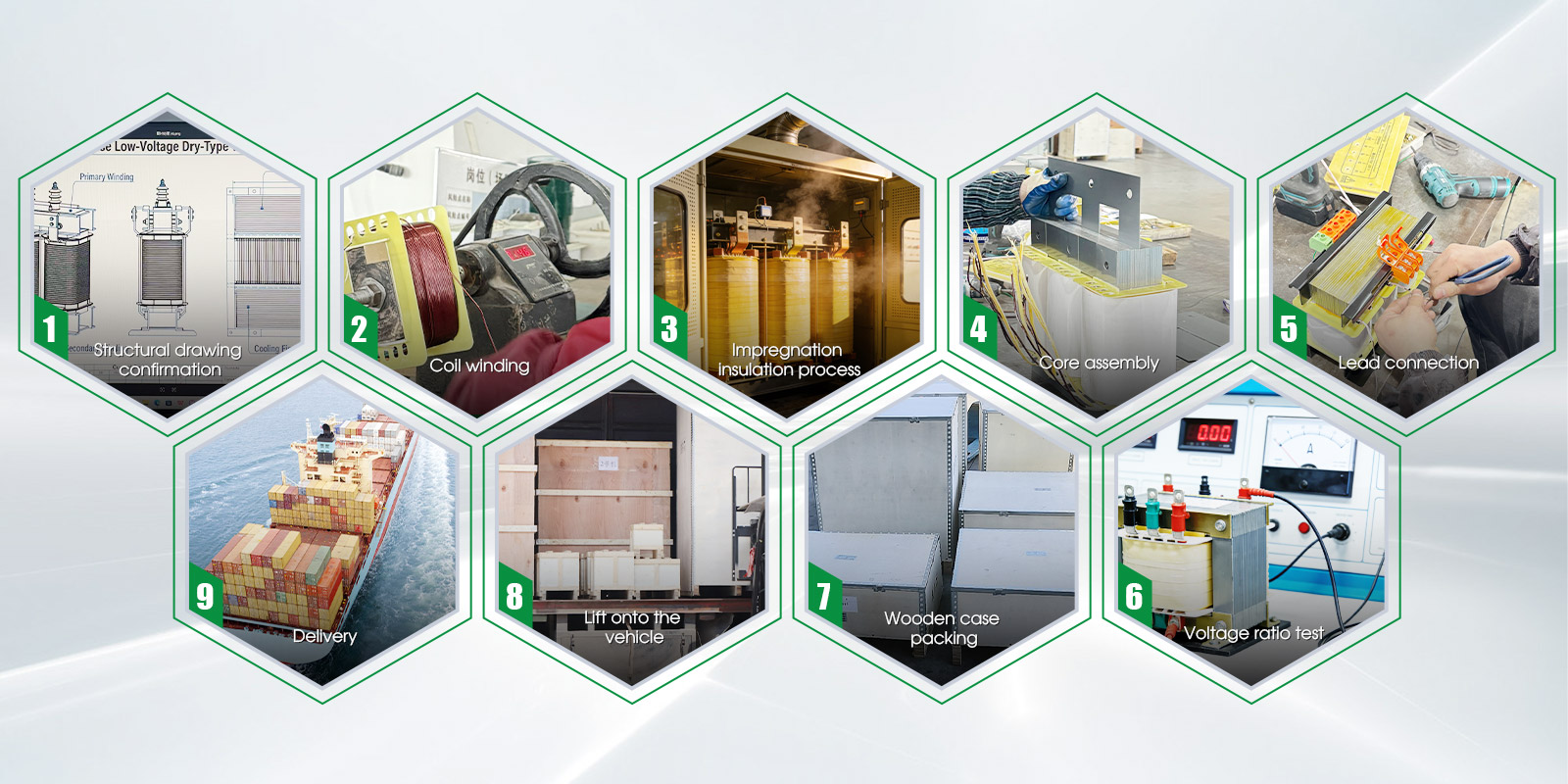
Production Process
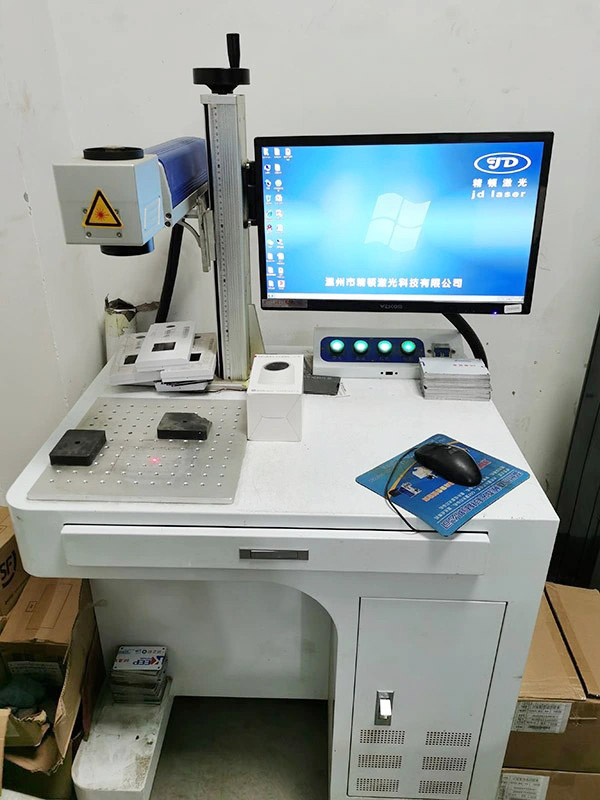
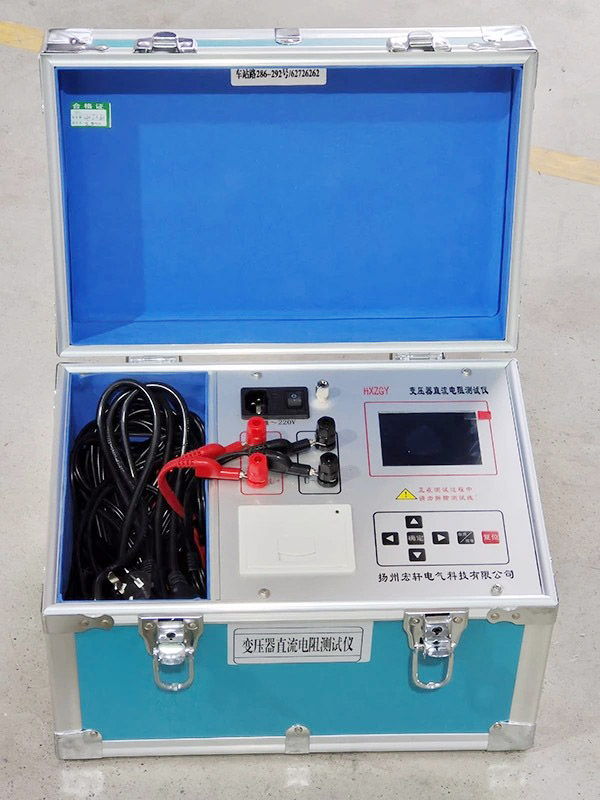
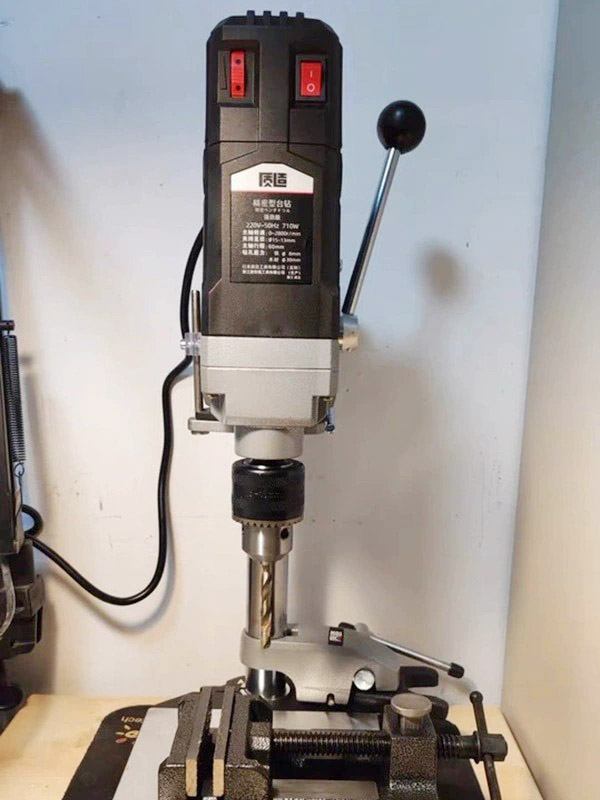
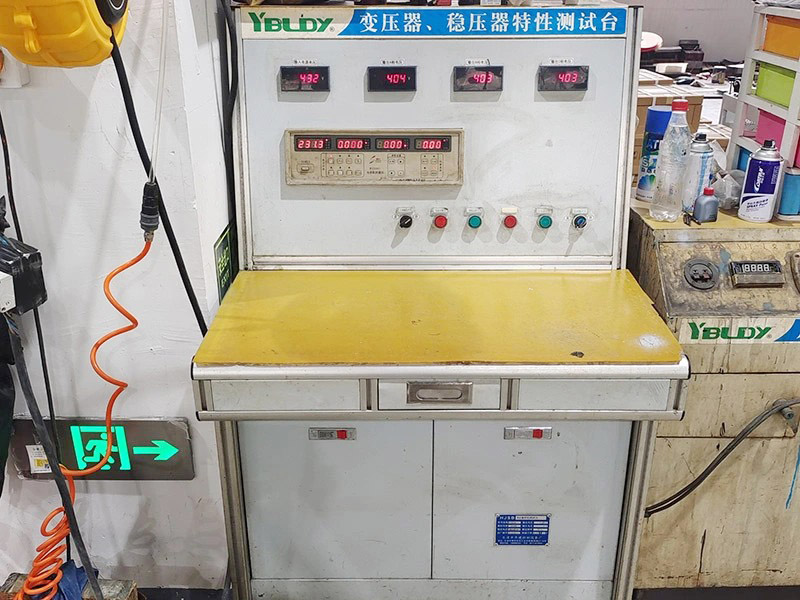
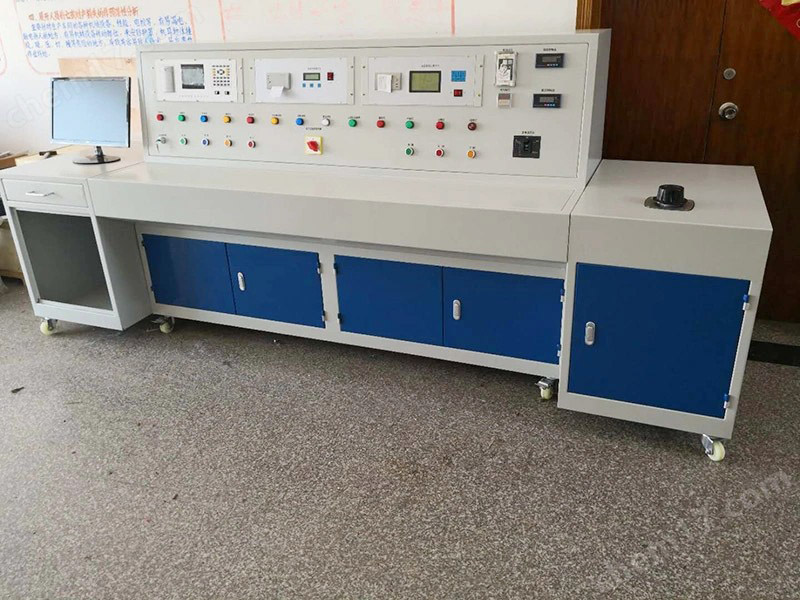
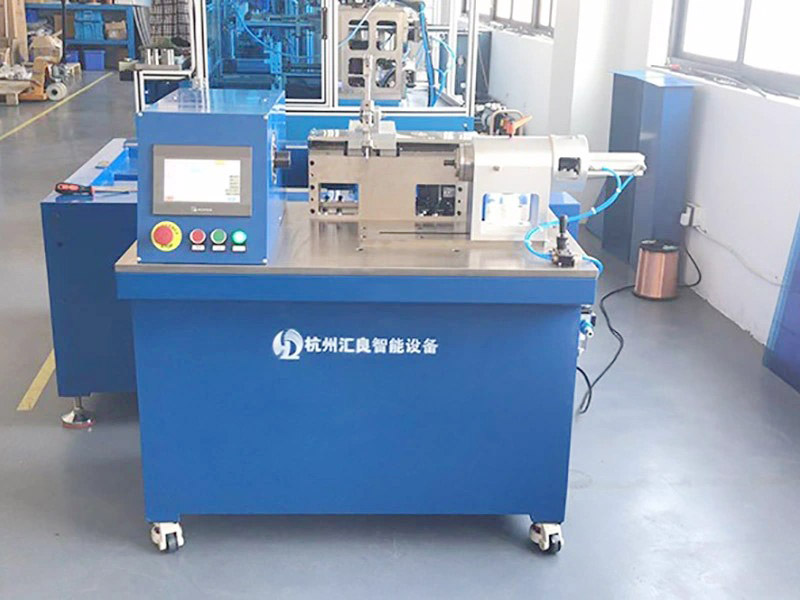
Production Equipment
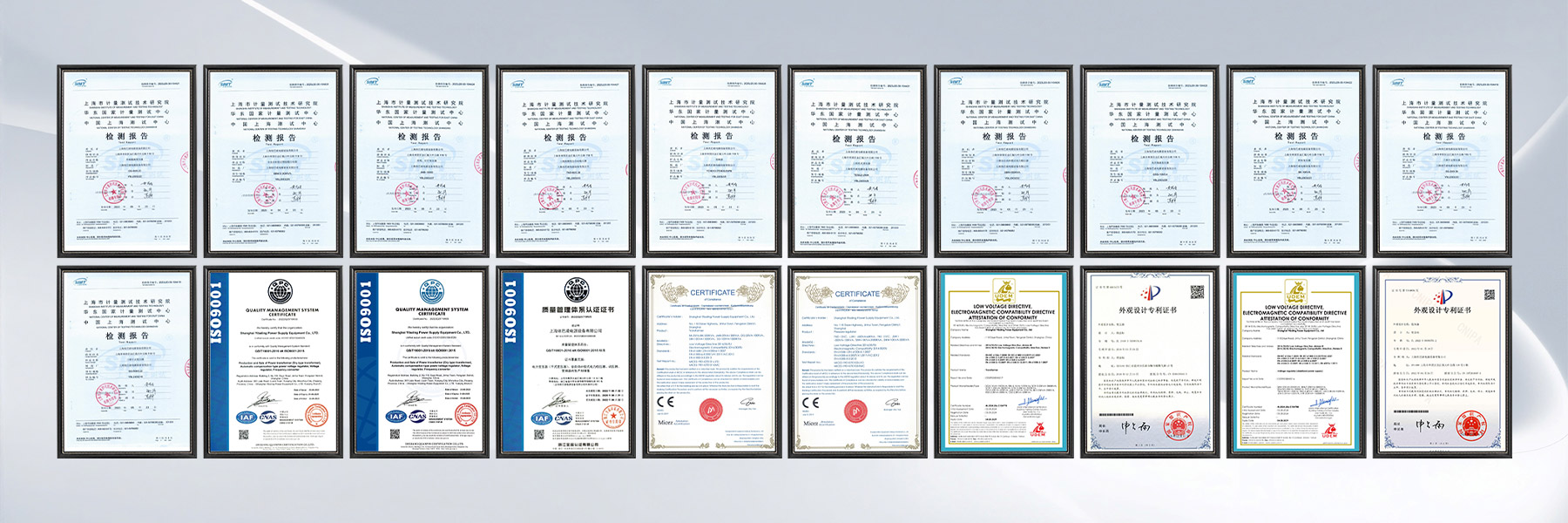
Certificate
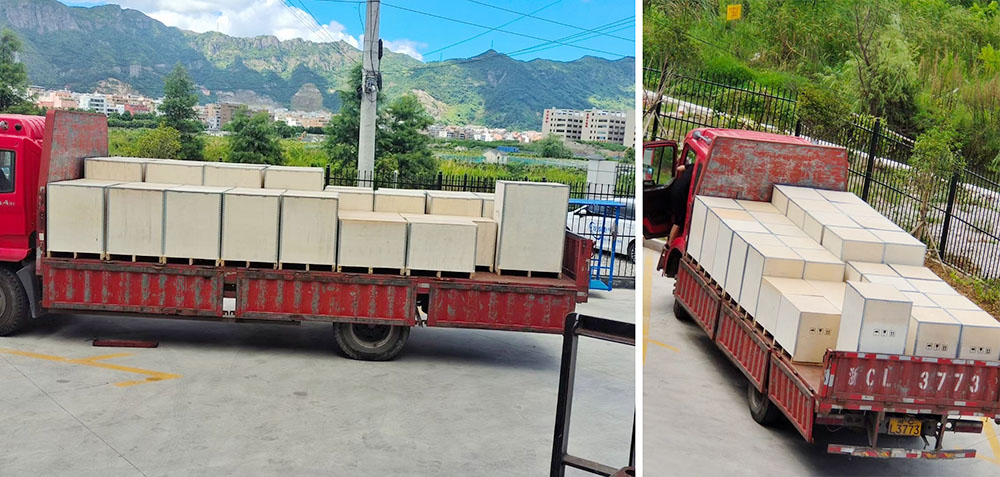
Shipment
Related Category
Send Inquiry
Contact Info
-
Address
Plot 9, Zhangqu Village, Liushi Town, Wenzhou City, Zhejiang Province, China
-
Tel
-
Email
Get Customized Power Solutions from a Leading Chinese Manufacturer
Request Your Free Quote in <24 Hours
News Recommendations