
What Is an SBK Three Phase Dry Type Transformer and Why Is It Important?
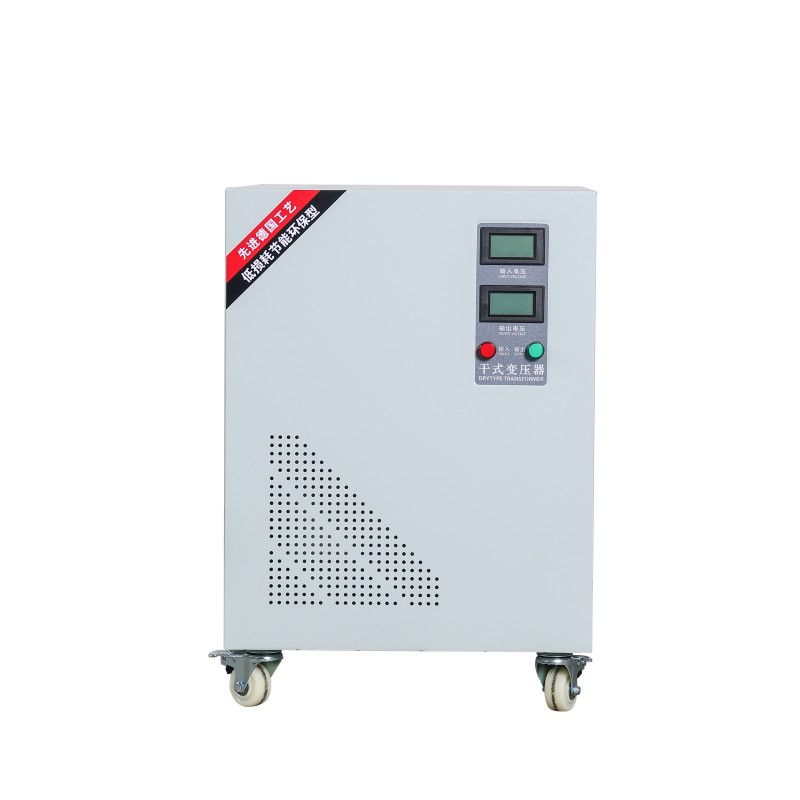
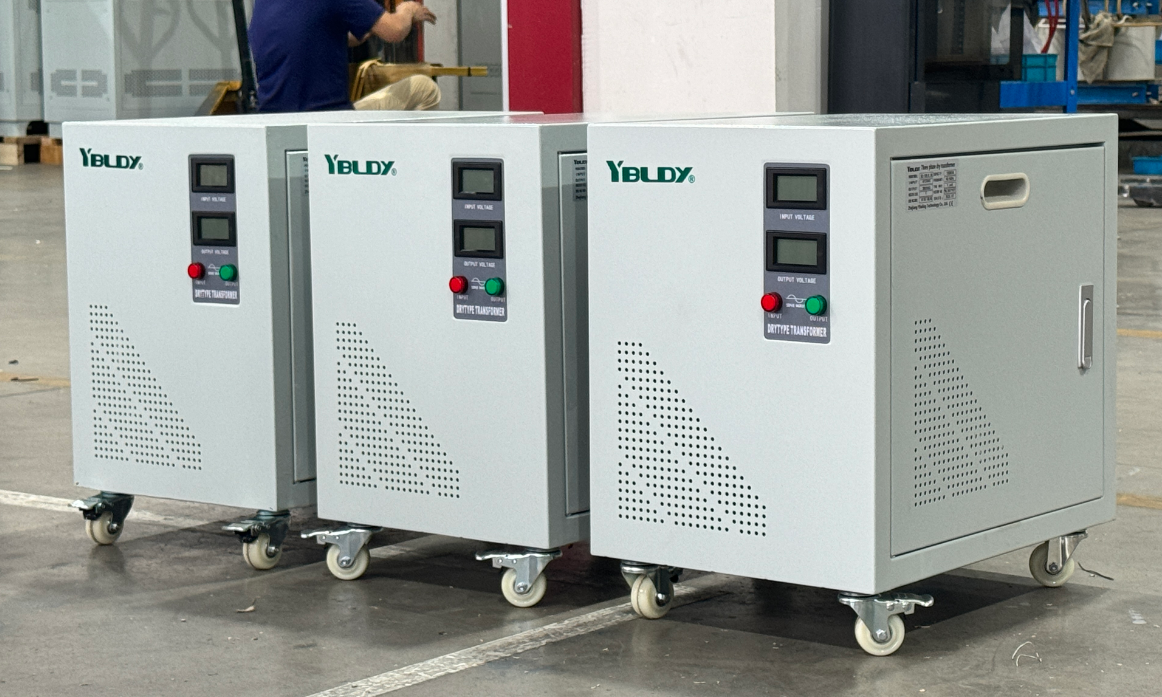
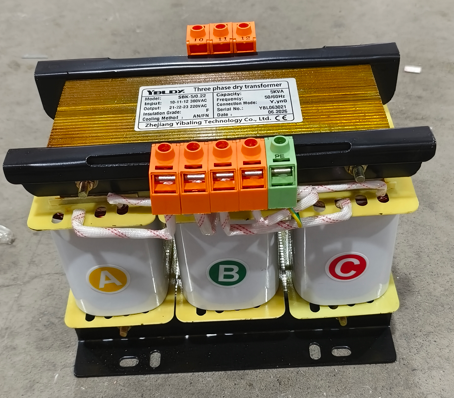
An SBK three phase dry type transformer is a low voltage, air cooled isolation transformer designed for applications where clean, stable power is required — and where oil filled transformers simply aren't suitable .
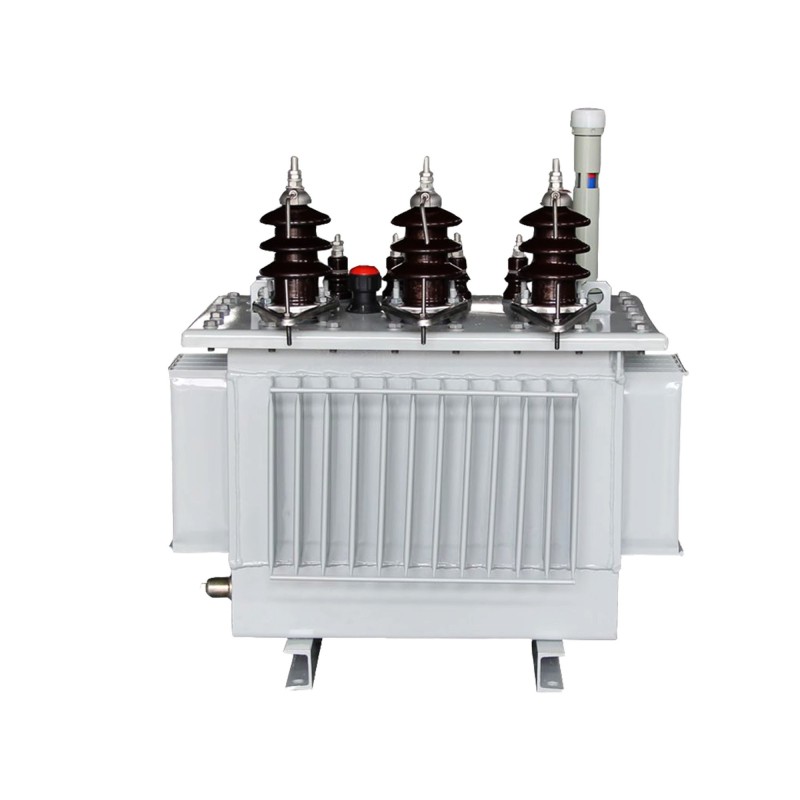
Unlike oil immersed transformers, the SBK uses no liquid insulation. Its windings are cooled by natural air circulation, and the whole unit is built to run clean, quiet, and safe — no leaks, no fire risk, no oil maintenance.
Why does that matter?
Because modern industrial equipment — CNC machines, automated production lines, medical devices, communication systems — is sensitive to power quality and often installed in indoor, space constrained locations where a leaking oil transformer would be a disaster.
The SBK sits between the supply and the load, stepping voltage up or down, isolating sensitive equipment from grid noise, and providing a stable, reliable power source that keeps production running without interruption .
In short: it delivers clean, quiet power wherever you need it — indoors, outdoors, in your control cabinet, or alongside your machinery.
How an SBK Three Phase Dry Type Transformer Works
The principle is straightforward, but the construction is what makes the SBK special.
Step 1 – The core
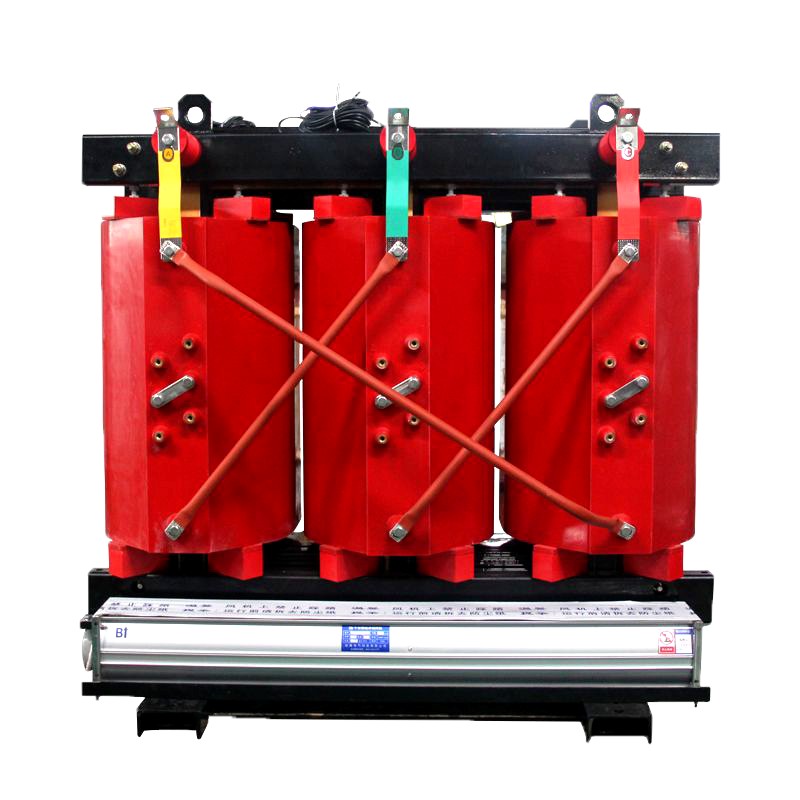
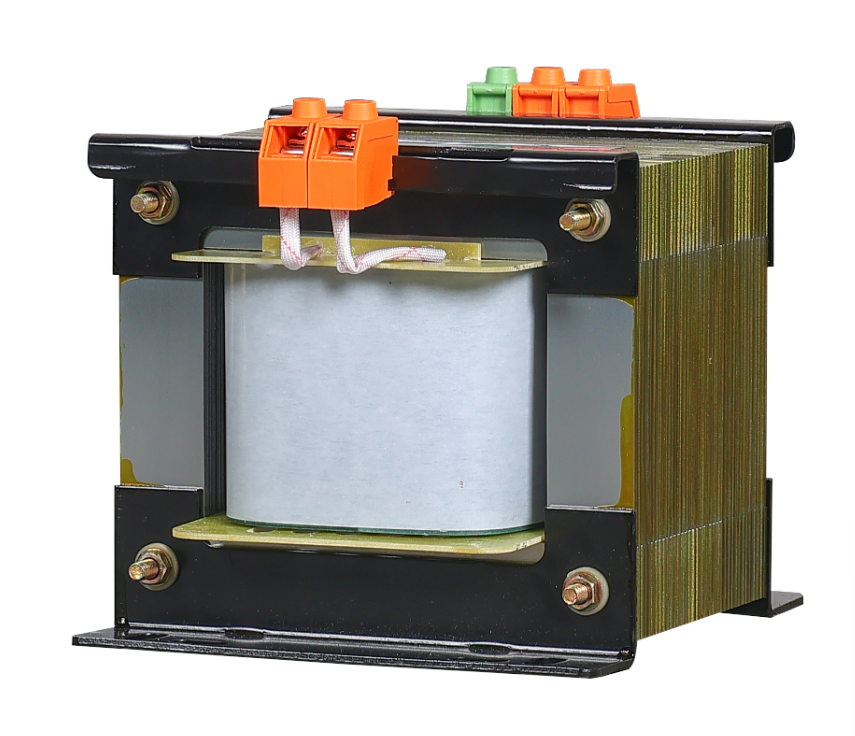
The magnetic core is made from cold rolled silicon steel sheets, stacked in a step lap arrangement . This reduces magnetising current and no load losses, giving the transformer its high efficiency.
Step 2 – The windings
High grade copper or aluminium windings are wound around the core. The low voltage side uses foil or layer windings to handle higher currents; the high voltage side uses cylindrical windings for better voltage distribution .
Step 3 – Isolation
The primary and secondary windings are electrically separate. Power transfers through the magnetic field — no direct connection. This blocks surges, harmonics, and ground faults from reaching your equipment .
Step 4 – Cooling
Cooling is AN — air natural. No fans, no pumps, no moving parts. The transformer dissipates heat through its core and winding surfaces, making it reliable and maintenance free.
Step 5 – Optional enclosure
SBK transformers come in two main configurations :
Open type — for installation inside cabinets or restricted access areas
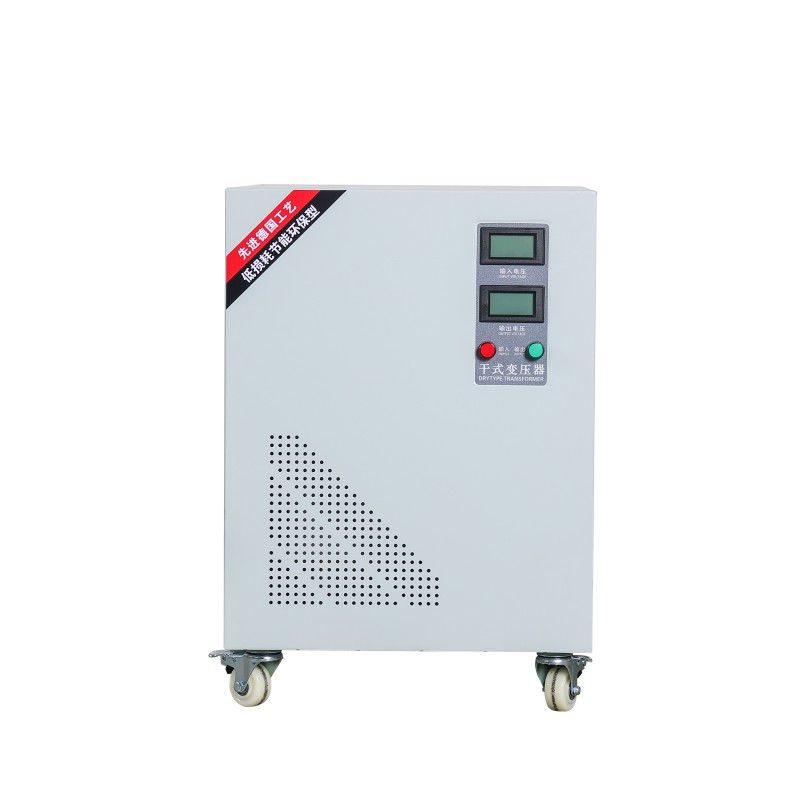
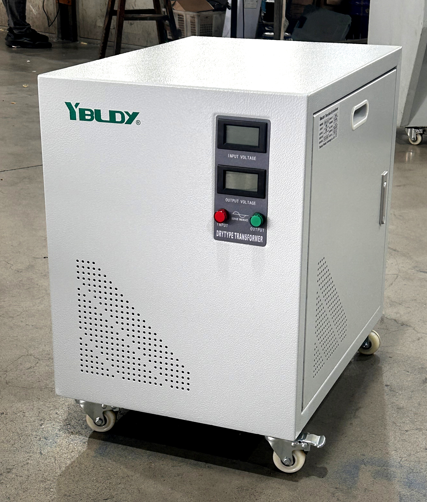
Protected type — fitted with a steel enclosure for added safety and protection
Step 6 – Monitoring
Optional accessories include voltmeters, ammeters, temperature controllers, and wheels for portable installations .
The result: a clean, reliable, low maintenance power source that runs quietly, year after year.
Common Types and Ratings of SBK Transformers
SBK transformers cover a wide capacity range, making them suitable for everything from small machine tools to large industrial installations.
Capacity range:
Three phase: 1kVA – 3000kVA
Standard configurations:
| Feature | Options |
| Frequency | 50Hz / 60Hz (dual rated) |
| Input voltage | Up to 1000V — standard 380V, 400V, 415V |
| Output voltage | Customizable — 220V, 200V, 110V, etc. |
| Connection group | Y/△, △/Y, DYN11 |
| Insulation class | Class F (155°C) or Class H (180°C) |
| Efficiency | ≥98% |
| Enclosure | Open type or protected (IP00 – IP20) |
| Design life | 30 years |
| Input | Output | Application |
| 380V | 380V (1:1) | Isolation only — noise protection |
| 380V | 220V | Step down for imported or 220V rated equipment |
| 380V | 200V | Voltage conversion for Japanese equipment |
| 380V | 110V | Step down for control circuits or lighting |
Why SBK Three Phase Dry Type Transformers Matter
Because clean power is not a luxury — it is a requirement for reliable industrial operation.
Here is what makes the SBK a preferred choice for modern installations:
1. Electrical isolation
The SBK separates your equipment from the grid, blocking:
Surges and transients
Harmonics and high frequency noise
Ground faults and leakage currents
2. Low losses and high efficiency
Efficiency of 98% or higher means less wasted energy, lower operating costs, and reduced cooling requirements .
3. Low noise
Operating noise is typically below 35 40dB at one metre — quiet enough for installation in occupied spaces without acoustic treatment .
4. No oil, no leaks, no fire risk
The dry type design eliminates oil leakage, oil testing, and the risk of fire associated with oil immersed transformers . This makes it suitable for indoor installations, high rise buildings, and other sensitive locations.
5. Long service life
With a design life of 30 years and minimal maintenance requirements, the SBK offers excellent long term value .
6. Flexible voltage conversion
The SBK can convert voltages to match virtually any equipment requirement, making it ideal for:
Imported equipment with non standard voltage requirements
Export machines that need to run on foreign grids
Facilities with mixed voltage equipment
7. Customisable
SBK transformers can be built with specific input/output voltages, connection groups, tap arrangements, enclosures, and accessories — tailored to your exact application .
8. Easy maintenance
Without oil, there is no oil sampling, no filtration, and no top up. Periodic cleaning of the enclosure is usually all that is needed .
9. Wide operating range
The SBK operates across a broad range of ambient temperatures (-15°C to +45°C) and altitudes (up to 5000m with appropriate derating) .
Choosing the Right SBK Transformer
Selecting an SBK transformer is straightforward but requires attention to a few key details.
Step 1 — Determine your load
Add up the power consumption of all equipment that will be connected. Include future expansion — typically 20 30% margin.
SBK standard ratings: 1kVA, 3kVA, 5kVA, 10kVA, 15kVA, 20kVA, 30kVA, 40kVA, 50kVA, 60kVA, 80kVA, 100kVA, and up to 3000kVA on request.Step 2 — Specify input and output voltages
| Factor | Questions to Ask |
| Input voltage | What is your site supply? 380V? 400V? 415V? |
| Output voltage | What voltage does your equipment need? |
| Taps | Do you need tap adjustments (±5%) for line voltage variation? |
| Connection group | DYN11 is common — but check your system requirements |
| Insulation Class | Max Temperature | Recommended For |
| Class F | 155°C | General industrial applications — most common |
| Class H | 180°C | High temperature environments, heavy duty continuous loads |
| Type | Description | When to Choose |
| Open | No enclosure, exposed windings | Installation in locked electrical rooms with restricted access |
| Protected | Steel enclosure | General indoor installation — standard choice |
| With wheels | Mobile, portable version | Temporary installations, test setups, workshops with changing layouts |
| Condition | Requirement |
| Altitude | ≤2000m (standard), up to 5000m with derating |
| Ambient temperature | -15°C to +45°C |
| Humidity | ≤90% (non condensing) |
| Atmosphere | No corrosive gases, conductive dust, or explosive substances |
| Vibration | No severe vibration or impact |
Step 6 — Verify safety standards
Check that the transformer complies with relevant standards:
VDE0550
IEC439
JB5555
GB226
ISO9001
CE
Final Thoughts
The SBK three phase dry type transformer is not the most glamorous component in an industrial power system. It does not have a touchscreen or a wireless connection.
But it does one thing very well: it delivers clean, stable, reliable power — quietly, efficiently, and with minimal maintenance.
In an age where production lines are increasingly automated and equipment increasingly sensitive to power quality, the SBK transformer is the quiet foundation that keeps everything running.It is not the hero of the story. It is the stage on which the heroes perform.
Related News
- What ZSG Three-Phase Dry-Type Rectifier Transformer work?
- Which one is good S13 Oil-Immersed Distribution Transformer?
- How to choose JBK5 Machine Tool Control Transformer?
- How BK Machine Tool Transformer 220V works?
- Which one is good SBK Three-Phase Dry-Type Transformer?
- How to choose SBW Intelligent Servo Voltage Stabilizer?
Leave me a message