
What’s an SG Power Transformer and Why Do You Need One?
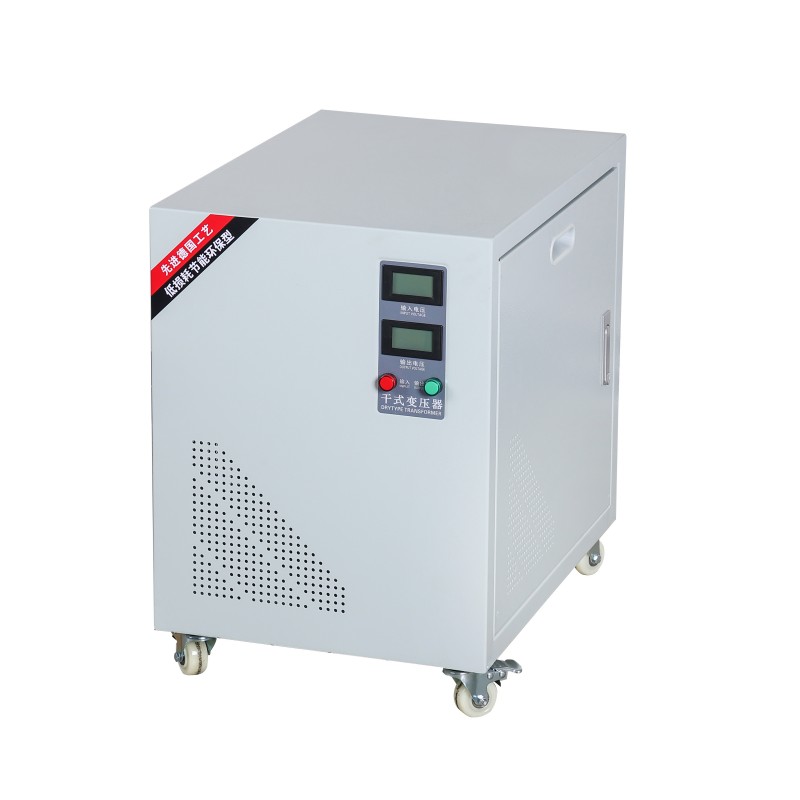
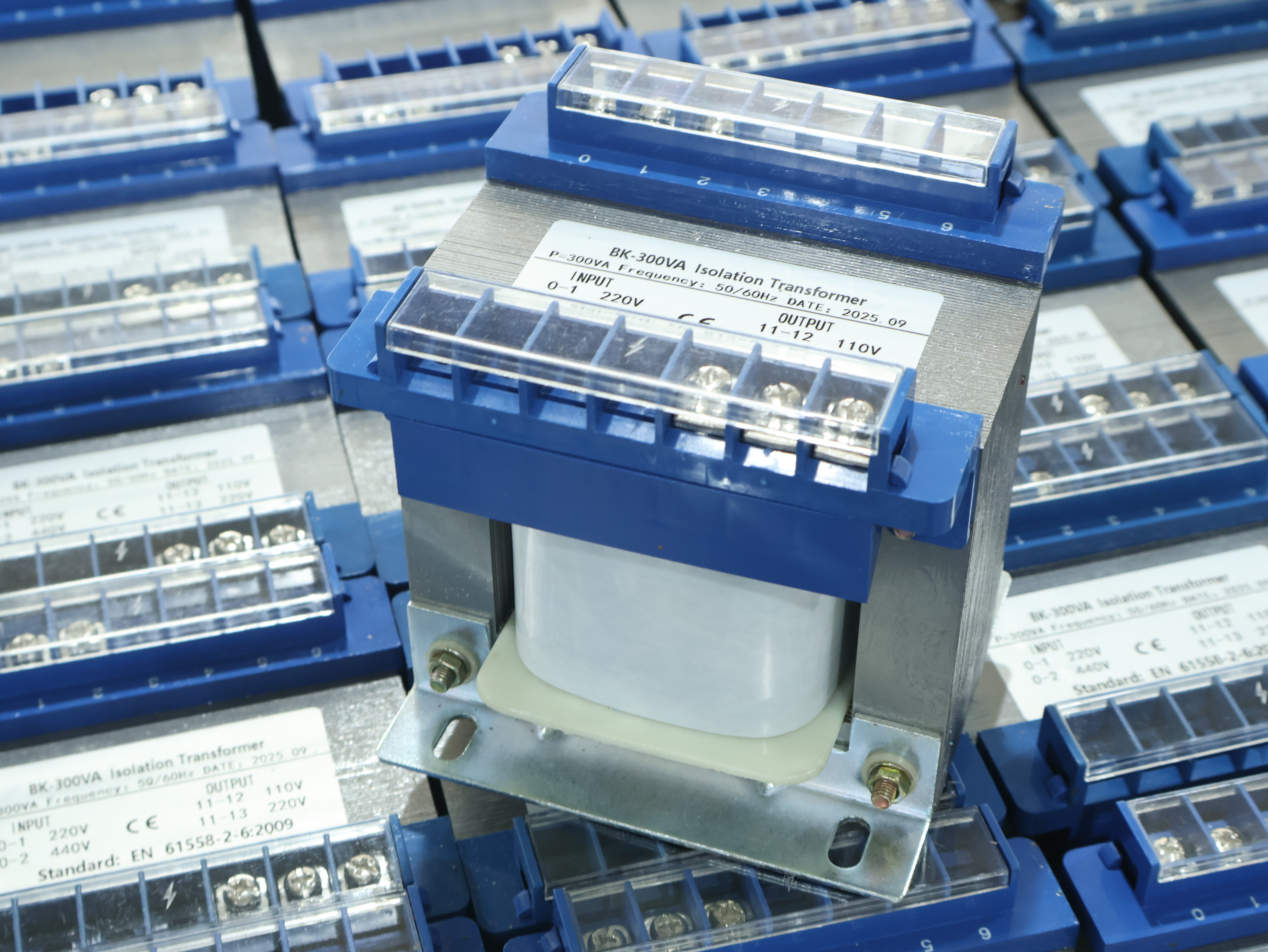
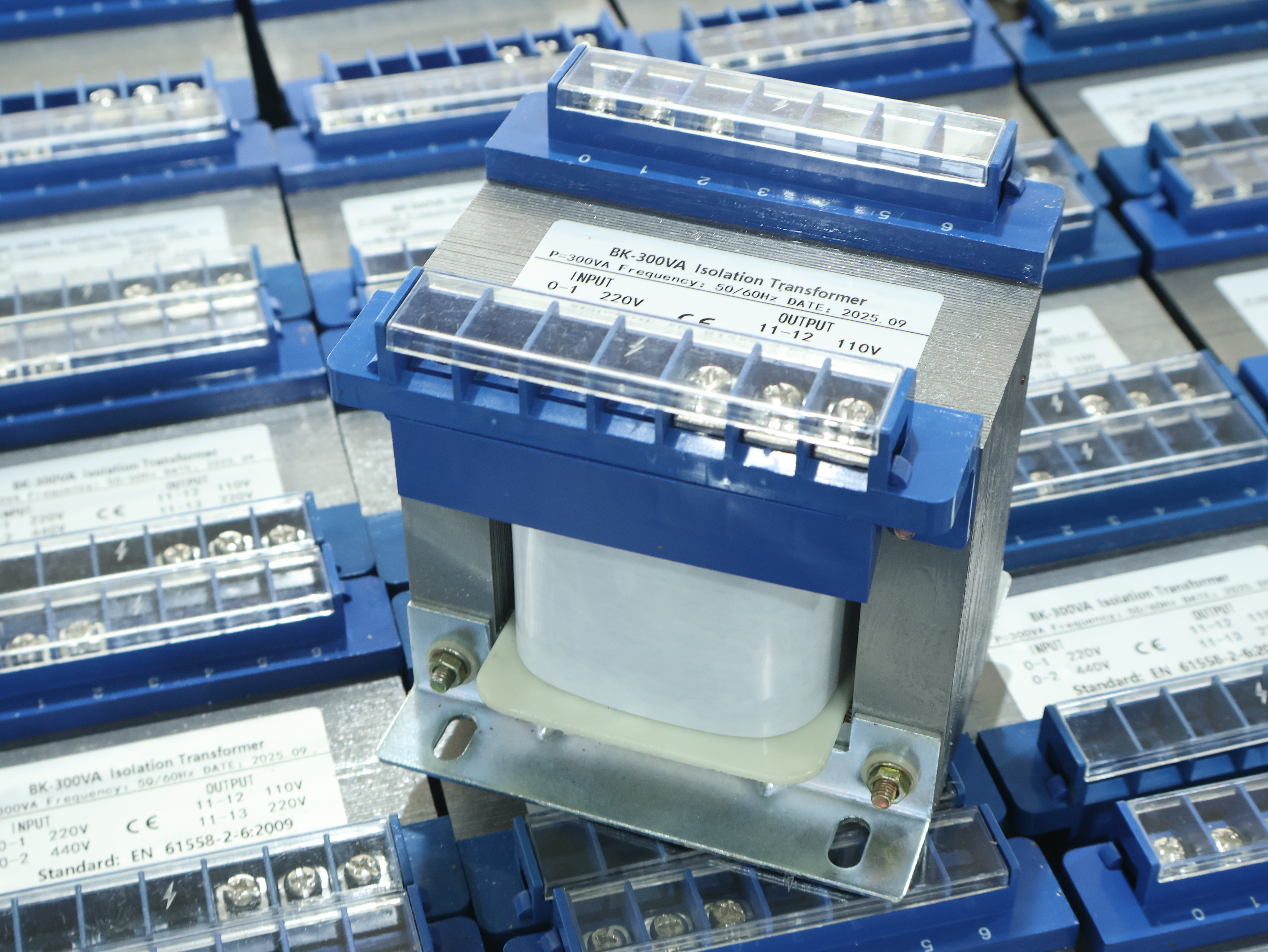
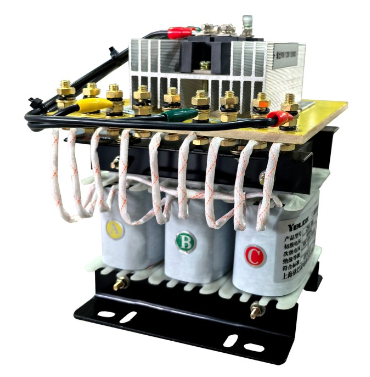
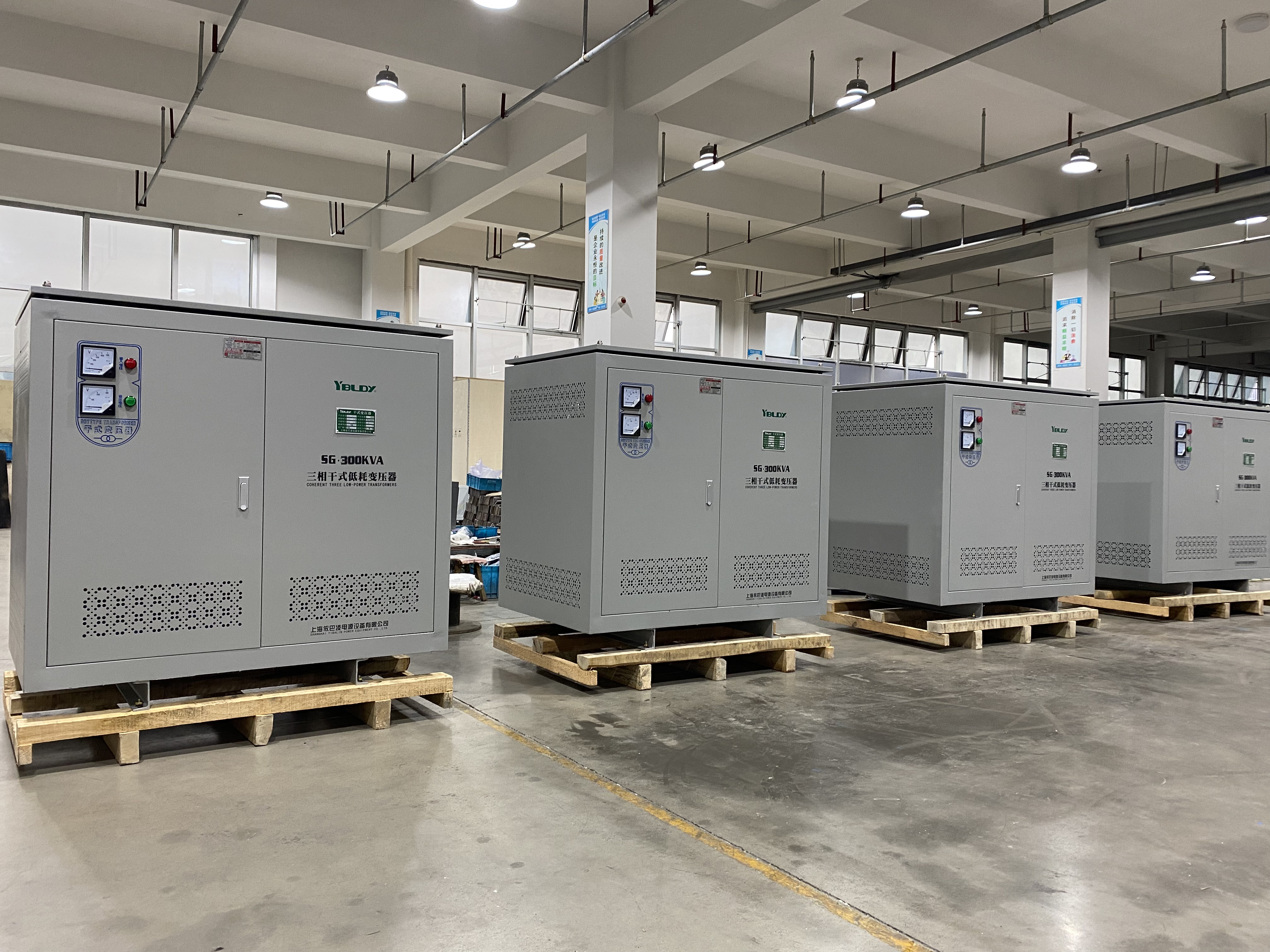
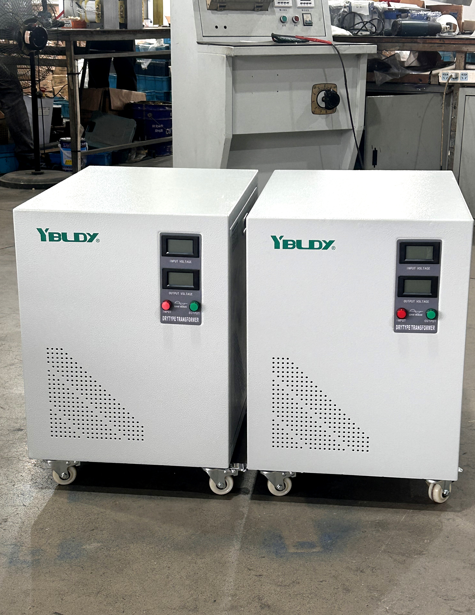
An SG power transformer is a three phase dry type isolation transformer — a device that steps voltage up or down, isolates your equipment from the grid, and cleans up the power along the way.
Sounds technical. But here’s what it actually means: if you’ve ever bought a piece of equipment from overseas, only to find it runs on 220V while your shop has 380V, you already know the problem. The SG transformer is the fix.
It sits between your mains supply and your equipment. It converts the voltage to whatever your machine actually needs, and it blocks surges, harmonics, and ground noise from reaching your expensive gear.
In plain language: it makes foreign equipment feel at home on your power grid.
How It Works
The principle is simple: electromagnetic induction. Primary and secondary windings, no direct electrical connection, power transfers through a magnetic field.
But the SG transformer has a few design touches that make it better suited for real world industrial conditions:
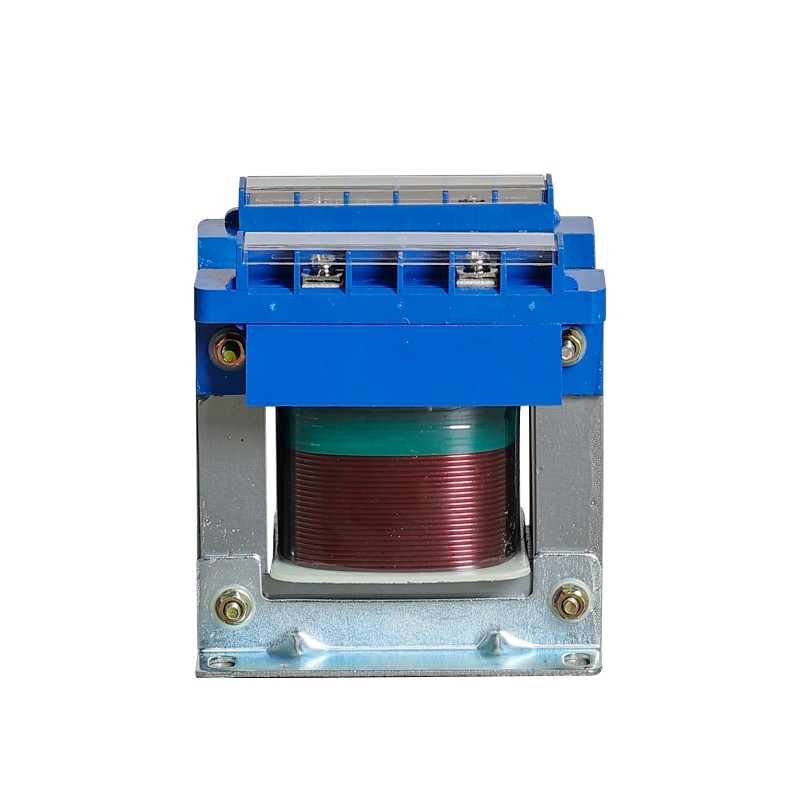
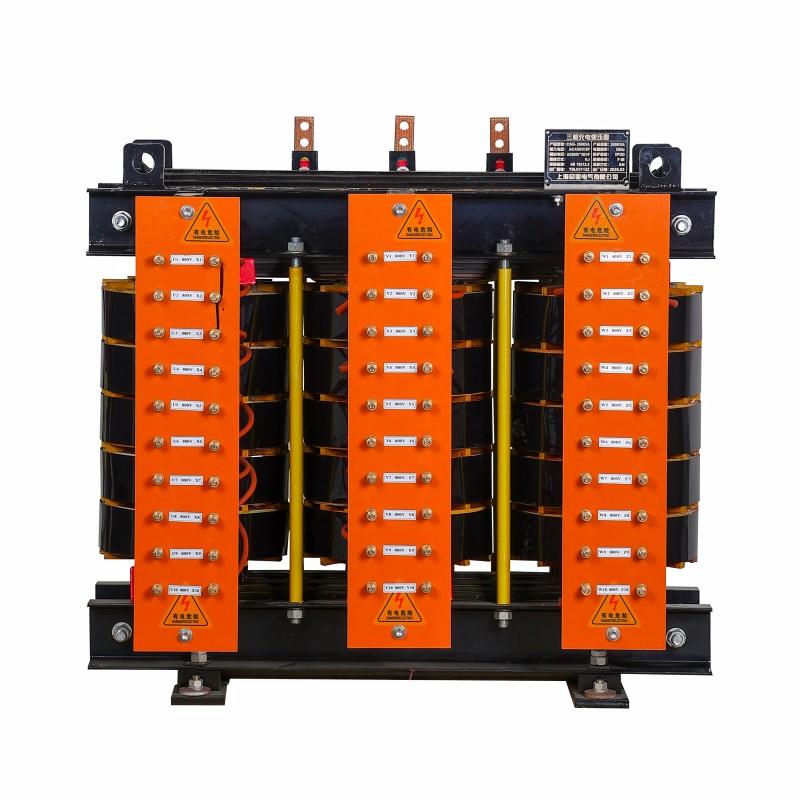
The core is made from cold rolled silicon steel sheets, stacked in a step lap arrangement. This reduces energy loss and keeps the transformer running cool.
The windings use high purity copper, with Class H insulation (180°C temperature rating). That means it can handle continuous heavy loads without cooking itself.
The construction is dry type — no oil, no leaks, no fire risk. You can install it indoors, in control cabinets, or right next to the equipment it’s powering.
Optional extras include electrostatic shielding (cuts down electrical noise), forced air cooling (for higher output), and protective enclosures (for dusty or damp environments).
The result: a transformer that runs quietly, wastes little energy, and doesn’t need much looking after.
Common Ratings and Configurations
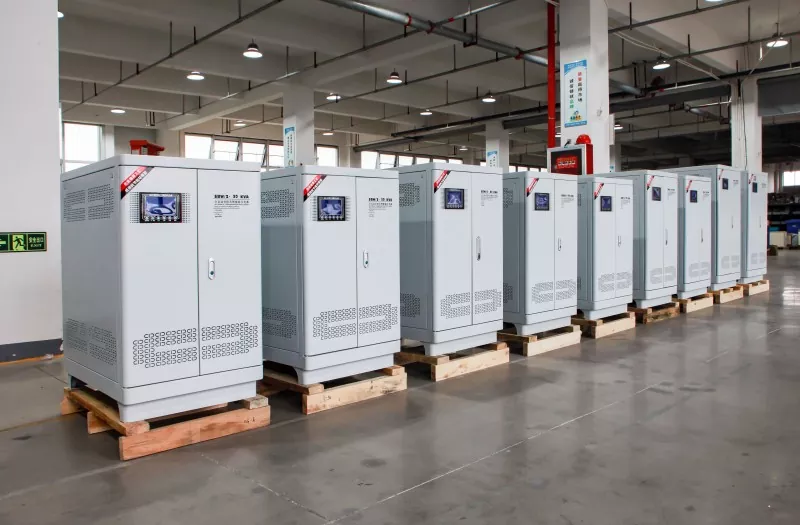
SG transformers are available from 300VA up to 3000kVA. That covers everything from a small control panel to an entire factory floor.
Typical voltage combinations:
| Input | Output | What It’s For |
| 380V | 220V | Running 220V rated imported equipment on a 380V supply |
| 380V | 200V | Japanese machines — they often run on 200V |
| 380V | 110V | Control circuits, lighting, or older US equipment |
| 380V | 380V (1:1) | Isolation only — cleaning up dirty power without changing voltage |
The transformer can also be built with multiple taps on the primary side, so you can adjust for line voltage variations without swapping out the whole unit. Input and output voltages, connection group (Dyn11, Yyn0, etc.), and whether it comes with an enclosure — all of it can be customised to match your specific setup.
Why SG Power Transformers Are Worth the Investment
1. Voltage conversion without compromise
This is the obvious one. The SG transformer takes whatever voltage you’ve got and turns it into whatever voltage your equipment needs. No compromises, no workarounds.
2. Electrical isolation
Because the primary and secondary windings are completely separate, the transformer blocks surges, harmonics, and ground faults from reaching your equipment. This isn't just about protection — it's about making your equipment last longer.
3. Noise reduction
Industrial environments are full of electrical noise — VFDs, contactors, switching power supplies all pump garbage back onto the line. The SG transformer filters out a lot of that noise before it reaches sensitive electronics.
4. No oil, no leaks, no fire risk
The dry type design means no oil to test, no oil to top up, and no oil to leak all over your factory floor. You can install it indoors, in control cabinets, or anywhere that oil would be a problem.
5. Long service life
With no moving parts and minimal maintenance, a well built SG transformer can easily outlast the equipment it’s powering. The Class H insulation is rated for 180°C, so it doesn't break down under normal operating conditions.
6. Customisable
Need a specific voltage? Want a different connection group? Need an IP54 enclosure for a dusty environment? The SG transformer can be built to your exact requirements.
Where SG Power Transformers Are Used
The SG series shows up in a lot of places — not just factories:
Application |
Why It’s Used |
Imported equipment |
Converts local supply voltage to whatever the machine needs |
Precision machinery |
CNC machines, laser cutters, PCB drills — they need clean, stable power |
Medical equipment |
Isolation protects both the equipment and the patient |
Building systems |
Lighting, elevators, HVAC in high rise buildings and airports |
Industrial automation |
PLCs, drives, and control systems — they’re sensitive to power quality |
Renewable energy |
Solar and wind systems often need voltage conversion and isolation |
The SG transformer is not the flashiest component in any of these systems. But try running them without it, and you’ll know pretty quickly.
How to Pick the Right One
Step 1 — Figure out your load
Add up the power consumption of everything the transformer will feed. Include startup currents for motors and compressors — they can draw three to five times their running current. Apply a 20 30% safety margin for future expansion.
SG standard ratings start at 300VA and go up from there.
Step 2 — Check your voltages
| What to Check | Why |
| Input voltage | What does your site actually supply? 380V? 400V? 415V? |
| Output voltage | What voltage does your equipment actually need? |
| Frequency | 50Hz or 60Hz? Most SG transformers handle both |
Step 3 — Consider the environment
| Condition | What to Do |
| Indoors, clean | Open frame or IP20 enclosure is fine |
| Dusty or damp | IP54 or higher, with sealed terminals |
| High temperature | Check derating — standard rating assumes 40°C ambient |
| High altitude | Above 1000m, capacity needs to be derated |
Step 4 — Decide on extras
Electrostatic shield — worth adding if you have VFDs or sensitive electronics nearby.
Taps — useful if your supply voltage tends to wander.
Enclosure — protects against dust, moisture, and accidental contact.
A Few Things to Keep in Mind
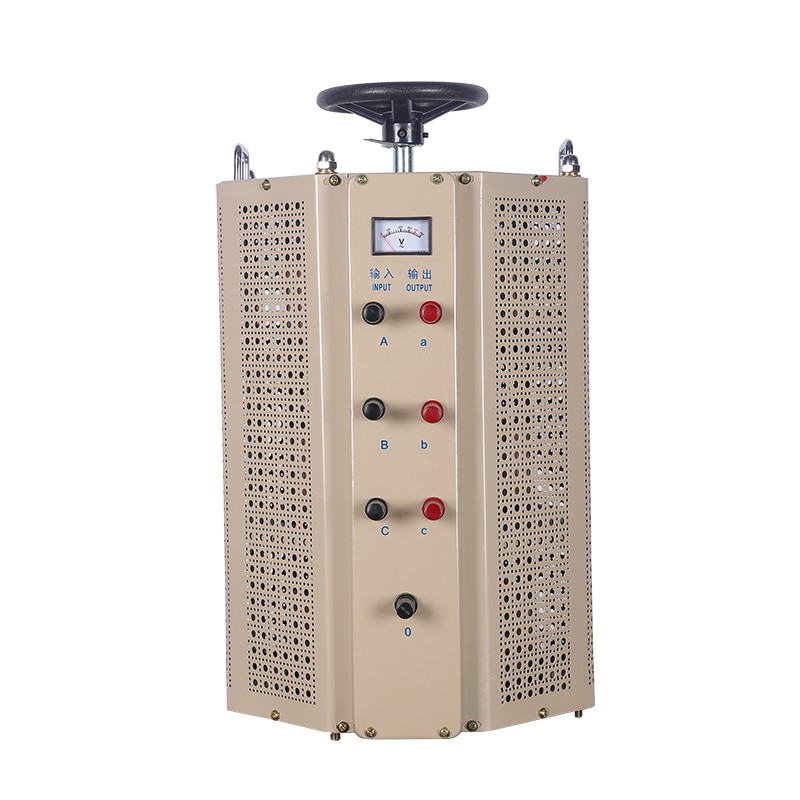
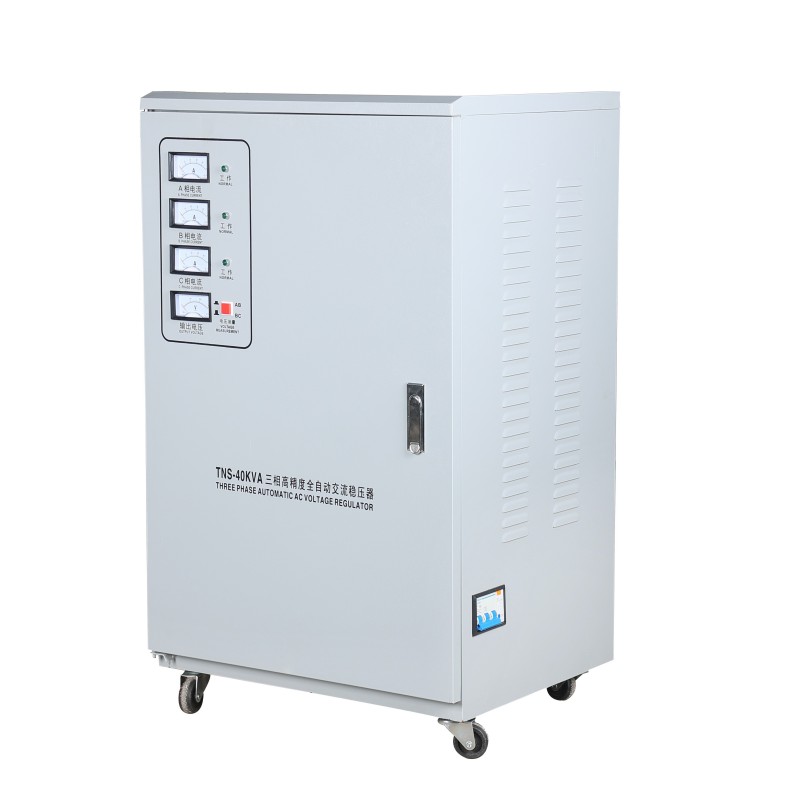
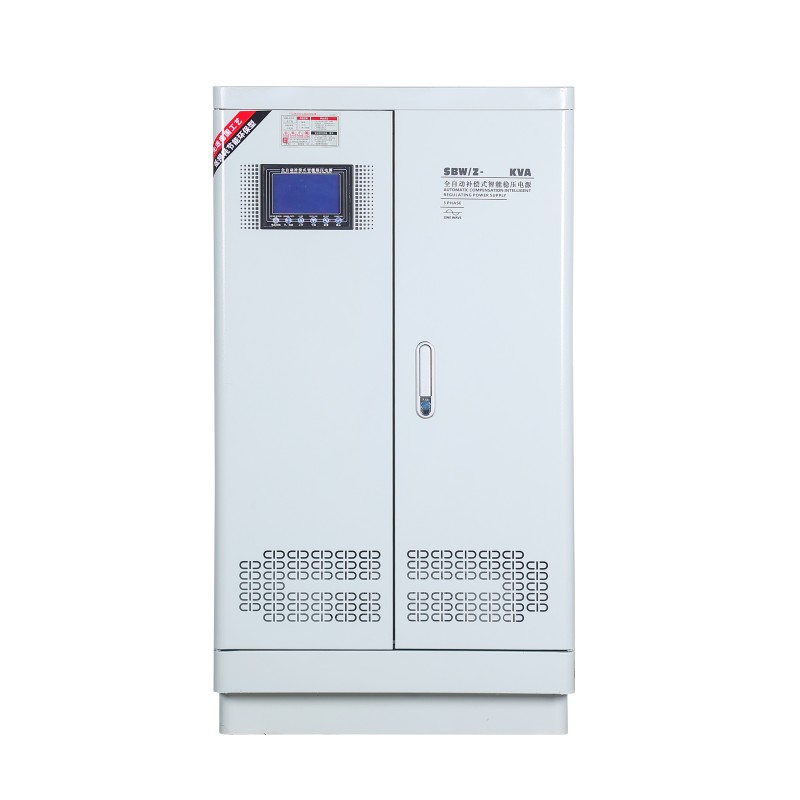
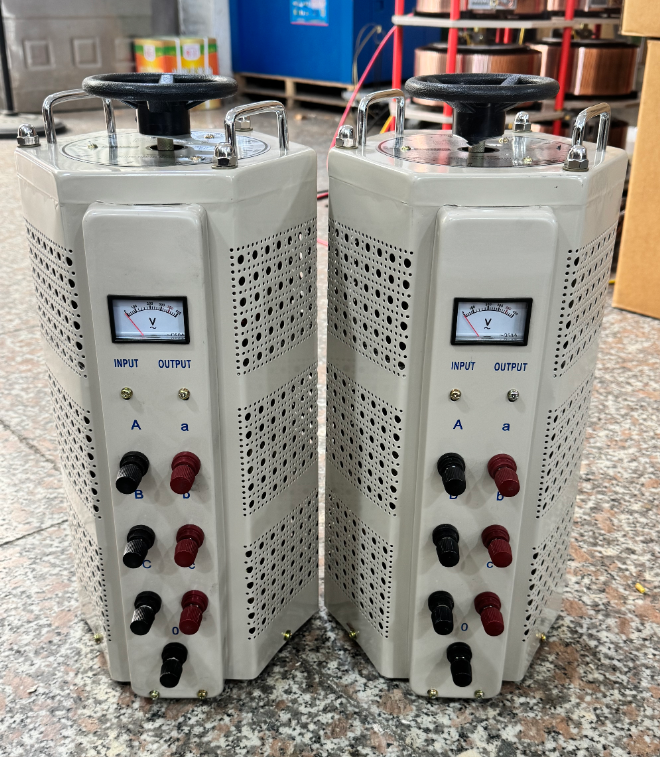
It’s not a voltage stabiliser. The SG transformer changes voltage, but it doesn’t regulate it. If your input voltage swings up and down, the output swings with it. For unstable grids, pair it with a stabiliser.
It’s not a UPS. When the power goes out, the transformer goes out with it. It does not have batteries.
It’s built to last. With no moving parts, the SG transformer is designed for decades of continuous service. The oil free design means minimal maintenance — just keep it clean and check the connections occasionally.
Final Thoughts
The SG power transformer isn’t fancy. It doesn’t have a touchscreen or a wireless connection. It doesn’t make headlines or win design awards.
But it does something essential: it makes your equipment work on your power.
If you’re running imported machines, the SG transformer is what stands between them and the local grid. It converts the voltage, cleans up the noise, and isolates the load from the surges that would otherwise shorten its life.
It’s not the star of the show. It’s the stage that makes the show possible.
Related News
- What ZSG Three-Phase Dry-Type Rectifier Transformer work?
- Which one is good S13 Oil-Immersed Distribution Transformer?
- How to choose JBK5 Machine Tool Control Transformer?
- How BK Machine Tool Transformer 220V works?
- Which one is good SBK Three-Phase Dry-Type Transformer?
- How to choose SBW Intelligent Servo Voltage Stabilizer?
Leave me a message