
Heavy-Duty Equipment "Soft Start" Challenges?
In industries such as mining, building materials, metallurgy, and chemical engineering, there exists a type of "tough-to-handle" equipment:
Heavy-duty belt conveyors, hoists, crushers, and large fans.
These devices share a common problem: extremely difficult startup.
At motor startup, the instantaneous current surges to 6-8 times the rated value, dragging down the grid voltage. The drive belt creaks under tension, and the reducer gears endure massive impact torque. Before the equipment even begins operation, it sustains damage.
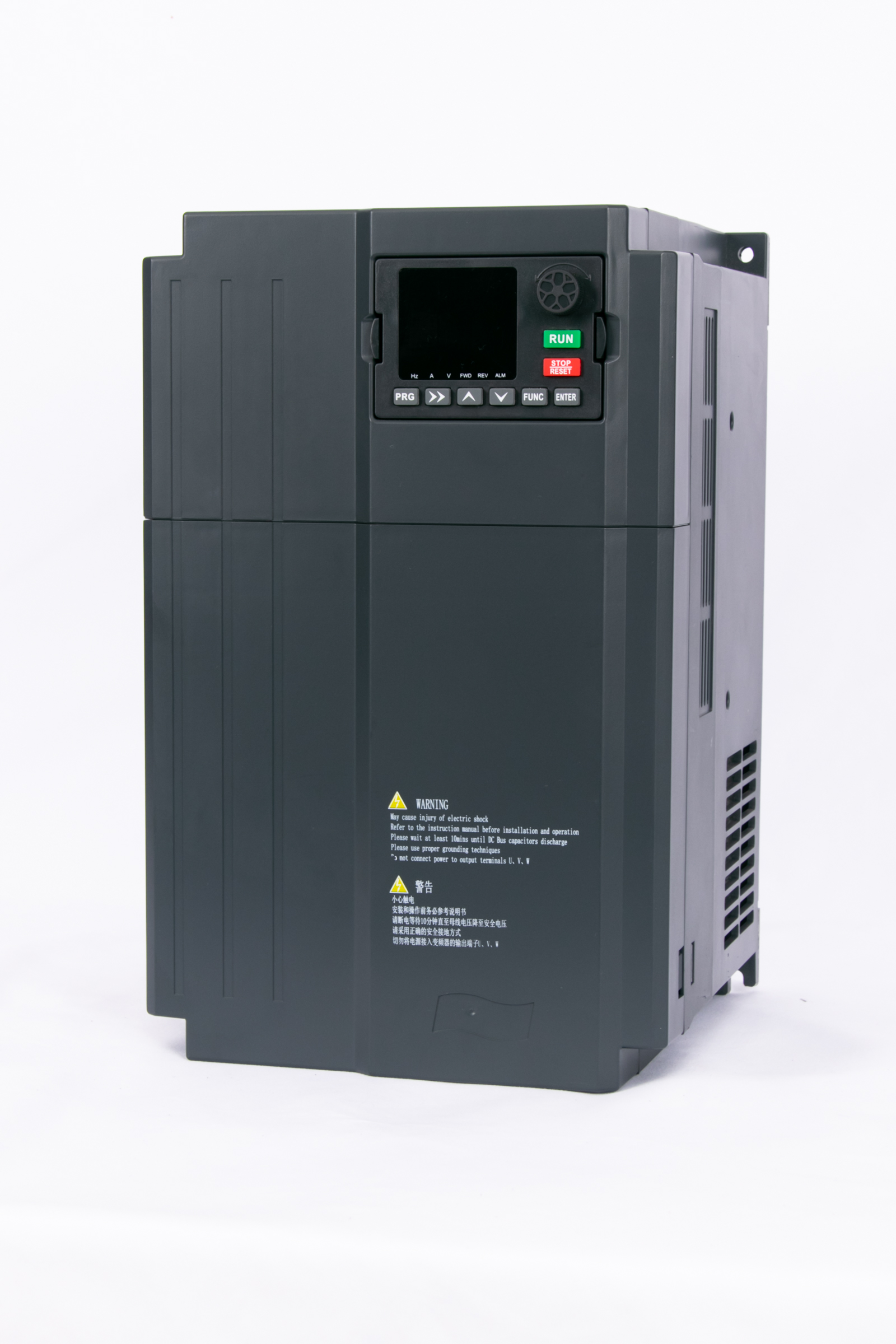
Heavy-duty vector frequency converters are specifically designed to solve this problem.
What Problems Do They Solve?
Ordinary frequency converters can adjust speed but are inadequate for heavy-duty startups. They either lack sufficient torque to turn the motor or trip due to load fluctuations once running.
Core Capabilities of Yibaling Heavy-Duty Vector Frequency Converters
Low-frequency high torque: Delivers over 150% rated torque at speeds as low as 0.5Hz. The equipment starts with full power, no stalling.
Strong overload capacity
Handles sudden load changes without throwing a fault. A crusher jams on a rock? A belt conveyor starts uphill with a full load? It just grunts and keeps going.
Smooth start/stop
You can stretch the ramp time from zero all the way up to an hour. No jerk, no shock. Belts don’t snap, gear teeth don’t chip.
Master-slave sync
When you’ve got two motors driving the same machine — like a long belt conveyor with a head motor and a tail motor — this thing keeps their loads balanced. Within 5% difference. No more one motor sweating while the other coasts.
| Application Scenario | Typical Equipment | Why Heavy-Duty Converters Are Needed |
| Mining | Belt conveyors, hoists, crushers | Heavy-duty startup, uphill start/stop, multi-motor synchronization; ordinary converters are insufficient |
| Building Materials & Cement | Roller presses, classifiers, kiln exhaust fans | Severe load fluctuations, frequent impacts requiring rapid response |
| Metallurgy | Rolling mills, blast furnace charging machines, dust exhaust fans | Long continuous operation requiring high reliability |
| Ports & Terminals | Ship unloaders, stacker-reclaimers | Frequent start/stop, forward/reverse operation requiring precise torque control |
| Chemical Engineering | Large agitators, compressors | Low-speed high torque, long continuous operation |
In short: Any equipment that is hard to start, heavy-loaded, or shock-sensitive is an ideal application.
Technical Strength
Yibaling heavy-duty vector frequency converters are not just "generic converters with a new casing." Key specifications:
Vector control technology: True closed-loop/open-loop vector control (not simple V/F control), precisely regulating motor flux and torque.
Low-frequency high torque: 150% rated torque at 0.5Hz for stall-free heavy-duty startup.
Overload capacity: 150% rated current for 60 seconds, 200% rated current for 3 seconds (model-dependent) to handle sudden load changes.
Master-slave synchronization: Fiber-optic/high-speed communication networking for multi-converter power balancing (error ≤5%).
Comprehensive protection: Overvoltage, undervoltage, overcurrent, short circuit, phase loss, overtemperature, motor stall protection, etc.
Communication interfaces: Standard RS485 (Modbus); optional Profinet, EtherNet/IP for easy central control integration.
Premium components: Pure copper reactors, high-quality IGBT modules, and three-proof coating, designed for long-term heavy-duty operation.
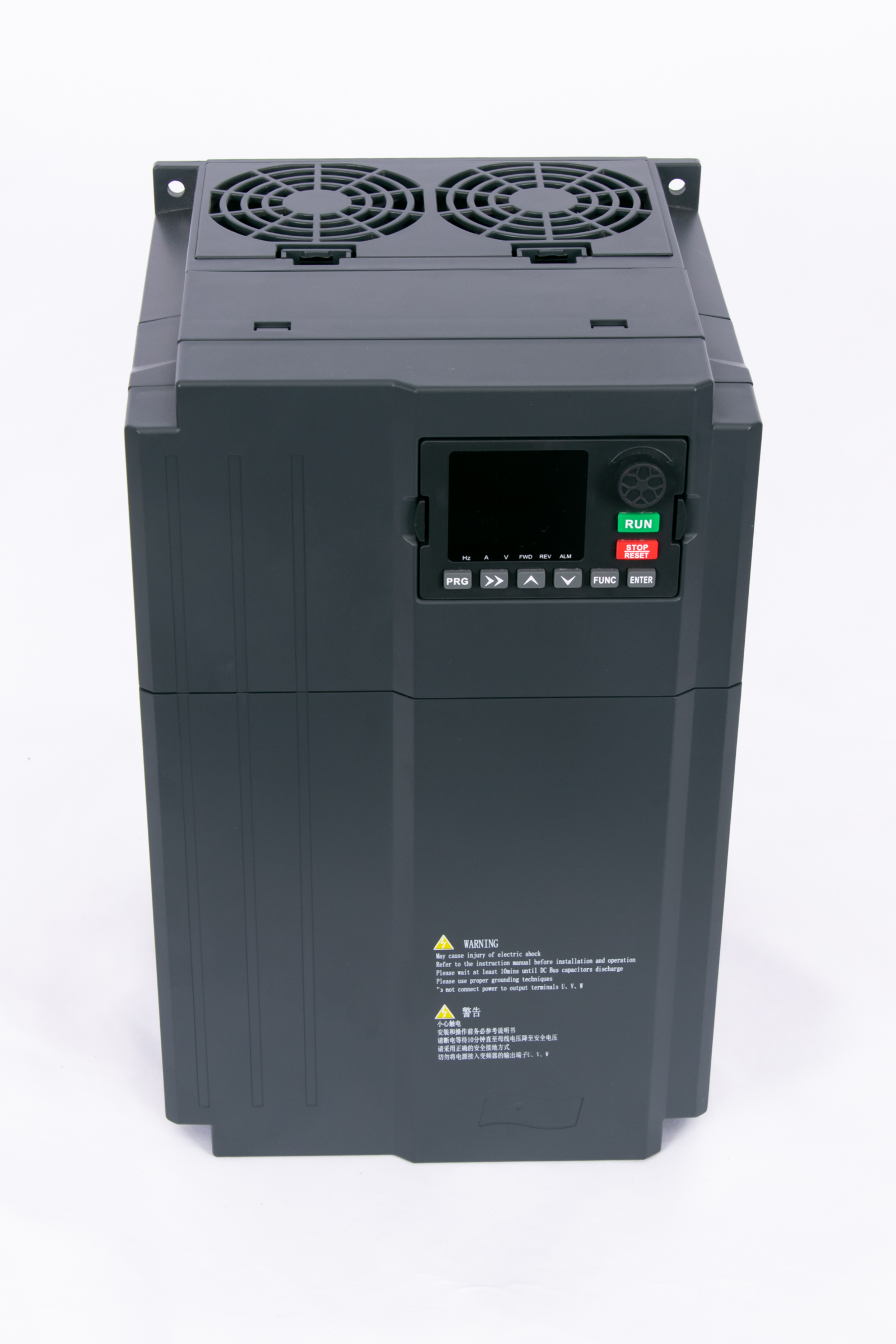
Why Heavy-Duty Equipment Requires Vector Converters
Ordinary V/F control converters suffer excessive voltage drop at low frequencies, resulting in insufficient torque. They cause low-speed weakness and startup stalling in heavy-duty applications.
Vector control is different: It splits motor current into two components—magnetizing current (generates magnetic field, the "skeleton") and torque current (generates torque, the "muscle"). These are regulated independently, maintaining sufficient "muscle power" even at low speeds.
A Real-World Case
A coal preparation plant operated a 1+ km long belt conveyor with significant elevation drop, frequently requiring uphill heavy-duty startup. The previous converter often stalled or tripped on overload.
After switching to the Yibaling heavy-duty vector frequency converter:
Low-frequency torque boost – dialed in the settings to match the actual load
Master-slave sync – got the head and tail motors working together, not against each other
What changed?
The belt starts every time, even uphill with a full load. No more stalling, no more "trying again."
Belt tension dropped about 30%. Less pull means the idlers and rollers last longer.
The current stays steady. Both motors share the work evenly — no more one motor killing itself while the other coasts.
One operator put it this way:
"Before, every time I hit the start button, I held my breath. Now? I just press it. The machine does its thing."
A few things to think about when picking one
Power matching – match the converter to the motor. For heavy-duty work, go one size up. You'll thank yourself later.
Load type – is it constant torque (conveyors, hoists) or variable torque (fans, pumps)? They need different thinking.
Startup frequency – if you're starting and stopping all day, leave yourself some margin.
Environment – hot, dusty, wet? Pick the right protection rating.
Control precision – do you really need closed-loop and an encoder? Sometimes yes. Sometimes it's extra cost you don't need.
Related News
- What ZSG Three-Phase Dry-Type Rectifier Transformer work?
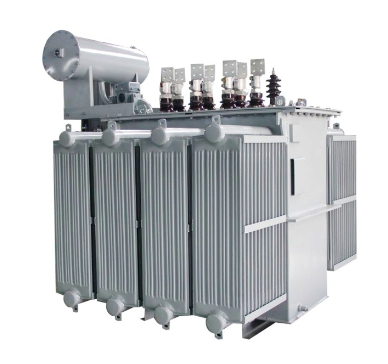
- Which one is good S13 Oil-Immersed Distribution Transformer?
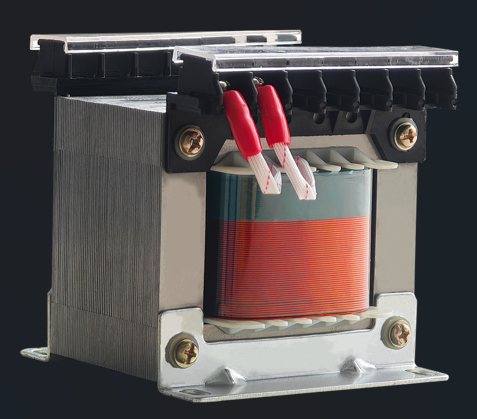
- How to choose JBK5 Machine Tool Control Transformer?
- How BK Machine Tool Transformer 220V works?
- Which one is good SBK Three-Phase Dry-Type Transformer?
- How to choose SBW Intelligent Servo Voltage Stabilizer?
Leave me a message