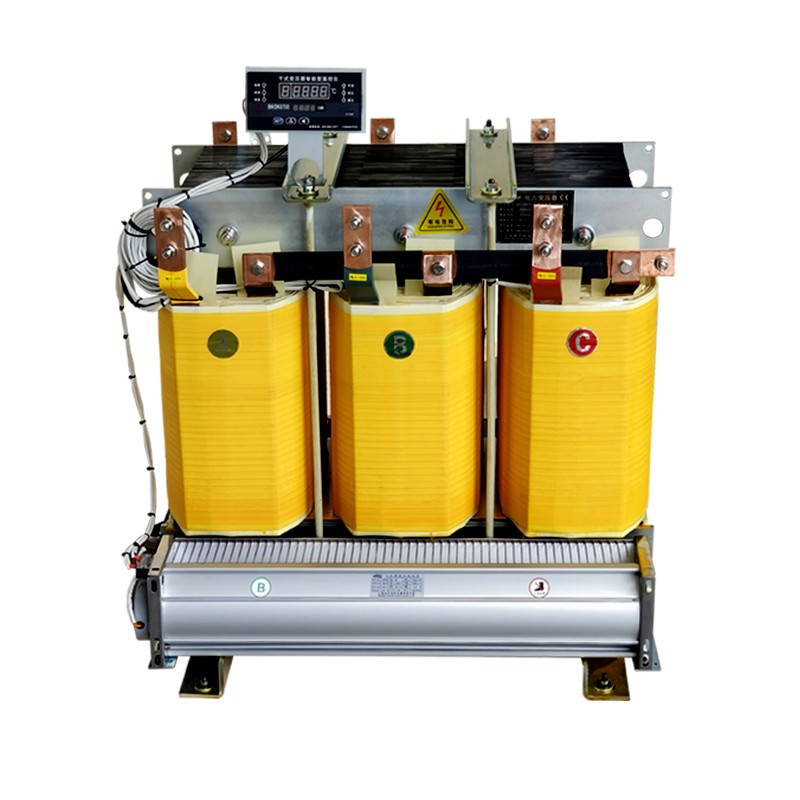
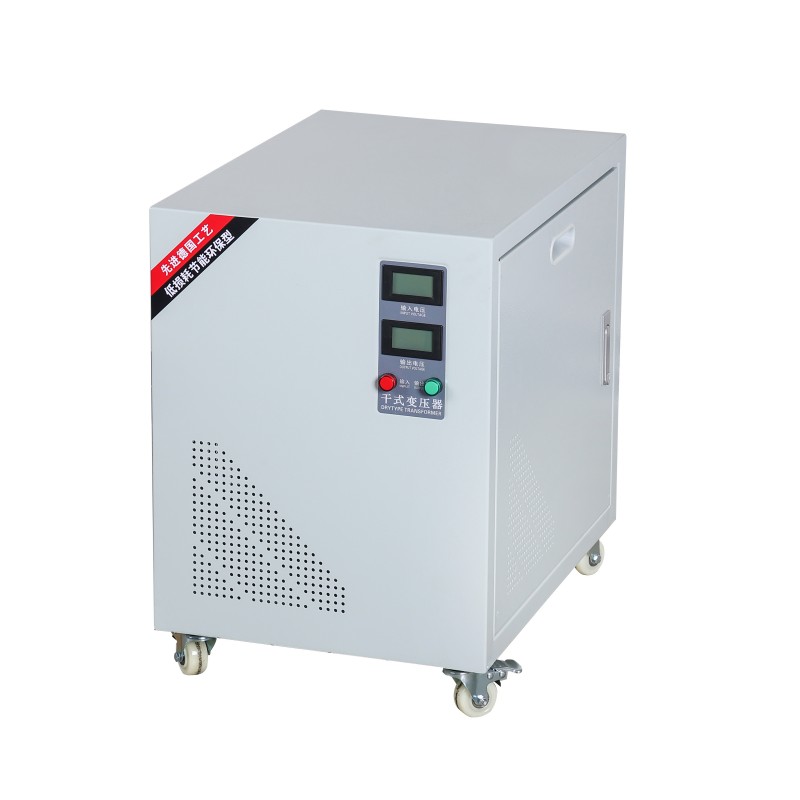
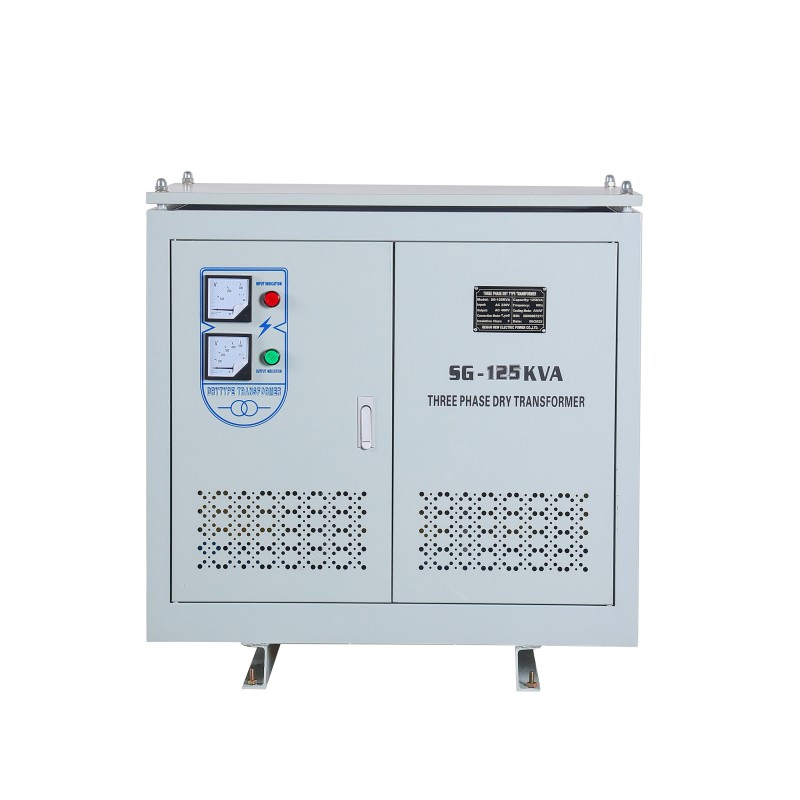
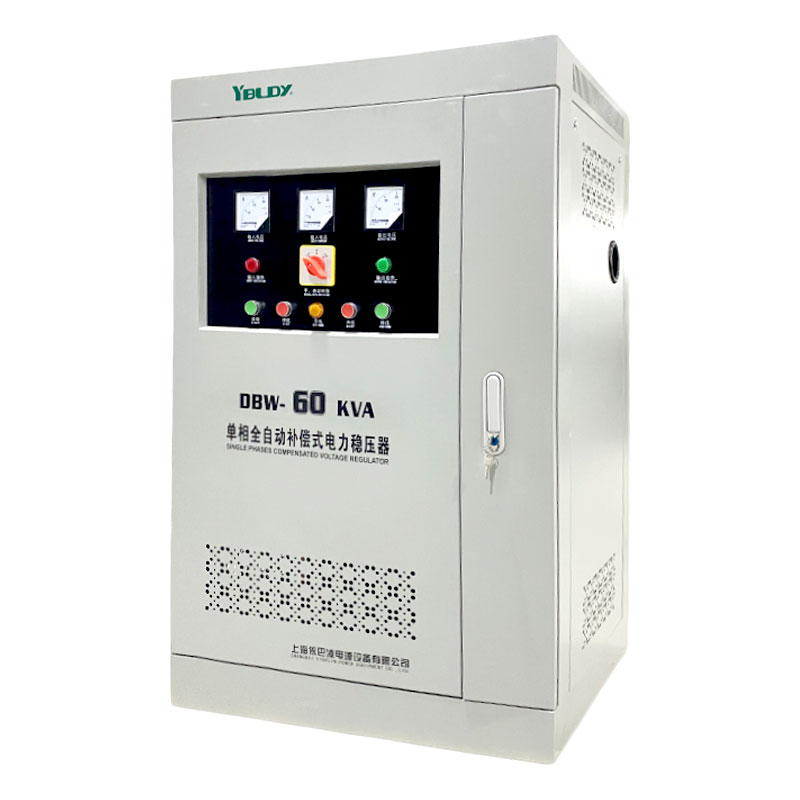
Traditional compensation-type voltage stabilizers have served industrial sites for decades with a mature principle and reliable structure. But anyone who has used them long-term knows the unavoidable shortcomings: carbon brushes need periodic inspection, mechanical drive occasionally jams, response lags when voltage swings are large, and when something goes wrong you can only stand at the panel guessing at faults. The SBW intelligent servo voltage stabilizer essentially keeps the core advantages of compensation-type regulation while using intelligent control to turn a "dumb device" into one that can talk and think.
Servo Motor Meets Intelligent Control
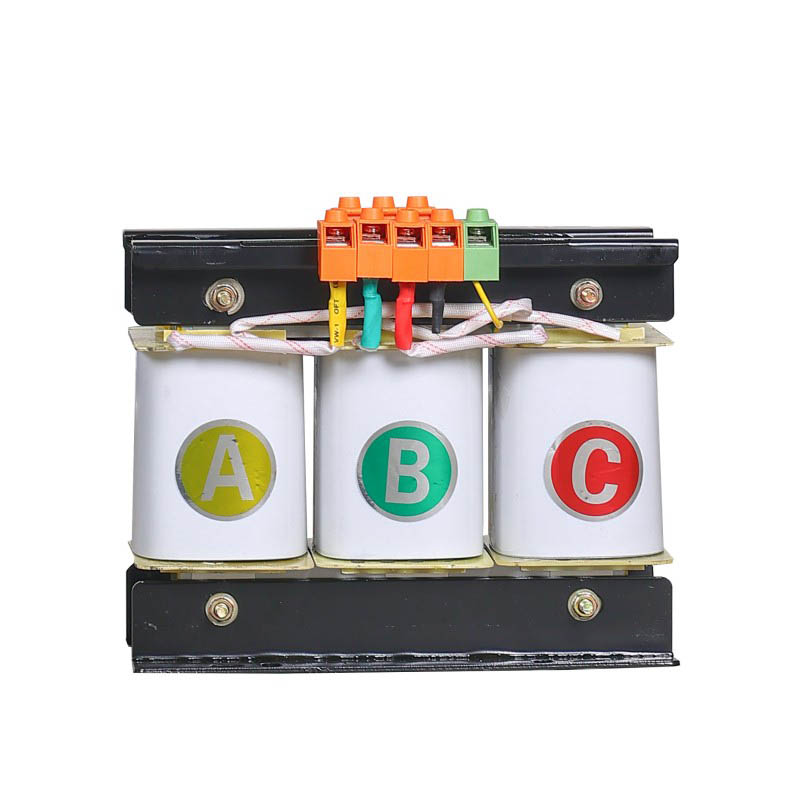
The SBW Intelligent Servo Voltage Stabilizer's core structure follows the same lineage as traditional compensation-type stabilizers: a sampling circuit reads output voltage, a control circuit drives a servo motor, the motor moves a carbon brush along the regulator winding, and a compensation transformer adjusts output voltage in real time. The difference is that the control stage is now a microprocessor.
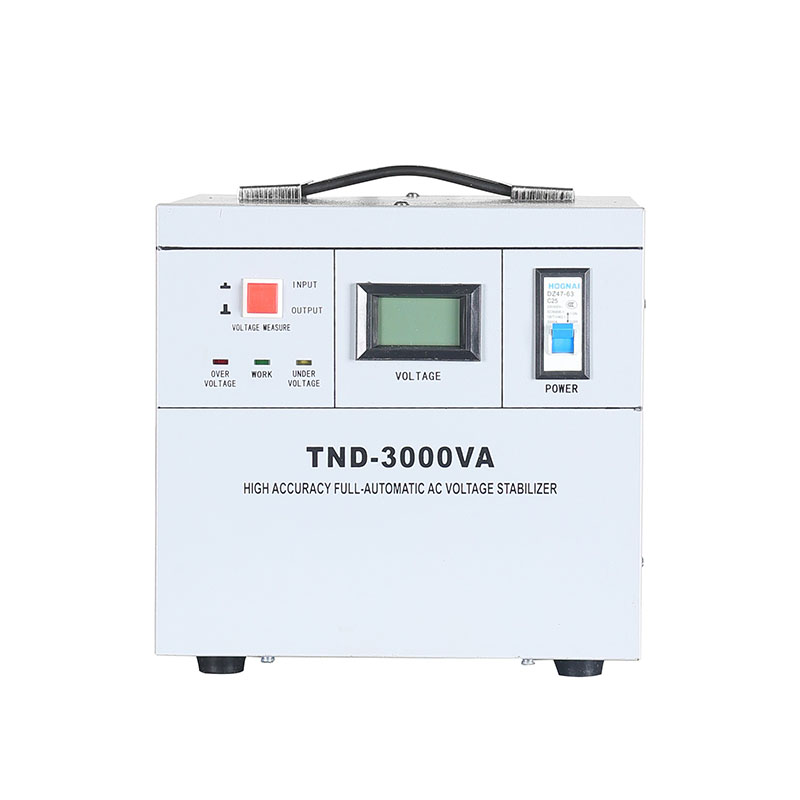
CPU-based intelligent control brings several practical changes. The control board uses SMT surface-mount technology with predominantly imported electronic components, pushing overall stability up a notch from traditional analog control. An LCD screen replaces analog meters, showing input voltage, output voltage, current, and operating status at a glance. Parameter settings are done through menu buttons — no need to open the cabinet and adjust potentiometers. Some models also support RS485 communication, allowing voltage and load data to feed into a host system.
Three-phase imbalance is an old problem. The SBW-F independent regulation model lets phases A, B, and C regulate separately, each handling its own. Scenarios with large three-phase load disparities — injection molding machines, machine tools — no longer have to rely on unified regulation to absorb the difference. For workshops with relatively balanced three-phase loads, the unified regulation version offers better cost-performance. Selection comes down to actual load distribution.
Parameters and Protection: Adequate Without Excess
The standard input range for three-phase SBW is 304V to 456V, covering ±20% around the 380V nominal. Output voltage holds at 380V, with accuracy set at ±2% to ±3% from the factory, adjustable to ±1% as needed. Response time is rated at around 1 second, typically completing adjustment within 1.5 seconds when input voltage jumps by 10%.
On efficiency, full-load rating is ≥98%, with no additional waveform distortion. That means the stabilizer itself injects no harmonics into the grid — a good thing for precision equipment.
Overload capability is worth noting. The SBW series is generally rated to withstand twice rated current for one minute, enough for instantaneous surges like asynchronous motor starts. But sizing should still be calculated against the load's starting current, especially when multiple motors start simultaneously — leaving adequate margin matters more than impressive specs.
Protection covers overvoltage, undervoltage, overcurrent, short circuit, phase loss, phase sequence error, and mechanical fault self-locking. Manual mains/stabilized switching is standard — when the stabilizer fails, you can temporarily switch to mains to keep production running. The practical value of this feature against downtime losses needs no explanation.
Where It Fits and Selection Boundaries
SBW Intelligent Servo Voltage Stabilizer applications concentrate on high-power industrial loads: CNC machine tools, injection molding equipment, laser cutters, elevators, medical equipment, textile machinery, SMT lines. What these share is that voltage fluctuation directly affects machining accuracy or operational safety, and the loads themselves have waveform quality requirements, making switching-type stabilizers unsuitable.
But one thing needs to be clear: servo-motor-driven compensation-type stabilizers have a physical limit on response speed. Millisecond-level grid voltage drops or momentary interruptions leave the SBW unable to respond — an inherent characteristic of the carbon brush mechanical structure. Such problems should go to a UPS or dynamic voltage restorer. Also, carbon brushes and drive mechanisms need periodic wear checks. Intelligent control can provide early warning, but it cannot eliminate maintenance entirely.
When specifying one, look at three things: the actual input voltage fluctuation range, the load's starting current characteristics, and whether three-phase independent regulation is needed. Let the control system handle the rest.
We use cookies to offer you a better browsing experience, analyze site traffic and personalize content. By using this site, you agree to our use of cookies. Privacy Policy