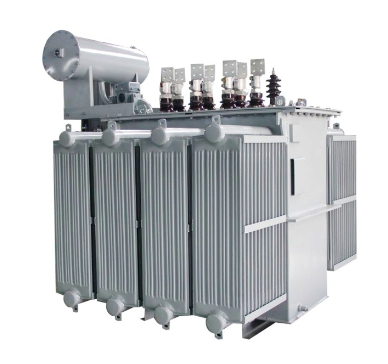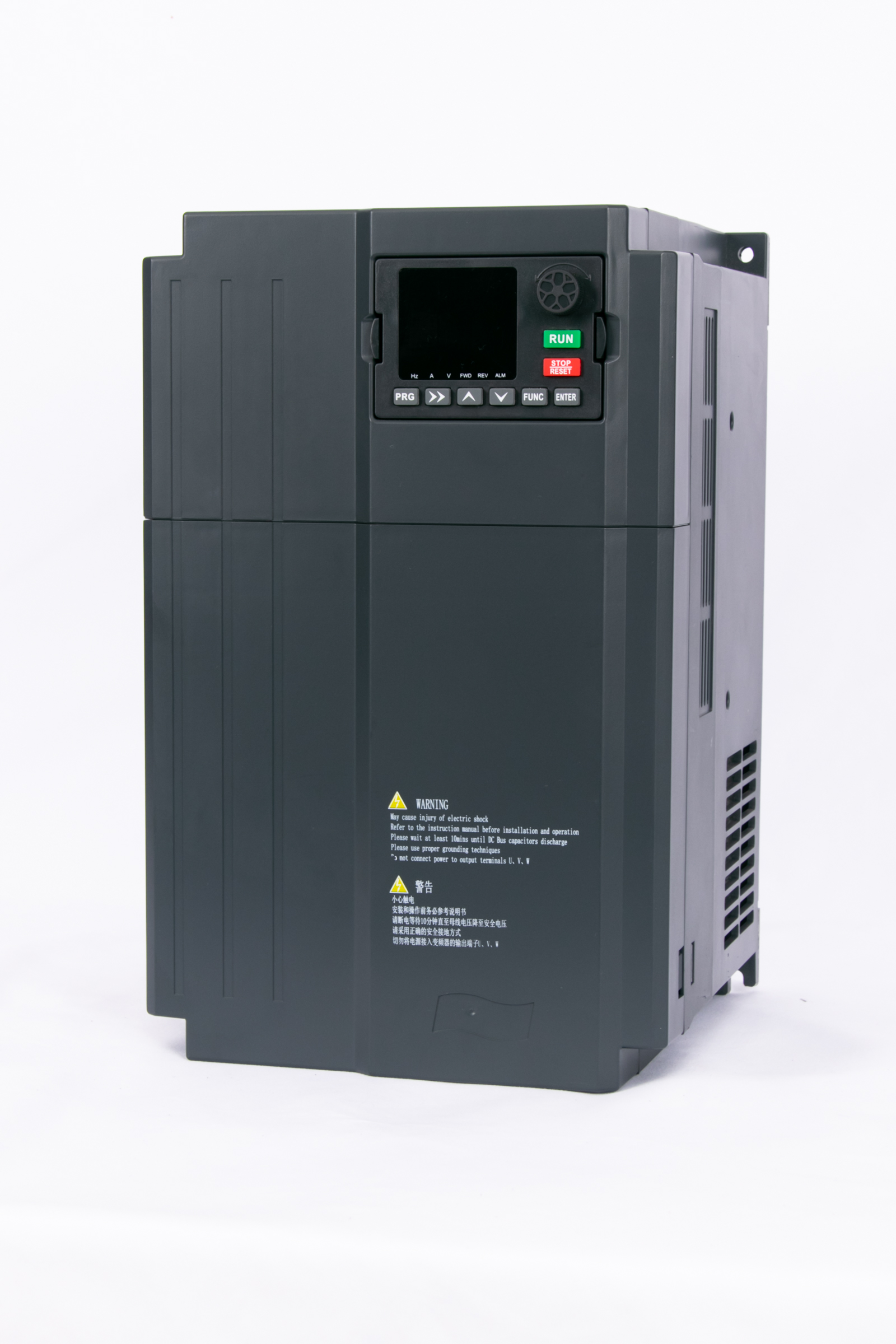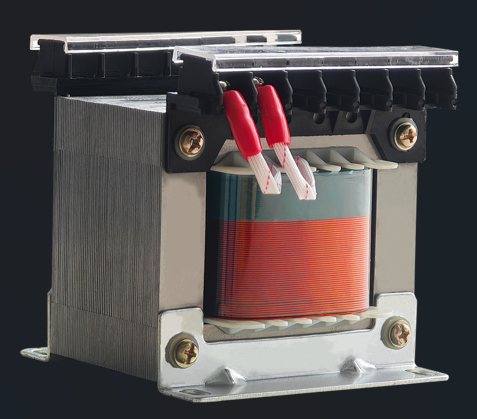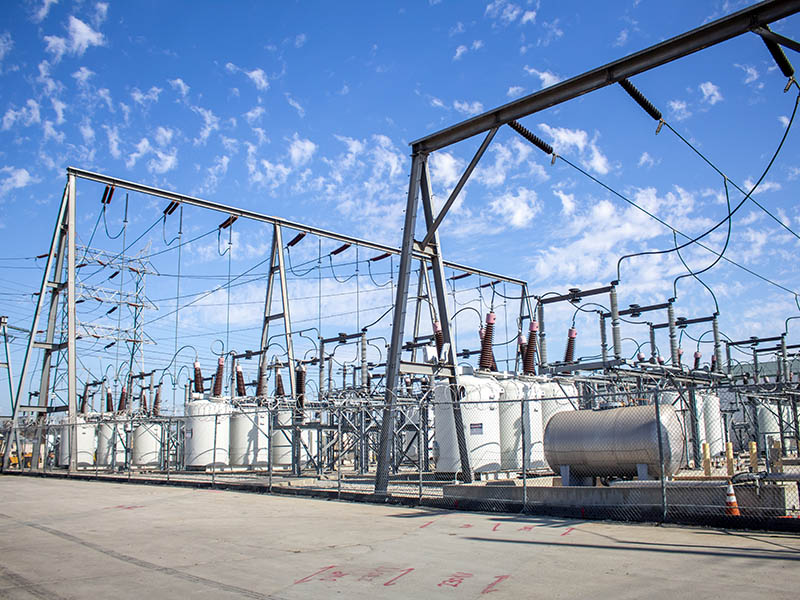

How to pick SG Step up and down transformer?
——A Plant Equipment Manager's Real-World Ledger
A bad choice burns money before the machine even starts
Last summer, Zhou, the equipment manager at a precision machinery plant in Zhejiang, ran into a headache. His factory had just taken delivery of a Japanese five-axis machining center rated at 200V, but the workshop supply was 380V. He told procurement to order a cheap step-down transformer – around 3,200 yuan, nothing fancy.
The machine was installed, powered up – and immediately started throwing alarms. The servo drives kept reporting "voltage anomaly". The Japanese vendor's service engineer flew in, took one look, and delivered a verdict that stung: "Your transformer's no-load loss is too high, and the output voltage swings over ±8%. Our equipment requires ±3%."
Swapping in an SG Step up and down transformer series isolation transformer fixed the problem overnight. But as Zhou sat down and crunched the numbers, he realized that equipment selection isn't just about "will it work" – it's about "does it pay off".
Ledger #1: Spend 2,300 yuan more upfront, get it back in eight months
Sure, those cheap step-down transformers are inexpensive. But Zhou put together a side-by-side comparison that told the real story:
| Item | Cheap Standard Transformer | SG Step up and down transformer Series Isolation Transformer |
| Purchase price | ~¥3,200 | ~¥5,500 (¥2,300 more) |
| No-load loss | ~2.5% | ~0.7% |
| Full-load efficiency | ~94% | ~97.5% |
| Output voltage stability | ±8% | within ±2% |
A good equipment manager always looks at total cost. Zhou's machining center was rated at 45kW, running two shifts – 16 hours a day, 300 days a year. That's 216,000 kWh annually. At an industrial rate of ¥0.8/kWh, his yearly electricity bill came to ¥172,800.
The cheap transformer, at 94% efficiency, wasted 10,368 kWh as heat – that's ¥8,294 down the drain every year. The SG Step up and down transformer, at 97.5%, lost only 5,400 kWh – costing just ¥4,320 annually.
That one item alone saves Zhou ¥3,974 per year. The extra ¥2,300 he paid upfront? Paid back in under eight months. Every single year after that is pure savings.
Ledger #2: Imported machines don't alarm – one less shutdown pays for the difference
What really put Zhou's mind at ease was the reliability. After switching to the SG Step up and down transformer, the machining center never shut down due to voltage issues again. With the old transformer, he was dealing with at least two or three stoppages a month, each taking 1-2 hours to recover.
Zhou did the math: that machining center generated ¥800 of output value per hour. Each 1.5-hour downtime cost ¥1,200 in lost production, plus tool re-setting, material waste, and test runs – roughly ¥1,500 per incident. Three times a month? ¥4,500. Over a year, that's ¥54,000.
"The extra two thousand for the SG Step up and down transformer? That's pocket change compared to this," Zhou later told his colleagues during an in-house equipment selection training session.
Ledger #3: Less maintenance, longer life – ten years and still going
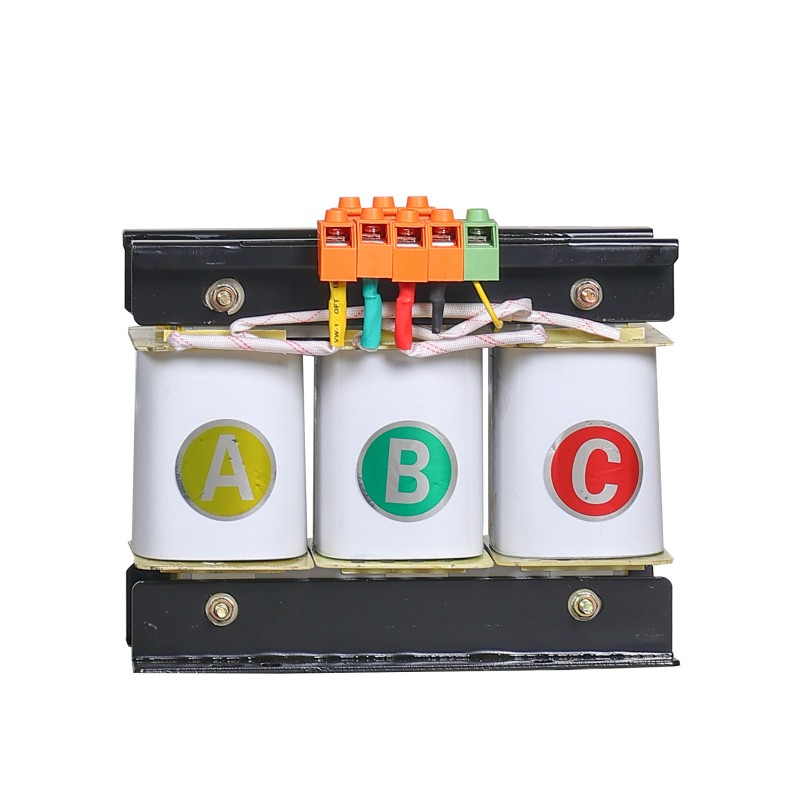
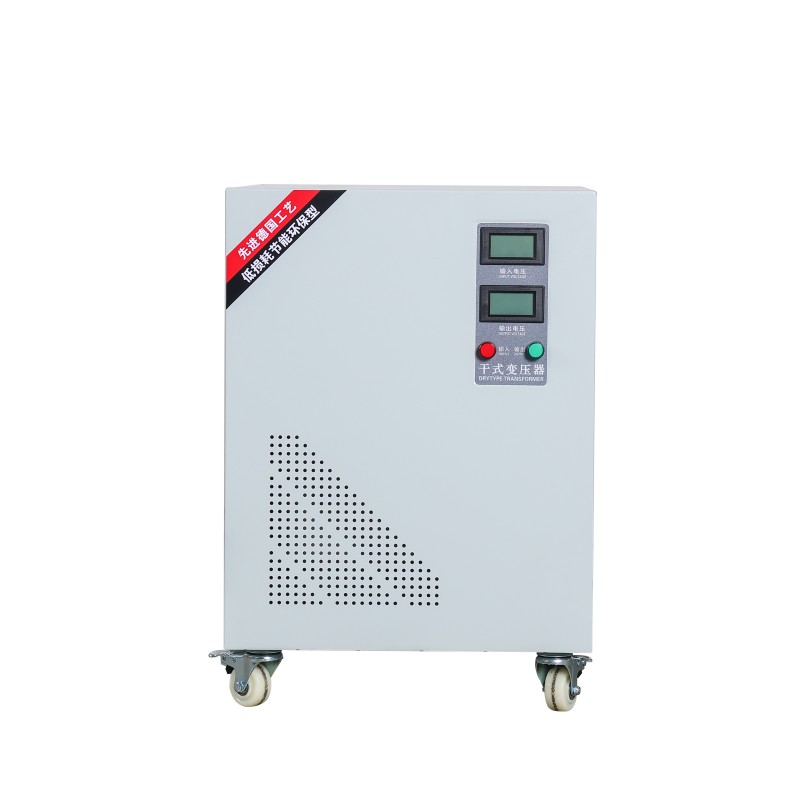
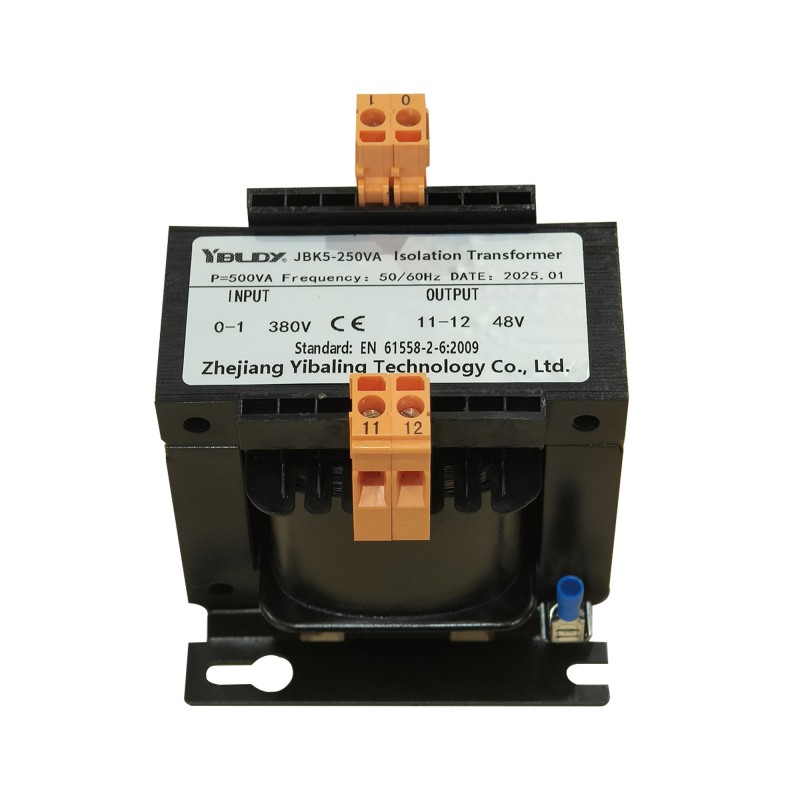
The SG Step up and down transformer is a dry-type isolation transformer with epoxy-encapsulated coils – moisture-proof, dust-proof, and rated IP20 at minimum. Those cheap transformers? After three to five years, coil insulation degrades from moisture ingress, or windings burn out from overheating, and you're looking at major repairs or a full replacement.
Zhou's SG Step up and down transformer unit was installed in the distribution cabinet and has been running for six years now. Apart from an annual dust blow-down during the plant's scheduled power-off maintenance, it's never needed any service. Insulation resistance tests are performed every year – and the readings are almost identical to the day it was brand new.
"The SG Step up and down transformer is rated for a 20-year service life under normal conditions," Zhou says. "Those standard transformers in our shop? They average about 6-8 years. Replacing each one costs another three thousand plus. The SG Step up and down transformer costs more upfront, but spread over its lifetime, the annual cost is actually lower."
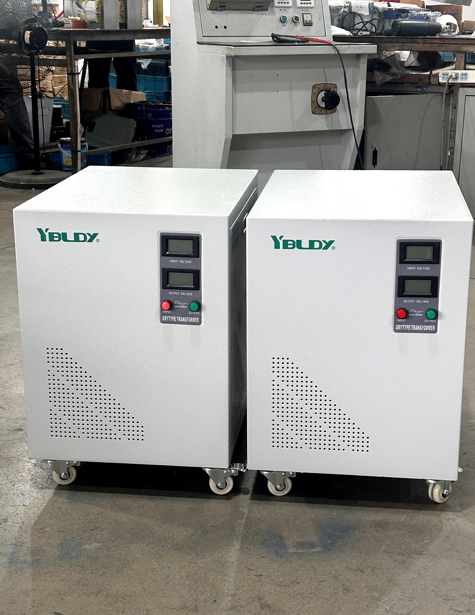
Three selection principles: when should you choose an SG Step up and down transformer?
Zhou's experience boils down to three practical rules for procurement and engineering teams:
Rule 1: Precision equipment demands an SG Step up and down transformer. CNC systems, servo drives, PLCs, medical imaging devices, laboratory instruments – any load that's sensitive to voltage stability needs an isolation transformer. Don't cut corners here.
Rule 2: Continuous-run equipment pays off with an SG Step up and down transformer. For lines running 8+ hours a day, that 2-3 percentage point efficiency gap translates into thousands of yuan in annual electricity savings. Payback is typically under two years – everything after that is pure profit.
Rule 3: Harsh environments call for an SG Step up and down transformer. In wet, dusty, or corrosive workshops, the SG Step up and down transformer's epoxy encapsulation holds up. Standard transformers won't last.
On the flip side: if your load is purely resistive (heaters, basic lighting), doesn't care about voltage precision, and runs only a few hours a day, a standard transformer will do just fine. No need to over-spec. The right choice beats the expensive choice every time.
A final thought
Zhou's machining center is still running strong, and that SG Step up and down transformer transformer is still mounted in the distribution cabinet, barely even dusty. He said something that stuck with me: "Good equipment is like that – you don't notice it's there, but it's saving you money every single day."
The SG Step up and down transformer series dry-type isolation transformer isn't flashy. It just does two seemingly ordinary things – isolation and efficiency – better than most of its peers. And in the industrial world, being solidly dependable is often the biggest competitive advantage there is.
Related News
- What ZSG Three-Phase Dry-Type Rectifier Transformer work?
- Which one is good S13 Oil-Immersed Distribution Transformer?
- How to choose JBK5 Machine Tool Control Transformer?
- How BK Machine Tool Transformer 220V works?
- Which one is good SBK Three-Phase Dry-Type Transformer?
- How to choose SBW Intelligent Servo Voltage Stabilizer?
Leave me a message