
What Is a JBK3 Power Supply Transformer and Why Is It Important?
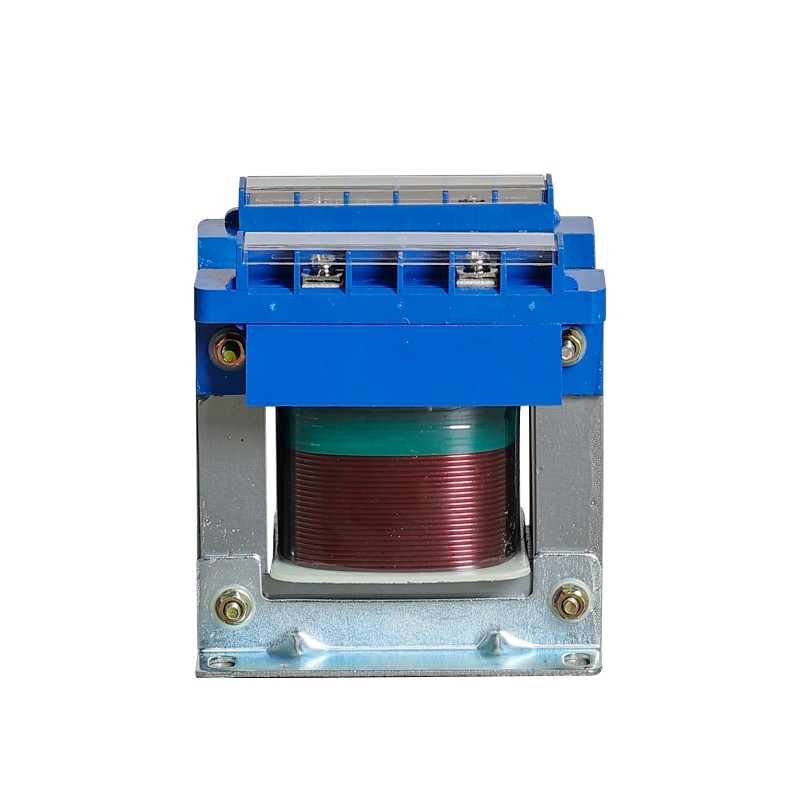
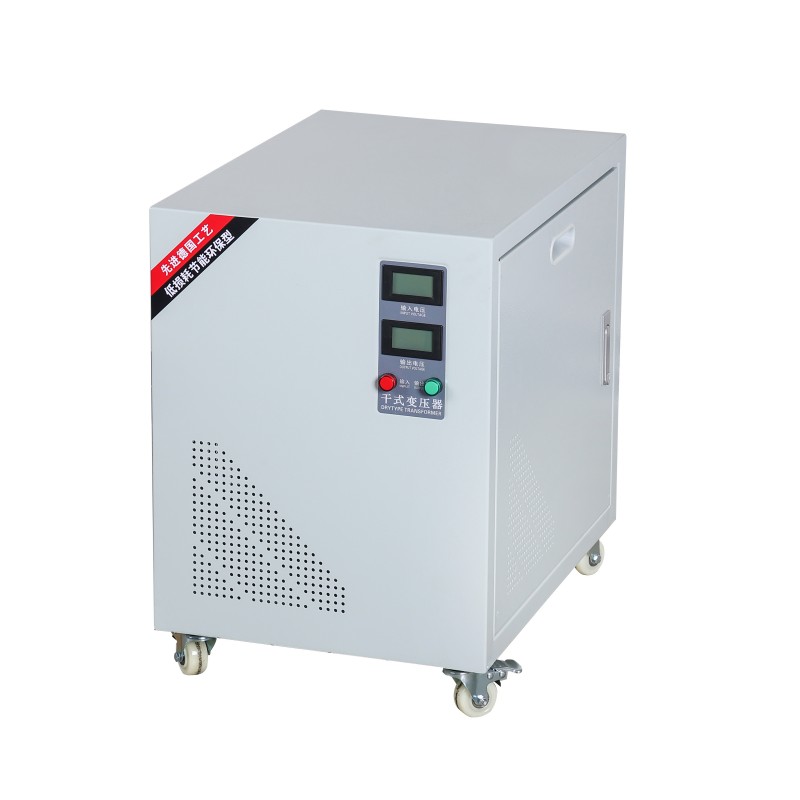
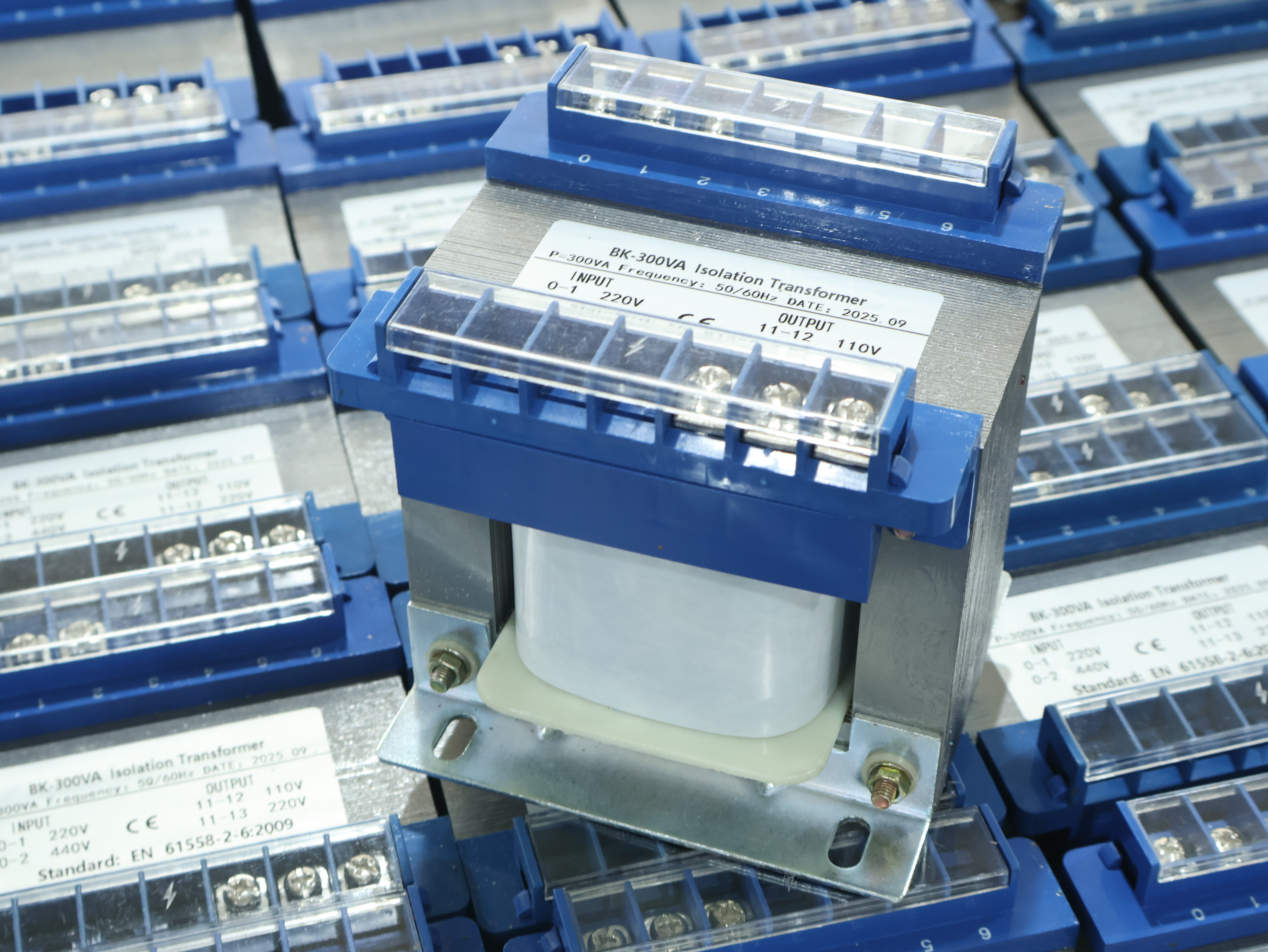
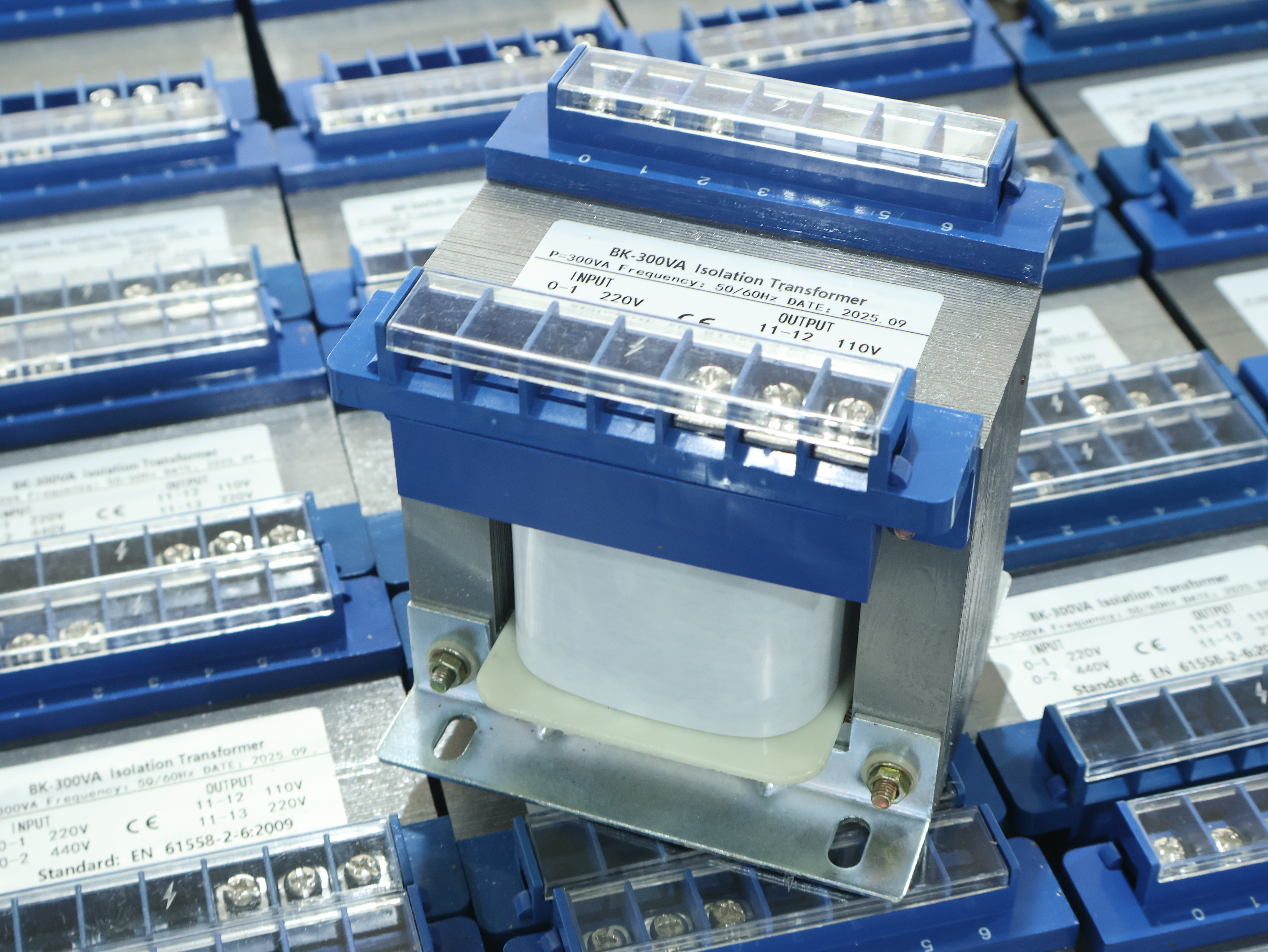
A JBK3 power supply transformer is a single phase dry type control transformer specifically designed to provide stable, isolated power for control circuits in machine tools, automated production lines, and industrial control systems.
Unlike large power transformers that feed motors and heavy loads, the JBK3 is purpose built for the "brain" side of the equipment — the PLCs, contactors, relays, solenoids, and indicator lights that tell the machine what to do and when to do it.
Why does that matter?
Because control circuits are sensitive. A voltage dip that a motor would shrug off can cause a PLC to glitch, a contactor to chatter, or a sensor to give a false reading. In a production line, that means scrap parts, downtime, and hours of troubleshooting.
The JBK3 provides a dedicated, clean, and stable power supply for the control system, isolating it from the electrical noise and voltage fluctuations of the main power bus.
In short: it keeps the machine's brain working while its muscles do the heavy lifting.
How a JBK3 Power Supply Transformer Works
The principle is straightforward but critical.
Step 1 — Input
The primary winding connects to the main supply — typically 220V or 380V single phase AC. Multi tap primary winding options accommodate line voltage variations.
Step 2 — Isolation
The secondary winding is electrically separate from the primary. Power transfers through a magnetic field, not through wires. This blocks surges, noise, and ground faults from reaching the control circuit.
Step 3 — Output
The secondary winding produces the control voltage needed — usually 110V, 220V, or 24V AC. Some models offer multiple secondary windings for different control voltages from a single unit.
Step 4 — Dedicated supply
The output feeds the control panel: PLC power supplies, relay coils, contactor coils, solenoid valves, indicator lights, and other control components.
Step 5 — Built in protection
The JBK3 is designed with thermal protection and overload capability to survive momentary overloads typical in control circuits.
The result: a clean, reliable, independent power source for the machine's control system.
Common Types and Ratings of JBK3 Transformers
JBK3 transformers are available in a range of capacities and configurations to match different control system demands.
| Rating (VA) | Typical Application |
| 100 – 300 VA | Small machine controls, basic relay panels, indicator circuits |
| 400 – 1000 VA | Medium CNC machines, packaging equipment, standard automation panels |
| 1500 – 2500 VA | Large machine tools, complex PLC systems, multiple control panels |
| 3000 – 5000 VA | Heavy duty controls with many solenoids/contactors, line specific applications |
| Feature | Options |
| Primary voltage | 220V, 380V, 400V, 415V (multi tap optional) |
| Secondary voltage | 24V, 48V, 110V, 127V, 220V, 380V (single or dual output) |
| Insulation class | Class E (120°C), Class B (130°C), Class F (155°C) |
| Mounting | Foot mount or DIN rail (adaptor available) |
| Enclosure | Open frame or enclosed (IP20) |
Why JBK3 Power Supply Transformers Matter
Because the most expensive machine failure is the one that could have been prevented by stable control power.
Here is what a JBK3 control transformer provides:
1. Clean power isolation
The JBK3 isolates the control circuit from the main power bus. If a motor winding shorts, the surge stops at the transformer — the control system keeps running.
2. Voltage stability
Even when the main supply dips or surges, the JBK3 maintains output voltage within its design limits. Relays hold, PLCs keep running, and sensors provide stable readings.
3. Noise suppression
VFDs, contactors, and switching power supplies generate noise. The JBK3's construction blocks that noise from reaching sensitive control electronics.
4. Ground loop elimination
The isolated secondary breaks ground loops that cause erratic sensor readings, communication errors, and unexplained machine behaviour.
5. Simplified wiring
One transformer supplies all control voltage needs. No multiple power supplies, no conflicting ground references — cleaner, easier installation.
6. Long service life
JBK3 transformers are built for continuous, long term operation. With generous sizing and quality materials, they often outlast the machines they serve.
7. Safety
Isolation means the control circuit is not referenced to the main supply. Less risk of electric shock to operators and technicians.
Choosing the Right JBK3 Transformer
Selecting a control transformer requires attention to load, duty cycle, and inrush requirements.
Step 1 — List the load
Identify every device that the transformer will supply:
PLC power supply (VA)
Relay coils (holding VA)
Contactor coils (sealing VA)
Indicator lights
Solenoid valves
Temperature controllers
Sensors and transmitters
Add the VA of all simultaneous loads. Use VA (volt amps) , not watts — contactors and relays draw reactive power.
Step 2 — Calculate required capacity
| Load Type | Sizing Rule |
| Continuous duty | Sum of all loads × 1.2 |
| Intermittent duty | Sum of all loads × 1.5 |
| Heavy inrush | Sum of all loads × 2.0 |
Inrush is often the deciding factor. A contactor that draws 30VA holding may draw 300VA for the first few milliseconds. If your control system has many large contactors, size up.
Step 3 — Specify primary voltage
Standard options: 220V, 380V, 400V, 415V. Multi tap primaries (e.g., 380/400/415/440V) are available for applications where line voltage varies widely.
Step 4 — Specify secondary voltage(s)
Common control voltages:
| Application | Voltage |
| General machine control | 220V or 110V |
| PLC and electronic controls | 24V DC (via rectified AC) |
| Solenoids and small actuators | 48V or 110V |
| Indicator lamps | 6V, 12V, 24V |
If you need multiple voltages, specify a multi secondary design.
Step 5 — Check inrush capability
For large contactor banks or solenoid arrays, ensure the transformer's inrush capability exceeds the connected load's peak demand.
| Condition | Requirement |
| Indoor/outdoor | Indoor only (standard). Outdoor requires custom enclosure. |
| Ambient temperature | -5°C to +40°C |
| Humidity | ≤90% (non condensing) |
| Altitude | ≤1000m (derating above this) |
Step 6 — Verify installation environment
Final Thoughts
The JBK3 power supply transformer is not a "hero" component. It sits in the control panel, quietly doing its job, rarely noticed by anyone. But try running a machine without it, and you will know immediately.
It provides the stable, clean, isolated power that keeps PLCs running, relays holding, and sensors reading correctly. It blocks the noise and surges that would otherwise cause mysterious shutdowns and costly downtime.
If you are designing a control panel, building a machine tool, or upgrading an existing system, the JBK3 is one of the most important components you will specify — even if no one ever talks about it.
Because reliable control power is not optional. It is the foundation of reliable automation.
Related News
- What ZSG Three-Phase Dry-Type Rectifier Transformer work?
- Which one is good S13 Oil-Immersed Distribution Transformer?
- How to choose JBK5 Machine Tool Control Transformer?
- How BK Machine Tool Transformer 220V works?
- Which one is good SBK Three-Phase Dry-Type Transformer?
- How to choose SBW Intelligent Servo Voltage Stabilizer?
Leave me a message