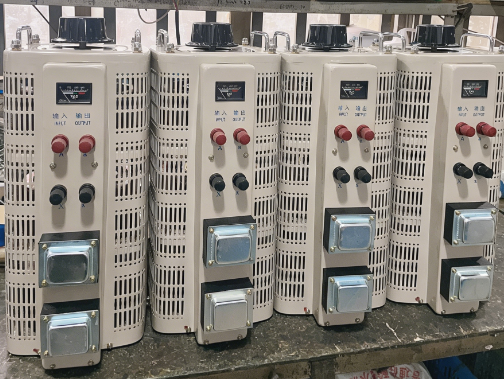

Which one is good SBK Three-Phase Dry-Type Transformer?
When Equipment Doesn't Fit, the Problem Is Often the Power Supply
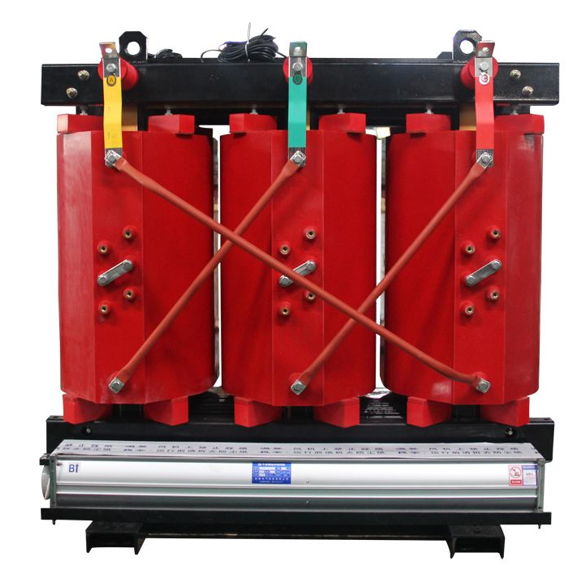
Anyone who's worked on an industrial floor knows the feeling. A precision machine tool shipped in from overseas, or a production line built to European standards, gets wired up to a 380V grid and either trips its protection or runs hot. That's when a three-phase dry-type transformer becomes unavoidable. The SBK Three-Phase Dry-Type Transformer series is a well-established option for exactly this kind of situation.
Capacity and Voltage Combinations That Cover the Basics
The SBK Three-Phase Dry-Type Transformer series runs from 0.3kVA up to 1000kVA, and some manufacturers go even higher — 2500kVA or more. Standard input voltages include 380V, 400V, 415V, 440V, and 660V. Outputs can be customized to 220V, 200V, 190V, or even 110V. It handles both 50Hz and 60Hz, so most import/export equipment matching needs are covered.
Voltage combination flexibility is a real advantage here. Input and output voltages can be combined as needed — they're not locked into fixed pairs. Whether the equipment nameplate says 440V to 220V or 400V to 200V, you just tell the manufacturer. Vector groups support common configurations like Y/yn0 and D/yn11, so there are options if the system has specific grounding requirements.
Core and Windings Determine Real-World Performance
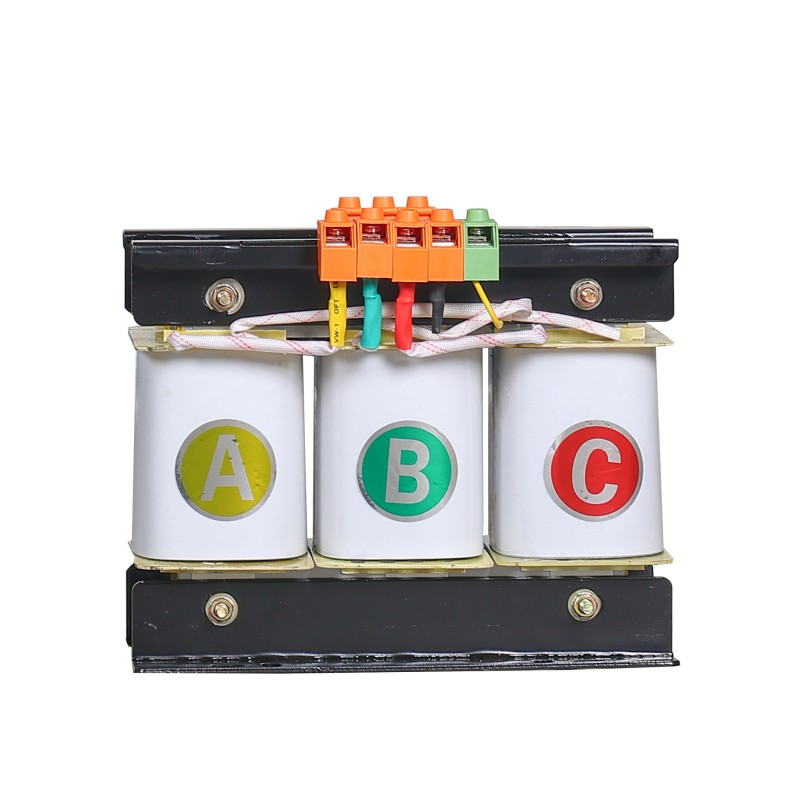
The SBK Three-Phase Dry-Type Transformer's core uses stacked cold-rolled silicon steel laminations with fully inclined joints. This helps with both no-load losses and noise. On winding material, full copper windings are more reassuring than aluminum when it comes to conductivity and long-term stability. Especially under frequent start-stop cycles or noticeable load swings, copper's heat management and service life hold up better.
Insulation classes run from B to H, with F and H being the most common in standard products. Class H handles 180°C, so high summer workshop temperatures won't set off alarms constantly. On protection rating, open type is IP00, protected type can reach IP20. Which one you pick depends on the installation environment — open type for cabinet mounting, protected type with a steel enclosure for dusty sites.
Open Type or Protected Type: Think Before You Choose
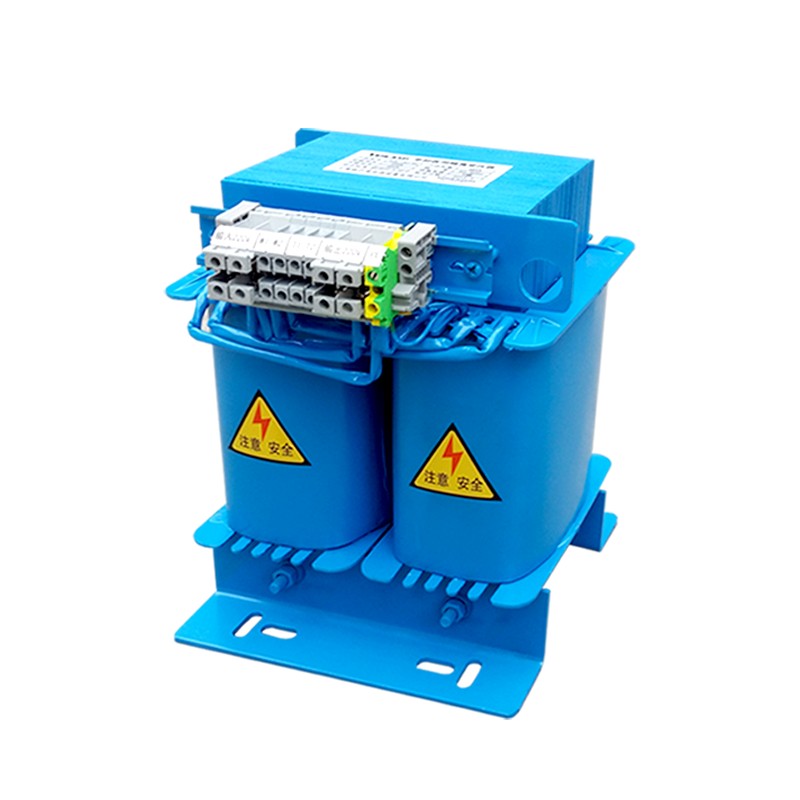
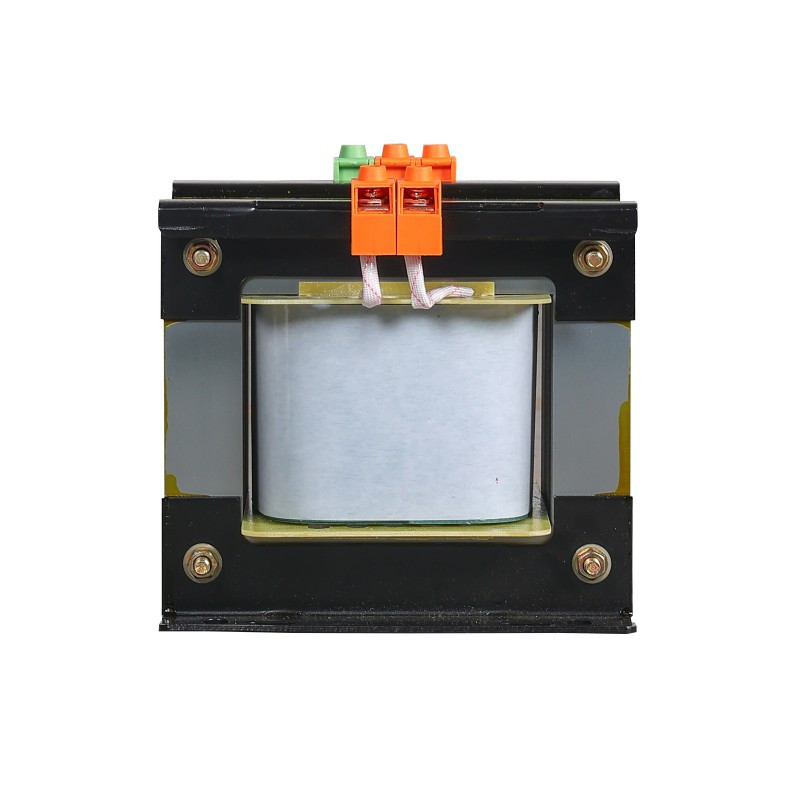
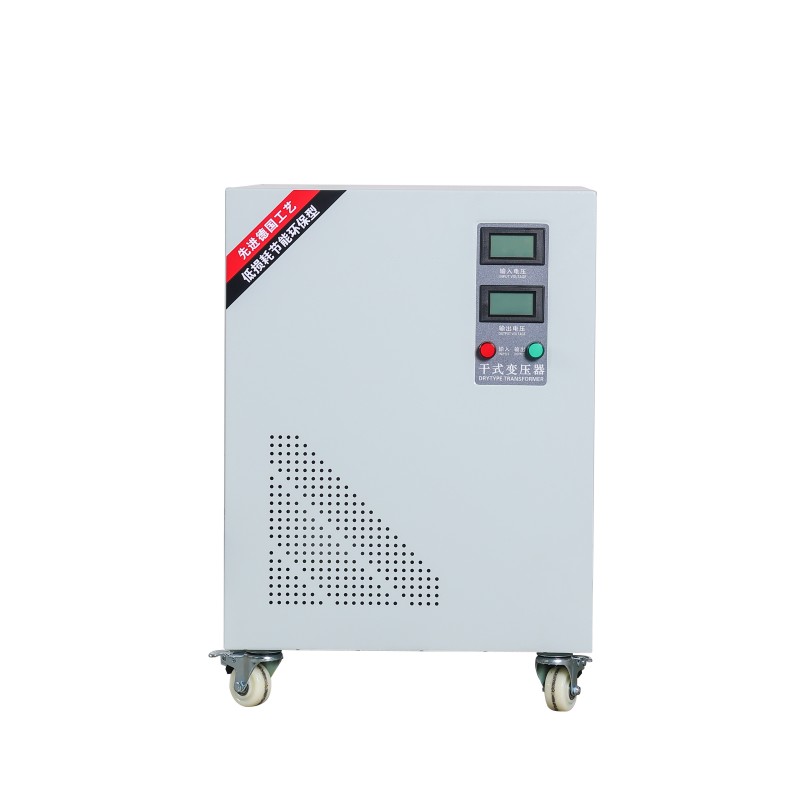
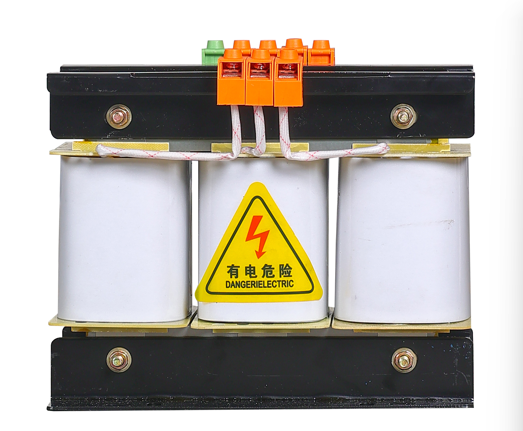
The SBK Three-Phase Dry-Type Transformer comes in two structural types: open and protected. Open type has no enclosure — the transformer body sits exposed, compact and well-ventilated, suitable for mounting inside electrical cabinets or in separately protected spaces. Protected type adds a steel box enclosure with cable entry holes, making wiring convenient and offering better resistance to dust and foreign objects.
Protected type can be fitted with voltmeters, ammeters, temperature controllers, and casters as needed. Casters are handy for scenarios that need mobility, like temporary construction power or equipment commissioning. Adding voltage and current meters means daily inspections don't require hauling out a separate multimeter — just a glance.
Applications Are Fairly Concentrated
SBK Three-Phase Dry-Type Transformer applications fall into two main categories. First, as a three-phase power source for low-voltage switchgear and electrical drive control equipment. Machine tool control power, local lighting, and indicator light power are the most common uses. Second, as a three-phase power transformer for small power, rectifier equipment, charging, and electroplating.
In practice, the SBK-3000VA, SBK-6000VA, SBK-10kVA, and SBK-15kVA ranges see relatively high shipment volumes. Routine imported equipment matching, production line power isolation, and machine tool control transformers are largely covered by these capacities. Larger capacities like 76.7kVA and 100kVA are generally custom scenarios — metallurgy, chemicals, large automated production lines.
Three Things to Watch When Specifying
Capacity is determined by the load's actual power and starting characteristics. Motor loads draw high starting current, so leaving adequate margin matters more than impressive specs. Voltage combinations match grid side and equipment side — input and output voltages both refer to line voltage and can be combined freely. Winding material and insulation class depend on the operating environment. For routine scenarios, Class F copper core is sufficient; go higher for harsh environments or long-life requirements.
Before installation, confirm grid voltage is within ±5% of rated value, tighten terminals, and ensure reliable grounding. Don't overlook ventilation — dry-type transformers rely on air convection for cooling, so leave adequate heat dissipation space for cabinet mounting. Let the manufacturer handle the rest to standard.
Related News
- What ZSG Three-Phase Dry-Type Rectifier Transformer work?
- Which one is good S13 Oil-Immersed Distribution Transformer?
- How to choose JBK5 Machine Tool Control Transformer?
- How BK Machine Tool Transformer 220V works?
- How to choose SBW Intelligent Servo Voltage Stabilizer?
- Where SCB13 Dry-Type Transformer Fit in Urban Grids?
Leave me a message