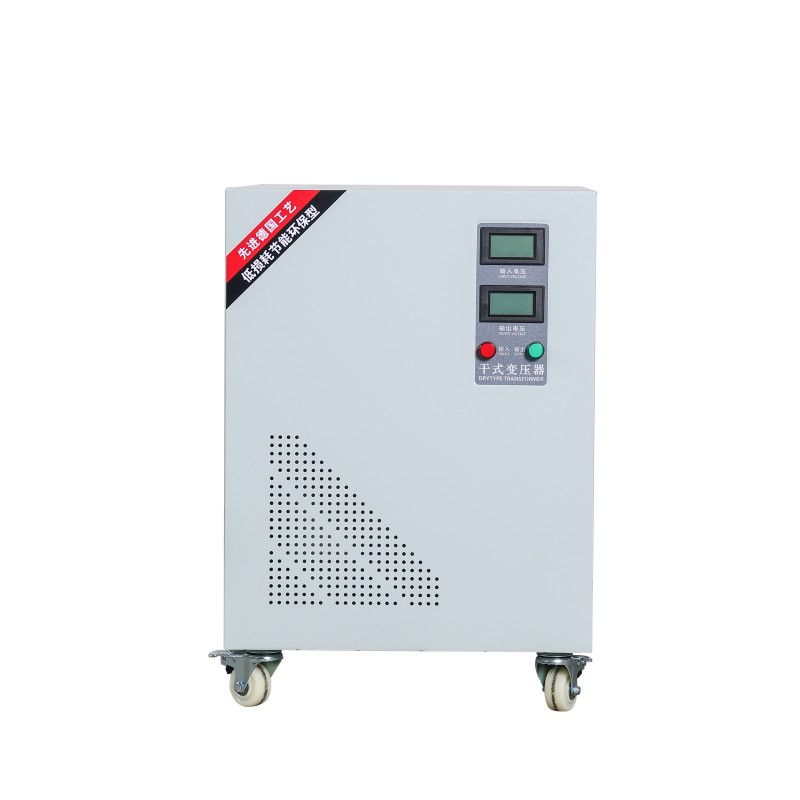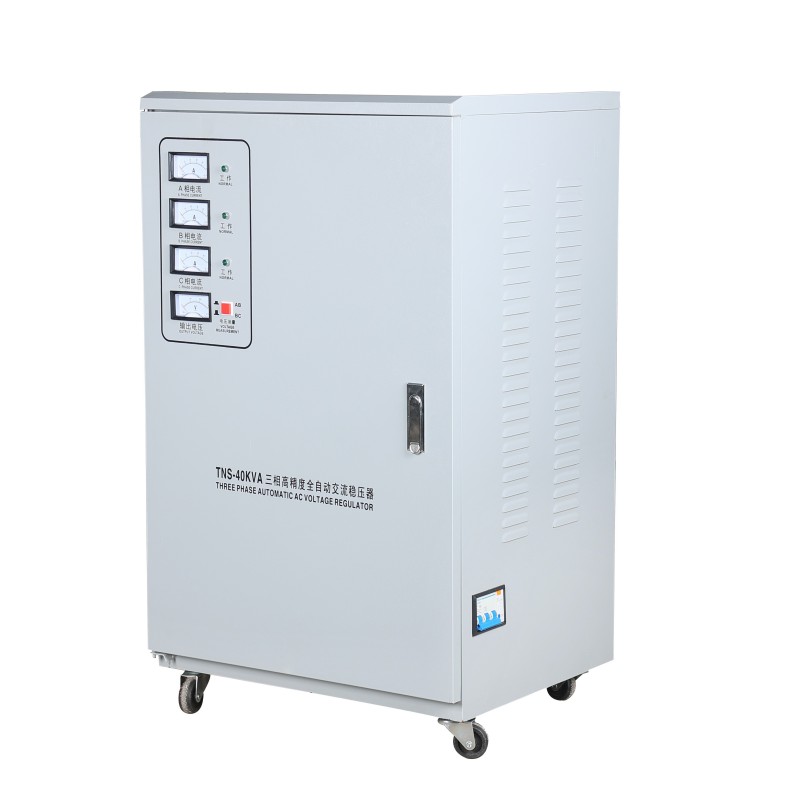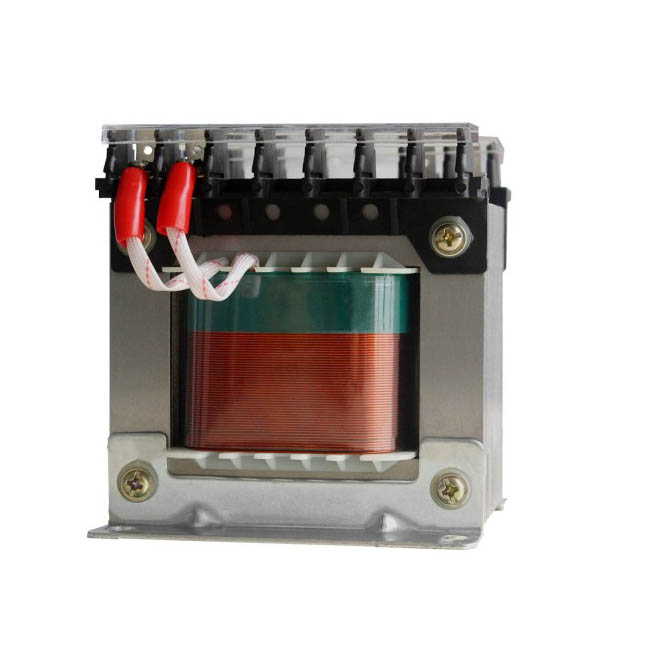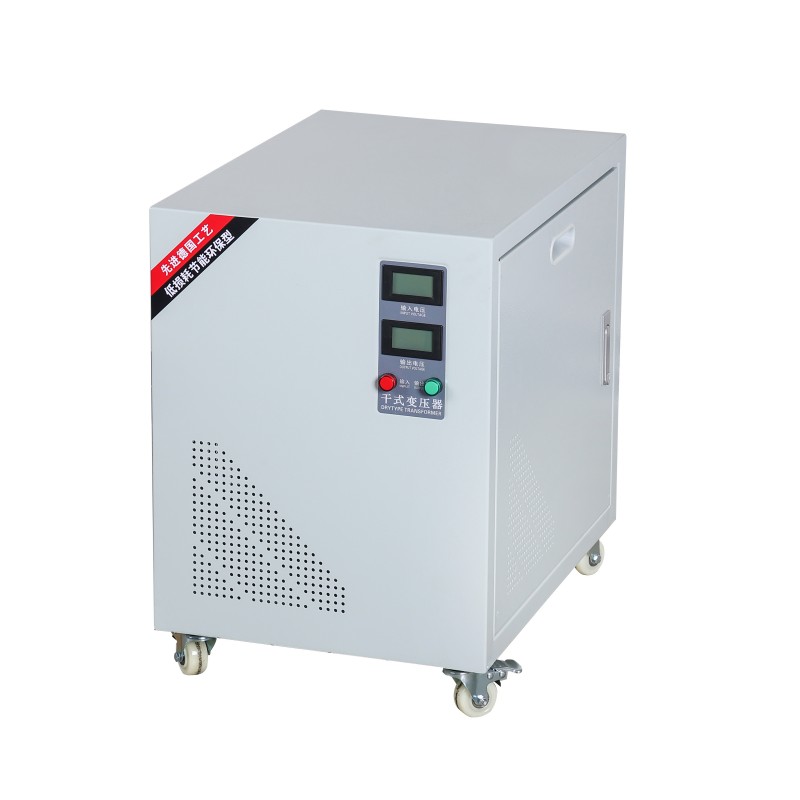

Where SCB13 Dry-Type Transformer Fit in Urban Grids?
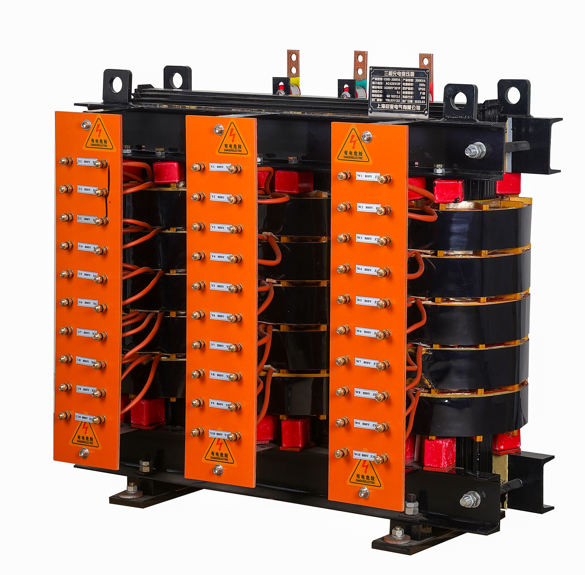
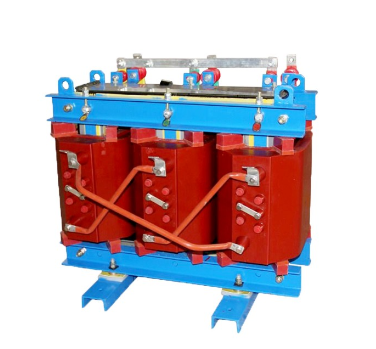
Urban grid renovation and load-center distribution share an unavoidable tension: the areas with the densest loads are also the ones with the strictest fire and explosion-proof requirements. Oil-immersed transformers, constrained by fire codes, simply cannot be installed inside buildings or in underground spaces in many scenarios. Dry-type transformers found their place in exactly this gap. The SCB13 Dry-Type Transformers cast-resin dry-type transformer is a fairly common model in current urban distribution and industrial matching applications.
Where the Losses Come Down
The SCB13's core selling point centers on loss control. Based on published product data, no-load losses for the SCB13 are more than 20% lower than the SCB11 series, with load losses also showing a marked reduction. Taking the SCB13-1250/10 as an example, no-load loss is approximately 1505W and load loss approximately 8720W. These numbers may not mean much in isolation, but over a year of continuous operation, the accumulated difference in electricity costs is considerable.
Loss reduction is achieved mainly through two paths. The core uses high-grade silicon steel laminations with a fully inclined seven-step stepped lap joint process, reducing flux density at the joint by about 22% and no-load current by about 40%. Conductor cross-sectional area in the coils has been increased — the low-voltage winding of the SCB13-1250/10 went from 1600mm² in the SCB10 era to 2300mm², directly cutting load losses.
Casting Process Determines Reliability
The service life and failure rate of a dry-type transformer depend heavily on the quality of the epoxy resin casting. The SCB13 Dry-Type Transformer uses vacuum thin-film degassing combined with pressure casting. High and low voltage coils are resin-encapsulated under vacuum and pressure, with resin penetrating between layers and turns. After curing, the cast body is dense, and the glass fiber reinforcement is self-extinguishing — no arcing under short circuit, and no toxic gas release at high temperatures.
Partial discharge level is a key indicator of casting quality. The SCB13 can hold partial discharge below 5PC, a figure that indicates internal bubbles and defects in the insulation are well controlled. On mechanical strength, filled resin reduces expansion coefficient differences and curing shrinkage stress, while pre-formed reinforcement on the inner and outer coil surfaces gives the cast body a dense structure comparable to reinforced concrete, able to withstand electrodynamic forces during sudden short circuits.
Noise and Temperature Control
Dry-type transformers are typically installed inside buildings or near occupied areas, so noise levels directly affect the user experience. The SCB13 Dry-Type Transformer is rated 10 to 15 decibels lower than current industry standards. In specific terms, the sound power level for a 2500kVA unit does not exceed 55dB(A).
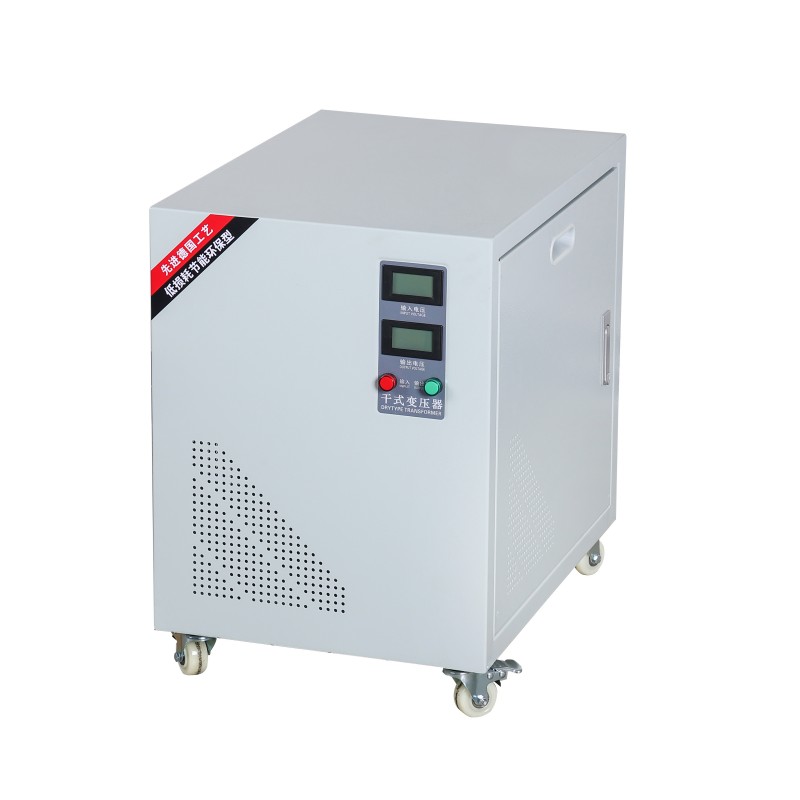
On temperature control, the SCB13 comes standard with an intelligent temperature controller supporting LED display and microcontroller control, with automatic or manual fan start-stop. Fans start at temperatures above 100°C, an alarm signal is output above 130°C, and tripping occurs above 150°C. Cooling is AN/AF (natural air/forced air), with forced-air mode allowing short-term capacity boost operation.
Capacity Coverage and Applications
The SCB13 Dry-Type Transformer covers capacities from 30kVA to 2500kVA, with voltage classes covering 10kV and 35kV, low-voltage side typically 0.4kV, and vector group predominantly Dyn11. This capacity range covers the routine needs of urban distribution and industrial matching.
Applications concentrate in locations with explicit fire and explosion-proof requirements: high-rise buildings, underground facilities, airports, subways, hospitals, commercial centers, data centers, as well as auxiliary transformers and excitation transformers in power plants. What these scenarios share is dense occupancy or enclosed space — oil-immersed transformers cannot be installed in compliance, and dry-type transformers are one of the few viable options.
What to Look at When Specifying
The SCB13 selection logic is relatively straightforward. Capacity is determined by actual load demand and starting characteristics, with adequate margin. Voltage combinations are matched to grid side and equipment side. Vector group depends on system grounding method and harmonic handling requirements. Loss parameters are worth verifying item by item during procurement — SCB13 units from different manufacturers can differ in no-load and load losses, and while they're all called "SCB13," actual operating costs are not necessarily the same.
Temperature control system and cooling fan configuration also need confirmation. Whether the temperature controller includes RS485 communication, whether the number of alarm contacts meets interlocking requirements, and whether fans support manual/automatic switching — these details directly affect convenience in later operation and maintenance.
Next :
-
Related News
Leave me a message