
How DBW Compensation Voltage Stabilizer Regulator work?
Voltage Instability: Distinguish "Fluctuation" from "Sag" First
Voltage problems on an industrial floor are often lumped together as "unstable voltage." But the actual symptoms vary widely. Sometimes grid voltage swings back and forth within ±10%, equipment barely runs but occasionally misbehaves. Other times, voltage drops straight to 70% of rated value or lower, and equipment simply won't start. These two situations call for completely different solutions. The DBW series compensation voltage stabilizer targets the latter — scenarios where input voltage fluctuates over a wide range and output voltage needs to be held firmly at rated value.
The Basic Logic of Compensation-Type Regulation
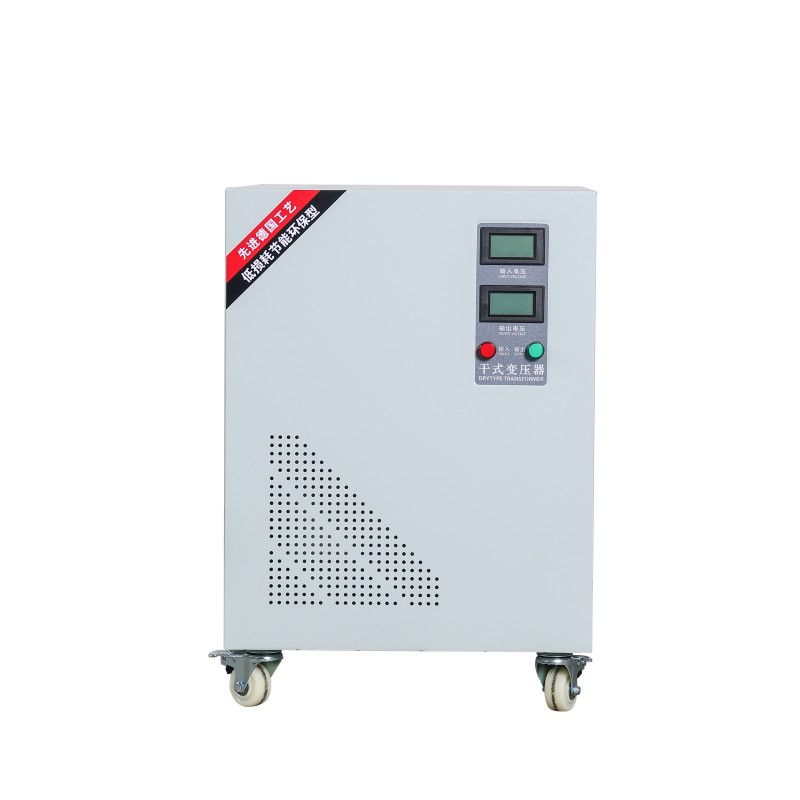
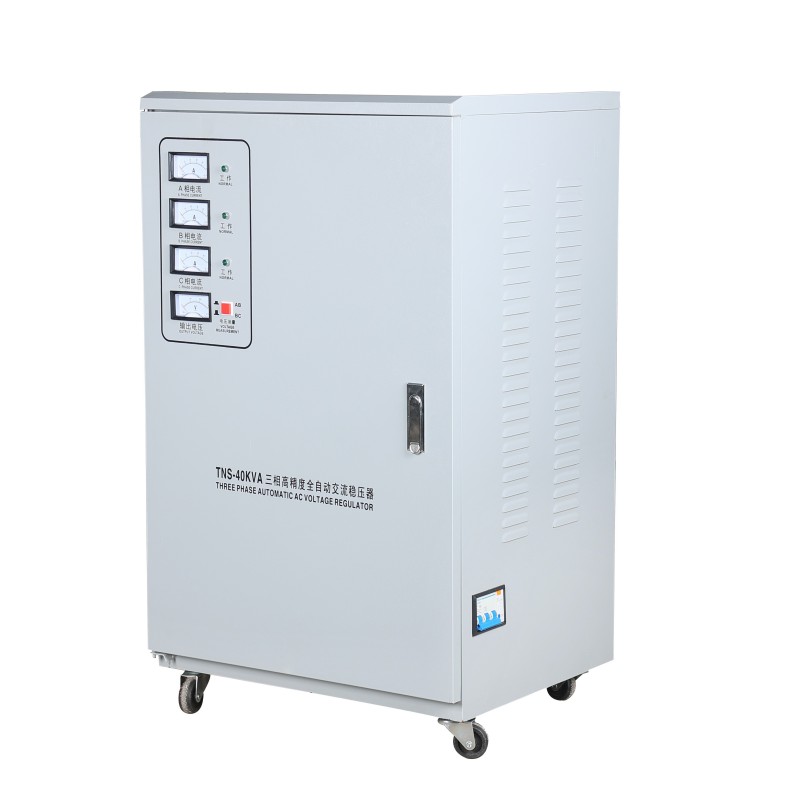
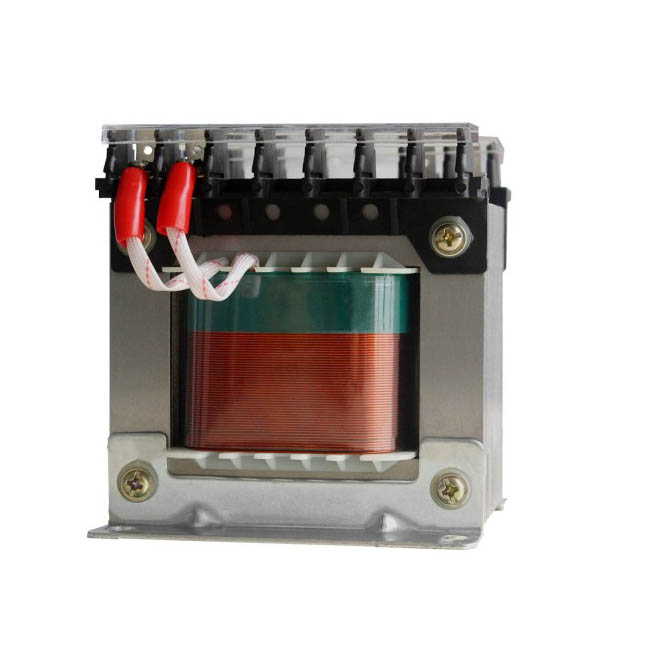
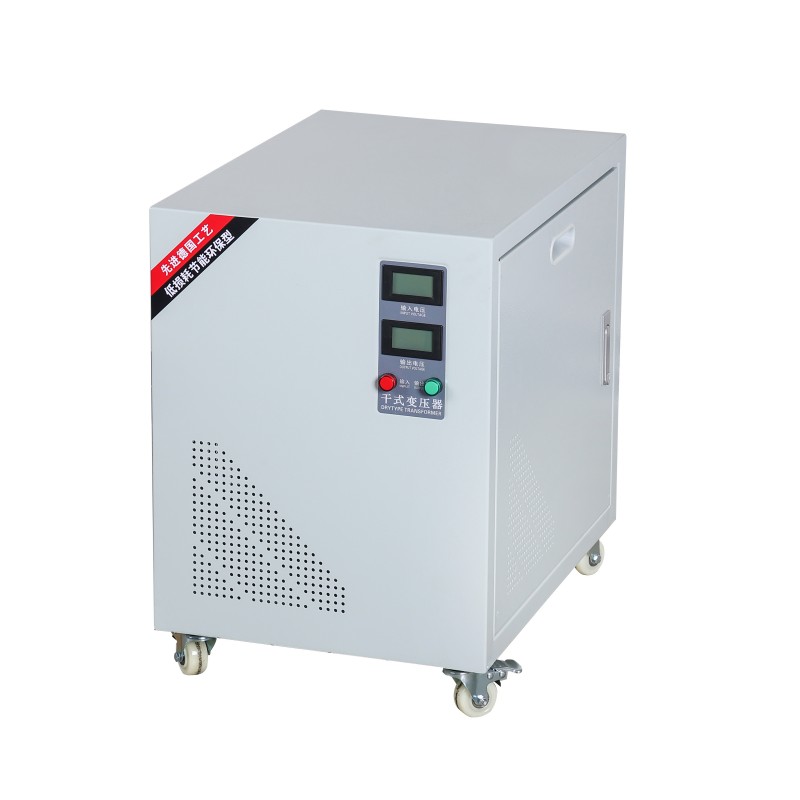
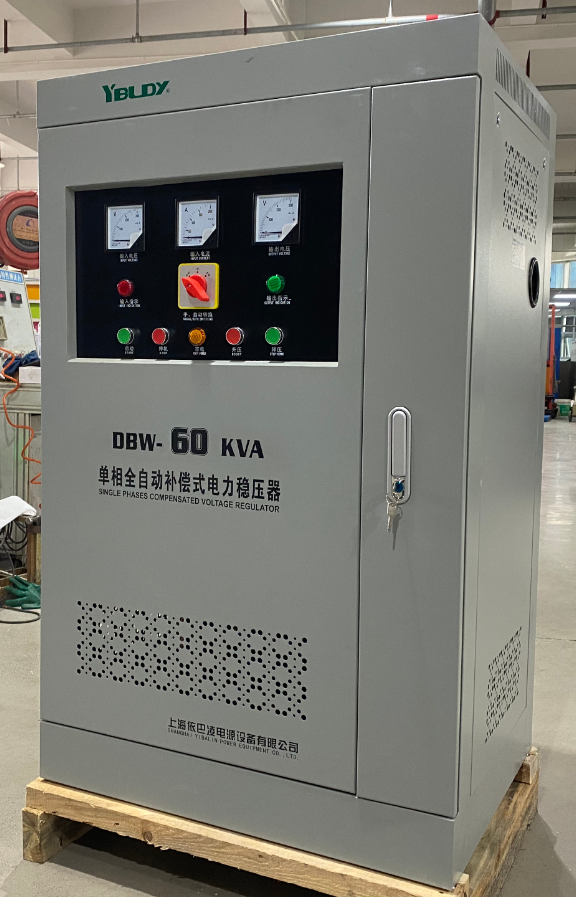
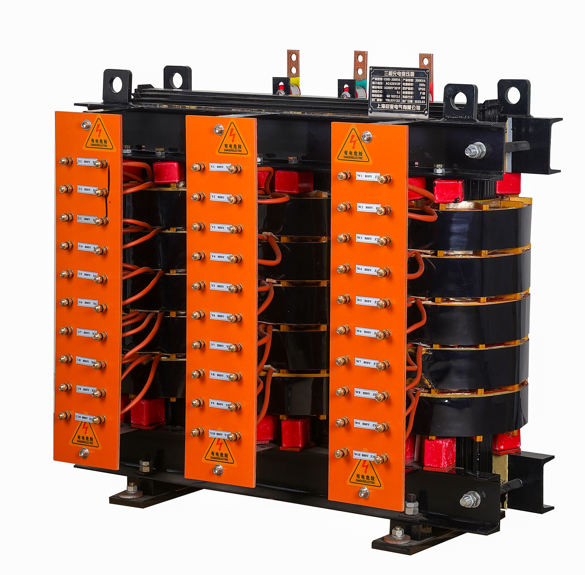
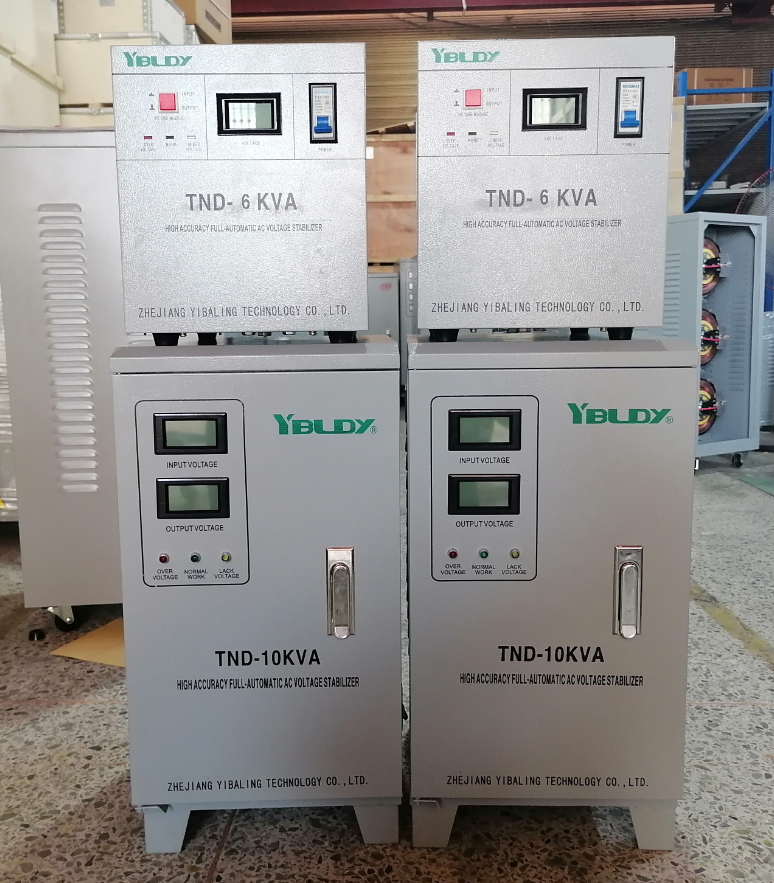
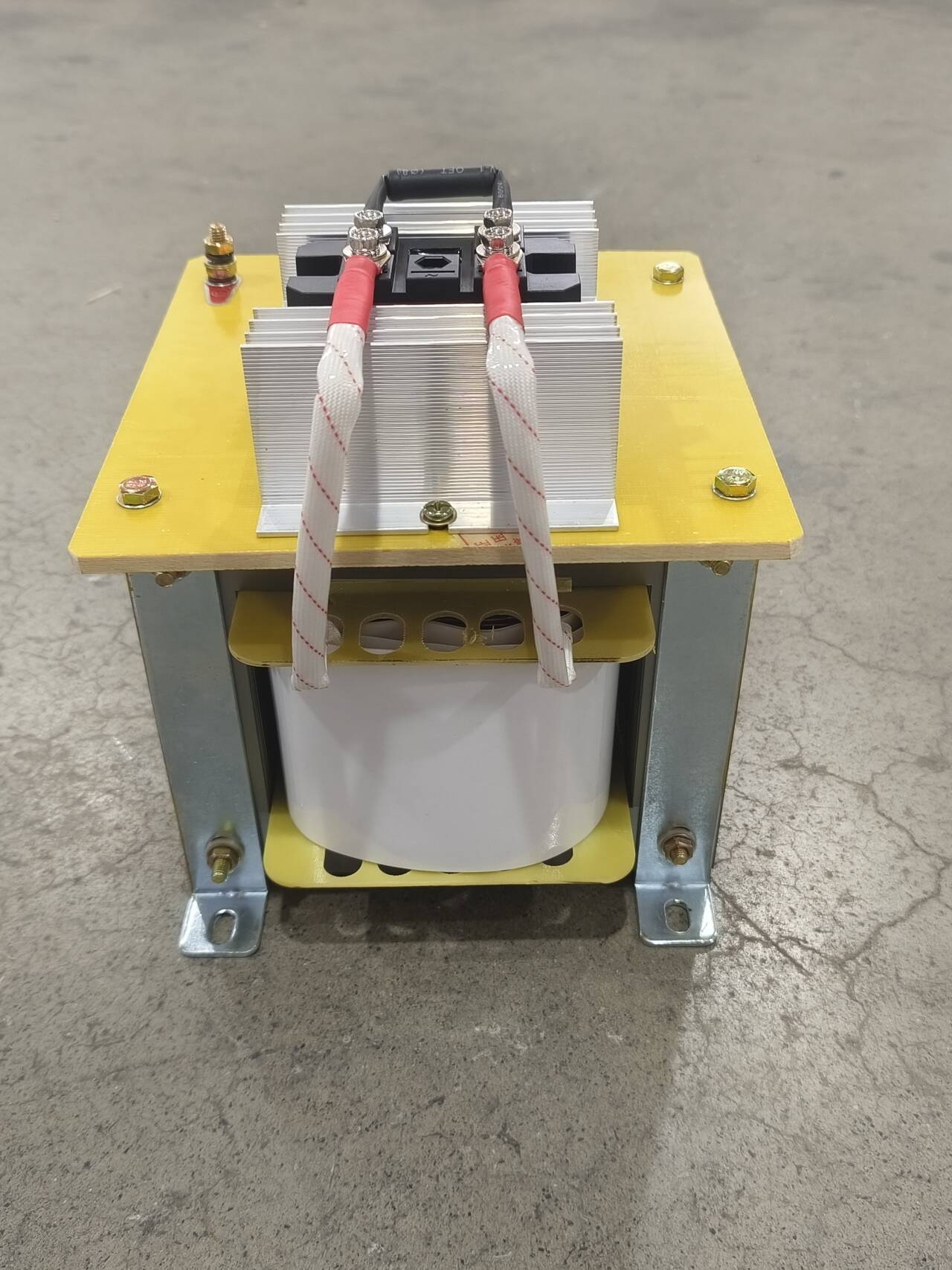
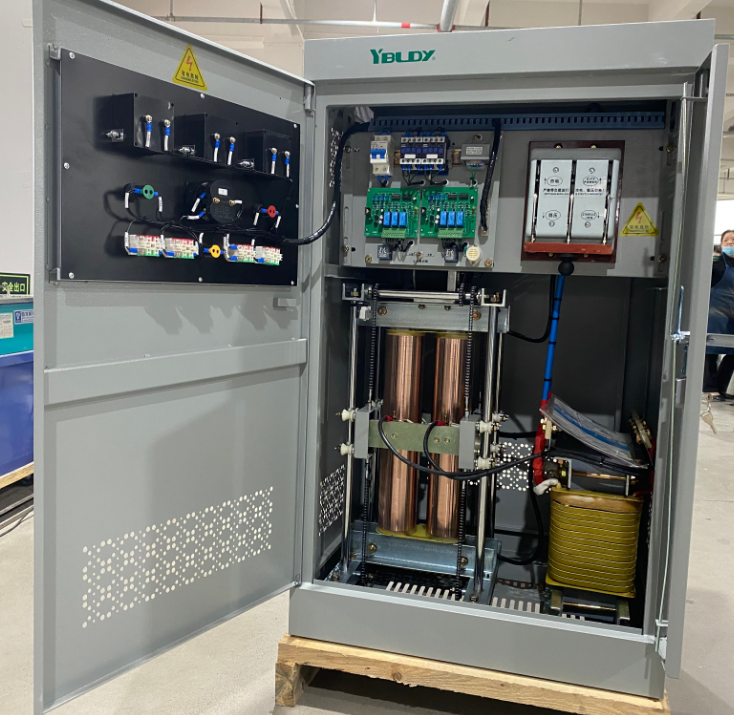
The working principle of a DBW Compensation Voltage Stabilizer Regulator can be broken into three steps. A sampling circuit reads output voltage in real time and compares it against the setpoint. A control circuit takes the deviation signal and drives a servo motor, which moves a carbon brush along a column-type voltage regulator. The regulator's output feeds the primary side of a compensation transformer, whose secondary side is connected in series with the main circuit. As the brush position changes, the compensation voltage superimposed on the main circuit changes accordingly. If input drops, a positive voltage is added; if input rises, a negative voltage is added. The whole process is closed-loop and requires no manual intervention.
The advantage of this structure: most of the main circuit's power travels directly through the conductors, with only the compensation portion passing through the regulator and compensation transformer. Losses are relatively low, and efficiency typically reaches 95% or above. Meanwhile, compensation-type regulation involves no high-frequency switching, so the output waveform carries no additional distortion and works for both inductive and capacitive loads.
Core Parameters: Input Range and Regulation Accuracy
The standard input range for the DBW series is 176V to 264V single-phase, covering ±20% fluctuation around the 220V nominal. In other words, when grid voltage sags to 176V, the stabilizer still outputs a steady 220V. This range handles most industrial voltage sag scenarios, but if the site sees deeper drops, you'll need to confirm whether an ultra-low-voltage custom model is available.
Regulation accuracy is set to ±3% by default, adjustable between ±1% and ±5% depending on the application. Tighter accuracy means more frequent brush movement and correspondingly more mechanical wear — so tighter isn't always better. For most machine tools and production line equipment, ±3% is enough to keep control systems running stably.
On response time, mainstream products are rated at around 1 second, typically completing adjustment within 1.5 seconds when input voltage changes by 10%. That's adequate for gradual voltage sag or fluctuations caused by grid load changes. But for instantaneous voltage spikes from lightning strikes or large equipment switching, compensation-type stabilizers can't respond fast enough — that's a job for a UPS or a contactless stabilizer.
Capacity Selection: Don't Just Look at Rated Power
DBW single-phase models range from 10 kVA to 300 kVA, with fairly transparent size and weight data for common models. The core selection question isn't "what's the equipment's rated power" but "what are the load's starting current and power factor."
Motor loads can draw 5 to 7 times rated current at startup. If you size the stabilizer based on equipment nameplate power, it will trip on overload the moment the motor starts. The safe approach is to oversize the stabilizer by at least two to three times, or explicitly choose a model with instantaneous overload capability. Some products are rated to withstand twice rated current for one minute — that margin covers typical asynchronous motor starts. Also, when load power factor drops below 0.8, actual usable capacity is discounted, and that factor needs to go into the sizing calculation.
Protection Features: What You'd Expect
Standard DBW protection includes overvoltage, undervoltage, overcurrent, and phase loss. Overvoltage protection typically cuts output and alarms when output voltage exceeds rated value by a certain percentage; undervoltage protection works the same way. Phase loss protection matters most on three-phase models — when an input phase is lost or phase sequence is reversed, a protection relay trips to prevent equipment from running under abnormal conditions.
One easily overlooked feature is the "mains/stabilized" switch. This manual bypass is valuable when the stabilizer itself fails — you can temporarily switch the load to mains power to keep production running, then switch back after repairs. For production lines that can't afford downtime, this feature's practical value exceeds that of many flashier specs.
Where It Fits — and Where It Doesn't
DBW applications concentrate in two categories. First, industrial areas at the end of the grid where voltage runs low and fluctuates widely — precision machine tools, textile machinery, and injection molding equipment are voltage-sensitive and will alarm and stop the moment voltage sags. Second, imported equipment matching, where some equipment's rated voltage differs from the domestic grid and needs both stabilization and voltage matching.
But one thing needs to be clear: a compensation-type stabilizer is not a universal power solution. It can't handle instantaneous voltage interruptions or millisecond-level voltage spikes, nor does it provide electrical isolation. If your site's main problem is lightning surges or frequent momentary outages, look at surge protectors and UPS systems first — the stabilizer comes later. Also, the carbon brush structure means periodic wear checks are necessary. Maintenance is light, but calling it completely maintenance-free isn't realistic.
When specifying one, just focus on three things: the input voltage fluctuation range, the load's actual current characteristics, and the required regulation accuracy. Let the manufacturer handle the rest to standard.
Related News
Leave me a message