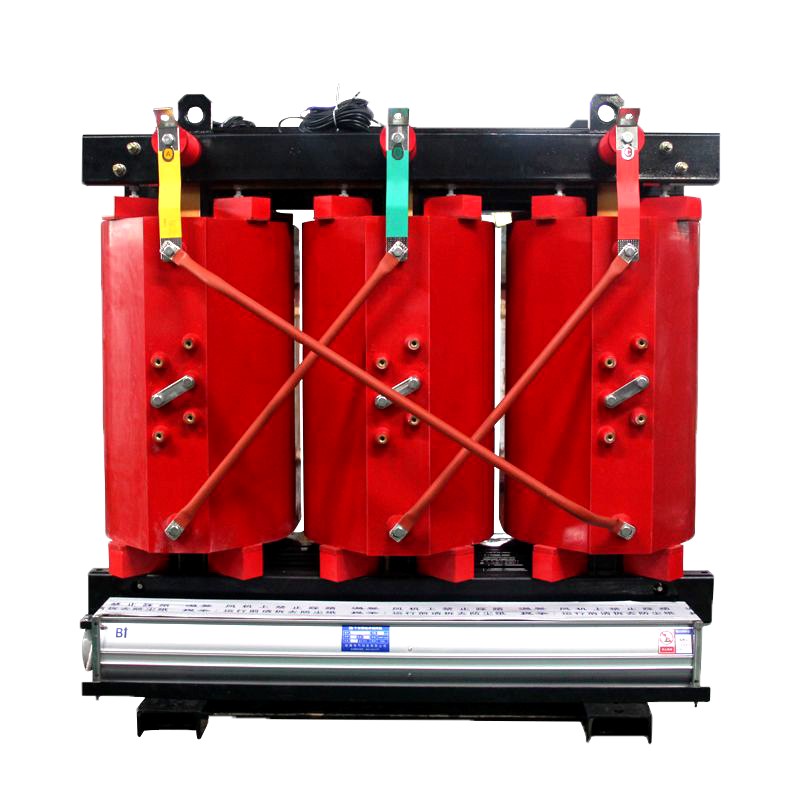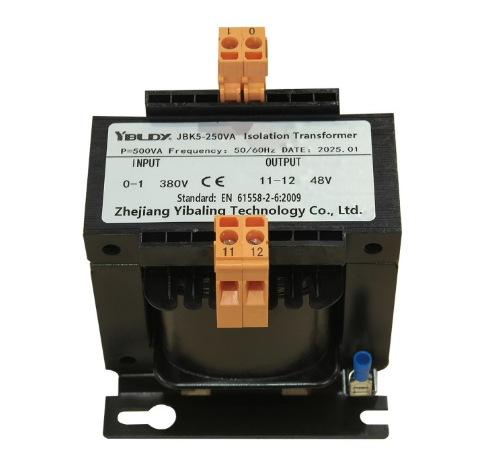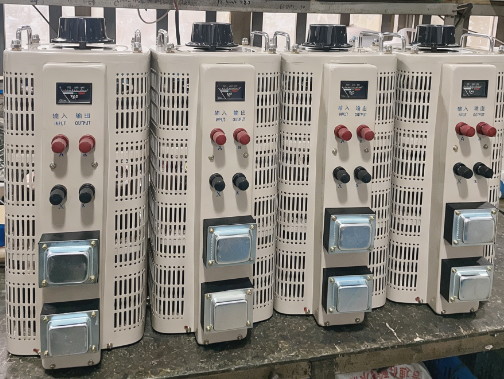

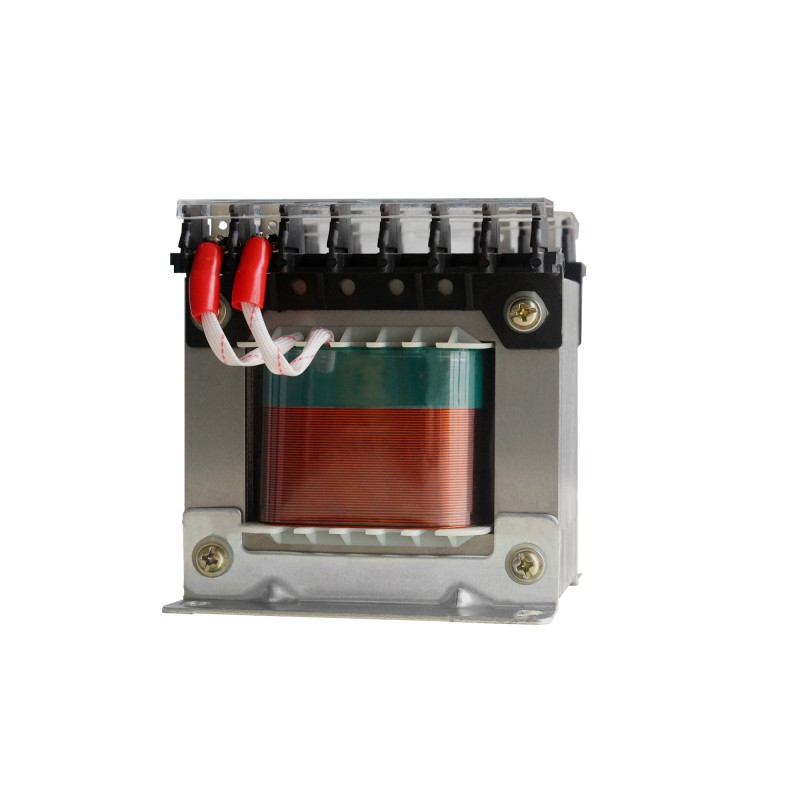
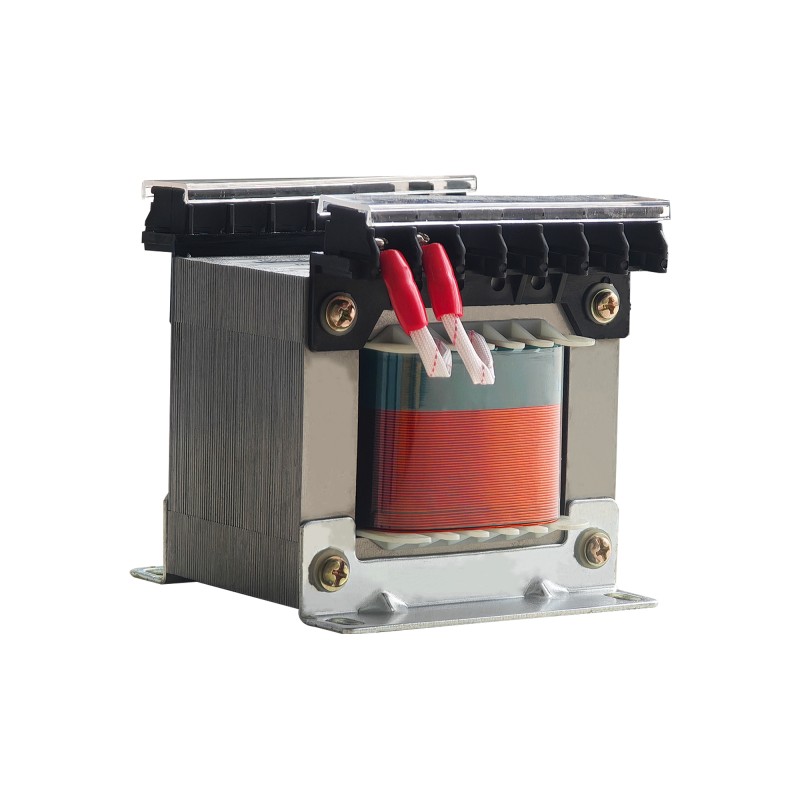
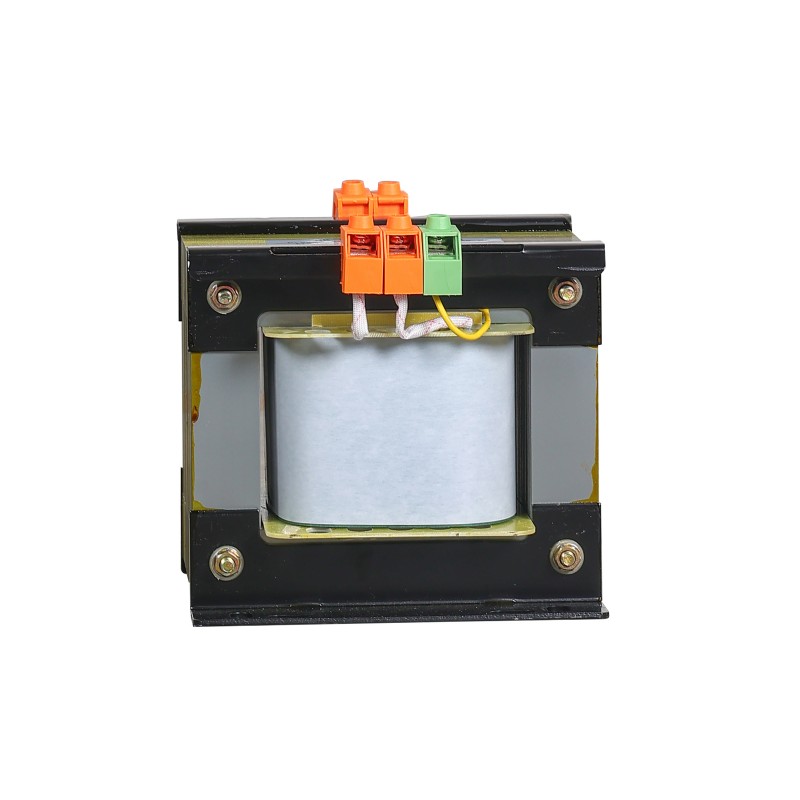
JBK3 Machine Tool Control Transformer
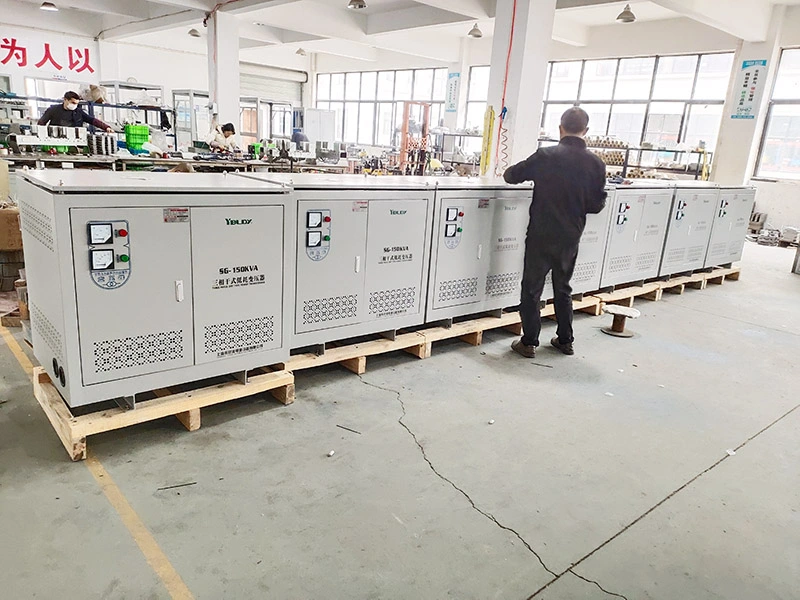
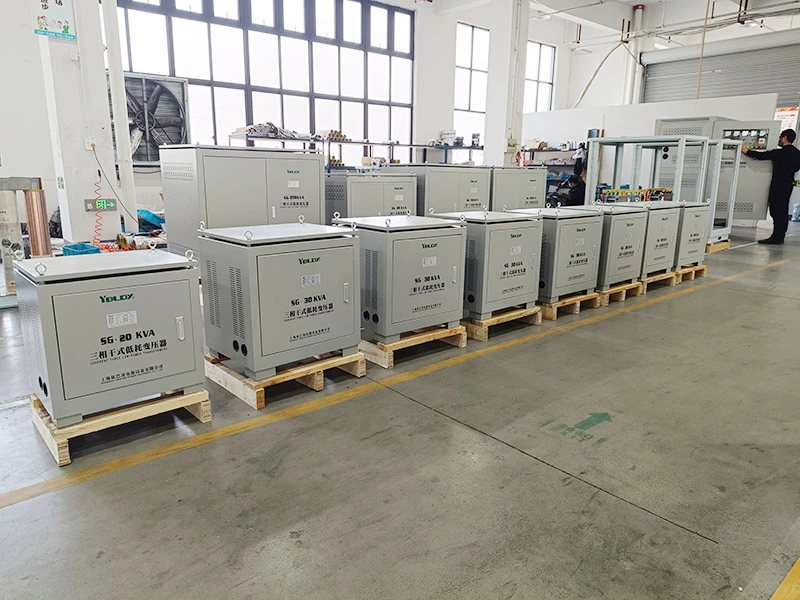
As a China manufacturer specializing in the production of JBK3 machine tool control transformers, our company, Zhejiang Yibaling Power Supply Equipment Co., Ltd., has extensive experience. Additionally, with flexible supply chain solutions, we are able to provide customized technical support to global manufacturing partners.
This JBK3 machine control transformer integrates our twenty-year industry experience from the Yibaling factory. Based on the national professional standards, it is more committed to providing a stable and pure power supply guarantee for the machine tool system.
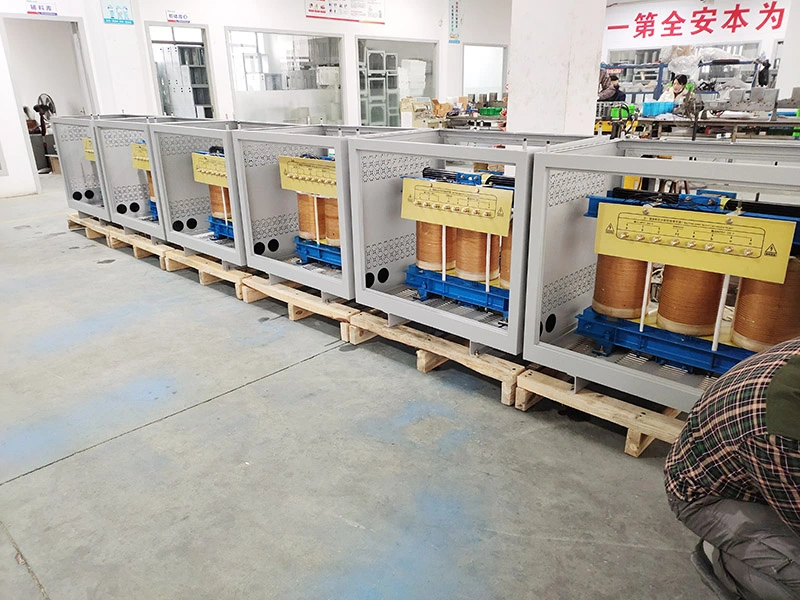
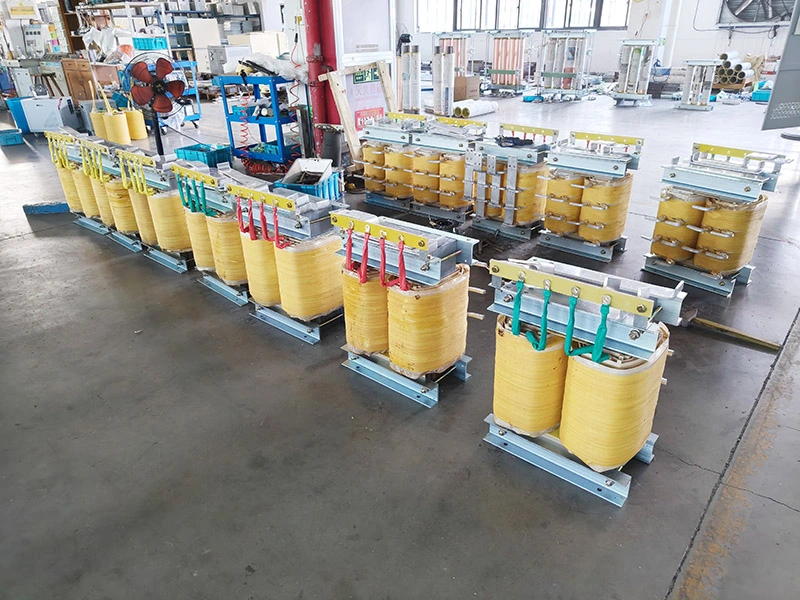
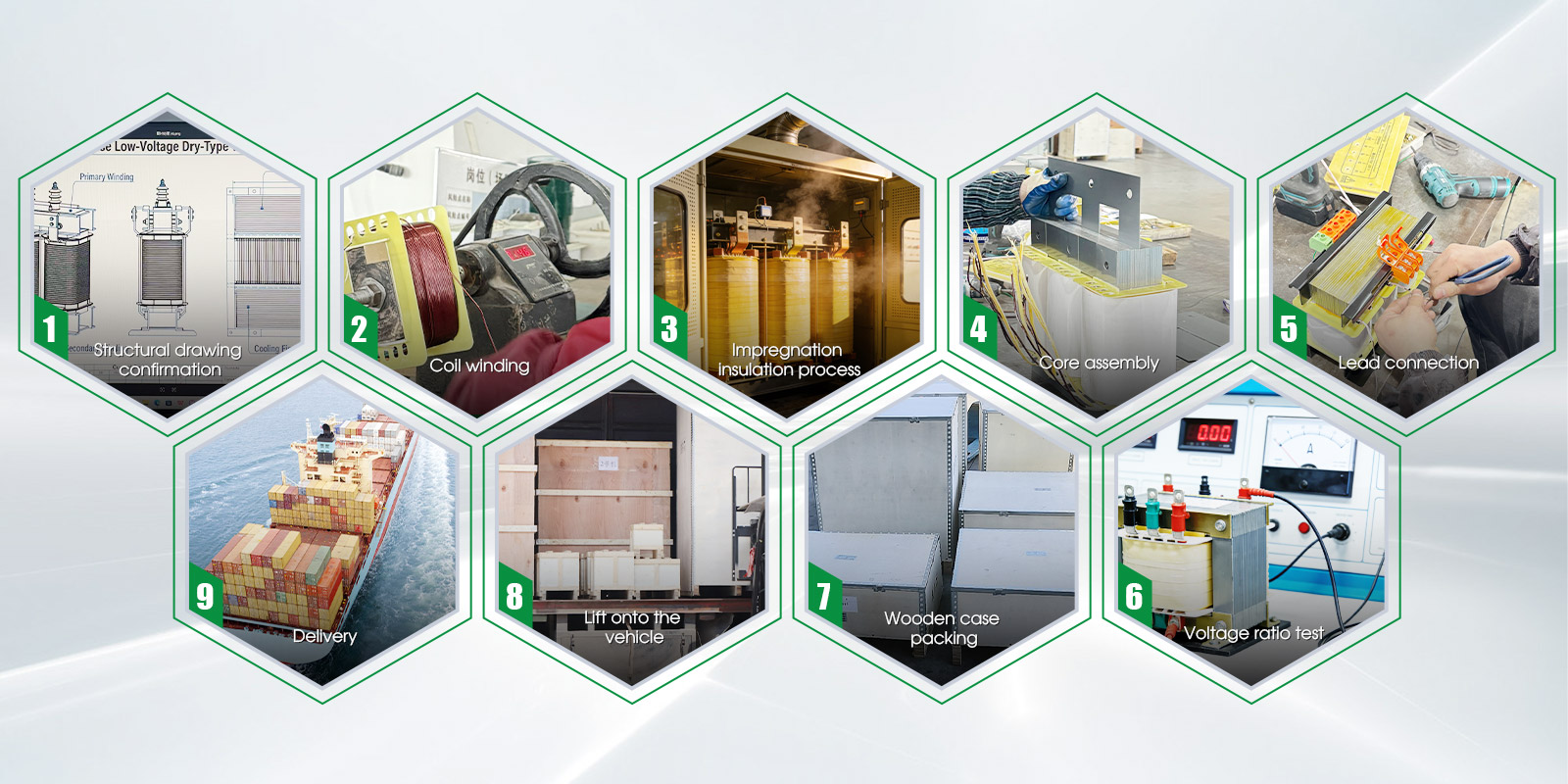
To ensure that the transformer can still output a highly stable voltage even under grid fluctuations or continuous vibrations, Yibaling Factory adopted high magnetic permeability cold-rolled silicon steel sheets and vacuum pressure impregnation without solvent paint process.
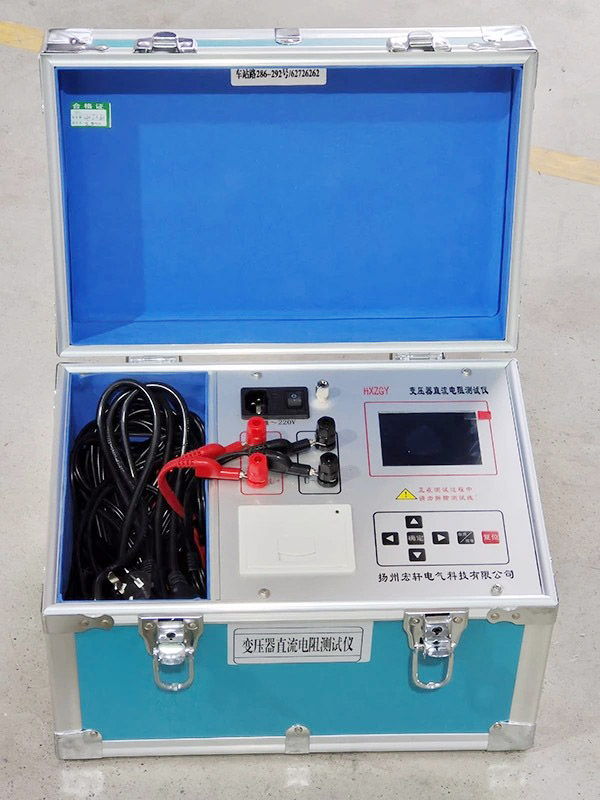
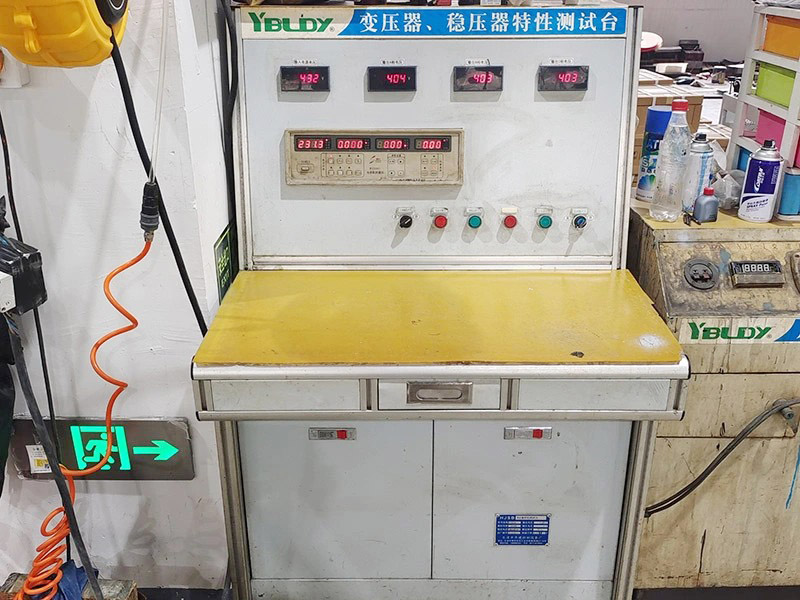
Before each product leaves the factory, it undergoes strict tests, such as 1.5 times the rated voltage withstand test, full-load temperature rise, and short-circuit bearing capacity, among others.
Yibaling also supports rapid customization services, which can be flexibly adjusted according to special voltage combinations, installation dimensions and other requirements.
Instructions
1. Inspection
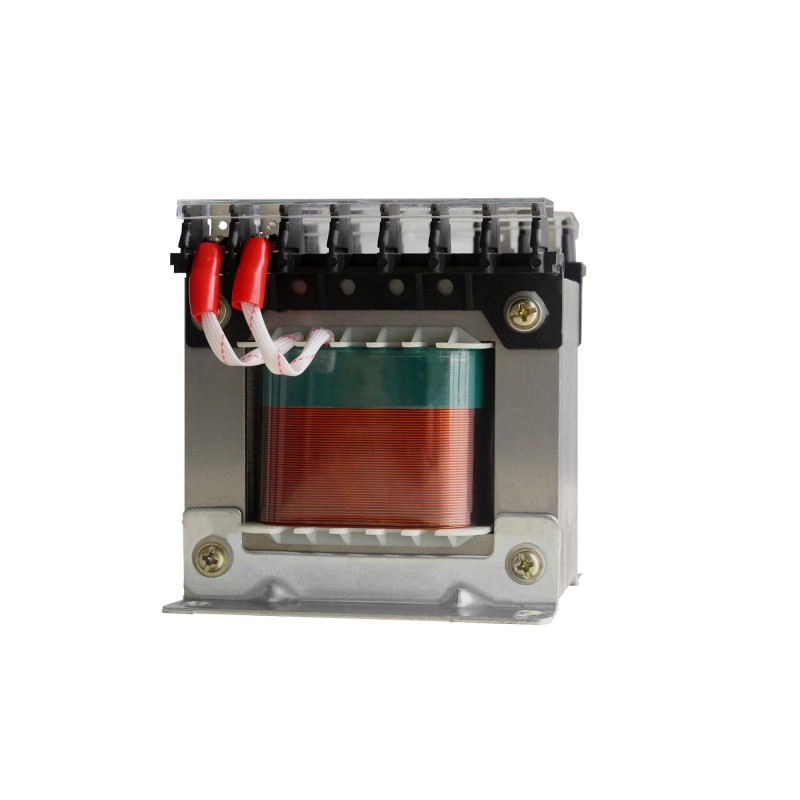
Verify that the parameters (input voltage, output voltage, capacity) of the JBK3 machine control transformer's nameplate are consistent with the requirements of the machine's electrical drawing.
Check if the appearance has any damage, deformation or loose screws due to transportation.
Use an ohmmeter (multimeter) to measure the insulation resistance between the input/output windings and the ground of the transformer. It should be no less than 100 MΩ (usually with a test voltage of 500V DC).
2. Installation
Install the transformer in a location within the machine's electrical cabinet that is well-ventilated, dry, free from corrosive gases and metal dust. The environmental temperature should be between -5℃ and +40℃.
Install it vertically using the base feet or installation holes, and firmly fix it on the bottom plate or installation rail of the electrical cabinet with screws to ensure no vibration or loosening.
3. Wiring
Clearly distinguish the input end (primary) and output end (secondary). Refer to the nameplate or wiring diagram for wiring. Common inputs are 380V or 220V, and outputs are control voltages such as 110V, 127V, 220V. Use copper wires of appropriate specifications to ensure that all the terminals of the JBK3 machine control transformer (especially the large current terminals) are securely crimped and have good contact.
Connect the grounding terminal (PE) of the JBK3 transformer's casing to the protective grounding bus of the electrical cabinet. This is the lifeline for preventing electric shock.
4. Operation
First, close the main power supply of the machine, then connect the control circuit power supply (i.e., the input side). After the transformer starts working, then start the machine control system.
5. Daily Maintenance
Regularly perform cleaning.
After disconnecting the power, use dry compressed air or a soft brush to remove the dust and oil stains accumulated on the surface of the JBK3 machine control transformer and the heat dissipation holes.
Common Faults and Solutions of JBK3 machine tool control transformer
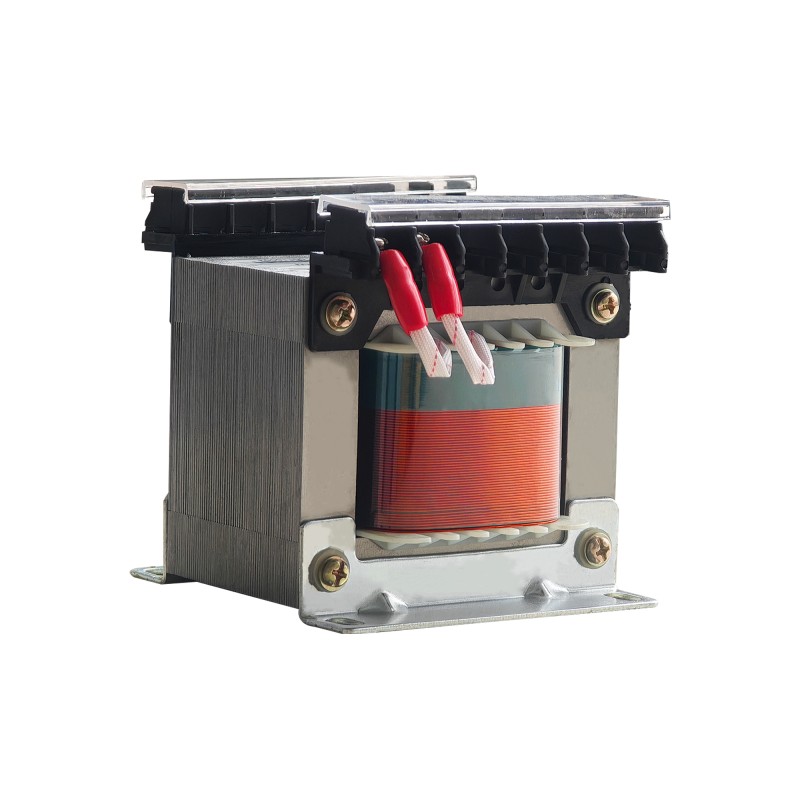
During the operation of the JBK3 machine tool control transformer, there may be some minor issues. To alleviate the customers' anxiety, our Baling factory has listed the possible faults, the causes of the faults, and the solutions as follows: (The table is omitted for brevity.)
| Fault phenomenon | Possible cause | Handling measures |
| No output voltage: | 1. The input power is not connected or the fuse has blown. 2. The internal winding is open circuit. | 1. Check the upper power supply, switch, and fuse. 2. Contact professional maintenance or replace the transformer. |
| Output voltage abnormality | 1. Input voltage exceeds the range. 2. Overloaded or short-circuited load. 3. Internal inter-turn short circuit. | 1. Check the grid voltage. 2. Check and eliminate the load fault. 3. Shut down and contact professional maintenance. |
| Excessive temperature rise and unpleasant odor | 1. Severe overload. 2. Poor heat dissipation (accumulated dust, poor ventilation). 3. Internal insulation damage. | Immediately shut down the machine and cut off the power supply. Check the load and ventilation, and contact professional maintenance. |
| Abnormal noise | 1. Resonance occurs due to loose installation screws. 2. The internal iron core or windings are loose. | 1. Check and tighten all mechanical fixation points. 2. Contact professional maintenance. |
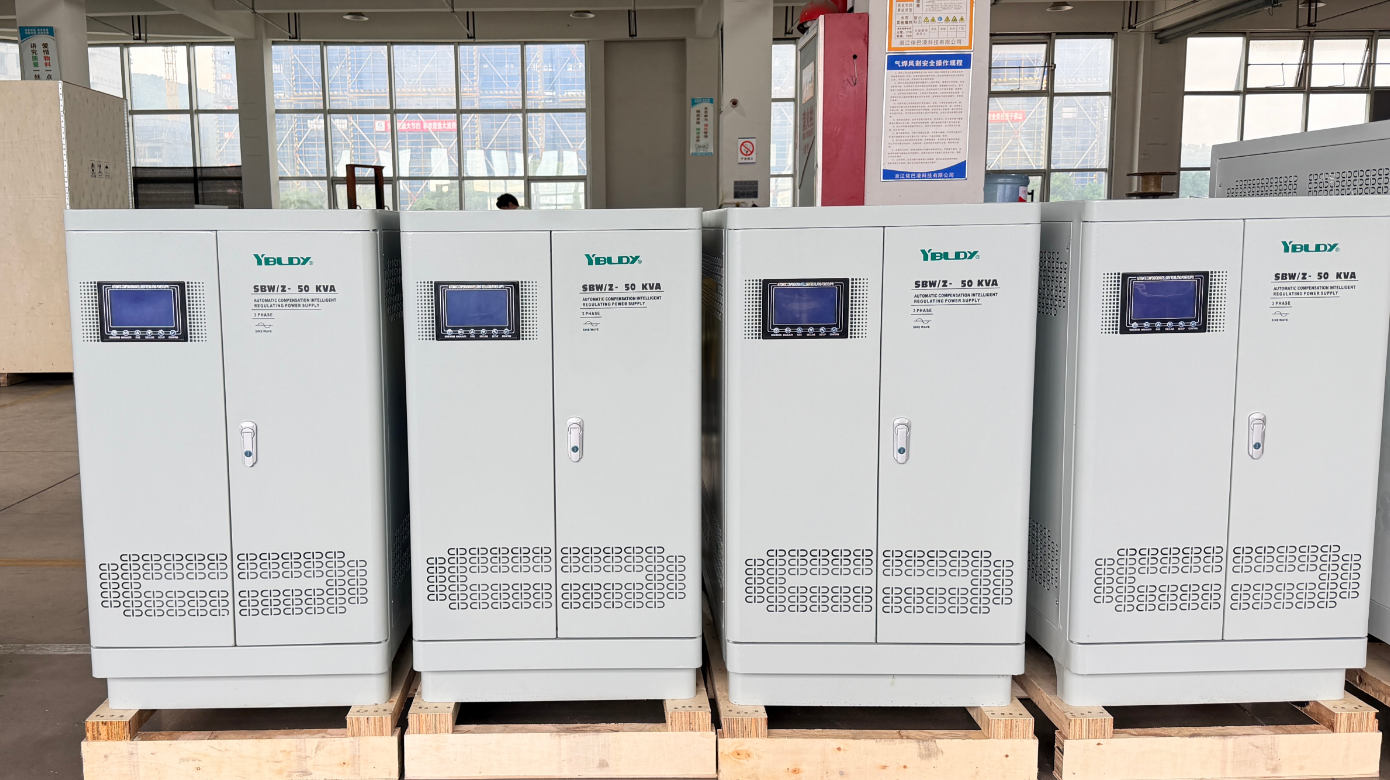
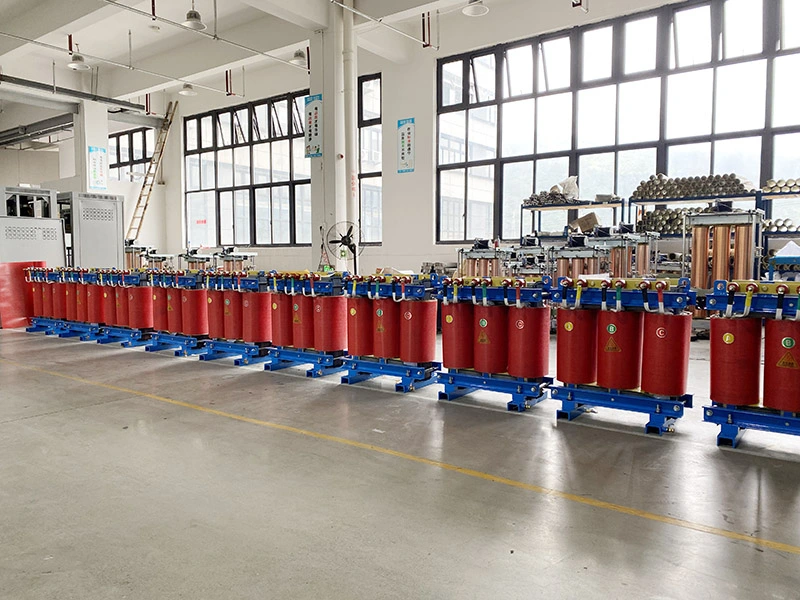
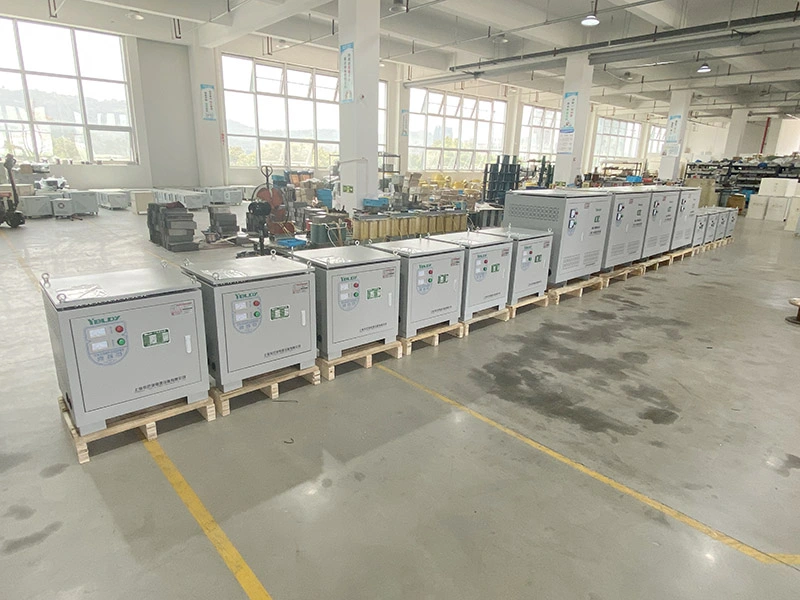
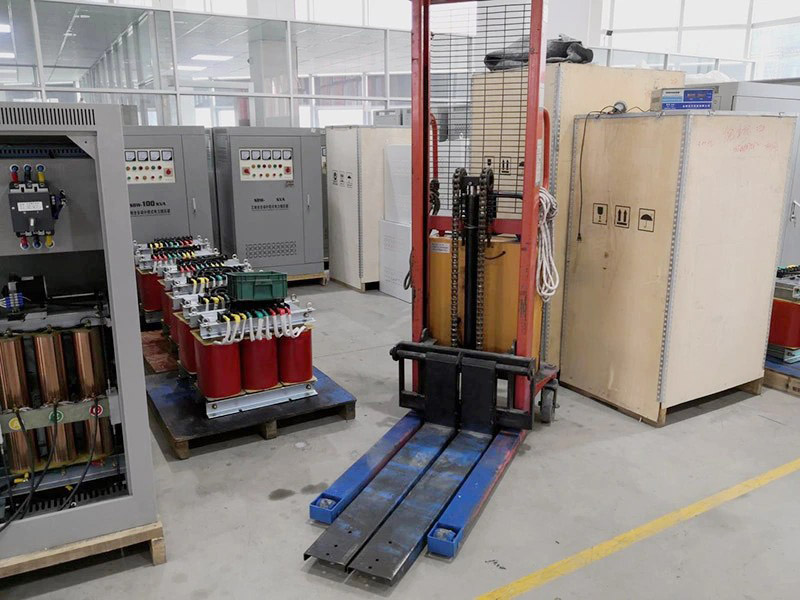
Our Warehouse
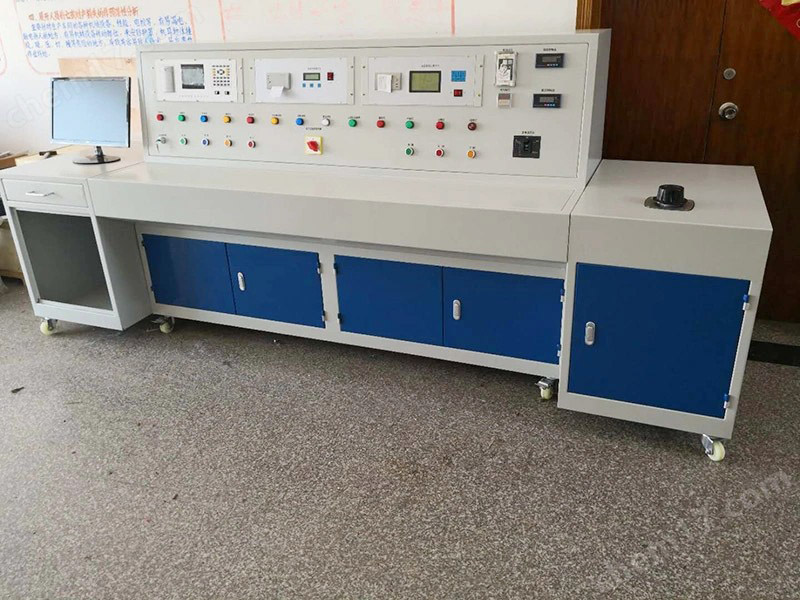
Production Process
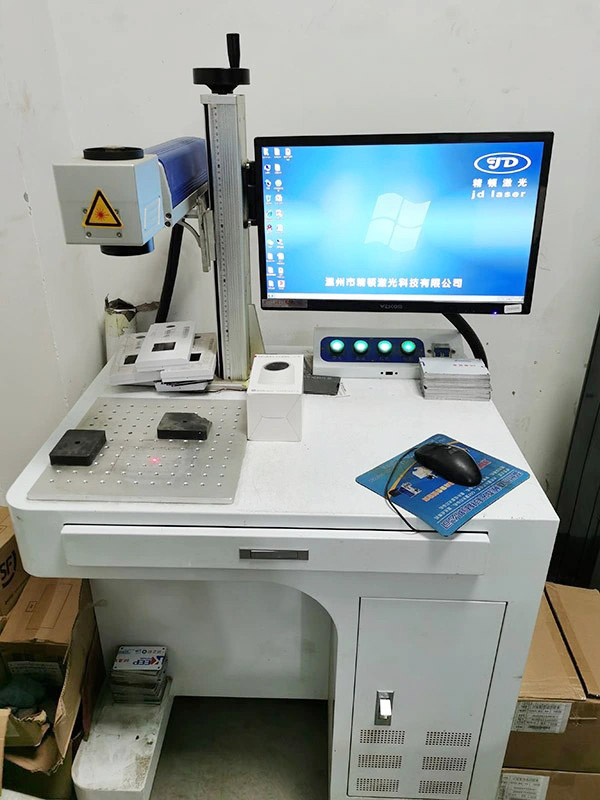
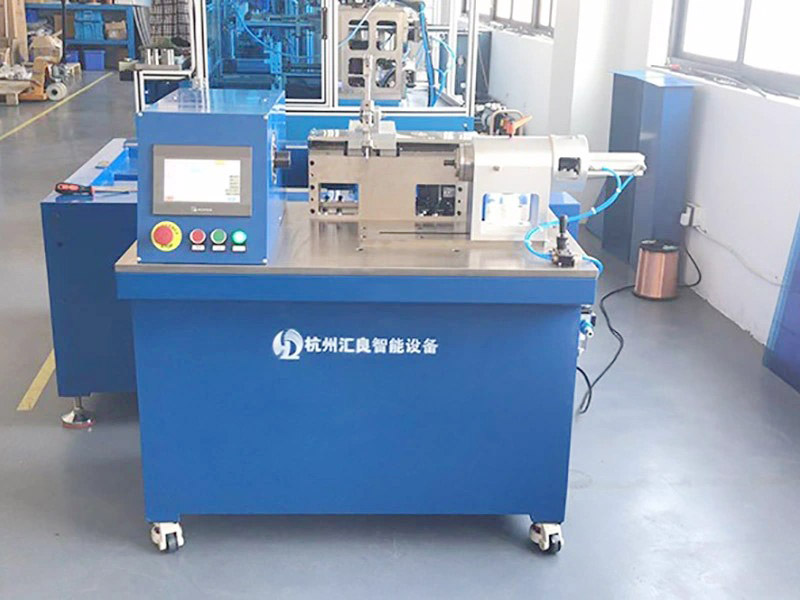
Production Equipment
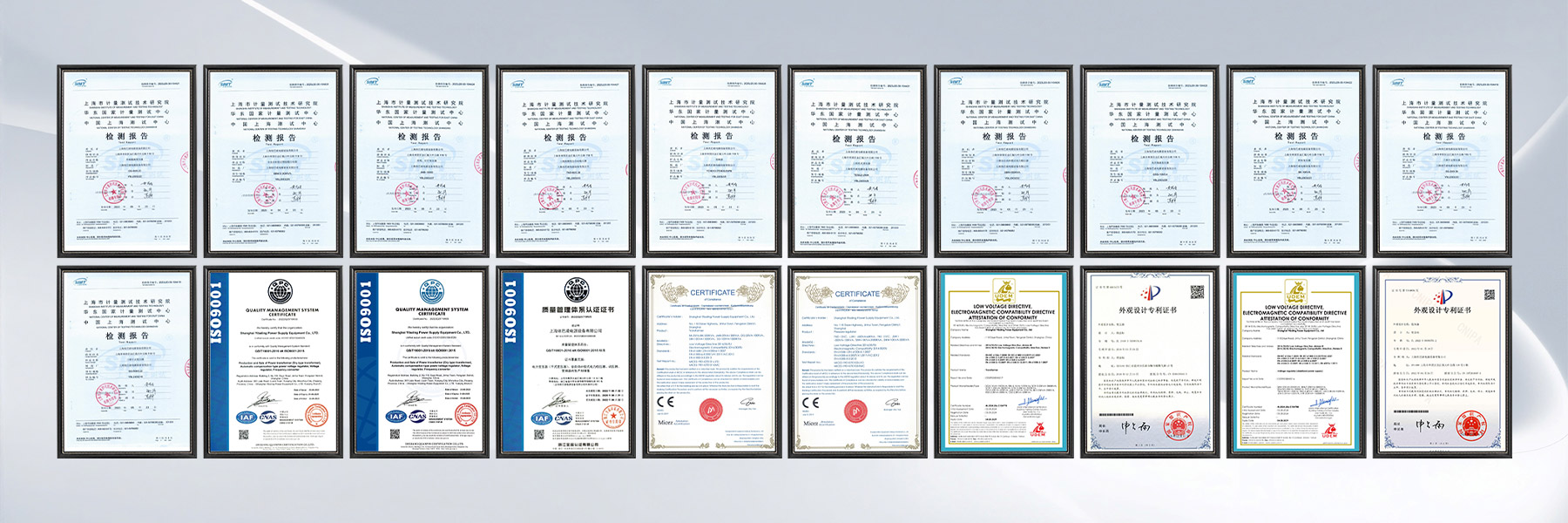
Certificate
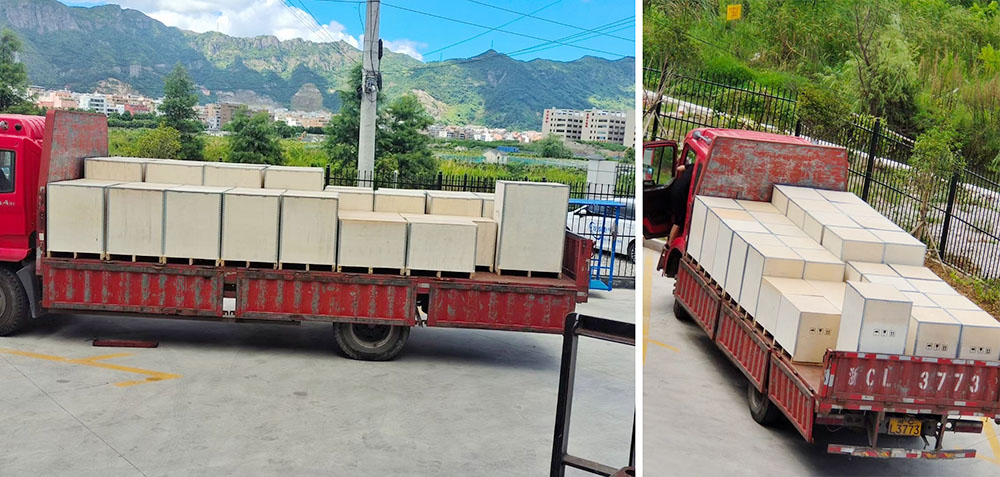
Shipment
Related Category
Send Inquiry
Contact Info
-
Address
Plot 9, Zhangqu Village, Liushi Town, Wenzhou City, Zhejiang Province, China
-
Tel
-
Email
Get Customized Power Solutions from a Leading Chinese Manufacturer
Request Your Free Quote in <24 Hours
News Recommendations