
What is the Bypass Soft Starter Cabinet
If you've ever been in a factory when a large motor starts up, you know the feeling. The lights dim for a second. The whole building seems to shudder. That's the grid taking a hit—and the motor taking one too.
The bypass soft starter cabinet is designed to stop that from happening. It lets a big motor ramp up smoothly, then steps out of the way once the motor is running. Simple idea. Big payoff.
What Actually Happens Inside
Here's the basic problem: when a three-phase induction motor starts directly across the line, it can draw six to ten times its full-load current for a few seconds. That surge yanks voltage down across the whole facility, messes with other equipment, and beats up the motor's windings and mechanical load.
The soft starter fixes that by controlling the voltage during startup. Inside the cabinet, a set of silicon-controlled rectifiers—solid-state switches, basically—gradually increase the voltage applied to the motor. The trigger angle starts wide, then narrows, letting voltage climb from a low initial value up to full line voltage over a set time.
Once the motor hits full speed, the bypass contactor closes. That shunts the main current around the SCRs and straight onto the grid. The SCRs turn off. They don't carry current during normal running, which means they don't generate heat, and they last a lot longer.
The whole sequence is automatic. Start, ramp, bypass, done.
Why Bypass Instead of Staying Online
There are two main flavors of soft starter cabinets: online and bypass. Online units keep the SCRs in circuit all the time. They can do neat tricks like reducing voltage during light loads to save energy, but they generate heat continuously, and you need bigger heatsinks and more cabinet space.
Bypass cabinets only use the SCRs during startup and stopping. During normal running, the current goes through a mechanical contactor instead. That means lower losses—like, 98% efficiency instead of the 95% you might see on an online unit. It means smaller cabinets and less cooling. And it means the SCRs don't wear out from continuous operation.
For applications where the motor runs continuously at full load—pumps, compressors, fans that don't cycle much—bypass is almost always the better call. For loads that cycle frequently or run light a lot, online might make sense. But the bypass design is simpler, cheaper, and more reliable for most industrial use cases.
Where You'll Find These Things
Bypass soft starter cabinets turn up wherever there's a motor big enough to cause problems on startup. That covers a lot of ground: water and wastewater pumps, HVAC compressors, mining conveyors, crushers, ball mills, textile machinery, and pretty much anything with a 30kW motor or larger.
They're also used in "one driver, multiple motors" setups. A single soft starter can ramp up one motor, bypass it to the grid, then ramp up the next one, and so on. That's a cost-effective way to handle a bank of pumps or fans without putting a soft starter on every single motor.
What's in the Box
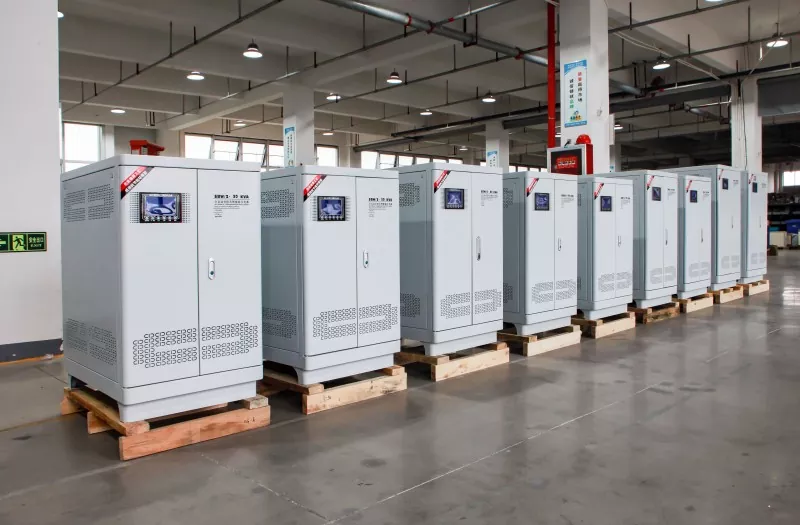
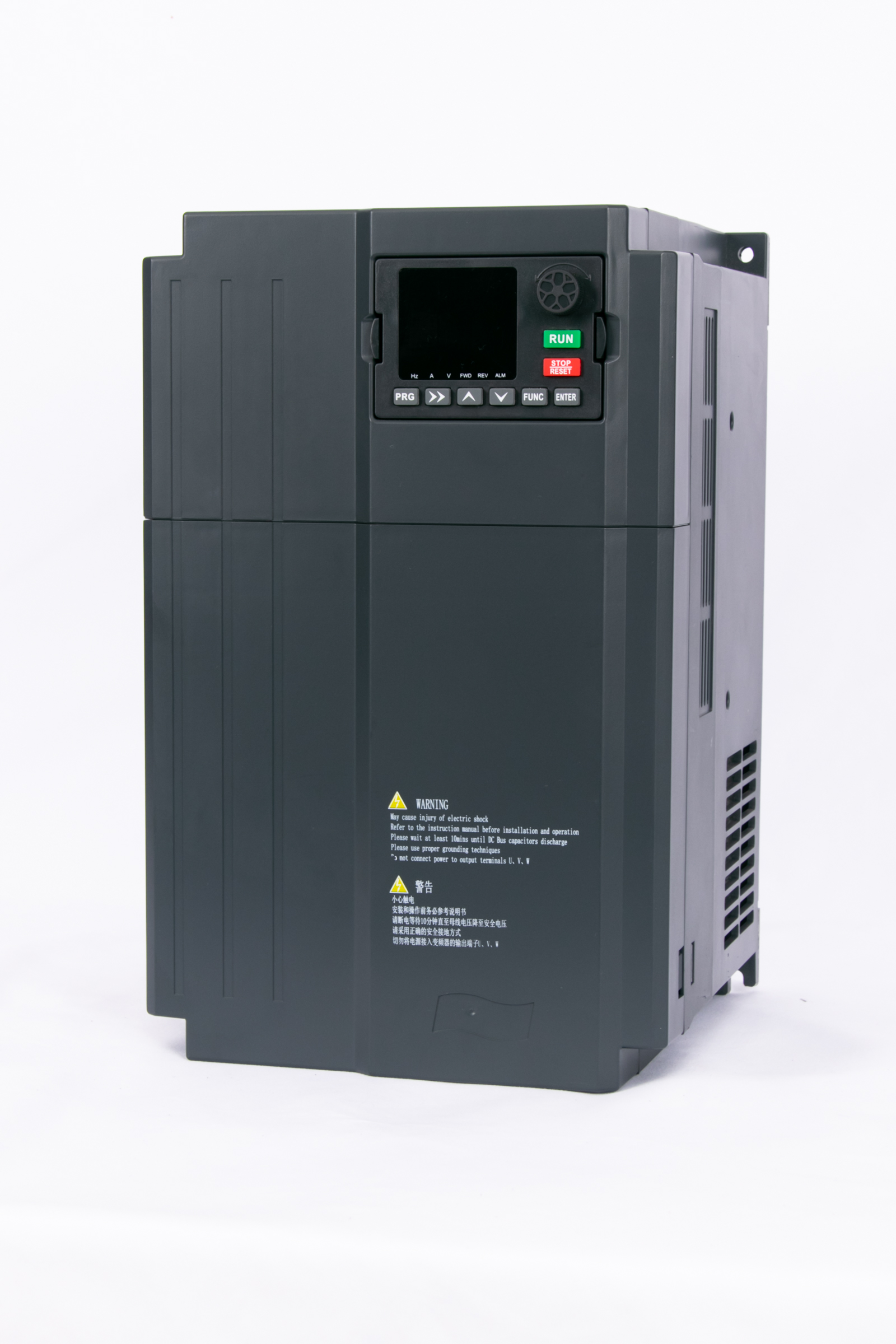
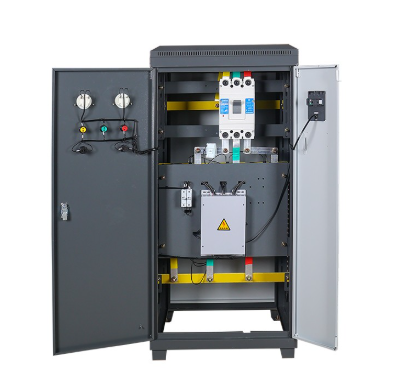
A typical bypass soft starter cabinet is a floor-standing steel enclosure with a few key components: the SCR power stack, the bypass contactor, a control board with a microcontroller, and protection devices like circuit breakers and overload relays.
Some cabinets include a built-in bypass contactor as standard. Others expect you to add an external contactor in the field. Most modern units have the bypass built in, which simplifies wiring and reduces installation time.
Protection features are usually comprehensive: overcurrent, overload, phase loss, short circuit, overvoltage, undervoltage, and sometimes thermal protection for the SCRs themselves. The better units also have communication ports—RS485 with Modbus is common—so you can monitor status and control the cabinet from a PLC or SCADA system.
The Plain-English Take
A bypass soft starter cabinet does one thing, and it does it well: it gets a big motor up to speed without slamming the grid or beating up the equipment. The SCRs handle the ramp. The contactor handles the run. The cabinet handles the protection.
No dimming lights. No mechanical shock. No excess heat during normal operation. Just a clean start, a quiet bypass, and a motor that runs like it's supposed to.
For facility managers who have to explain to the production manager why the line went dark for three seconds every time a compressor kicks on, that's a pretty good deal.
Related News
- What ZSG Three-Phase Dry-Type Rectifier Transformer work?
- Which one is good S13 Oil-Immersed Distribution Transformer?
- How to choose JBK5 Machine Tool Control Transformer?
- How BK Machine Tool Transformer 220V works?
- Which one is good SBK Three-Phase Dry-Type Transformer?
- How to choose SBW Intelligent Servo Voltage Stabilizer?
Leave me a message