
Photovoltaic Energy Storage Transformer: What It Actually Took to Get It Right
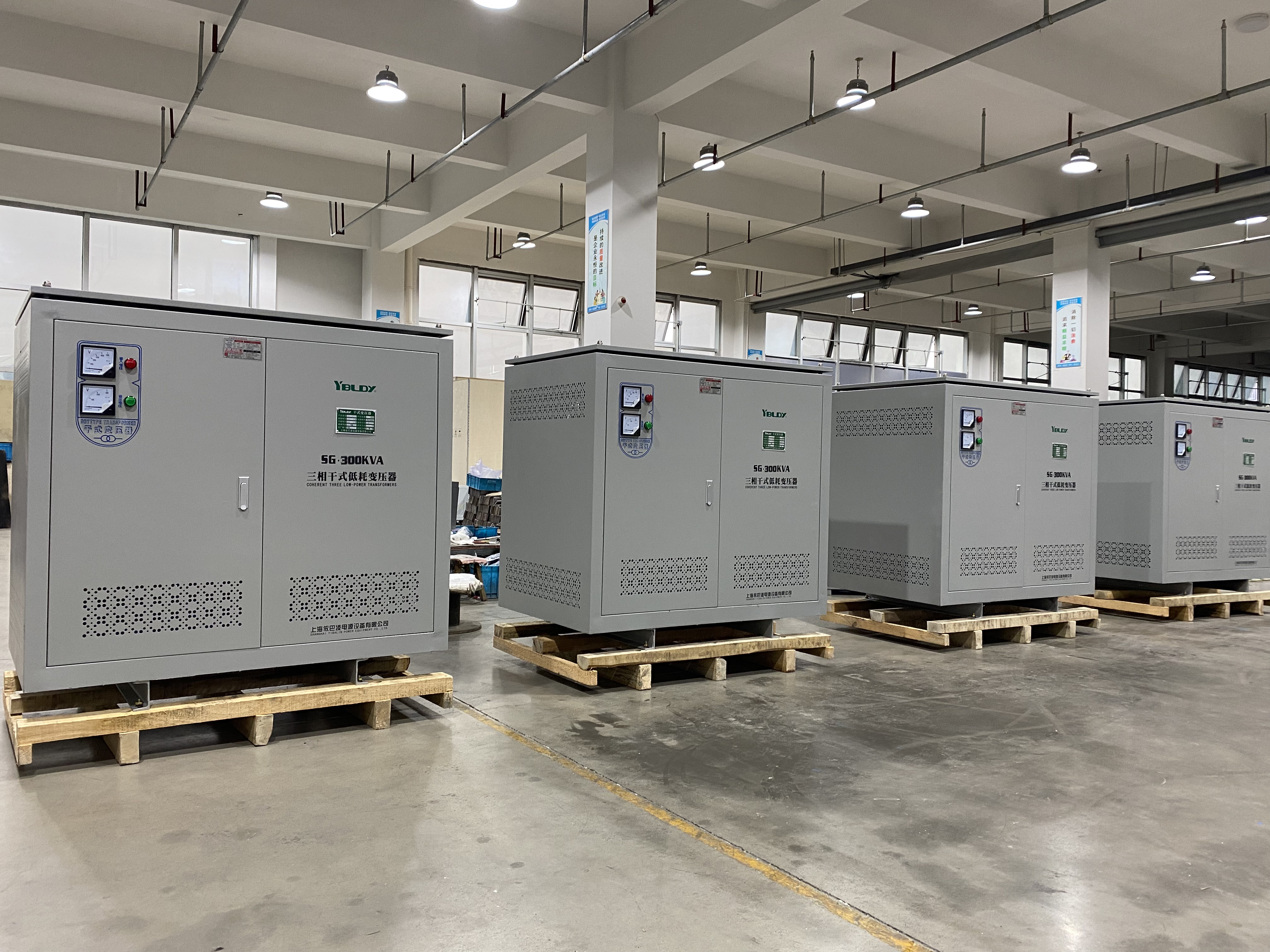
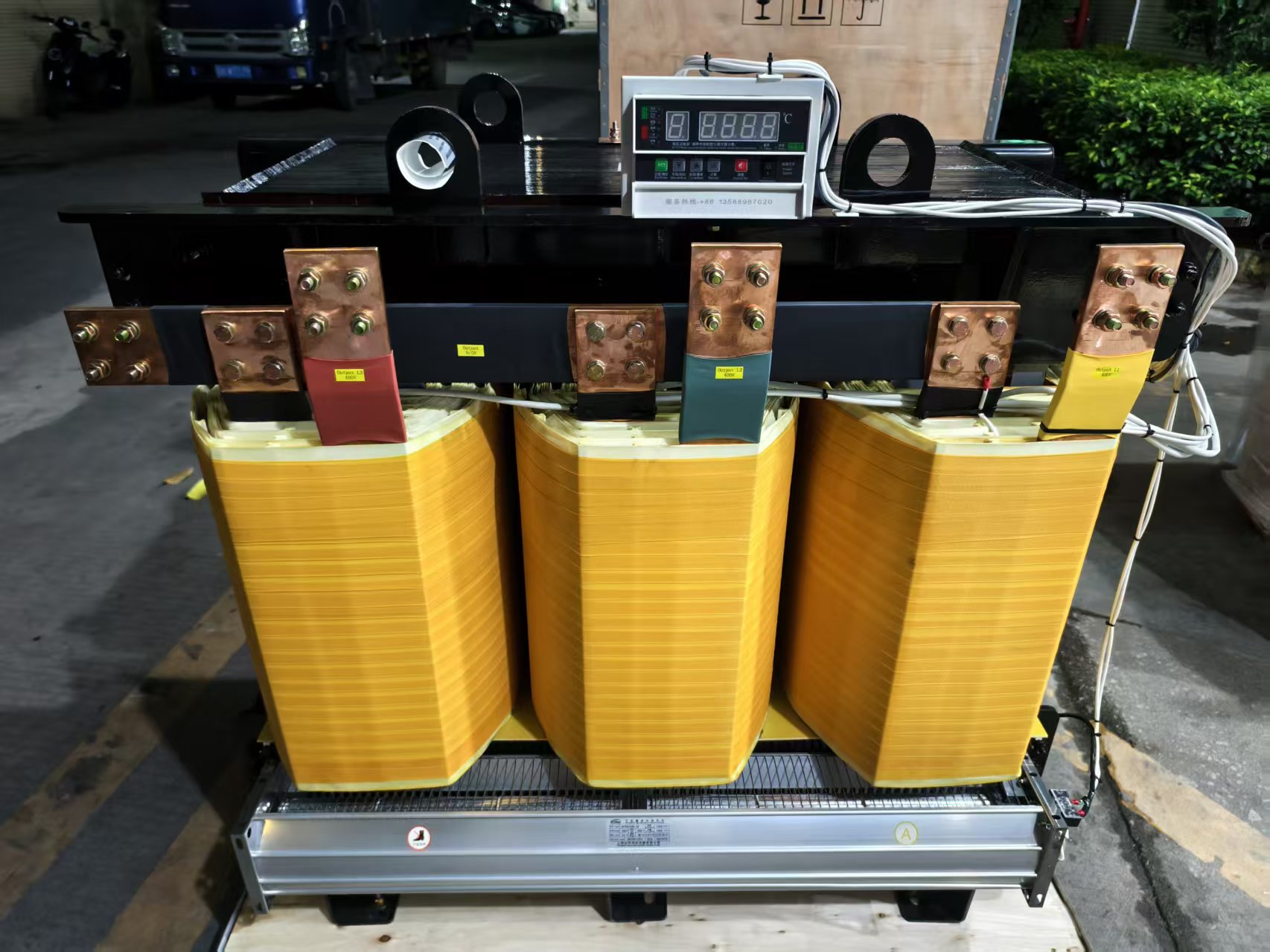
Last month, a 1100kVA isolation transformer rolled out of our workshop and onto a container ship headed for the United States. Core, windings, enclosure—all together it weighed well over ten tons. The loading crew spent the better part of a day just getting it strapped down properly.
On paper, it doesn't sound like a big deal. We ship equipment overseas all the time. But this one was different. The customer is an energy storage integrator based in the US, with a project in Texas. Their power conversion system runs at 690V. The US grid standard is 480V. That 210-volt gap meant that without something in between, the entire storage system would be useless the moment it landed.
What the Problem Actually Was
The US low-voltage distribution grid runs mostly at 480V/277V, three-phase four-wire. Most energy storage PCS units built in China or Europe are designed for 690V. Connect a 690V unit to a 480V grid, and you're either running it heavily derated, or it won't start at all.
There's more to it than just voltage matching. The US National Electrical Code has specific requirements for electrical isolation in energy storage systems. Hard-wire the PCS directly to the grid without proper isolation, and you're not only violating code—the local Authority Having Jurisdiction won't sign off on the installation. No sign-off, no operation. Simple as that.
The customer had tried other suppliers before coming to us. Two things kept falling through. One: capacity. Not many shops can handle a custom 1100kVA transformer and deliver it with a straight face. Two: they couldn't get UL1561 certification—the standard for distribution-class dry-type transformers, which covers insulation systems, short-circuit withstand capability, and temperature rise limits. Without that, the project wasn't going anywhere.
What YBLDY Built
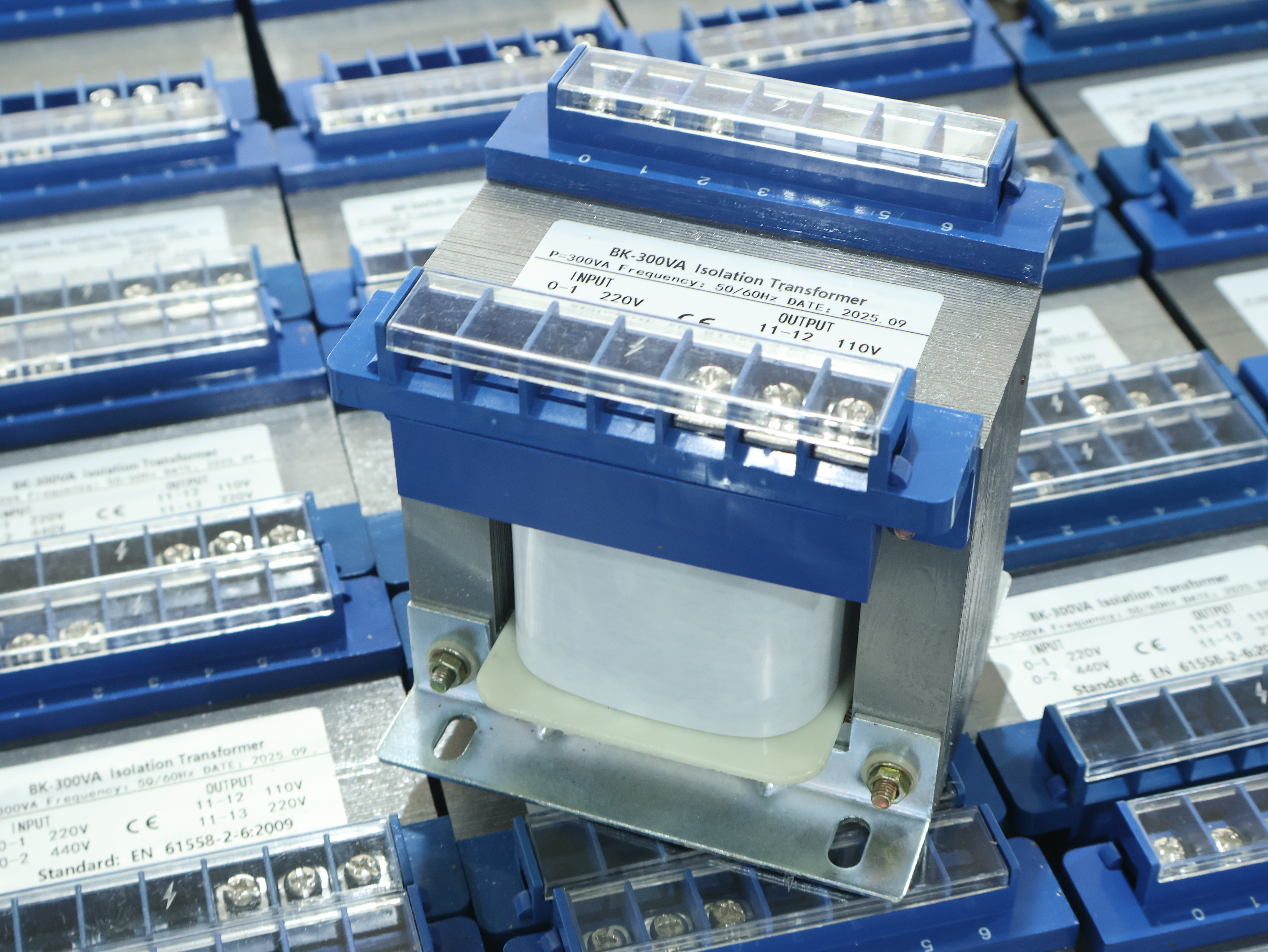
1100kVA isn't a standard off-the-shelf unit. It had to be custom-engineered from the ground up. Input 690V, output 480V, 60Hz—those three parameters locked in first.
Then came insulation class. Texas summers hit 45°C outdoors, and this transformer sits inside a container with limited airflow. We spec'ed a Class H (180°C) insulation system to give it enough thermal headroom.
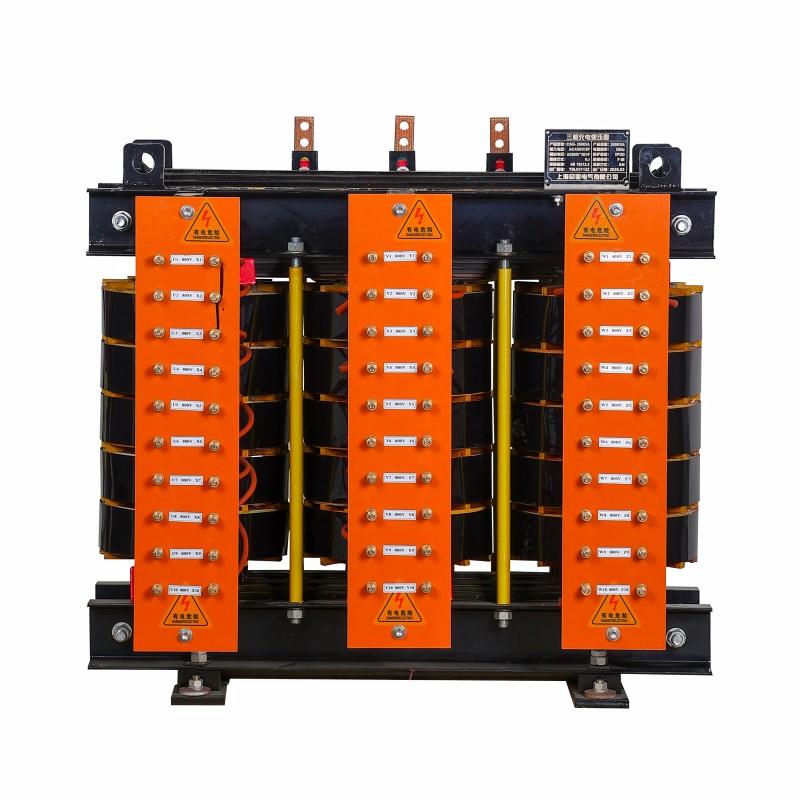
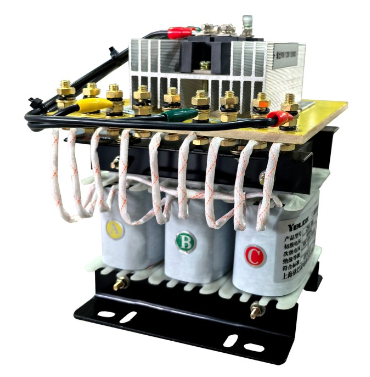
Windings are fully oxygen-free copper. No shortcuts there. With aluminum, temperature rise would be noticeably higher, and copper losses would eat into efficiency. Core is cold-rolled silicon steel, stacked tight. Pay attention to the lamination process, and both no-load losses and noise stay low.
On the isolation side, we added a copper foil electrostatic shield between primary and secondary. Why? Energy storage PCS units are high-frequency switching devices. That switching noise can couple back through the transformer and degrade grid power quality. The shield acts as a barrier against common-mode interference.
The Certification Piece
UL1561 listed certification was non-negotiable. The customer made that clear from the first inquiry: the transformer needed a full UL Listed label, not just UL Recognized.
Here's the difference. UL Recognized applies to components—individual parts that go into a larger system. UL Listed means the whole assembly is certified as a complete unit. It shows up, the local inspector checks the label, verifies the file number online, and signs off. No disassembly, no additional field testing.
Each unit gets a unique UL file number that can be verified through UL's online database. For US utilities, insurance underwriters, and local AHJs, that label saves weeks of back-and-forth.
After Delivery
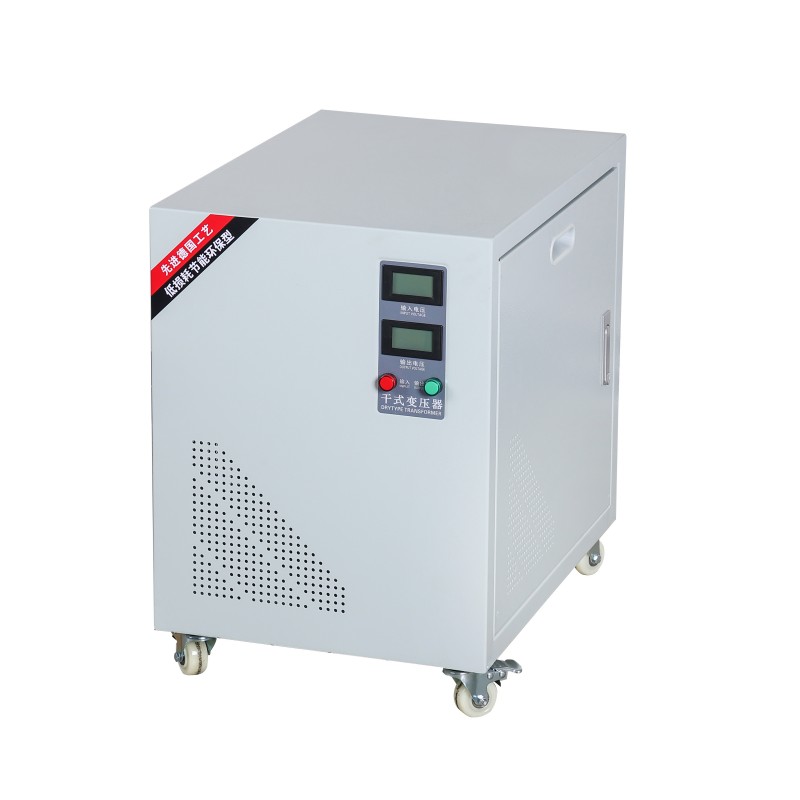
We got a photo from the customer once the unit cleared the port: the white container door swung open, transformer in place, a couple of local electricians standing next to it in hard hats and vests, cables starting to go in.
Talked to their technical lead on the phone a few days after energization. "Field inspection passed without a single question," he said. "AHJ checked the UL label and the file number, didn't ask for anything else." Load testing showed output voltage stable at 480V ±1%, temperature rise within expected limits.
He didn't sound surprised—mostly relieved. "Honestly, we were dreading this part. Now it's done."
What This One Means
1100kVA isn't the biggest unit we've built—our line goes up to 3000kVA. But this one matters because it shows a shift: Chinese energy storage equipment is moving into the US market, and the electrical interface has to come along for the ride.
A lot of people think transformers are just translators—voltage goes in one side, comes out the other, all you do is change the numbers. But the US market doesn't work that way. UL certification. NEC compliance. Local inspection habits. Every single thing needs to be sorted out before the container leaves the dock. Ship it short, and you're not fixing it in the field without burning time and money.
That transformer is in Texas now, doing its job for a storage system that's probably charging and discharging as you read this. Nobody will pay attention to it. Under normal conditions, it just sits inside that white metal box, translating 690V into 480V, day after day.
In this business, the equipment that's done right is the equipment you never notice.
Related News
- Fragrant Rice Leaves, Lasting Team Bond — A Record of Yibaling’s Dragon Boat Festival Team Building Event
- What Is the Monthly "Recharge"?
- What Yibaling Can Do?
- Why was Yibaling chosen by American customers?
- Why Did Yibaling Receive an Order for 100 Units of the BK Control Transformer?
- Yibaling Power Supply's "May Day" Team Building: Put Down the Transformer, Pick Up the Skewers
Leave me a message