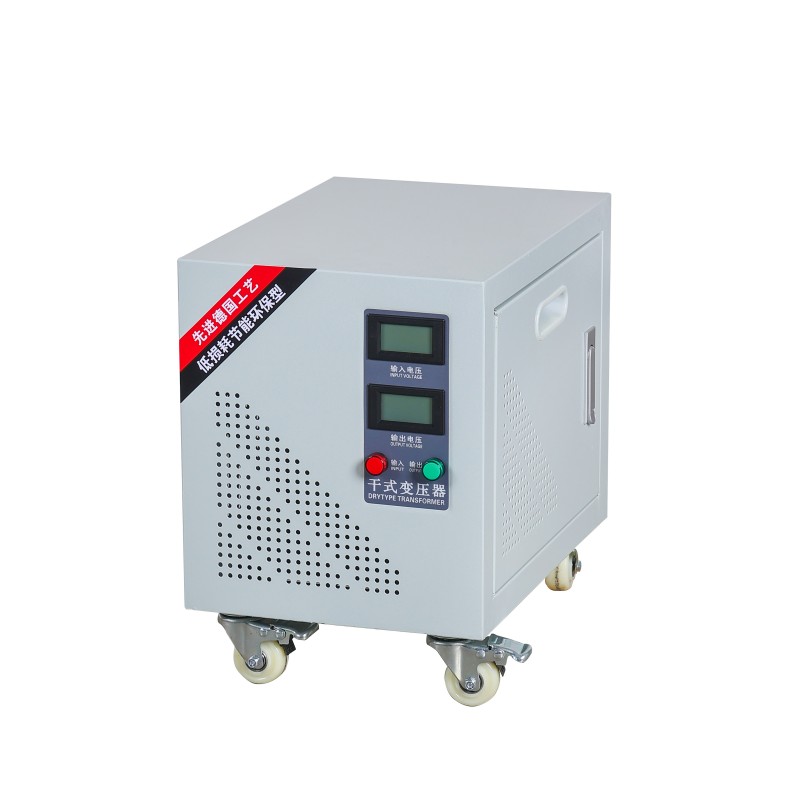
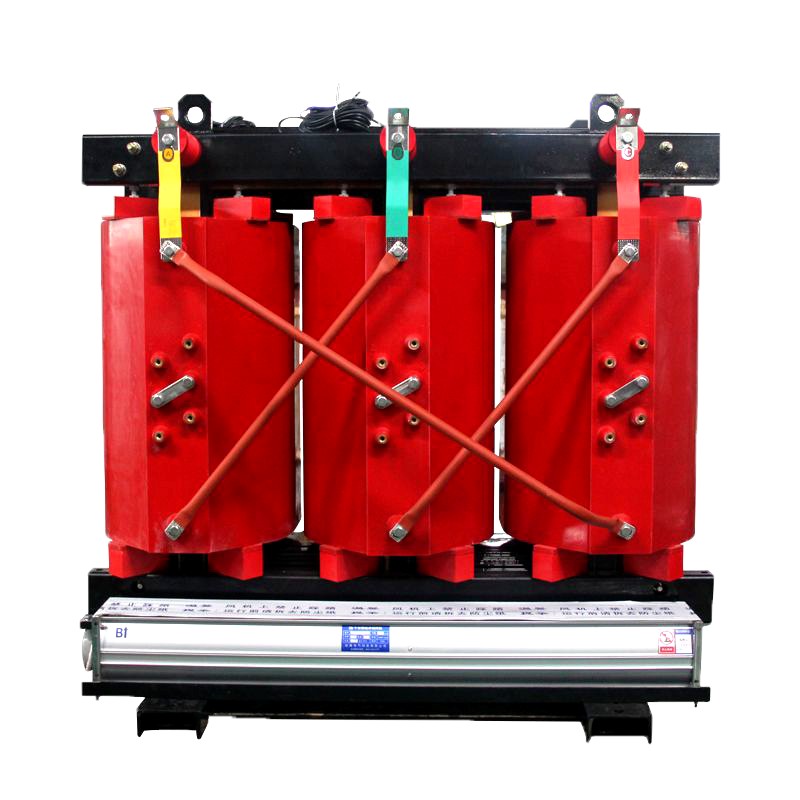
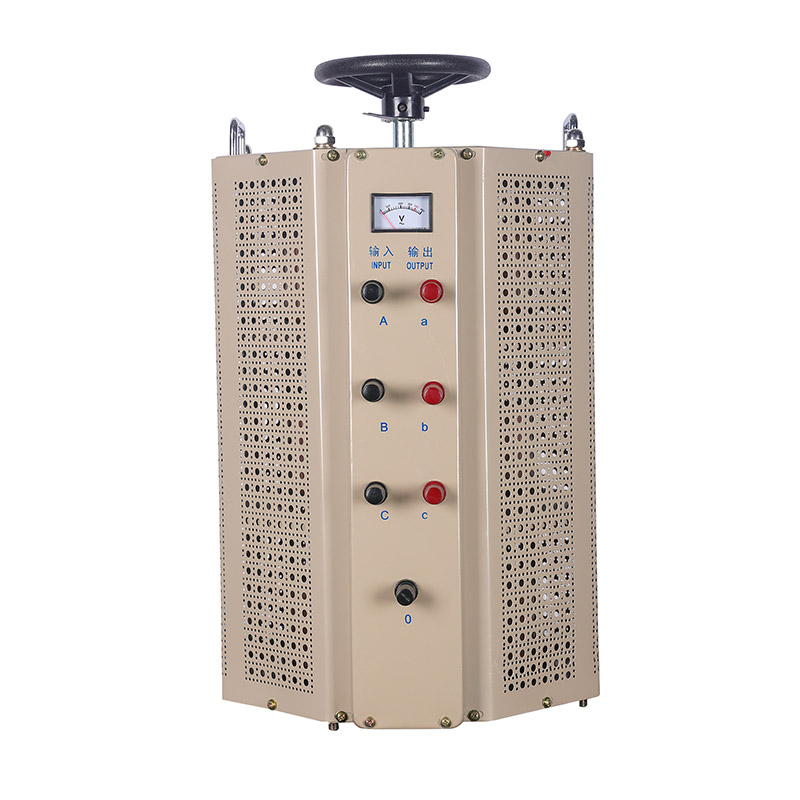
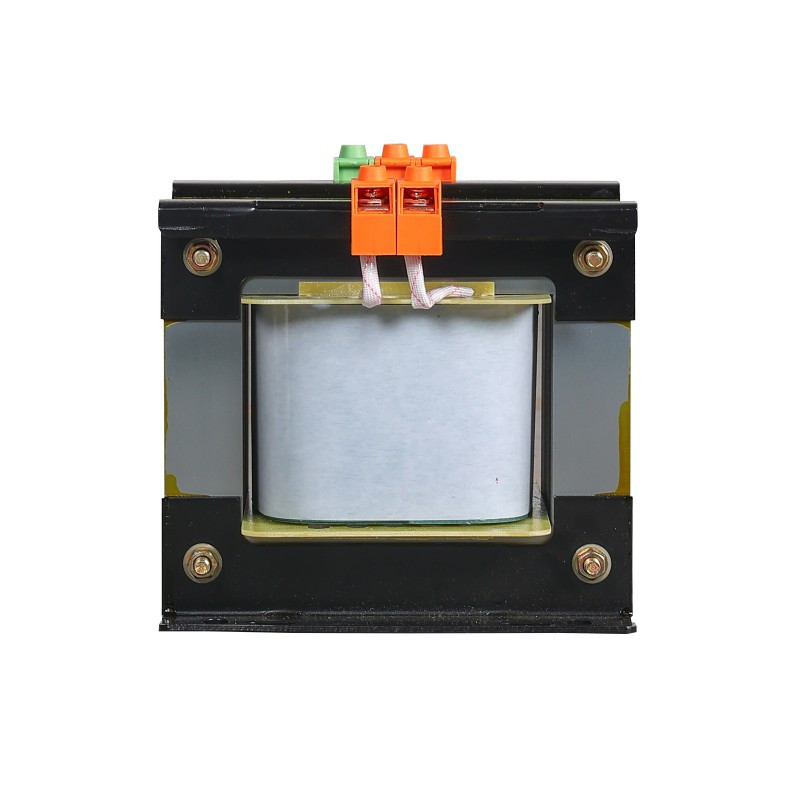
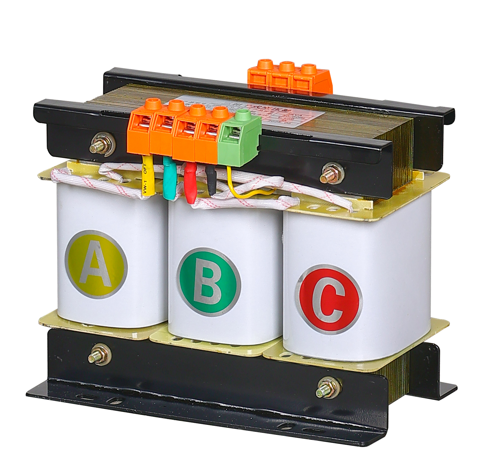
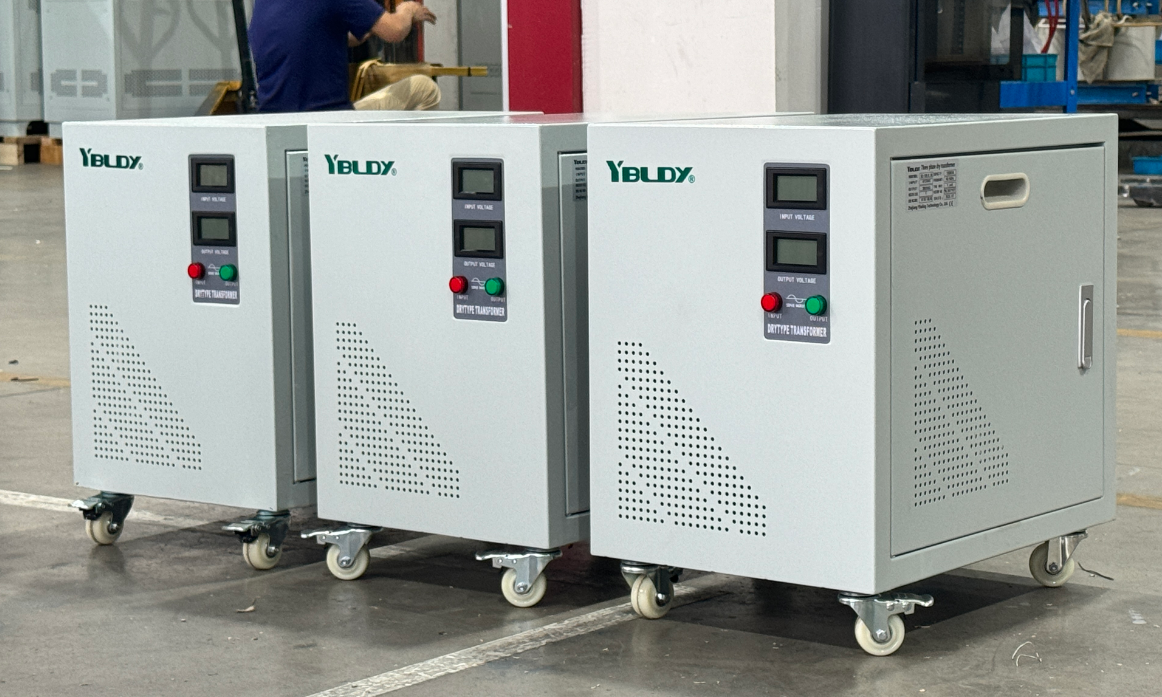
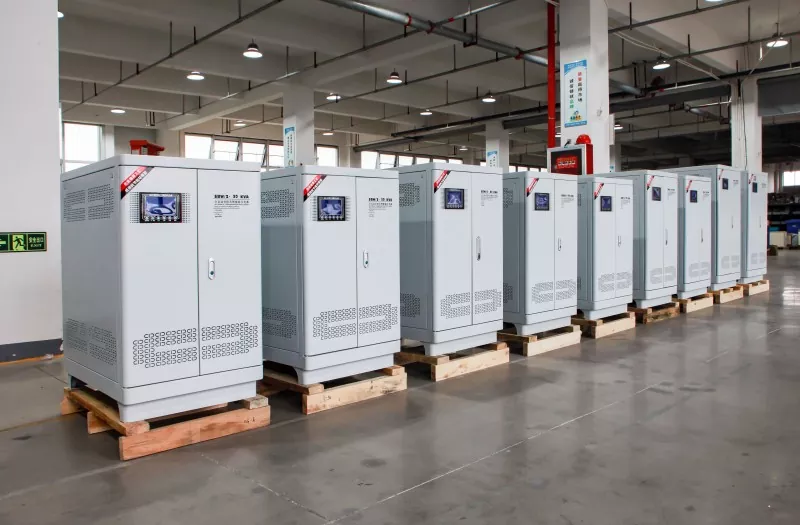
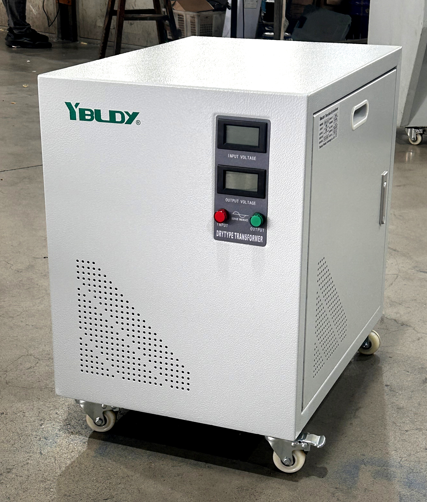
Choosing the right transformer isn't just about picking one off a shelf. It's about matching the right specs to your actual load, your environment, and your future needs. Get it wrong, and you'll face overheating, nuisance tripping, or even premature failure. Get it right, and the thing will run quietly for decades.
Whether you're powering a commercial building, a factory, a data center, or a utility substation, understanding transformer specifications — especially the kVA rating — makes all the difference. This guide walks you through what buyers and engineers actually need to know, with clear explanations and practical tables.
kVA (kilovolt amperes) is the standard way to measure a transformer’s capacity. Put simply, it tells you how much load the transformer can handle day in, day out, without overheating.
kW (kilowatts) only measures real power — the power that actually does work. kVA is different: it accounts for both real power and reactive power. That’s why transformers are rated in kVA. Real world equipment almost never runs at a perfect power factor. In most industrial settings, the power factor usually falls somewhere between 0.7 and 0.95.
Basic Formulas
Connection
Formula
Single-phase
kVA = (Voltage × Current) ÷ 1,000
Three-phase
kVA = (√3 × Voltage × Current) ÷ 1,000
Pro tip: Always add a 20-30% safety margin when sizing your transformer. That extra capacity gives you breathing room for future expansion and handles those occasional overload moments without breaking a sweat.
Standard kVA Ratings
Transformer manufacturers typically stick to standard sizes. Here's what you'll commonly find:
Power factor — typically 0.8 to 0.95 for industrial loads
Step 2 — Add a Safety Margin
Multiply your total load kVA by 1.2 to 1.3. That 20-30% cushion covers future expansion and those occasional overload spikes.
Step 3 — Match Environmental Conditions
Condition
What to Consider
Indoor / Outdoor
Outdoor needs higher IP rating (IP54+) and weatherproof enclosure
Ambient temperature
Standard design is 40°C max. Higher temps require derating
Altitude
Above 1000m, derate or use specially designed units
Dust / Moisture / Corrosion
Choose appropriate enclosure and coating
Wrapping It Up
Getting your head around transformer specifications — starting with the right kVA rating, then moving to voltage, cooling, efficiency, and insulation — helps you get the best performance and value for your money.
When you're serious about buying, always ask suppliers for:
Detailed datasheets
Type test reports (third-party if possible)
Factory acceptance testing (FAT) information
One good spec sheet can save you years of headaches.
Looking for high-quality power and distribution transformers?
We offer standard and custom-built units from 25kVA up to 5000kVA, with competitive pricing, fast delivery, and solid technical support. Dry-type, oil-immersed, pad-mounted — you name it.Contact Yibaling Power today. Tell us your load, your voltage, and your environment. We'll spec the right transformer for you.
We use cookies to offer you a better browsing experience, analyze site traffic and personalize content. By using this site, you agree to our use of cookies.Privacy Policy