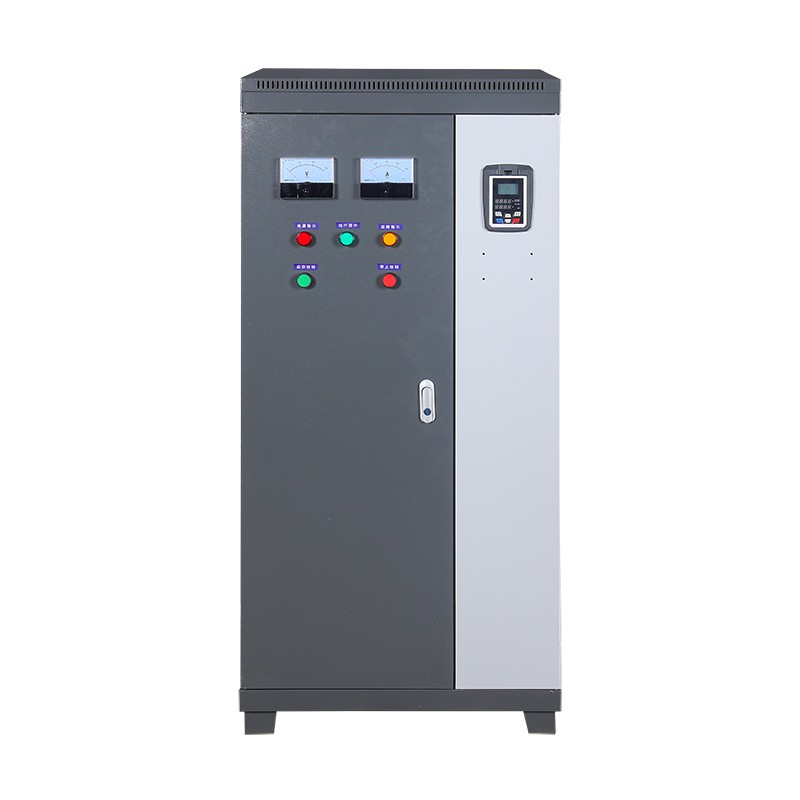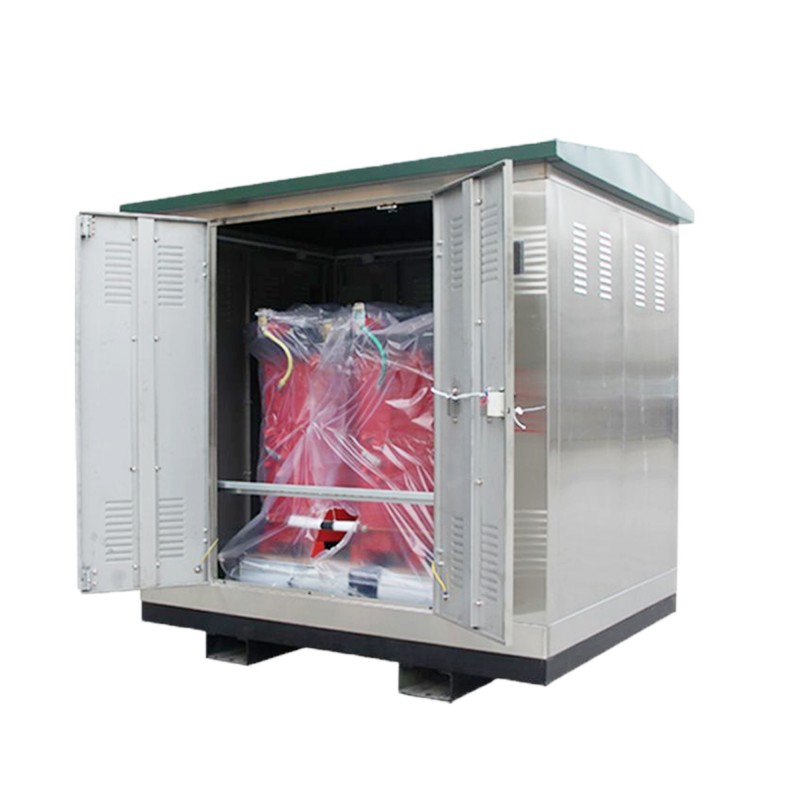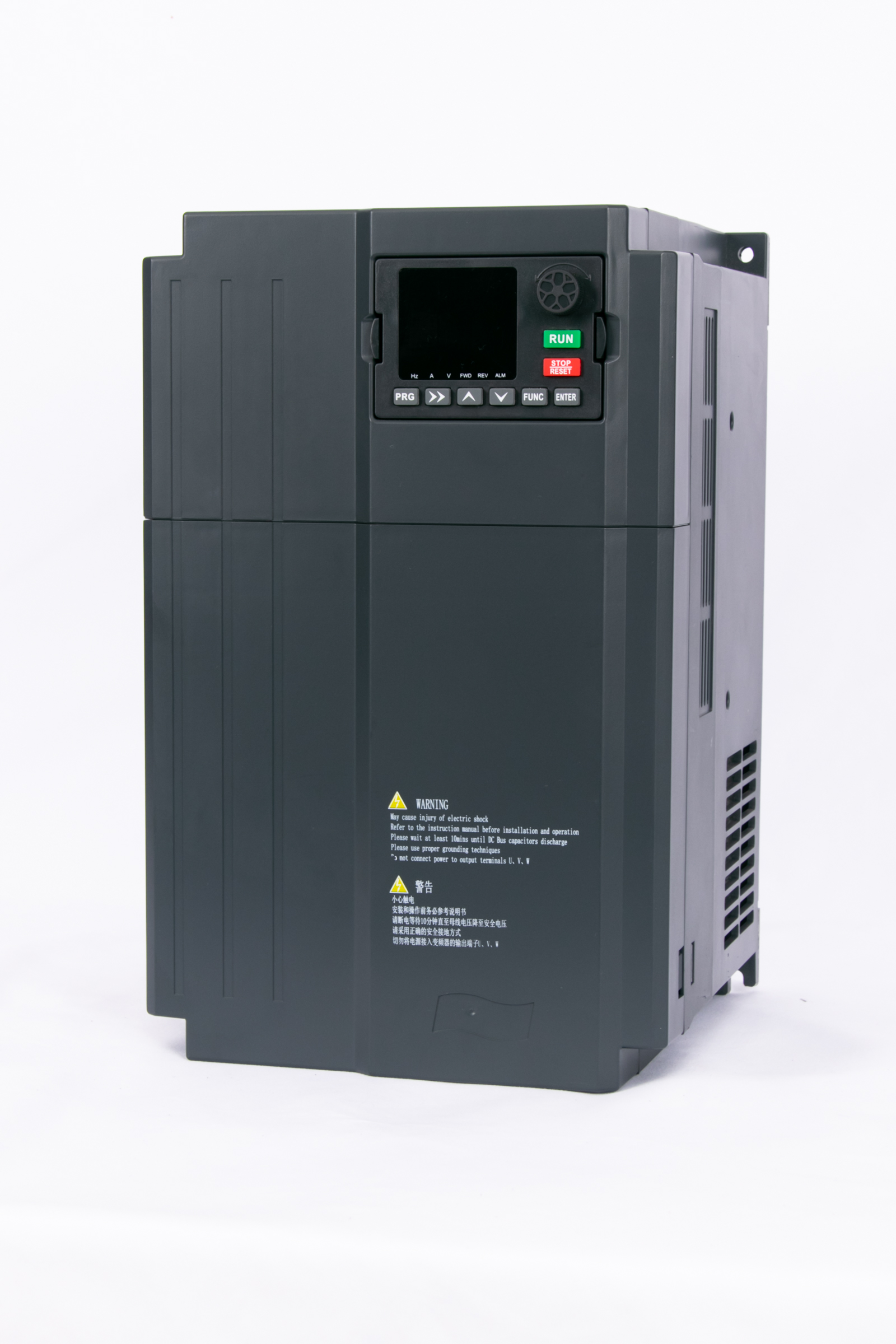

What is DBW Servo Voltage Stabilizer?
One Phase, Serious Power
Most people think of voltage regulators as small boxes that plug in next to a computer or a TV. And yes, those exist. But there's another kind of regulator entirely — the kind that doesn't sit on a desk. It sits in a factory, next to a production line, feeding power to equipment that draws tens or even hundreds of kilowatts.
DBW Servo Voltage Stabilizers are built for big loads.
They handle the heavy stuff: CNC machines, medical imaging systems, large format printers, industrial ovens, production lines, central air conditioning systems, and elevator banks. If it draws serious current and runs on single phase power, it probably needs one of these behind it.
Why "High Power" Matters
Regular single phase regulators top out at a few kilovolt amps (kVA). Maybe 5kVA, maybe 10kVA if you push it.
High power regulators start where those leave off. DBW series units, for example, range from 10kVA all the way up to 180kVA — and some designs go as high as 300kVA. That's enough to run an entire workshop's lighting, air conditioning, and production equipment off a single stabilised feed.
The challenge with big loads is that they don't just draw more current — they draw it in ways that punish ordinary regulators. Motors start. Compressors kick in. Welding equipment arcs. Each of these events causes voltage to dip or surge, sometimes violently. A small regulator would trip, overheat, or simply fail to respond fast enough.
A high power regulator is designed to absorb those shocks and keep the output steady, no matter what the load does.
How DBW Servo Voltage Stabilizer Works — The Compensation Principle
The DBW series, which is one of the most common high power single phase designs, uses what's called compensation type regulation.
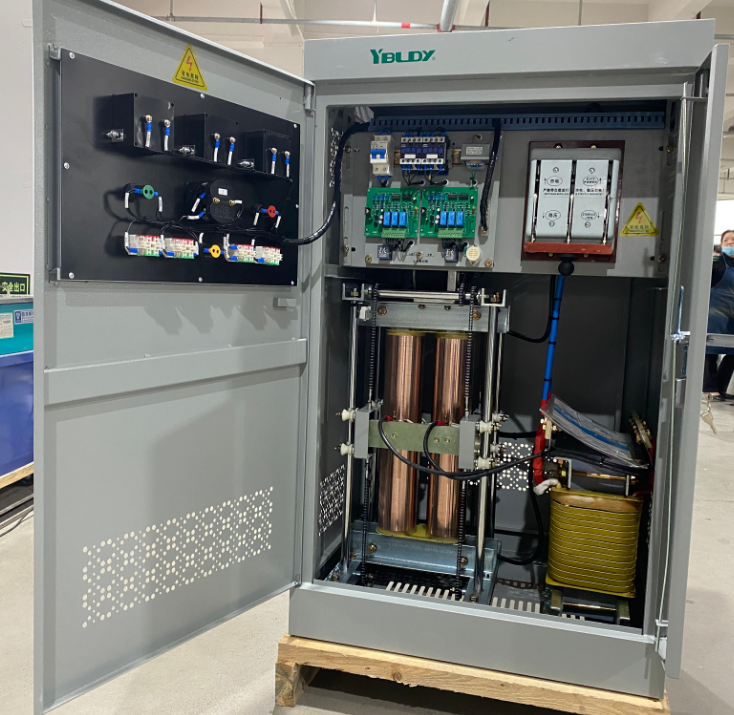
It's a clever arrangement. Inside the unit, there are two key components:
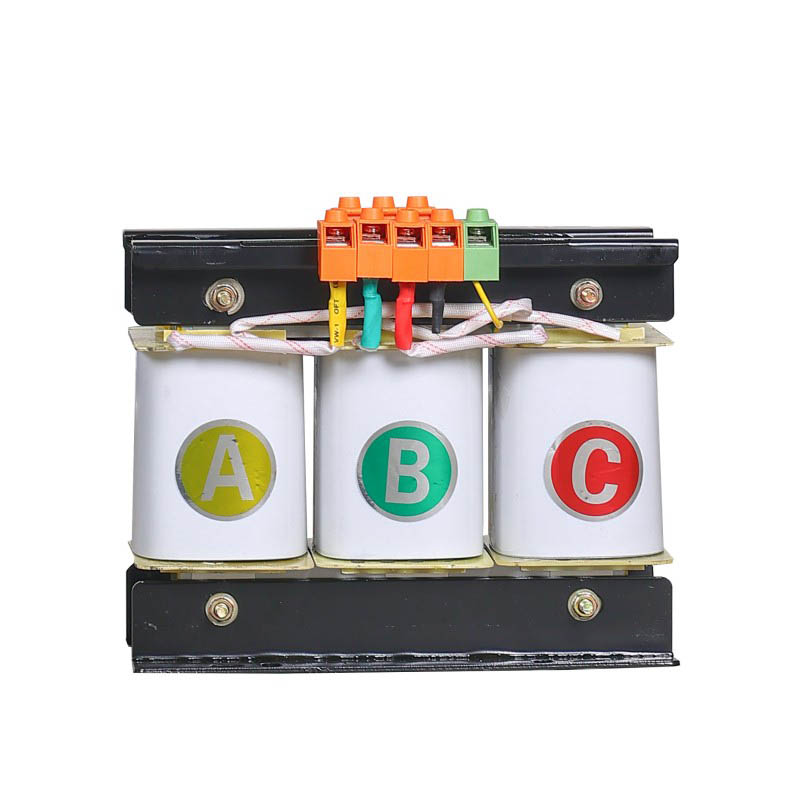
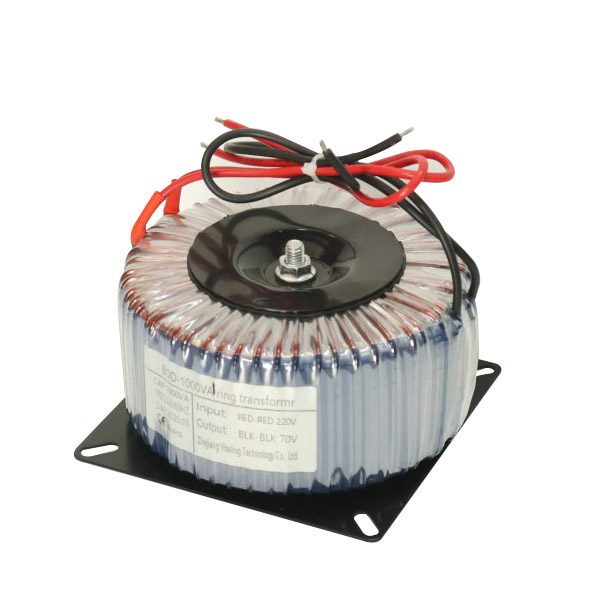
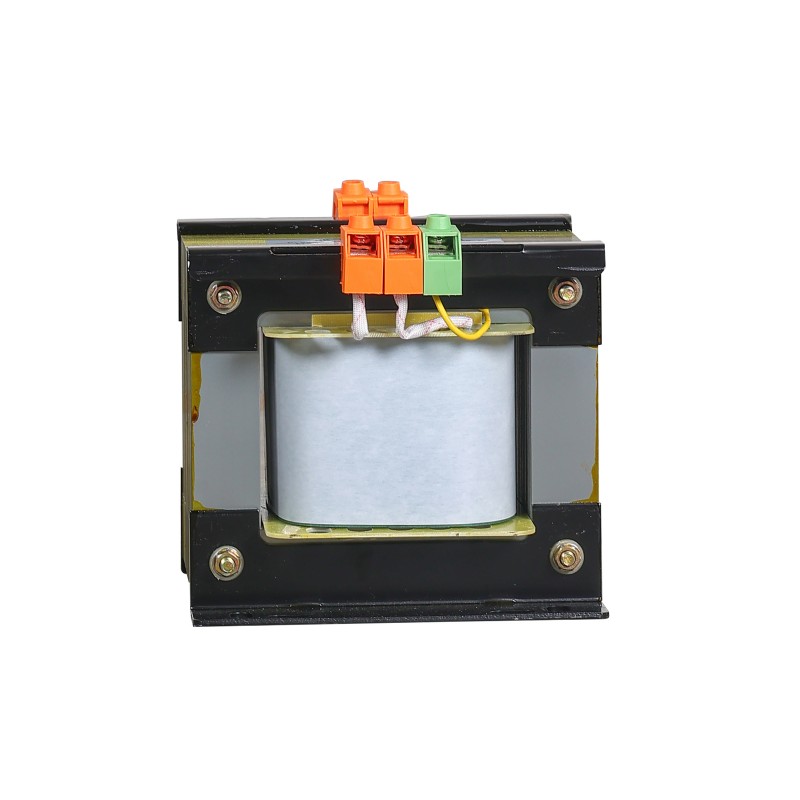
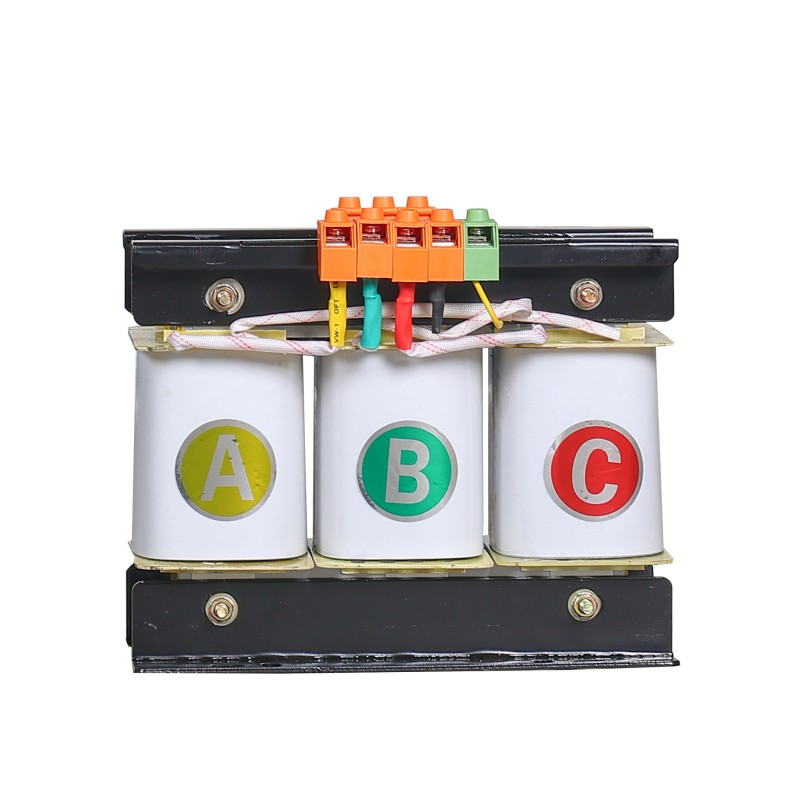
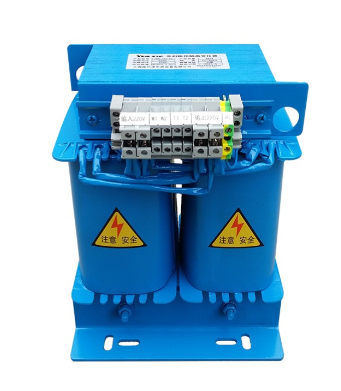
A compensation transformer — connected in series with the main power line
A contact voltage regulator — which adjusts the compensation voltage
A control circuit constantly monitors the output voltage. When it detects a deviation — say, the input voltage drops because a big motor just started — it sends a signal to a servo motor. The motor moves a carbon brush across the windings of the contact regulator. That changes the voltage going into the compensation transformer's primary winding. The compensation transformer then adds or subtracts voltage from the main line, bringing the output back to exactly where it should be.
All of this happens automatically, continuously, and fast — typically within 1.5 seconds for a 10% input voltage change.
The beauty of this design is that it doesn't interrupt the power flow. It doesn't switch on and off. It just rides the voltage up and down, correcting as it goes.
What Sets a Good One Apart
1. It doesn't mess with the waveform
Some regulators distort the AC waveform when they correct voltage. This one doesn't. What comes out is identical to what went in — just steadier. For medical imaging equipment, laboratory instruments, and precision machinery, that's non negotiable.
2. It's efficient
At full load, efficiency sits above 95% . At 50kVA and above, it's even better — around 98% . That means less heat, less wasted electricity, and lower operating costs over the life of the unit.
3. It handles overload
The DBW series can take 200% of rated current for one minute. That's the kind of margin you need when a compressor starts or a production line kicks into high gear.
4. It protects itself — and your equipment
Standard protection includes over voltage, under voltage, over current, short circuit, and phase loss. Some models also offer manual/automatic switching, bypass modes, and auto restart after power failure. If something goes wrong, the regulator shuts down safely rather than letting a fault reach your equipment.
5. It runs continuously
These aren't intermittent duty devices. They're designed to run 24/7, 365 days a year, with minimal maintenance.
Where You'll Find DBW Servo Voltage Regulator
The list of applications is broad — and growing.
Industrial manufacturing — CNC machines, machining centres, production lines, metal working equipment
Medical facilities — CT scanners, MRI machines, X ray systems, laboratory analysers
Commercial buildings — Elevators, central air conditioning, large format printers, lighting systems
Telecommunications — Base stations, data centres, communication equipment
Research and testing — Laboratories, test rigs, calibration equipment
Agriculture and transportation — Irrigation systems, railway signalling, airport ground support
In short: anywhere that single phase power needs to be clean, steady, and capable of handling serious current.
Picking the Right Size
Choosing a high power regulator isn't complicated, but it does require some thought.
Step 1 — Add up your loads
List everything that will be connected. Motors and compressors draw more at startup than they do when running — sometimes three to five times as much. Don't size based on running current alone.
Step 2 — Apply a safety margin
Industry practice is to add 20 30% to the total. That covers future expansion and unexpected overloads.
Step 3 — Check your grid
Standard DBW units accept input from 176V to 264V. If your site regularly goes outside that range, specify a wider input version.
Step 4 — Consider the environment
These units are designed for indoor installation, with ambient temperatures from 10°C to +40°C and relative humidity below 90%. If your site is dusty, damp, or poorly ventilated, factor that in.
Final Thoughts
A DBW Servo Voltage Stabilizer isn't glamorous. It doesn't have a touchscreen or a mobile app. It doesn't make headlines.
But it does something essential: it keeps big loads running when the grid can't.
For factories, hospitals, and commercial buildings that can't afford voltage related downtime, the regulator isn't optional — it's infrastructure. It sits between the unreliable grid and the expensive equipment, doing one job quietly and continuously: making sure the voltage stays where it should be.
Big loads need big protection. That's what this is for.
Related News
Leave me a message