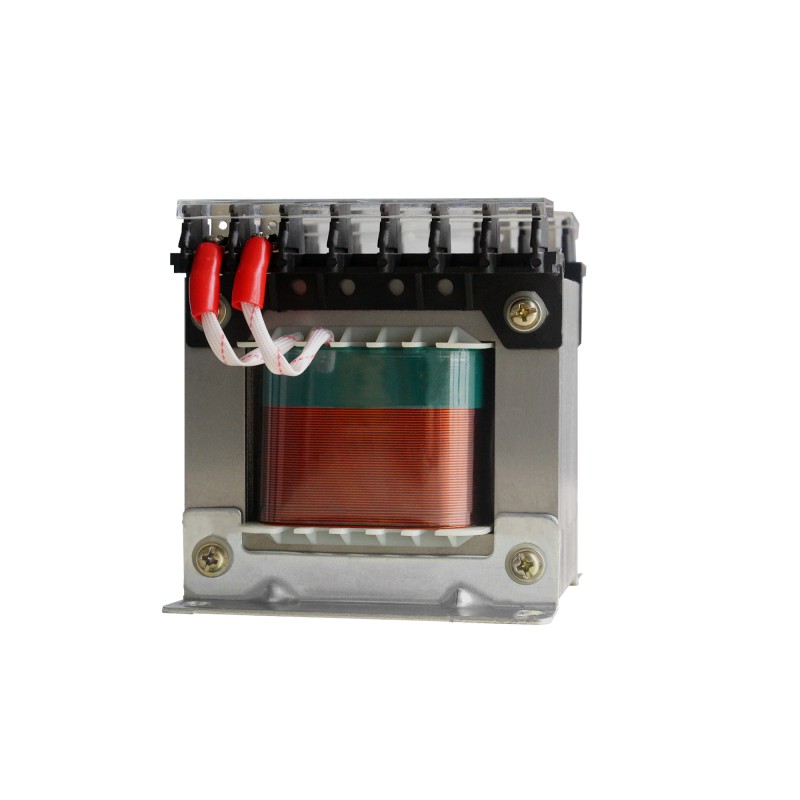
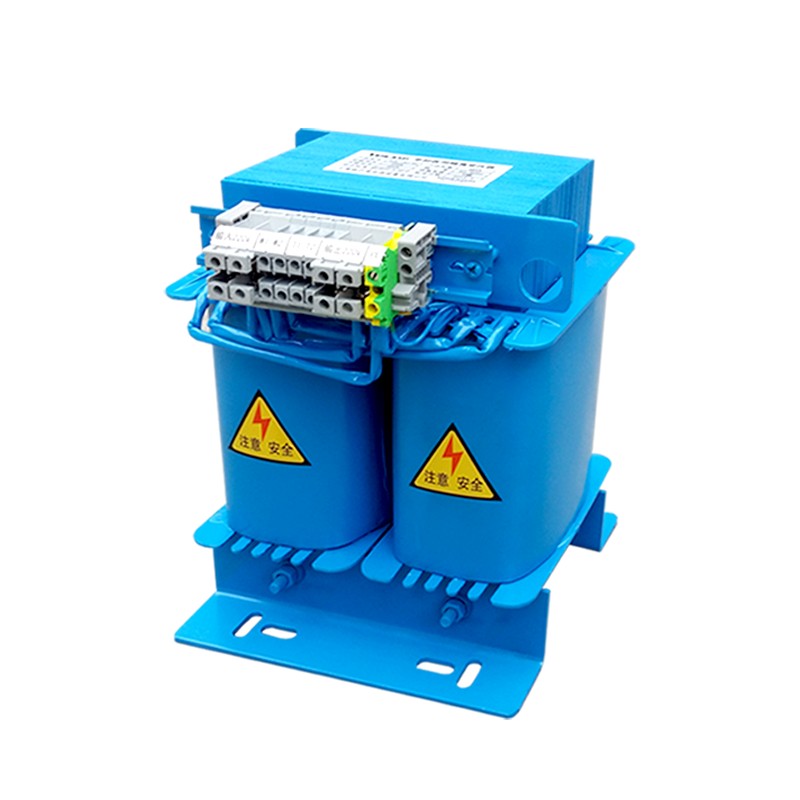
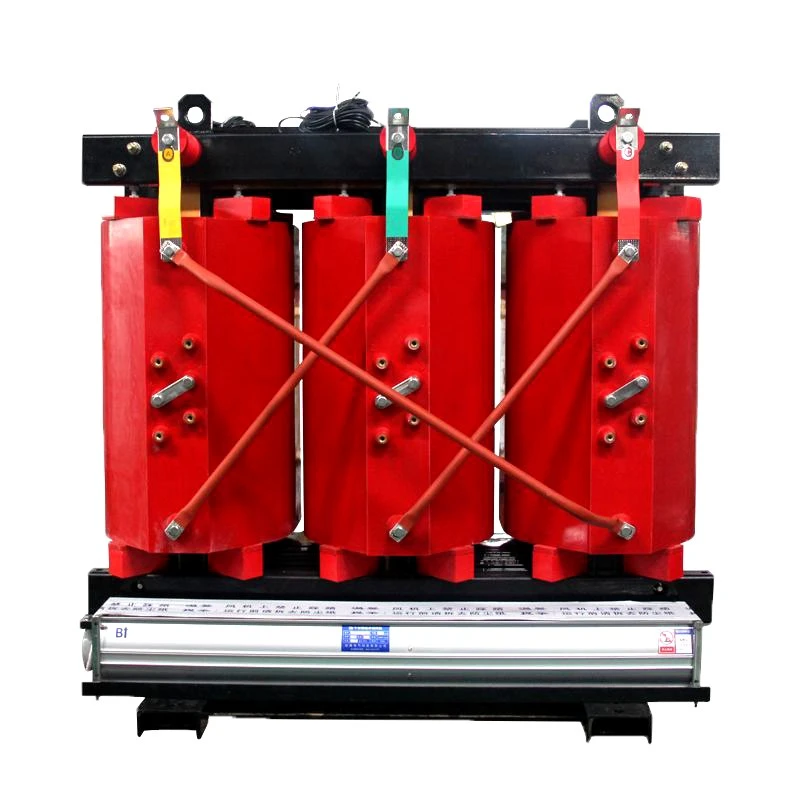
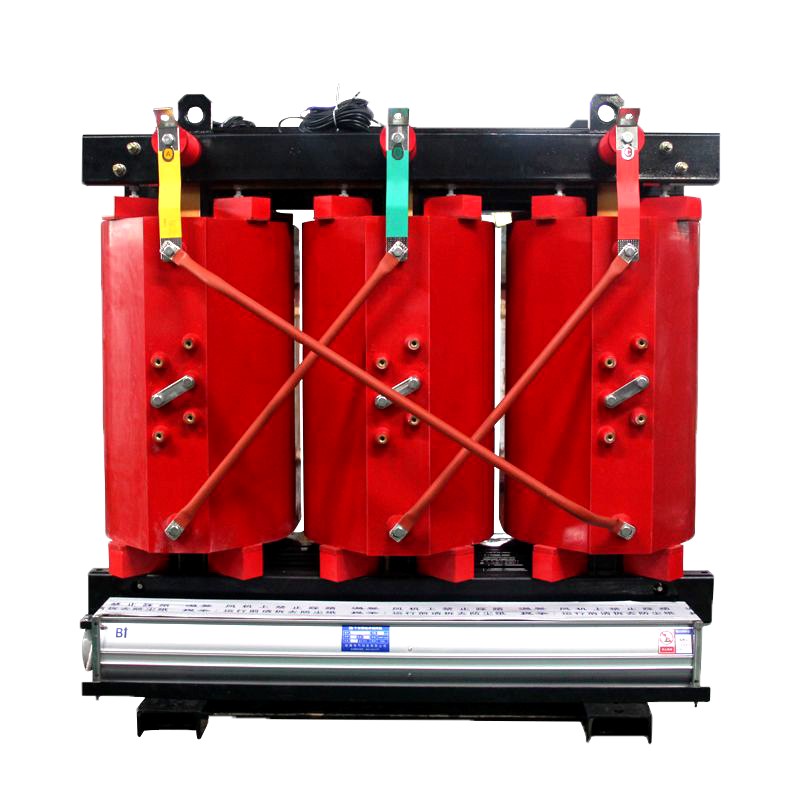
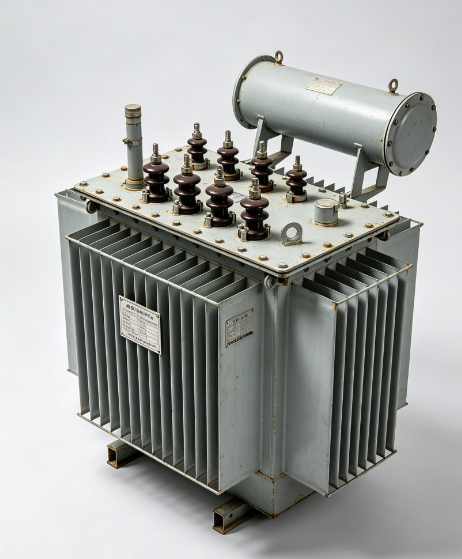
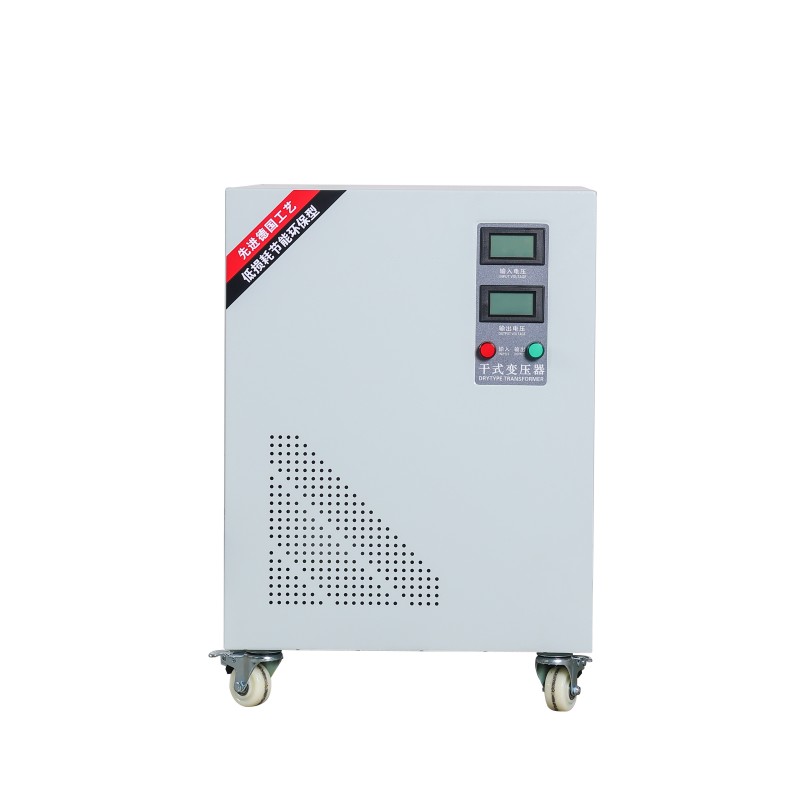
BK refers to a single phase control transformer. Its common input voltage is 220V (customizable to 380V or other ratings),
In theory, it works. But in practice, you'll run into a few problems:
Voltage fluctuation – When a main motor starts, the voltage dips for a moment. The control circuit gets jittery. PLCs may misfire, and contactors may chatter.
Harmonic interference – Inverters and servo drives generate high frequency noise. That noise leaks into the control loops, messing up sensor signals and messing with communications.
Safety hazards – If the main circuit leaks, it can travel straight to the control side. An operator pressing a button could get shocked.
What a BK transformer does is simple: isolate, match the voltage, and block the noise. It gives the control circuit clean, steady, safe power.
Common Application Scenarios
Application
Requirement for BK Transformer
CNC machine tools & machining centers
Stable power supply for PLC and servo control systems
Automated production lines
Centralized reliable power for abundant sensors, solenoid valves and relays
Packaging & injection molding machines
Complex control circuits prone to disrupted production cycles from voltage instability
Power distribution cabinets
Power supply for cabinet-mounted indicator lamps, meters and control loops
Imported equipment retrofitting
Voltage conversion to adapt onboard control voltage to on-site power specs
Small-scale mechanical equipment
Conversion from single phase 220V input to low-voltage control power
Technical Features
BK transformers aren't high tech gadgets. But what they have is solid, reliable specs:
Pure copper windings – better conductivity, less heat, longer life. Aluminum is cheaper, but for control transformers, copper is the safer bet.
High permeability silicon steel – low losses, moderate temperature rise. Runs day and night without cooking itself.
True primary secondary isolation – this isn't an autotransformer. It keeps main circuit power and noise from leaking into the control side.
Optional multi output design – one transformer can feed several voltages at once. For example, 220V for the PLC, 110V for contactors, and 24V for indicator lights. All from one box.
Vacuum impregnation of windings: Improves moistureproof, dustproof and anti-vibration performance.
Compact footprint: Space-saving for installation inside electrical cabinets.
Practical Case Study
An aging injection molding machine at a plastic factory frequently stalled: its display remained on yet all mechanical actions halted. Electricians spent two days replacing relays, PLC modules and wiring with no improvement.
An experienced technician suggested testing the control voltage, which dropped from rated 24V down to 17V during machine operation. While the system stayed powered, insufficient voltage disabled normal PLC logic operation.
Fix: A BK-300VA transformer (220V input / 24V output) was installed to independently feed the control circuit instead of relying on makeshift switching power supply. The equipment never suffered unexplained shutdowns afterward.
As the electrician summarized: Never cut corners on control power supply; unstable power always messes up control logic.
We use cookies to offer you a better browsing experience, analyze site traffic and personalize content. By using this site, you agree to our use of cookies.Privacy Policy