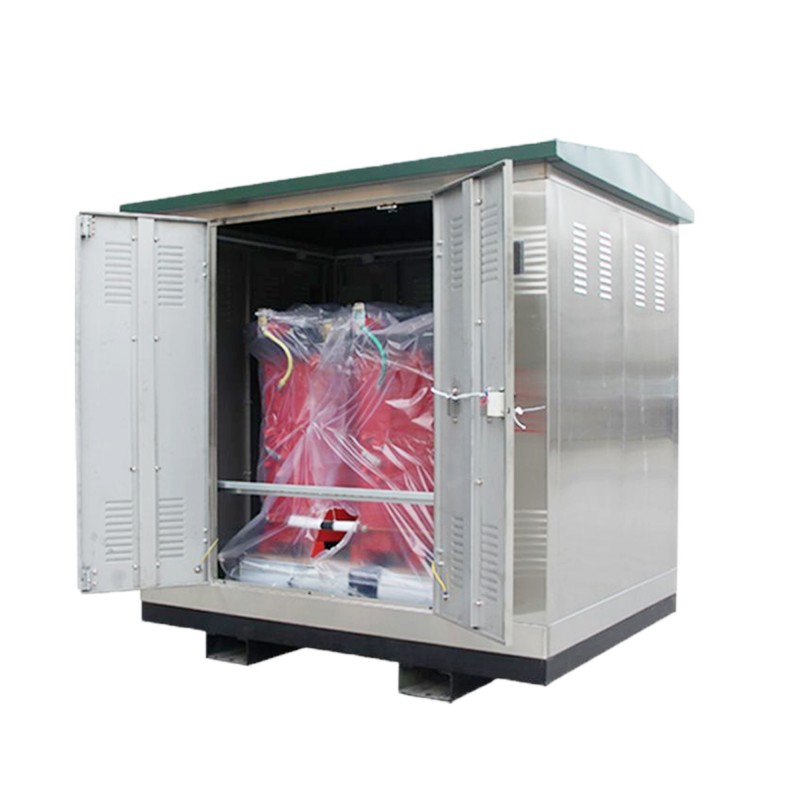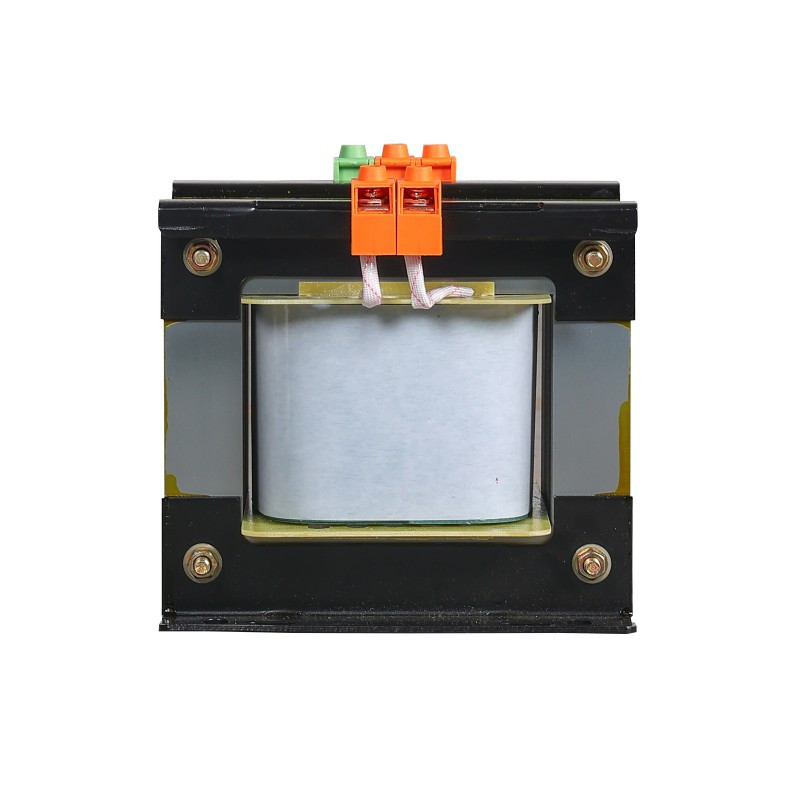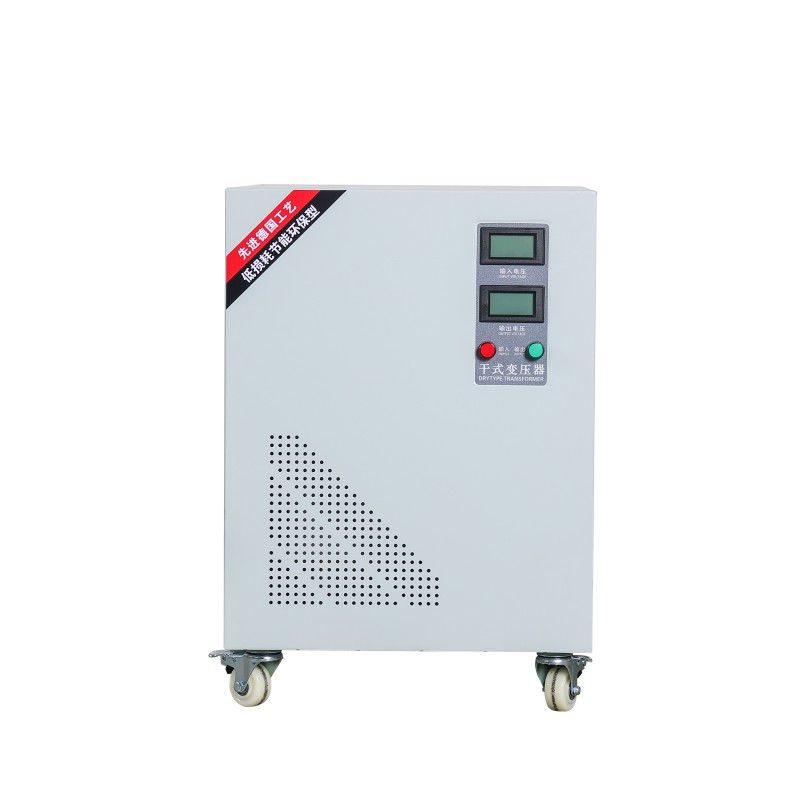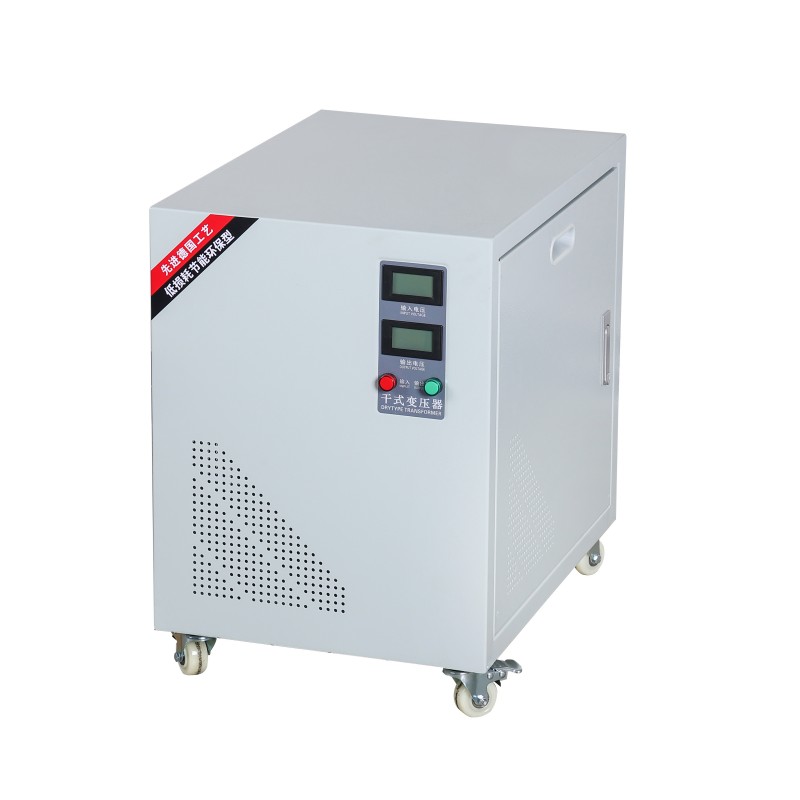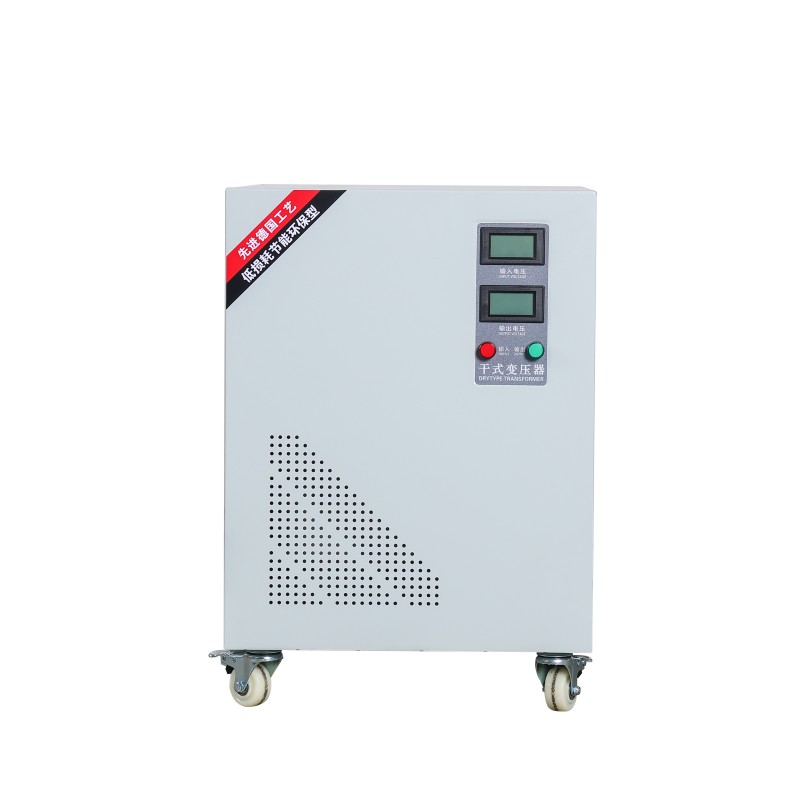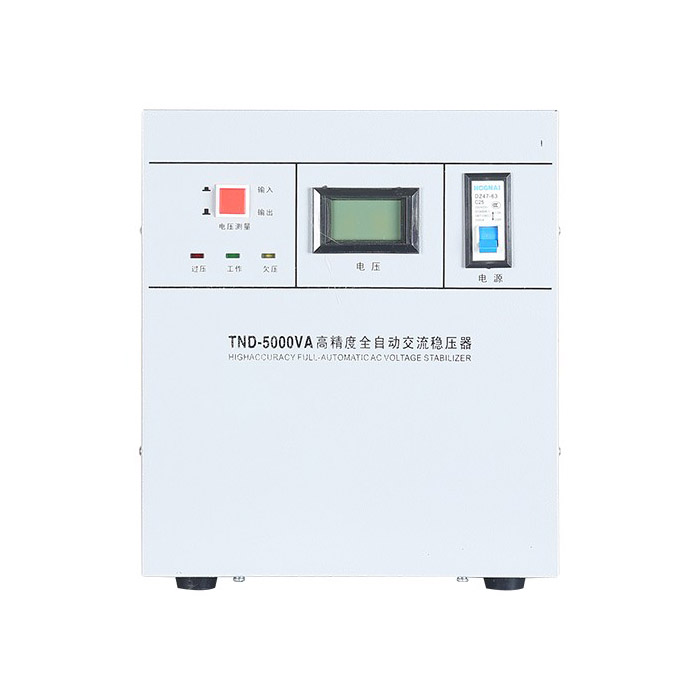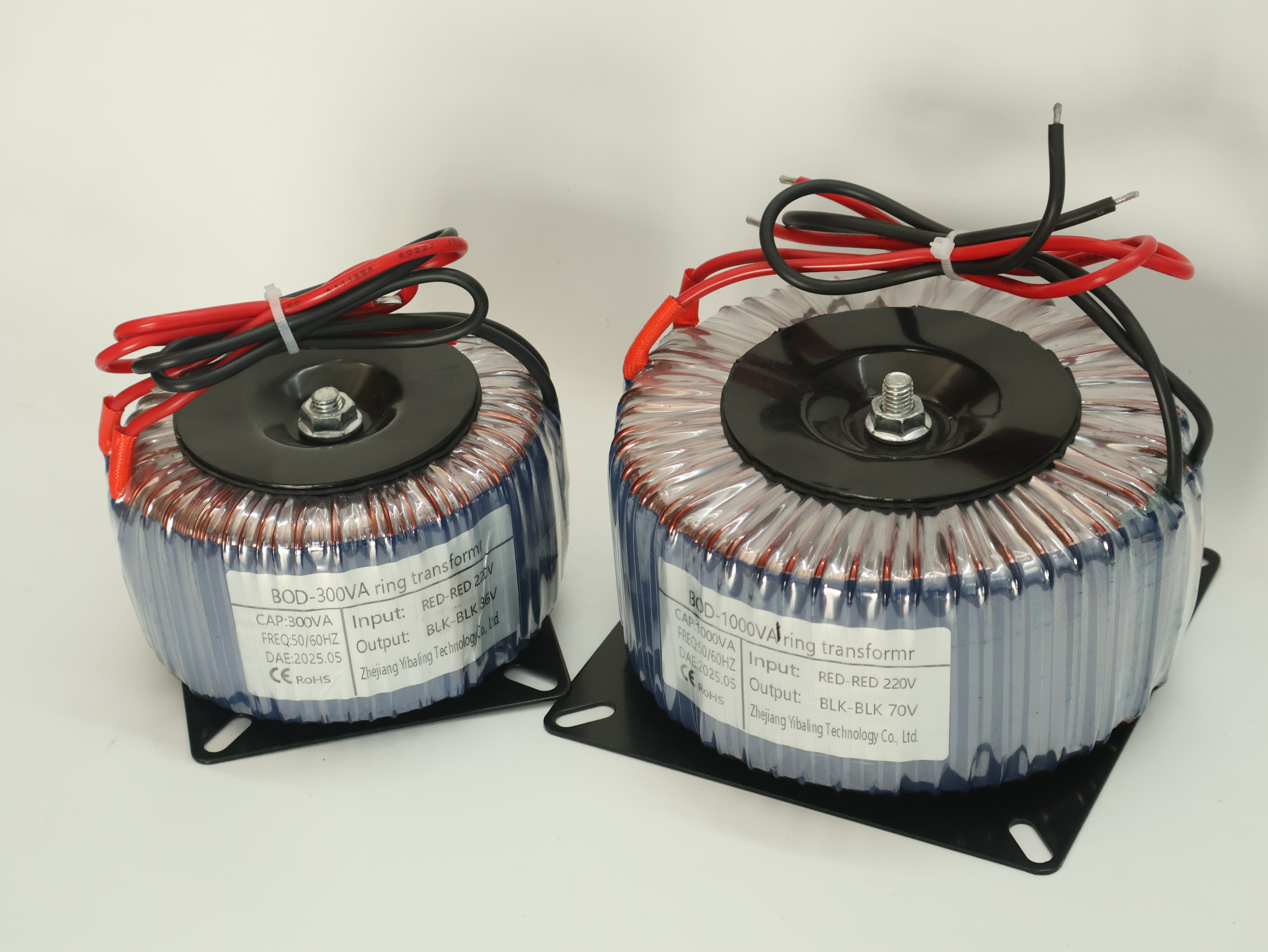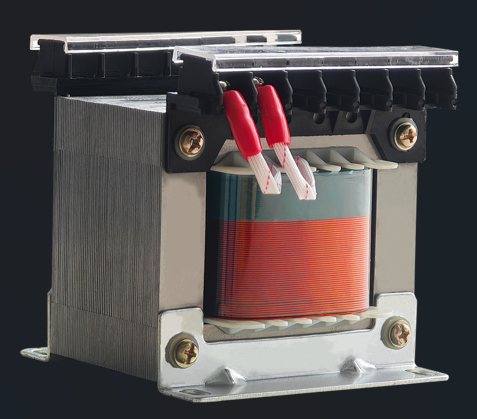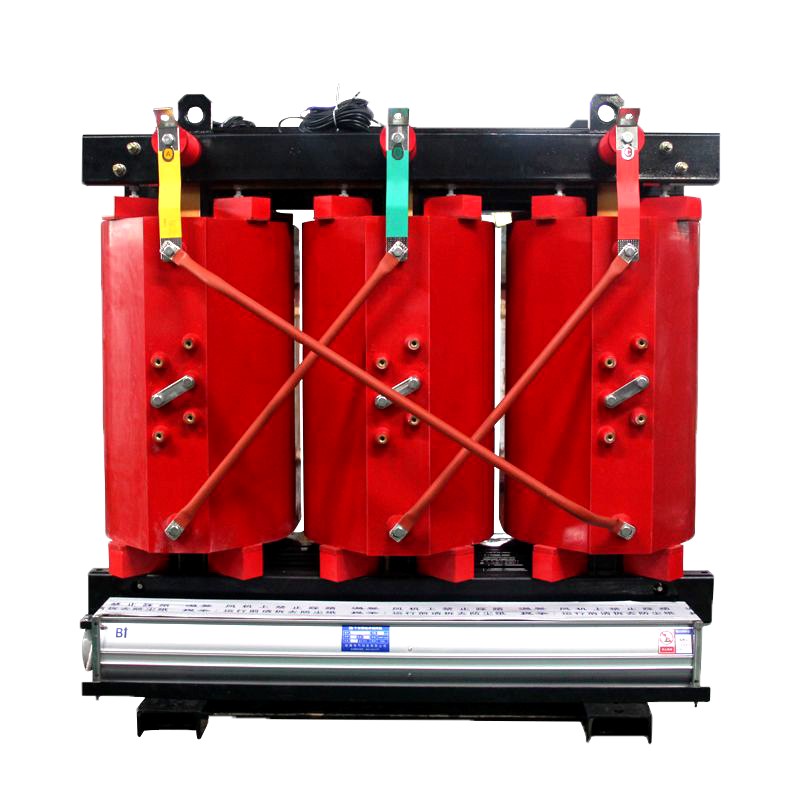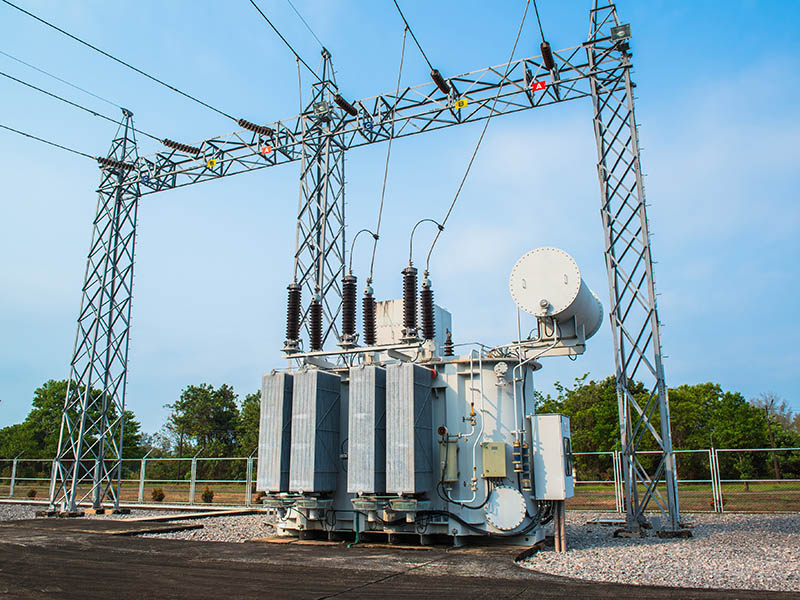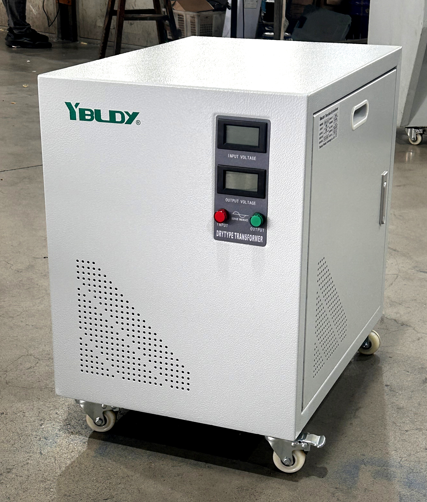

What is SG Low-Voltage Transformer?
Anyone who's bought imported equipment knows the problem: the nameplate says one voltage, but your workshop has another. Voltage mismatch means the equipment can't run.
The SG three phase low voltage transformer is built to solve exactly that problem.
It's a three phase dry type isolation transformer. Feed it your local supply—380V, 400V, 415V—and it can give you whatever the equipment needs: 220V, 200V, 110V, 36V, you name it. At the same time, it completely isolates the input from the output—so grid noise, harmonics, and surges stop right there.
In plain language: it converts the voltage to what you need and keeps the interference out.
Where Does SG three phase low voltage transformer Fit?
The SG series works in pretty much any low voltage three phase application that needs voltage conversion and electrical isolation.
Here's where you'll find them:
| Application | Why It's Used |
| Imported equipment | Your local grid doesn't match what the machine needs? The SG converts it. 380V to 220V and 380V to 200V are the most common requests |
| Machine tools and automation | CNC machines, machining centres, and all kinds of industrial equipment. One transformer handles both control and power circuits |
| Lighting and indicators | Workshop lighting, machine indicator lights, local illumination |
| Rectifier power supplies | Front end power for electroplating, electrolysis, and DC drive equipment |
| Critical facilities | Power plants, data centres, medical equipment, communication systems |
| High rise buildings and public spaces | Office buildings, shopping centres, museums—indoor locations with strict fire safety requirements |
The SG series is also widely used in mining and industrial enterprises, airports, and anywhere with high safety and fire protection requirements.
In short: wherever you need to change voltage or keep interference out of a low voltage three phase system, the SG fits.
What Makes SG three phase low voltage transformer Different?
Dry type construction, no oil. No leaks, no fire risk. You can install it indoors, in a cabinet, right next to the equipment—without worrying about oil spills. The insulation materials are flame retardant and self extinguishing, and they don't release toxic gases when heated.
Isolation design. Primary and secondary windings are completely separate. Grid noise, harmonics, and surges stop at the transformer—they don't reach your equipment. Control circuits stay clean, equipment stays stable.
Low losses, high efficiency. With a well built SG transformer, no load loss can be under 0.8%, and full load efficiency can exceed 97.5%. That means less wasted electricity and lower operating costs.
Low noise, low partial discharge. Vacuum cast windings mean no voids or bubbles in the insulation—partial discharge below 5pc. Running noise is typically under 65dB. It runs quiet enough that you barely notice it's there.
Pure copper windings, Class H insulation available. Good conductivity, low heat generation. Class H (180°C) insulation means it can handle continuous heavy loads without cooking itself.
Customisable. Input/output voltage, connection group, tap positions (±5% or ±10%), winding capacity distribution, enclosure—all can be built to your requirements. Coils can be epoxy cast for extra protection against moisture, oil, and water.
Open or protected enclosure. IP00 (open) or IP20 (protected) are standard; higher ratings available on request.
Built for continuous operation. SG transformers can handle widely varying loads, bear instant overloads, and run continuously for long periods.
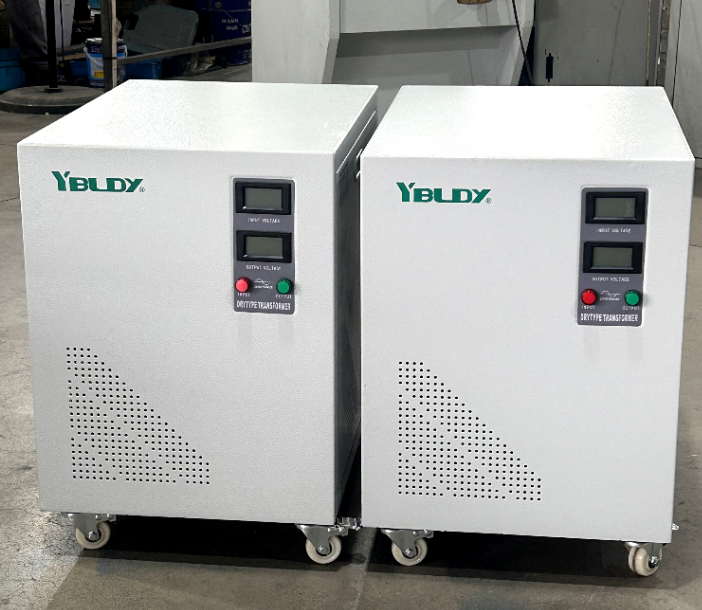
How to Pick the Right One
Three things matter most: capacity, voltage, and installation environment.
Step 1 — Determine your load
Add up the total power of everything you're connecting, then leave about 20 30% margin. Motors and compressors draw high startup current—size generously. SG capacities range from under 1kVA up to 2500kVA.
Step 2 — Specify input and output voltages
| Parameter | Options |
| Input voltage | 200V, 220V, 380V, 400V, 660V, 690V, 800V, 1140V—whatever your site supplies |
| Output voltage | 690V, 400V, 380V, 220V, 110V, 36V—whatever your equipment needs |
| Connection group | Y/yn0, Y/d, D/y, D/d—choose what fits your system |
| Taps | ±5% or ±10% for line voltage adjustment |
| Condition | Requirement |
| Altitude | ≤2000m standard |
| Ambient temperature | -5°C to +40°C (indoor); -30°C available for outdoor |
| Humidity | ≤90% at +25°C |
| Atmosphere | No corrosive gases, no conductive dust, no explosive substances |
| Vibration | No severe vibration or shock |
Enclosure or not? If it's going inside a cabinet, open type (IP00) works. If it's freestanding, add a protected enclosure (IP20 or higher).
Final Thoughts
The SG low voltage dry type transformer isn't flashy. It doesn't connect to Wi Fi, doesn't have a touchscreen, doesn't make headlines.
What it does is straightforward: it gets the voltage right and keeps the interference out.
For factories, workshops, and laboratories that have been wrestling with voltage mismatches and equipment glitches, the difference is immediate. Equipment starts working. Interference disappears. Production doesn't stop.
It's not the star of the show. It's the stage that makes the show possible.
Related News
Leave me a message