
How Dry-Type Transformers Actually Work?
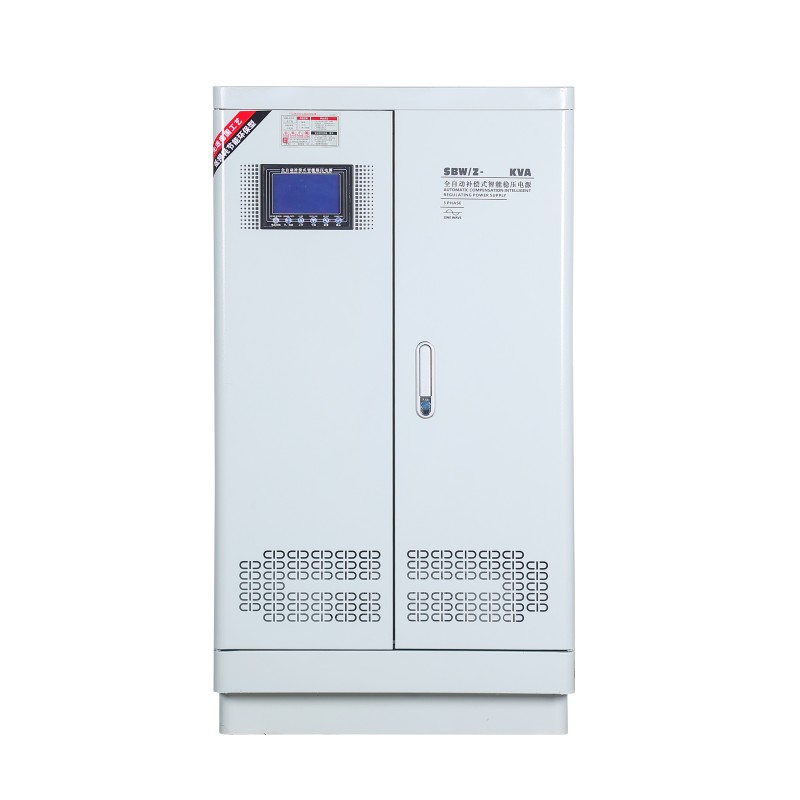
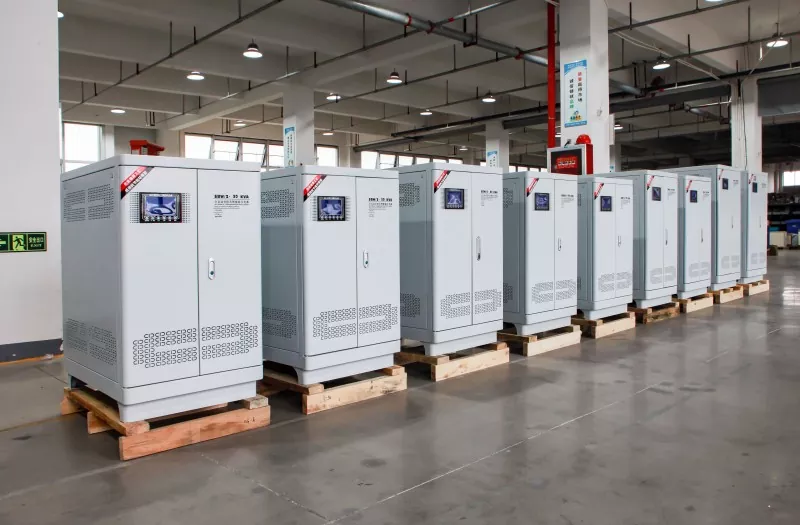
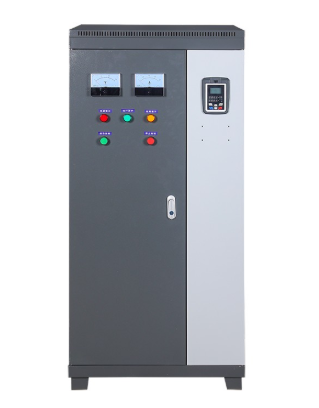
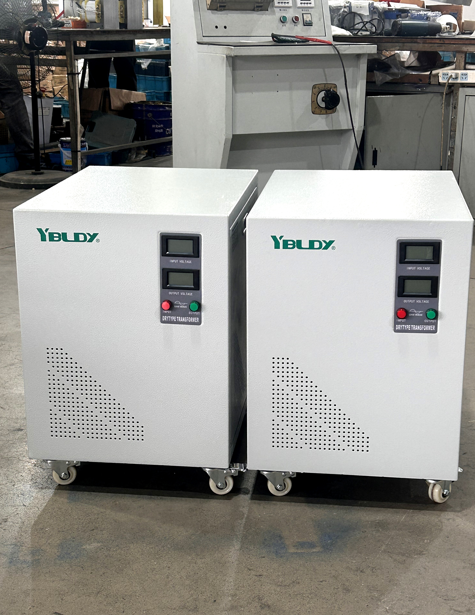
If you've ever spent time in an office building, a hospital, a subway station, or a factory floor, you've probably walked right past a gray metal cabinet in the corner and never given it a second thought. It doesn't make noise. It doesn't get hot to the touch. It doesn't leak anything. It sits there, quietly energized, doing its job without asking for attention. That thing is most likely a dry-type transformer.
To understand how it works, you first have to understand what a transformer actually does.
Power from the Plant Needs Translation
Power coming out of a generating station runs at voltages that are brutally high—high enough that if it came straight into your building, it would melt every device plugged into a wall socket. So it has to be stepped down to something usable: 220V, 380V, whatever the local standard is. That's what a dry-type transformer is there to do.
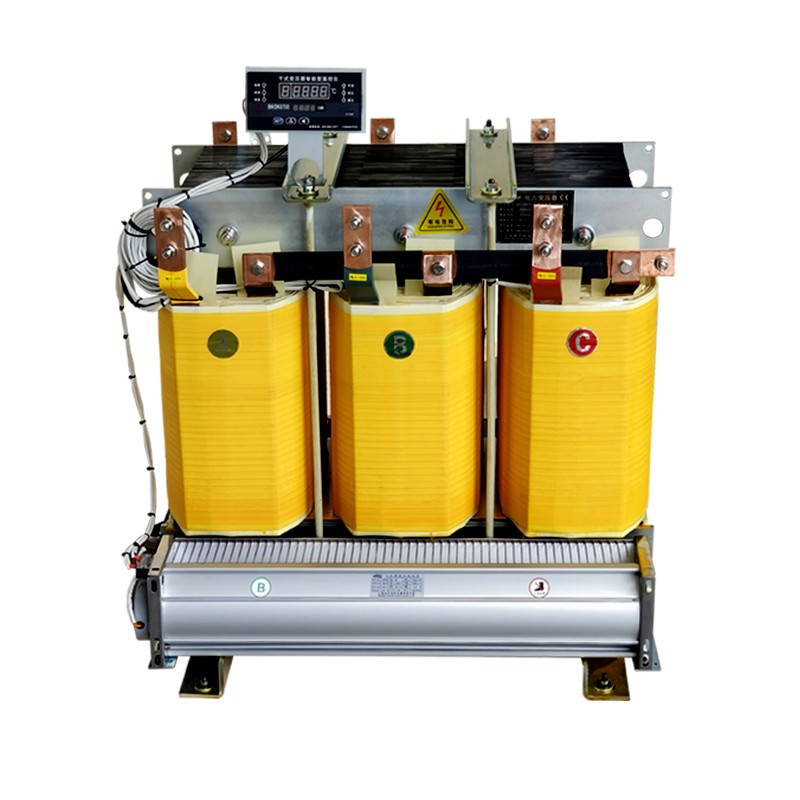
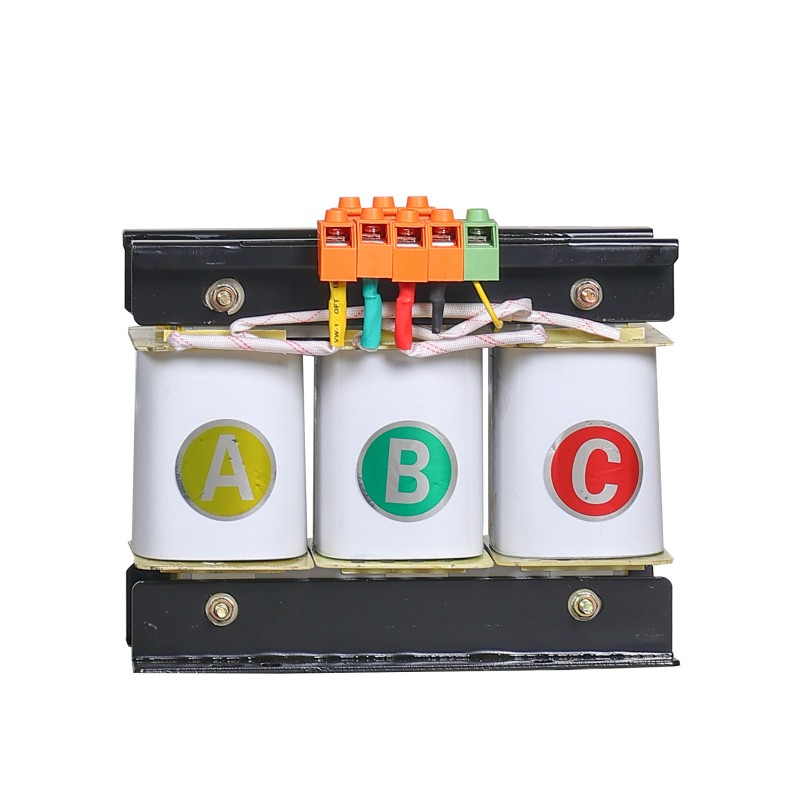
The principle isn't complicated. Remember electromagnetic induction from high school physics? Run alternating current through one wire, and it creates a changing magnetic field around it. Put another wire inside that magnetic field, and current gets induced in that second wire. A transformer takes two coils of wire and wraps them around the same iron core. One coil connects to the power source (that's the primary winding). The other connects to the load (that's the secondary winding). Electricity flows through the primary, creates a magnetic field, that field travels across the core to the secondary, and there it induces current.
Here's the key part: electricity never actually flows between the two coils. It's all done through the magnetic field playing messenger across the gap. It's like two wires talking to each other through a wall, without ever touching.
How does the voltage change? It's all about the number of turns on each coil. More turns on the primary than the secondary? The voltage steps down—that's a step-down transformer. More turns on the secondary? You step up. The ratio of turns is the ratio of voltage. Simple as that.
Dry-Type vs. Oil-Filled: What's the Difference
Traditional transformers—the big ones you see in fenced yards—immerse their cores and windings in insulating oil. The oil pulls heat away and insulates the electrical parts. Those units are bulky, heavy, and if they leak, you've got a mess on your hands.
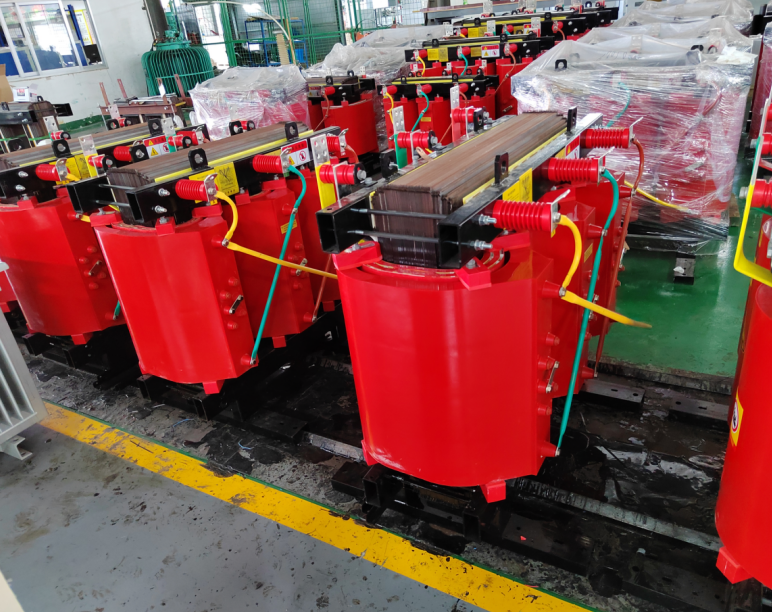
Dry-type transformers don't use oil. The core and windings are either exposed to air or completely cast in epoxy resin. Cooling comes from natural air circulation—convection, basically—or from fans blowing across the unit when more airflow is needed. That's why most dry-type transformers live indoors. No oil means no fire risk, no smoke, no environmental contamination. Fire safety is a big part of why people choose them.
What's Inside, and Why Dry-type transformer Holds Up?
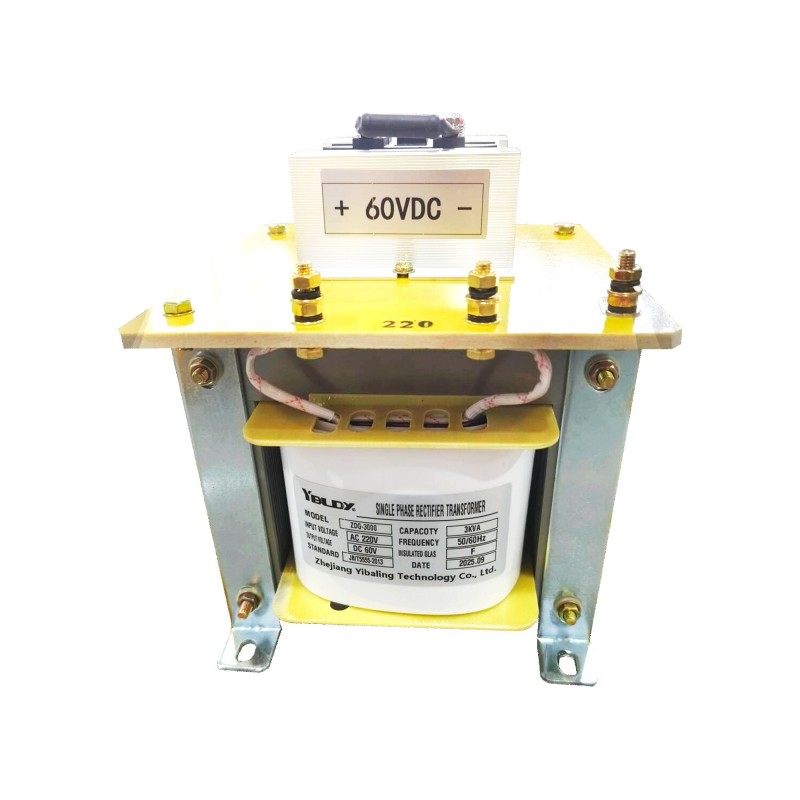
The most common dry-type transformers use a core built from stacked strips of cold-rolled silicon steel. The stacking minimizes magnetic losses and keeps the transformer efficient. The windings are wound from copper or aluminum and then completely encapsulated in epoxy resin.
That resin does two things. First, it's an excellent insulator, keeping the turns of the coil from shorting against each other. Second, it provides mechanical strength. The coil holds its shape even under the stress of short-circuit currents or vibration. Between the high-voltage and low-voltage windings, there's also an insulating cylinder—a secondary wall that prevents any creeping discharge caused by dust, moisture, or even small insects finding their way in.
How It Cools Itself, and How It Knows When It's Getting Too Hot
Dry-type transformers are air-cooled. In natural cooling mode (often called AN), the transformer runs at full rated load continuously. When you switch on forced-air cooling (AF)—which means fans blowing across the unit—the output capacity can increase by about 50 percent. That's useful for short-term overloads when a piece of equipment needs an extra kick.
But forced-air isn't recommended as a permanent solution. Running the transformer at higher output increases internal losses, and it stops being the most economical way to operate.
Most dry-type transformers today come with temperature monitoring built in. Sensors—usually platinum resistance thermometers—are embedded in the low-voltage windings. When the temperature crosses a set threshold, the system kicks on the cooling fans automatically. When it drops back down, the fans turn off. If the winding temperature keeps climbing to a dangerous level, the system trips the breaker and shuts the whole thing down before any damage is done.
Where You'll Find These Things
Dry-type transformers don't use oil. They don't smoke. They don't take up much space. That makes them ideal for places where people congregate, or where fire codes are strict: high-rise buildings, subway stations, hospitals, airports, data centers, and manufacturing plants. They can also be installed right at the center of the electrical load, instead of being tucked away in a separate transformer yard like oil-filled units.
Noise is minimal. A well-built dry-type transformer can keep its noise level below 30 decibels—quieter than a normal conversation. That matters in hospitals, office buildings, and anywhere else where quiet counts.
The Plain-English Take
Here's a dry-type transformer in one sentence: two coils of wire wrapped around the same iron core, the primary creates a magnetic field, the secondary picks it up and turns it back into current, and the voltage is determined by the turns ratio. No oil. No fire hazard. Low maintenance. Quiet. It's indoor power distribution that just works.
As for how it drops thousands of volts down to the 220V or 380V that actually runs your equipment—you don't need to see the coils moving or the field shifting. You just need to know that in that gray cabinet, something is quietly translating the grid's language into a language your devices can understand. It does it all day, every day, without complaint.
Related News
- What ZSG Three-Phase Dry-Type Rectifier Transformer work?
- Which one is good S13 Oil-Immersed Distribution Transformer?
- How to choose JBK5 Machine Tool Control Transformer?
- How BK Machine Tool Transformer 220V works?
- Which one is good SBK Three-Phase Dry-Type Transformer?
- How to choose SBW Intelligent Servo Voltage Stabilizer?
Leave me a message