
Transformer FAQ
Q: How does a transformer actually change voltage?
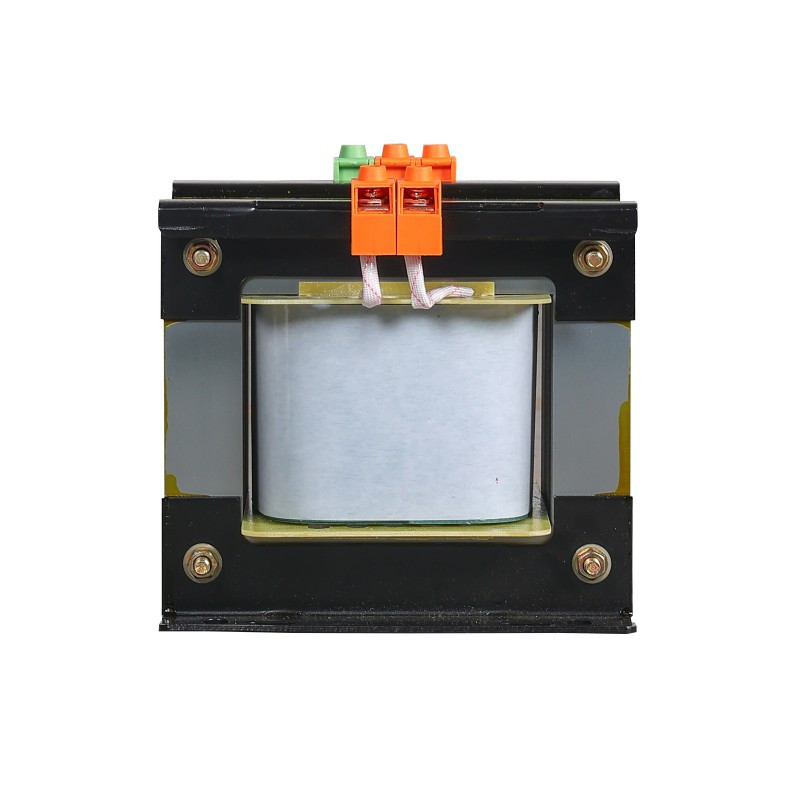
A: Two coils and an iron core. Electricity goes into the primary coil, creates a magnetic field, the field travels through the core to the secondary coil, and induces electricity there. How much the voltage changes depends on the turns ratio between the two coils. More turns on the primary, fewer on the secondary—voltage steps down. The other way around, it steps up.
The electricity itself never flows from one coil to the other. The magnetic field does all the talking. Think of it as two wires having a conversation through a wall. The message gets through. The wires never touch.
Q: What's the difference between dry-type and oil-filled transformers, and which one should I pick?
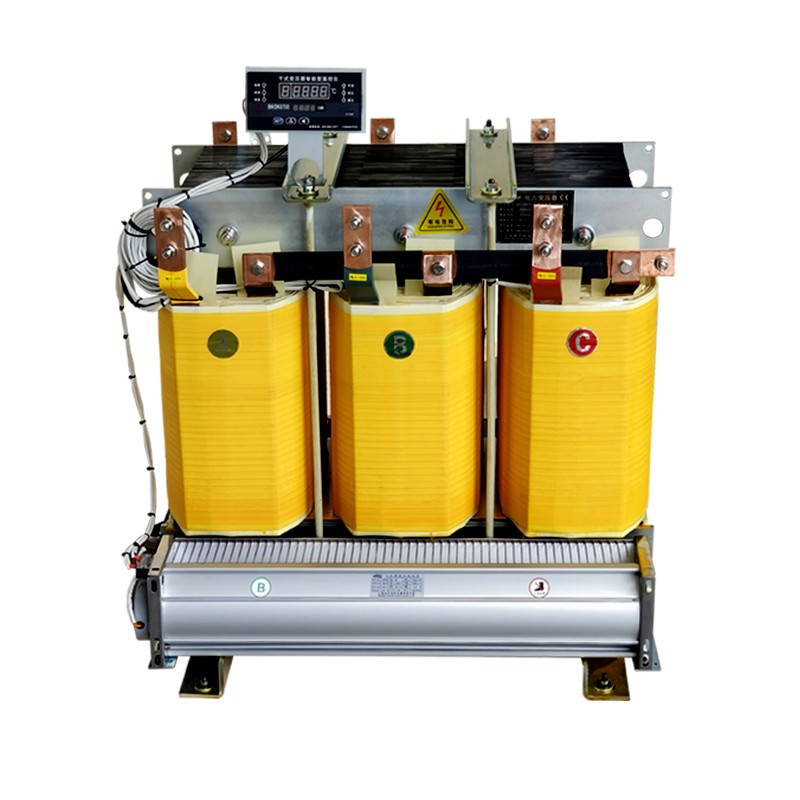
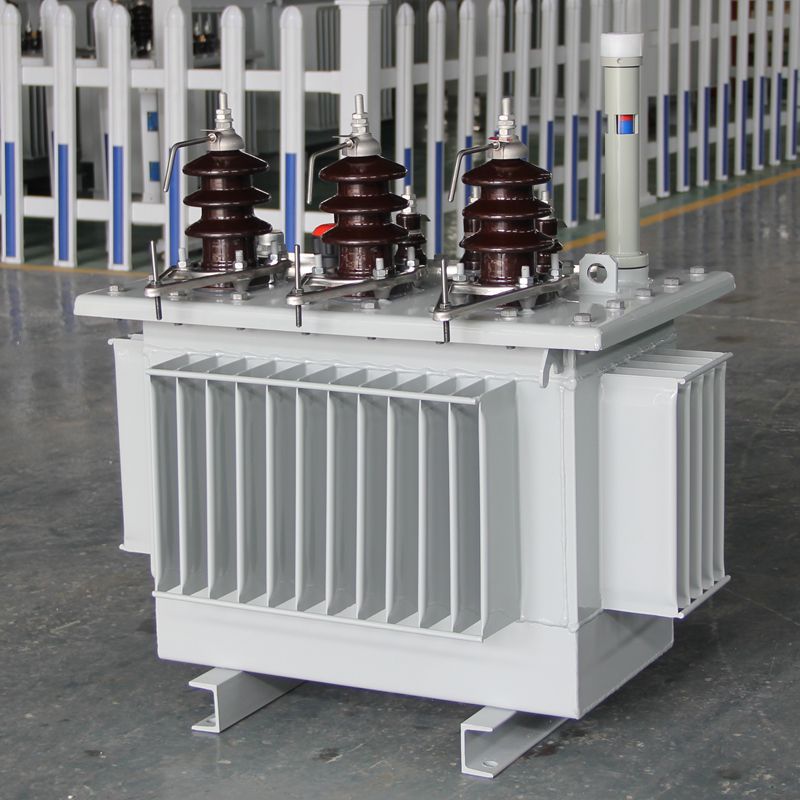
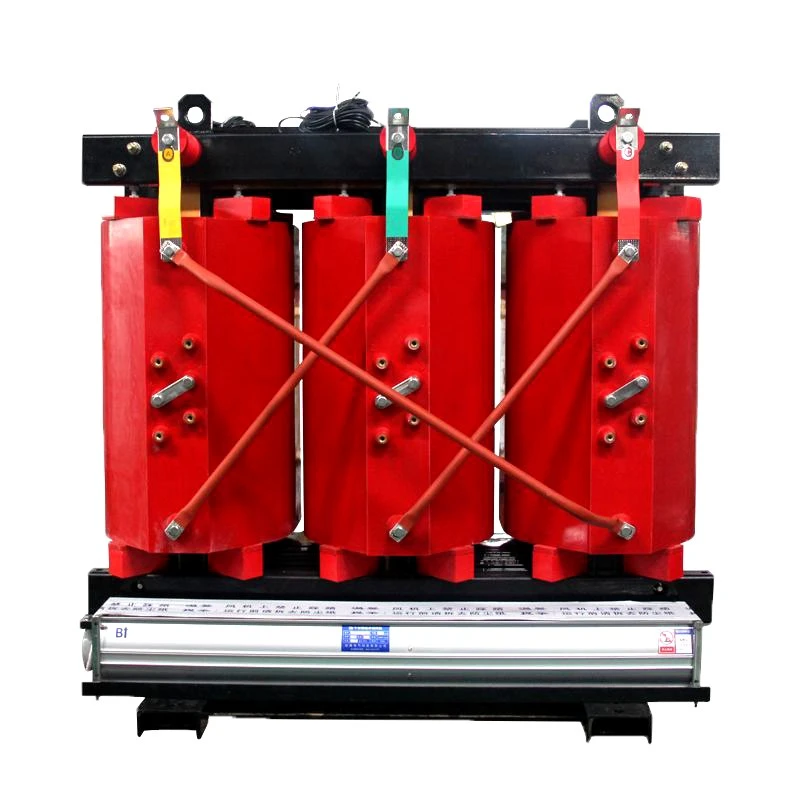
A: The big difference is what's doing the insulating and cooling. Oil-filled units immerse the core and windings in transformer oil. The oil handles both insulation and heat dissipation. Dry-type units don't use oil—they rely on air cooling, and the windings are usually cast in epoxy resin.
Which one you pick depends on where it's going. Oil-filled is cheaper and handles overload better, but it's a fire risk and a leak is a mess. Usually installed outdoors or in a dedicated transformer room. Dry-type costs more, but it doesn't burn, doesn't smoke, and runs quieter. It's the right choice for indoor installations—office buildings, hospitals, subway stations, shopping malls. Fire codes won't let you put a tank of oil in those places anyway.
Short version: outdoor, high capacity, tight budget—look at oil-filled. Indoor, people around, strict fire requirements—look at dry-type.
Q: My transformer hums when it's running. Is that normal?
A: Yes. That hum is called "mains hum" or "power frequency noise." It comes from magnetostriction—the silicon steel laminations in the core expand and contract slightly as the magnetic field alternates direction. At 50 Hz, that's 50 times a second. What you hear is the result.
How loud it is depends on core material, lamination quality, and how the unit is mounted. A good transformer keeps noise below 30 decibels—quieter than a normal conversation. If the hum suddenly gets louder, or you start hearing an irregular crackling or buzzing, that's different. Could be a loose core, loose mounting bolts, or an insulation problem. Get someone to look at it.
Q: Does a transformer need regular maintenance? Is it different for dry-type and oil-filled?
A: Yes, it needs maintenance. And yes, it's different.
Oil-filled units need regular checks on oil level, oil temperature, and oil color. You also need dissolved gas analysis to catch internal overheating or arcing before it turns into a failure. Low oil gets topped up. Contaminated oil gets filtered or replaced.
Dry-type is much less work. No oil means no oil-related maintenance. What you're checking is: dust buildup on the windings (dust insulates, which means heat can't escape, and it can also cause creepage), loose terminal connections, whether the temperature controller and cooling fans still work, and whether there's adequate ventilation around the unit. Once a year is usually enough. Every six months if the environment is dirty.
Either way, if you notice unusual noise, a burning smell, or temperatures running higher than they used to—don't wait. Shut it down and get it checked.
Q: Can a transformer run overloaded? How much over can it go?
A: It can, within limits. Oil-filled transformers typically allow short-term overload of 20% to 30%, depending on ambient temperature and the starting load. Dry-type transformers with forced-air cooling can put out about 50% more than their rating—but that's for short-term peaks, not continuous operation.
The cost of long-term overload is accelerated insulation aging. Transformer life is basically insulation life. Every 6 to 8 degrees of extra temperature cuts insulation life in half. So don't assume "it hasn't failed yet" means "it's fine." The bill comes due eventually.
Q: Why do energy storage systems need an isolation transformer? Can't you just connect directly?
A: You can connect directly. It'll run. But you'll run into a few problems.
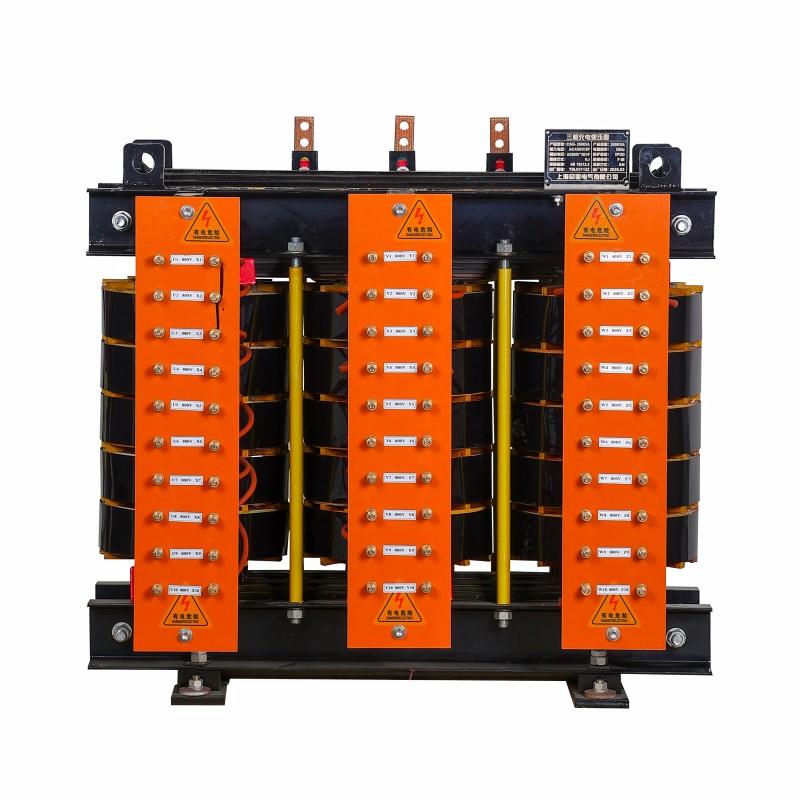
First, voltage matching. A lot of energy storage PCS units built in China are designed for 690V. The US grid runs at 480V. That's a 210-volt gap. Without a transformer in between, the numbers don't line up.
Second, electrical isolation. An isolation transformer separates the PCS from the grid electrically. High-frequency switching noise from the PCS side doesn't bleed back into the grid. Faults on the grid side don't slam straight into the PCS.
Third, code requirements. The US National Electrical Code has specific isolation requirements for energy storage systems. Without an isolation transformer, the local AHJ won't sign off. No sign-off, no operation. The equipment becomes a very expensive paperweight.
Q: What's the difference between a contact voltage regulator (like TDGC2, TSGC2) and a regular transformer?
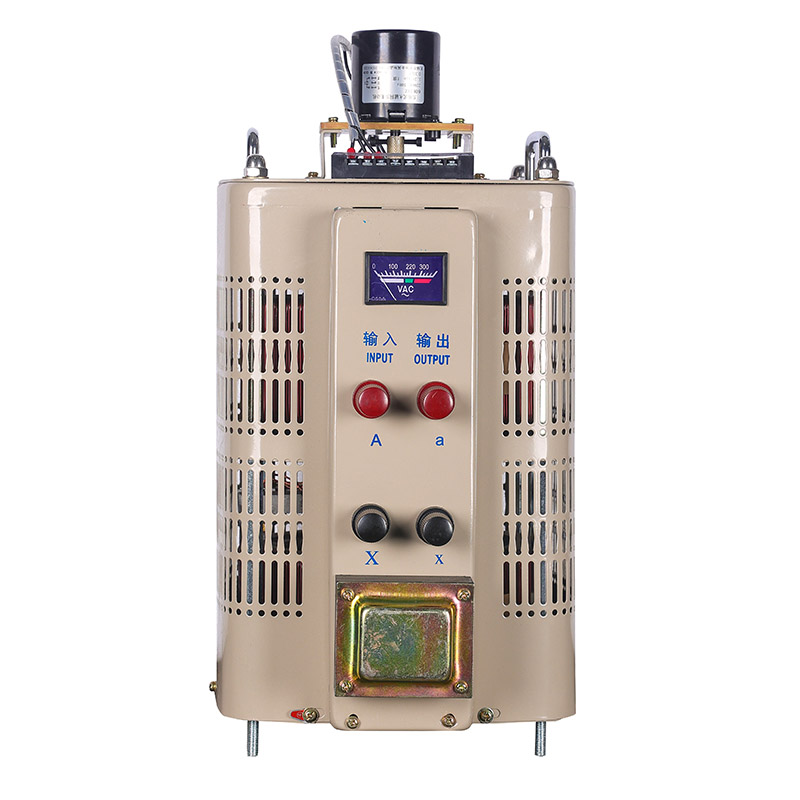
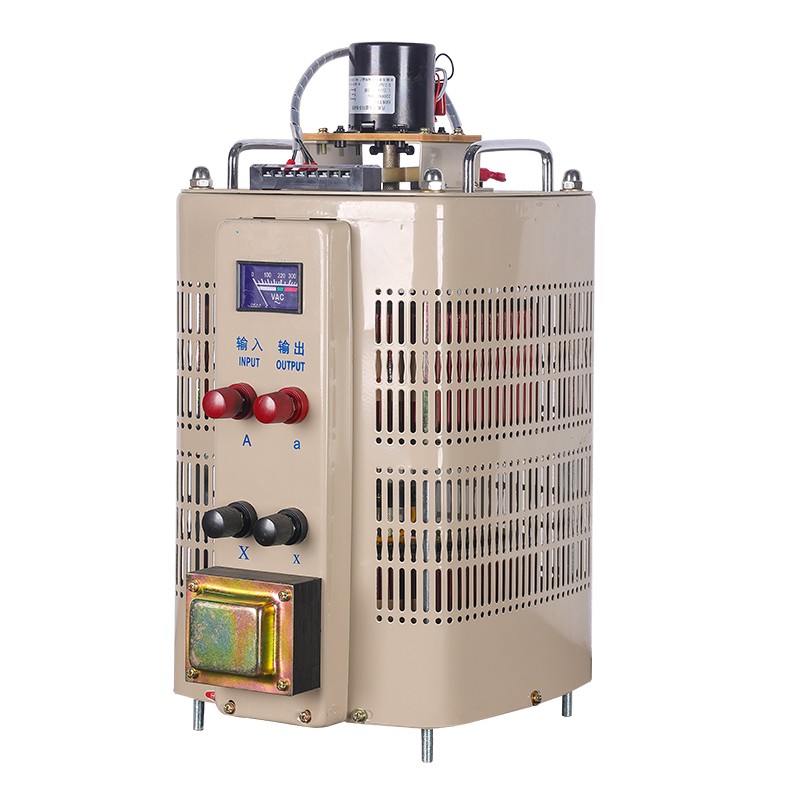
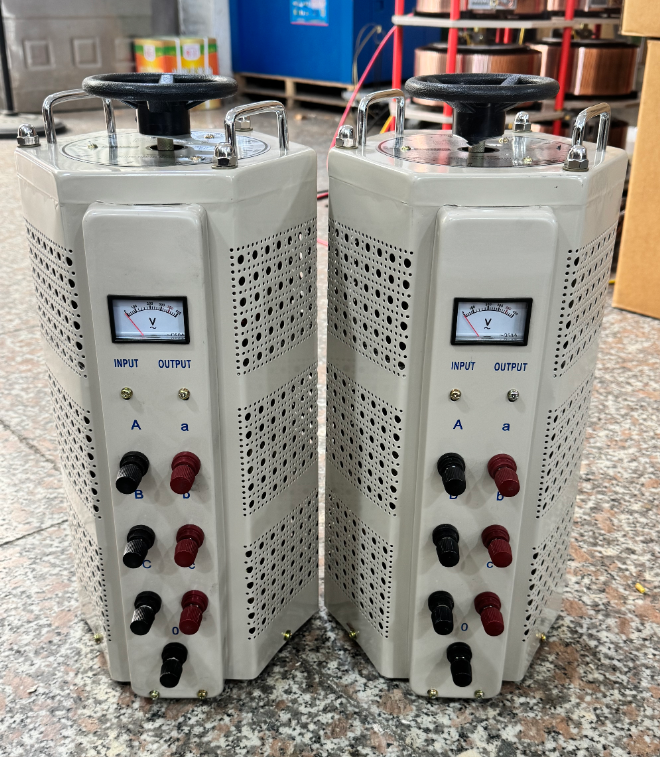
A: A regular transformer has a fixed turns ratio. Input is what it is, output is what it is. A contact voltage regulator is continuously adjustable. You turn a handwheel, a carbon brush slides along the coil surface, and the output goes from zero all the way up to maximum. No steps, no preset taps.
It's essentially an auto-transformer—primary and secondary share part of the same winding. That makes it smaller and more efficient than an isolation transformer of the same capacity. The trade-offs: the carbon brush wears out and needs replacement, and you can't use it where electrical isolation is required, because input and output are electrically connected.
Typical uses are lab voltage adjustment, burn-in testing, and industrial heating control—anywhere you need to dial voltage up and down continuously.
Q: When buying a transformer, besides capacity and voltage, what else should I pay attention to?
A: A few things that get overlooked, and they matter.
Insulation class. F class (155°C) and H class (180°C) are the common ones. Hot environment, poor ventilation—go with H class and leave yourself some headroom.
Ingress protection. IP20 is for clean indoor areas. IP23 handles rain. IP54 is dust-tight and splash-resistant. If it's going outdoors or into a wet workshop, don't cheap out on this.
Certifications. UL for the US, CE for Europe, CQC for domestic projects. Different markets, different requirements. And certification isn't just a sticker—UL Listed for a complete assembly is not the same as UL Recognized for a component. Know which one your project actually needs.
Noise. If it's going near residential areas or in a hospital, ask about noise levels upfront. You don't want to find out after installation.
After-sales support.You can't fix a transformer yourself. Being able to reach someone and get parts in a reasonable time matters more than a lot of people realize.
Q: How long does a transformer last? When should it be replaced?
A: Design life is usually 20 to 25 years. Actual life depends on operating conditions.
Run it below 80% load, keep ambient temperature reasonable, do the maintenance—30 years isn't unusual. Run it at full load or overloaded, in a hot environment, with dust buildup you never clean—you might start seeing problems in ten or twelve years.
Signs it's time to replace: insulation resistance keeps dropping, operating temperature runs noticeably higher than before at the same load and ambient, dissolved gas analysis shows abnormalities (oil-filled), or you see creepage tracks or discoloration on the windings (dry-type). When those show up, get a professional assessment. Don't guess.
Q: Can you customize transformers? What's the typical lead time?
A: Yes. Voltage, capacity, insulation class, ingress protection, connection configuration, enclosure color—all can be built to project requirements. Non-standard needs like energy storage isolation transformers, K-factor transformers, and multi-winding outputs are also something we handle.
Lead time depends. Standard models in stock ship in one to two weeks. Custom units take four to eight weeks from drawing approval to shipment. Larger capacities or complex certification requirements run longer. Export projects need to factor in certification testing and ocean freight on top of that. Plan ahead.
Related News
Leave me a message