
What is Photovoltaic Energy Storage Transformer?
Solar has grown fast. You see it everywhere — rooftops, factory sheds, even rural houses. But there's one problem that's never been fully solved:
The sun doesn't shine all the time. Cloudy days, nighttime, rain — no generation. But people don't stop using electricity just because the sun went down.
That's why storage came in. And between storage and the grid, there's one thing you can't skip — the photovoltaic energy storage transformer.
What Does Photovoltaic Energy Storage Transformer Actually Do?
Two things, really.
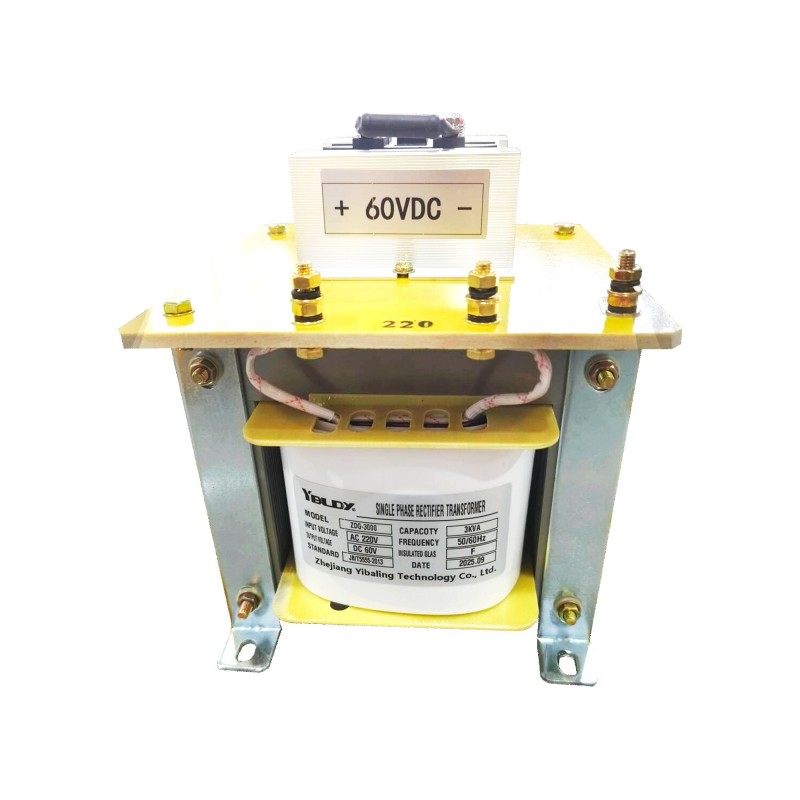
First, get the voltage right. The voltage from solar panels and batteries doesn't match the grid. The transformer steps it up to whatever the grid needs.
Second, let power flow both ways. Not just sending power out, but also pulling power from the grid to charge the batteries. Charge when electricity is cheap during the day, discharge when it's expensive at night — that's peak valley arbitrage.
That's it. Just two things. But doing them is a lot more complicated than a regular transformer.
How Is Photovoltaic Energy Storage Transformer Different from an Ordinary Transformer?
A regular transformer just steps voltage up or down. Power flows one way — from input to output.
A solar storage transformer has to work both ways. Power flows from the solar panels to the grid, and also from the grid back to the batteries. This bidirectional operation puts higher demands on the core, the windings, and the insulation.
There's another difference: losses matter more. Every conversion wastes a little energy. If the transformer isn't efficient enough, the whole system's economics suffer. That's why these transformers are typically required to be 98.5% efficient or higher — a notch above regular distribution transformers.
What Are the Main Options Right Now?
There are two technology paths.
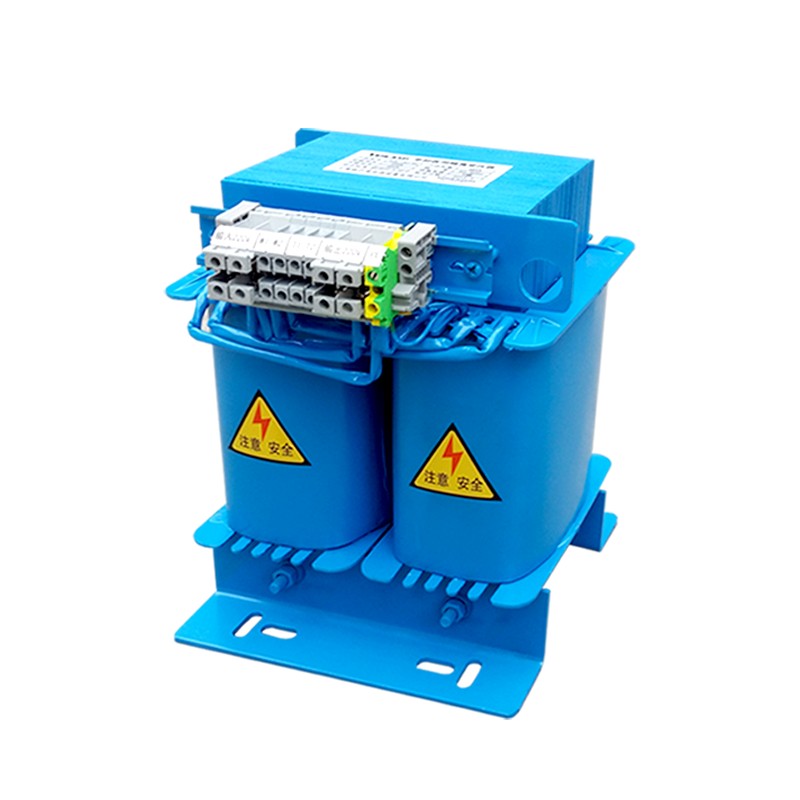
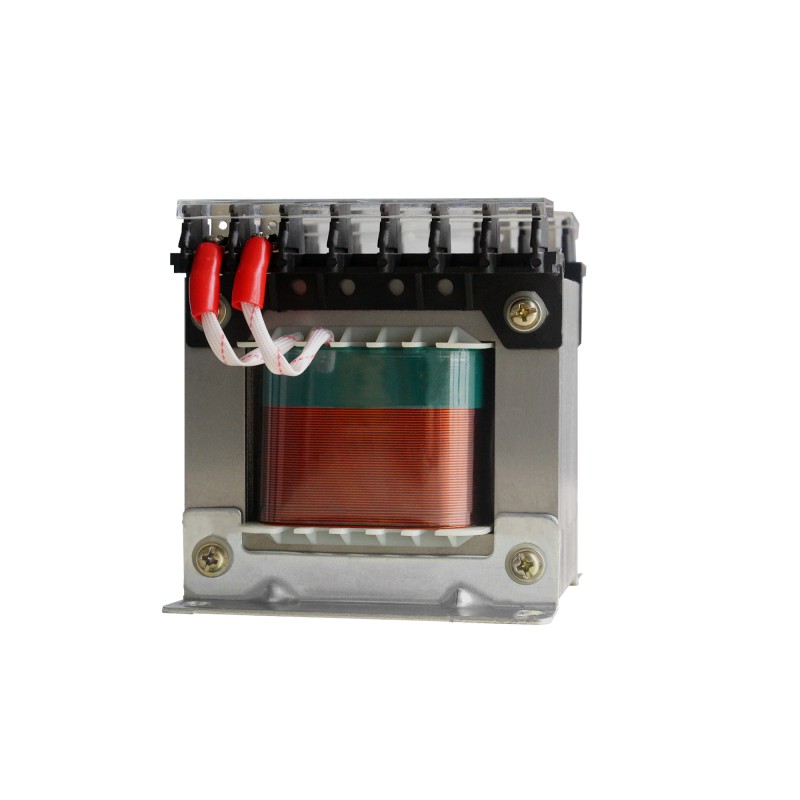
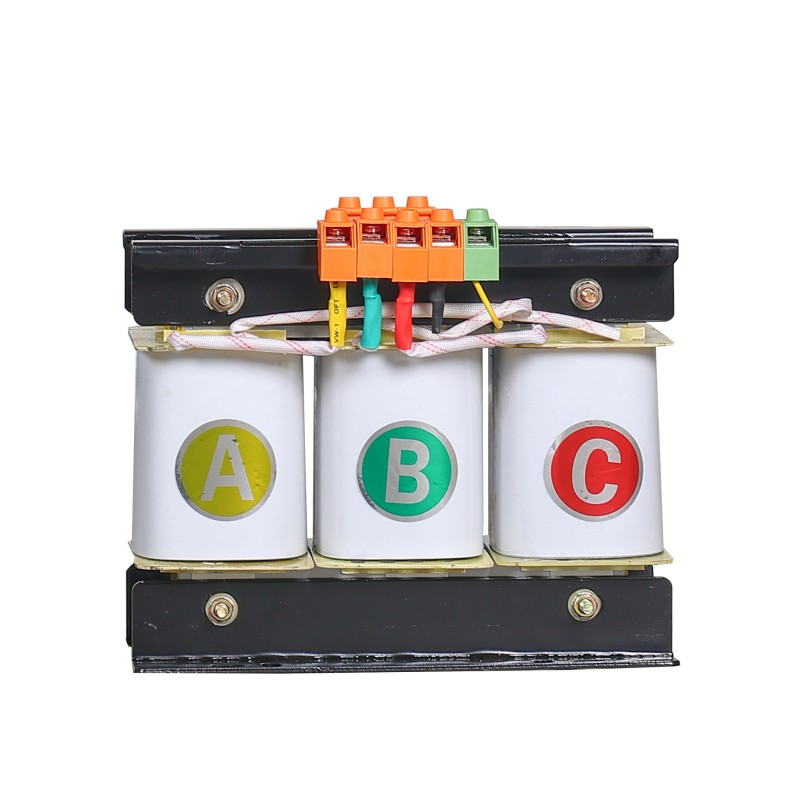
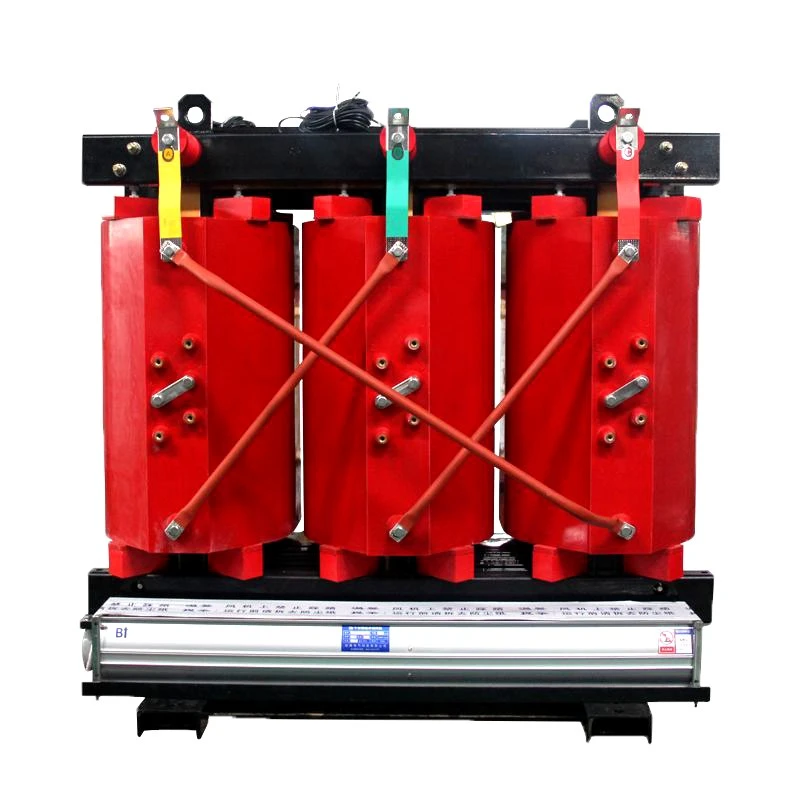
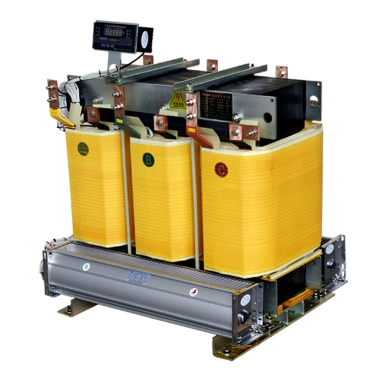
One is the traditional line frequency transformer. Iron core, copper windings, 50Hz work. Mature, reliable, cost effective. Large solar farms and grid scale storage projects mostly go this route. Big capacity, handles surges well, lasts decades.
The other is the solid state transformer (SST). It replaces the iron core and copper windings with power semiconductors, runs at much higher frequencies (thousands of hertz), and ends up smaller, lighter, and faster reacting. It can handle both AC and DC, and can also do filtering, voltage regulation, and isolation — all in one box.
These two aren't replacing each other. Traditional transformers still dominate large grid scale projects. Solid state transformers are finding their way into data centres, DC microgrids, and EV charging stations — places where size, weight, and flexibility matter more.
In July 2026, Sungrow released its first in house solid state transformer product, the EnerNeo, and signed over 130MW of supply agreements on launch day. This technology is moving from labs to the real world faster than many expected.
Where Are Photovoltaic Energy Storage Transformer Being Used?
Large solar farms — the most traditional application. Power from the panels goes through an inverter to become AC, then through a step up transformer to the grid. In 2025, the global PV step up transformer market hit $1.62 billion, with over 61,000 units sold.
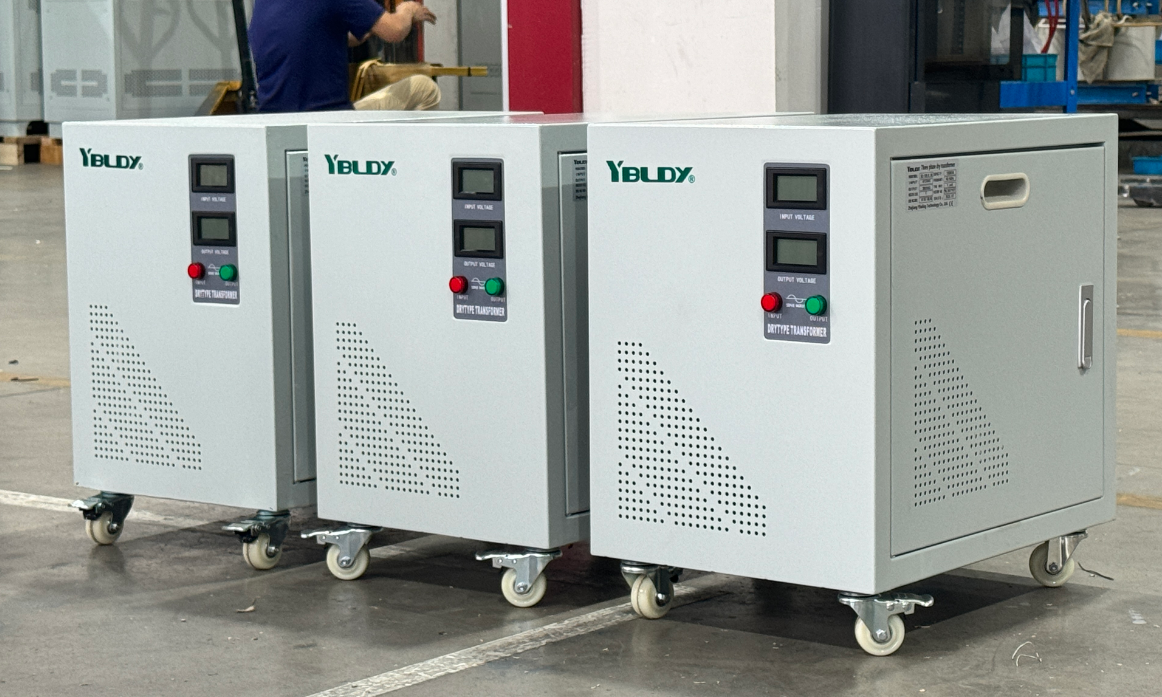
Commercial and industrial storage — factories, shopping malls, office buildings with solar and storage. Generate your own, use your own, sell the excess. The transformer handles the dispatch.
Data centres — this one's been getting hot lately. AI compute is pushing electricity demand through the roof. Data centres need extremely reliable power. Traditional transformer + UPS is standard. Solid state transformers can output DC directly — one less conversion, higher efficiency, smaller footprint.
Charging stations — solar canopies + storage + chargers. The transformer sends power from solar and batteries to the chargers, and also pulls power from the grid to top up the batteries.
Remote microgrids — islands, mining sites, areas with no grid connection. Solar + storage + transformer = a self contained grid.
Where Is the Market Going?
A few trends stand out.
Policy is pushing it. In March 2026, multiple Chinese ministries jointly issued a plan calling for newly installed efficient transformers to account for over 75% of additions by 2028. New energy transformers are a key focus.
Storage is growing fast. Global energy storage shipments hit 126.4GWh in Q1 2026, up 78.8% year on year. The full year is expected to exceed 600GWh. Every storage project needs a transformer.
Solar penetration is getting too high. In some areas, solar capacity has exceeded distribution transformer capacity by 100% or more. Daytime reverse power flow is causing overloading and voltage violations. Storage + transformer is currently the solution.
Solid state transformers are accelerating. Sungrow isn't the only one — power electronics giants globally are investing in this direction. Data centres are the first market to open up, and more will follow.
How to Pick the Right One
Three things to look at:
Capacity and voltage — how big is your solar array and storage system? What voltage does the grid connection need? That sets the basic parameters.
Indoor or outdoor — outdoor installation requires IP54 or higher protection.
Integrated or standalone — some projects bundle the transformer, switchgear, and monitoring into one enclosure. Arrive on site, connect the cables, turn it on — much faster to deploy.
Final Thoughts
The solar storage transformer isn't new. But it's becoming more important by the day.
Solar and storage costs keep coming down. More people are installing them. Solar + storage + charging is becoming the standard setup. And every one of these systems needs a transformer to connect to the grid.
Traditional transformers are still the workhorses. But solid state transformers are on the rise.
The core logic hasn't changed: solar is intermittent. Storage smooths it out. The transformer is the link that connects it all to the grid.
Related News
Leave me a message