
News
We are glad to share with you about the results of our work, company news, and give you timely developments and personnel appointment and removal conditions.
 13 2026-08
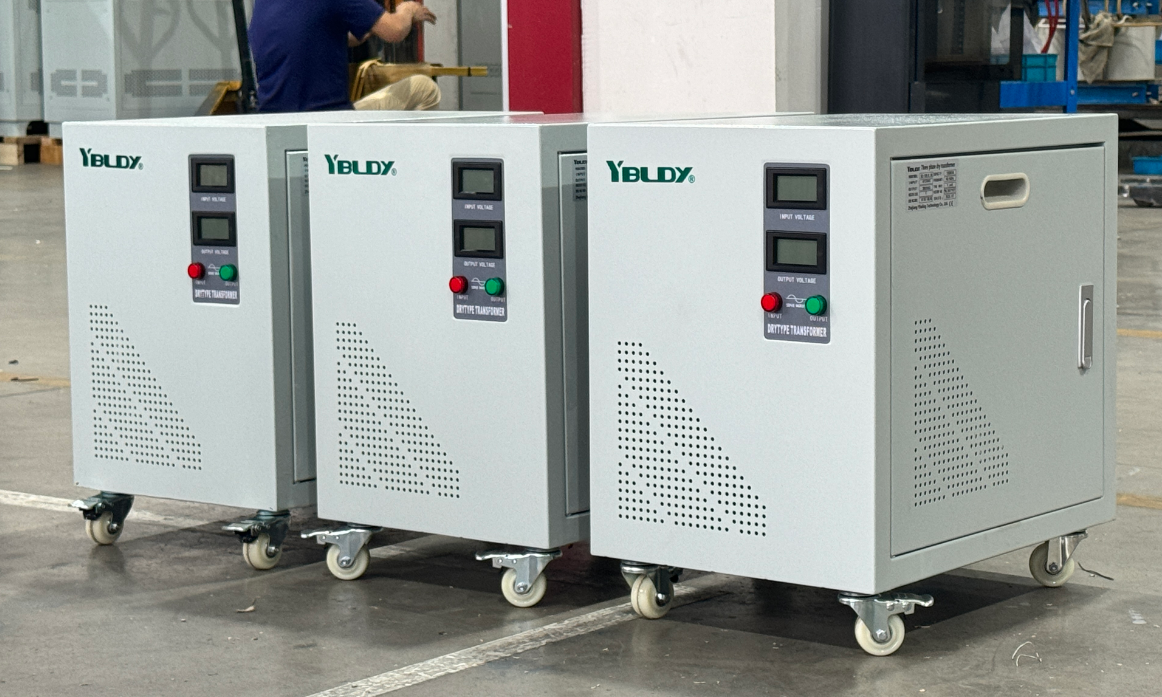
 How to pick SG Step up and down transformer?
A bad choice burns money before the machine even starts
Last summer, Zhou, the equipment manager at a precision machinery plant in Zhejiang, ran into a headache. His factory had just taken delivery of a Japanese five-axis machining center rated at 200V, but the workshop supply was 380V. He told procurement to order a cheap step-down transformer – around 3,200 yuan, nothing fancy.
The machine was installed, powered up – and immediately started throwing alarms. The servo drives kept reporting "voltage anomaly". The Japanese vendor's service engineer flew in, took one look, and delivered a verdict that stung: "Your transformer's no-load loss is too high, and the output voltage swings over ±8%. Our equipment requires ±3%."
 07 2026-08
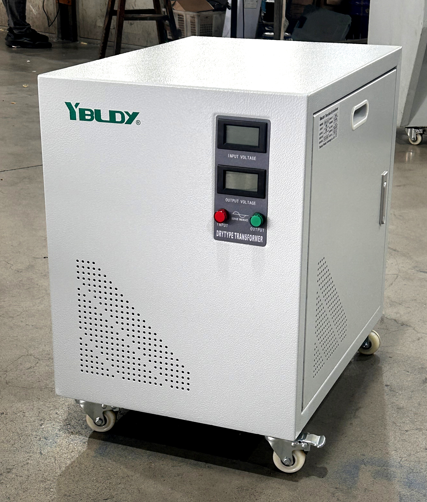
 How SG Step up and down Transformer works?
Walk into almost any factory substation, and you’ll see one or more square, grey metal boxes labelled “SG”. They don’t spin like motors, they don’t blink like PLCs – they just sit there, quietly taking the incoming voltage and turning it into exactly what your machines need. That CNC lathe over there? That imported laser cutter? They run smoothly because this unassuming box has their back.
The SG series is a three
phase dry
type transformer. But unlike the SBK auto
transformer we talked about earlier – which saves material by sharing one winding – the SG takes a different approach: isolation, reliability, and the ability to go either up or down in voltage.
 31 2026-07
 How SBK Auto transformer Works?
– Unlocking the Secret Behind That Handy Voltage Box
Walk into almost any factory floor, and you’ll spot a square metal box with “SBK” printed on its label. It sits quietly in a corner, but it solves a headache that keeps popping up: you’ve got a shiny new machine imported from abroad, yet its voltage rating doesn’t match your local grid. Plug this box in between, and the machine hums to life. That’s the SBK auto
transformer at work.
So what’s actually going on inside? Let’s skip the heavy textbook jargon and break it down in plain language.
One coil, two jobs
 28 2026-07
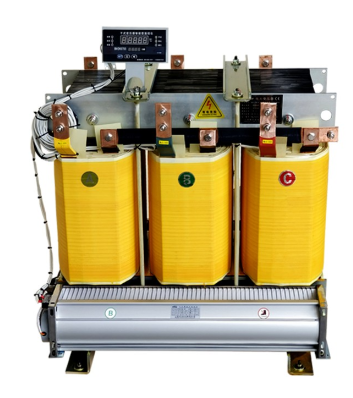
 What is Photovoltaic Energy Storage Transformer?
Solar has grown fast. You see it everywhere — rooftops, factory sheds, even rural houses. But there's one problem that's never been fully solved:
The sun doesn't shine all the time. Cloudy days, nighttime, rain — no generation. But people don't stop using electricity just because the sun went down.
That's why storage came in. And between storage and the grid, there's one thing you can't skip — the photovoltaic energy storage transformer.
 27 2026-07
 What is JBK3 Machine Tool Control Transformer?
Control Circuit Power Supply: Not Something to Cut Corners On
A CNC machine's ability to do its job depends on the spindle, the tooling, and the servos. But whether it runs reliably without errors often depends on the small, unassuming components—the PLCs, relays, contactors, and indicator lights.
The power supply for these control circuits is not something you can afford to compromise on.
The JBK3 series machine tool control transformer is purpose
built to supply power to the control systems of machine tools and automation equipment. It doesn't drive the main spindle motor or power the cutting tools. Its job is to feed the machine's "brain"—keeping PLCs from glitching, contactors from chattering, and sensor data from drifting.