
UK Client Wanted a TNS That Could Take the Rain?
Two Problems Landed at Once
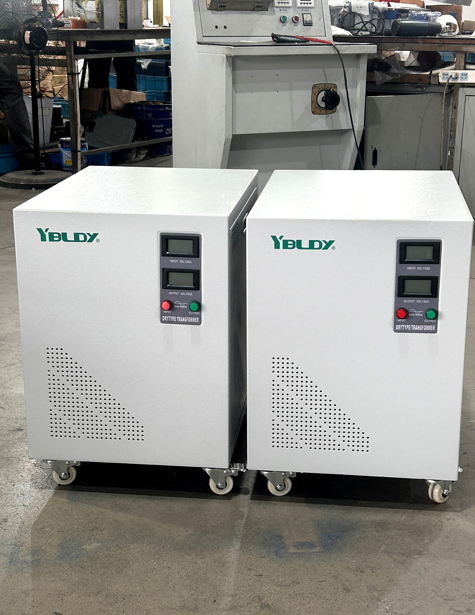
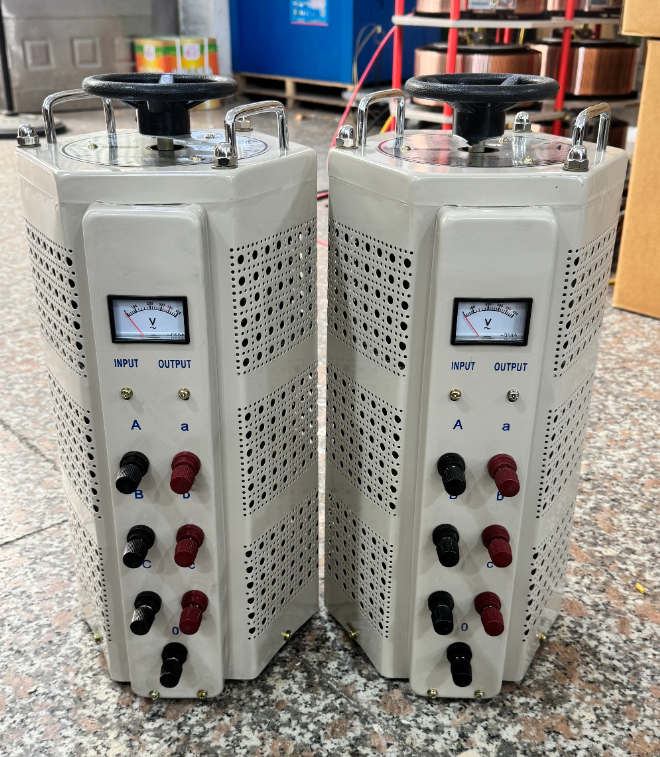
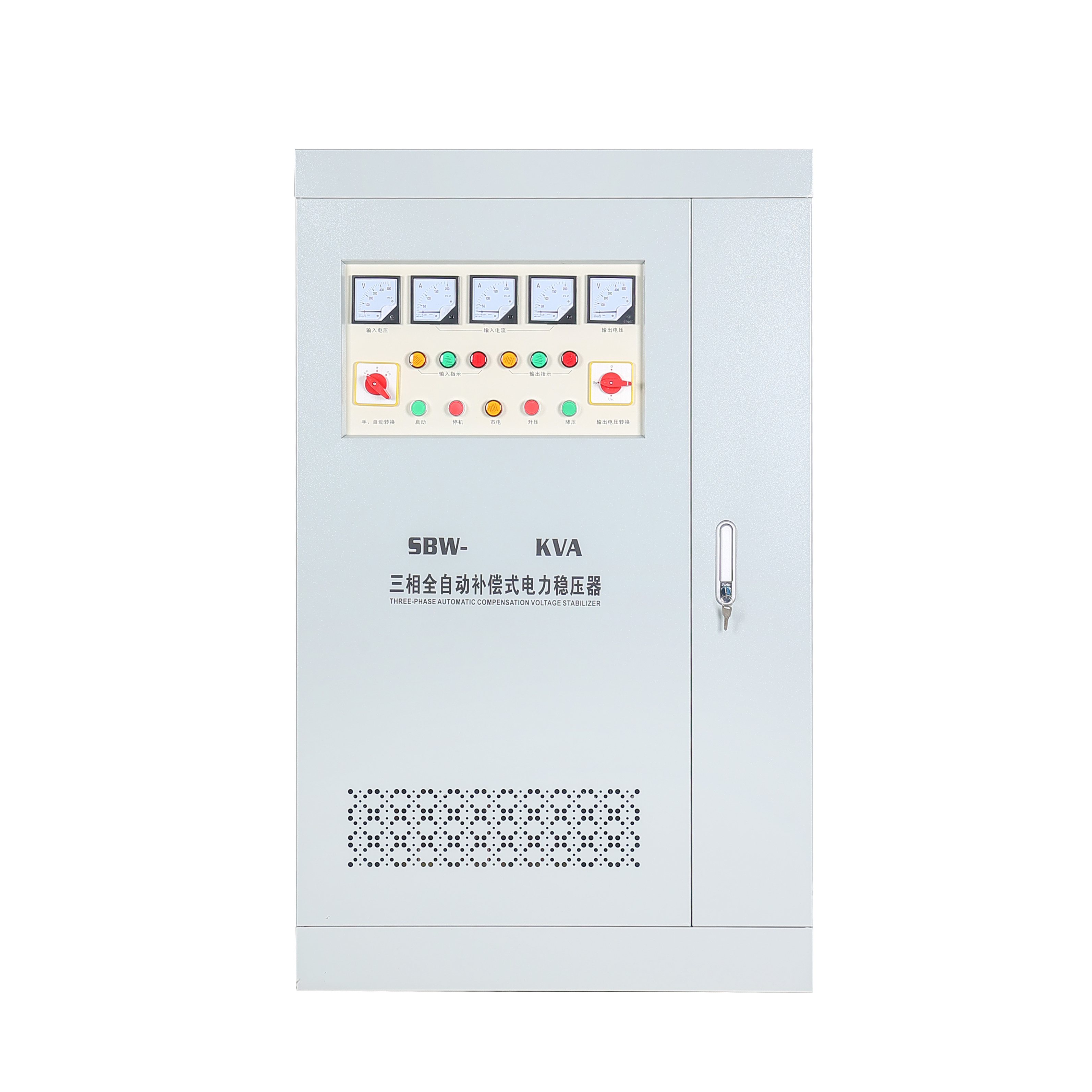
Last month an inquiry came in from a UK client with very specific requirements: a TNS three-phase fully automatic voltage stabilizer, outdoor installation, weatherproof enclosure, protection rating able to withstand the UK's year-round wet weather. When the conversation turned to voltage parameters, the client sent over on-site measured data — three-phase line voltage had dropped to 270V at its lowest.
Those two requirements together put this well beyond what a standard product could handle. The standard TNS carries an IP20 rating — fine inside an indoor electrical cabinet, but put it outdoors in the rain and the terminals and internal components would soon be in trouble. And 270V three-phase input means the stabilizer's regulation range has to extend down to roughly 70% of nominal. Standard TNS input range is typically around ±20%, and 270V falls outside that window.
YBLDY Engineers Were Redrawing the Plans the Same Day
After receiving the client's full parameters, the engineers didn't start with a quote — they pulled up the design drawings and started revising. The approach was clear: work the enclosure and the regulation range on two tracks simultaneously.
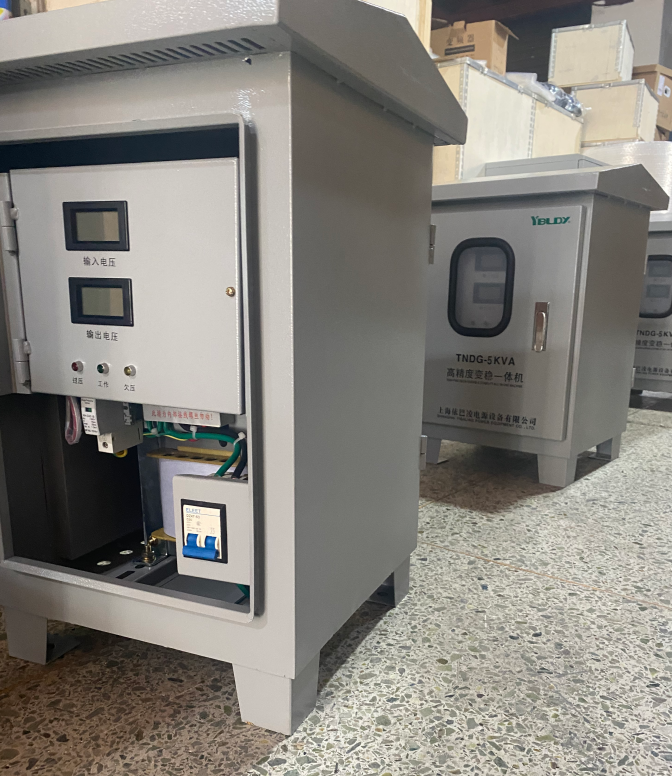
On the enclosure, the standard TNS cabinet is an indoor type — sheet thickness and sealing structure don't meet outdoor standards. The engineers changed the cabinet to a double-layer structure: an outer galvanized steel rain hood, an inner mounting plate retained from the original design, with a ventilation gap between the two layers. Foam sealing strips were added to door seams, cable entries were changed to waterproof glands, and an anti-condensation heater was installed at the bottom to prevent internal condensation in the UK's high-humidity environment. The complete unit now carries IP54 — rain and splashing don't affect operation.
The regulation range was trickier. 270V three-phase input corresponds to roughly 156V per phase. Holding output at 380V at that voltage means recalculating both the compensation transformer's tap positions and the regulator's carbon brush travel. The engineers rearranged the compensation transformer taps, extended the regulator's effective travel, and lowered the control board's undervoltage protection threshold so the stabilizer keeps working at 270V instead of tripping straight into protection. After the changes, the input range extends from 270V to 450V three-phase, covering all conditions at the client's site.
Samples Are Already on the Way
From receiving parameters to finalizing drawings took three days. After the client confirmed the drawings, the prototype went into production. It's now complete and undergoing factory testing. Beyond the standard regulation accuracy, efficiency, and temperature rise tests, two additional tests were added — rain simulation and low-temperature startup — matching the actual operating environment in the UK.
The client's feedback: they'd approached several suppliers before, and either the suppliers only did standard products and wouldn't modify, or they modified the enclosure but couldn't keep up on regulation range. Solving both requirements together is why they're willing to keep talking.
Customization Shouldn't Mean the Client Compromises
The standard TNS product line covers ±20% input range and IP20 protection — a configuration that handles most indoor scenarios. But outdoor installation and ultra-low-voltage grids are special conditions that standard products genuinely can't reach. This UK client's case illustrates one thing: customization isn't just swapping the enclosure on a standard unit. Electrical parameters and structural design have to move together for the equipment to actually run at the site.
For clients with similar needs — outdoor installation, high-humidity environments, low grid voltage — it's best to state the on-site measured voltage data and installation environment clearly at the inquiry stage. The more specific the parameters, the clearer the engineering direction, and the fewer back-and-forth confirmations are needed.
Related News
- Bringing Light Across the Mountains: Zhejiang Yibaling Receives Charity Certificate
- Zhejiang Yibaling Passes Alibaba's Toughest Factory Audit (2024-2025)
- Photovoltaic Energy Storage Transformer: What It Actually Took to Get It Right
- Fragrant Rice Leaves, Lasting Team Bond — A Record of Yibaling’s Dragon Boat Festival Team Building Event
- What Is the Monthly "Recharge"?
- What Yibaling Can Do?
Leave me a message

News Recommendations