
Why SBK Isolation Transformer is important?
Auto-Transformer vs. Isolation Transformer: Often Confused
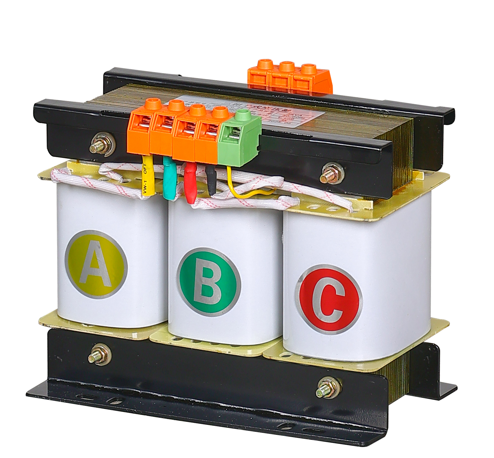
Bring up the SBK Isolation Transformer on an industrial floor and six out of ten people will lump it together with auto-transformers. They look similar, wire up similarly, but there's one key difference inside: whether the windings are separate. An auto-transformer shares part of the winding between primary and secondary — smaller, cheaper, but grid-side interference travels straight to the equipment side through that shared winding. The SBK isolation transformer has independent primary and secondary windings with no electrical connection between them. Energy transfers through magnetic coupling, and common-mode interference, harmonics, and spikes from the grid are blocked on the primary side. What the equipment side gets is a relatively clean power supply.
When does this difference become critical? CNC systems on precision machine tools, PLC control cabinets, power modules in medical equipment — these are sensitive to how electrically dirty the grid is. Common-mode interference sneaks in, and at best you get signal drift, at worst a burned-out module. An isolation transformer doesn't solve every power problem, but it does the isolation job.
The Specs at a Glance
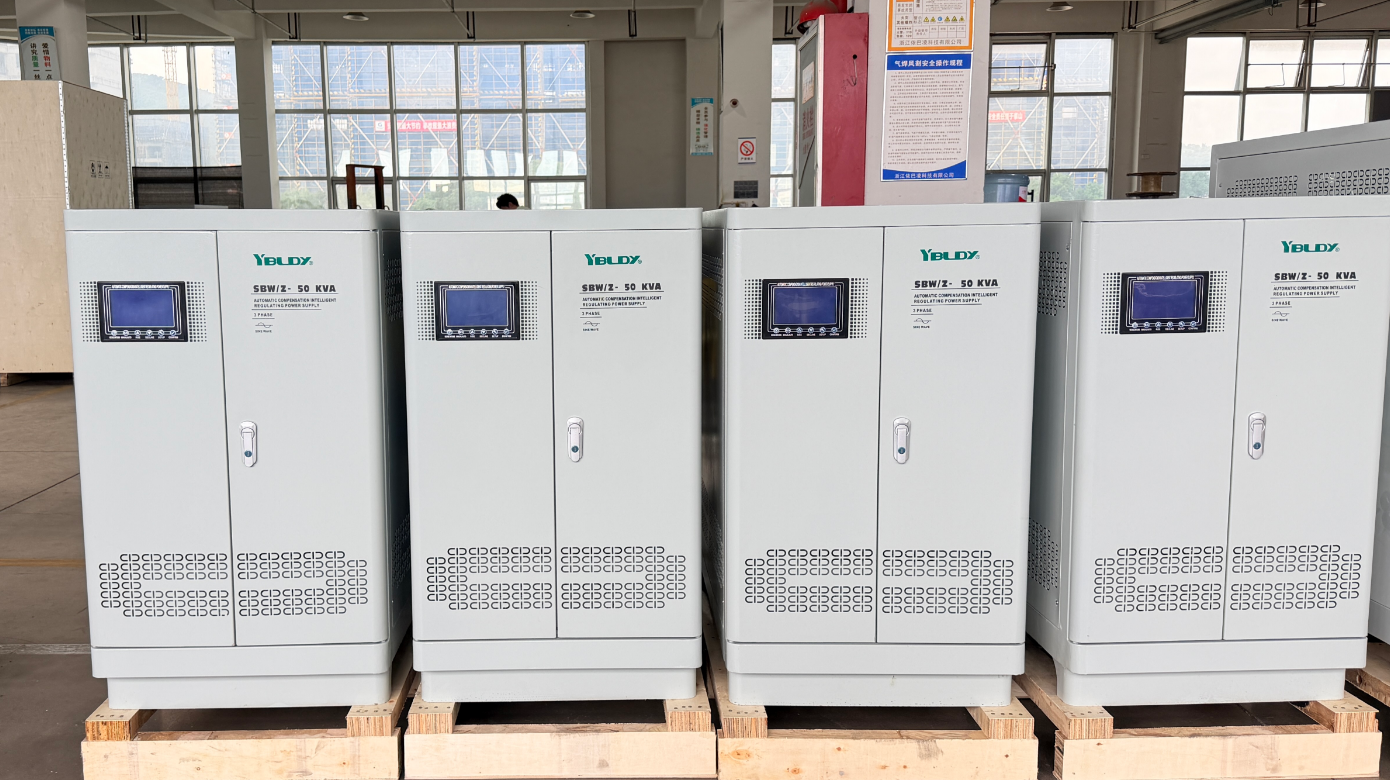
The SBK three-phase Isolation Transformer series starts at 1kVA, conventionally covering up to 1000kVA, with some manufacturers reaching 3000kVA. Input voltage is commonly 380V, with 220V, 400V, 415V, 440V, 660V, and even 1140V available. Outputs are customized to equipment requirements — 220V, 200V, 110V, 36V are all doable. It handles both 50Hz and 60Hz.
Efficiency is typically rated above 98%, with no additional waveform distortion. Insulation class is conventionally H, rated for 180°C, with F and HC classes also available. On overload capability, some products are rated to allow 1.2 times rated load for 4 hours, with no issue under continuous full-load operation. Noise is controlled around 35dB at one meter — it won't become a new noise source on the workshop floor.
Core and Structure: Nothing Fancy
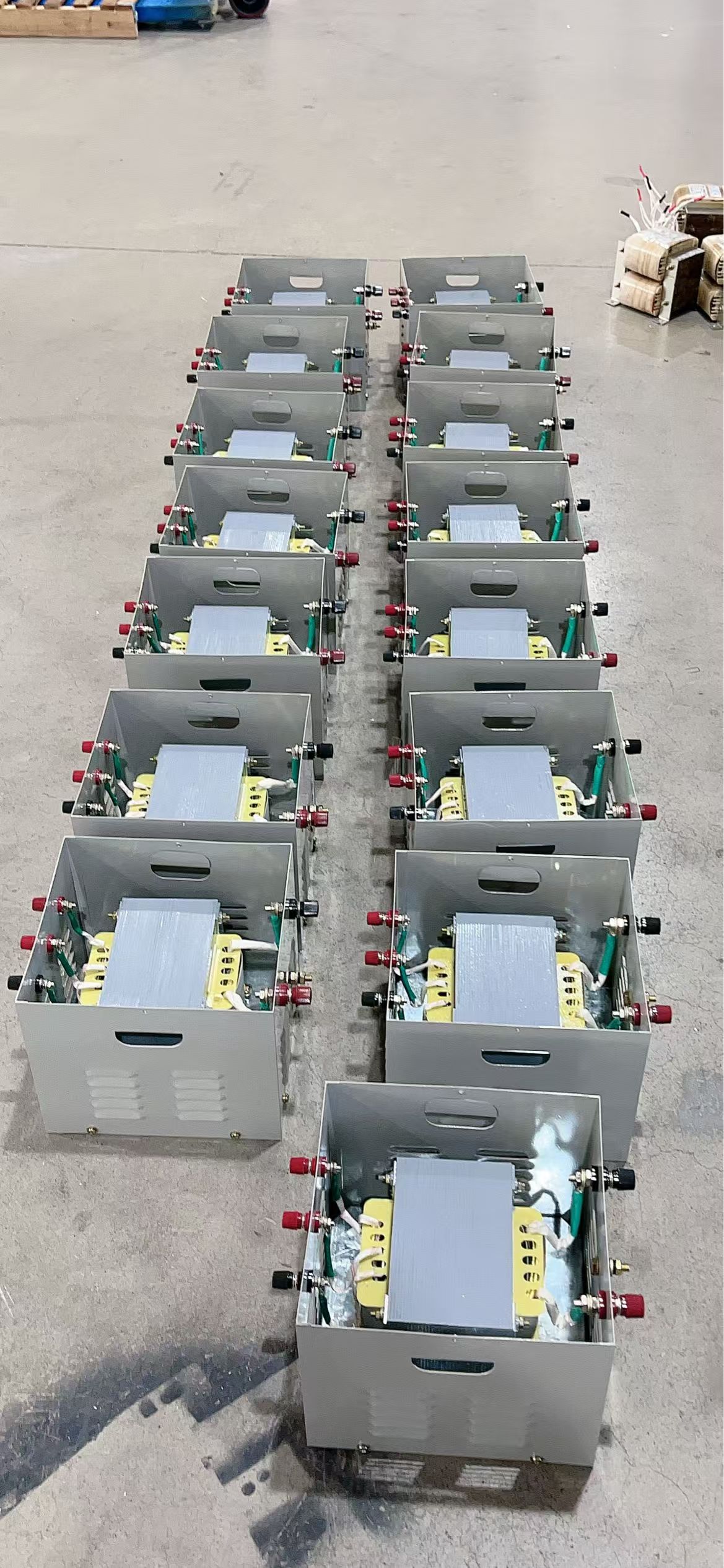
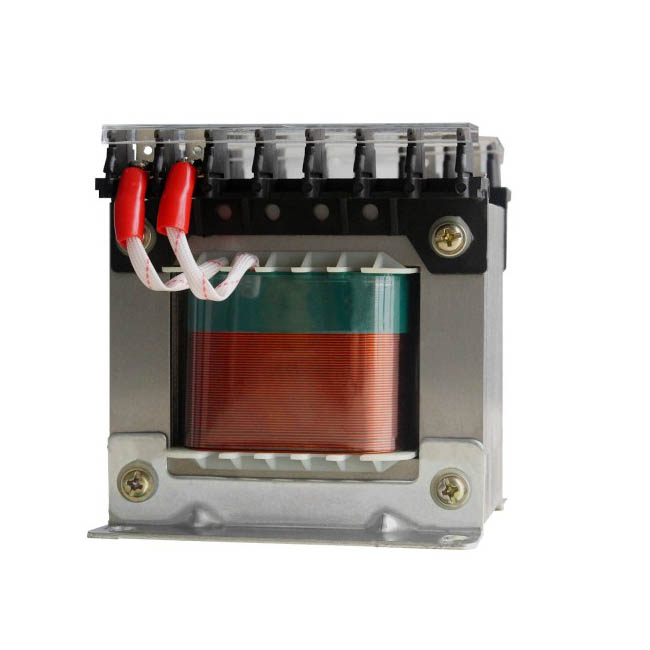
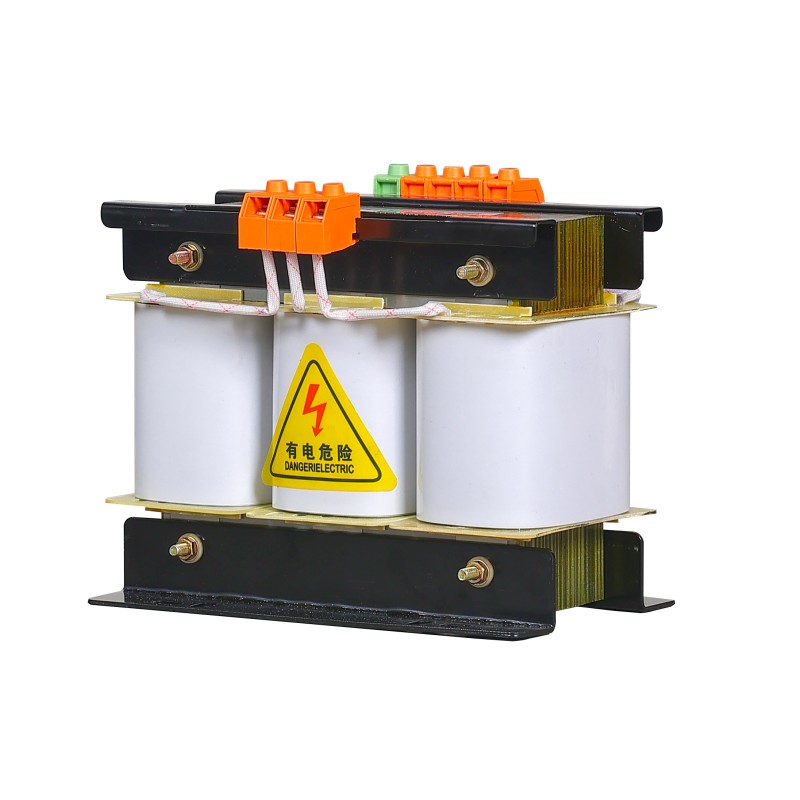
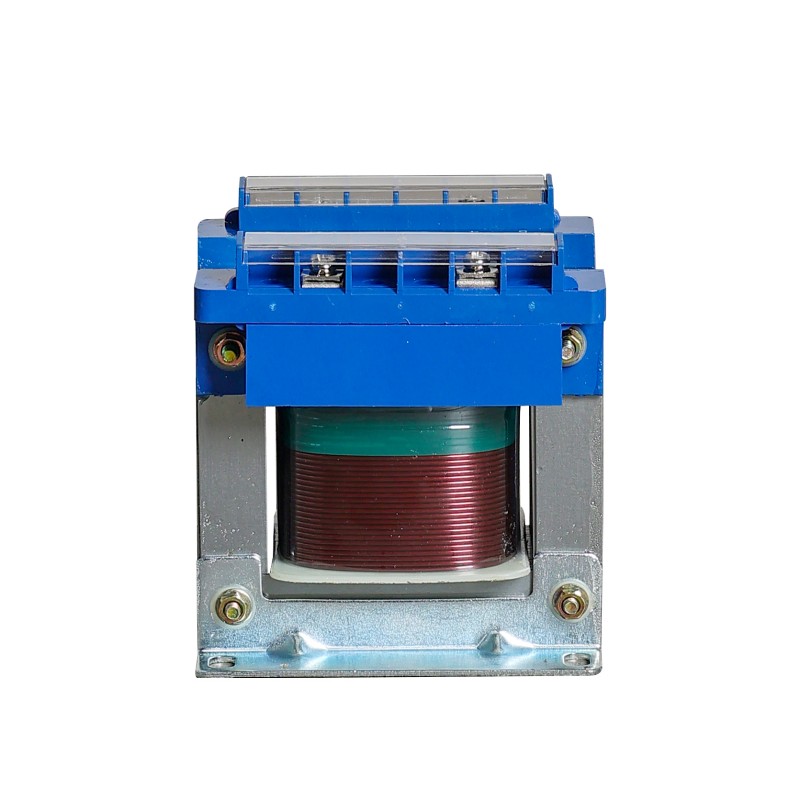
The core uses stacked cold-rolled silicon steel laminations with fully inclined joints — standard practice for dry-type transformers. Loss and noise control are at normal levels for this price range — nothing spectacular, but nothing to complain about either. Windings are copper, with enameled wire temperature rating matched to the insulation class.
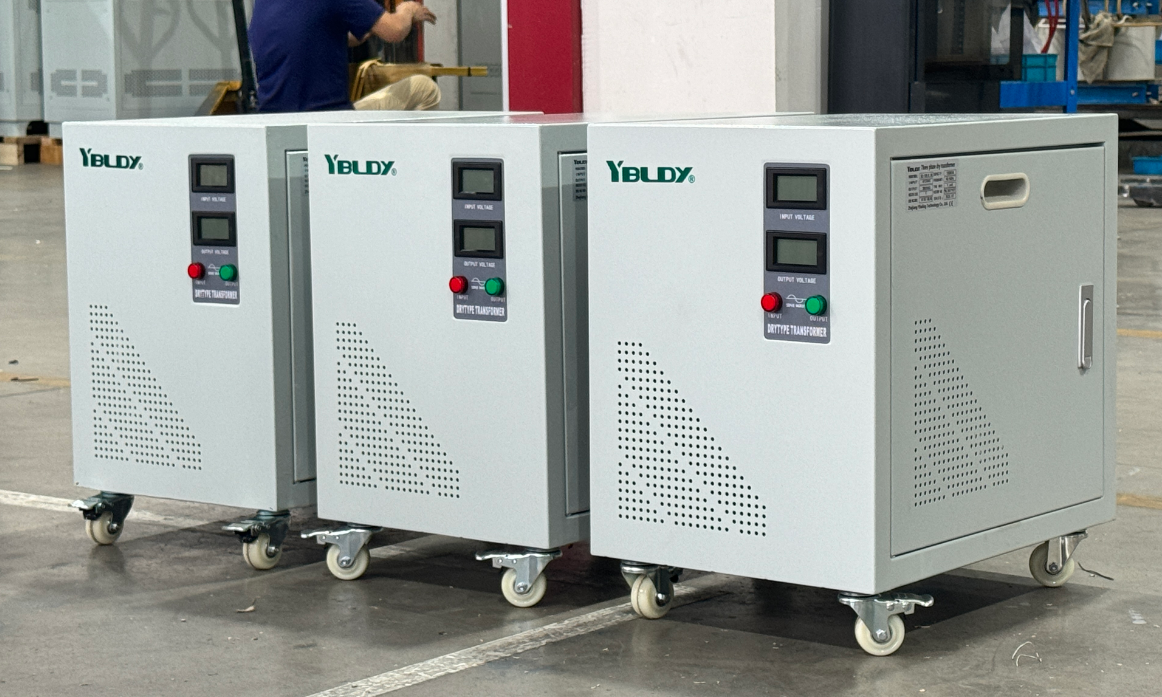
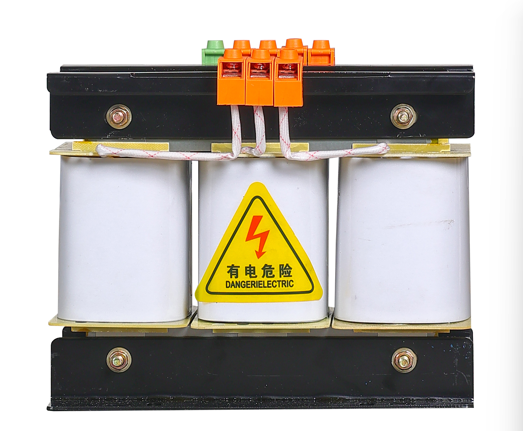
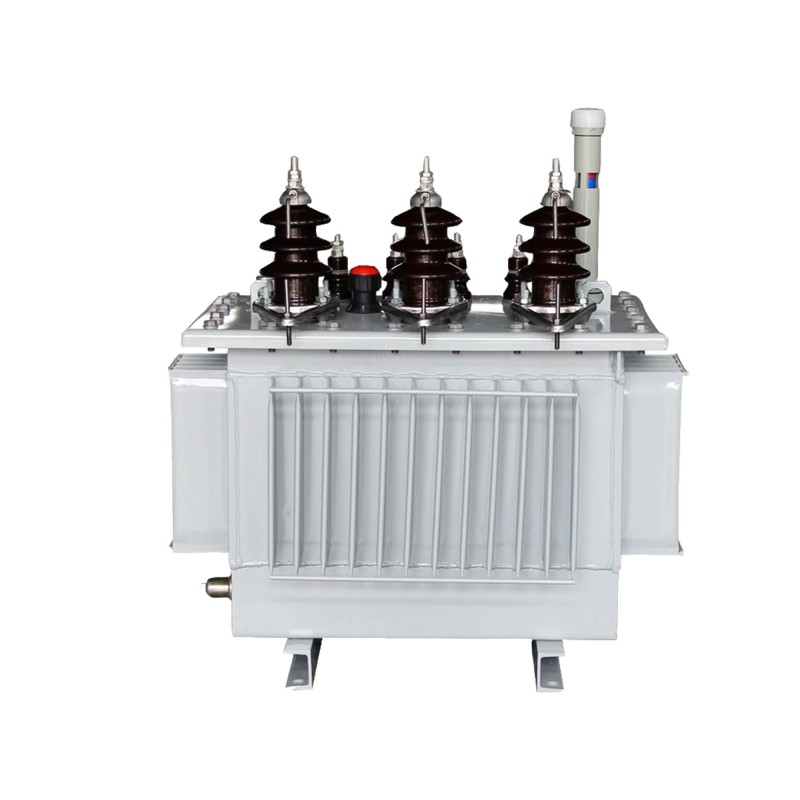
Structure comes in open and protected types. Open type has no enclosure — the body is exposed, with good heat dissipation and compact size, fitting into electrical cabinets without taking up much space. Protected type adds a steel box enclosure with cable entry holes, resisting dust and foreign objects, and wiring doesn't require removing the enclosure. Protected type can be fitted with voltmeters, ammeters, and temperature alarms as needed, plus casters for scenarios requiring mobility.
Grounding: This Needs to Be Said Clearly
Isolation transformers have an easily overlooked prerequisite: grounding must be reliable. The shielding layer and the new neutral line established by the isolated winding only suppress common-mode interference properly when they're well grounded. Sloppy grounding degrades interference rejection and can even create new problems from floating potential. This isn't a transformer issue — it's an installation issue, but it often gets skipped.
Also, an isolation transformer doesn't generate energy and doesn't stabilize voltage. If input voltage drops to 180V, output drops with it. It does isolation and voltage conversion — stabilizing voltage is the regulator's job. If voltage fluctuation is the main problem on site, the SBK needs a regulator upstream.
Applications Are Fairly Concentrated
The SBK Isolation Transformer's main battlefield is imported equipment matching and precision equipment power. Machine tools from Europe and Japan have rated voltages that don't match the domestic grid, and the SBK handles voltage matching and isolation together. UPS front ends, medical equipment, laboratory installations, electroplating power supplies, CNC machine tool control circuits — these scenarios have power quality requirements but don't warrant overly complex power conditioning, and the SBK is a straightforward choice.
When specifying, focus on three things: input and output voltage, capacity margin, and whether a protective enclosure is needed. Motor loads draw high starting current, so leaving adequate capacity margin matters more than impressive specs. Ensure reliable grounding, leave adequate ventilation, and let the transformer handle the rest.
Related News
- When can we find TSGC2 Contact-type Voltage Regulator?
- Why is Online Soft Starter Convenience or Trouble?
- When use Three Phase High-power Voltage Regulator?
- How TDGC2J Single-Phase Contact Voltage Regulator work?
- When Voltage Drops to 160V, Can TND Fully Automatic AC Voltage Stabilizer Still Work?
- Where is BK Industrial Control Transformer?
Leave me a message
News Recommendations